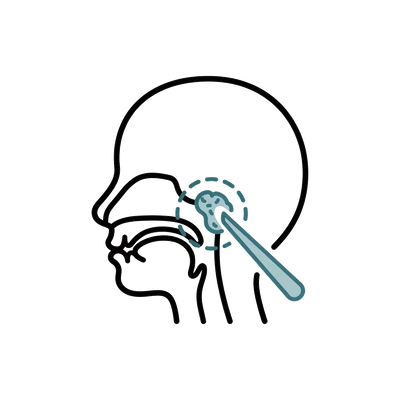
Transoral Scarless Thyroidectomy in Thailand Your guide to cost, top specialists & hospitals
The thyroid comes out through the inside of the lip, so nothing is cut on the neck and there is no scar to explain.
What Is Transoral Scarless Thyroidectomy?
Also known as: Scarless Thyroid Surgery · Transoral Endoscopic Thyroidectomy Vestibular Approach (TOETVA)
Transoral endoscopic thyroidectomy vestibular approach, usually shortened to TOETVA, removes part or all of the thyroid through three small cuts made inside the lower lip, so the gland is taken out through the mouth and nothing is cut on the neck5. The thyroid is the butterfly-shaped gland at the base of the neck that controls metabolism2. The operation treats benign nodules, a goitre, an overactive gland and some small low-risk cancers, and takes two to four hours under general anaesthesia.
The appeal is obvious. A thyroid scar sits in the middle of the neck where everyone can see it, and for some people that matters a great deal. What is less obvious is that this route suits a narrower group than conventional surgery does. Gland size, nodule size and the diagnosis all decide whether it is possible at all.
It also costs more and takes longer in theatre, and it carries its own risks that neck surgery does not, chiefly a period of chin numbness. A surgeon who sets out both sides of that trade honestly is the one worth listening to.
It can address a range of concerns, including:
Am I a Good Candidate for Transoral Scarless Thyroidectomy?
Suitability depends on the size of the gland and nodule, on what the biopsy shows, and on settling how much thyroid needs to come out before the question of approach arises at all.
The approach is the last decision, not the first, and everything upstream of it has to be settled.
Ultrasound and biopsy done: the nodule is characterised before any operation is planned.
Extent of surgery decided: whether you need one lobe or the whole gland is driven by diagnosis, not by preference.
Cancer changes the picture: disease needing lymph node clearance is generally beyond what this route can handle.
This is the constraint that rules most people in or out, and it is a measurement rather than a judgement.
Gland volume within range: large goitres cannot be removed through the mouth safely.
Nodule size matters too: the specimen has to pass through the central incision in a retrieval bag.
Retrosternal extension excludes it: a gland reaching behind the breastbone needs conventional access.
Two things unique to this route need checking before a date is offered.
Dental health assessed: instruments pass through the mouth, so active dental or gum infection is treated first.
Previous neck surgery or radiotherapy: earlier treatment alters the tissue planes and usually rules the approach out.
Fit for a longer anaesthetic: this operation takes longer in theatre than conventional thyroid surgery.
What this operation gives you is specific and worth being clear about.
No visible scar, and that is the benefit: it does not reduce the risk to the voice nerves or parathyroid glands.
Chin numbness is likely: common early, usually recovering over weeks to months, occasionally lasting.
Tablets may follow: total removal always means lifelong hormone replacement, and a lobectomy sometimes does.
Who is not suitable for transoral scarless thyroidectomy?
- A large goitre, or a gland extending behind the breastbone, which cannot be removed safely through the mouth
- A nodule too large to pass through the central incision in a retrieval bag
- Thyroid cancer requiring extensive lymph node clearance or involving structures beyond the gland
- Previous neck surgery or radiotherapy to the neck, which alters the tissue planes the route depends on
- Active dental or gum infection, until it has been treated
- A nodule not yet assessed with ultrasound and needle biopsy, so the diagnosis is unsettled
- Severe frailty or significant heart or lung disease making a longer general anaesthetic unsafe
- Choosing the approach before the extent of surgery has been decided
Pricing
How Much Will Transoral Scarless Thyroidectomy Cost in Thailand?
What transoral scarless thyroidectomy costs at accredited hospitals in Thailand, and what your final quote depends on.
Get your exact price
Tell us what you're considering and we'll send a personalised quote from accredited hospitals within 24 hours.
Get my free quoteTypical prices in Thailand
Typical ranges based on recent hospital quotes. Your exact price depends on the hospital and how complex your case is, and is confirmed at your teleconsultation.
Transoral Scarless Thyroidectomy
The thyroid gland is removed through three small cuts inside the lower lip, so nothing is cut on the neck and no scar shows.
| Transoral endoscopic thyroidectomy, vestibular approach 3 nights Scarless removal through the lower lip, three nights in hospital included | $12,300 ฿419,000 |
Typically not included
- Intensive care beyond the nights stated in the package
- Pathology and pathologist charges on the removed thyroid tissue, which are billed separately and are not optional
- Laboratory tests and imaging, including thyroid function tests, ultrasound and any needle biopsy
- Long-term thyroid hormone replacement, which is a cost you carry at home rather than here
- Vocal cord assessment before and after surgery, where charged separately
- Pre-operative medical clearance and fitness assessment, and specialist consultant fees outside the operating surgeon
Get your exact price
Tell us what you're considering and we'll send a personalised quote from accredited hospitals within 24 hours.
Hospitals Trusted for Transoral Scarless Thyroidectomy
From internationally accredited flagships to dedicated specialist hospitals, these are the kinds of facilities where international patients have this procedure.
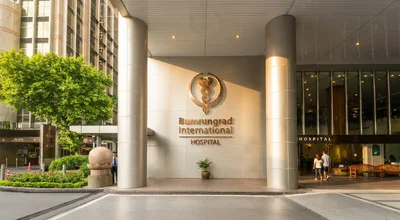
Bumrungrad International Hospital
Tertiary hospital with over 1,200 physicians treating 520,000+ international patients a year.
View hospital profile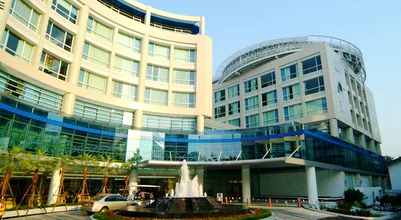
Bangkok Hospital
BDMS flagship tertiary campus with standalone heart, cancer, and neuro-orthopaedic hospitals.
View hospital profile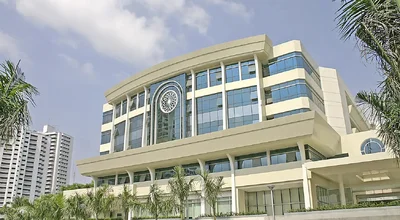
Samitivej Sukhumvit Hospital
Tertiary hospital known for paediatrics, home to Thailand's first private children's hospital.
View hospital profile
Tell Us What You Need. We Do the Rest.
Share what you're considering and we'll come back with surgeon options, pricing, and a clear plan.
- Real hospital pricing with zero markup
- Matched with a specialist experienced in your specific procedure
- Full coordination from consultation to recovery


Trusted by patients worldwide
The complete guide to Transoral Scarless Thyroidectomy in Thailand
Everything below is for readers who want the full detail: costs broken down, types and techniques, recovery, risks and safety, and planning your trip.
Thyroid Surgeons & Hospitals in Thailand
This is a technique-specific operation, so experience with this particular route matters far more than general thyroid experience.
Leading Hospitals in Bangkok
The Bangkok hospitals offering the transoral approach are large JCI-accredited institutions with head and neck surgical units, on-site pathology and intraoperative nerve monitoring. On-site pathology matters here because the removed tissue must be analysed, and having the laboratory in the same building means you can usually discuss the report before you fly home.
Experienced Head and Neck Surgeons
Our partner surgeons are board-certified and many have specific fellowship training in endocrine or head and neck surgery. Thailand adopted the transoral technique early, so there are surgeons here with meaningful case numbers in it. Ask about those numbers directly rather than about thyroid experience in general, since the two are not the same thing.
What to Look for in a Surgeon
Ask how many transoral thyroidectomies they perform each year. Ask what their size limit is for the gland and the dominant nodule, and what would make them convert to conventional neck surgery. And ask what proportion of patients they assess for this route and then advise against. A clear answer to the last question tells you the most.
Understanding Your Results
There are two results here that matter, and only one of them is visible. The pathology report and your thyroid function are what determine how the next year goes.
What You Will and Will Not See
No scar on the neck or anywhere else on the skin. The incisions inside the lip heal within a couple of weeks and are not visible even when you look. Swelling under the chin and jaw is noticeable for the first week or two and can look more alarming than it is. Chin numbness is not visible but is very much felt, and it improves over weeks to months.
What the Pathology and Blood Tests Tell You
The pathology report confirms what the nodule actually was, which occasionally differs from what the biopsy suggested and can change what follows. Thyroid function tests then determine whether you need hormone replacement. After a total thyroidectomy you always will. After a lobectomy, a proportion of people do and a proportion do not, which is only known once the remaining lobe has had a few weeks to show what it can do.
Transoral Thyroidectomy Cost in Thailand
The Published Package Figure
Our partner hospital quotes ฿419,000 for transoral endoscopic thyroidectomy including three nights in hospital, current to the end of 2026, which is around $12,325. That is one hospital's figure rather than a Thai market rate, and prices at other Thai hospitals differ, sometimes substantially.
What the Scarless Route Costs Extra
The same published price list puts conventional thyroid surgery through the neck at ฿252,000 for a lobectomy and ฿367,000 for a total thyroidectomy. So the transoral approach carries a premium of roughly ฿50,000 to ฿170,000 depending on which conventional operation you would otherwise have had. That premium buys the absence of a neck scar. It does not buy a safer operation, a shorter recovery or a better cancer outcome.
What Is Not in the Package
The surgical package excludes pathology and pathologist charges, and thyroid tissue is always analysed after removal, so that cost is unavoidable and should be quoted to you separately. Also outside the package are pre-operative medical clearance, specialist consultant fees, laboratory tests and imaging, vocal cord assessment where charged separately, the thyroid hormone replacement you may need afterwards, and intensive care beyond the nights stated.
The Cost That Follows You Home
If the whole gland is removed you will take thyroid hormone replacement daily for the rest of your life, with periodic blood tests to check the dose. It is an inexpensive medication in most countries and it is not a reason to avoid surgery, but it is a permanent commitment rather than a course of treatment, and it belongs in any honest account of what this operation costs.
Scarless or Conventional Thyroid Surgery
Conventional thyroid surgery through the neck is the operation almost everyone has, and it is the operation to compare against rather than dismiss. It is shorter in theatre, it has the longest safety record of any thyroid procedure, and it handles cases the transoral route cannot, including large goitres, glands extending behind the breastbone and cancers requiring lymph node clearance, since the transoral approach is offered only to selected patients with small nodules and small cancers5. The scar sits low in the neck in a natural crease and usually settles to a fine pale line, though it stays visible, and a minority of people form thicker scars than that. At this hospital the same published price list puts a conventional lobectomy at ฿252,000 and a total thyroidectomy at ฿367,000, against ฿419,000 for the scarless route.
The transoral operation buys you the absence of that scar and nothing else. It does not remove more disease, it does not reduce the risk to the voice nerves or the parathyroid glands, and it does not shorten recovery. It takes longer in theatre, it costs more, and it adds a complication that neck surgery does not have, namely numbness of the chin and lower lip, which is common in the early weeks and takes weeks or months to fade. Very occasionally it does not fully recover.
So the honest framing is this. If a neck scar genuinely troubles you, and your gland and nodule are within the size range, and you are being operated on by a surgeon who does this route regularly, TOETVA is a reasonable thing to want and to pay more for. If you are ambivalent about the scar, or your gland is large, or the diagnosis calls for a more extensive operation, conventional surgery is the better answer and choosing it is not settling for less. Settle the diagnosis and the extent of surgery first, with thyroid surgery as the reference point, and treat the approach as the last decision rather than the first.
Ways of Removing the Thyroid
The route into the thyroid and the amount of gland removed are two separate decisions. The second is driven by your diagnosis and is settled first, and only then does the question of approach arise.
Conventional Open Thyroidectomy
A horizontal incision low in the neck, usually two to three centimetres above the collarbone, giving direct access to the whole gland1. This is the established operation with the longest track record and it handles every case, including large goitres and cancers needing lymph node clearance. The scar usually settles into a fine line within a natural crease, though it remains visible.
- Direct access suitable for any size of gland or extent of disease
- Shortest operating time and the longest safety record
- Priced at this hospital at ฿252,000 for a lobectomy and ฿367,000 for a total thyroidectomy
- Best for: large glands, extensive disease, or anyone for whom a neck scar is not a concern
Transoral Endoscopic Thyroidectomy (TOETVA)
Three small incisions inside the lower lip, with a camera and instruments tunnelled down under the chin to reach the gland from above. The specimen is removed through the mouth in a retrieval bag. No skin is cut anywhere. It takes longer in theatre than open surgery, and it is suitable only for selected patients, principally those with smaller thyroid nodules and small thyroid cancers5.
- No visible scar anywhere on the skin
- Longer operating time, and offered only to selected patients5
- Adds a period of chin and lower lip numbness that neck surgery does not
- Best for: smaller nodules and glands in patients for whom a neck scar genuinely matters
Lobectomy or Total Thyroidectomy
Separate from the question of approach is how much gland comes out. A lobectomy removes one side and often leaves enough function that no tablets are needed. A total thyroidectomy removes the whole gland and always means lifelong thyroid hormone replacement1,3. This decision is driven by your diagnosis, not by the route in.
- Lobectomy leaves a chance of normal function without tablets
- Total removal always requires daily hormone replacement for life
- Decided by diagnosis and biopsy, not by patient preference
- Why it matters: settle this before you think about approach, not afterwards
How the Transoral Approach Works
Understanding the route explains most of the trade-offs, including why it costs more, why the chin goes numb and why not every gland can come out this way.
Three Incisions Inside the Lip
The cuts are made in the vestibule, the fold where the inside of the lower lip meets the gum. One central incision takes the camera, two smaller lateral incisions take the instruments. Because they sit inside the mouth, they are invisible from the outside and heal quickly in the way mouth wounds generally do, which is how the approach avoids visible scarring altogether5.
- All three incisions hidden inside the lower lip
- Mouth tissue heals quickly and predictably
- No skin is cut anywhere on the face or neck
- Why it matters: this is the entire point of the operation
Tunnelling Down to the Gland
A working space is created under the skin of the chin and neck, using carbon dioxide gas, and the instruments pass through it to reach the thyroid from above. The mental nerves, which supply sensation to the chin and lower lip, run through this area, and it is the reason numbness afterwards is common rather than unusual.
- A tunnel is created beneath the chin to reach the gland
- Instruments approach the thyroid from above rather than in front
- The nerves supplying chin sensation lie in the working corridor
- Why it matters: chin and lip numbness is expected, and usually temporary
Protecting the Voice and the Parathyroids
The nerves controlling the voice box run immediately behind the thyroid, and four small parathyroid glands that regulate calcium sit on its surface1. Both must be identified and preserved, and the transoral route views them from an unfamiliar angle. Nerve monitoring is used routinely, and this is precisely why surgeon experience matters more here than in conventional surgery.
- Voice nerves and calcium-regulating glands identified and preserved
- Nerve monitoring used routinely during the operation
- The viewing angle differs from open surgery, which is a learned skill
- Why it matters: these two risks exist in any thyroid operation, and are not reduced by the scarless route
Getting the Specimen Out
The removed lobe or gland is placed in a retrieval bag and brought out through the central incision. Specimen size is a hard limit on the approach, because a large gland or a large nodule will not pass through the mouth safely. It goes straight to the laboratory, since the tissue has to be analysed whatever route it came out by.
- Specimen removed in a bag through the central lip incision
- Gland and nodule size are the practical limits on the whole approach
- Full pathology on the removed tissue is required either way
- Why it matters: pathology charges sit outside the surgical package
Recovery Timeline
Day 1
You wake with a sore throat, swelling around the chin and jaw, and numbness of the lower lip and chin. Calcium levels are checked, since the parathyroid glands can be temporarily stunned. Voice is assessed. Fluids first, then soft food. Talking is uncomfortable but encouraged.
Days 2–3
Swelling under the chin is usually at its most noticeable now and can look dramatic before it settles. Mouth rinses keep the incisions clean. Most people are discharged at the end of the third night once calcium is stable and swallowing is comfortable.
Days 4–10
Soft diet continues and the mouth incisions heal quickly. Chin numbness persists and is the symptom people find most unsettling, though it almost always improves. A follow-up appointment reviews the pathology report, checks calcium and thyroid function, and clears you to fly.
Weeks 2–6
Swelling settles and normal diet returns. Chin sensation recovers gradually over weeks to a few months for most people. If a total thyroidectomy was done, hormone replacement is started and the dose is adjusted by your own doctor with repeat blood tests.
When Can You Fly After Thyroid Surgery?
Plan on ten to fourteen days in Thailand, with flying usually cleared around seven to ten days after surgery, once calcium levels are stable, the voice has been checked and the mouth incisions are healing well. Calcium is the reason for the wait rather than the wounds. Take your discharge summary and pathology report with you rather than requesting them later.
When Can You Return to Work and Exercise?
Desk work within one to two weeks for most people, though a soft diet and some chin numbness may still be in the picture. Avoid strenuous exercise and heavy lifting for two to three weeks. Talking is uncomfortable at first but not harmful, and it is encouraged rather than avoided. If your job depends on your voice, discuss the timeline with your surgeon specifically.
When Will Chin Sensation Return?
Usually over several weeks to a few months, and gradually rather than suddenly. Most people describe it improving in patches. A small number are left with a permanently altered patch of sensation on the chin or lower lip. This is the specific trade the transoral route asks you to accept in exchange for no neck scar, and it is worth being clear about it beforehand.
Anaesthesia for Transoral Thyroidectomy
This operation is done under general anaesthesia, so you are fully asleep and aware of nothing. A breathing tube is used, and for thyroid surgery it usually carries electrodes that monitor the nerves controlling your voice box during the operation, giving the surgeon real-time feedback as they work near them. A consultant anaesthetist stays with you throughout, which is standard at the accredited hospitals we work with.
The assessment beforehand is more detailed than for minor surgery. Expect thyroid function tests, a calcium level, an ultrasound of the gland and neck, the results of any needle biopsy, and in most centres an examination of the vocal cords so there is a baseline to compare against afterwards. Your dental and oral health is checked as well, which is unusual for a thyroid operation but necessary here, because the instruments pass through the mouth. Any dental infection is treated first. Blood thinners need a pause window agreed with the doctor who prescribes them.
You feel nothing during surgery. Afterwards the discomfort is a sore throat, a swollen and tight feeling under the chin and jaw, and numbness of the lower lip and chin. The numbness surprises people more than the soreness does, so it is worth expecting. Swallowing is uncomfortable for a few days and a soft diet is the norm, with pain relief adjusted around meals rather than left to a fixed schedule.
Risks and Safety of Transoral Thyroidectomy
This carries the risks of any thyroid operation, plus a few specific to the route through the mouth. The scarless approach does not reduce the classic risks, and any account suggesting it does is not being straight with you.
- Injury to the nerves supplying the voice box, causing hoarseness that is usually temporary but occasionally permanent1,5
- Low blood calcium from bruising or removal of the parathyroid glands, often temporary and needing supplements, occasionally permanent1,5
- Numbness of the chin and lower lip from the working corridor under the chin, common early and usually recovering over weeks to months
- Infection of the mouth incisions or the tunnel beneath the chin
- Bleeding or a collection under the chin needing drainage
- Conversion to conventional neck surgery mid-operation, if the transoral route proves unsafe or the specimen will not pass
- Lifelong thyroid hormone replacement after total removal, and sometimes after a lobectomy too3,5
- Carbon dioxide tracking into the tissues of the face or neck, generally settling on its own
Two things reduce risk more than anything else. The first is a surgeon who performs this specific approach regularly rather than occasionally, since the viewing angle and the working corridor are genuinely different from open surgery. The second is honest case selection, which means being told no when your gland is too large or your diagnosis calls for a more extensive operation.
Is Transoral Thyroid Surgery Safe in Thailand?
Thailand is one of the countries where this approach has been developed and adopted early, and the larger Bangkok hospitals performing it are JCI-accredited with dedicated head and neck surgery, on-site pathology and nerve monitoring as standard. The classic risks of thyroid surgery are unchanged by the route, so the questions to ask are about the surgeon's experience with this specific technique.
How to Reduce Your Risk
Settle the diagnosis before the approach. Send your ultrasound, biopsy result and thyroid function tests in advance so the gland and nodule can be measured against the limits for this route. See a dentist beforehand and deal with any oral infection. Agree a blood thinner pause window with your prescribing doctor. Ask specifically how many transoral cases the surgeon has done.
When Is Further Treatment Needed?
If the pathology on a nodule that appeared benign turns out to show cancer, a second operation to remove the remaining lobe is sometimes advised, and radioactive iodine may follow. If a lobectomy leaves you with an underactive thyroid, hormone replacement is started. Low calcium after total removal is treated with supplements, usually for a period rather than permanently.
Planning Your Trip to Thailand for Thyroid Surgery
This trip is longer than the operation suggests, because calcium levels and the pathology report both need time before anyone signs you off to fly.
How Long to Stay in Thailand
Ten to fourteen days. The first days cover consultation, ultrasound review, blood work, vocal cord assessment and a dental check. Surgery follows with three nights in hospital. Then a week of recovery in Bangkok with calcium and thyroid function monitoring, a review of the pathology report, and a final check before you are cleared to fly.
What to Send Before You Travel
Your thyroid ultrasound with measurements, any needle biopsy result, recent thyroid function tests and a full medication list. Gland size and nodule size decide whether the transoral route is possible at all, so sending measurements ahead is how you avoid flying out for an assessment that concludes with conventional surgery instead.
Eating and Talking in the First Week
Plan for a soft diet for the first week and choose accommodation where that is easy. Mouth rinses replace tooth brushing near the incisions for a few days. Talking is uncomfortable rather than harmful. It is a week where having someone with you, or at least somewhere quiet and near the hospital, makes a genuine difference.
Related Procedures
Other procedures that address similar goals or conditions, in case one of them is a closer fit for you.
Planning your treatment in Thailand
Independent guides to help you weigh the decision, before you commit to anything.
Common Questions About Scarless Thyroid Surgery
The things people ask before deciding

Medical References
Keep researching with AI
Open this guide in your AI assistant to dig deeper and ask the questions it didn't answer.
Opens in a new tab with this guide already loaded.
Medical disclaimer: Content on this site is provided for informational purposes and should not be treated as medical advice. Outcomes, timelines, and eligibility differ from person to person. Consult a qualified medical professional before making any decisions about surgery or treatment.
Check If It Is Possible First
Send us your thyroid ultrasound and biopsy result and we will have a surgeon confirm whether the scarless route is realistic for you.
Speak to Our Team