Naso-Laryngoscopy in Thailand Your guide to cost, top specialists & hospitals
A quick, awake camera test that lets an ENT specialist see your nasal passages, throat and voice box clearly, with the findings usually explained to you the same day.
What Is Naso-Laryngoscopy?
Also known as: Flexible Nasendoscopy · Throat Camera · Flexible Naso-Laryngoscopy
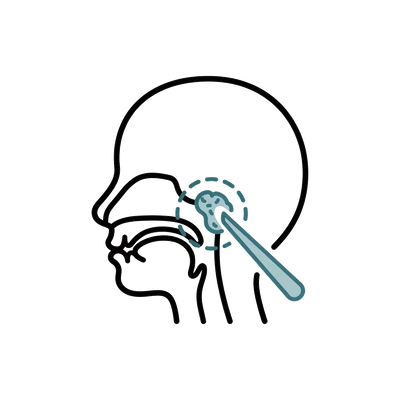
A naso-laryngoscopy passes a thin, flexible camera, called a nasendoscope, through one nostril to look at the nasal passages, throat, and voice box (larynx). It is done awake in the clinic in five to ten minutes with no sedation, after a numbing and decongesting spray so the scope passes comfortably.
It is a diagnostic test rather than a treatment, used to investigate a hoarse voice, a feeling of a lump in the throat, or difficulty swallowing, and because it shows the vocal cords moving in real time it tells you things a scan cannot.2 For a persistent voice problem the standard scope can be stepped up to videostroboscopy, a distinct test tier that adds a strobe light synced to your voice to show the cords vibrating in slow motion; it catches subtle vibration and closure problems a routine scope misses, and is worth asking for specifically if your voice is the concern.
Being honest about what this is: it is a low-cost test, so the saving against having it at home is modest in absolute terms. It is rarely worth travelling for on its own, making most sense as part of a wider ENT assessment or a health check while you are in Thailand. After the standard awake scope you can eat and drive straight afterwards, so it slots into a trip without any recovery time. The only exception is if the specialist steps up to a rigid laryngoscopy under general anaesthetic, which is a theatre procedure with normal GA recovery.
It can address a range of concerns, including:
Am I a Good Candidate for Naso-Laryngoscopy?
A naso-laryngoscopy suits anyone with an ENT symptom that needs a direct look at the throat or voice box, and is most worthwhile as part of a wider assessment. The tabs below set out when it earns its place and what to keep in mind.
The test earns its place when a symptom needs the throat or voice box looked at directly.
Voice and throat symptoms: A persistent hoarse voice, a lump-in-the-throat feeling, or difficulty swallowing are the classic reasons for a scope.
A real-time view: It shows the vocal cords actually moving, which a scan cannot, making it the natural first look for these symptoms.
Same-day understanding: The findings are usually explained on the spot, so you leave knowing what was seen and what comes next.
Being clear about what the examination is avoids disappointment.
Diagnostic, not therapeutic: It tells you what is going on; it does not treat the underlying cause.
It guides the next step: A normal result is often reassurance; a finding points to a scan, a further test, a referral, or treatment.
No promises on findings: Nobody can say in advance what the test will or will not show, only that you will be advised clearly.
Honesty about value matters more here than with bigger procedures.
A low-cost test: It is inexpensive everywhere, so the absolute saving against home is modest.
Not a trip on its own: It is not worth travelling for by itself; it suits a wider ENT assessment or health check.
A small bonus alongside: Added to another procedure or assessment you are already having, the lower price is a genuine but minor plus.
A few simple things keep the test straightforward.
Tell them about bleeding risk: Mention any nosebleed tendency or blood-thinning medication so the test can be adjusted.
Flag any allergy: Let staff know of any allergy to local anaesthetic before the numbing spray is used.
Nothing else needed: No fasting and no sedation, so you can eat beforehand and drive yourself away afterwards.
Who is not suitable for naso-laryngoscopy?
- An active nasal infection or acute sinusitis, where an elective scope is usually deferred until it has cleared
- A deviated septum or other narrowing that completely blocks one nostril, which can prevent the scope passing on that side
- A bleeding disorder or blood thinners not yet reviewed and adjusted with a doctor
- A single low-cost test as the only reason to travel, where the saving is small
- A known allergy to local anaesthetic spray that has not been flagged to the clinic
- Expecting the test to treat a problem rather than diagnose it
- A very recent symptom where a short period of watchful waiting may be advised first
Pricing
How Much Will Naso-Laryngoscopy Cost in Thailand?
What naso-laryngoscopy costs at accredited hospitals in Thailand, and what your final quote depends on.
Get your exact price
Tell us what you're considering and we'll send a personalised quote from accredited clinics within 24 hours.
Get my free quoteTypical prices in Thailand
Typical ranges based on recent hospital quotes. Your exact price depends on the hospital and how complex your case is, and is confirmed at your teleconsultation.
Naso-Laryngoscopy
A thin flexible camera is passed through one nostril to view the nasal passages, throat and voice box while you are awake and sitting up.
| Flexible nasendoscopy Thin flexible camera passed through the nose, for a hoarse voice, throat-lump feeling or swallowing trouble | $80 to $300 ฿2,720 to ฿10,200 |
Typically not included
- Treatment of any condition the test finds, quoted once the findings are known
- Stepping up to a rigid laryngoscopy under general anaesthetic, a theatre procedure, if a closer look or biopsy is needed
- Any CT or MRI scan the findings point to
- Laboratory analysis of any tissue sample taken
Get your exact price
Tell us what you're considering and we'll send a personalised quote from accredited clinics within 24 hours.
Hospitals Trusted for Naso-Laryngoscopy
From internationally accredited flagships to dedicated specialist hospitals, these are the kinds of facilities where international patients have this procedure.

Bumrungrad International Hospital
Tertiary hospital with over 1,200 physicians treating 520,000+ international patients a year.
View hospital profile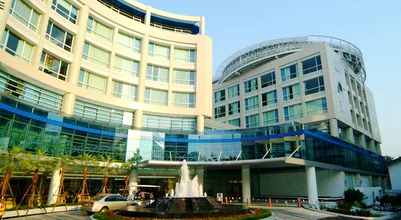
Bangkok Hospital
BDMS flagship tertiary campus with standalone heart, cancer, and neuro-orthopaedic hospitals.
View hospital profile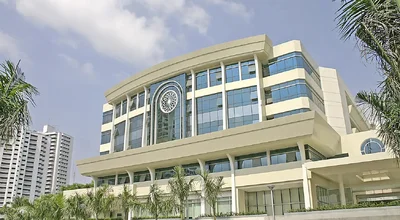
Samitivej Sukhumvit Hospital
Tertiary hospital known for paediatrics, home to Thailand's first private children's hospital.
View hospital profile
Tell Us What You Need. We Do the Rest.
Share what you're considering and we'll come back with surgeon options, pricing, and a clear plan.
- Real hospital pricing with zero markup
- Matched with a specialist experienced in your specific procedure
- Full coordination from consultation to recovery


Trusted by patients worldwide
The complete guide to Naso-Laryngoscopy in Thailand
Everything below is for readers who want the full detail: costs broken down, types and techniques, recovery, risks and safety, and planning your trip.
Where to Have a Naso-Laryngoscopy in Thailand
A naso-laryngoscopy is a simple test, but the setting and the person reading it shape how much it tells you. Three things are worth checking before you book.
A JCI-Accredited Hospital
Having the test at a JCI-accredited hospital means the equipment, hygiene, and reporting meet recognised international standards, and that any further test or treatment the findings point to can be arranged under one roof. A full-service hospital with an ENT department is the sensible setting rather than a standalone walk-in clinic.
A Board-Certified ENT Specialist
The findings are only as useful as the person reading them. Choose a hospital where the examination is performed and interpreted by an ENT specialist with the relevant board certification, rather than by general staff. An experienced specialist knows a normal variant from a genuine concern and can advise clearly on the next step.
What to Look for
Look for modern video endoscopy equipment, the option to record the examination, and a specialist willing to show you the images and explain them plainly. If the test is part of a wider ENT assessment, check what the quote includes and how any findings, samples, or images will be shared with your doctor at home.
What a Naso-Laryngoscopy Can Tell You
A naso-laryngoscopy is a diagnostic test, so its value is in the information it gives rather than any visible change. It helps to be clear about what it realistically does and does not do.
What the Test Realistically Achieves
The examination gives a clear, direct view of the nasal passages, throat, and moving voice box, which lets an ENT specialist explain what is causing a symptom such as a hoarse voice, a lump-in-the-throat feeling, or difficulty swallowing. It is a way of seeing and understanding the problem. It is not a treatment, so it does not fix the underlying cause; instead it guides whether further tests or treatment are needed.
What Happens Next
If the examination is normal, that is often reassurance in itself, and no further action may be needed. If something is seen, the specialist discusses the next step, which could be a scan, a further examination such as a rigid laryngoscopy with a sample, a referral, or treatment for a specific condition. The test points the way; what follows depends on what it finds.
Naso-Laryngoscopy Cost in Thailand
Average Cost of a Naso-Laryngoscopy
A flexible nasendoscopy in Thailand typically costs between $80 and $300, depending on the hospital, whether it is bundled with an ENT consultation, and whether a more detailed assessment such as videostroboscopy is included. The lower end is the scope on its own; the higher end reflects a fuller ENT workup around it. Because the test is inexpensive, the figure is best read as part of an overall assessment cost rather than in isolation.
What the Price Covers
A typical quote covers the ENT specialist's time, the use of the scope, the numbing spray, and the findings being explained to you on the day. If the examination is recorded for review or a more detailed voice assessment is added, that can sit at the higher end. A sample sent to the lab, if one is taken, is usually charged separately.
What Affects the Price?
The main factors are whether the scope is charged alone or as part of an ENT consultation, the hospital, and whether any additional assessment such as videostroboscopy is performed. A standalone flexible nasendoscopy sits at the lower end, while a fuller voice or throat workup sits higher. Any further test or treatment that follows is quoted separately once the findings are known.
Thailand vs International Price Comparison
A naso-laryngoscopy in Thailand ($80–$300) costs less than in the US ($300–$1,500), Australia (A$350–A$1,200), and the UK (£200–£800), but the absolute saving on a single low-cost test is small. Being honest, it is not a procedure worth travelling for on its own. It makes sense when added to a wider ENT assessment, a health check, or another procedure you are already having in Thailand, where the lower price is a genuine but modest bonus.
Naso-Laryngoscopy vs Imaging
A naso-laryngoscopy and a scan such as a CT or MRI answer different questions, so they are usually complementary rather than alternatives. Knowing what each one shows helps make sense of why a specialist might recommend one, the other, or both.
A scope gives a direct, real-time view of the lining of the nose, throat, and voice box, and crucially shows the vocal cords actually moving as you breathe and speak. That live picture of the surface and of movement is something a still scan cannot provide, which is why the scope is the natural first look for voice changes, a lump-in-the-throat feeling, or swallowing problems.
Imaging does the opposite job well. A CT or MRI scan looks beneath the surface at deeper structures, the extent of any abnormality, the sinuses, and the neck, which a camera on the lining cannot see. So a scan adds information about what lies underneath rather than replacing the direct view. When something is found on the scope, a scan often follows to map it more fully, and the two together give a far more complete picture than either alone. Your ENT specialist will advise which your particular symptom needs.
Types of Throat and Voice-Box Examination
A flexible nasendoscopy is the usual awake test, but ENT specialists choose from a few related examinations depending on how detailed a view they need and what they are looking for.
Flexible Nasendoscopy
The standard, everyday test, and the one most people have. A thin flexible scope passes through the nostril to view the nasal passages, throat, and voice box while you are awake and sitting up. Because it is done awake, the specialist can ask you to talk, breathe, and swallow to see how the structures move.
Rigid Laryngoscopy
A more detailed examination using a rigid scope, sometimes carried out under a general anaesthetic in theatre when a closer look or a biopsy is needed. It gives a very clear, magnified view of the voice box and allows small samples to be taken if something suspicious is seen.
- More detailed view than the awake flexible test
- Sometimes done under anaesthetic, allowing biopsy if needed
- Used as a next step when findings need closer assessment
- Best for: confirming or sampling something seen on the flexible test
Videostroboscopy
A specialised voice assessment that uses a strobe light synced to your voice to show the vocal cords vibrating in slow motion. It picks up subtle problems with how the cords close and vibrate that a standard scope can miss, which makes it valuable for persistent voice problems.
- Strobe light reveals the vocal cords vibrating in slow motion
- Detects subtle voice-cord problems a standard scope may miss
- Often used by voice specialists and speech therapists
- Best for: persistent hoarseness or a professional voice problem
Choosing the Right Test
Most people start with a flexible nasendoscopy because it is quick, awake, and answers the common questions. The rigid examination and videostroboscopy are added when the specialist needs a closer look, a tissue sample, or a detailed voice assessment. The flexible test is almost always the sensible first step.
- Flexible nasendoscopy is the usual first examination
- Rigid laryngoscopy follows when a biopsy or closer view is needed
- Videostroboscopy is added for detailed voice-cord assessment
- Why it matters: the findings guide which, if any, further test is needed
How a Naso-Laryngoscopy Is Done
The test itself is simple, but the equipment and the experience of the specialist reading the findings both make a difference to how comfortable it is and how much it tells you.
Flexible Fibre-Optic or Video Scope
The nasendoscope is a thin, bendy tube carrying either a fibre-optic bundle or a tiny video chip at its tip. Modern video scopes give a brighter, clearer, higher-definition image displayed on a screen, which makes subtle changes easier to spot and allows you to see what the specialist sees.
- A thin flexible scope passed through one nostril
- Video scopes give a clearer, higher-definition image
- Bends to follow the natural curve of the nose and throat
- Why it matters: a clearer image makes subtle changes easier to spot
Numbing and Decongestant Spray
Before the scope passes, a spray containing a local anaesthetic and often a decongestant is applied to the nostril. The decongestant opens the nasal passage to make room for the scope, and the anaesthetic reduces sensation, so the test is mildly odd rather than painful. Some people choose to have no spray at all.
- Local anaesthetic spray reduces sensation in the nose and throat
- Decongestant opens the passage so the scope passes easily
- Makes the test mildly uncomfortable rather than painful
- Why it matters: keeps a quick awake test comfortable
Recording for Review
The examination is often recorded so the findings can be reviewed, compared over time, or shared with another specialist. A recording is useful if you want a second opinion or if your home ENT team needs to see what was found, and it lets the specialist talk you through the images afterwards.
- The examination can be recorded and saved
- Useful for comparison over time or a second opinion
- Lets the specialist walk you through the findings
- Why it matters: gives your home team a clear record to work from
An Experienced ENT Specialist
The scope only shows the picture; interpreting it is what matters. An experienced ENT specialist knows the difference between a normal variant and a genuine concern, what to do next, and when no further action is needed. The value of the test lies as much in who reads it as in the equipment used.
- Findings are only as useful as the specialist reading them
- An experienced eye distinguishes normal from concerning
- Guides whether any further test or treatment is needed
- Why it matters: turns the images into a clear plan rather than just a picture
What to Expect During and After a Naso-Laryngoscopy
During the Test
You sit upright while a numbing and decongesting spray is applied to one nostril, which has a slightly bitter taste. The thin scope is passed gently through the nostril and down to the throat. You may be asked to breathe, say a few words, or swallow so the specialist can watch the structures move. It takes five to ten minutes and feels mildly odd rather than painful.
Straight Afterwards
After the standard awake flexible scope there is no recovery to manage. You may have a mildly numb or tingly throat for around half an hour from the spray2, so it is sensible to wait until normal sensation returns before eating or drinking hot things. Otherwise you can eat, drink, and drive straight away and carry on with your day. This applies to the awake test only; if the specialist steps up to a rigid laryngoscopy under general anaesthetic, that is a theatre procedure with normal GA recovery, so no same-day driving or flying.
Getting the Findings
The specialist usually explains what they saw immediately, often showing you the images or recording. If everything looks normal, you will be reassured on the spot. If something needs a closer look, they will talk through the next step, which might be a further test or referral rather than any treatment that day.
The Following Days
Most people feel completely normal once the spray wears off. A slightly tickly throat or a small amount of blood-tinged mucus when you blow your nose can occur briefly but settles quickly. There are no activity restrictions and nothing to take afterwards.
Can You Eat and Drink Afterwards?
Yes. The only sensible precaution is to wait until the numbing spray wears off, usually around half an hour, before eating or drinking anything hot, since a numb throat makes it harder to judge temperature and swallowing. After that you can eat and drink completely normally. There is nothing else to avoid.
Can You Drive or Fly Afterwards?
Yes to both after the standard awake flexible scope. It is done with no sedation, so there is nothing to wear off that affects driving, and you can drive yourself away from the clinic and fly the same day, which is part of why the test fits so easily into a trip. The one exception is if the specialist recommends stepping up to a rigid laryngoscopy under general anaesthetic on the same visit: that is a theatre procedure, so the usual GA rules apply, with no driving for at least 24 hours, no flying that day, and someone to accompany you. Most people only have the flexible test, but confirm which one is planned if your travel is tight.
When Will You Get the Results?
Usually straight away. Because the specialist sees the images live, they can normally tell you what they found and what, if anything, to do next before you leave. If a sample was taken for the lab, those specific results take longer, and your coordinator will arrange how they are shared with you and your home doctor.
Does a Naso-Laryngoscopy Hurt?
For most people it is mildly uncomfortable rather than painful. A local anaesthetic and decongestant spray is applied to one nostril first, which numbs the passage and opens it so the thin, flexible scope can pass easily. The spray itself has a slightly bitter taste and can make the throat feel briefly numb, which is the part most people notice more than the scope.
As the scope passes, you may feel a sensation of pressure, your eyes may water, or you may gag briefly, all of which are normal and pass quickly. There is no sharp pain. Breathing steadily and relaxing the shoulders makes it easier, and the whole thing is over in a few minutes. Some people who have had it before choose to skip the spray entirely, as the scope is so fine.
Afterwards there is nothing to manage. The numb feeling from the spray wears off within about half an hour, and any tickly sensation in the throat settles on its own. No anaesthetic injection or sedation is involved, so there is nothing to recover from once you leave.
Risks and Safety of a Naso-Laryngoscopy
A flexible nasendoscopy is one of the safest examinations in ENT, done routinely and awake every day.1,2 The few effects worth knowing about are minor and short-lived.
- Minor discomfort or a sensation of pressure as the scope passes (common, brief)
- Gagging or watering eyes during the test (common, settles immediately)
- A small chance of a minor nosebleed afterwards, usually stopping on its own1
- A brief tickly or numb throat from the anaesthetic spray
- Rarely, a brief faint or light-headedness, which is why you stay seated
- Very rarely, a reaction to the local anaesthetic spray (tell staff of any known allergy)
Serious problems are very rare with a flexible nasendoscopy. Letting the specialist know in advance about any tendency to nosebleeds, blood-thinning medication, or anaesthetic allergies means the test can be adjusted, and staying seated and breathing steadily during it keeps it straightforward.
Fitting a Naso-Laryngoscopy Into Your Trip to Thailand
A naso-laryngoscopy needs no recovery, so it slots into a trip easily rather than dictating it. Here is how to think about it sensibly.
No Dedicated Stay Needed
The test is a quick, walk-in, walk-out appointment with no recovery time, so it requires no minimum stay. You can have it on any day of your trip and carry straight on, with no need to plan around it or keep time free afterwards.
Combining It With a Wider Assessment
A naso-laryngoscopy is most worthwhile combined with the wider workup it belongs to: an ENT consultation, imaging if needed, or a general health check. If the findings point to a condition such as sinus disease, a thyroid issue, or a sleep or breathing problem, having the assessment in one place lets the next steps be planned together rather than piecemeal.
Taking the Findings Home
Ask for a copy of the report and, where possible, the recorded images, so your doctor at home can see exactly what was found. If a sample was taken, your coordinator will arrange how the laboratory result reaches you and your home team. Keeping that record makes any follow-up at home far smoother.
Related Procedures
Other procedures that address similar goals or conditions, in case one of them is a closer fit for you.
Planning your treatment in Thailand
Independent guides to help you weigh the decision, before you commit to anything.
Common Questions About Naso-Laryngoscopy
Everything you need to know before your test

Medical References
Keep researching with AI
Open this guide in your AI assistant to dig deeper and ask the questions it didn't answer.
Opens in a new tab with this guide already loaded.
Medical disclaimer: Content on this site is provided for informational purposes and should not be treated as medical advice. Outcomes, timelines, and eligibility differ from person to person. Consult a qualified medical professional before making any decisions about surgery or treatment.
Ready to Get Started?
Speak with our care coordinators for a free, no-obligation consultation and personalised quote.
Speak to Our Team