Eustachian Tube Balloon Dilatation in Thailand Your guide to cost, top specialists & hospitals
For an ear that stays blocked and will not clear, after sprays and decongestants have had their turn.
What Is Eustachian Tube Balloon Dilatation?
Also known as: Ear Tube Balloon Procedure · Balloon Eustachian Tuboplasty
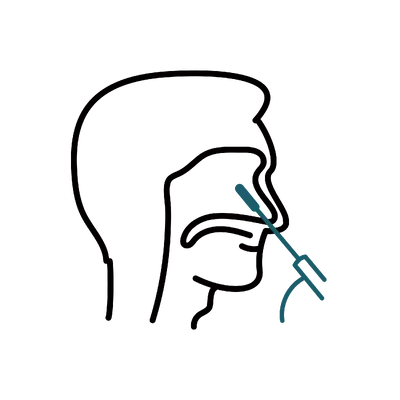
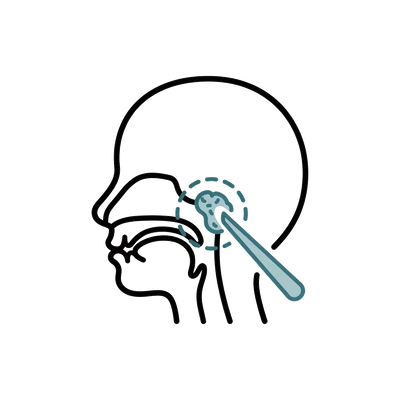
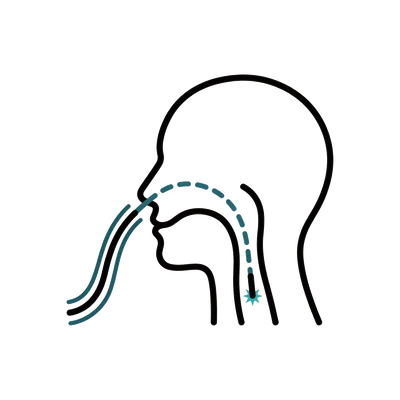
Balloon dilatation of the Eustachian tube is a short procedure that widens the narrow tube linking the middle ear to the back of the nose, by passing a small balloon along it and inflating it briefly with saline1. That tube equalises the pressure behind the eardrum each time you swallow. When it stops opening properly the ear feels blocked and full, hearing sounds muffled, and flying becomes uncomfortable. The procedure goes in through the nostril, leaves no cuts, and takes ten to twenty minutes under general anaesthesia.
A blocked ear that never clears is hard to explain to other people, and it wears you down more than the description suggests. It is also often mistaken for wax or for a cold that will not shift, so a proper diagnosis comes first.
This is a relatively new procedure. NICE in the UK considers the evidence adequate to support its use with the normal arrangements for consent and audit, and many people get real relief, but the long-term picture is still being gathered and not everyone improves.
It can address a range of concerns, including:
Am I a Good Candidate for Eustachian Tube Balloon Dilatation?
Suitability rests on confirmed Eustachian tube dysfunction on testing, a genuine trial of medical treatment behind you, and realistic expectations about what a newer procedure can promise.
A blocked-feeling ear has several possible causes, and this procedure only helps one of them.
Tympanometry and hearing test: the tube is shown to be dysfunctional on testing rather than assumed from symptoms.
The nose examined: an endoscopic look at the tube opening is part of a proper assessment.
Other causes excluded: normal tests with persistent symptoms point somewhere other than the Eustachian tube.
Surgeons expect the simpler routes to have been given a real chance first.
Nasal steroid spray, properly used: six to eight weeks, aimed correctly, not two weeks abandoned early.
Allergy and reflux addressed: where either is contributing, treating it can resolve the problem on its own.
Autoinflation practised: daily techniques to encourage the tube to open are part of the standard first step.
A short general anaesthetic and a nasal procedure need a few things in order.
No active infection: a current cold, sinus infection or ear infection means postponing.
Blood thinners paused: anticoagulants and anti-inflammatory supplements stop under guidance, as the nasal lining bleeds readily.
Previous nasal surgery declared: earlier operations change the anatomy the surgeon works through.
This is a newer procedure and it deserves a measured view rather than an enthusiastic one.
Not everyone improves: a proportion of patients gain little or nothing, and that is a known outcome.
Improvement is gradual: benefit builds over one to three months rather than appearing straight away.
Long-term data still accumulating: durability over many years is less well established than for grommets.
Who is not suitable for eustachian tube balloon dilatation?
- Symptoms present for less than three months, or medical treatment not yet properly tried
- A blocked-feeling ear with normal hearing tests and normal tympanometry, where the cause lies elsewhere
- Active ear, sinus or upper respiratory infection, until it has settled
- A suspected mass or tumour at the back of the nose, which must be investigated first
- Cleft palate or certain craniofacial conditions affecting the tube, where the procedure may not be appropriate
- Anticoagulant medication that cannot be safely paused
- Expecting a guaranteed result, since a proportion of patients notice no meaningful change
Pricing
How Much Will Eustachian Tube Balloon Dilatation Cost in Thailand?
What eustachian tube balloon dilatation costs at accredited hospitals in Thailand, and what your final quote depends on.
Get your exact price
Tell us what you're considering and we'll send a personalised quote from accredited hospitals within 24 hours.
Get my free quoteTypical prices in Thailand
Typical ranges based on recent hospital quotes. Your exact price depends on the hospital and how complex your case is, and is confirmed at your teleconsultation.
Eustachian Tube Balloon Dilatation
A small balloon is passed up through the nostril into the Eustachian tube and inflated briefly with saline to widen it, so the blocked ear can equalise pressure again.
| Balloon dilatation of the Eustachian tube 1 night The procedure with one night in hospital included | $6,300 ฿213,000 |
Typically not included
- Hearing tests, tympanometry and any CT imaging, which are what establish whether you should have this at all rather than optional extras
- Intensive care, or any night in hospital beyond the one in the package
- Specialist consultant fees outside the operating surgeon
- Pathology and pathologist charges, if any tissue is sampled
- Pre-operative medical clearance and fitness assessment
Get your exact price
Tell us what you're considering and we'll send a personalised quote from accredited hospitals within 24 hours.
Hospitals Trusted for Eustachian Tube Balloon Dilatation
From internationally accredited flagships to dedicated specialist hospitals, these are the kinds of facilities where international patients have this procedure.

Bumrungrad International Hospital
Tertiary hospital with over 1,200 physicians treating 520,000+ international patients a year.
View hospital profile
Bangkok Hospital
BDMS flagship tertiary campus with standalone heart, cancer, and neuro-orthopaedic hospitals.
View hospital profile
Samitivej Sukhumvit Hospital
Tertiary hospital known for paediatrics, home to Thailand's first private children's hospital.
View hospital profile
Tell Us What You Need. We Do the Rest.
Share what you're considering and we'll come back with surgeon options, pricing, and a clear plan.
- Real hospital pricing with zero markup
- Matched with a specialist experienced in your specific procedure
- Full coordination from consultation to recovery


Trusted by patients worldwide
The complete guide to Eustachian Tube Balloon Dilatation in Thailand
Everything below is for readers who want the full detail: costs broken down, types and techniques, recovery, risks and safety, and planning your trip.
ENT Surgeons & Hospitals in Thailand
For a procedure whose success depends this heavily on selecting the right patient, the questions to ask are about assessment rather than about technique.
Leading Hospitals in Bangkok
The larger Bangkok hospitals hold JCI accreditation and run ENT departments with full audiology services, endoscopic suites and in-house imaging. Audiology matters more here than it might appear, because the hearing test and tympanometry are what determine whether the procedure should go ahead, and a department that can do them properly on site is one that can change its mind.
Experienced ENT Surgeons
Our partner ENT surgeons are board-certified in otolaryngology by the Medical Council of Thailand, with the specialty board examination administered through the Royal College of Otolaryngologists-Head and Neck Surgeons of Thailand. Many have completed fellowships overseas. For this procedure, ask how many they perform and what proportion of assessed patients they end up advising against.
What to Look for in a Surgeon
A surgeon who wants tympanometry and a hearing test before agreeing to the procedure. One who asks in detail what nasal treatment you have already had, and for how long. And one who tells you plainly that a proportion of patients do not improve. Willingness to say no is the most useful thing you can look for here.
Understanding Your Results
The result is measured in how your ear feels day to day and in what the tympanometry shows, and it is measured at three months rather than three weeks.
What Improvement Feels Like
Ears that clear when you swallow, less of the constant blocked or full sensation, clearer hearing, and flights that no longer take hours to settle afterwards. Many people describe partial rather than complete relief, and partial relief can still be well worth having. Results vary, and a proportion of patients notice little difference at all.
How Long the Benefit Lasts
For many people it holds well. The honest position is that this is a newer procedure than grommets and the long-term durability data is still being gathered, so nobody can quote you a reliable ten-year figure. Symptoms can return, and where they do, the medical treatment you started with usually comes back into the picture alongside a discussion about what to do next.
Eustachian Tube Balloon Dilatation Cost in Thailand
The Published Package Figure
Our partner hospital quotes ฿213,000 for balloon dilatation of the Eustachian tube including one night in hospital, current to the end of 2026, which is around $6,250. That is one hospital's price and not a Thai market rate. Other Thai hospitals price the same procedure differently, and the gap between them can be considerable.
What Is Not in the Package
The surgical packages exclude pre-operative medical clearance, specialist consultant fees, laboratory and imaging work, pathology and pathologist charges, medication for other conditions you already take, and intensive care beyond the night stated. For this procedure the ones that matter in practice are the hearing test, the tympanometry and any CT scan, all of which are part of establishing whether you should have it at all.
What Moves the Final Figure
Treating one ear or both makes no difference to the package. What does change a real quote is additional nasal work in the same anaesthetic. A septoplasty for a deviated septum, sinus surgery, or removal of adenoids are all sometimes recommended alongside, and each adds to the operation and the cost. Ask for that to be quoted before you travel rather than after your consultation here.
How It Compares Internationally
The saving here is real but not dramatic. This is a short procedure rather than major surgery, so the price gap between Thailand and private care in the UK or Australia is narrower than for bigger operations, and against some private clinics abroad it is modest. The dependable advantages are a fixed price agreed in advance and a date that does not depend on a waiting list.
Balloon, Grommet, or Neither
Almost everyone should start with medical treatment, and a good number never need to go further. A nasal steroid spray used properly for six to eight weeks, treatment of any underlying allergy, management of reflux where it is contributing, and daily autoinflation to encourage the tube to open, all give the tube a genuine chance to recover on its own. The commonest reason this fails is not that it does not work, it is that the spray was used for two weeks, aimed badly, or abandoned early. It is worth being honest with yourself about whether it has really been tried.
Grommets are the established alternative. A small ventilation tube through the eardrum lets air into the middle ear and fluid out, bypassing the blocked tube rather than repairing it. They work reliably, they have decades of use behind them, and they are quick. The drawbacks are that they usually fall out within a year, that water precautions are needed while they are in, and that repeated grommets over the years can leave the eardrum scarred. For someone with fluid and hearing loss who needs a dependable result now, they remain a very reasonable choice.
The balloon aims at the tube itself, so if it works there is nothing in the ear, no water restrictions and nothing to fall out. Against that, it is newer, the long-term durability data is still accumulating, and a proportion of patients get little or no benefit. NICE in the UK regards the evidence as adequate to support its use with standard arrangements for clinical governance, consent and audit1, which is a considered endorsement rather than a strong one. That is the honest position, and an ENT surgeon who presents it that way is giving you better information than one who presents the balloon as the obvious modern answer.
Ways of Treating a Blocked Eustachian Tube
Treatment is a ladder rather than a choice, and the balloon sits near the top of it. Knowing what has already been tried tells your surgeon more than the symptoms themselves do.
Medical Treatment First
Nasal steroid sprays used correctly for several weeks, treatment for allergy where it is present, and management of reflux if that is contributing. Autoinflation, gently blowing against a pinched nose or against a small balloon through one nostril, encourages the tube to open3. A good proportion of people improve on this alone, and it is why surgery is not the first step.
- Nasal steroid spray, used properly and for long enough to judge
- Allergy and reflux treated where they are contributing
- Autoinflation techniques taught and practised daily
- Best for: everyone, before any procedure is considered
Grommets
A small ventilation tube placed through the eardrum to let air in and fluid out, bypassing the blocked Eustachian tube rather than treating it3,4. Reliable, long established and quick, but it usually falls out within a year, water precautions are needed, and repeated grommets can scar the eardrum over time.
- Bypasses the problem rather than addressing the tube itself
- Well established, with decades of use behind it
- Usually extrudes within a year, so repeat procedures are common
- Best for: middle ear fluid and hearing loss needing reliable ventilation now
Balloon Dilatation
Widens the tube itself so it can do its own job again. There is nothing left in the ear afterwards, no water precautions and no device to fall out. It is newer than the alternatives and the long-term evidence is still accumulating, so it belongs in the conversation as an option rather than as the obvious answer.
- Treats the tube rather than bypassing it
- Nothing remains in the ear, and no water restrictions afterwards
- Newer than grommets, with long-term durability still being established
- Best for: chronic Eustachian tube dysfunction confirmed on testing, after medical treatment has failed
What the Procedure Involves
This is a short procedure with a longer assessment in front of it, and the assessment is where most of the useful thinking happens.
Confirming the Diagnosis
A hearing test and tympanometry, which measures how the eardrum moves against changing pressure, together with an endoscopic look at the back of the nose where the tube opens. Some centres add a CT scan. A blocked-feeling ear has several possible causes, and confirming that the Eustachian tube is genuinely the problem is what makes the difference between a procedure that helps and one that does not.
- Hearing test and tympanometry rather than symptoms alone
- Endoscopic examination of the tube opening at the back of the nose
- Other causes of a blocked-feeling ear ruled out
- Why it matters: patient selection is the strongest predictor of whether this works
Passing the Balloon
A rigid endoscope goes through the nostril to bring the tube opening into view. A catheter carrying a small deflated balloon is guided into the cartilage portion of the tube, then inflated with saline to a set pressure and held for around two minutes before being deflated and withdrawn. Nothing is cut and nothing is left behind.
- Entirely through the nostril, with no incisions
- The balloon is inflated in the soft, cartilage part of the tube
- Held for about two minutes, then removed
- Why it matters: nothing remains in the ear, unlike a grommet
Treating One Ear or Both
Where both ears are affected and both test abnormally, both are usually treated in the same sitting, since the anaesthetic and the recovery are the same either way. Where only one ear is symptomatic, treating only that ear is normal. This is settled from the test results rather than from how the ears feel.
- Both ears commonly treated in one sitting when both test abnormally
- No additional anaesthetic or recovery for the second side
- Decided on tympanometry and examination, not on symptoms alone
- Why it matters: the package price is the same whether one ear or two are treated
Combining With Nasal Surgery
A deviated septum, chronic sinus disease or large adenoids can all contribute to a poorly functioning tube. Where those are present, an ENT surgeon may recommend addressing them at the same time. That changes the operation, the recovery and the price, so it needs discussing before travel rather than being discovered on arrival.
- Septal, sinus or adenoid surgery sometimes done in the same anaesthetic
- Can improve the outcome where nasal disease is driving the problem
- Changes the length of the operation, the recovery and the cost
- Why it matters: this is the most common reason a real quote differs from the package figure
Recovery Timeline
Day 1
You spend one night in hospital. Expect a blocked nose, mild soreness at the back of the nose and throat, and possibly a small amount of blood-stained nasal discharge. Ear symptoms may briefly feel unchanged or slightly worse, which is expected rather than a sign of failure.
Days 2–7
Nasal congestion settles over the first few days. Saline rinses are usually recommended, along with continuing any nasal steroid spray. Avoid forceful nose blowing. Some people notice their ears clearing within the first week, others notice nothing yet.
Weeks 1–2
Most people are back to normal activity. A follow-up review before flying home checks the nose is healing and there is no bleeding. Flying itself is generally comfortable by this point, though the ears can still behave unpredictably on descent.
Weeks 4–12
The tube lining continues to settle. Benefit, where it comes, usually builds over the first one to three months rather than appearing at once. A repeat hearing test and tympanometry at around three months is the fair point at which to judge whether it has worked.
When Can You Fly Afterwards?
Most surgeons are comfortable with flying about five to seven days afterwards, once the nose has settled and there is no bleeding. There is some irony in a procedure aimed at making flying more comfortable requiring a wait before flying, but the reason is nosebleed risk rather than the ears. Use saline spray during the flight, stay hydrated, and do not blow your nose forcefully.
When Can You Return to Work and Exercise?
Desk work within a couple of days for most people. Avoid heavy lifting, straining and forceful nose blowing for around two weeks, since these can provoke bleeding from the healing nasal lining. Swimming and diving should wait until your surgeon clears you, and diving in particular needs a specific conversation rather than an assumption.
When Will You Know If It Has Worked?
Around three months. Some people notice a change within the first fortnight, but improvement more often builds gradually as the tube lining settles. A repeat hearing test and tympanometry at three months is the fair way to assess it, compared against the tests done beforehand. Judging it at three weeks, in either direction, is judging it too early.
Anaesthesia for Balloon Dilatation
The procedure is normally done under general anaesthesia, so you are fully asleep and aware of nothing. It is short, but the working space at the back of the nose is small and the endoscope and catheter need you completely still. Some centres offer it under local anaesthetic in selected patients, which avoids a general anaesthetic entirely, though most people travelling from abroad have it asleep and that is what the package assumes. A consultant anaesthetist stays with you throughout and monitors you continuously, which is standard at the accredited hospitals we work with.
The assessment beforehand includes blood tests, a review of your medications and a check that any nasal or sinus infection has settled. Blood thinners and anti-inflammatory supplements are paused under guidance, since the lining at the back of the nose bleeds readily. If you have had nasal surgery before, say so, because previous surgery changes the anatomy the surgeon is working through.
You feel nothing during the procedure. Afterwards the sensation is a blocked, stuffy nose and mild soreness at the back of the throat rather than pain, and simple painkillers are usually all that is needed. Your ears may feel much as they did beforehand for the first week or two, which is normal. This is not a procedure where you wake up and immediately notice a difference.
Risks and Safety
This is a low-risk procedure by ENT standards, and serious complications are rare. The most useful thing to understand about it is not the complication list but the chance that it simply does not help.
- Nosebleed in the first days, usually minor and self-limiting
- Ear or sinus infection needing antibiotics
- Temporary worsening of the blocked feeling before any improvement appears
- No meaningful improvement at all, which happens in a proportion of patients
- Symptoms returning after some months or years, since the tube is widened rather than replaced
- Subcutaneous emphysema, where a small amount of air tracks into the tissues around the neck or face, rare and usually self-resolving
- Damage to the tube lining or scarring at the tube opening, uncommon
- The usual small risks of a general anaesthetic
The strongest determinant of whether this helps is whether the Eustachian tube was genuinely the problem in the first place. That is established with a hearing test, tympanometry and an endoscopic look at the tube opening, not from how the ear feels. A surgeon who insists on those tests before offering the procedure is protecting your outcome, not delaying it.
Is This Procedure Safe in Thailand?
Our partner hospitals are JCI-accredited and run ENT departments with the endoscopic equipment, audiology and imaging needed both to do the procedure and to work out beforehand whether it is appropriate. The balloon systems are the same devices used elsewhere. The variable that matters most is the thoroughness of the assessment rather than the technology in the room.
How to Reduce Your Risk
Complete a proper trial of medical treatment first, and be honest about whether you have. Send your hearing test and tympanometry results before you travel so someone can tell you in advance whether you are likely to benefit. Pause blood thinners and anti-inflammatory supplements under guidance. Do not travel with an active sinus or ear infection.
What If It Does Not Work?
A grommet remains available afterwards, and having had a balloon does not prevent one. Some patients have the balloon repeated, though whether that is worthwhile is a matter of judgement rather than settled practice. If your symptoms did not improve, it is also worth revisiting whether the Eustachian tube was the whole story, since a blocked-feeling ear can have more than one cause.
Planning Your Trip to Thailand
This is one of the shorter medical trips, though the assessment before it is what decides whether the trip is worth making at all.
How Long to Stay in Thailand
Five to seven days. That covers consultation, hearing test and tympanometry, the procedure with one night in hospital, a few days for the nose to settle, and a follow-up check before you fly home. Longer is only needed if additional nasal surgery is done at the same time.
What to Send Before You Travel
Your most recent hearing test and tympanometry results, any CT scan of the sinuses or ears, a note of which nasal sprays or allergy treatments you have used and for how long, and a full medication list. This is the single most useful thing you can do, because it is how you find out before booking flights whether you are likely to benefit.
Recovering in Bangkok
Stay in Bangkok until the follow-up check. The nose bleeds more readily than people expect in the first few days, and being within reach of the department is worth more than a change of scenery. Once you are cleared, there is nothing preventing a few quieter days elsewhere before the flight home.
Related Procedures
Other procedures that address similar goals or conditions, in case one of them is a closer fit for you.
Planning your treatment in Thailand
Independent guides to help you weigh the decision, before you commit to anything.
Common Questions About Eustachian Tube Balloon Dilatation
The things people ask before deciding

Medical References
Keep researching with AI
Open this guide in your AI assistant to dig deeper and ask the questions it didn't answer.
Opens in a new tab with this guide already loaded.
Medical disclaimer: Content on this site is provided for informational purposes and should not be treated as medical advice. Outcomes, timelines, and eligibility differ from person to person. Consult a qualified medical professional before making any decisions about surgery or treatment.
Find Out If It Suits You
Send us your hearing test and tympanometry results and we will have an ENT surgeon review whether you are likely to benefit.
Speak to Our Team