Sleep Apnoea Surgery in Thailand Your guide to cost, top specialists & hospitals
When CPAP is not the answer, surgery can permanently widen the airway that collapses while you sleep.
What Is Sleep Apnoea Surgery?
Also known as: Sleep Apnea Surgery · Uvulopalatopharyngoplasty · Upper Airway Surgery
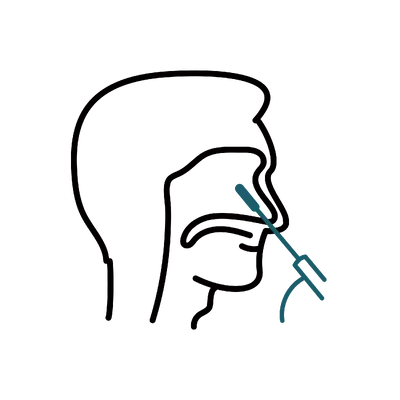
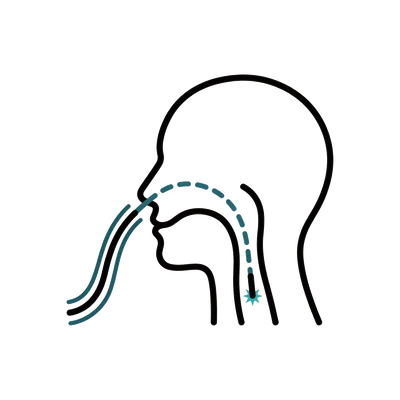
Sleep apnoea surgery is a group of operations that opens the upper airway by widening, stiffening, or repositioning the tissue that collapses while you sleep, at the soft palate, the tongue base, the nasal passages, or behind the jaw. The technique is matched to the site: some reposition soft tissue, one implants a small device that nudges the tongue forward each night, and the largest advances both jaws to widen the airway. It is done under general anaesthesia: a single soft-tissue procedure such as UPPP takes one to two hours, multi-level soft-tissue surgery two to three hours, and jaw advancement (MMA) four to six hours.
If a CPAP mask has not worked for you, this is not one fixed operation but a plan built around your anatomy. A sleep study and a short test called drug-induced sleep endoscopy show where your airway gives way, so your surgeon matches the procedure rather than guessing.
Results vary by procedure and by person, measured by a follow-up sleep study months later, not the first week. Many people sleep better and some ease back on CPAP, though not everyone. A consultation and airway mapping show whether surgery suits you.
It can address a range of concerns, including:
Am I a Good Candidate for Sleep Apnoea Surgery?
Surgery is considered only after sleep studies, a genuine CPAP trial, and airway mapping all point to an anatomical fix.
No reputable surgeon plans airway surgery without knowing exactly where your airway collapses.
Sleep study confirmed: Polysomnography documenting moderate-to-severe obstructive sleep apnoea is the entry requirement.
DISE locates the collapse: Drug-induced sleep endoscopy shows whether the palate, the tongue base, or multiple levels are obstructing, and it is done before any surgical plan is finalised.
Procedure matched to site: UPPP for palatal collapse, tongue-base reduction for retrolingual obstruction, and MMA for severe multi-level disease. Matching surgery to anatomy is what separates good results from disappointing ones.
Surgery is for patients CPAP has genuinely failed, not those who gave the mask one bad week.
A real, adjusted trial: Humidification, mask refitting, and pressure adjustment should all be tried before CPAP is declared intolerable.
Documented intolerance or failure: Surgeons look for failure of conservative treatment, not just early frustration with it.
Nasal surgery can rescue CPAP: Correcting nasal obstruction sometimes makes the mask tolerable, avoiding larger airway surgery altogether.
Weight and anaesthetic risk are weighed honestly before any operation is committed to.
Weight reviewed first: With a high BMI, supervised weight loss may meaningfully reduce apnoea severity before surgery is locked in.
Anaesthetic review where needed: A history of difficult intubation or significant cardiac comorbidity warrants pre-operative anaesthetic assessment.
Smoke-free for four weeks: Smoking impairs airway healing and must stop a minimum of four weeks before surgery.
Success rates vary by procedure, and the follow-up sleep study at three to six months is the verdict.
Procedure-specific odds: UPPP achieves significant improvement in many well-selected patients; MMA has the highest single-procedure success rate of the airway operations; hypoglossal nerve stimulation helps suitable patients.
CPAP may still feature: Some patients stop CPAP entirely, while others continue at lower, more comfortable pressure settings.
Objective follow-up: A repeat polysomnography measures the improvement in your apnoea-hypopnoea index rather than relying on how you feel.
Who is not suitable for sleep apnoea surgery?
- Predominantly central or complex (mixed) sleep apnoea, since surgery treats obstructive sleep apnoea only and cannot correct a non-obstructive cause
- No polysomnography confirming moderate-to-severe sleep apnoea
- No genuine, adjusted CPAP trial with humidification and mask refitting yet
- Collapse site not yet located with drug-induced sleep endoscopy
- High BMI where supervised weight loss has not yet been attempted
- Smoking within four weeks of surgery
- Significant uncontrolled cardiac or respiratory disease, or a history of difficult intubation, until assessed and optimised by anaesthesia
- Morbid obesity with significant anaesthetic and airway risk, until assessed and optimised
Pricing
How Much Will Sleep Apnoea Surgery Cost in Thailand?
What sleep apnoea surgery costs at accredited hospitals in Thailand, and what your final quote depends on.
Get your exact price
Tell us what you're considering and we'll send a personalised quote from accredited hospitals within 24 hours.
Get my free quoteTypical prices in Thailand
Typical ranges based on recent hospital quotes. Your exact price depends on the hospital and how complex your case is, and is confirmed at your teleconsultation.
Sleep Apnoea Surgery
Tissue that collapses while you sleep is widened, stiffened or repositioned to hold the airway open. Where it collapses decides which operation, from palate work to advancing the jaws.
| UPPP with tonsillectomy 1 to 2 nights Excess soft palate, uvula and tonsils removed, for collapse behind the palate | $3,000 to $4,000 ฿102,000 to ฿136,000 |
| Multi-level surgery 1 to 2 nights Palate and tongue base treated together in one session, for collapse at more than one site | $4,000 to $5,400 ฿136,000 to ฿183,600 |
| Maxillomandibular advancement (MMA) 1 to 2 nights Both jaws advanced to enlarge the airway, for severe or multi-level disease | $8,000 to $14,000 ฿272,000 to ฿476,000 |
Typically not included
- The implant on the device or jaw-advancement routes, the hypoglossal nerve stimulator or the titanium plates and screws that hold the advanced jaws
- A further procedure, or an added surgical level, if one operation does not fully resolve the apnoea
- Dental and gum treatment needed before jaw advancement, where the bite or periodontal health must be corrected first
- Hospital nights beyond the one to two quoted, if your recovery needs them
- The follow-up sleep study at three to six months that measures the result, normally arranged after you return home
Get your exact price
Tell us what you're considering and we'll send a personalised quote from accredited hospitals within 24 hours.
Hospitals Trusted for Sleep Apnoea Surgery
From internationally accredited flagships to dedicated specialist hospitals, these are the kinds of facilities where international patients have this procedure.
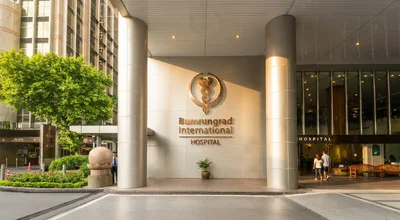
Bumrungrad International Hospital
Tertiary hospital with over 1,200 physicians treating 520,000+ international patients a year.
View hospital profile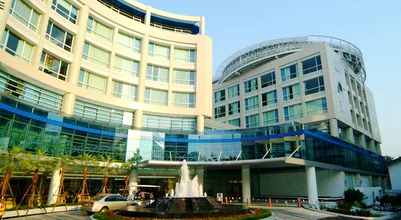
Bangkok Hospital
BDMS flagship tertiary campus with standalone heart, cancer, and neuro-orthopaedic hospitals.
View hospital profile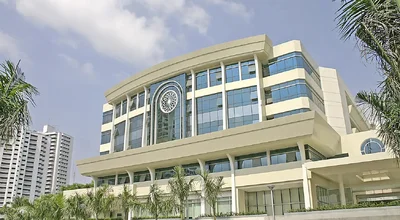
Samitivej Sukhumvit Hospital
Tertiary hospital known for paediatrics, home to Thailand's first private children's hospital.
View hospital profile
Tell Us What You Need. We Do the Rest.
Share what you're considering and we'll come back with surgeon options, pricing, and a clear plan.
- Real hospital pricing with zero markup
- Matched with a specialist experienced in your specific procedure
- Full coordination from consultation to recovery


Trusted by patients worldwide
The complete guide to Sleep Apnoea Surgery in Thailand
Everything below is for readers who want the full detail: costs broken down, types and techniques, recovery, risks and safety, and planning your trip.
Sleep Apnoea Surgeons & Clinics in Thailand
Sleep apnoea surgery demands accurate diagnosis and technique-matched treatment. Here is what our partner centres offer.
Leading Hospitals in Bangkok
Our partner hospitals hold JCI accreditation and have dedicated sleep medicine departments with polysomnography labs, drug-induced sleep endoscopy capability, and ENT surgical teams experienced in airway reconstruction. These are comprehensive programmes, not ad-hoc services.
Experienced Airway Surgeons
Our partner ENT and maxillofacial surgeons are board-certified and fellowship-trained in upper airway surgery. They perform DISE-guided surgical planning as standard, and several subspecialise in multi-level airway procedures and MMA for severe cases.
What to Look for in a Surgeon
A surgeon who insists on DISE before planning your procedure is a strong sign. Board certification in ENT or maxillofacial surgery is essential. Ask about their specific sleep apnoea case volume and whether they perform multi-level procedures. Avoid anyone who offers surgery based solely on your sleep study without examining the airway directly.
Understanding Your Results
Success in sleep apnoea surgery is measured objectively, by your post-operative sleep study numbers, and subjectively by how you feel during the day.
Typical Sleep Apnoea Surgery Results
UPPP achieves significant improvement in many carefully selected patients.1 MMA has the highest single-procedure success rate of the airway operations. Hypoglossal nerve stimulation achieves meaningful apnoea reduction in suitable patients. Results improve when the correct procedure is matched to the correct obstruction site.
What Results Can You Expect?
Many patients notice improved sleep within the first few weeks, but the full structural benefit takes three to six months to emerge as tissue healing and remodelling complete. A follow-up sleep study provides the objective measurement. Some patients eliminate their CPAP entirely, while others use it at lower, more comfortable pressure settings.
Sleep Apnoea Surgery Cost in Thailand
Average Cost of Sleep Apnoea Surgery
Sleep apnoea surgery in Thailand typically costs between $3,000 and $14,000, depending on the procedure and complexity. UPPP sits at the lower end of the range, multi-level soft-tissue surgery sits in the middle, and maxillomandibular advancement sits at the upper end. Hypoglossal nerve stimulation is quoted separately due to the implant cost.
Cost Breakdown
The surgeon's fee reflects the technical complexity and operative time. Hospital and theatre fees cover the facility, airway monitoring equipment, and nursing. Anaesthesia covers the anaesthetist and post-operative airway management. Aftercare includes follow-up visits, medications, and coordinator support.
What Affects the Price?
The number of levels addressed is the main cost driver. UPPP alone costs less than multi-level surgery combining palatal and tongue-base procedures. MMA is a major skeletal procedure and costs substantially more. The implant cost for hypoglossal nerve stimulation adds significantly to the total.
Thailand vs International Price Comparison
Sleep apnoea surgery in Thailand costs substantially less than equivalent procedures in the US ($9,000–$18,000), Australia (A$7,500–A$15,000), and UK (£6,600–£13,500), with savings of roughly 30 to 70 percent depending on the procedure. The savings reflect lower operating costs in Thailand, not lower standards of care.
Surgical vs Non-Surgical Sleep Apnoea Treatment
For most people, surgery is not the first step. CPAP, a mask that splints the airway open with gentle air pressure overnight, is the standard first-line treatment and works extremely well when it is tolerated. A mandibular advancement device, a custom dental splint that holds the lower jaw forward, helps milder cases, and losing weight, sleeping on your side, and cutting alcohol before bed can each meaningfully reduce apnoea on their own.
The honest limit is that these treatments manage the problem rather than fix the anatomy, so they only keep working for as long as you keep using them every single night. CPAP fails a large share of patients simply because they cannot tolerate the mask, the pressure, or the dryness; oral appliances suit milder collapse and not severe disease; and lifestyle changes help but rarely resolve moderate-to-severe apnoea by themselves. None of them widens the airway permanently.
Surgery becomes the right route when a genuine, properly adjusted CPAP trial has failed or you cannot use the mask, and drug-induced sleep endoscopy has shown a specific anatomical collapse that an operation can correct. That is when widening the airway itself, rather than masking the symptom each night, offers a lasting solution, and it is what the rest of this page covers.
Types of Sleep Apnoea Surgery
There is no single sleep apnoea surgery. The procedure depends on where your airway collapses. Getting the diagnosis right is the critical first step, and that means drug-induced sleep endoscopy before any surgical plan is finalised.
UPPP (Uvulopalatopharyngoplasty)
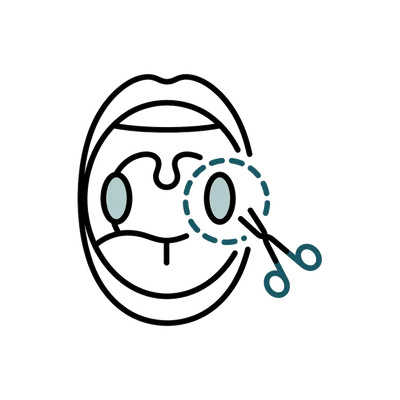
The most commonly performed sleep apnoea operation. Excess tissue from the soft palate, uvula, and pharyngeal walls is removed or repositioned to widen the retropalatal airway. Most effective when collapse occurs at the palatal level, often combined with tonsillectomy.
- Removes or repositions tissue to widen the throat behind the palate
- Most effective for palatal-level obstruction confirmed by DISE
- Can be combined with tonsillectomy for a more complete result
- Best for: patients with palatal-level collapse and enlarged tonsils
Hypoglossal Nerve Stimulation
An implanted device stimulates the hypoglossal nerve to keep the tongue forward and the airway open during sleep.3 A small generator beneath the collarbone detects breathing patterns and activates the nerve automatically each night. No tissue removal required.
- Implanted neurostimulator; no tissue removal or anatomical change
- Clinically proven to reduce apnoea events significantly
- Patient-controlled with a handheld remote for nightly activation
- Best for: moderate-to-severe OSA in patients who cannot tolerate CPAP and have tongue-base collapse
Maxillomandibular Advancement (MMA)
Both jaws are surgically advanced forward, permanently enlarging the airway behind the tongue and soft palate. This is a major skeletal procedure reserved for severe obstructive sleep apnoea or cases where soft-tissue surgery has been insufficient. It has the highest single-procedure success rate.
- Advances both jaws to permanently enlarge the entire upper airway
- Highest surgical success rate for severe sleep apnoea among the airway operations
- Reserved for severe cases or when other interventions are insufficient
- Best for: severe OSA with retrognathia or multi-level collapse
Sleep Apnoea Surgery Techniques
Technique depends on the level of obstruction identified on DISE and imaging. Many patients benefit from multi-level surgery, addressing more than one site in the same operation.
Expansion Sphincter Pharyngoplasty
A modification of UPPP that repositions the palatopharyngeus muscles laterally to widen the airway behind the soft palate. It creates a more stable, tent-like opening compared with traditional UPPP, and published data suggest improved long-term success rates.
- Lateral repositioning creates a wider, more stable pharyngeal opening
- Higher success rates compared with conventional UPPP in published studies
- Preserves palatal tissue better than aggressive trimming techniques
- Best for: palatal-level collapse where a more durable widening is needed
Tongue Base Reduction
Excess tissue at the base of the tongue is reduced using radiofrequency ablation, coblation, or partial midline glossectomy. This widens the retrolingual airway (the space behind the tongue), which is the second most common site of obstruction after the palate.
- Reduces tongue base bulk causing retrolingual obstruction
- Multiple techniques available depending on severity
- Often performed in combination with palatal surgery
- Best for: tongue-base collapse confirmed on drug-induced sleep endoscopy
Nasal Surgery for OSA
Nasal obstruction does not cause sleep apnoea directly, but it worsens it by increasing negative pharyngeal pressure during inspiration. (link: procedures/ent/septoplasty text: Septoplasty), turbinate reduction, or nasal valve repair improve nasal airflow and can make CPAP tolerable if it was previously rejected.
- Improves nasal airflow to reduce downstream airway collapse
- Often makes CPAP tolerable by eliminating nasal obstruction
- Frequently combined with palatal or tongue-base surgery
- Best for: patients with nasal obstruction contributing to CPAP intolerance or worsening their apnoea
Genioglossus Advancement & Hyoid Suspension
Two skeletal procedures that tension the tongue base forward without removing tissue. Genioglossus advancement repositions the small piece of jawbone where the main tongue muscle attaches, pulling the tongue forward; hyoid suspension secures the hyoid bone to stabilise the airway below the tongue. They sit between soft-tissue tongue reduction and full jaw advancement, and are often combined with palatal surgery.
- Pulls the tongue base forward by repositioning bone rather than cutting tissue
- A less extensive skeletal option than maxillomandibular advancement
- Commonly combined with palatal or tongue-base surgery for multi-level collapse
- Best for: tongue-base or hypopharyngeal collapse where MMA is more than is needed
Sleep Apnoea Surgery Recovery Timeline
Days 1–2
You recover in hospital with structured pain management, intravenous fluids, and airway monitoring. Throat soreness is expected and managed with analgesics. Cool fluids and soft diet begin immediately. Swelling peaks during this period.
Days 3–7
After discharge, you recuperate near the hospital. Throat pain gradually improves and swallowing becomes easier. Continue a soft, cool diet and avoid hot or spicy foods. Referred ear pain from the throat is common and temporary. A follow-up checks healing progress.
Weeks 2–3
Swelling continues to subside and you can gradually return to a normal diet. Avoid strenuous exercise, heavy lifting, and anything that strains the throat. Sleep quality often begins to improve noticeably during this period as the airway heals wider.
Week 4 onwards
Most soft-tissue patients return to full activity by four weeks.1,2 A follow-up sleep study is typically scheduled at three to six months to measure the improvement in your apnoea-hypopnoea index objectively. Final results are assessed once healing is complete. These milestones describe soft-tissue surgery (UPPP and tongue-base); jaw advancement (MMA) follows a longer recovery, set out below.
When Can You Fly After Sleep Apnoea Surgery?
Most patients are cleared to fly seven to ten days after surgery, once the surgeon is satisfied that healing is progressing well and there is no risk of bleeding. Stay hydrated during the flight and avoid alcohol, which can worsen airway swelling in the early healing period.
When Can You Return to Work and Exercise?
After soft-tissue surgery (UPPP or tongue-base), desk work is usually possible within one to two weeks, depending on your comfort level with throat soreness. Light walking is fine from day one. Gym workouts and cardio should wait until three to four weeks. Avoid anything that raises blood pressure around healing throat tissue. Jaw advancement (MMA) takes longer, with most patients back to a normal routine at six to ten weeks.
Recovery After Jaw Advancement (MMA)
MMA is a major skeletal operation, so its recovery is separate from soft-tissue surgery. Expect a liquid-only diet for the first one to two weeks, then a soft diet to around week six while the jaws knit; at some centres the jaws are banded (not usually wired) for several weeks. Facial swelling and bruising are significant and peak for four to six weeks before settling. Avoid strenuous activity, heavy lifting, and contact sport for eight to twelve weeks, with most patients back to a normal routine at six to ten weeks. Numbness of the lower lip and chin is common early on and usually improves over weeks to months. Because this stay extends beyond the standard window, your coordinator plans the longer recovery and your flight-home date with your surgeon.
When Will You See Final Results?
Sleep quality often improves within the first few weeks, but final results take three to six months as tissue healing and remodelling complete. A follow-up polysomnography at three to six months gives an objective measurement of improvement.
Anaesthesia for Sleep Apnoea Surgery
Sleep apnoea surgery is performed under general anaesthesia, so you are fully asleep and feel nothing throughout. This matters more here than for most procedures: the operation is on your airway, so a consultant anaesthetist manages and protects your breathing for the whole operation and stays with you continuously, which is standard at the accredited hospitals we work with.
Because obstructive sleep apnoea can make the airway harder to manage during anaesthesia, the pre-operative assessment is thorough. Expect blood tests, a chest X-ray, an ECG, and a review of your medications. If you have a history of difficult intubation or a significant heart condition, a dedicated anaesthetic review is added before you are cleared. Sharing your sleep study and any CPAP records in advance helps the team plan a safe approach.
You feel nothing during the surgery itself. The discomfort comes afterwards, and it is honest to say it is mainly a sore throat rather than sharp pain: most intense for the first three to five days and well controlled with the pain relief your surgeon prescribes. Referred ear pain from the throat is common and temporary, and cool fluids and a soft diet ease the early days.
Risks and Safety of Sleep Apnoea Surgery
Sleep apnoea surgery involves operating on the airway. Risks are specific to the technique used and are discussed individually with your surgeon based on DISE findings and your anatomy.
- Throat pain and difficulty swallowing lasting two to four weeks1,2
- Post-operative bleeding (uncommon)1,2
- Infection (uncommon)1,2
- Voice changes (usually temporary, permanent change is rare)1,2
- Velopharyngeal insufficiency, nasal regurgitation of liquids (rare)1,2
- Incomplete resolution of apnoea requiring further treatment
- MMA only: numbness of the lower lip or chin from inferior alveolar nerve injury, usually temporary but occasionally permanent
- MMA only: bite (occlusal) changes that may need orthodontic adjustment, and a small risk of skeletal relapse requiring revision surgery
- MMA only: titanium plates and screws hold the advanced jaws, and the hardware occasionally needs removal later
- Hypoglossal nerve stimulation only: lead or electrode migration, device malfunction, and wound or infection problems at the generator and cuff electrode sites
- Hypoglossal nerve stimulation only: the battery is replaced in a minor procedure roughly every ten years3
Accurate site-of-obstruction diagnosis through DISE is the single most important factor in reducing the risk of a poor outcome. Matching the right surgery to the right anatomy is what separates good results from disappointing ones.
Is Sleep Apnoea Surgery Safe in Thailand?
Yes. Upper airway surgery at JCI-accredited hospitals in Thailand is performed by fellowship-trained ENT and maxillofacial surgeons with airway management experience. Continuous monitoring during recovery ensures any airway concerns are identified and managed immediately.
How to Reduce Your Risk
Insist on drug-induced sleep endoscopy before any surgery is planned; it identifies the exact collapse site and prevents unnecessary or misdirected procedures. Choose a hospital with JCI accreditation and a surgeon who routinely performs sleep apnoea surgery rather than occasional cases.
When Is Further Treatment Needed?
If a follow-up sleep study shows persistent moderate-to-severe apnoea, additional surgical levels may be addressed, CPAP may be reintroduced at lower pressure settings, or hypoglossal nerve stimulation may be considered. Complete resolution in a single procedure is common but not guaranteed for every patient.
Planning Your Trip to Thailand for Sleep Apnoea Surgery
Most patients need seven to ten days in Thailand, though the diagnostic workup may extend the stay slightly if DISE has not been done at home.
How Long to Stay in Thailand
Plan for seven to ten days. This covers your diagnostic workup (including sleep study review and DISE), the surgery, one to two nights in hospital, recovery with follow-up appointments, and clearance to fly home. If DISE needs to be performed in Thailand, add one to two days at the start.
What's Included in a Medical Trip
Your care coordinator manages hospital transfers, scheduling, and all follow-up appointments. The surgical quote covers the surgeon's fee, anaesthesia, hospital stay, DISE if needed, medications, and coordinator support. Flights and accommodation are separate.
Recovery in Bangkok vs Phuket
Bangkok is the right base for sleep apnoea surgery. The critical recovery period involves airway monitoring and follow-up assessments that need proximity to your surgical team. Moving to Phuket during the first week introduces unnecessary risk.
Related Procedures
Other procedures that address similar goals or conditions, in case one of them is a closer fit for you.
Planning your treatment in Thailand
Independent guides to help you weigh the decision, before you commit to anything.
Common Questions About Sleep Apnoea Surgery
Everything you need to know before your procedure

Medical References
Keep researching with AI
Open this guide in your AI assistant to dig deeper and ask the questions it didn't answer.
Opens in a new tab with this guide already loaded.
Medical disclaimer: Content on this site is provided for informational purposes and should not be treated as medical advice. Outcomes, timelines, and eligibility differ from person to person. Consult a qualified medical professional before making any decisions about surgery or treatment.
Ready to Get Started?
Speak with our care coordinators for a free, no-obligation consultation and personalised quote.
Speak to Our Team