Thyroid Surgery in Thailand Your guide to cost, top specialists & hospitals
A thyroid problem identified is a thyroid problem that can be resolved. Surgery removes the uncertainty.
What Is Thyroid Surgery?
Also known as: Thyroid Removal · Thyroidectomy
Thyroid surgery, also called thyroidectomy, removes part or all of the thyroid, the butterfly-shaped gland at the base of the neck that controls metabolism and calcium, through the front of the neck or sometimes through hidden incisions in the mouth. It treats thyroid cancer, nodules suspicious on biopsy, a goitre pressing on swallowing or breathing, and an overactive gland not controlled by medication. It usually takes one to three hours under general anaesthesia.
How much comes out depends on your diagnosis, so no two operations are alike. The main concern is protecting the nerves that control your voice and the small parathyroid glands that manage calcium. Your surgeon uses nerve monitoring, a sensor that warns in real time if a nerve is at risk, standard for every case at our partner hospitals.
Differentiated thyroid cancer has an excellent prognosis and is rarely fatal; more than 90 percent of patients with papillary thyroid cancer survive at least 10 to 20 years after treatment1,2, though results vary with the diagnosis. If the whole gland is removed you take a daily hormone tablet. Your surgeon talks this through once your scans and biopsy are reviewed.
It can address a range of concerns, including:
Am I a Good Candidate for Thyroid Surgery?
Suitability comes down to the diagnosis, pre-operative control, and your readiness for what follows the operation.
Thyroidectomy is matched to a confirmed problem, not to a nodule that merely exists.
Cytology or compression: Confirmed or suspected malignancy on biopsy, a goitre causing swallowing or breathing difficulty, or hyperthyroidism uncontrolled by medication and radioiodine are the main indications.
Workup before theatre: Ultrasound, fine-needle aspiration cytology, thyroid function tests, and calcium levels are completed before surgery is offered.
Extent follows diagnosis: Lobectomy for single-lobe disease, total thyroidectomy for bilateral disease, higher-risk cancers, or Graves' disease.
Two checks protect you from the operation's signature risks before it begins.
Vocal cords assessed: Laryngoscopy confirms baseline nerve function on both sides before any thyroidectomy goes ahead.
Hyperthyroidism controlled: An overactive gland that is not medically stabilised risks thyroid storm under anaesthesia, so control comes first.
Nerve monitoring as standard: Intraoperative monitoring of the recurrent laryngeal nerve is used for every case at our partner hospitals.
Standard surgical safety checks apply, with particular attention to bleeding risk in the neck.
Bleeding risk managed: A known bleeding disorder or anticoagulant medication is planned around and paused under guidance.
Fit for general anaesthesia: Stable general health for a one-to-three-hour operation is expected.
Smoke-free for four weeks: Quitting a minimum of four weeks before surgery is standard preparation at our partner hospitals.
Total thyroidectomy changes daily life in one specific, manageable way, and surgeons want you ready for it.
Lifelong levothyroxine: After total thyroidectomy, daily hormone replacement is permanent, with blood tests to fine-tune the dose.
Calcium monitoring: Levels are watched closely after surgery; some patients need supplements, occasionally long-term.
Lobectomy may spare you both: Most hemithyroidectomy patients keep adequate thyroid function from the remaining lobe, though regular blood tests still monitor it.
Who is not suitable for thyroid surgery?
- Uncontrolled hyperthyroidism, until medically stabilised
- No baseline vocal cord assessment on both sides yet
- Bleeding disorder or anticoagulants not yet paused under guidance
- Unwilling to commit to lifelong levothyroxine and calcium monitoring if total thyroidectomy is needed
- Smoking within four weeks of surgery
- Previous neck irradiation or surgery, until the added operative difficulty and risk have been assessed by a specialist
- Pregnancy, as elective thyroid surgery is normally deferred until after delivery
Pricing
How Much Will Thyroid Surgery Cost in Thailand?
What thyroid surgery costs at accredited hospitals in Thailand, and what your final quote depends on.
Get your exact price
Tell us what you're considering and we'll send a personalised quote from accredited hospitals within 24 hours.
Get my free quoteTypical prices in Thailand
Typical ranges based on recent hospital quotes. Your exact price depends on the hospital and how complex your case is, and is confirmed at your teleconsultation.
Thyroid Surgery
Part or all of the thyroid, the gland at the base of the neck that controls metabolism, is removed through the front of the neck.
| Thyroidectomy, adult lobectomy 2 nights One lobe removed for a nodule or disease confined to that side | $7,400 ฿252,000 |
| Total thyroidectomy 3 nights Both lobes and the isthmus removed, with a longer stay for calcium monitoring | $10,800 ฿367,000 |
Typically not included
- Pathology and pathologist charges on the removed thyroid tissue, which is never optional after a thyroidectomy and is billed on top
- Laboratory tests and investigations, including ultrasound, fine-needle aspiration cytology, thyroid function and calcium blood tests
- Pre-operative medical clearance by an internal medicine physician
- Specialist consultant fees, including endocrinology
- Take-home medication, including levothyroxine and calcium supplements
Get your exact price
Tell us what you're considering and we'll send a personalised quote from accredited hospitals within 24 hours.
Hospitals Trusted for Thyroid Surgery
From internationally accredited flagships to dedicated specialist hospitals, these are the kinds of facilities where international patients have this procedure.
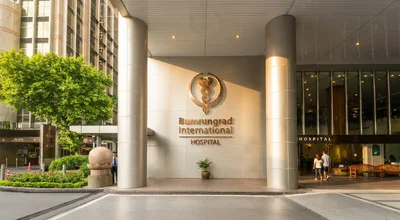
Bumrungrad International Hospital
Tertiary hospital with over 1,200 physicians treating 520,000+ international patients a year.
View hospital profile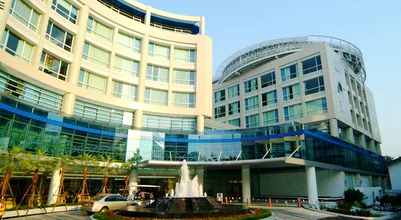
Bangkok Hospital
BDMS flagship tertiary campus with standalone heart, cancer, and neuro-orthopaedic hospitals.
View hospital profile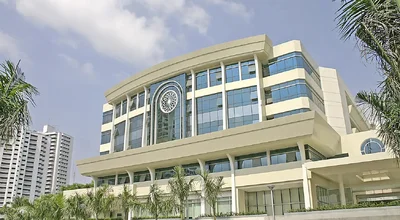
Samitivej Sukhumvit Hospital
Tertiary hospital known for paediatrics, home to Thailand's first private children's hospital.
View hospital profile
Tell Us What You Need. We Do the Rest.
Share what you're considering and we'll come back with surgeon options, pricing, and a clear plan.
- Real hospital pricing with zero markup
- Matched with a specialist experienced in your specific procedure
- Full coordination from consultation to recovery


Trusted by patients worldwide
The complete guide to Thyroid Surgery in Thailand
Everything below is for readers who want the full detail: costs broken down, types and techniques, recovery, risks and safety, and planning your trip.
Thyroid Surgeons & Clinics in Thailand
The surgeon's experience with nerve monitoring and parathyroid preservation matters more in thyroid surgery than in most ENT procedures. Here is what our partners bring to the table.
Leading Hospitals in Bangkok
Our partner hospitals hold JCI accreditation and run dedicated head-and-neck surgery departments with full-time specialists. They have intraoperative nerve monitoring systems, on-site endocrinology, pathology labs with rapid turnaround, and nuclear medicine facilities for radioactive iodine when indicated.
Experienced Thyroid Surgeons
Our partner surgeons are certified by the Royal College of Surgeons of Thailand in head-and-neck surgery. Many completed overseas fellowships in thyroid and endocrine surgery. They perform high volumes of thyroidectomy annually, and several have published on transoral thyroidectomy, a technique developed and refined in Thailand.
What to Look for in a Surgeon
Certification in head-and-neck or endocrine surgery specifically, not general surgery. Confirm they use intraoperative nerve monitoring for every thyroidectomy. Ask about their complication rates for voice change and hypoparathyroidism. If a surgeon cannot give you straightforward answers to these questions, look elsewhere.
Understanding Your Results
Thyroid surgery outcomes are measured by completeness of disease removal, preservation of voice and calcium function, and scar quality.
Typical Thyroid Surgery Results
Differentiated thyroid cancer has an excellent prognosis and is rarely fatal, with more than 90 percent of patients with papillary thyroid cancer surviving at least 10 to 20 years after appropriate treatment. For benign goitre and nodular disease, symptom relief is immediate. Swallowing difficulties and compressive symptoms resolve once the gland is removed. The neck scar fades to a thin line within months.
What Results Can You Expect?
Relief from compressive symptoms is noticeable within days. Voice quality is assessed on the ward and is normal in the vast majority of cases. Calcium levels stabilise within the first week for most patients. For cancer, final pathology guides any further treatment, and long-term monitoring gives reassurance about sustained remission.
Thyroid Surgery Cost in Thailand
Average Cost of Thyroid Surgery
Our partner hospital quotes two fly-in packages for open thyroid surgery. A lobectomy, removing one lobe, is ฿252,000 or about $7,412 with two nights in hospital. A total thyroidectomy, removing the whole gland, is ฿367,000 or about $10,794 with three nights. The extra night on the total reflects the calcium monitoring that follows complete removal. These figures come from a single hospital rather than what Thailand as a whole charges, and they vary a great deal from branch to branch within the same network.
Cost Breakdown
The package covers the operating theatre and recovery room, the surgeon and anaesthetist teams, the medicines and supplies used during the operation, and two or three nights in a standard inpatient room with nursing care and meals. Several things patients often assume are folded in are not. Pathology on the removed gland is charged separately, as are your ultrasound, cytology, thyroid function and calcium blood tests, medical clearance by an internal medicine physician, and any levothyroxine or calcium you take home. Coordinator support comes from us and is not a hospital charge.
What Affects the Price?
How much of the gland comes out is the main variable, and the step from lobectomy to total thyroidectomy is ฿115,000. The approach matters too. The hospital prices the transoral scarless technique, which leaves no neck scar, as its own separate package, and we cover that on the transoral thyroidectomy page rather than folding it into the figures here. Pathology is the item most likely to surprise you, since histology on a removed thyroid is never optional and always sits outside the surgical package.
Thailand vs International Price Comparison
The margin here is much thinner than the savings usually advertised for Thailand, and on the total thyroidectomy it largely disappears. At $10,794 that package sits above the bottom of the US range of $10,500 to $21,000, above the bottom of the UK range of £7,700 to £15,800 once converted, and above the whole lower half of the Australian range of A$8,800 to A$17,500. A lobectomy at $7,412 does undercut the US and UK floors, though it still converts to more than the cheapest Australian quotes. Pathology and pre-operative testing are billed separately in Thailand, so the honest comparison is the whole pathway rather than the surgical figure alone. What the packages buy is a fixed price, a named surgeon, and no waiting list. Our partner hospitals hold JCI accreditation and surgeons hold equivalent board certifications.
Alternatives to Thyroid Surgery
Not every thyroid problem needs an operation. A small, biopsy-proven benign nodule that causes no symptoms can often be watched with periodic ultrasound, and some low-risk papillary microcarcinomas are managed with active surveillance rather than immediate removal. An overactive thyroid is frequently controlled first with anti-thyroid medication such as carbimazole, or treated with radioactive iodine, which shrinks the gland over months. These routes are decided by your own endocrinologist, and we do not provide or arrange them.
Each has real limits. Surveillance only works while the nodule stays stable and the biopsy stays reassuring, so it means living with ongoing scans and the small chance the picture changes. Anti-thyroid medication manages symptoms but does not cure the underlying gland, and relapse is common once it stops. Radioactive iodine is effective but unsuitable in pregnancy and often leaves you needing lifelong hormone replacement anyway, much as surgery would.
Surgery becomes the right step when a biopsy shows malignancy or indeterminate cytology, when a goitre is large enough to press on swallowing or breathing, or when an overactive gland is not controlled by medication or radioiodine. It is also the definitive route when you want the matter resolved with certainty rather than monitored indefinitely. That is the situation the rest of this page is written for.
Types of Thyroid Surgery
How much of the thyroid needs to come out depends on the diagnosis. Removing too little risks leaving disease behind. Removing too much when it is not necessary means lifelong hormone replacement that might have been avoided.
Hemithyroidectomy (Lobectomy)
Removal of one lobe while preserving the other and its function. Standard for isolated nodules, indeterminate biopsies, and low-risk cancers confined to one lobe. Many patients avoid lifelong thyroid hormone replacement because the remaining lobe produces enough on its own.
- Preserves the opposite lobe and its hormonal output
- Lower risk to parathyroid glands and the recurrent laryngeal nerve
- Appropriate for solitary nodules and selected low-risk cancers
- Best for: single-lobe disease where complete gland removal is not necessary
Total Thyroidectomy
Complete removal of both lobes and the isthmus. Required for bilateral disease, larger or higher-risk thyroid cancers, multinodular goitre, and Graves' disease. Enables post-operative radioactive iodine therapy if needed for cancer treatment and simplifies long-term surveillance.
- Complete gland removal for definitive treatment of bilateral disease
- Enables radioactive iodine ablation when indicated for cancer
- Simplifies thyroglobulin monitoring for long-term cancer follow-up
- Best for: bilateral disease, higher-risk cancers, or Graves' disease
Minimally Invasive / Scarless Thyroidectomy
For selected patients, the thyroid can be removed through a transoral or axillary approach that leaves no neck scar. Endoscopic or robotic instruments access the gland through incisions hidden in the mouth or armpit. Suited to smaller glands and benign or low-risk disease.
- No visible neck scar; incisions hidden in the mouth or axilla
- Comparable oncological outcomes for selected low-risk cases
- High patient satisfaction with the cosmetic outcome
- Best for: patients with smaller glands who prioritise avoiding a neck scar
Thyroid Surgery Techniques
Technique selection centres on the diagnosis, gland size, and whether cancer is confirmed or suspected. The surgeon balances thoroughness with preservation of nerve and parathyroid function.
Intraoperative Nerve Monitoring
An electrode on the endotracheal tube monitors the recurrent laryngeal nerve in real time throughout surgery. If the nerve is stretched or at risk, the system alerts the surgeon immediately. This is not an optional extra; it is the standard of care at our partner hospitals for every thyroidectomy.
- Real-time nerve integrity feedback throughout the operation
- Reduces the risk of post-operative voice change
- Standard equipment at all our partner hospitals
- Best for: every thyroidectomy; it is not procedure-specific but universally applied
Transoral Thyroidectomy (TOETVA)
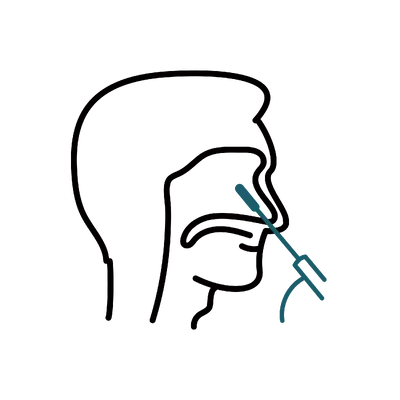
The thyroid is accessed through three small incisions inside the lower lip, leaving no visible external scar. Developed extensively in Thailand, this technique suits patients with small-to-moderate glands and benign or low-risk disease who want to avoid a neck scar entirely.
- Developed and refined extensively by Thai surgeons
- No external neck scar; incisions hidden inside the mouth
- Suitable for glands up to approximately 6 cm in size
- Best for: patients with smaller glands who prioritise cosmetic outcome
Energy-Based Vessel Sealing
Advanced bipolar energy devices seal blood vessels during surgery without the need for sutures or clips, reducing operative time and blood loss. This technology is particularly useful in total thyroidectomy where there are more vessels to manage safely around the parathyroids and nerves.
- Precise vessel sealing with minimal thermal spread to surrounding tissue
- Reduces operative time and intraoperative blood loss
- Less surgical clutter around critical structures like nerves and parathyroids
- Best for: total thyroidectomy or larger goitres where multiple vessels need controlled sealing
Central Neck Dissection
When thyroid cancer has spread, or is likely to have spread, to the lymph nodes around the thyroid, the surgeon removes the central compartment nodes alongside the gland in the same operation. It is added to a total thyroidectomy rather than done alone, and is guided by the biopsy and imaging rather than performed routinely on every case.
- Removes the central neck lymph nodes when cancer involves or threatens them
- Performed alongside total thyroidectomy, not as a standalone procedure
- Reserved for confirmed or strongly suspected nodal disease, not benign cases
- Best for: papillary or medullary thyroid cancer with known or suspected node involvement
Thyroid Surgery Recovery Timeline
Day 1
You wake with a small neck dressing and mild throat discomfort. Voice quality is assessed by your surgical team. Calcium levels are monitored closely, particularly after total thyroidectomy, and supplements are given if needed. Fluids and a soft diet begin immediately.
Days 2–3
Most patients are discharged on day two or three, and the packages cover two nights for a lobectomy and three for a total thyroidectomy. A follow-up appointment confirms wound healing, voice function, and stable calcium. You can speak, eat normally, and manage light activities. Pain is typically mild and well controlled with oral medication.
Weeks 1–2
You attend outpatient follow-up to review pathology results and check hormone levels. If total thyroidectomy was performed, thyroid hormone replacement starts and dosage is adjusted. Neck stiffness and mild swelling settle progressively.
Weeks 3–4
The incision matures and softens. Energy levels return to normal as hormone replacement reaches therapeutic levels. Final pathology and cancer staging, where applicable, guide any further treatment such as radioactive iodine.
When Can You Fly After Thyroid Surgery?
Most patients fly home seven to ten days after surgery, once wound healing is confirmed and calcium levels are stable. If a total thyroidectomy was performed, your surgeon ensures hormone replacement is initiated and well tolerated before clearing you to travel.
When Can You Return to Work and Exercise?
Most patients return to desk work within one to two weeks. Light walking is encouraged from day one. Avoid strenuous exercise and heavy lifting for three to four weeks. Neck flexibility exercises may be recommended to prevent stiffness. Hold off on driving until you are off prescription pain relief and can turn your neck freely to check blind spots and brake in an emergency, which is usually around one week and after you have flown home rather than in Thailand.
When Will You See Final Results?
Wound healing is usually complete within two to three weeks.4 The incision line continues to fade over several months, eventually becoming a faint line in a natural neck crease. For cancer patients, final pathology results typically arrive within two weeks and guide any further treatment.
Anaesthesia for Thyroid Surgery
Thyroid surgery is performed under general anaesthesia, so you are fully asleep and feel nothing throughout the operation. A consultant anaesthetist stays with you for the whole procedure and monitors you continuously, which is standard at the accredited hospitals we work with. Being fully under also lets the surgeon use the breathing tube to carry the nerve-monitoring sensor that protects the nerves controlling your voice.
There is no awake or sedation-only option here: because the surgery works close to the airway, the voice nerves, and the parathyroid glands, full general anaesthesia is the safe and standard choice for every thyroidectomy. Before you are cleared, you have a pre-operative assessment that includes blood tests, a review of your medications, and a vocal cord check to confirm baseline nerve function. If you have an overactive thyroid, this is brought under control first, as an unstable gland raises the risk under anaesthesia.
You feel nothing during the surgery itself. Afterwards most patients describe a sore throat from the breathing tube and mild neck discomfort rather than sharp pain, and this is well managed with the medication your surgeon prescribes. It usually settles within a few days.
Risks and Safety of Thyroid Surgery
Thyroidectomy is a well-established procedure. Complications are uncommon when performed by an experienced head-and-neck surgeon with intraoperative nerve monitoring, but they must be understood.
- Temporary voice change from recurrent laryngeal nerve irritation (uncommon)3,4
- Injury to the external branch of the superior laryngeal nerve, which can lower vocal pitch and reduce singing or projection range (uncommon)
- Temporary low calcium levels requiring supplements (after total thyroidectomy)3
- Bleeding or haematoma requiring drainage (uncommon)
- Wound infection (uncommon)
- Permanent voice change (rare)3
- Permanent hypoparathyroidism (needing lifelong calcium and vitamin D) is uncommon after total thyroidectomy, while temporary low calcium in the first days is more common and usually settles within weeks3,4.
- Thyroid storm, a dangerous surge of thyroid hormone triggered by operating on an overactive gland that is not yet medically controlled (rare, and the reason hyperthyroidism is stabilised before surgery)
Intraoperative nerve monitoring is the single most important safety measure. Combined with pre-operative vocal cord assessment and careful surgical technique, it keeps the complication rate low at experienced centres.
Is Thyroid Surgery Safe in Thailand?
Yes. Thyroidectomy at JCI-accredited hospitals in Thailand is performed to the same standard as in the UK, US, and Australia. Our partner surgeons use intraoperative nerve monitoring for every case, assess vocal cord function before and after surgery, and monitor calcium levels closely.
How to Reduce Your Risk
Choose a hospital with JCI accreditation and a surgeon certified specifically in head-and-neck surgery. Confirm they use intraoperative nerve monitoring as standard. Pre-operative vocal cord assessment by laryngoscopy establishes a baseline. Post-operative calcium monitoring, critical after total thyroidectomy, should begin within hours of surgery.
When Is Further Treatment Needed?
For differentiated thyroid cancer, further treatment may include radioactive iodine ablation, TSH suppression with levothyroxine, and regular thyroglobulin monitoring. Your surgical team and endocrinologist outline the full plan based on final pathology. Benign cases typically need only thyroid function monitoring.
Planning Your Trip to Thailand for Thyroid Surgery
Most patients need seven to ten days in Thailand. Here is how to plan your trip and what to expect.
How Long to Stay in Thailand
Plan for seven to ten days. This covers your pre-operative workup including ultrasound and cytology review, the surgery itself, two nights in hospital for a lobectomy or three for a total thyroidectomy, follow-up appointments to review pathology, voice function, and calcium levels, and a final clearance to fly home.
What's Included in a Medical Trip
Your care coordinator arranges hospital transfers, surgery scheduling, and all follow-up appointments. The hospital package covers the surgeon and anaesthetist teams, the operating theatre, the medicines and supplies used during surgery, and two or three nights in a standard room. Pathology on the removed gland, your pre-operative ultrasound, cytology and blood tests, medical clearance, and take-home medication are billed separately, as are flights and accommodation, which your coordinator can help arrange.
Recovery in Bangkok vs Phuket
Bangkok is the right choice for thyroid surgery. You need to be near your surgical team for calcium monitoring and pathology review in the days after the procedure. Phuket puts unnecessary distance between you and your surgeon during the most important recovery window.
Related Procedures
Other procedures that address similar goals or conditions, in case one of them is a closer fit for you.
Planning your treatment in Thailand
Independent guides to help you weigh the decision, before you commit to anything.
Common Questions About Thyroid Surgery
Everything you need to know before your procedure

Medical References
Keep researching with AI
Open this guide in your AI assistant to dig deeper and ask the questions it didn't answer.
Opens in a new tab with this guide already loaded.
Medical disclaimer: Content on this site is provided for informational purposes and should not be treated as medical advice. Outcomes, timelines, and eligibility differ from person to person. Consult a qualified medical professional before making any decisions about surgery or treatment.
Ready to Get Started?
Speak with our care coordinators for a free, no-obligation consultation and personalised quote.
Speak to Our Team