Septoplasty in Thailand Your guide to cost, top specialists & hospitals
Breathing should be effortless. Septoplasty corrects the structural problem so it can be.
What Is Septoplasty?
Also known as: Deviated Septum Surgery · Nasal Septoplasty
Septoplasty is surgery that straightens a deviated nasal septum, the crooked cartilage and bone dividing your two nasal passages, by reshaping or removing the bent sections that block airflow. When that partition is crooked enough, it brings chronic congestion, mouth breathing, broken sleep, and recurring sinus infections. The work happens entirely inside the nose, so there are no external cuts and your nose looks the same afterwards.1 It is usually done under general anaesthesia in about 30 to 90 minutes1, and the correction tends to last well.
Living with a blocked nose for years can wear you down in ways that are hard to explain to people who breathe easily. This is a routine, well-understood operation, and your surgeon plans it around exactly where your septum is bent and how severe it is.
Results are functional rather than cosmetic, so success is measured in airflow, not appearance. Most people get a clear, lasting improvement, though a small number need a minor revision later. If sprays and medication have already had a fair trial and the blockage remains, a consultation can confirm whether the problem is structural and worth correcting.
It can address a range of concerns, including:
Am I a Good Candidate for Septoplasty?
Candidacy is straightforward when the obstruction is structural, facial growth is complete, and sprays have had a fair trial.
Septal cartilage keeps developing into the late teens, so growth has to finish first.
Facial growth complete: Operating on a still-growing septum risks the correction shifting as the nose continues to mature.
No upper age limit: Adults of any age qualify provided the obstruction is structural and general health permits a general anaesthetic.
Long-standing problems still respond: Years of mouth breathing do not rule out a good result, though retraining yourself to breathe through the nose can take conscious effort.
The blockage has to come from the septum for septoplasty to fix it.
Deviation confirmed: Examination or imaging must show a deviated septum as the source of the obstruction.
Sleep apnoea assessed separately: Untreated obstructive sleep apnoea may not improve with septoplasty alone; CPAP or further intervention may still be needed.
Nosebleeds worked up first: Recurrent epistaxis with an undiagnosed cause needs investigation before any septal surgery.
Cosmetic goals mean a different operation: Wanting external change makes septorhinoplasty, not septoplasty alone, the right procedure.
Surgeons want sprays and medical management properly tried before offering an operation.
Adequate trial of treatment: Nasal sprays and medication should have failed to relieve the congestion before surgery is considered.
Structural problems resist sprays: A genuinely bent septum will not straighten with medication, which is why persistent symptoms after a fair trial point to surgery.
Turbinates considered too: Enlarged inferior turbinates often coexist with a deviated septum and can be reduced in the same anaesthetic for a wider airway.
Septoplasty is functional surgery; success is measured in airflow, not appearance.
No change to how your nose looks: The work is entirely internal, with no external cuts and no cosmetic alteration.
Lasting improvement for most: Published studies report significant, durable improvement in most patients after a single procedure, with revision uncommon.
Full result at six weeks: Breathing improves once splints come out around day five to seven, and internal swelling resolves fully over about six weeks.
Who is not suitable for septoplasty?
- Facial growth not yet complete, with septal cartilage still developing
- Recurrent nosebleeds with an undiagnosed cause, until worked up
- Untreated obstructive sleep apnoea, where septoplasty alone may not relieve symptoms
- Wanting cosmetic change to the external nose (septorhinoplasty is the right operation)
- Smoking within four weeks of surgery
Pricing
How Much Will Septoplasty Cost in Thailand?
What septoplasty costs at accredited hospitals in Thailand, and what your final quote depends on.
Get your exact price
Tell us what you're considering and we'll send a personalised quote from accredited hospitals within 24 hours.
Get my free quoteTypical prices in Thailand
Typical ranges based on recent hospital quotes. Your exact price depends on the hospital and how complex your case is, and is confirmed at your teleconsultation.
Septoplasty
The crooked wall of cartilage and bone between the nostrils is straightened or trimmed from inside the nose, so nothing shows on the outside.
| Traditional septoplasty 0 to 1 nights Bent cartilage reshaped from inside the nose, for a straightforward front or mid-septum deviation | $2,000 to $2,800 ฿68,000 to ฿95,200 |
| Endoscopic septoplasty 0 to 1 nights Camera-guided correction reaching deep in the nose, for a bend set further back | $2,500 to $3,200 ฿85,000 to ฿108,800 |
| Septoplasty with turbinate reduction 0 to 1 nights Septum straightened and enlarged turbinates reduced in one anaesthetic, for two sources of blockage | $2,800 to $3,600 ฿95,200 to ฿122,400 |
| Extracorporeal septal reconstruction 0 to 1 nights Cartilage taken out, rebuilt straight and reimplanted, for a severe front-edge or whole-septum bend | $3,000 to $3,600 ฿102,000 to ฿122,400 |
Typically not included
- Revision surgery if a residual bend or scar tissue needs correcting later
- Treating a separate condition found during your assessment, such as sinus disease, which is its own operation
- Extra hospital nights beyond the one in your package, if recovery or nasal packing keeps you in longer
- A CT scan of the nose or sinuses if your surgeon needs one to plan the surgery
- Additional pre-operative clearance where an existing medical condition needs specialist sign-off before a general anaesthetic
Get your exact price
Tell us what you're considering and we'll send a personalised quote from accredited hospitals within 24 hours.
Hospitals Trusted for Septoplasty
From internationally accredited flagships to dedicated specialist hospitals, these are the kinds of facilities where international patients have this procedure.
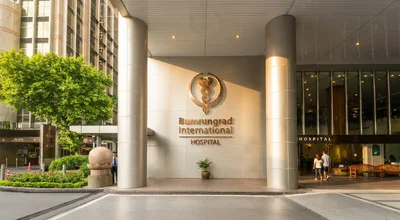
Bumrungrad International Hospital
Tertiary hospital with over 1,200 physicians treating 520,000+ international patients a year.
View hospital profile
Bangkok Hospital
BDMS flagship tertiary campus with standalone heart, cancer, and neuro-orthopaedic hospitals.
View hospital profile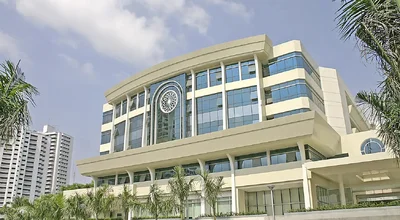
Samitivej Sukhumvit Hospital
Tertiary hospital known for paediatrics, home to Thailand's first private children's hospital.
View hospital profile
Tell Us What You Need. We Do the Rest.
Share what you're considering and we'll come back with surgeon options, pricing, and a clear plan.
- Real hospital pricing with zero markup
- Matched with a specialist experienced in your specific procedure
- Full coordination from consultation to recovery


Trusted by patients worldwide
The complete guide to Septoplasty in Thailand
Everything below is for readers who want the full detail: costs broken down, types and techniques, recovery, risks and safety, and planning your trip.
Septoplasty Surgeons & Clinics in Thailand
The surgeon and hospital you choose matter more than anything else. Here is what to look for and what our partners offer.
Leading Hospitals in Bangkok
Our partner hospitals are Bangkok's leading JCI-accredited international-patient centres running dedicated ENT departments with full-time specialists. They have endoscopic suites, image-guided navigation for complex cases, and on-site pathology. These are not clinics bolted onto a hotel; they are full-scale hospitals that manage complications in-house.
Experienced Septoplasty Surgeons
Our partner ENT surgeons are certified by the Royal College of Otolaryngologists of Thailand. Many completed fellowships in the US, UK, or Australia before returning to Bangkok, where the surgical volume is substantially higher. That combination of international training and high case volume is what produces consistent results.
What to Look for in a Surgeon
Board certification in ENT, not general surgery, is the baseline. Ask about the surgeon's specific nasal surgery volume and whether they use endoscopic techniques. Look at independent patient reviews rather than the clinic's own marketing. If the surgeon rushes through your consultation or makes guarantees about a perfect outcome, consider that a warning sign.
Understanding Your Results
Septoplasty results are functional, not cosmetic. The measure of success is how well you breathe, not how your nose looks.
Typical Septoplasty Results
The goal is unobstructed airflow through both nasal passages. Most patients experience a significant, lasting improvement after septoplasty.1,2 Many patients notice they can breathe through their nose properly for the first time in years once the splints come out.
What Results Can You Expect?
You will feel a clear difference once the splints are removed at day five to seven, but that is not your final result. Internal swelling takes about six weeks to fully resolve. If you had concurrent turbinate reduction, the improvement continues to build over that period. Patients with long-standing mouth breathing habits may need to consciously retrain themselves to breathe through the nose.
Septoplasty Cost in Thailand
Average Cost of Septoplasty
Septoplasty in Thailand typically costs between $2,000 and $3,600, depending on the technique, whether concurrent turbinate reduction is performed, and the hospital. Straightforward cases sit at the lower end, while endoscopic, combined, and full septal reconstruction cases cost more. These figures are for functional septoplasty; septorhinoplasty, which also reshapes the outside of the nose, is a different operation and is quoted separately.
Cost Breakdown
The surgeon's fee covers the technical work. Hospital and theatre fees cover the facility, operating room, equipment, and nursing. Anaesthesia fees cover the anaesthetist and monitoring. Aftercare includes the follow-up visits, splint removal, and medications during your recovery in Thailand.
What Affects the Price?
Complexity is the main driver. A straightforward anterior deviation with traditional septoplasty is less expensive than a complex posterior deviation requiring endoscopic technique. Adding turbinate reduction increases the cost modestly. Surgeon experience and hospital tier also factor into the final number.
Thailand vs International Price Comparison
Septoplasty in Thailand costs 50 to 70 percent less than equivalent procedures in the US ($6,000–$12,000), Australia (A$5,000–A$10,000), and UK (£4,400–£9,000). The difference reflects Thailand's lower facility and staffing costs, not lower surgical standards. Our partner hospitals hold JCI accreditation and surgeons hold equivalent board certifications.
Surgical vs Non-Surgical Treatment for a Deviated Septum
Before surgery is on the table, most people are offered a proper trial of medical management: steroid nasal sprays, saline rinses, antihistamines if allergy is involved, and sometimes decongestants. These calm the inflammation and swelling that line the nasal passages, and for congestion driven by allergy or irritation they can be genuinely effective. A breathing strip or internal nasal dilator can also widen the airway a little at night.
The catch is that none of this straightens cartilage. A septum that is physically bent is a structural problem, and sprays cannot move it back into place. They treat the soft-tissue swelling sitting on top of the deviation, so they may take the edge off, but the blockage returns the moment you stop, and decongestant sprays in particular cannot be used long-term without making congestion worse. For a genuinely deviated septum, medical therapy manages symptoms rather than fixing the cause.
When a fair trial of sprays and medication has not relieved the obstruction, and examination or imaging confirms the blockage is structural, septoplasty is the route to a lasting correction, and that is what the rest of this page covers. The point of the trial is simply to be sure the problem really is the bend and not something a spray could have settled.
Types of Septoplasty
Which approach your surgeon uses depends on how severe the deviation is, where it sits, and whether you have other nasal issues that should be addressed at the same time.
Traditional Septoplasty
The standard approach for most deviations. An incision inside the nose lifts the mucosal lining, and bent cartilage or bone is reshaped or trimmed to straighten the septum. No external cuts, no visible scarring, and the workhorse technique for the majority of cases.
- Incision entirely inside the nose; no external scars
- Cartilage and bone reshaped or trimmed to correct the deviation
- Well-established technique with decades of outcome data
- Best for: moderate deviations where the obstruction is accessible by direct vision
Endoscopic Septoplasty
A camera-guided variant giving the surgeon magnified views throughout the procedure. The endoscope is particularly useful for posterior deviations, the ones tucked further back that are hard to reach under direct vision. Less tissue disruption and slightly quicker healing than the open approach.
- Magnified camera guidance for precise correction deep inside the nose
- Reduced tissue disruption compared with traditional access
- Ideal for posterior or complex deviations that are hard to see directly
- Best for: posterior deviations, complex anatomy, or revision cases
Septorhinoplasty
Combines internal septum correction with external nose reshaping in a single operation. Appropriate when a deviated septum coexists with a crooked external nose, or when the external framework itself contributes to the airway obstruction. Two problems, one anaesthetic.
- Addresses both functional obstruction and cosmetic concerns simultaneously
- Single operation avoids the need for two separate procedures
- Requires combined ENT and cosmetic surgical expertise
- Best for: patients with both breathing problems and external nasal deformity
Septoplasty Techniques
The technique your surgeon recommends depends on where the deviation is, how severe it is, and whether there are concurrent issues like turbinate hypertrophy or sinus disease.
Cartilage Scoring and Repositioning
For mild-to-moderate deviations, the surgeon scores the bent cartilage with shallow incisions, allowing it to spring into a straighter position under its own tension. Minimal tissue is removed, preserving structural support and reducing the risk of septal weakness or perforation.
- Preserves cartilage mass while correcting the bend
- Lower risk of septal perforation than resection techniques
- Suited to mild-to-moderate anterior deviations with good cartilage quality
- Best for: mild-to-moderate deviations where cartilage can be repositioned without removal
Submucosal Resection
When the deviation involves thickened bone or severely buckled cartilage, the surgeon removes the obstructing segments entirely. A supporting framework of cartilage is preserved to prevent the septum from collapsing. This is the go-to for more significant deviations where scoring alone will not achieve a straight result.
- Removes the most severely deviated bone and cartilage sections
- Retains a supporting cartilage framework to maintain septal integrity
- Effective for complex or long-standing deviations with bony involvement
- Best for: severe deviations, bony spurs, or cases where previous surgery has failed
Concurrent Turbinate Reduction
Enlarged inferior turbinates often coexist with a deviated septum and contribute to the obstruction. Your surgeon can reduce them at the same time using radiofrequency or submucosal diathermy, widening the airway beyond what septoplasty alone achieves. Adding five to ten minutes to the procedure can make a meaningful difference to your breathing.
- Addresses turbinate hypertrophy contributing to nasal obstruction
- Radiofrequency or submucosal diathermy; minimally invasive
- Combined with septoplasty in a single anaesthetic for convenience
- Best for: patients with both septal deviation and turbinate enlargement
Extracorporeal Septal Reconstruction
For severe deviations, especially a badly bent caudal septum at the front of the nose, the surgeon removes the septal cartilage entirely, straightens or rebuilds it on a back table, then reimplants it as a stable, straight strut. It is the most involved septal technique, reserved for cases where scoring or in-place resection cannot achieve a straight, supported result.
- Cartilage is taken out, reshaped outside the nose, then put back as a straight graft
- Corrects severe caudal or whole-septum deviations that resist in-place methods
- More demanding surgery, usually in experienced rhinology hands
- Best for: severe caudal deviation, badly buckled septa, or failed previous septoplasty
Septoplasty Recovery Timeline
Day 1
You rest with your head elevated to reduce swelling. Internal splints or soft packing support the septum in its corrected position. Breathing is through your mouth, and the discomfort is more pressure than pain, well managed with oral medication.
Days 2–3
Nasal packing, if used, comes out, usually within 24 to 48 hours. You will notice an immediate improvement in airflow, though swelling still partly blocks the passages. Gentle saline rinses begin to keep the lining moist and clear debris. Light indoor activity is fine.
Days 4–7
Swelling and congestion reduce steadily. Internal splints are removed at your follow-up, usually around day five to seven. Most patients are cleared to fly home after this appointment, provided healing is on track.
Weeks 2–6
Nasal airflow continues to improve as the remaining internal swelling resolves. Strenuous exercise, heavy lifting, and contact sports stay off-limits for three to four weeks. Full recovery of nasal breathing is typically achieved by six weeks.
When Can You Fly After Septoplasty?
Most patients fly home five to seven days after surgery, once splints are out and the surgeon has confirmed healing is progressing normally. Cabin pressure is not an issue at this stage. Use saline spray during the flight to keep the nasal passages moist, stay hydrated, and avoid blowing your nose forcefully.
When Can You Return to Work and Exercise?
Desk work is usually fine within a week. Light walking is encouraged from day one. Because septoplasty is done under general anaesthesia, do not drive for at least 24 to 48 hours afterwards, and only once you are off strong painkillers and can comfortably turn your head and perform an emergency stop; confirm the timing with your surgeon. Gym workouts and cardio should wait until two to three weeks, and contact sports or anything with a risk of a knock to the nose should be avoided for at least four weeks.
When Will You See Final Results?
You will feel a meaningful improvement in breathing as soon as the splints come out, but full recovery takes about six weeks as internal swelling resolves completely. Patients with concurrent turbinate reduction may notice the biggest difference once that swelling settles too.
Anaesthesia for Septoplasty
Septoplasty in Thailand is performed under general anaesthesia, so you are fully asleep and feel nothing while the surgeon works inside the nose. A consultant anaesthetist stays with you for the whole operation and monitors you continuously, which is standard at the accredited hospitals we work with. Because the procedure usually takes only 30 to 90 minutes, your time under anaesthesia is short.
Before you are cleared, you have a pre-operative assessment that includes a nasal endoscopy, blood work, and a review of any medications you take, so the anaesthetist and surgeon understand your history before the day of surgery. If turbinate reduction is added at the same time, it happens within the same anaesthetic, so there is no second procedure to recover from separately.
You feel nothing during the operation. When you wake, the sensation is pressure and congestion rather than sharp pain, partly because internal splints or soft packing are supporting the corrected septum. That discomfort is mild and well controlled with the oral medication your surgeon prescribes, and it eases as the packing comes out over the first day or two.
Risks and Safety of Septoplasty
Septoplasty is one of the safest and most routine ENT procedures. Complications are uncommon, but understanding them is part of making an informed decision.
- Minor bleeding during or after surgery (usually self-limiting)
- Septal haematoma, a collection of blood under the lining that needs prompt drainage1 (rare but the most time-critical early complication)
- Infection requiring a course of antibiotics (uncommon)
- Septal perforation, a small hole in the septum (rare)1,2
- Synechiae, adhesions between the septum and turbinate that can narrow the airway (uncommon, divisible at follow-up)1,2
- Saddle-nose deformity from loss of dorsal support if too much cartilage is removed (rare, mainly with resection or extracorporeal reconstruction)
- Temporary change in sense of smell (usually resolves)
- Residual deviation requiring revision septoplasty
- Numbness of the upper teeth or lip (rare, usually temporary)
The main variable in risk is surgeon experience and proper pre-operative assessment. Every patient at our partner hospitals gets a nasal endoscopy, blood work, and a detailed history review before going ahead.
Is Septoplasty Safe in Thailand?
Yes. Septoplasty is a routine procedure at JCI-accredited hospitals in Thailand, performed by fellowship-trained ENT surgeons who handle nasal surgery daily. The infection-control standards, monitoring equipment, and nursing care match what you would find at any major Western hospital.
How to Reduce Your Risk
The most important step is choosing a hospital with JCI accreditation and a surgeon who is board-certified in ENT specifically. Pre-operative nasal endoscopy identifies the deviation precisely so the surgeon is not guessing during the procedure. If you are on blood thinners, stopping them in advance under medical guidance significantly reduces bleeding risk.
When Is Revision Surgery Needed?
Revision is uncommon but may be considered if the septum shifts during healing, scar tissue forms, or residual deviation continues to obstruct airflow. Most patients achieve a lasting improvement after a single procedure. If revision is needed, it is typically a smaller operation than the original.
Planning Your Trip to Thailand for Septoplasty
Septoplasty requires a shorter stay than most surgical procedures. Five to seven days covers the essential steps.
How Long to Stay in Thailand
Plan for five to seven days. This covers your pre-operative consultation and nasal endoscopy on day one, surgery on day two, recovery with splints in place, splint removal at your follow-up appointment, and a final check before you fly home. Some patients extend to enjoy a few recovery days in Bangkok.
What's Included in a Medical Trip
Your care coordinator arranges hospital transfers, surgery scheduling, and all post-operative follow-up appointments. The surgical quote covers the surgeon's fee, anaesthesia, hospital stay, splints, and aftercare. Flights and accommodation are separate, but your coordinator can recommend hotels near the hospital.
Recovery in Bangkok vs Phuket
For septoplasty, Bangkok is the obvious choice. The procedure is straightforward and recovery is quick, but you need to be near your surgeon for splint removal and the follow-up check. Moving to Phuket adds unnecessary distance from your surgical team during the critical first week.
Related Procedures
Other procedures that address similar goals or conditions, in case one of them is a closer fit for you.
Planning your treatment in Thailand
Independent guides to help you weigh the decision, before you commit to anything.
Common Questions About Septoplasty
Everything you need to know before your procedure

Medical References
Keep researching with AI
Open this guide in your AI assistant to dig deeper and ask the questions it didn't answer.
Opens in a new tab with this guide already loaded.
Medical disclaimer: Content on this site is provided for informational purposes and should not be treated as medical advice. Outcomes, timelines, and eligibility differ from person to person. Consult a qualified medical professional before making any decisions about surgery or treatment.
Ready to Get Started?
Speak with our care coordinators for a free, no-obligation consultation and personalised quote.
Speak to Our Team