IVF in Thailand Your guide to cost, top specialists & hospitals
Starting a family sometimes needs science on your side. Thailand makes that step more accessible than most people expect.
What Is IVF?
Also known as: IVF Treatment · In Vitro Fertilisation
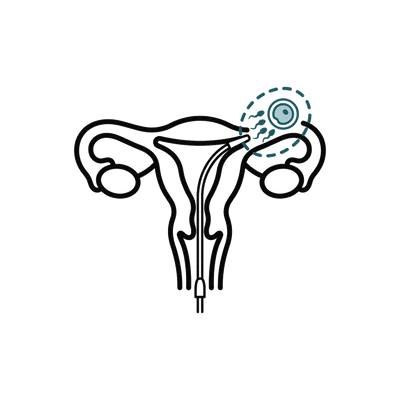
In vitro fertilisation (IVF) is a fertility treatment that collects eggs from the ovaries, fertilises them with sperm in a laboratory, and transfers the resulting embryo to the uterus. A cycle runs over a few weeks: hormone injections to stimulate the ovaries, a short procedure to collect the eggs, fertilisation in the lab (sometimes by ICSI, where a single sperm is injected into each egg), then transfer of an embryo grown on to the blastocyst stage. It is used for a wide range of situations, from blocked fallopian tubes and endometriosis to unexplained infertility and trying for a baby later in life.
Every path to IVF is different, and so is every cycle. Success depends on many things, including your age, the reason behind the infertility, and the quality of the embryos, so no honest clinic can promise a result. What a good clinic does is give each embryo the best possible chance, using careful lab work and screening to choose the strongest one to transfer.
Many people need more than one cycle, and your specialist will talk you through what your own chances realistically look like before you start.
It can address a range of concerns, including:
Am I a Good Candidate for IVF?
IVF candidacy rests on three things: your fertility workup, your general and uterine health, and Thailand's legal requirements for treatment.
Age and reserve set the realistic ceiling for any cycle, so specialists start here.
A full fertility assessment: AMH, antral follicle count, and baseline hormones tell your specialist what a stimulation cycle can realistically produce.
Own eggs typically to around 45: Clinic policies vary, with donor eggs considered to around 50, always subject to an assessment of whether pregnancy is safe for you.
Very low reserve discussed honestly: Expectations are calibrated against realistic outcomes before you commit, and donor eggs are raised where they offer a meaningfully better chance.
Implantation needs a receptive uterus and a stable hormonal environment behind it.
Uterine pathology addressed first: Fibroids, polyps, or a hydrosalpinx can undermine implantation and may need treating before a cycle begins.
Endocrine conditions controlled: Untreated thyroid dysfunction, diabetes, or other hormonal issues affect implantation and need stabilising first.
BMI within clinic guidelines: Where weight optimisation would meaningfully improve the odds, it comes before stimulation, along with stopping smoking at least four weeks ahead.
Thai law sets requirements that apply regardless of your medical picture.
Legally married couples: Clinics ask for a marriage certificate at registration. The Marriage Equality Act came into force in January 2025, but the Assisted Reproductive Technology Act has not yet been amended to match it, so access for married same-sex couples remains a legal grey area and clinic practice varies; contact us to confirm what is currently possible.
Single women cannot have IVF: Egg freezing for fertility preservation remains available.
A 2-3 week stay: The full cycle runs from stimulation to transfer; many patients start medication and early monitoring at home to shorten the Thai stay to around ten days.
Good clinics quote per-transfer numbers and explain what they mean for your situation.
40-55% per transfer under 35: Rates run 30-40% at ages 35-39 and decline more sharply over 40 with your own eggs.
No guarantee per cycle: Cycle cancellation and poor fertilisation are possible; surplus embryos can be frozen for cheaper, gentler later attempts.
Single embryo transfer as standard: Responsible clinics transfer one good blastocyst, which keeps twin risks low without sacrificing success rates.
Who is not suitable for ivf?
- Untreated thyroid, diabetes, or other endocrine conditions until controlled
- Uterine polyps, fibroids, or a hydrosalpinx not yet addressed
- BMI outside clinic guidelines until weight is optimised
- Couples without a legal marriage certificate, required under Thai law
- Very low ovarian reserve without an honest outcomes discussion first
- Premature ovarian insufficiency, where own-egg IVF is not viable and a donor-egg route would be needed
- A surgically absent or severely malformed uterus that cannot carry a pregnancy
- Active cancer treatment, which must be completed and cleared before any cycle
- A medical contraindication to pregnancy itself, such as severe cardiac disease, until specialist clearance confirms pregnancy is safe
Pricing
How Much Will IVF Cost in Thailand?
What ivf costs at accredited hospitals in Thailand, and what your final quote depends on.
Get your exact price
Tell us what you're considering and we'll send a personalised quote from accredited clinics within 24 hours.
Get a Free QuoteTypical prices in Thailand
Typical ranges based on recent hospital quotes. Your exact price depends on the hospital and how complex your case is, and is confirmed at your teleconsultation.
IVF
Eggs are collected from the ovaries, fertilised with sperm in a laboratory, and the resulting embryo is grown on and transferred to the uterus.
| Full cycle with a fresh transfer Stimulation, egg retrieval and a fresh embryo transfer, with no genetic screening or freezing | $9,900 ฿335,000 |
| Full cycle with genetic screening and a frozen transfer Stimulation and retrieval, then two embryos screened and frozen, with a later thaw transfer replacing a fresh one | $13,400 ฿456,000 |
Typically not included
- A further frozen transfer if the first one does not work
- Screening or freezing of embryos beyond the two Package B covers
- The fertility assessment and any medical clearance before the cycle begins
- Laboratory tests and investigations beyond the monitoring written into the package
- Storage of frozen embryos in the years after the cycle
Get your exact price
Tell us what you're considering and we'll send a personalised quote from accredited clinics within 24 hours.
Hospitals Trusted for IVF
From internationally accredited flagships to dedicated specialist hospitals, these are the kinds of facilities where international patients have this procedure.
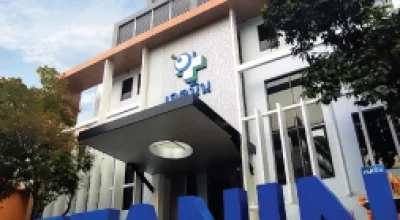
Jetanin Hospital
Specialist IVF hospital near BTS Chit Lom, founded 1995, with in-house genetic testing and JCI and RTAC accreditation.
View hospital profile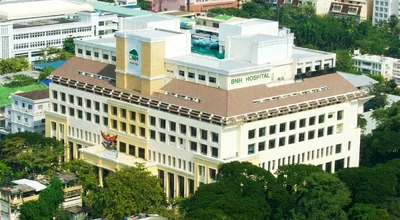
BNH Hospital
Mid-sized hospital founded in 1898, known for women's health, orthopaedics, and spine care.
View hospital profile
SAFE Fertility Center
RTAC-accredited IVF clinic in Gaysorn Amarin by BTS Chit Lom, founded 2007, with in-house genetic testing. Not JCI accredited.
View hospital profile
Tell Us What You Need. We Do the Rest.
Share what you're considering and we'll come back with surgeon options, pricing, and a clear plan.
- Real hospital pricing with zero markup
- Matched with a specialist experienced in your specific procedure
- Full coordination from consultation to recovery


Trusted by patients worldwide
The complete guide to IVF in Thailand
Everything below is for readers who want the full detail: costs broken down, types and techniques, recovery, risks and safety, and planning your trip.
IVF Clinics & Specialists in Thailand
The clinic and specialist you choose determine most of your outcome. Here is what separates a strong fertility centre from a mediocre one.
Leading Fertility Clinics in Bangkok
Our partner clinics include some of the highest-volume fertility centres in Southeast Asia. They operate dedicated embryology laboratories with clean-room standards, time-lapse incubators, and vitrification equipment that matches anything you would find in London or New York. These are not general hospitals with a fertility department attached. They are purpose-built reproductive medicine centres that handle IVF as their primary focus.
Experienced Fertility Specialists
The fertility specialists at our partner clinics are board-certified reproductive endocrinologists trained in Thailand and internationally. Many completed fellowships at major US, European, or Australian centres before returning to Thailand, where the clinical volume is substantially higher. That combination of international training and high-volume practice is a significant part of why Thai outcomes hold up against global benchmarks.
What to Look for in a Fertility Clinic
Ask for published success rates broken down by age group. Any reputable clinic will share these openly. Check whether the embryology lab uses time-lapse monitoring and has strong blastocyst culture rates. Confirm the clinic follows single embryo transfer as default policy for appropriate patients. Read reviews on independent platforms, not the clinic website. And pay attention to how the team communicates during your initial enquiry. If they promise unrealistic outcomes or rush you, look elsewhere.
IVF Results and Outcomes
IVF outcomes depend on your age, diagnosis, and embryo quality. Here is what realistic expectations look like.
Typical IVF Success Rates
Success rates vary significantly by age. For women under 35 using their own eggs, leading Thai clinics report clinical pregnancy rates of 40–55% per embryo transfer. At ages 35–39, rates are typically 30–40%. Over 40, rates decline more sharply, to 15–25% with own eggs, though donor egg cycles maintain high success regardless of recipient age. These figures are per transfer, not per cycle started, which is an important distinction.
What Affects Your Chances?
Age is the single biggest factor because egg quality declines with time.3,4 This is biology, not something a clinic can override. Ovarian reserve (measured by AMH and antral follicle count) determines how many eggs can be collected per cycle. Embryo quality, assessed by the embryology team during culture, predicts implantation potential. Uterine factors (polyps, fibroids, or a thin endometrial lining) can also affect whether a good embryo implants successfully.
IVF Cost in Thailand
Average Cost of IVF
Our partner hospital quotes IVF as two priced routes rather than a range. Package A is ฿335,000 for a full cycle ending in a fresh embryo transfer, and Package B is ฿456,000 for the same cycle with the embryos screened and frozen first, then transferred later from thaw. The gap between the two is the ฿96,000 for screening and freezing two embryos and the ฿83,000 thaw transfer that replaces the ฿58,000 fresh one. These prices are valid to 31 December 2026 and are one hospital's figures rather than what IVF costs across Thailand.
Cost Breakdown
The cycle is itemised in stages, which makes it easy to see where the money goes. Ovarian stimulation is ฿138,000 and covers the stimulation phase and its monitoring. Egg retrieval is ฿139,000 and covers the collection under sedation and the laboratory work that follows it. A fresh embryo transfer is ฿58,000. If you are screening embryos instead, the genetic testing and freezing of two embryos is ฿96,000 and the later thaw transfer is ฿83,000. Adding the stages together is what produces the two package totals.
What Affects the Price?
The main decision is whether embryos are transferred fresh or screened, frozen and transferred later, which is the ฿121,000 difference between the two packages. Beyond that, stimulation medication is dosed to how your ovaries respond, so it varies between patients and is worth confirming line by line in your own quote. Storage of frozen embryos in later years is charged separately, as is a further transfer if the first does not work. Different hospitals and clinics price all of this differently, so compare on the whole treatment plan rather than a headline cycle figure.
Thailand vs International Price Comparison
Be careful with the saving here, because it is smaller than the usual medical tourism arithmetic suggests. Package A works out at roughly $9,900. Equivalent private cycles run $11,300–$20,300 in the US, £9,000–£15,800 in the UK and A$9,900–A$18,000 in Australia, each quoted in its own currency, so convert before you compare. Package B, at roughly $13,400, sits inside the US range rather than below it. The saving is real against the upper end of Western pricing and thin against the lower end, so if cost is the deciding factor, get quotes in both places on the same treatment plan before you commit to travelling. What travelling reliably buys is availability rather than a large discount, since our partner clinics use the same stimulation protocols, laboratory technology and quality control systems as the centres you would find at home.
Less-Intensive Alternatives to IVF
For some couples, a gentler step makes sense before a full IVF cycle. Ovulation induction with tablets or low-dose injections, sometimes paired with intrauterine insemination (IUI), stimulates the ovaries and places prepared sperm directly into the uterus around ovulation. Timed natural cycles work along similar lines. These approaches are simpler, cheaper, and avoid egg retrieval altogether, so they are often tried first for unexplained infertility, mild male-factor issues, or ovulation problems where the fallopian tubes are healthy.
The honest limit is that success rates per attempt are much lower than IVF, and they fall further with age and with more complex diagnoses. IUI cannot work with blocked or damaged tubes, severe male-factor infertility, or where eggs and sperm need to meet in the lab, and it offers no embryo selection or genetic screening. Most specialists suggest a limited number of cycles before moving on, since repeating a low-odds treatment can simply delay the step that was always going to be needed.
IVF is the right route when the tubes are blocked, when sperm parameters are low enough to need ICSI, when IUI has already failed, or when embryo screening or donor eggs and sperm are part of the plan. It gives the embryologist eggs to work with, allows the strongest embryo to be selected, and offers a far higher chance per cycle, which is what the rest of this page covers.
Types of IVF Available
The right protocol depends on your age, ovarian reserve, and previous treatment history. Your specialist will match the approach to your biology, not apply a one-size-fits-all plan.
Conventional IVF
The standard protocol using injectable gonadotropins to stimulate multiple follicles. Produces the highest number of eggs per cycle, maximising your chances of having good-quality embryos for transfer and surplus to freeze. This is the most widely used approach globally for a reason: it gives the embryologist the most to work with.
- Produces 8–15 eggs on average per stimulation cycle
- Allows embryo selection, grading, and optional genetic testing
- Surplus embryos can be vitrified for future frozen transfers
- Best for: most patients with normal ovarian reserve who want to maximise per-cycle outcomes
Natural Cycle IVF
Uses no or minimal stimulation medication, collecting the single egg your body produces naturally each month. The egg is fertilised and transferred following the same laboratory steps. Costs less per cycle but produces fewer embryos; the trade-off is straightforward.
- Lower medication costs and fewer physical side effects
- May need multiple cycles to achieve a result
- No risk of ovarian hyperstimulation syndrome
- Best for: patients who respond poorly to stimulation or want a gentler, lower-cost approach
IVF Techniques
The laboratory is where IVF outcomes are really determined. Thai clinics at the top end invest heavily in embryology technology, and the differences show up in fertilisation rates, embryo development, and ultimately pregnancy outcomes.
Time-Lapse Embryo Monitoring
Embryos develop inside an incubator fitted with a camera that captures images every few minutes. This allows continuous assessment without removing embryos from their controlled environment. The embryologist reviews developmental milestones (division timing, symmetry, fragmentation) to select the embryo with the highest implantation potential.
- Continuous monitoring without disturbing the embryo's environment
- AI-assisted algorithms help rank embryos by implantation potential
- Standard at Thailand's leading fertility centres
- Best for: all IVF patients; improves embryo selection accuracy
Blastocyst Culture (Day 5 Transfer)
Extended culture to day five lets the embryology team observe which embryos develop into blastocysts, a more advanced stage with higher implantation potential. Not every clinic can sustain embryos to blastocyst reliably; it requires consistent laboratory conditions and experienced embryologists. Thai clinics with strong blastocyst culture rates typically report better outcomes.
- Higher implantation rates compared to day-3 transfer
- Self-selection: only the strongest embryos reach this stage
- Required for PGT-A genetic testing
- Best for: most patients, particularly those with multiple embryos to choose from
ICSI Fertilisation
A single sperm is injected directly into each egg under a microscope. ICSI is essential for male factor infertility but is also used routinely in many Thai clinics to ensure maximum fertilisation rates, even when semen parameters are normal. It adds a small cost but removes the uncertainty of conventional fertilisation.
- Fertilisation rates of 70–80% per injected egg
- Essential for male factor infertility and surgically retrieved sperm
- Increasingly used as standard even without a male factor diagnosis
- Best for: all patients with male factor issues, and often recommended as standard practice
PGT-A Genetic Screening
Preimplantation genetic testing for aneuploidy (PGT-A) screens each blastocyst for the correct number of chromosomes before transfer. A few cells are biopsied from the outer layer, the embryos are frozen while the lab processes results, and only a chromosomally normal embryo is transferred. It does not improve an embryo's quality, but it does help select the one most likely to implant and least likely to miscarry, which matters more with age and after failed cycles. PGT-M is the related test for specific inherited conditions.
- Identifies the chromosomally normal embryo most likely to implant
- Reduces miscarriage risk and can shorten the path to a successful transfer
- Requires blastocyst culture and a freeze-all cycle, so transfer happens later
- Best for: women over 35, recurrent miscarriage, or repeated failed transfers
Vitrification & Frozen Embryo Transfer
Vitrification is an ultra-rapid freezing method that preserves surplus embryos without the ice-crystal damage of older slow-freezing techniques. Survival rates on thawing are now very high, so a frozen embryo transfer (FET) achieves success rates comparable to a fresh transfer. It also underpins the freeze-all approach, where every embryo is frozen and transferred in a later, unstimulated cycle, which suits PGT-A testing and gives the uterine lining time to recover from stimulation.
- Near-total embryo survival on thawing compared with older slow-freezing
- A later FET costs a fraction of a full new stimulation cycle
- Enables freeze-all cycles and the time needed for PGT-A results
- Best for: surplus embryos, freeze-all or PGT-A cycles, and gentler repeat attempts
IVF Treatment Timeline
Days 1–10
Ovarian stimulation begins with daily injections that you self-administer. Monitoring appointments every two to three days include blood tests and ultrasound to track follicle growth. Your specialist adjusts the medication dose based on how your ovaries respond. Side effects are usually mild, with some bloating and tiredness.
Days 10–14
Once your follicles reach target size, a trigger injection prepares the eggs for collection. Egg retrieval takes place 34–36 hours later under light sedation. The procedure takes about 15–20 minutes. You rest at the clinic for a few hours and return to your hotel the same day. Most patients feel fine by the next morning.
Days 14–19
Your eggs are fertilised in the lab and monitored as embryos develop. The embryology team updates you on fertilisation rates and embryo quality daily. If you have opted for PGT-A genetic testing, blastocyst biopsies are taken at this stage and embryos are vitrified while results are processed.
Days 17–21
Embryo transfer is a straightforward procedure that takes about ten minutes with no sedation. The strongest embryo is placed into the uterus using a soft catheter guided by ultrasound. You rest briefly and return to your hotel. A pregnancy blood test is taken 10–12 days later, either in Thailand or at home.
When Can You Fly After IVF?
Most patients can fly home two to three days after embryo transfer. There is no evidence that flying affects implantation, and cabin pressure at cruising altitude is safe. Some patients prefer to stay in Thailand until their pregnancy test at day 10–12 post-transfer, but this is a personal choice rather than a medical requirement. Mild bloating from stimulation medication usually resolves within a few days of retrieval.
What Happens During the Two-Week Wait?
After embryo transfer, there is a 10–12 day waiting period before a blood pregnancy test. During this time, you can resume gentle daily activities such as walking, reading, and light sightseeing. Bed rest is not recommended and does not improve outcomes. Continue any prescribed progesterone support medication as directed. Your coordinator will stay in contact throughout this period for questions or reassurance.
When Will You Know If It Worked?
A blood test measuring beta-hCG hormone levels is taken 10–12 days after embryo transfer. This is the definitive test, as home urine tests can give misleading results at this stage. If positive, an early pregnancy ultrasound is arranged at six to seven weeks to confirm a viable heartbeat. If the result is negative, a detailed cycle review is conducted to determine what adjustments might improve the next attempt.
Anaesthesia for IVF
IVF is mostly a treatment you go through wide awake. The daily stimulation injections, the monitoring scans, and the embryo transfer itself need no anaesthesia at all; the transfer feels much like a smear test and is over in about ten minutes. The one step that does is egg retrieval, which is carried out under light sedation so you are relaxed, drowsy, and feel nothing while the eggs are collected.
For that retrieval, an anaesthetist gives the sedation through a vein and stays with you throughout, monitoring you the whole time. You are not put fully under as you would be for major surgery, so you wake quickly and rest at the clinic for a couple of hours before returning to your hotel the same day. If sperm is being retrieved surgically, that minor procedure is also done under light sedation.
Before the retrieval you have a brief pre-procedure check, including a review of any medications and your fasting from the night before. You will feel nothing during the collection itself, and afterwards most patients have only mild cramping and bloating for a day or two, settled easily with simple pain relief.
Risks and Safety of IVF
IVF is performed millions of times worldwide each year and has a strong overall safety profile. That said, it involves medication and medical procedures, so understanding the risks before starting is important.
- Ovarian hyperstimulation syndrome (OHSS), mild in most cases, with moderate or severe OHSS in around 1%1
- Multiple pregnancy if more than one embryo is transferred2
- Mild bloating, mood changes, or discomfort during stimulation
- Emotional and psychological strain, particularly if cycles are unsuccessful
Risk is managed through careful monitoring, dose adjustments, and following international guidelines on single embryo transfer. The main thing is to have honest conversations with your specialist about your specific risk factors before starting.
Is IVF Safe in Thailand?
Yes. Thailand's leading fertility clinics hold accreditation from the Royal Thai College of Obstetricians and Gynaecologists and operate under the 2015 Assisted Reproductive Technology Act. Several partner clinics hold JCI international accreditation. Published success rates from these clinics are comparable to figures reported by HFEA-regulated clinics in the UK and SART-member clinics in the US. The safety infrastructure (laboratory quality control, infection protocols, OHSS management) meets the same benchmarks.
How to Reduce Risks
Choose a clinic with demonstrated volume and published outcomes rather than the cheapest option available. Confirm that your specialist is a board-certified reproductive endocrinologist, not a general gynaecologist offering IVF as a sideline. Single embryo transfer is the standard recommendation for most patients under 40, and it virtually eliminates the risk of twins while maintaining strong success rates with a good-quality blastocyst. Make sure the clinic has a clear OHSS management protocol and access to hospital-level care if needed.
What If a Cycle Is Unsuccessful?
Not every IVF cycle results in a pregnancy. If you have surplus frozen embryos, a subsequent frozen embryo transfer is significantly cheaper and less physically demanding than repeating a full stimulation cycle. If the cycle failed to produce good embryos, a detailed review examines what happened at each stage (ovarian response, egg maturity, fertilisation, embryo development) and the protocol is adjusted accordingly. Some patients benefit from changing the stimulation drug, adjusting the timing, or adding interventions like PGT-A screening.
Planning Your Trip to Thailand for IVF
An IVF cycle requires 14–21 days in Thailand. Here is how to plan your trip, what to expect logistically, and what is included.
How Long to Stay in Thailand
Plan for a minimum of two to three weeks. The first 10–12 days cover ovarian stimulation and monitoring. Egg retrieval happens around day 12–14. Embryo culture and optional genetic testing take three to five days. Embryo transfer follows, and most patients can fly home two to three days later. If you are doing a freeze-all cycle for PGT-A testing, the initial stay is around two weeks, with a shorter return visit for the frozen embryo transfer.
What Is Included in Your Treatment
Your care coordinator handles scheduling, hospital logistics, and communication with the clinical team throughout. The treatment quote covers specialist consultations, stimulation monitoring, egg retrieval, embryo culture, and embryo transfer. Stimulation medications are usually quoted separately because the dose varies by patient. Flights and accommodation are arranged independently, though your coordinator can recommend hotels near the clinic and help with bookings.
Recovery in Bangkok
Bangkok is the practical choice for IVF. You need to be close to the clinic for monitoring appointments every two to three days during stimulation, and proximity matters if any issue arises. Between appointments, most patients explore the city, eat well, and rest. The recovery period after egg retrieval is short, with one to two days of mild discomfort at most. After embryo transfer, gentle activity is fine and encouraged.
Related Procedures
Other procedures that address similar goals or conditions, in case one of them is a closer fit for you.
Planning your treatment in Thailand
Independent guides to help you weigh the decision, before you commit to anything.
Common Questions About IVF in Thailand
Everything you need to know before your treatment

Medical References
- Ovarian Hyperstimulation Syndrome OHSS (Royal College of Obstetricians and Gynaecologists)
- In Vitro Fertilization IVF What Are the Risks (American Society for Reproductive Medicine)
- IVF In Vitro Fertilization Procedure and How It Works (Cleveland Clinic)
- Key Facts and Statistics (Human Fertilisation and Embryology Authority)
Keep researching with AI
Open this guide in your AI assistant to dig deeper and ask the questions it didn't answer.
Opens in a new tab with this guide already loaded.
Medical disclaimer: Content on this site is provided for informational purposes and should not be treated as medical advice. Outcomes, timelines, and eligibility differ from person to person. Consult a qualified medical professional before making any decisions about surgery or treatment.
Ready to Get Started?
Speak with our care coordinators for a free, no-obligation consultation and personalised quote for your IVF cycle.
Get a Free QuoteIVF & Assisted Reproduction