Mini IVF in Thailand Your guide to cost, top specialists & hospitals
Less medication, fewer side effects, same laboratory science. Mini IVF finds the balance between gentle and effective.
What Is Mini IVF?
Also known as: Mini IVF Treatment · Minimal Stimulation IVF
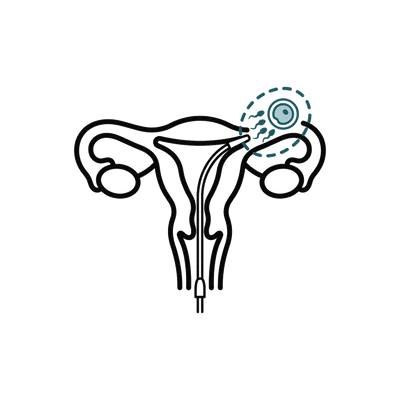
Mini IVF is a fertility treatment that retrieves a small number of good-quality eggs using much lower medication doses than conventional IVF, often oral tablets rather than daily injections. A cycle is designed to yield two to five eggs. From egg collection onwards the laboratory work matches standard IVF: eggs are fertilised, cultured, and the strongest embryo transferred. The cycle runs two to three weeks, and the lower doses mean fewer side effects and a much smaller risk of ovarian hyperstimulation, where the ovaries over-respond to the drugs.
If high doses once left you bloated and exhausted, a gentler route can feel like a relief. It suits some people better than others. Your specialist looks at your ovarian reserve and history and is honest about whether it fits.
It helps to know the trade-off. Fewer eggs usually means a lower chance of pregnancy in any single round, so many people plan for more than one cycle. Nothing is guaranteed. But for women whose ovaries respond poorly to high doses, the gap in results is often small while the cycle is much easier on the body.
It can address a range of concerns, including:
Am I a Good Candidate for Mini IVF?
Mini IVF rewards the right biology: it suits low responders well and serves patients with normal reserve less efficiently.
Your AMH and antral follicle count predict whether gentler stimulation actually costs you anything.
Low reserve is the sweet spot: When high doses yield diminishing returns, typically with AMH below roughly 1.5 ng/mL or an antral follicle count under about 7, a mini protocol can collect nearly as many eggs with far less medication.
Poor previous response: A conventional cycle that produced few eggs (broadly four or fewer at full-dose stimulation) is a strong signal to consider the gentler route.
Normal reserve under 38 reconsidered: Conventional stimulation is usually more efficient per cycle when AMH is above roughly 1.5 ng/mL and the antral follicle count above about 10–12, so your ovaries can deliver eight to fifteen eggs.
Mini IVF often spreads treatment across several cycles, and that takes time you need to have.
Room in your timeline: Banking embryos over two to three rounds extends the journey by months.
Time-pressured goals fit poorly: When age or circumstances compress your window, a higher-yield conventional cycle may serve you better.
Severe male factor adds risk: Very few eggs combined with significant sperm issues raises the chance of a cycle producing no viable embryos at all.
Candidates do best when they accept the multi-cycle logic upfront.
Comfortable with two to five eggs: Each cycle produces a small cohort by design, not by failure.
Open to repeat cycles: Cumulative success over two to three mini rounds can approach a single conventional cycle, often at comparable total cost.
Drawn to the gentler experience: Less bloating, near-zero OHSS risk, and 50-70% lower medication costs are the trade for lower per-cycle numbers.
The honest comparison with conventional IVF is part of deciding well.
30-45% per transfer under 35: Partner clinics report this for mini cycles, modestly below the 35-45% registries report for conventional IVF, because fewer embryos means less choice for the embryologist.
Cancellation is possible: If low-dose medication produces no adequate follicles, the cycle stops before retrieval, though the financial impact is smaller than a cancelled conventional round.
A clinical decision, not a marketing one: A good specialist will say plainly if conventional stimulation suits your reserve better.
Who is not suitable for mini ivf?
- Normal ovarian reserve under 38 (AMH above roughly 1.5 ng/mL, antral follicle count above about 10–12) where conventional IVF is usually more efficient
- A single-attempt plan with no appetite for multiple cycles
- Severe male factor (sperm concentration under roughly 5 million/mL or motility under about 30%) where very few eggs risks a cycle with no viable embryos
- Tight family-building timelines that cannot absorb several rounds
Pricing
How Much Will Mini IVF Cost in Thailand?
What mini ivf costs at accredited hospitals in Thailand, and what your final quote depends on.
Get your exact price
Tell us what you're considering and we'll send a personalised quote from accredited clinics within 24 hours.
Get a Free QuoteTypical prices in Thailand
Typical ranges based on recent hospital quotes. Your exact price depends on the hospital and how complex your case is, and is confirmed at your teleconsultation.
Mini IVF
Lower drug doses coax out a small number of eggs, which are collected under sedation and fertilised in the laboratory before one embryo is transferred.
| Natural-cycle Mini IVF Egg collection with little or no stimulation, for those who react badly to the drugs | $3,500 to $4,200 ฿119,000 to ฿142,800 |
| Modified Mini IVF with low-dose stimulation Oral tablets or a reduced injectable dose, for a larger egg cohort than a natural cycle | $4,200 to $5,200 ฿142,800 to ฿176,800 |
| Mini IVF with ICSI A single sperm injected into each mature egg, for male factor or fertilisation that has failed before | $5,200 to $6,300 ฿176,800 to ฿214,200 |
Typically not included
- Medication, meaning the stimulation drugs, the trigger injection and the progesterone support after transfer, priced once your protocol is set
- Embryo freezing, annual storage, and a frozen transfer cycle if you bank embryos instead of transferring fresh
- PGT-A genetic screening, including the embryo biopsy and the laboratory fee for each embryo tested
- Baseline fertility assessment before the cycle, meaning AMH, antral follicle count, semen analysis and infectious disease screening
- A repeat round. Each figure covers one stimulation cycle, so a second or third is charged again
Get your exact price
Tell us what you're considering and we'll send a personalised quote from accredited clinics within 24 hours.
Hospitals Trusted for Mini IVF
From internationally accredited flagships to dedicated specialist hospitals, these are the kinds of facilities where international patients have this procedure.

Jetanin Hospital
Specialist IVF hospital near BTS Chit Lom, founded 1995, with in-house genetic testing and JCI and RTAC accreditation.
View hospital profile
BNH Hospital
Mid-sized hospital founded in 1898, known for women's health, orthopaedics, and spine care.
View hospital profile
SAFE Fertility Center
RTAC-accredited IVF clinic in Gaysorn Amarin by BTS Chit Lom, founded 2007, with in-house genetic testing. Not JCI accredited.
View hospital profile
Tell Us What You Need. We Do the Rest.
Share what you're considering and we'll come back with surgeon options, pricing, and a clear plan.
- Real hospital pricing with zero markup
- Matched with a specialist experienced in your specific procedure
- Full coordination from consultation to recovery


Trusted by patients worldwide
The complete guide to Mini IVF in Thailand
Everything below is for readers who want the full detail: costs broken down, types and techniques, recovery, risks and safety, and planning your trip.
Mini IVF Clinics & Specialists in Thailand
Mini IVF demands strong embryology because there are fewer embryos to work with. The clinic's laboratory quality matters more, not less, when numbers are small.
Leading Fertility Clinics in Bangkok
Our partner clinics have experience with minimal stimulation protocols and the embryology depth to handle small cohorts well. They use time-lapse incubators, advanced culture media, and experienced embryologists who understand that with two to five eggs, every handling decision matters. These are not clinics that only know how to work with large numbers.
Experienced Specialists
The fertility specialists at our partner clinics have trained in both conventional and minimal stimulation protocols. They know when Mini IVF is the right choice for a patient and when conventional stimulation would serve better. That judgment, knowing which patients genuinely benefit from a mini approach versus those who would be better served by a different strategy, is where specialist experience shows up.
What to Look for in a Clinic
Ask specifically about the clinic's Mini IVF programme: how many cycles they perform, what their per-transfer pregnancy rates are, and whether they offer embryo banking across multiple cycles. Confirm the embryology lab uses time-lapse monitoring. Check whether the clinic can transition directly to conventional IVF if the mini protocol does not produce an adequate response.
Mini IVF Results and Outcomes
Mini IVF produces fewer embryos per cycle, but the quality of those embryos can be excellent. Here is what the outcome data shows.
Typical Mini IVF Success Rates
Our partner clinics report per-transfer pregnancy rates of 30–45% for Mini IVF in women under 35, modestly lower than the 35–45% published registries such as SART and the HFEA report for conventional IVF. However, cumulative success over two to three mini cycles can approach a single conventional cycle, often at a comparable or lower total cost with significantly less physical impact. For women with low ovarian reserve where conventional stimulation yields similarly small numbers, the difference in outcomes is minimal.
What Determines Your Mini IVF Outcome?
Age and egg quality are the dominant factors, just as in conventional IVF. The number of mature eggs retrieved per cycle determines how many embryos you have to work with. Embryo quality (assessed through culture to blastocyst stage and optional PGT-A testing) determines implantation potential. The key question is whether Mini IVF or conventional stimulation would produce a meaningfully different number of eggs for your specific ovarian reserve profile.
Mini IVF Cost in Thailand
Average Cost of Mini IVF
A full Mini IVF cycle in Thailand typically costs between $3,500 and $6,300. The procedure fees are similar to conventional IVF, but medication costs are 50–70% lower, reducing the overall bill. The exact cost depends on the stimulation protocol used, whether ICSI is added, and whether embryo freezing is needed.
Cost Breakdown
The fee structure mirrors conventional IVF: specialist consultations, monitoring, egg retrieval, embryo culture, and transfer. The key saving is in medication, which can drop from $2,000–$4,000 for conventional stimulation to $500–$1,500 for a mini protocol. Laboratory fees, ICSI (if used), and embryo freezing are quoted at the same rates as conventional cycles.
What Affects the Price?
The main variable is whether the oral medication protocol is sufficient or whether low-dose injectables are needed, which increases medication costs. Adding ICSI, PGT-A, or embryo freezing adds line items to the quote. If you plan multiple mini cycles to bank embryos, ask about package pricing; some clinics offer reduced rates for sequential cycles.
Thailand vs International Price Comparison
Mini IVF in Thailand costs 50–70% less than equivalent treatment in the US ($8,800–$15,800), Australia (A$7,700–A$14,000), and UK (£7,000–£12,300). The medication savings compound the geographic price advantage; two mini cycles in Thailand can cost less than a single conventional cycle at home.
Simpler Treatments Before Mini IVF
Before any form of IVF, many couples are advised to try a less involved route first. Timed-cycle treatment with ovulation induction uses oral tablets such as clomiphene or letrozole to encourage ovulation, paired with intercourse scheduled around it. Intrauterine insemination (IUI) goes a step further, placing prepared sperm directly into the uterus around ovulation. Both are far less medicalised than Mini IVF, much cheaper, and need no egg retrieval or sedation.
These options have real limits. They rely on at least one open fallopian tube and reasonable sperm quality, and per-cycle success is lower, so several attempts are often needed. They cannot help where tubes are blocked, where male factor is significant, or where embryos need genetic testing, because fertilisation still happens inside the body and is never seen in a laboratory.
Mini IVF is the right step when those simpler routes have not worked, when the laboratory control of fertilisation matters, or when your assessment points past insemination from the outset. It still bypasses blocked tubes, allows ICSI for male factor, and produces embryos that can be screened or frozen, all with gentler stimulation than conventional IVF. Whether to try a simpler route first is a clinical judgement your specialist will be honest about.
Types of Mini IVF
Mini IVF protocols vary in how much stimulation medication is used. The right choice depends on your ovarian reserve, age, and how your ovaries have responded to treatment before.
Oral Medication Protocol
Uses clomiphene citrate or letrozole (oral tablets) alone or with very low-dose injectable gonadotropins. This produces fewer follicles than conventional IVF, typically two to five, with significantly lower medication costs and fewer side effects. It is the most common Mini IVF approach and the foundation of the Japanese minimal stimulation method.
- Medication costs 50–70% lower than conventional IVF
- Reduced risk of OHSS and fewer physical side effects
- Well-suited to patients with low ovarian reserve
- Best for: women where high-dose stimulation has shown diminishing returns
Low-Dose Injectable Protocol
Uses injectable gonadotropins at roughly one-third to one-half the conventional dose. Produces slightly more follicles than oral-only protocols while keeping the medication burden manageable. It bridges the gap between minimal and conventional stimulation for patients who need a bit more push than oral tablets alone provide.
- Moderate egg yield of three to six eggs per cycle
- Balance between stimulation response and side-effect profile
- Suitable for patients who did not respond well to oral medication alone
- Best for: patients needing more than oral tablets but wanting to avoid full-dose stimulation
Natural & Modified Natural Cycle IVF
The gentlest end of the spectrum. Natural cycle IVF uses no stimulation at all2, working with the single egg your body matures each month, while the modified version adds a small amount of medication to steady the cycle and prevent early ovulation. Both aim to collect one or two eggs with minimal or no drugs, which appeals to patients who want the lightest possible medication load or react badly to stimulation. The trade-off is that producing a single egg means a real chance of a cycle with no usable embryo, so it usually relies on repeating cycles over time.
- Little or no stimulation medication, the lightest physical experience of any IVF route
- Typically collects one or two eggs per cycle
- Higher chance of a cycle yielding no viable embryo, so often repeated
- Best for: patients who want minimal medication or cannot tolerate stimulation, and accept multiple attempts
Mini IVF Techniques
The laboratory work in Mini IVF is identical to conventional IVF; the only difference is how many eggs you start with. That makes embryology quality even more important.
Embryo Banking Across Cycles
Some patients choose to do two or three Mini IVF stimulation cycles, freezing all embryos, before transferring the best one. This accumulates a larger pool of embryos over time without the physical intensity of a single high-dose cycle. The cumulative cost of multiple mini cycles can approach one conventional cycle, but the physical experience is substantially gentler.
- Builds an embryo bank gradually from multiple gentle cycles
- Each cycle's physical recovery is minimal
- Allows PGT-A testing across the pooled embryo cohort
- Best for: patients with low ovarian reserve who want to maximise embryo numbers without high-dose stimulation
Single Embryo Focus
When Mini IVF produces just one or two embryos, the emphasis shifts to optimising every step (culture conditions, timing, and lining preparation) to give that single embryo the best possible chance. This is where experienced embryologists earn their value, handling small numbers with the same precision they apply to larger cohorts.
- Maximises the implantation potential of each individual embryo
- Optimal culture conditions and transfer timing become paramount
- Experienced embryologists add real value when numbers are small
- Best for: patients who produce very few eggs per cycle and need maximum return from each one
Mini IVF Treatment Timeline
Days 1–10
Stimulation begins with oral medication or low-dose injections from day two to three of your cycle. Monitoring appointments every two to three days track follicle growth with ultrasound and blood tests. Side effects are typically milder than conventional IVF, with less bloating and less fatigue.
Day 10–14
Once follicles reach target size, a trigger injection prepares the eggs. Egg retrieval is performed about 36 hours later under light sedation3, so you fast with nothing to eat or drink for about six hours beforehand to make the sedation safe. The procedure is usually quicker than in conventional IVF because fewer follicles are collected. You rest at the clinic for an hour or two, then start with water and a light meal once the sedation wears off and return to your hotel the same day. Keep meals light and stay well hydrated that evening to ease any bloating.
Days 14–18
Eggs are fertilised using conventional IVF or ICSI and cultured in the laboratory. The embryology team updates you on fertilisation and embryo development. Because fewer embryos are produced, each one receives close individual attention and assessment.
Day 16–20
Embryo transfer is a painless procedure lasting about ten minutes3. The best embryo is placed into the uterus. Surplus good-quality embryos, if available, can be frozen. A pregnancy blood test is taken 10–12 days after transfer.
When Can You Fly After Mini IVF?
You can fly two to three days after embryo transfer without medical concern. Recovery from egg retrieval is typically quicker than conventional IVF because fewer follicles are punctured. If you are planning embryo banking across multiple cycles, you may fly home between stimulation rounds and return for subsequent cycles.
Physical Recovery Compared to Conventional IVF
Most patients find Mini IVF noticeably easier on the body. Lower hormone doses mean less bloating, less mood disruption, and quicker recovery after retrieval. Many women describe the experience as manageable rather than overwhelming, which matters when multiple cycles are part of the plan.
When Will You See Results?
A pregnancy blood test is taken 10–12 days after embryo transfer, with the same timeline as conventional IVF. If you are banking embryos across multiple cycles before transferring, the timeline extends accordingly. Each cycle takes about two to three weeks, and banking two to three cycles before transfer is a common approach.
Anaesthesia for Mini IVF
Most of a Mini IVF cycle needs no anaesthesia at all. The monitoring scans, blood tests, the trigger injection, and the embryo transfer are all done while you are fully awake, with nothing more than a little discomfort. The one step that does use anaesthesia is the egg retrieval, and because a mini cycle collects only two to five follicles, that part is usually quicker than in conventional IVF.
For the egg retrieval you have light sedation, sometimes called twilight sedation4,3, so you are relaxed and drowsy but not fully under general anaesthesia. You feel nothing while the eggs are collected, and most patients remember little of it. An anaesthetist or trained team monitors you throughout, and because the sedation is light you recover quickly and rest at the clinic before returning to your hotel the same day.
Before the retrieval you have a short pre-procedure check, including a review of any medications and allergies, and you fast with nothing to eat or drink for about six hours beforehand, so the team can plan the sedation safely. The embryo transfer that follows a week or so later needs no sedation: it is a painless procedure similar to a smear test. Any discomfort after retrieval is usually mild bloating or cramping rather than real pain, and it settles within a day or two.
Risks and Safety of Mini IVF
Mini IVF carries the same general categories of risk as conventional IVF, but several of the most common side effects are significantly reduced by the lower medication doses.
- Cycle cancellation if no follicles develop adequately on low-dose medication
- Emotional strain, particularly if multiple mini cycles are needed
- No guarantee of pregnancy per cycle; per-cycle rates are modestly lower than conventional IVF
The reduced medication profile of Mini IVF means OHSS is exceptionally rare and the physical burden is lighter. If a cycle does not produce an adequate response, the protocol can be adjusted or a switch to conventional IVF may be discussed. The low medication cost means a cancelled mini cycle is less financially impactful than a cancelled conventional one.
Is Mini IVF Safe in Thailand?
Yes. Mini IVF uses the same clinical infrastructure, laboratory equipment, and monitoring protocols as conventional IVF, just with lower medication doses. The reduced stimulation actually lowers certain risks, particularly OHSS. One risk that is the same as any IVF is ectopic pregnancy, where an embryo implants outside the uterus, a small risk of around 1% with IVF; an early ultrasound after a positive test checks for it. Thai clinics offering Mini IVF follow the same accreditation and regulatory standards as their conventional IVF programmes.
How Does Mini IVF Compare to Conventional IVF?
The trade-off is clear. Mini IVF produces fewer eggs and embryos per cycle, which means lower per-cycle pregnancy rates. Our partner clinics report roughly 30–45% per transfer for mini cycles in women under 35, against the 35–45% range published registries such as SART and the HFEA report for conventional IVF in the same age group. However, the physical experience is gentler, medication costs are lower, and OHSS risk is near zero. For patients with low ovarian reserve, the outcome difference may be minimal since high-dose stimulation would not have produced significantly more eggs anyway.
When Is Conventional IVF a Better Choice?
If you have normal ovarian reserve, are under 38, and want to maximise per-cycle success, conventional IVF is usually more efficient. Mini IVF is better suited to patients with low reserve, those who responded poorly to previous conventional stimulation, or those who prioritise a gentler physical experience over maximising egg numbers in a single round.
Planning Your Trip to Thailand for Mini IVF
A Mini IVF cycle follows a similar timeline to conventional IVF. Plan for 18–22 days in Thailand to cover stimulation, retrieval, transfer, and the few days before you fly.
How Long to Stay in Thailand
A single Mini IVF cycle runs about 18–22 days: roughly two weeks of stimulation and monitoring, egg retrieval, then a fresh embryo transfer around five days later, plus the two to three days before you fly. If you are banking embryos and freezing all of them, you can leave a couple of days after retrieval and return later for a frozen transfer, which shortens each visit. Some patients complete two mini cycles back-to-back during a single extended stay. Your coordinator will help plan the most efficient schedule.
What Is Included in Your Treatment
The treatment quote covers specialist consultations, stimulation monitoring, egg retrieval under sedation, embryo culture and laboratory fees, and embryo transfer. Medication costs are quoted separately and are significantly lower than conventional IVF. A detailed line-by-line breakdown is provided before you commit to anything.
Is Mini IVF Right for You?
Your specialist will assess whether Mini IVF is the best approach based on your ovarian reserve, age, and treatment history. If your AMH is low and antral follicle count is limited, Mini IVF may produce nearly as many eggs as conventional stimulation at lower cost and less physical impact. If your ovarian reserve is normal, conventional IVF may be more efficient per cycle. This is a clinical decision, not a marketing one.
Related Procedures
Other procedures that address similar goals or conditions, in case one of them is a closer fit for you.
Planning your treatment in Thailand
Independent guides to help you weigh the decision, before you commit to anything.
Common Questions About Mini IVF in Thailand
Everything you need to know before your treatment

Medical References
Keep researching with AI
Open this guide in your AI assistant to dig deeper and ask the questions it didn't answer.
Opens in a new tab with this guide already loaded.
Medical disclaimer: Content on this site is provided for informational purposes and should not be treated as medical advice. Outcomes, timelines, and eligibility differ from person to person. Consult a qualified medical professional before making any decisions about surgery or treatment.
Ready to Get Started?
Speak with our care coordinators for a free, no-obligation consultation and personalised quote for your Mini IVF cycle in Thailand.
Get a Free QuoteIVF & Assisted Reproduction