Nasal Polyp Removal in Thailand Your guide to cost, top specialists & hospitals
When polyps keep blocking your nose and dulling your sense of smell, surgery clears the growths and reopens the airway so you can breathe freely again.
What Is Nasal Polyp Removal?
Also known as: Nasal Polyp Surgery · Endoscopic Polypectomy · FESS
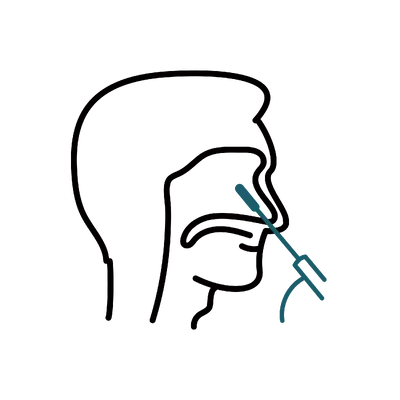
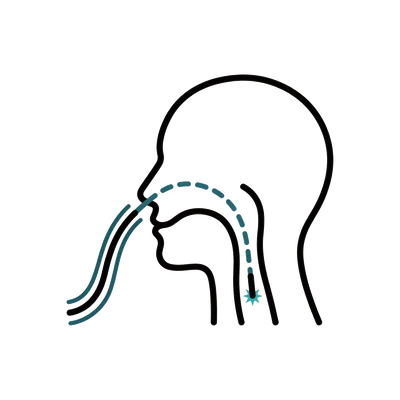
Nasal polyp removal is endoscopic surgery to take out the soft, non-cancerous growths that form in the lining of the nose and sinuses. Polyps grow out of long-standing inflammation, usually chronic rhinosinusitis, and when they enlarge they block the nasal passages, dull the sense of smell, and trap mucus so infections keep coming back. The surgery is done through the nostrils with a thin lighted endoscope, so there are no cuts on the face, and most cases take between forty-five and ninety minutes under general anaesthesia, with a local anaesthetic occasionally enough for very small, isolated polyps.
Removing polyps is rarely done in isolation. Because the same inflammation that drives the polyps also blocks the sinuses, the surgeon usually clears the polyps as part of functional endoscopic sinus surgery, or FESS, opening the sinus drainage pathways at the same time. How much is done depends on how widespread the disease is, which the surgeon reads from your CT scan and plans around your anatomy before picking up an instrument.
The honest part is this. Surgery clears the polyps you have now and opens up the airway, and most people breathe noticeably better and recover some sense of smell. But polyps grow back. The underlying inflammation does not switch off when the growths are removed, so nasal polyps commonly recur1,2, and ongoing medical treatment afterwards, steroid nasal sprays, saline rinses, and for severe cases biologic medicines, is what keeps them from returning. Surgery is best understood as resetting the airway, not curing the condition on its own.
It can address a range of concerns, including:
Am I a Good Candidate for Nasal Polyp Removal?
Surgery suits patients whose polyps keep blocking the airway or dulling smell despite proper medical treatment, with imaging that confirms what an operation can address.
Examination and a CT scan confirm the polyps and show how far they extend before surgery is planned.
Polyps confirmed: Visible polyps on endoscopy, with a CT scan mapping how widely they involve the sinuses.
The scan shapes the operation: How much surgery is needed, and whether image-guided navigation is used, is read from the imaging.
Other causes excluded: A one-sided polyp or unusual appearance is investigated further before routine removal.
A proper trial of medical treatment normally comes before surgery is offered.
Steroid sprays, properly tried: Steroid nasal sprays or drops used correctly and for long enough to judge the response.
Surgery for what does not respond: Polyps that keep blocking the airway or dulling smell despite treatment, or that are too bulky for sprays.
Ongoing treatment continues: Medical management does not stop after surgery; it is what keeps polyps from returning.
A few things need sorting before a general anaesthetic and nasal surgery are safe.
Active infection controlled: Any acute sinus infection is brought under control before elective surgery proceeds.
Blood thinners paused: Anticoagulants and anti-inflammatory supplements stop beforehand, under medical guidance.
Smoke-free for four weeks: Smoking impairs healing of the nasal lining, so quitting at least four weeks before is advised.
Surgery reopens the airway, but it manages a condition rather than curing it.
Relief, not a cure: Most people breathe better and recover some smell, but the underlying inflammation continues.
Polyps can recur: Recurrence is common, and higher with asthma or aspirin sensitivity, so long-term medical treatment is expected.
Aftercare protects the result: Continued steroid sprays and saline rinses are the best defence against polyps returning.
Who is not suitable for nasal polyp removal?
- Active sinus infection, until brought under control
- A fair trial of steroid sprays and medical treatment not yet completed
- Anticoagulants not yet paused under medical guidance
- Aspirin-exacerbated respiratory disease without a long-term medical plan alongside surgery
- Smoking within four weeks of surgery
- Unilateral or atypical polyp not yet investigated to exclude other pathology
- Cystic fibrosis-related nasal polyposis, where surgical goals and post-operative management differ from this standard elective package
- Pregnancy, where elective nasal surgery is deferred until after delivery
Pricing
How Much Will Nasal Polyp Removal Cost in Thailand?
What nasal polyp removal costs at accredited hospitals in Thailand, and what your final quote depends on.
Get your exact price
Tell us what you're considering and we'll send a personalised quote from accredited hospitals within 24 hours.
Get my free quoteTypical prices in Thailand
Typical ranges based on recent hospital quotes. Your exact price depends on the hospital and how complex your case is, and is confirmed at your teleconsultation.
Nasal Polyp Removal
Soft non-cancerous growths are shaved out of the nasal lining through the nostrils with an endoscope, reopening the blocked airway without any cuts on the face.
| Endoscopic sinus surgery polypectomy, with microdebrider 1 night Polyps shaved out through the nostrils with a powered microdebrider, which cuts and suctions in one action | $5,200 ฿176,000 |
Typically not included
- Opening the sinuses in the same operation, which your CT scan may show is needed and which is quoted as a separate and dearer package
- Special medical supplies and instruments, including image-guided navigation
- Imaging and other investigations, including the pre-operative CT scan the surgical plan rests on
- Intensive care, or any night in hospital beyond the one in the package
- Pathology, laboratory tests and pathologist charges
- Pre-operative medical clearance by an internal medicine physician
Get your exact price
Tell us what you're considering and we'll send a personalised quote from accredited hospitals within 24 hours.
Hospitals Trusted for Nasal Polyp Removal
From internationally accredited flagships to dedicated specialist hospitals, these are the kinds of facilities where international patients have this procedure.
Bumrungrad International Hospital
Tertiary hospital with over 1,200 physicians treating 520,000+ international patients a year.
View hospital profile
Bangkok Hospital
BDMS flagship tertiary campus with standalone heart, cancer, and neuro-orthopaedic hospitals.
View hospital profile
Samitivej Sukhumvit Hospital
Tertiary hospital known for paediatrics, home to Thailand's first private children's hospital.
View hospital profile
Tell Us What You Need. We Do the Rest.
Share what you're considering and we'll come back with surgeon options, pricing, and a clear plan.
- Real hospital pricing with zero markup
- Matched with a specialist experienced in your specific procedure
- Full coordination from consultation to recovery


Trusted by patients worldwide
The complete guide to Nasal Polyp Removal in Thailand
Everything below is for readers who want the full detail: costs broken down, types and techniques, recovery, risks and safety, and planning your trip.
Where to Have Nasal Polyp Surgery in Thailand
Your outcome depends on surgeon skill and hospital infrastructure. Here is what to look for and what our partner centres provide.
JCI-Accredited Hospitals
Our partner hospitals hold JCI accreditation and run dedicated ENT departments with full-time rhinology specialists. They have endoscopic suites equipped with image-guided navigation, microdebrider systems, and in-house imaging. These are full-service hospitals, not day-clinics, with the infrastructure to manage any complication.
Board-Certified ENT Surgeons
Polyp and sinus surgery should be done by a surgeon board-certified in ENT, ideally with rhinology fellowship training and a high volume of endoscopic sinus cases. Experience matters most when polyps are extensive or have recurred, and when working close to the eye and skull base, where image-guided navigation is used as standard.
What to Look for in a Surgeon
Board certification in ENT is the starting point. Beyond that, look for specific experience in endoscopic sinus surgery and rhinology, and ask whether image-guided navigation is used for extensive or revision cases. A good surgeon will also be honest with you that surgery clears the polyps but that ongoing medical treatment is needed to keep them from returning.
Understanding Your Results
Nasal polyp surgery results are measured by symptom relief rather than appearance. The improvement is functional: clearer breathing, fewer infections, and often a returning sense of smell.
What Surgery Realistically Achieves
Most patients breathe noticeably better once healing settles, with less congestion, fewer infections, and a sense of smell that often returns gradually over weeks. The gains are real and felt early, while the work of holding on to them belongs to the aftercare that follows.
Why Aftercare Decides the Long-Term Result
Because polyps grow from ongoing inflammation, they commonly recur, and what happens after surgery matters as much as the operation itself. Continuing steroid nasal sprays and saline rinses long-term is the single best way to keep polyps from returning, and for severe recurrent disease biologic medicines are an option. Patients who keep up their medical treatment get the most lasting benefit.
Nasal Polyp Surgery Cost in Thailand
Average Cost of Nasal Polyp Surgery
The fly-in figure our partner hospital quotes for endoscopic polypectomy with a microdebrider is ฿176,000, or about $5,176, with one night in hospital. It is a flat package rather than a scale, so the figure is the same whether you have a handful of polyps or a nose full of them. This is the figure we hold at one hospital rather than what Thailand as a whole charges, and prices across the same network vary considerably by branch.
Cost Breakdown
The package covers the operating theatre and recovery room, the surgeon and anaesthetist teams, the medicines and supplies used during the operation, and one night in a standard inpatient room with nursing care and meals. Your pre-operative CT scan, blood work, and medical clearance by an internal medicine physician are charged on top, as are pathology on the tissue removed and any take-home medication. Coordinator support comes from us and is not a hospital charge.
What Affects the Price?
The polypectomy itself does not move with how extensive the polyps are. What changes the total is whether your CT scan shows sinus disease that needs opening in the same operation, since endoscopic sinus surgery is quoted as separate and dearer packages, from ฿191,000 for a maxillary or ethmoid clearance up to ฿282,000 for a full house FESS. Straightening a deviated septum at the same time and image-guided navigation are also outside this package. Your scan is what allows an accurate quote rather than a rough estimate.
Thailand vs International Price Comparison
At about $5,176, the package undercuts the US range of $6,000 to $15,000, but only at the bottom end, and the saving against the cheapest American private quote is modest. Against the UK at £4,000 to £9,000, Canada at C$5,000 to C$11,000, and Singapore at S$5,000 to S$11,000, the Thai figure converts to roughly the same as or more than the bottom of those ranges, so Thailand is not automatically the cheaper option for this operation. What the package does buy is a fixed price with no waiting list. Our partner hospitals hold JCI accreditation and use the same endoscopic platforms as leading Western ENT departments.
Surgery vs Medical Management for Nasal Polyps
Surgery is not usually the first thing tried for nasal polyps. The standard starting point is medical treatment aimed at shrinking the polyps and calming the inflammation behind them. That means a daily steroid nasal spray or drops, often used for several weeks, sometimes alongside saline rinses, and for a flare a short course of oral steroid tablets to bring bulky polyps down quickly. For a good number of people this controls symptoms well enough that an operation is not needed, at least for a while.
The honest limit of medical treatment is that it works while you keep taking it and tends to lose ground when polyps are large or keep coming back. Sprays struggle to reach polyps that are already blocking the nose, and repeated courses of oral steroids are not something to stay on long-term because of their side effects. For severe, recurrent disease that does not respond, newer biologic medicines such as dupilumab can shrink polyps and improve symptoms, and these are an option in carefully selected patients, though they are an ongoing injected treatment rather than a one-off fix.
Surgery comes into its own when polyps keep blocking the airway or dulling smell despite a proper trial of medical treatment, or when they are simply too bulky for sprays to manage. Clearing them endoscopically reopens the nose and lets the sinuses drain, and it also lets steroid sprays reach the lining properly afterwards so medical treatment works better. The two are not really rivals: surgery resets the airway, and ongoing medical management keeps the polyps from returning. That combination is what the rest of this page is about.
Types of Nasal Polyp Surgery
How much surgery is needed depends on how many polyps there are, how widely they have spread into the sinuses, and what is driving the inflammation. Your CT scan tells most of the story before the surgeon starts.
Simple Endoscopic Polypectomy
The most limited form, removing visible polyps from the nasal passages through the nostrils under endoscopic guidance, without opening the deeper sinuses. Suitable when polyps are confined to the nasal cavity and the sinuses themselves are relatively clear on the scan.
- Endoscopic removal of polyps with no external incisions
- Used when disease is limited to the nasal passages
- Shorter procedure with a quicker initial recovery
- Best for: isolated polyps without significant sinus involvement
FESS with Polyp Removal
The most common approach, combining polyp removal with functional endoscopic sinus surgery so the blocked sinus drainage pathways are reopened at the same time. Because the inflammation behind the polyps also obstructs the sinuses, clearing both together gives the airway the best chance to drain and stay open.
- Removes polyps and opens the sinus drainage pathways in one operation
- Addresses the underlying chronic rhinosinusitis, not just the visible growths
- Image-guided navigation available for extensive or complex disease
- Best for: chronic rhinosinusitis with polyps affecting the sinuses
Microdebrider-Assisted Removal
A powered microdebrider shaves and suctions polyps and diseased tissue at the same time, giving a cleaner field and precise removal. It is particularly useful in extensive polyposis where there is a large volume of tissue to clear, and it can shorten operative time compared with traditional instruments.
- Simultaneous shaving and suction for a clear operative view
- Efficient for widespread, bulky polyps
- Precise removal with care to preserve healthy lining
- Best for: extensive polyposis needing thorough clearance
Nasal Polyp Surgery Techniques
The instruments and approach are matched to how extensive the disease is and whether structural problems are blocking access. These are the main tools an experienced rhinology surgeon draws on, chosen case by case rather than used all at once.
Nasal Endoscope
A thin rigid telescope passed through the nostril gives the surgeon a magnified, well-lit view deep inside the nose and sinuses on a screen. Everything is done through this natural opening, so there are no cuts on the face and no visible scarring afterwards.
- Magnified view of the nasal passages and sinus openings
- Access entirely through the nostrils, no external incisions
- Lets the surgeon work precisely around delicate structures
- Why it matters: it underpins virtually all modern nasal polyp and sinus surgery
Microdebrider
A powered instrument that cuts and suctions polyp tissue in a single action, keeping the operative field clear and removing growths with precision while sparing the healthy lining around them. It is especially valuable when there is a large volume of polyp tissue to clear.
- Combined cutting and suction in one pass
- Precise tissue removal with reduced trauma to healthy mucosa
- Speeds up clearance in extensive polyposis
- Best for: bulky or widespread polyps
Image-Guided Navigation
A real-time system maps the surgeon's instruments against your pre-operative CT scan, showing their exact position relative to the eye socket and skull base. In extensive disease or revision surgery, this is not optional kit; it is the safety standard that allows thorough clearance near critical structures.
- Real-time instrument tracking against your CT scan
- Important safety measure for extensive or recurrent disease
- Enables thorough clearance near the orbit and skull base
- Why it matters: it is the safety standard for extensive, revision, or complex cases
Combined Septoplasty and Turbinate Reduction
A deviated septum or enlarged turbinates can crowd the nasal passages and make it hard to reach the polyps and sinuses. Where present, these are often corrected in the same operation to improve access during surgery and to give better airflow once healing is complete.
- Corrects structural blockage to improve surgical access
- Often improves airflow alongside polyp removal
- Done in the same anaesthetic to avoid a second operation
- Best for: polyps alongside a deviated septum or bulky turbinates
Nasal Polyp Surgery Recovery Timeline
Day 1
You rest at the hospital or your hotel, sometimes with light nasal packing or dissolvable dressing in place. A blocked, stuffy nose, mild oozing of blood-tinged fluid, and some facial pressure are all normal. Pain is usually mild and managed with simple oral medication. Breathing is mainly through the mouth until the swelling settles.
Days 2–3
Any non-dissolvable packing is removed by your surgeon, which brings noticeable relief. The nose feels crusty and congested as it begins to heal. Gentle saline rinses are started to keep the cavities moist and flush out debris, and this becomes a daily routine.
Days 4–7
Congestion and oozing gradually settle. You attend a follow-up where the surgeon cleans crusting from the nasal cavity under endoscopy, which helps healing and prevents scar tissue forming. Light activity is fine, but avoid heavy lifting, bending, and forceful nose blowing.
Weeks 1–2
Breathing steadily improves as internal swelling subsides and crusting clears. Saline rinses continue several times a day, and your surgeon will usually start or restart a steroid nasal spray to calm the lining. Most people are back to normal activity within one to two weeks3, with sense of smell often returning gradually over the following weeks.
When Can You Fly After Nasal Polyp Surgery?
Most patients fly home around seven to ten days after surgery, once any packing has been removed and the surgeon has confirmed there is no active bleeding and healing is on track. Cabin pressure changes are generally well tolerated by then. Use saline spray during the flight, stay hydrated, and avoid forceful nose blowing.
When Can You Return to Work and Exercise?
Desk work is usually possible within one to two weeks. Light walking is encouraged from the first day. Do not drive for at least 24 to 48 hours after a general anaesthetic, and longer if you are still taking sedating pain relief; some jurisdictions and insurers require a longer break, so check before planning a hire car or onward road journey. Avoid the gym, swimming, and anything involving bending, lifting, or straining for at least two to three weeks, as this can disturb healing and trigger bleeding. Your surgeon will confirm when more strenuous activity is safe.
When Will You See the Full Benefit?
You will usually notice clearer breathing within the first week or two as swelling settles. Sense of smell, if it was affected, often returns gradually over several weeks. The most important thing for a lasting result is keeping up saline rinses and steroid sprays, since these manage the inflammation that caused the polyps in the first place.
Anaesthesia for Nasal Polyp Surgery
Nasal polyp surgery in Thailand is usually performed under general anaesthesia, so you are fully asleep and aware of nothing while the surgeon works inside the nose. A consultant anaesthetist stays with you throughout and monitors you continuously, which is standard at the accredited hospitals we work with. For very small, isolated polyps a local anaesthetic is occasionally enough, but most cases, and certainly anything combined with sinus surgery, are done under a general so you stay completely still and your airway is protected.
Before you are cleared for anaesthesia you have a pre-operative assessment, including blood work and a review of your CT scan and any medicines you take. This is when blood thinners and anti-inflammatory supplements are paused under guidance, since the nasal lining bleeds easily, and any active infection is brought under control first. If you have any worry about going under, your anaesthetist will talk it through with you beforehand.
You feel nothing during the operation itself. When you wake, the sensation is pressure and a blocked, stuffy nose rather than sharp pain, sometimes with light packing in place. Oral pain relief is usually all that is needed, and the stuffiness eases noticeably over the following days as swelling settles and any packing is removed.
Risks and Safety of Nasal Polyp Surgery
Endoscopic polyp and sinus surgery has a strong safety record across decades of use. Serious complications are uncommon at experienced centres, but you should understand them.
- Bleeding from the nasal lining (usually minor and self-limiting)
- Infection requiring additional antibiotics
- Recurrence of polyps over time (common, the main long-term limitation)
- Temporary changes in or reduced sense of smell while the lining heals, which usually recovers over the following weeks
- Permanent reduction or loss of sense of smell (hyposmia or anosmia), an uncommon but recognised risk that may not recover3
- Scar tissue or adhesions inside the nasal cavity
- Injury to the eye socket, with rare effects on vision (very rare, near the ethmoid sinuses)3
- Cerebrospinal fluid leak from the skull base (very rare)3
The rare serious risks relate to how close the sinuses sit to the eye and the base of the skull, and they are uncommon in experienced hands using image-guided navigation where needed. By far the most common issue is not a complication at all but recurrence, which is why ongoing medical treatment after surgery matters so much. Every patient at our partner hospitals has CT imaging, blood work, and a thorough history review before proceeding.
Is Nasal Polyp Surgery Safe in Thailand?
Yes. Endoscopic polyp and sinus surgery at a JCI-accredited hospital in Thailand meets the same safety standards as the UK, US, and Australia. Our partner surgeons are board-certified in ENT, many with rhinology fellowship training, use image-guided navigation for extensive cases, and operate in full-service hospitals with in-house emergency infrastructure should it ever be needed.
How to Reduce Your Risk
Choose a JCI-accredited hospital and a surgeon board-certified in ENT with specific experience in rhinology and sinus surgery. Pre-operative CT imaging is essential; it maps the polyps and identifies critical landmarks near the eye and skull base. If you have had previous nasal surgery, make sure the surgeon uses image-guided navigation to account for altered anatomy.
Will the Polyps Come Back?
Often, yes, in time. Nasal polyps grow from ongoing inflammation that surgery does not switch off, so recurrence is common, and it is higher in people with asthma or aspirin-exacerbated respiratory disease. The single best way to protect your result is to keep using steroid nasal sprays and saline rinses long-term, with biologic medicines an option for severe recurrent disease. Honest expectation-setting here matters more than any promise.
Planning Your Trip to Thailand for Nasal Polyp Surgery
Nasal polyp surgery is one of the shorter medical trips. Seven to ten days covers everything essential.
How Long to Stay in Thailand
Plan for seven to ten days. This covers your pre-operative CT scan and consultation, surgery, a day or so of recovery, removal of any packing, an endoscopic cleaning appointment, and a final check before you fly home. The cleaning appointment is an important step in preventing scar tissue, so staying for it matters.
What's Included in a Medical Trip
Your care coordinator handles hospital transfers, surgery scheduling, and all follow-up appointments. The package covers the surgeon and anaesthetist teams, the operating theatre, the medicines and supplies used during surgery, and one night in a standard room. Your CT scan, blood work, pre-operative medical clearance, pathology and take-home medication are billed separately, as are flights and accommodation, though your coordinator can recommend nearby hotels.
Where to Recover
Stay near your surgeon in the city where you have surgery. You need to be close for the endoscopic cleaning appointment and follow-up checks, which are essential to healing well and avoiding scar tissue. Being nearby also keeps you close to the hospital if anything unexpected comes up in the first week.
Related Procedures
Other procedures that address similar goals or conditions, in case one of them is a closer fit for you.
Planning your treatment in Thailand
Independent guides to help you weigh the decision, before you commit to anything.
Common Questions About Nasal Polyp Surgery
Everything you need to know before your procedure

Medical References
Keep researching with AI
Open this guide in your AI assistant to dig deeper and ask the questions it didn't answer.
Opens in a new tab with this guide already loaded.
Medical disclaimer: Content on this site is provided for informational purposes and should not be treated as medical advice. Outcomes, timelines, and eligibility differ from person to person. Consult a qualified medical professional before making any decisions about surgery or treatment.
Ready to Get Started?
Speak with our care coordinators for a free, no-obligation consultation and personalised quote.
Speak to Our Team