LASIK Surgery in Thailand Your guide to cost, top specialists & hospitals
Clear vision without glasses is not a luxury. For most people, it is a fifteen-minute procedure away.
What Is LASIK Surgery?
Also known as: Laser Eye Surgery · Laser-Assisted In Situ Keratomileusis
LASIK is laser eye surgery that corrects short-sightedness, long-sightedness and astigmatism by reshaping the cornea, the clear front surface of the eye. The surgeon creates a thin flap, reshapes the tissue underneath with a laser, then lays the flap back in place. Each eye takes less than a minute, and most people see more clearly within a day3.
Thailand's top eye centres use femtosecond lasers for blade-free flap creation and wavefront-guided platforms that map and treat the eye with sub-micron precision. The equipment is the same as you would find in London, Sydney or New York. The difference is the price and the waiting time.
LASIK is not right for everyone. A very strong prescription, thin corneas or persistently dry eyes can make a method like PRK or an implantable lens a better fit, which is exactly what the pre-op assessment is there to check. Most people are back to normal activities within a day or two, with vision settling fully over the following weeks.
It can address a range of concerns, including:
Am I a Good Candidate for LASIK Surgery?
Good LASIK outcomes start with strict screening; the scans decide whether your corneas can safely give up the tissue the laser needs.
LASIK corrects a prescription that has stopped moving, which makes timing a genuine gate.
18 or older: Surgeons require adulthood and, more importantly, refractive maturity.
Stable for 12 months: A prescription that has shifted within the last year means waiting, because the laser would correct a moving target.
Contacts paused first: Soft lenses come out at least a week before assessment, rigid lenses two to three weeks, so the cornea returns to its natural shape for mapping.
Not during pregnancy: Pregnancy and breastfeeding alter the refraction and healing, so surgery waits until things settle.
The cornea has to be thick, regular, and strong enough to spare the tissue the flap and ablation remove.
Adequate pachymetry: Pre-operative mapping must confirm sufficient corneal thickness; thin corneas are redirected to PRK or ICL.
Clean topography: Signs of forme fruste keratoconus or unusual corneal irregularity rule LASIK out at responsible clinics.
Prescription in range: Mild to moderate short-sight, long-sight, or astigmatism suits LASIK; very high corrections are safer with a lens-based procedure.
Pupils measured: Unusually large mesopic pupils raise night-glare risk and are screened for directly.
Surgeons look for an ocular surface that can heal a flap quickly and comfortably.
Tear film assessed: Ongoing dry-eye disease is treated first, because the flap step temporarily worsens dryness.
Healing unimpaired: Medication that affects corneal healing needs surgeon review before the procedure is booked.
Borderline means no: A responsible surgeon declines borderline candidates or offers PRK, SMILE, or ICL instead; that caution is a feature, not an obstacle.
Candidates do best when they know exactly what LASIK does and does not change.
20/20 for most: Around 9 in 10 patients reach their target acuity, with a small number needing an enhancement.1,2
Presbyopia still arrives: Standard LASIK corrects distance vision; reading glasses after 40 remain likely unless monovision is planned.
A range, not a promise: The assessment predicts your likely outcome and your surgeon should discuss the realistic spread, including the small chance of a touch-up.
Who is not suitable for lasik surgery?
- A prescription that has shifted within the last 12 months
- Thin corneas or forme fruste keratoconus on topography
- Ongoing dry-eye disease until the tear film is treated and stable
- Pregnancy or breastfeeding until the refraction settles
- Medication affecting corneal healing without surgeon review
Pricing
How Much Will LASIK Surgery Cost in Thailand?
What lasik surgery costs at accredited hospitals in Thailand, and what your final quote depends on.
Get your exact price
Tell us what you're considering and we'll send a personalised quote from accredited hospitals within 24 hours.
Get a Free QuoteTypical prices in Thailand
Typical ranges based on recent hospital quotes. Your exact price depends on the hospital and how complex your case is, and is confirmed at your teleconsultation.
LASIK Surgery
A laser reshapes the clear front surface of the eye to correct short-sightedness, long-sightedness or astigmatism, so glasses are no longer needed for clear vision.
| FemtoLASIK, two eyes Day case A blade-free femtosecond flap, the standard treatment for most prescriptions | $2,950 ฿101,000 |
| FemtoLASIK PRESBYOND, two eyes Day case A blended vision profile that also addresses the loss of near focus from your mid-40s | $3,300 ฿113,000 |
Typically not included
- Enhancement or retreatment if a residual prescription is left behind, which is a separate procedure at its own price
- The pre-operative health check at ฿2,000, which the hospital requires before any of its procedures and charges separately
- Medical clearance beyond that check, and specialist consultant fees where another department is brought into your care
- Laboratory tests, imaging and other investigations
Get your exact price
Tell us what you're considering and we'll send a personalised quote from accredited hospitals within 24 hours.
Hospitals Trusted for LASIK Surgery
From internationally accredited flagships to dedicated specialist hospitals, these are the kinds of facilities where international patients have this procedure.

Bumrungrad International Hospital
Full-service hospital with over 1,200 physicians treating 520,000+ international patients a year.
View hospital profile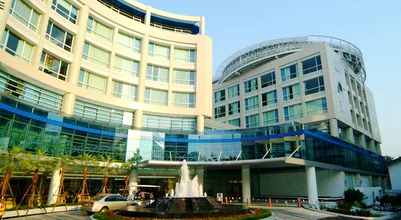
Bangkok Hospital
BDMS flagship hospital campus with standalone heart, cancer, and neuro-orthopaedic hospitals.
View hospital profile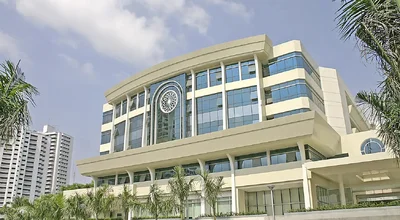
Samitivej Sukhumvit Hospital
Full-service hospital known for paediatrics, home to Thailand's first private children's hospital.
View hospital profile
Tell Us What You Need. We Do the Rest.
Share what you're considering and we'll come back with surgeon options, pricing, and a clear plan.
- Real hospital pricing with zero markup
- Matched with a specialist experienced in your specific procedure
- Full coordination from consultation to recovery


Trusted by patients worldwide
The complete guide to LASIK Surgery in Thailand
Everything below is for readers who want the full detail: costs broken down, types and techniques, recovery, risks and safety, and planning your trip.
LASIK Surgeons & Clinics in Thailand
The ophthalmologist performing your LASIK and the facility they operate in matter more than the brand name on the laser. Here is what to look for.
Leading Eye Hospitals in Bangkok
Our partner hospitals include JCI-accredited centres with dedicated refractive surgery departments, not side operations bolted onto general hospitals. They have the latest femtosecond and excimer platforms, corneal topography and wavefront aberrometry suites, and clinical teams that handle international patients as standard. Equipment alone does not make a good centre, but it is a necessary starting point.
Experienced Refractive Surgeons
Our partner ophthalmologists hold Thai Board certification in ophthalmology and have specific subspecialty training in refractive surgery. Several trained at international fellowships in the US, UK, or Australia before returning to Thailand. The surgical volume here is significant; these surgeons perform refractive procedures daily, building pattern recognition and judgment that lower-volume surgeons simply do not develop.
What to Look for in a LASIK Surgeon
Board certification matters. Specific refractive surgery experience matters more than general ophthalmology credentials. Ask how many LASIK procedures the surgeon performs annually and what their enhancement rate is. Look at outcomes data, not just before-and-after photos. And pay attention to how the surgeon communicates during consultation. A good refractive surgeon will tell you clearly if you are not a candidate, rather than finding a way to say yes.
Understanding Your Results
LASIK results are essentially immediate, but final visual acuity settles over the first few months.
Typical LASIK Results
Around 9 in 10 LASIK patients achieve 20/20 vision, and almost everyone achieves 20/40 or better.1 Most are functionally glasses-free within 24 hours. The correction is permanent in the sense that the reshaped cornea does not revert, though natural changes to the eye, such as presbyopia after 40, will still occur. Patients with higher initial prescriptions have slightly higher enhancement rates.
What Results Can You Expect?
The pre-operative assessment gives you a clear picture of what is achievable with your specific prescription and corneal anatomy. Wavefront aberrometry, corneal topography, and pupil size measurements all feed into the prediction. Your surgeon should discuss both the likely outcome and the range of possible outcomes, including the small chance of needing an enhancement.
LASIK Cost in Thailand
Average Cost of LASIK
Our partner hospital quotes fixed package prices for laser vision correction, current to the end of 2026. FemtoLASIK on two eyes is ฿101,000, roughly $2,971, as an outpatient with no overnight stay. FemtoLASIK PRESBYOND, the blended vision profile for people who have also lost near focus, is ฿113,000, about $3,324. A ฿88,000 figure is advertised publicly against a ฿138,000 strikethrough, which is lower than the package rate, so if you have seen that number, ask which one applies to you and get the answer in writing. These are one hospital's figures rather than a national Thai price.
Cost Breakdown
The package covers the surgeon, the femtosecond and excimer laser time, the operating suite and the day-case visit for both eyes. Sitting immediately outside it is the pre-operative health check at ฿2,000, which the hospital requires before any procedure and bills separately, so treat that as part of what LASIK costs you rather than an optional extra. Further out sit any medical clearance beyond that check, laboratory tests and imaging, consultant fees from other departments, and medication for conditions you already take. An enhancement to clean up a residual prescription later is a separate procedure rather than something the package absorbs.
What Affects the Price?
The treatment profile is the only lever on the price. FemtoLASIK is ฿101,000, and choosing PRESBYOND to address near focus as well as distance adds ฿12,000. Your prescription strength, the platform used and the surgeon's experience do not appear as separate line items, which is worth knowing when you compare against clinics that price each of those as an upgrade. What you should still ask about is the ฿2,000 health check and whether the advertised ฿88,000 rate is available to you, because that gap is real and goes unexplained.
Thailand vs International Price Comparison
The package is ฿101,000, about $2,971 for two eyes, against $3,800 to $6,000 in the US, A$3,400 to A$5,700 in Australia and £3,000 to £5,300 in the UK. Look closely at that first pairing, because at the bottom of the American range the saving is only a few hundred dollars, and a flight and a week in Bangkok will eat it. LASIK is the one procedure on this site where travelling purely to save money rarely adds up on its own. It makes far more sense if you are already coming, or if your prescription needs a profile your local clinic does not offer. Our partner clinics use the same Carl Zeiss, Alcon, and Johnson and Johnson platforms found in top Western refractive centres.
Glasses and Contacts vs LASIK
Glasses and contact lenses are the obvious non-surgical route, and for many people they are the right one. They correct short-sightedness, long-sightedness and astigmatism perfectly well, cost little upfront, and carry no surgical risk. If your prescription is still changing, you are under 18, or you simply do not mind wearing them, there is no reason to rush into surgery at all.
What they do not do is go away. Glasses fog, slip, and get in the way of sport, swimming and travel; contacts mean daily handling, ongoing replacement costs, and a real risk of infection or irritation with long-term wear. The expense quietly adds up year after year, and neither option changes the eye itself, so the dependence is permanent in a way LASIK is not.
LASIK is worth considering when a stable prescription, frustration with daily eyewear, and healthy corneas all line up, and you want the correction built into the eye rather than worn on top of it. It is a one-off procedure that, for suitable candidates, removes the lifelong cost and hassle of lenses. The pre-operative assessment is what confirms whether your eyes can safely take that route, and the rest of this page covers what is involved.
Types of LASIK Available
The technology behind LASIK matters more than most patients realise. The flap creation method and the laser profile used to reshape the cornea both affect outcome quality, especially for higher prescriptions and patients with larger pupils.
Femtosecond LASIK (Blade-Free)
A femtosecond laser creates the corneal flap instead of a mechanical blade. This produces a uniform flap of programmable thickness, reduces flap complications, and is now standard at every serious eye centre. If your clinic is still using a microkeratome, ask why.
- Consistent flap thickness for greater safety and predictability
- Reduced risk of irregular edges or buttonhole complications
- Faster healing and less post-operative discomfort
- Best for: all LASIK candidates, this is the current standard of care
Wavefront-Guided LASIK
Wavefront aberrometry maps optical imperfections beyond what glasses correct, including higher-order aberrations. The excimer laser then applies a personalised ablation pattern specific to your corneal profile. The result is sharper vision with fewer night-time side effects.
- Treats higher-order aberrations that standard correction misses
- Lower incidence of glare and halos compared to conventional LASIK
- Personalised treatment based on your eye's unique optical map
- Best for: patients wanting the sharpest possible quality of vision, especially with larger pupils
Monovision LASIK
Monovision LASIK sets your dominant eye for distance and the other for near focus, so the two eyes work together to cover both ranges. It is aimed at patients over 40 who want to reduce their reliance on reading glasses as well as distance correction. Not everyone adapts to it, so surgeons usually trial the effect with contact lenses before committing to surgery.
- One eye corrected for distance, the other for close-up reading
- Reduces dependence on reading glasses as presbyopia sets in
- Involves a trade-off in depth perception that suits some people and not others
- Best for: patients over 40 wanting to soften the need for reading glasses
LASIK Techniques
The excimer laser profile and tracking system matter as much as the flap method. Here is what the leading clinics in Thailand use and when each approach applies.
Topography-Guided Ablation
Uses detailed corneal topography maps to guide the laser, treating not just the refractive error but also surface irregularities that affect visual quality. Particularly useful for patients with mild corneal asymmetry or previous refractive surgery needing enhancement.
- Addresses corneal surface irregularities beyond standard refraction
- Can improve visual quality in eyes with subtle topographic asymmetry
- Useful for LASIK enhancements after previous procedures
- Best for: patients with irregular corneal surfaces or seeking maximum visual sharpness
Custom Ablation Profiles
Modern excimer lasers offer tissue-saving profiles that remove less corneal tissue for the same refractive correction. This matters when corneal thickness is borderline or the prescription is on the higher end of the treatable range. More tissue preserved means a stronger cornea long-term.
- Tissue-saving algorithms preserve more corneal structure
- Extends the treatable prescription range for borderline candidates
- Reduces the depth of ablation without compromising visual outcome
- Best for: higher prescriptions or patients with corneal thickness near the lower limit
Eye-Tracking and Centration Systems
High-speed eye trackers follow involuntary eye movements during surgery at rates exceeding 1,000 Hz, keeping the laser centred on the treatment zone throughout. Iris registration locks the treatment plan to your eye's unique iris pattern, compensating for any rotation when you lie down.
- Compensates for eye movements faster than you can blink
- Iris registration corrects for cyclotorsion between sitting and lying positions
- Ensures the ablation is centred precisely on the visual axis
- Best for: all LASIK patients, this is standard on modern platforms
LASIK Recovery Timeline
Day 1
Mild tearing, light sensitivity, and a gritty feeling typically last a few hours. Vision is noticeably clearer almost immediately, though slightly hazy. Rest with your eyes closed and wear the protective shields provided for sleeping.
Days 2–3
Most patients return to reading, screen work, and everyday activities. A follow-up examination confirms flap healing and measures early acuity. Continue prescribed drops and avoid rubbing your eyes.
Week 1–2
Vision continues to stabilise and sharpen. Driving can resume once your surgeon confirms adequate acuity. Avoid swimming, dusty environments, and eye make-up to protect the healing corneal surface.
Months 1–3
Any residual dryness or minor fluctuations settle as the cornea fully heals. A follow-up confirms your prescription has stabilised. Around 9 in 10 patients reach their target acuity within this window.1
When Can You Fly After LASIK?
Most patients can fly home 3–5 days after LASIK. Cabin pressure does not affect the healed flap. The main consideration is dry cabin air, which can exacerbate temporary post-LASIK dryness. Bring preservative-free lubricating drops and use them frequently during the flight. Your surgeon will confirm you are safe to travel at your day-1 or day-2 follow-up.
When Can You Return to Work and Exercise?
Desk work and screen use can resume within 24–48 hours for most patients. Driving is permitted once your surgeon confirms adequate acuity, usually by day 2 or 3. Light exercise can resume after about a week. Swimming, contact sports, and anything that risks water or impact to the eyes should wait 2–4 weeks. The corneal flap needs time to adhere fully before you expose it to physical stress.
When Will You See Final Results?
You will notice dramatically clearer vision within hours of surgery, and most patients are functionally independent of glasses by the next morning. Visual acuity continues to sharpen over the first few weeks as the cornea settles into its new shape. Mild dryness and occasional fluctuations are normal during this period. Stable, final results are typically reached within 1–3 months.
Anaesthesia for LASIK
LASIK is done under topical anaesthesia, which simply means numbing eye drops. There is no injection, no needle near the eye, and no general anaesthetic, so you stay fully awake and go home the same day. The drops take effect within a minute or two and leave the surface of the eye completely numb, while a mild oral sedative can be offered beforehand if you feel nervous.
You will be aware that something is happening, but you will not see the surgery itself or watch the laser working. During the few seconds the laser reshapes each cornea your vision dims and blurs, so there is nothing alarming to look at. A small clip holds the eyelids open so you do not have to worry about blinking, and the surgeon and team talk you through each step as it happens.
The honest answer on pain is that you feel pressure, not pain. As the flap is created there is a brief sensation of firm pressure and the light fades for a few seconds; the laser stage that follows is painless. Once the drops wear off a few hours later it is normal to have some grittiness, watering, and light sensitivity for the rest of the day, which settles quickly and is eased by resting your eyes and using the drops your surgeon provides.
Risks and Safety of LASIK
LASIK has three decades of safety data behind it and is one of the most studied elective procedures in medicine. The risks are real but well understood, and the vast majority resolve without lasting effect.
- Epithelial ingrowth, where surface cells migrate under the flap edge, occasionally needing the flap lifted and cleaned
- Corneal ectasia, a rare progressive weakening and steepening of the cornea, minimised by strict screening of thickness and topography
- Gradual regression of the correction over years, more common with higher prescriptions
- Infection at the flap interface (extremely rare with proper sterile technique)
The single biggest risk-reduction factor is proper candidate screening. Patients who are told they are borderline should take that seriously. Corneas that are too thin, prescriptions that are too high, and pupils that are too large all increase the chance of a suboptimal result. Our partner clinics decline patients who do not meet strict candidacy criteria.
Is LASIK Safe in Thailand?
Yes. Thailand's leading refractive surgery centres hold JCI accreditation and use the same laser platforms and sterile protocols as clinics in the US, UK, and Australia. Our partner ophthalmologists are board-certified and many trained overseas before returning to Thailand where surgical volumes are higher. The safety profile at accredited hospitals here is consistent with published international data.
How to Reduce Your Risk
Start with the pre-operative assessment. That is where most risk is managed. Corneal thickness mapping, pupil size measurement, tear film evaluation, and detailed refraction all determine whether you are a safe candidate. If any measurement is borderline, a responsible surgeon will recommend an alternative procedure rather than push ahead. Choose a JCI-accredited hospital with dedicated refractive surgery facilities. And ask to see outcomes data rather than relying on marketing alone.
What If an Enhancement Is Needed?
A small percentage of patients may need an enhancement procedure if the initial correction undershoots or overshoots the target.2 Enhancements are usually straightforward, lifting the original flap and applying additional laser. They are typically performed 3–6 months after the original procedure once the refraction has stabilised. Enhancement eligibility depends on residual corneal thickness.
What Is Corneal Ectasia?
Ectasia is the most serious LASIK-specific complication: a rare progressive weakening of the cornea that causes it to steepen and bulge, blurring vision months or years after surgery. It is uncommon, but it is the reason screening is so strict. Thin corneas, abnormal topography, forme fruste keratoconus, and over-deep ablation are the main risk factors, which is exactly why corneal thickness mapping and topography decide candidacy before any laser is used. If ectasia does develop, corneal cross-linking (CXL) can halt its progression, and a corneal transplant is reserved for advanced cases. Choosing a surgeon who declines borderline corneas, rather than treating them, is the single biggest protection.
Planning Your Trip to Thailand for LASIK
LASIK requires one of the shortest stays of any medical tourism procedure. Most patients need 3–5 days in Thailand from assessment to clearance for travel.
How Long to Stay in Thailand
Plan for 3–5 days minimum. Day 1 is your comprehensive pre-operative assessment, including corneal mapping, wavefront analysis, tear film evaluation, and consultation. If you are a candidate, surgery can often be performed the following day. A post-operative check on day 2 or 3 confirms healing, and most patients are cleared to fly by day 4 or 5.
What Is Included in a Medical Trip
Your care coordinator handles hospital scheduling, transfers, and all follow-up appointments. The surgical quote covers the pre-operative assessment, both laser procedures, surgeon and facility fees, post-operative medications and drops, and follow-up visits during your stay. Flights and accommodation are arranged separately, but your coordinator can recommend nearby hotels.
Recovery in Bangkok
Bangkok is the obvious base for LASIK. You are close to the hospital for follow-ups, and the recovery period is so short that most patients are sightseeing within 48 hours. Unlike more invasive procedures, LASIK does not require extended bed rest or restricted movement. Stay close to the hospital for the first couple of days, then enjoy the city while your eyes finish settling.
Related Procedures
Other procedures that address similar goals or conditions, in case one of them is a closer fit for you.
Planning your treatment in Thailand
Independent guides to help you weigh the decision, before you commit to anything.
Common Questions About LASIK Surgery in Thailand
Everything you need to know before your procedure

Medical References
Keep researching with AI
Open this guide in your AI assistant to dig deeper and ask the questions it didn't answer.
Opens in a new tab with this guide already loaded.
Medical disclaimer: Content on this site is provided for informational purposes and should not be treated as medical advice. Outcomes, timelines, and eligibility differ from person to person. Consult a qualified medical professional before making any decisions about surgery or treatment.
Ready to Get Started?
Speak with our care coordinators for a free, no-obligation consultation and personalised quote.
Get a Free Quote