Full Body Screening in Thailand Your guide to cost, top specialists & hospitals
A complete picture of your health in a single day, so nothing stays hidden until it becomes a problem.
What Is Full Body Screening?
Also known as: Full Body Check-Up · Comprehensive Health Screening Panel
Full body screening is a set of diagnostic tests that measures your overall health by checking blood, organs, and major systems for early signs of disease before symptoms appear. A typical panel covers a complete blood count, liver and kidney function, cholesterol, blood glucose, thyroid and tumour markers, a chest X-ray, an abdominal ultrasound, a resting ECG, and a physical examination. Higher tiers add cardiac CT, MRI, or colonoscopy based on your age, sex, and risk profile. Most of it is done in a single day, with results reviewed the same afternoon.
Waiting for symptoms is the hard part of looking after yourself, because many conditions stay silent until they are advanced. A screen gives you a clear baseline and a chance to act early, while changes are still small. Your physician chooses which tests make sense for you rather than running everything.
No screen is perfect. Some results flag something that turns out to be harmless once checked further, so a clear report is reassurance rather than a guarantee. If anything needs a closer look, the sensible next step is explained to you on the day.
It can address a range of concerns, including:
Am I a Good Candidate for Full Body Screening?
Screening suits most healthy adults; the real questions are which tier fits and whether the timing is right.
There is no fitness bar to clear, but a few factors shape who benefits and when.
Age and risk profile: Recommended from 30, annually from 40. A family history of heart disease, diabetes, or cancer strengthens the case and shifts the package tier upward.
Preparation in order: An 8-12 hour fast and a stable medication routine keep results meaningful, and both are confirmed when you book.
Pregnancy and imaging: X-ray and CT components are avoided in pregnancy, so flag it early and the package is adjusted.
Already under investigation: If a specific symptom is being worked up at home, targeted diagnostics serve you better than a broad package that may duplicate or distract from it.
Who is not suitable for full body screening?
- Pregnancy, for tiers that include X-ray or CT imaging until the package is adjusted
- A pacemaker, cochlear implant, or other metallic implant is an absolute contraindication for the whole-body MRI in the Premium tier<sup class='cite'><a href='#ref-4'>4</a></sup>; that component is dropped and a non-MRI screen substituted
- Renal impairment (eGFR below 30) or a previous contrast-dye allergy rules out the CT coronary angiography in the Executive and Premium tiers until cleared, as the iodinated contrast carries kidney and allergy risk<sup class='cite'><a href='#ref-1'>1</a></sup>
- Significant claustrophobia is a practical barrier to whole-body MRI in the Premium tier; flag it so an open scanner, sedation, or an alternative is arranged
- Anticoagulants (warfarin or DOACs) or active inflammatory bowel disease raise the risk of the Premium-tier colonoscopy and require a protocol adjustment, such as a planned medication hold, agreed with the physician beforehand
- Active workup of a specific symptom better served by targeted testing
Pricing
How Much Will Full Body Screening Cost in Thailand?
What full body screening costs at accredited hospitals in Thailand, and what your final quote depends on.
Get your exact price
Tell us what you're considering and we'll send a personalised quote from accredited clinics within 24 hours.
Get a Free QuoteTypical prices in Thailand
Typical ranges based on recent hospital quotes. Your exact price depends on the hospital and how complex your case is, and is confirmed at your teleconsultation.
Full Body Screening
Blood tests, scans and a physical examination that measure how the major organs and systems are working. Each higher tier runs more of these than the one below.
| Standard health check Core blood work, chest X-ray, ECG and a physical examination | $300 to $500 ฿10,200 to ฿17,000 |
| Executive health check Adds ultrasound, tumour markers and a cardiac stress test | $800 to $1,000 ฿27,200 to ฿34,000 |
| Premium or platinum screening Adds CT, MRI, endoscopy and review by several specialists | $1,100 to $2,500 ฿37,400 to ฿85,000 |
Typically not included
- Treatment, medication or specialist care for anything the screening identifies, which is the largest cost that can follow a finding.
- Further diagnostic tests or repeat scans your physician recommends after reviewing the results.
- Optional add-on tests requested beyond your chosen tier, such as hormone, allergy or extra tumour-marker panels.
Get your exact price
Tell us what you're considering and we'll send a personalised quote from accredited clinics within 24 hours.
Hospitals Trusted for Full Body Screening
From internationally accredited flagships to dedicated specialist hospitals, these are the kinds of facilities where international patients have this procedure.
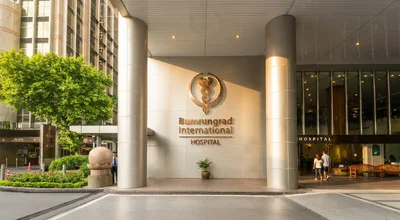
Bumrungrad International Hospital
Full-service hospital with over 1,200 physicians treating 520,000+ international patients a year.
View hospital profile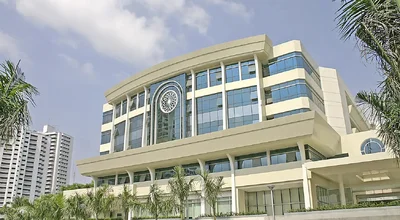
Samitivej Sukhumvit Hospital
Full-service hospital known for paediatrics, home to Thailand's first private children's hospital.
View hospital profile
Phyathai 2 International Hospital
JCI-accredited Bangkok hospital near BTS Sanam Pao, with published health check-up packages and 550 beds.
View hospital profile
Tell Us What You Need. We Do the Rest.
Share what you're considering and we'll come back with surgeon options, pricing, and a clear plan.
- Real hospital pricing with zero markup
- Matched with a specialist experienced in your specific procedure
- Full coordination from consultation to recovery


Trusted by patients worldwide
The complete guide to Full Body Screening in Thailand
Everything below is for readers who want the full detail: costs broken down, types and techniques, recovery, risks and safety, and planning your trip.
Screening Clinics & Hospitals in Thailand
The hospital you screen at determines everything: the equipment, the specialists reviewing your results, and the quality of the report you take home.
Leading Hospitals in Bangkok
Our partner hospitals operate dedicated health screening centres with separate floors, dedicated staff, and integrated laboratory and imaging facilities. These are not bolt-on services; they are purpose-built departments that handle thousands of international patients each year.
Specialist Screening Physicians
Results are reviewed by physicians who specialise in preventive medicine, not general practitioners covering screening between other duties. At our partner hospitals, your report passes through pathologists, radiologists, and clinical consultants before reaching you, ensuring nothing is missed.
What to Look for in a Screening Centre
JCI accreditation is the baseline. Beyond that, check that the centre has in-house laboratories (not outsourced), same-day result turnaround for standard markers, and a dedicated international patient department with English-speaking coordinators. Ask whether a physician reviews results with you in person, since some centres only mail a report.
What Your Results Look Like
Screening produces data, not treatment, but that data is the foundation everything else is built on.
Typical Screening Outcomes
Most patients receive results confirming that key markers are within normal ranges, along with a handful of lifestyle recommendations. A smaller percentage will have borderline findings that warrant monitoring or repeat testing. In a minority of cases, screening identifies a condition that requires medical follow-up, and catching it early is exactly the point.
What You Take Home
You leave with a comprehensive bound report in English containing every test result, reference ranges, imaging reports, and the reviewing physician's commentary and recommendations. Digital copies are also provided for sharing with your home doctor electronically.
Full Body Screening Cost in Thailand
Average Cost of Full Body Screening
A comprehensive health screening in Thailand typically costs between $300 and $2,500 depending on the tier, hospital, and which tests are included. Standard packages sit at the lower end, while premium screening with cardiac CT, MRI, and endoscopy will cost more. Every quote should be itemised so you can see exactly what you are paying for.
Cost Breakdown
The total covers several components. Laboratory analysis is the foundation: blood work feeds through automated analysers and is reviewed by pathologists. Imaging fees cover equipment time, radiographer expertise, and specialist interpretation. Physician consultations include the specialist who reviews your complete results and produces a written report. Coordination fees cover scheduling, translation, and follow-up logistics.
What Affects the Price?
Package tier is the biggest factor. Adding cardiac imaging, endoscopy, or genetic panels raises the cost because those tests require more expensive equipment and specialist interpretation. Hospital choice also matters; JCI-accredited facilities in central Bangkok charge more than regional clinics, but the accreditation gives you a known quality floor.
Thailand vs International Price Comparison
The same screening that costs $300–$2,500 in Thailand runs $1,600–$3,200 in the US, A$1,450–$2,800 in Australia, and £1,300–£2,400 in the UK. The lower price reflects Thailand's operating costs, not a difference in diagnostic quality. Partner hospitals use the same equipment and hold the same international accreditations.
Types of Health Screening
Screening packages are structured in tiers. The right level depends on your age, existing risk factors, and how much detail you want. Your care coordinator helps you choose before you arrive.
Standard Health Check
A foundational screening covering the most common health markers. Suitable for adults under 40 with no significant risk factors who want a reliable annual check-up without the overhead of advanced imaging.
- Complete blood count, fasting glucose, lipid panel, liver and kidney function
- Chest X-ray, resting ECG, urinalysis
- Physical examination and specialist consultation
- Best for: healthy adults wanting a solid annual baseline
Executive Health Check
A more thorough programme designed for patients over 40 or those with family history of chronic disease. Adds imaging and cancer markers that the standard tier skips, catching conditions that blood work alone would miss.
- Everything in the Standard package
- Abdominal ultrasound, thyroid function, tumour markers (PSA, CEA, AFP, CA 19-9)
- Cardiac stress test or calcium scoring
- Best for: adults over 40 or anyone with family history of heart disease or cancer
Premium / Platinum Screening
The most comprehensive option, combining advanced imaging with specialist consultations across multiple departments. This is the package for patients who want the most complete picture of their health in a single visit.
- Everything in the Executive package
- CT coronary angiography, whole-body MRI, or PET-CT
- (link: procedures/digestive/colonoscopy text: Colonoscopy) and gastroscopy (where indicated)
- Consultations with cardiologist, gastroenterologist, and endocrinologist
- Best for: high-risk patients or anyone wanting the most thorough screening available
Screening Methods & Diagnostic Tools
Thai hospitals use the same equipment you would find at top Western facilities. The difference is speed, access, and cost. Here is what each diagnostic component involves.
Laboratory Blood Analysis
A single blood draw feeds dozens of markers through automated analysers, covering organ function, metabolic health, hormones, and early disease indicators. Thai labs hold ISO 15189 or CAP accreditation, with reference ranges matching international standards.
- CBC, lipids, glucose, HbA1c, liver and kidney function, thyroid, tumour markers
- Results available within 2–4 hours for most markers
- Specialised panels (hormones, genetics) returned within 5–7 working days
- Best for: metabolic, hormonal, and early disease risk assessment
Diagnostic Imaging
Imaging moves beyond blood work to show structural problems such as organ enlargement, tumours, vascular calcification, or bone density loss. Thai screening centres use the latest CT, MRI, and ultrasound platforms from the same manufacturers supplying Western hospitals.
- Chest X-ray and abdominal ultrasound in standard packages
- CT coronary angiography for non-invasive cardiac assessment
- Whole-body MRI or PET-CT in premium tiers
- Best for: structural screening that blood tests cannot detect
Functional & Cardiac Assessment
Functional testing evaluates how your organs perform under stress rather than at rest. A treadmill stress test and echocardiogram reveal cardiac problems that a resting ECG would miss entirely, making them essential for anyone with cardiac risk factors.
- Treadmill exercise ECG to assess heart function under load
- Transthoracic echocardiogram for valve and structural assessment
- Coronary calcium score for arterial plaque quantification
- Best for: anyone over 40 or with family history of cardiovascular disease
What to Expect on Screening Day
Day of Screening
Arrive fasted (8–12 hours)3. Most clinics begin with blood draws, then imaging and physical examination. Results are typically ready by the afternoon.
Same Day
A physician reviews your results with you in a private consultation, explaining each finding and highlighting any areas that need follow-up or lifestyle changes.
Within 1 Week
Any tests sent to an external laboratory, such as advanced tumour markers or genetic panels, are returned within 5–7 working days. Your clinic will contact you with results and recommendations.
Ongoing
Your care coordinator can arrange follow-up consultations, specialist referrals, or repeat testing, whether you are still in Thailand or back home.
How Long Should You Stay in Thailand?
Two to three days is usually sufficient. Day one covers the screening itself, with results reviewed the same afternoon. If further investigation is needed, such as a follow-up scan, specialist referral, or additional blood work, having an extra day gives your team time to arrange it without rushing. Many patients combine screening with a short holiday, which is one of the practical advantages of having it done in Thailand.
What Happens After Screening?
You receive a detailed written report in English covering every test result, reference ranges, and the physician's commentary. If anything requires follow-up, your care coordinator can arrange specialist consultations, imaging, or treatment, either during your stay or remotely once you return home. The report is formatted so you can hand it directly to your GP.
When Should You Screen Again?
For adults over 40 with no known issues, annual screening is the standard recommendation. Those under 40 with no risk factors may screen every two to three years. If your results flag any concerns, your physician will recommend a specific follow-up schedule based on what was found.
Risks and Considerations
Health screenings are non-invasive and carry minimal risk. The main considerations relate to specific tests within the panel.
- Minor bruising from blood draw
- Brief discomfort during imaging (e.g. ultrasound probe pressure or holding position in the CT or MRI scanner)
- Mild sedation effects if colonoscopy is included
- Small radiation exposure from X-ray or CT (within safe limits)1
- Possible false-positive results requiring further investigation
- Temporary fasting-related lightheadedness
Your screening physician will explain which tests are included in your programme and flag any specific considerations based on your medical history before you begin.
Is Health Screening Safe in Thailand?
Yes. Screening at a JCI-accredited hospital in Thailand meets the same safety, hygiene, and clinical standards as screening in the UK, US, or Australia. Equipment is maintained to manufacturer specifications, laboratories hold ISO certification, and physicians reviewing results hold qualifications equivalent to their Western counterparts.
Understanding False Positives
No screening test is perfect. A small percentage of results will flag something that turns out to be benign on further investigation.2 This is inherent to screening itself, not specific to Thailand. Your physician will explain the likelihood of false positives for each test and recommend targeted follow-up rather than unnecessary anxiety.
What If Something Serious Is Found?
If your screening reveals a condition that needs treatment, your care coordinator can arrange specialist consultations, further diagnostics, and treatment planning, either immediately during your stay or as a structured follow-up. Having the screening done at a full-service hospital means that specialist departments are on-site, not across town.
Planning Your Screening Trip to Thailand
Most patients need two to three days in Thailand for a full body screening. Here is how to plan your visit.
How Long to Stay
Plan for a minimum of two days. Day one is the screening itself: you arrive fasted, complete all tests by mid-afternoon, and receive your results consultation the same day. Day two provides a buffer for any follow-up tests, specialist referrals, or additional imaging your physician recommends. Some patients extend to three days for added confidence.
What Is Included
Your care coordinator handles hospital scheduling, transfers between your hotel and the screening centre, interpreter services if needed, and any follow-up appointments. The screening quote covers all tests in your chosen tier, laboratory analysis, imaging, and the physician consultation. Flights and accommodation are arranged separately, but your coordinator can recommend nearby hotels.
Combining Screening with Other Programmes
Many patients use their screening trip as a launchpad for additional wellness services such as blood panels, body composition analysis, or IV therapy. Scheduling these alongside your screening makes practical sense because the blood work is already done and the infrastructure is in place. Your coordinator can build a combined programme that covers everything efficiently.
Related Procedures
Other procedures that address similar goals or conditions, in case one of them is a closer fit for you.
Planning your treatment in Thailand
Independent guides to help you weigh the decision, before you commit to anything.
Common Questions About Full Body Screening
What to know before booking your health check in Thailand

Medical References
Keep researching with AI
Open this guide in your AI assistant to dig deeper and ask the questions it didn't answer.
Opens in a new tab with this guide already loaded.
Medical disclaimer: Content on this site is provided for informational purposes and should not be treated as medical advice. Outcomes, timelines, and eligibility differ from person to person. Consult a qualified medical professional before making any decisions about surgery or treatment.
Ready to Get Started?
Speak with our care coordinators for a free, no-obligation consultation and personalised quote.
Get a Free Quote