Body Composition Analysis in Thailand Your guide to cost, top specialists & hospitals
Your weight tells you almost nothing useful. Your composition tells you everything.
What Is Body Composition Analysis?
Also known as: DEXA Scan · DEXA Body Composition Scan
Body composition analysis is a measurement that breaks your body down into fat, muscle, and bone by passing low-dose energy through your tissues and reading how each absorbs it. The gold-standard method is a DEXA scan (dual-energy X-ray absorptiometry), which uses two faint X-ray beams to separate fat, lean mass, and bone mineral density. It reports your total body fat percentage, visceral fat (the fat packed deep around your organs), and a bone density score, region by region. The scan is painless, takes around 10 to 15 minutes, and you stay clothed.
Your bathroom scales show one number that hides whether a change is fat, muscle, or water. This scan shows what is actually going on underneath, so a baseline today gives you something honest to measure progress against. The physician walks you through every figure in plain language.
It is a measurement tool, not a diagnosis on its own, and a single reading can shift slightly with hydration or recent training. If something stands out, such as a low bone density score, the report goes home with you for your own doctor to fold into your wider care.
It can address a range of concerns, including:
Am I a Good Candidate for Body Composition Analysis?
A DEXA scan suits virtually everyone; the short exclusion list is about radiation timing and scan accuracy.
There are almost no barriers, but a few situations affect safety or the quality of the data.
Open to all ages and fitness levels: Athletes tracking training, patients in weight management or rehabilitation, and women over 50 needing bone density assessment all gain from the same scan.
Not in pregnancy: The X-ray dose is tiny but real, so the scan is routinely avoided if you are or may be pregnant.
Recent contrast studies: Barium, contrast CT, or nuclear medicine scans within the past seven days distort the results, so the scan waits.
Hardware and timing: Implants and surgical metal skew regional readings, and it is worth deciding whether you want a true baseline or a mid-programme tracking scan before booking.
Who is not suitable for body composition analysis?
- Pregnancy or possible pregnancy
- Barium, contrast CT, or nuclear medicine imaging within the past seven days
- Implants, surgical hardware, or recently healed fractures, which skew regional lean mass and bone density and should be flagged before the scan
- Mid-cut, mid-bulk, or just off a heavy training block, when hydration and glycogen shifts give a misleading baseline; reschedule for a clean reading
- Body weight or abdominal girth beyond the scanner table limits (typically above roughly 135–140 kg), where part of the body falls outside the scan field
Pricing
How Much Will Body Composition Analysis Cost in Thailand?
What body composition analysis costs at accredited hospitals in Thailand, and what your final quote depends on.
Get your exact price
Tell us what you're considering and we'll send a personalised quote from accredited clinics within 24 hours.
Get a Free QuoteTypical prices in Thailand
Typical ranges based on recent hospital quotes. Your exact price depends on the hospital and how complex your case is, and is confirmed at your teleconsultation.
Body Composition Analysis
Body composition measurement separates your weight into fat, muscle and bone rather than the single number a scale gives.
| Bioelectrical impedance scan (BIA) A small electrical current estimates fat, muscle and water, quicker and cheaper than an X-ray scan | $150 to $180 ฿5,100 to ฿6,120 |
| DEXA body composition scan Two low-dose X-ray beams separate fat, lean mass and bone, read region by region | $180 to $220 ฿6,120 to ฿7,480 |
| Comprehensive body composition assessment A full DEXA scan plus resting metabolic rate and a visceral fat estimate | $220 to $250 ฿7,480 to ฿8,500 |
Typically not included
- Treatment, medication or further testing for anything the scan flags, such as low bone density or high visceral fat
- Any supplement, prescription or structured nutrition or training programme built from your results
- Repeat or follow-up scans to track change over time, priced per visit
Get your exact price
Tell us what you're considering and we'll send a personalised quote from accredited clinics within 24 hours.
Hospitals Trusted for Body Composition Analysis
From internationally accredited flagships to dedicated specialist hospitals, these are the kinds of facilities where international patients have this procedure.

Bumrungrad International Hospital
Full-service hospital with over 1,200 physicians treating 520,000+ international patients a year.
View hospital profile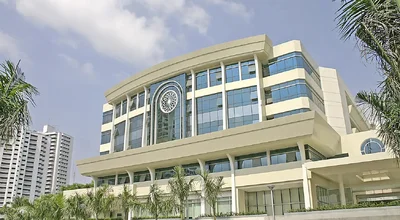
Samitivej Sukhumvit Hospital
Full-service hospital known for paediatrics, home to Thailand's first private children's hospital.
View hospital profile
Phyathai 2 International Hospital
JCI-accredited Bangkok hospital near BTS Sanam Pao, with published health check-up packages and 550 beds.
View hospital profile
Tell Us What You Need. We Do the Rest.
Share what you're considering and we'll come back with surgeon options, pricing, and a clear plan.
- Real hospital pricing with zero markup
- Matched with a specialist experienced in your specific procedure
- Full coordination from consultation to recovery


Trusted by patients worldwide
The complete guide to Body Composition Analysis in Thailand
Everything below is for readers who want the full detail: costs broken down, types and techniques, recovery, risks and safety, and planning your trip.
DEXA Scanning Centres in Thailand
The accuracy of your DEXA results depends on the scanner platform, calibration protocols, and the expertise of the physician interpreting the data.
Leading Clinics in Bangkok
Our partner clinics use Hologic and GE Lunar DEXA platforms, the same systems used at academic medical centres, sports science institutes, and endocrinology departments worldwide. Scanners are calibrated daily against manufacturer phantoms to ensure consistency between scans.
Specialist Interpretation
Results are reviewed by physicians trained in sports medicine, endocrinology, or preventive health who can translate body composition data into specific dietary, training, and clinical recommendations. A printout without expert interpretation misses the point entirely.
What to Look For
Confirm the clinic uses a full-body DEXA scanner (not a peripheral device that only measures bone density at the wrist or heel). Ask whether the scanner is calibrated daily and whether results are interpreted by a physician with body composition or metabolic expertise.
Understanding Your DEXA Results
DEXA produces precise data that is only useful when properly interpreted and acted upon.
What Your Report Includes
Your DEXA report provides total body fat percentage, lean mass index, regional fat and muscle distribution, visceral adipose tissue area, bone mineral density T-scores, and comparison against age- and sex-matched reference populations. Visual charts show exactly where fat and muscle are distributed, making imbalances immediately obvious.
Turning Data into Action
Your physician translates your body composition data into specific targets: caloric intake based on lean mass, protein requirements for muscle preservation, training adjustments to address regional imbalances, and bone health interventions if T-scores are low. This is where raw data becomes a personalised health strategy.
Body Composition Analysis Cost in Thailand
Average Cost of DEXA Scanning
Body composition analysis in Thailand typically costs between $150 and $250, including the specialist consultation. A quick bioelectrical impedance scan sits at the bottom of that range, with a DEXA scan from around $180. Adding metabolic blood markers or a dedicated bone density scan increases the total. Every quote is itemised so you see exactly what you are paying for.
What Affects the Price?
The primary cost driver is whether you opt for composition only or add metabolic markers and bone density analysis. The DEXA scan itself is a fixed-cost procedure. Adding blood work requires laboratory analysis. Specialist endocrinologist or sports medicine consultations carry their own fee.
Thailand vs International Price Comparison
A DEXA body composition scan typically costs $200–$400 in the US or UK. In Thailand, the same scan using identical equipment costs $150–$250, with a specialist consultation included. The saving is greater when combined with other wellness assessments.
Types of Body Composition Assessment
DEXA is the gold standard, but Thai wellness clinics offer it at several levels depending on whether you want body composition alone or a broader metabolic picture alongside it.
DEXA Body Composition Scan
The clinical gold standard for body composition measurement. Provides the most accurate and reproducible data available, with detailed regional segmentation that no other method (scales, callipers, or bioimpedance) can match.
- Total body fat percentage and lean mass index
- Regional breakdown (arms, legs, trunk, android/gynoid)
- Visceral adipose tissue (VAT) estimate
- Bone mineral density T-score and Z-score
- Best for: anyone wanting the most accurate body composition data available
DEXA with Metabolic Add-Ons
Combines the DEXA scan with blood-based metabolic markers for a more complete picture of how your body composition relates to your metabolic health. Recommended for patients investigating insulin resistance, thyroid function, or hormonal contributors to body composition.
- Full DEXA scan as above
- Resting metabolic rate estimation
- Fasting glucose, insulin, and lipid panel
- Thyroid function (TSH, free T4)
- Best for: connecting body composition data with metabolic drivers
Comprehensive Body & Bone Health Assessment
The most thorough option, combining detailed body composition with dedicated bone density analysis of high-risk sites. Particularly relevant for post-menopausal women, patients on long-term corticosteroids, or anyone with osteoporosis risk factors.
- Full DEXA body composition scan
- Dedicated bone density scan of hip and lumbar spine
- Fracture risk assessment (FRAX score)
- Calcium, vitamin D, and parathyroid hormone levels
- Best for: patients with osteoporosis risk factors or bone health concerns
How DEXA Body Composition Works
Understanding the technology behind your scan helps you appreciate why DEXA produces more clinically useful data than any other body composition method.
Dual-Energy X-Ray Absorptiometry
DEXA uses two X-ray beams at different energy levels. Fat, lean tissue, and bone absorb these beams differently, allowing the scanner to precisely quantify the proportion of each tissue type across your entire body, segment by segment, in a single 10–15 minute scan.
- Accuracy to within 1–2% for body fat percentage
- Reproducible results suitable for tracking changes over time
- Radiation dose is very low, a much lower dose than a standard chest X-ray
- Best for: precise, whole-body composition measurement
Regional and Visceral Fat Analysis
Unlike scales that give a single number, DEXA shows where fat is distributed across arms, legs, trunk, and android (belly) and gynoid (hip) zones. The visceral adipose tissue estimate is particularly important because visceral fat carries significantly higher cardiometabolic risk than subcutaneous fat.
- Android/gynoid ratio indicates metabolic risk profile
- VAT area correlates with insulin resistance and cardiovascular risk
- Regional lean mass data identifies muscle imbalances
- Best for: understanding fat distribution and cardiometabolic risk
Bone Mineral Density Assessment
DEXA is the WHO-recommended method for diagnosing osteoporosis. The scan produces T-scores at the hip and lumbar spine, classifying bone health as normal, osteopenic, or osteoporotic.4,2 FRAX scoring estimates 10-year fracture probability based on bone density plus clinical risk factors.
- T-scores compared against peak bone density of a healthy young adult
- Z-scores compared against age-matched peers
- FRAX scoring integrates BMD with clinical risk factors for fracture prediction
- Best for: diagnosing osteoporosis and guiding bone health interventions
What to Expect on Scan Day
Before the Scan
No fasting is required. Wear comfortable clothing without metal zips, buttons, or underwire. Remove jewellery and belts. Avoid calcium supplements for 24 hours before the scan if bone density is being assessed.
During the Scan
You lie fully clothed on a padded table while the scanner arm passes slowly over your body. The scan is painless and takes approximately 10–15 minutes. You simply need to remain still.
Results & Consultation
Results are generated immediately and reviewed with you by a specialist physician in a private consultation. Every metric is explained in plain language, with visual charts showing your regional breakdown.
After the Scan
You receive a printed and digital report to share with your doctor, trainer, or nutritionist at home. There is no downtime; you can continue your day immediately.
How Long Should You Stay?
A single day is sufficient for a DEXA scan. Most patients complete the scan and consultation in under an hour. Many combine the scan with other wellness assessments such as blood panels, metabolic testing, or IV therapy during the same visit to maximise their time.
When Will You See Results?
Immediately. DEXA results are generated as soon as the scan is complete. Your physician reviews them with you in a consultation that typically follows the scan by 15–30 minutes. You leave with a complete printed and digital report.
Tracking Changes Over Time
The real power of DEXA comes from serial scanning. A single scan gives you a snapshot. Repeat scans at 6–12 month intervals show whether your nutrition and exercise programme is actually shifting body composition in the right direction, such as gaining lean mass, losing visceral fat, or maintaining bone density. This objective tracking eliminates guesswork.
Risks and Considerations
A DEXA body composition scan is one of the safest diagnostic procedures available.
- Very low radiation exposure (a much lower dose than a standard X-ray)
- Not suitable during pregnancy2,3
- Recent barium or contrast dye may affect accuracy (wait 7 days)
- Hydration shifts the result; a 2 kg swing in body water can move fat percentage by roughly 1–1.5 points, so scan in a normally hydrated state
- Body size limits accuracy; the scan field is about 197 cm, so weights above roughly 135–140 kg or a very large abdominal girth can fall outside the beam path and inflate lean mass
- DEXA estimates visceral fat by proxy and cannot separate subcutaneous from intramuscular fat
- Implants, surgical metal, or recently healed fractures can skew lean mass and bone density readings in that region
The radiation dose from a whole-body DEXA scan is very small, well under the dose of a standard chest X-ray.1,2 Your physician will confirm suitability based on your medical history before the scan.
Is DEXA Safe?
Yes. A whole-body DEXA scan uses a very low dose of radiation, well under the dose of a standard chest X-ray. It is considered safe for routine use and can be repeated at regular intervals without concern.4,2
DEXA vs Other Body Composition Methods
Bioelectrical impedance scales can vary by 5–8% depending on hydration, time of day, and recent exercise. Skinfold callipers depend heavily on the skill of the operator and only measure subcutaneous fat at selected sites. DEXA provides a consistent, operator-independent measurement with 1–2% accuracy that includes visceral fat and bone density, data no other widely available method can deliver.
Who Should Not Have a DEXA Scan?
Pregnant women should avoid DEXA due to radiation exposure, however minimal. Patients who have had barium or contrast dye studies within the previous seven days should wait, as residual contrast can affect accuracy. Otherwise, there are no contraindications; DEXA is safe for all ages and fitness levels.
Planning Your DEXA Scan Visit
A DEXA scan takes under an hour and requires minimal preparation. It is one of the simplest wellness services to arrange during a trip to Thailand.
How to Prepare
No fasting is required. Wear comfortable clothing without metal components such as zips, buttons, underwire bras, or belt buckles. Stay normally hydrated for the most consistent results. If bone density is being assessed, avoid calcium supplements for 24 hours beforehand.
Combining with Other Assessments
DEXA pairs naturally with blood panels, metabolic testing, or a full body screening. Since the scan takes only 15 minutes, it fits easily into a broader wellness programme. Your care coordinator can build a combined schedule that covers everything in a single day.
Serial Scanning for Long-Term Tracking
Many patients have their initial DEXA scan during a wellness trip and then arrange repeat scans annually, either on return visits to Thailand or at a local facility using the same scanner platform. Consistent scanning intervals and matched hydration produce the most reliable comparison data.
Related Procedures
Other procedures that address similar goals or conditions, in case one of them is a closer fit for you.
Planning your treatment in Thailand
Independent guides to help you weigh the decision, before you commit to anything.
Common Questions About Body Composition Analysis
What to know before booking your DEXA scan in Thailand

Medical References
Keep researching with AI
Open this guide in your AI assistant to dig deeper and ask the questions it didn't answer.
Opens in a new tab with this guide already loaded.
Medical disclaimer: Content on this site is provided for informational purposes and should not be treated as medical advice. Outcomes, timelines, and eligibility differ from person to person. Consult a qualified medical professional before making any decisions about surgery or treatment.
Ready to Get Started?
Speak with our care coordinators for a free, no-obligation consultation and personalised quote.
Get a Free Quote