Diabetes Screening in Thailand Your guide to cost, top specialists & hospitals
Half of all diabetes cases go undetected until complications force the issue. Screening changes that equation entirely.
What Is Diabetes Screening?
Also known as: Diabetes Test · Glucose Tolerance and HbA1c Testing
Diabetes screening is a set of blood tests that assesses how well your body handles sugar by measuring glucose and your insulin response. The core markers are fasting blood glucose, your level after an overnight fast, and HbA1c, glycated haemoglobin, which reflects your average control over the past two to three months. A fuller screen can add fasting insulin to gauge insulin resistance, or an oral glucose tolerance test, where you drink a measured glucose solution and your blood is checked two hours later. A basic panel visit takes one to two hours, but allow two and a half to three hours if an oral glucose tolerance test is included, since that requires a fasting draw, the glucose drink, and a full two-hour wait at the clinic before the second draw. Either way there is no recovery afterwards.
Bloods can feel daunting when you are not sure what you are looking for. You do not need to choose the panel yourself; the clinic matches the tests to your age, history, and any symptoms. A physician then walks you through each number in plain terms.
Most people screen as normal, which is reassuring in itself. A borderline marker is usually an early signal rather than a diagnosis, and pre-diabetes can often improve with changes to diet and activity. Your physician will tell you honestly where you stand.
It can address a range of concerns, including:
Am I a Good Candidate for Diabetes Screening?
Screening fits adults from 35 up, with a handful of situations where the standard panel needs adjusting first.
The panel is simple; suitability is mostly about whether HbA1c will tell the truth for you.
Who it serves: Adults 35 and over, anyone with a family history of diabetes, a sedentary lifestyle, previous borderline results, or PCOS.
HbA1c reliability: Recent blood loss, transfusion, anaemia, or a known haemoglobinopathy makes HbA1c unreliable, shifting the panel toward fructosamine or an OGTT instead.
Already on treatment: Metformin, insulin, or GLP-1 therapy changes how results are read, so interpretation is coordinated with your prescriber rather than handled in isolation.
Pregnancy is different: Gestational diabetes screening uses different thresholds and a different pathway, so it is planned separately.
Who is not suitable for diabetes screening?
- Pregnancy, where gestational diabetes screening follows a separate pathway
- Recent blood loss, transfusion, anaemia, or haemoglobinopathy, unless the panel is adjusted
- Screening straight after a steroid course or without the required fast
Pricing
How Much Will Diabetes Screening Cost in Thailand?
What diabetes screening costs at accredited hospitals in Thailand, and what your final quote depends on.
Get your exact price
Tell us what you're considering and we'll send a personalised quote from accredited clinics within 24 hours.
Get a Free QuoteTypical prices in Thailand
Typical ranges based on recent hospital quotes. Your exact price depends on the hospital and how complex your case is, and is confirmed at your teleconsultation.
Diabetes Screening
Blood tests that measure how the body handles sugar, from a single glucose reading to a panel that adds insulin and C-peptide.
| Fasting glucose test A single blood draw after an overnight fast, the simplest measure of blood sugar | $120 to $140 ฿4,080 to ฿4,760 |
| HbA1c test Average blood sugar over the past three months, from one draw with no fasting needed | $140 to $170 ฿4,760 to ฿5,780 |
| Comprehensive diabetes panel Glucose, HbA1c, insulin and C-peptide measured together in a single draw | $170 to $200 ฿5,780 to ฿6,800 |
Typically not included
- Treatment or ongoing management of anything the screening finds, such as medication, a lifestyle programme, or specialist care.
- Any further or repeat testing your results lead to, such as autoantibody tests, an endocrinologist referral, or later rescreening.
- Markers or an oral glucose tolerance test outside the tier you choose.
Get your exact price
Tell us what you're considering and we'll send a personalised quote from accredited clinics within 24 hours.
Hospitals Trusted for Diabetes Screening
From internationally accredited flagships to dedicated specialist hospitals, these are the kinds of facilities where international patients have this procedure.
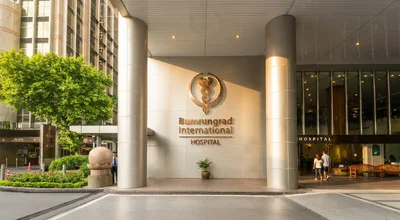
Bumrungrad International Hospital
Full-service hospital with over 1,200 physicians treating 520,000+ international patients a year.
View hospital profile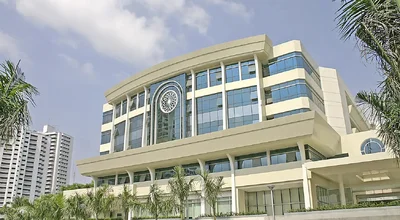
Samitivej Sukhumvit Hospital
Full-service hospital known for paediatrics, home to Thailand's first private children's hospital.
View hospital profile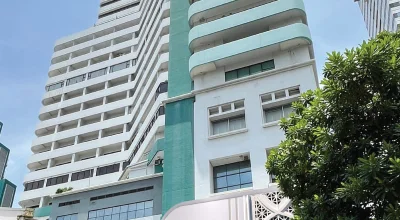
Phyathai 2 International Hospital
JCI-accredited Bangkok hospital near BTS Sanam Pao, with published health check-up packages and 550 beds.
View hospital profile
Tell Us What You Need. We Do the Rest.
Share what you're considering and we'll come back with surgeon options, pricing, and a clear plan.
- Real hospital pricing with zero markup
- Matched with a specialist experienced in your specific procedure
- Full coordination from consultation to recovery


Trusted by patients worldwide
The complete guide to Diabetes Screening in Thailand
Everything below is for readers who want the full detail: costs broken down, types and techniques, recovery, risks and safety, and planning your trip.
Diabetes Screening Clinics in Thailand
Accurate diabetes screening depends on laboratory quality and the expertise of the physician interpreting your results.
Leading Clinics and Hospitals
Our partner hospitals in Bangkok operate JCI-accredited laboratories with automated glucose and HbA1c analysers calibrated to DCCT/IFCC standards. OGTT protocols follow WHO guidelines exactly, ensuring your results are clinically valid and internationally comparable.
Specialist Physicians
Results are reviewed by physicians trained in endocrinology or internal medicine who specialise in metabolic health. They interpret your glucose markers alongside insulin levels, lipid profile, and body composition data to identify the specific metabolic pathway driving your risk.
What to Look For
Confirm the laboratory uses DCCT/IFCC-standardised HbA1c assays. Ask whether results are reviewed by a physician with metabolic or endocrine expertise. Check that the clinic can run an OGTT if your fasting results are borderline, rather than sending you elsewhere.
Understanding Your Results
Diabetes screening produces numbers that map directly to clinical action. Here is what they mean.
Typical Screening Outcomes
Most patients receive results confirming normal glucose regulation. A meaningful proportion, particularly those over 40 with sedentary lifestyles, will be in the pre-diabetic range without knowing it. For these patients, screening is the intervention, because lifestyle changes implemented at the pre-diabetic stage can prevent progression to full diabetes in the majority of cases.
Acting on Your Results
Your physician provides specific recommendations based on where your markers fall. Normal results warrant periodic rescreening. Pre-diabetic results trigger a structured lifestyle plan covering diet, exercise, and weight targets, with a follow-up testing schedule. Diabetic-range results require medical management and potentially referral to an endocrinologist.
Diabetes Screening Cost in Thailand
Average Cost of Diabetes Screening
Diabetes screening in Thailand typically costs between $120 and $200 depending on how many markers are tested. A single fasting glucose test sits at the lower end, an HbA1c a little above it, and a full panel adding insulin and C-peptide sits at the top of that range. Anything beyond it, such as an oral glucose tolerance test or the advanced cardiovascular and thyroid markers, is priced separately and set out in your quote.
What Affects the Price?
The number and type of markers tested drive the cost. Adding an OGTT increases laboratory time and reagent costs. Advanced markers like C-peptide, fructosamine, and microalbumin ratios require specialised assays. Physician consultation level (generalist versus endocrinologist) also affects the total.
Thailand vs International Price Comparison
A comprehensive diabetes screening that costs $250–$500 in the US or £200–£350 in the UK typically costs $120–$250 in Thailand using the same laboratory standards, assays, and diagnostic guidelines. The saving is even greater when combined with other wellness tests during the same visit.
Types of Diabetes Screening
Screening tiers range from a straightforward glucose check to a deep metabolic assessment. The right level depends on your risk profile and whether previous results have flagged anything borderline.
Standard Glucose Panel
A straightforward screening suitable for adults with no known risk factors who want a reliable check on their blood sugar regulation. Quick, affordable, and sufficient for most routine assessments when nothing has previously flagged as borderline.
- Fasting blood glucose
- HbA1c (glycated haemoglobin, 3-month average)
- Fasting insulin level
- Best for: routine annual glucose screening with no prior concerns
Comprehensive Metabolic Screening
A deeper assessment for patients with risk factors such as family history, obesity, or previous borderline results. Adds dynamic glucose testing and insulin resistance calculation that static markers alone would miss.
- Everything in the Standard panel
- Oral glucose tolerance test (OGTT, 2-hour)
- HOMA-IR insulin resistance index
- Lipid profile and liver function (linked metabolic markers)
- Best for: patients with risk factors or borderline previous results
Advanced Diabetes & Cardiovascular Risk Panel
The most thorough option, connecting glucose metabolism markers with cardiovascular and inflammatory indicators. Diabetes and heart disease share overlapping risk pathways, and this panel assesses both simultaneously.
- Everything in the Comprehensive panel
- hs-CRP (high-sensitivity C-reactive protein)
- Fructosamine, C-peptide
- Microalbumin-to-creatinine ratio (early kidney impact)
- Thyroid function (TSH, free T4)
- Best for: comprehensive metabolic and cardiovascular risk profiling
Testing Methods and Markers
Diabetes screening uses several complementary markers, each answering a different question about your glucose metabolism. Here is what each test measures and why it matters.
Fasting Glucose and HbA1c
Fasting glucose measures your blood sugar at a single point in time after overnight fasting. HbA1c reflects your average glucose control over the previous 2–3 months by measuring glucose attached to red blood cells1,2. Together they give a much more complete picture than either test alone.
- Fasting glucose of 6.1 mmol/L or above suggests impaired fasting glucose under WHO criteria (the ADA flags it earlier, at 5.6 mmol/L)
- HbA1c of 42–47 mmol/mol indicates pre-diabetes3
- HbA1c of 48 mmol/mol or above is diagnostic for diabetes (on two occasions)3,2
- Best for: baseline glucose screening and long-term control assessment
Oral Glucose Tolerance Test (OGTT)
The OGTT is the gold-standard dynamic test for glucose metabolism. You drink a standardised glucose solution, then have blood drawn two hours later to see how effectively your body clears the glucose load. It detects impaired glucose tolerance that fasting tests alone can miss.
- Two-hour test completed at the clinic
- Detects glucose intolerance missed by fasting tests alone
- Particularly useful for patients with borderline fasting results
- Best for: confirming or ruling out impaired glucose tolerance
Insulin Resistance and HOMA-IR
Fasting insulin measured alongside fasting glucose allows calculation of the HOMA-IR index, a validated estimate of insulin resistance. Elevated insulin resistance is often the earliest detectable sign of metabolic dysfunction, appearing years before glucose levels rise above normal.
- HOMA-IR above 2.5 suggests clinically significant insulin resistance (East and South-East Asian populations often warrant a lower cutoff, around 1.5–2.0, so your physician interprets the figure against your background)
- Identifies metabolic risk before glucose values become abnormal
- Guides early intervention with diet, exercise, and lifestyle changes
- Best for: early detection of insulin resistance and pre-pre-diabetes
What to Expect on Testing Day
Before the Test
Arrive after an 8–12 hour overnight fast. You may drink water but should avoid food, juice, and caffeinated drinks. Bring a list of any medications or supplements you take.
Blood Draw
A small blood sample is taken from a vein in your arm. If your programme includes an oral glucose tolerance test, you will drink a standard glucose solution and have a second blood draw two hours later.
Results & Consultation
Standard markers are typically available within 2–4 hours. A specialist physician reviews your results with you in a private consultation, explaining each value and its clinical significance.
After the Screening
You receive a written report in English to share with your doctor at home. If any results are abnormal, your care coordinator can arrange follow-up consultations or additional testing before you leave Thailand.
How Long Should You Stay?
One to two days is sufficient. Blood is drawn and, if included, the OGTT completed on day one. Results are reviewed the same afternoon. If results are abnormal and additional testing is needed, a second day provides time for follow-up without rushing.
What If Results Are Abnormal?
Your physician will explain the results and recommend next steps, which may include dietary and lifestyle changes, repeat testing in three to six months, or referral to an endocrinologist. Early detection of pre-diabetes means you often have time to reverse the trend with lifestyle adjustments alone.
When Should You Rescreen?
For adults over 35 with no risk factors, every three years is generally sufficient. If you have risk factors such as family history, overweight, previous borderline results, or PCOS, annual screening is recommended. Your physician will advise based on your individual results.
Risks and Considerations
Diabetes screening is a routine blood test with very low risk.5
- Minor bruising at the blood draw site
- Brief lightheadedness from fasting
- Nausea after glucose drink (OGTT only)
- Very rare infection at the puncture site
- Possible anxiety around needles or results
If you have a history of fainting during blood draws or are taking medication that affects blood sugar, let your clinic know in advance so they can take appropriate precautions.
Are the Tests Reliable?
Yes. HbA1c and fasting glucose assays used at our partner laboratories follow WHO and American Diabetes Association diagnostic criteria. Equipment is calibrated to DCCT/IFCC standards, ensuring results are directly comparable to those from any accredited laboratory worldwide.
Understanding Pre-Diabetes
Pre-diabetes is not a disease; it is a warning. An HbA1c between 42 and 47 mmol/mol, or a fasting glucose in the impaired range (6.1–6.9 mmol/L under WHO criteria, or 5.6–6.9 mmol/L under the slightly stricter ADA criteria), means your body is struggling to regulate glucose efficiently. With dietary changes, increased physical activity, and weight management, most people with pre-diabetes can return their markers to normal and significantly reduce their risk of progressing to type 2 diabetes4.
Can Screening Detect Type 1 Diabetes?
This screening is primarily designed to assess risk for type 2 diabetes and pre-diabetes. However, markers such as C-peptide and fasting insulin can provide clues about insulin production. If type 1 diabetes is suspected, your physician can arrange specific autoantibody testing.
Planning Your Screening Visit
Diabetes screening is quick, straightforward, and easy to combine with other assessments during the same trip.
How to Prepare
An 8–12 hour overnight fast is required for accurate fasting glucose and insulin results. Drink water normally during the fasting period but avoid food, juice, coffee, and tea. Bring a list of current medications and supplements, as some can affect glucose markers.
Combining with Other Tests
Diabetes screening combines naturally with a broader blood panel, full body screening, or metabolic testing. Since the blood draw is already done, adding glucose markers to an existing panel is simply a matter of running additional assays on the same sample.
Remote Follow-Up
If repeat testing is recommended, your care coordinator can arrange blood work at a local laboratory near your home, with results reviewed by your Thai physician via telemedicine. This creates a continuous monitoring loop without requiring additional trips.
Related Procedures
Other procedures that address similar goals or conditions, in case one of them is a closer fit for you.
Planning your treatment in Thailand
Independent guides to help you weigh the decision, before you commit to anything.
Common Questions About Diabetes Screening
What to know before booking your glucose and metabolic assessment in Thailand

Medical References
- Hemoglobin A1C (HbA1c) Test (MedlinePlus)
- A1C What It Is, Test, Levels & Chart (Cleveland Clinic)
- Haemoglobin A1c (HbA1c) Diagnosis of Diabetes Mellitus (NHS Gloucestershire Hospitals NHS Foundation Trust)
- Prediabetes What It Is, Symptoms, Treatment & How To Reverse (Cleveland Clinic)
- Blood Glucose Test (MedlinePlus)
Keep researching with AI
Open this guide in your AI assistant to dig deeper and ask the questions it didn't answer.
Opens in a new tab with this guide already loaded.
Medical disclaimer: Content on this site is provided for informational purposes and should not be treated as medical advice. Outcomes, timelines, and eligibility differ from person to person. Consult a qualified medical professional before making any decisions about surgery or treatment.
Ready to Get Started?
Speak with our care coordinators for a free, no-obligation consultation and personalised quote.
Get a Free Quote