Flexible Sigmoidoscopy in Thailand Your guide to cost, top specialists & hospitals
A quick, gentle look at your rectum and lower bowel with a thin flexible camera, to investigate bleeding, a change in bowel habit, or lower abdominal symptoms, usually with minimal preparation and no sedation.
What Is Flexible Sigmoidoscopy?
Also known as: Flexi Sig · Lower Bowel Scope · Flexible Sigmoidoscopy
A flexible sigmoidoscopy is a test in which a thin, flexible tube with a camera on the tip is passed gently through the back passage to look directly at the lining of your rectum and the lower part of the colon, the sigmoid and descending colon. It lets a specialist see exactly what is causing symptoms such as rectal bleeding, a change in bowel habit, or lower abdominal pain, rather than guessing from the outside. The examination itself usually takes only about 10 to 20 minutes.1
It is like a colonoscopy but examines only the lower bowel, which is the important thing to understand. Because it does not need to reach the whole colon, it needs much less preparation, usually an enema rather than a full bowel-cleansing prep, and most people have it without any sedation. That makes it quicker and simpler, so you can eat and drink straight away and usually drive yourself home.
The trade-off is reach: anything in the transverse or ascending colon is beyond its view, so if disease higher up is suspected, or you need screening of the whole colon, a colonoscopy is needed instead. Within the lower bowel, though, the answer is quick. What the endoscopist sees is known immediately; any biopsy results take a few days to come back from the laboratory.
It can address a range of concerns, including:
Am I a Good Candidate for Flexible Sigmoidoscopy?
Suitability for a flexible sigmoidoscopy rests on a few practical things: lower-bowel symptoms that need a direct look, a clear lower bowel from the enema, and the right choice between a sigmoidoscopy and a full colonoscopy for your situation.
A flexible sigmoidoscopy is well suited to investigating the lower part of the bowel.
Lower-bowel symptoms: Rectal bleeding, a change in bowel habit, lower abdominal pain, or persistent diarrhoea are all clear reasons.
Finding a cause: It confirms or rules out inflammation, the source of lower-bowel bleeding, and conditions such as ulcerative colitis or proctitis.
Deals with small findings: A small polyp within reach can often be removed and biopsies taken in the same sitting.
A little preparation is what makes the view clear and the test straightforward.
Enema, not full prep: You usually need only an enema an hour or two beforehand, far simpler than a colonoscopy's laxative prep.
Blood thinners reviewed: If you take them, the team plans whether to pause them, ideally before you travel, in case a biopsy or polyp removal is needed.
Declare your health: Any known bowel condition or recent flare is reviewed so the timing of the test is judged safely.
The key choice is whether the lower bowel alone needs examining, or the whole colon.
Lower bowel only: A sigmoidoscopy is quicker, gentler, and lower in cost when symptoms point to the lower bowel.
Whole colon: A colonoscopy is needed if disease higher up is suspected or you need full bowel-cancer screening.
It may lead to one: A sigmoidoscopy that finds a higher concern will usually lead to a full colonoscopy.
A few situations mean a flexible sigmoidoscopy should be assessed or deferred first.
Upper colon suspected: A full colonoscopy is the right test instead, not a sigmoidoscopy.
Blood thinners not reviewed: Where a biopsy or polyp removal is likely, these need reviewing first.
Severe bowel flare: The timing of the test needs careful assessment in a known severe flare.
Who is not suitable for flexible sigmoidoscopy?
- Disease suspected higher in the colon, where a full colonoscopy is the right test
- A need for full bowel-cancer screening of the whole colon
- Blood thinners not yet reviewed, where a biopsy or polyp removal is likely
- A known severe flare of bowel inflammation, until the timing is assessed
- A lower bowel not cleared by the enema, until preparation is repeated
Pricing
How Much Will Flexible Sigmoidoscopy Cost in Thailand?
What flexible sigmoidoscopy costs at accredited hospitals in Thailand, and what your final quote depends on.
Get your exact price
Tell us what you're considering and we'll send a personalised quote from accredited clinics within 24 hours.
Get my free quoteTypical prices in Thailand
Typical ranges based on recent hospital quotes. Your exact price depends on the hospital and how complex your case is, and is confirmed at your teleconsultation.
Flexible Sigmoidoscopy
A thin flexible camera is passed through the back passage to view the rectum and lower colon directly, without reaching the whole bowel a colonoscopy examines.
| Diagnostic flexible sigmoidoscopy, no sedation A direct look at the rectum and lower colon, for bleeding or a change in bowel habit | $150 to $300 ฿5,100 to ฿10,200 |
| Sigmoidoscopy with biopsy Tissue samples taken through the scope, to confirm inflammation such as colitis or check abnormal cells | $250 to $400 ฿8,500 to ฿13,600 |
| Sigmoidoscopy with small-polyp removal A small polyp removed through the scope and sent for analysis, in the same sitting | $350 to $500 ฿11,900 to ฿17,000 |
Typically not included
- Treatment of any condition the test uncovers, since the price covers the examination itself, not putting it right.
- A full colonoscopy, if disease higher in the colon needs examining or a polyp sits beyond the scope's reach.
- Ongoing medication or specialist care for a condition a biopsy confirms, such as inflammatory bowel disease.
- Managing the rare complication, such as heavier bleeding or a small tear in the bowel wall.
Get your exact price
Tell us what you're considering and we'll send a personalised quote from accredited clinics within 24 hours.
Hospitals Trusted for Flexible Sigmoidoscopy
From internationally accredited flagships to dedicated specialist hospitals, these are the kinds of facilities where international patients have this procedure.
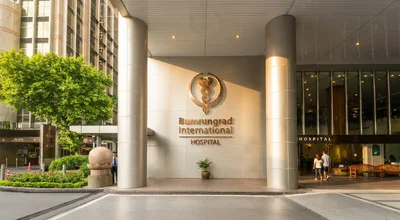
Bumrungrad International Hospital
Tertiary hospital with over 1,200 physicians treating 520,000+ international patients a year.
View hospital profile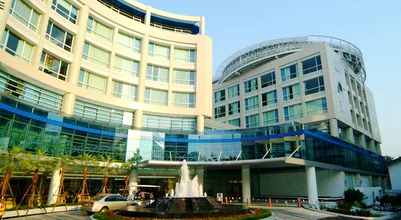
Bangkok Hospital
BDMS flagship tertiary campus with standalone heart, cancer, and neuro-orthopaedic hospitals.
View hospital profile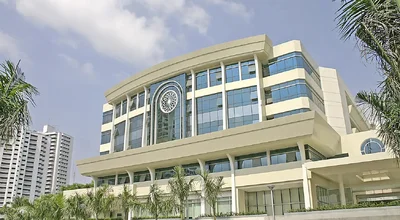
Samitivej Sukhumvit Hospital
Tertiary hospital known for paediatrics, home to Thailand's first private children's hospital.
View hospital profile
Tell Us What You Need. We Do the Rest.
Share what you're considering and we'll come back with surgeon options, pricing, and a clear plan.
- Real hospital pricing with zero markup
- Matched with a specialist experienced in your specific procedure
- Full coordination from consultation to recovery


Trusted by patients worldwide
The complete guide to Flexible Sigmoidoscopy in Thailand
Everything below is for readers who want the full detail: costs broken down, types and techniques, recovery, risks and safety, and planning your trip.
Where to Have a Sigmoidoscopy in Thailand
A flexible sigmoidoscopy is quick and routine, but it still enters the bowel, so the hospital and the endoscopist performing it matter. A few things separate a good unit when you are choosing where to have it done in Thailand.
JCI-Accredited Hospitals
Choose a hospital with Joint Commission International (JCI) accreditation and a dedicated gastroenterology or endoscopy unit. JCI accreditation sets the same patient-safety and infection-control standards used by leading Western hospitals, which matters for the cleaning and handling of scopes. An accredited unit also has the surgical and intensive-care backup on site to handle the rare complication, and the volume of cases that keeps the small risks small.
Board-Certified Gastroenterologists
The test should be performed by a board-certified gastroenterologist or an endoscopist with formal training and high case volume, not an occasional operator. Experience is what most reduces the small risk of perforation or a missed finding, and a high-volume endoscopist is also better placed to judge whether a finding can be dealt with there and then or needs a full colonoscopy. Many specialists at Thailand's leading hospitals hold international fellowships in endoscopy.
What to Look for in a Unit
Look for high-definition scopes, on-site pathology so biopsy results come back quickly, and clear advice on whether a flexible sigmoidoscopy or a full colonoscopy is the right test for your symptoms. Ask how the test will be performed, whether you want sedation, and how soon results are available. A good unit explains all of this clearly beforehand and gives you a written report to take home, rather than rushing you through.
What a Flexible Sigmoidoscopy Realistically Achieves
A flexible sigmoidoscopy is an investigation as much as a treatment, so its value is in answers about the lower bowel and, where possible, dealing with a small finding in the same sitting. It is worth being clear about both what it delivers and where its limits lie.
What a Flexible Sigmoidoscopy Can Tell You
A flexible sigmoidoscopy gives a direct, clear look at the rectum and lower colon, so it can confirm or rule out inflammation, find the source of lower-bowel bleeding, identify ulcerative colitis or proctitis, and check a suspicious area in the lower bowel in a way that scans and symptoms alone cannot. For many people the most valuable outcome is a clear answer about the lower bowel, with reassurance or a definite plan.
What It Cannot Do
It is important to be clear about its limit: a flexible sigmoidoscopy sees only the lower part of the bowel, so disease in the transverse or ascending colon is beyond its reach and will be missed. It is not a substitute for full bowel-cancer screening of the whole colon. If your symptoms or your doctor suggest the upper colon needs examining, a complete colonoscopy is the right test, and a sigmoidoscopy that finds a higher concern will usually lead to one.
Flexible Sigmoidoscopy Cost in Thailand
Average Cost of a Flexible Sigmoidoscopy
A diagnostic flexible sigmoidoscopy in Thailand typically costs between $150 and $500. A straightforward look without sedation sits at the lower end. The figure rises if biopsies are taken, a small polyp is removed, or you choose light sedation with the monitoring that involves. Because it examines only the lower bowel, it costs less than a full colonoscopy.
Diagnostic vs With Biopsy or Polyp Removal
A simple diagnostic flexible sigmoidoscopy is the lowest-cost version. Adding biopsies and laboratory analysis raises it modestly, and removing a small polyp costs a little more again because it takes longer and the sample goes to the laboratory. Many patients only know which they need once the endoscopist is looking, so quotes usually give a diagnostic price with the cost of likely add-ons set out clearly.
What Affects the Price?
The main factors are whether biopsies or a polyp removal are involved, whether you choose sedation, which adds monitoring, the laboratory work for any samples, and the hospital itself. A JCI-accredited hospital with experienced endoscopists may charge a little more than a basic clinic, but for any procedure that enters the bowel, that experience is where the value sits.
Thailand vs International Price Comparison
A flexible sigmoidoscopy in Thailand costs far less than the private price in the US ($600–$2,000), Australia (A$700–A$1,800), and the UK (£400–£1,200), reflecting lower local operating costs rather than weaker standards. Because the absolute saving on a single quick diagnostic test is smaller than for major surgery, a flexible sigmoidoscopy makes most sense as part of a wider workup, combined with other investigations, or chosen to skip a long waiting list at home, rather than as a standalone reason to travel.
Sigmoidoscopy vs Colonoscopy
A flexible sigmoidoscopy and a colonoscopy use the same kind of flexible camera passed through the back passage, but they examine different amounts of the bowel, and choosing between them is the key decision. A sigmoidoscopy looks only at the rectum and the lower part of the colon, the sigmoid and descending colon. A colonoscopy examines the entire colon, all the way to where the small bowel joins it.
That difference drives everything else. Because a sigmoidoscopy reaches only the lower bowel, it needs far less preparation, usually just an enema, and most people have it without sedation, so it is quicker, gentler, and they can eat and drive straight afterwards. A colonoscopy needs a full day of laxative bowel preparation and is usually done under sedation because it goes much further and takes longer.
The honest summary is this: a flexible sigmoidoscopy is quicker, simpler, and lower in cost, but anything above the lower bowel will be missed. When your symptoms point to the lower bowel, it can give a clear answer; when the whole colon needs looking at, a colonoscopy is the right test. Your doctor will advise which suits your situation, and it is a fair question to ask directly.
Types of Flexible Sigmoidoscopy
A flexible sigmoidoscopy ranges from a simple look to a test that takes samples or removes a small polyp in the same sitting. What is done depends on what the endoscopist finds and what your symptoms suggest. Here are the main forms.
Diagnostic Flexible Sigmoidoscopy
The most common form: a careful visual inspection of the rectum, sigmoid and descending colon to identify inflammation, the source of bleeding, narrowing, or suspicious areas in the lower bowel. For many patients this is all that is needed, and the endoscopist can explain the cause of lower-bowel symptoms straight away.
- A direct look at the rectum and lower colon
- Identifies inflammation, the source of bleeding, and narrowing
- Findings are known and explained immediately
- Best for: investigating rectal bleeding, a change in bowel habit, or lower abdominal pain
Sigmoidoscopy With Biopsy
Tiny painless samples of the lining are taken through the scope and sent to the laboratory. This is how inflammatory bowel disease such as ulcerative colitis or proctitis is confirmed, and how any concerning cells are checked. You feel nothing as the samples are taken, and they leave no lasting mark on the lining.
- Painless samples taken through the scope
- Confirms inflammatory bowel disease or abnormal cells in the lower bowel
- Essential for an accurate diagnosis, not just a visual impression
- Best for: suspected colitis, proctitis, or any lesion needing analysis
Sigmoidoscopy With Polyp Removal
Where suitable, a small polyp found in the lower bowel can be removed through the scope and sent for analysis in the same sitting. This adds a little time and slightly raises the small risk of bleeding, which the endoscopist discusses with you first. A larger polyp, or one out of reach in the upper colon, may instead need a full colonoscopy to deal with it.
- Removes a small, suitable polyp through the same scope
- Sample sent to the laboratory for analysis
- Slightly higher risk of bleeding than a plain look
- Best for: a small polyp within reach of the sigmoidoscope
Rigid Sigmoidoscopy & Proctoscopy
For the very lowest part of the rectum and anal canal, a short rigid sigmoidoscope or a proctoscope is sometimes used instead. These are quick, simple tools for examining the area just inside the back passage, often to assess haemorrhoids or low rectal bleeding, but they reach far less of the bowel than a flexible scope.
- Short, rigid instruments for the lowest rectum and anal canal
- Quick to use, often for haemorrhoids or low rectal bleeding
- Reach much less of the bowel than a flexible scope
- Best for: assessing the area just inside the back passage
Flexible Sigmoidoscopy Techniques & Approaches
The flexible sigmoidoscope itself is well established, so the choices that matter most are about preparation, comfort, and the experience of the endoscopist, with much simpler preparation than a colonoscopy being the headline difference. These are the considerations worth understanding.
The Flexible Scope
A slim, flexible scope with a high-definition camera relays a live, magnified view to a screen. The endoscopist steers it gently through the rectum and into the lower colon, controlling air and suction to see the lining clearly. Because it only needs to reach the lower bowel, the test is shorter and gentler than a colonoscopy and most people tolerate it well without sedation.
- High-definition live video of the rectum and lower colon
- Slim, flexible scope steered gently by the endoscopist
- Shorter and gentler than a full colonoscopy
- Why it matters: the standard instrument behind almost every flexible sigmoidoscopy
Enema Rather Than Full Bowel Prep
A flexible sigmoidoscopy usually needs only an enema an hour or two beforehand to clear the lower bowel, rather than the day of strong laxatives and fasting a colonoscopy requires. This is one of its main advantages: less preparation, less disruption, and no need to clear the entire colon. Your unit gives you exact instructions, as a clear view depends on the lower bowel being empty.
- An enema clears the lower bowel shortly beforehand
- Avoids the full laxative prep a colonoscopy needs
- Less disruptive and easier to fit around a trip
- Best for: anyone having a lower-bowel examination rather than a full colon check
Acting on Findings in One Sitting
A practical advantage of the test is that the same scope used to look can also take samples or remove a small growth then and there, without a second appointment. Whether that happens is decided in the moment, from what the endoscopist sees, and anything out of reach or too large is referred onward rather than forced.
- Avoids a separate visit to take samples or treat a finding
- Decision made live, from what the lining shows
- Out-of-reach findings referred on, not forced
- Why it matters: more answers and treatment from a single, gentle test
An Experienced Endoscopist
As with any endoscopy, experience matters. A high-volume endoscopist is more comfortable, faster, and more likely to spot subtle changes in the lining, and is better placed to judge whether a finding can be dealt with there and then or needs a full colonoscopy. The procedure is simpler than a colonoscopy, but skill still makes it more comfortable and more reliable.
- Experience improves comfort, speed, and detection
- Better judgement on what to treat versus refer onward
- Reduces the small risk of bleeding or a missed finding
- Why it matters: skill makes even a simpler test more comfortable and reliable
What to Expect After a Flexible Sigmoidoscopy
First Few Hours
Most people feel fine straight away. If you had no sedation, you can eat, drink, and drive yourself home as normal.3 Some bloating, cramping, or wind from the air used during the test is common and settles within a short while, often eased by passing wind. If you chose light sedation, you rest in a recovery area until it wears off and you must not drive or travel alone that day.
Same Day
Without sedation you can return to normal activities, including work, the same day. Any cramping eases quickly. The endoscopist explains what they saw before you leave, so you go home knowing the visual findings already. If a biopsy was taken or a small polyp removed, you may be advised to take it easy for the rest of the day.
The Next Few Days
Any mild cramping or bloating settles over a day or so. If a biopsy was taken or a polyp removed, you may notice a small amount of blood when you next open your bowels, which is usually normal and brief. After a polyp removal, take it easy and avoid heavy lifting and strenuous exercise for a few days, usually 3 to 7 days, and be aware that bleeding can occasionally be delayed by several days, so watch for any heavy rectal bleeding for up to two weeks.4 Biopsy results come back from the laboratory over the following days and are explained to you, with a written summary for your records and your doctor at home.
Follow-Up
Once any biopsy results are available, your care coordinator helps arrange the next step: treatment for inflammation, a plan for monitoring, or onward referral if a full colonoscopy is advised to examine the rest of the colon. You travel home with a clear report so your own doctor can continue your care without gaps.
Can You Fly After a Flexible Sigmoidoscopy?
Yes. A plain diagnostic flexible sigmoidoscopy has no medical bar to flying, and many people fly the same day or the next. If you chose sedation, avoid flying on the same day, as you should be resting and not travelling alone while it wears off. If a biopsy was taken or a small polyp removed, the endoscopist may suggest waiting a day or two and you should allow time to discuss results, which is why we suggest a short stay rather than flying straight out.
When Can You Eat, Drink and Work Again?
Without sedation, you can eat and drink straight away and resume normal activities, including work, the same day, which is one of the main advantages of the test over a colonoscopy. With light sedation, eat lightly once you are fully alert and take the rest of the day off, returning to normal the next day. If a biopsy or polyp removal was done, you may be advised to avoid heavy lifting and strenuous exercise for a few days, usually 3 to 7 days if a polyp was removed, to lower the risk of bleeding.
When Will You Get Your Results?
The visual findings, what the endoscopist actually saw in the lower bowel, are known and explained to you straight away. Any biopsy samples go to the laboratory and results typically take a few days. Your care coordinator helps you receive these and arrange any follow-up, including referral for a full colonoscopy if the rest of the colon needs examining, and you travel home with a written report for your own doctor.
Comfort During a Flexible Sigmoidoscopy
A flexible sigmoidoscopy does not need a general anaesthetic, and most people do not need any sedation at all. Because the scope only travels through the lower bowel, the test is shorter and more comfortable than a colonoscopy, and many people find it very tolerable with nothing more than the cramping sensation of the air used to open up the bowel. Being able to skip sedation is part of why you can eat and drive straight afterwards.
If you are anxious or expect to find it difficult, light sedation can usually be offered. This leaves you relaxed and drowsy, but it means you cannot drive that day, you need someone with you, and you should plan to rest, which removes some of the convenience of the test. It is a comfort choice you make beforehand with your endoscopist, not a safety requirement.
The test itself is more uncomfortable than painful. As the scope passes you may feel pressure, cramping, or an urge to open your bowels, and the air used can cause bloating, but it is over in 10 to 20 minutes and the sensations ease quickly once the test is finished and you pass the air. If a biopsy is taken or a small polyp removed, you usually feel nothing, as the lining itself has no pain sensation in the same way the skin does.
Risks and Safety of Flexible Sigmoidoscopy
A flexible sigmoidoscopy is a common and very safe test, and serious complications are rare.3 Because it examines only the lower bowel and usually needs no sedation, it carries fewer risks than a full colonoscopy. Most after-effects are minor and short-lived, and the small risks are higher when a biopsy or polyp removal is involved.
- Bloating and cramping from the air used during the test (common and brief, eased by passing wind)
- A small amount of bleeding, especially after a biopsy or polyp removal (usually minor and short-lived)3
- A reaction to sedation, if you chose to have it, such as feeling drowsy or light-headed
- Perforation, a small tear in the bowel wall, which is very rare but serious1,2
- Temporary discomfort or an urge to open the bowels during and shortly after the test
- Incomplete visualisation if the lower bowel is not fully cleared by the enema, or findings limited to the lower bowel meaning disease higher in the colon is not detected
The serious risk, perforation, is very rare and is lowest in experienced hands at a properly equipped unit, which is why where you have the test matters. Following the enema instructions so the lower bowel is clear, having any blood thinners reviewed beforehand, and choosing an accredited hospital with experienced endoscopists are the main ways these small risks are kept small. An accredited hospital also has the surgical backup on site to manage the rare complication.
Is a Flexible Sigmoidoscopy Safe in Thailand?
Yes. A flexible sigmoidoscopy is a common, low-risk test, and at JCI-accredited hospitals it is performed by board-certified gastroenterologists using the same high-definition scopes as major Western centres. Because it usually needs no sedation and examines only the lower bowel, it is gentler than a full colonoscopy. The units handle high volumes, which is exactly the experience that keeps the small risks small, and an accredited hospital has surgical backup on site for the rare complication.
How to Reduce Your Risk
Follow the enema instructions exactly so the lower bowel is clear and the view is good. Have any blood-thinning medication reviewed before you travel, as it may need pausing around a biopsy or polyp removal. Declare any bowel conditions and recent flares so the timing of the test is judged safely. And choose a JCI-accredited hospital with experienced endoscopists rather than the cheapest clinic, since experience is what most reduces the very rare risk of perforation or bleeding.
What If a Problem Is Found, or Something Goes Wrong?
Finding the cause of your symptoms is the point of the test. If inflammation is seen, a biopsy confirms it and a plan is made. If a small polyp is found within reach, it can often be removed there and then; a larger one, or one higher in the colon beyond the scope's reach, is referred for a full colonoscopy. If a more serious area is seen, the endoscopist explains the findings immediately and your care coordinator helps arrange the next step, whether further investigation in Thailand or a clear report and onward referral for your doctor at home. In the rare event of a complication during the procedure, an accredited hospital has the surgical backup on site to manage it.
Fitting a Flexible Sigmoidoscopy Into Your Trip to Thailand
A flexible sigmoidoscopy needs only a short stay and very little recovery, so it slots easily into a trip. A little planning is all it takes.
How Long to Stay in Thailand
Allow 1 to 2 days. One day covers a brief consultation, the enema preparation, and the test itself, which takes minutes. A second day is sensible if you chose sedation, if a biopsy or polyp removal was done, or simply to discuss the visual findings and plan any follow-up before you move on. The procedure does not, on its own, require a long stay.
What's Included in a Medical Trip
Your care coordinator arranges the appointment, hospital transfers, and any follow-up. The quote covers the endoscopist's fee, the procedure, the enema preparation, any sedation if you choose it, and any biopsies and laboratory analysis you need. Flights and accommodation are arranged separately, though your coordinator can recommend hotels near the hospital. You travel home with a written report and any biopsy results to give your own doctor.
Combining It With Other Investigations
A flexible sigmoidoscopy is often part of a wider workup rather than a standalone trip, given its modest cost on its own. It combines easily with other tests, such as a gastroscopy to look at the upper digestive tract, or a wider health check. If a full colonoscopy turns out to be the better test for your symptoms, your coordinator can advise on that instead. Because it is quick and low-impact, it fits neatly alongside other procedures in one trip.
Related Procedures
Other procedures that address similar goals or conditions, in case one of them is a closer fit for you.
Planning your treatment in Thailand
Independent guides to help you weigh the decision, before you commit to anything.
Common Questions About Flexible Sigmoidoscopy
Everything you need to know before your procedure

Medical References
Keep researching with AI
Open this guide in your AI assistant to dig deeper and ask the questions it didn't answer.
Opens in a new tab with this guide already loaded.
Medical disclaimer: Content on this site is provided for informational purposes and should not be treated as medical advice. Outcomes, timelines, and eligibility differ from person to person. Consult a qualified medical professional before making any decisions about surgery or treatment.
Ready to Get Started?
Speak with our care coordinators for a free, no-obligation consultation and personalised quote.
Speak to Our Team