Anal Fistula Surgery in Thailand Your guide to cost, top specialists & hospitals
Fistulae do not heal on their own. Surgery is the only way to close the tract and stop the cycle.
What Is Anal Fistula Surgery?
Also known as: Fistula Surgery · Fistulotomy · Fistula Repair
Anal fistula surgery is a procedure that closes an anal fistula, a small infected tunnel from inside the anal canal to the nearby skin, by clearing or sealing the tract so it can heal. A fistula usually forms after an abscess that did not settle, and left alone it persists, with ongoing discharge and recurring abscesses. The operation is short, often 30 to 90 minutes under a spinal block or a general anaesthetic, and the technique clears the tract while protecting the sphincter muscle that controls continence. Simple low fistulae can be laid open directly; tracts crossing significant muscle need muscle-sparing methods such as a LIFT procedure or an advancement flap.
This is a private problem to live with, and you are not the first person to have put up with it for too long. Every fistula sits differently in the muscle, so the right approach is the one mapped to your own anatomy, usually on an MRI scan.
Cure rates are high for simple fistulae and lower for complex or recurrent ones. Some heal in one operation, others in stages to keep the muscle safe. A consultation and scan show what yours needs.
It can address a range of concerns, including:
Am I a Good Candidate for Anal Fistula Surgery?
Good candidates have a mapped tract, settled infection, and a surgical plan built around protecting continence.
Surgery is only planned once the fistula's exact path through the sphincter is known.
MRI or endoanal ultrasound: Mapping is essential before any trans-sphincteric repair; operating blind risks the muscle that keeps you continent.
Confirmed diagnosis: The fistula should be confirmed on examination or MRI, with antibiotics and conservative care already shown to have failed.
Crohn's excluded: Crohn's-related fistulae behave differently and need the underlying disease managed first, so colorectal surgeons screen for it before offering repair.
How much sphincter muscle the tract crosses decides both the technique and the realistic cure rate.
Simple low tracts: Low intersphincteric or trans-sphincteric fistulae suit fistulotomy, with cure rates around 95% and low continence risk.
Complex or high tracts: Tracts crossing significant muscle need sphincter-preserving LIFT, advancement flap, or a staged seton, with cure rates often 50-70%.
Recurrent fistulae: Scar tissue from previous surgery distorts the anatomy, so MRI mapping and a conservative, muscle-sparing approach become even more important.
Protecting sphincter function is the overriding priority, so your starting point matters.
Existing continence change: Any pre-existing weakness makes sphincter division high-risk and may steer the plan towards a staged seton-only approach.
Infection settled: An active perianal abscess is drained and a seton placed before definitive repair is attempted.
Willing to stage: Complex cases may need more than one procedure, sometimes including a return visit, and candidates should be comfortable with that trade-off.
Outcomes are good, but they vary by fistula type and the wound care period is real.
Cure depends on anatomy: Around 95% for simple low fistulae, often 50-70% for complex or Crohn's-associated tracts.
Weeks of wound care: Open fistulotomy wounds heal by secondary intention over several weeks, with sitz baths two to three times daily.
Relief comes early: Most patients notice dramatic improvement in comfort and hygiene within the first week, well before the wound fully closes.
Who is not suitable for anal fistula surgery?
- Active perianal abscess until drained and a seton placed
- Unmapped tracts before pelvic MRI or endoanal ultrasound
- Possible Crohn's disease until excluded or brought under control
- Pre-existing continence change until a staged, sphincter-sparing plan is agreed
- Blood-thinning medication without the one-week pause agreed
Pricing
How Much Will Anal Fistula Surgery Cost in Thailand?
What anal fistula surgery costs at accredited hospitals in Thailand, and what your final quote depends on.
Get your exact price
Tell us what you're considering and we'll send a personalised quote from accredited hospitals within 24 hours.
Get my free quoteTypical prices in Thailand
Typical ranges based on recent hospital quotes. Your exact price depends on the hospital and how complex your case is, and is confirmed at your teleconsultation.
Anal Fistula Surgery
An anal fistula is a small infected tunnel from inside the anal canal to the nearby skin, and surgery clears or seals that tract so it can heal.
| Analfistulectomy under spinal block 1 night The tract is excised rather than laid open, under a spinal anaesthetic | $3,700 ฿126,000 |
Anal fissure procedures, a different condition
An anal fissure is a small tear in the lining of the anal canal, a different condition from a fistula, and these two operations treat that tear.
| Sphincterotomy for an anal fissure 1 night A small cut in the internal sphincter relieves the spasm so a fissure can heal | $3,700 ฿126,000 |
| Botox injection for a chronic anal fissure Day case Relaxes the sphincter without cutting it, done as a same day procedure | $2,100 ฿71,000 |
Typically not included
- Sphincter-preserving repairs such as LIFT or an advancement flap, which sit outside this excision package and are quoted separately once your scan is reviewed
- Any second-stage procedure a complex fistula turns out to need, which means a second operation and often a second trip
- Intensive care, and any night in hospital beyond the one the package covers
- The pelvic MRI or endoanal ultrasound that maps the tract, which is essential before any trans-sphincteric repair
- Pre-operative medical clearance and fitness assessment
- Pathology and pathologist charges on the excised tract
Get your exact price
Tell us what you're considering and we'll send a personalised quote from accredited hospitals within 24 hours.
Hospitals Trusted for Anal Fistula Surgery
From internationally accredited flagships to dedicated specialist hospitals, these are the kinds of facilities where international patients have this procedure.
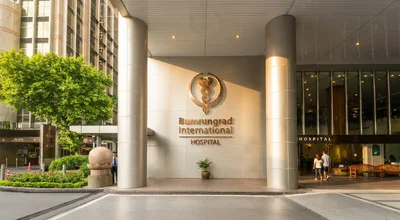
Bumrungrad International Hospital
Tertiary hospital with over 1,200 physicians treating 520,000+ international patients a year.
View hospital profile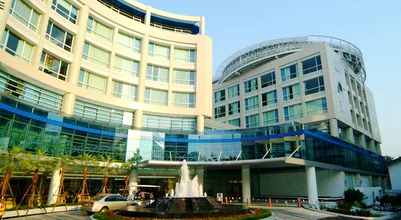
Bangkok Hospital
BDMS flagship tertiary campus with standalone heart, cancer, and neuro-orthopaedic hospitals.
View hospital profile
Samitivej Sukhumvit Hospital
Tertiary hospital known for paediatrics, home to Thailand's first private children's hospital.
View hospital profile
Tell Us What You Need. We Do the Rest.
Share what you're considering and we'll come back with surgeon options, pricing, and a clear plan.
- Real hospital pricing with zero markup
- Matched with a specialist experienced in your specific procedure
- Full coordination from consultation to recovery


Trusted by patients worldwide
The complete guide to Anal Fistula Surgery in Thailand
Everything below is for readers who want the full detail: costs broken down, types and techniques, recovery, risks and safety, and planning your trip.
Fistula Surgeons & Hospitals in Thailand
Fistula surgery is subspecialist colorectal work. The surgeon's proctological experience and access to MRI mapping are the deciding factors.
Leading Hospitals in Bangkok
Our partner hospitals have dedicated colorectal departments with in-house MRI capability, examination-under-anaesthesia facilities, and the full range of sphincter-preserving surgical equipment. Complex fistulae are discussed in multidisciplinary meetings to optimise the treatment plan.
Experienced Colorectal Surgeons
Our partner surgeons hold board certification with specific proctological surgical experience. They perform fistula repair regularly and are trained in all current techniques (fistulotomy, LIFT, advancement flap, and seton placement) allowing them to match the approach to your anatomy.
What to Look for in a Surgeon
Ask whether the surgeon routinely uses MRI before fistula surgery; any experienced colorectal surgeon will consider it standard for trans-sphincteric or recurrent fistulae. Check that multiple techniques are available, not just fistulotomy. A surgeon who lays open every fistula regardless of sphincter involvement is not being careful enough.
Understanding Your Results
Fistula surgery is about eliminating chronic discharge, infection, and pain, restoring comfort that may have been compromised for months or years.
Typical Anal Fistula Surgery Results
The fistula tract is eliminated and the cycle of discharge and recurrent abscess stops. Wounds heal over several weeks, and the external opening closes. Continence is preserved when sphincter-preserving techniques are used appropriately. Most patients describe profound relief once the chronic discharge and pain resolve.
What Results Can You Expect?
Cure rates depend strongly on fistula type. Simple low (intersphincteric) fistulae treated with fistulotomy have cure rates around 95%. Complex transsphincteric or suprasphincteric fistulae, and fistulae associated with Crohn's disease, have lower cure rates (often 50–70%) and require staged or sphincter-preserving techniques (seton, LIFT, advancement flap) with their own recurrence rates. The wound care period (sitz baths and dressings) lasts several weeks, but most patients notice dramatic improvement in comfort and hygiene within the first week.
Anal Fistula Surgery Cost in Thailand
Average Cost of Anal Fistula Surgery
Our partner hospital quotes one anal fistula operation, a fistulectomy under spinal block with one night on the ward, at ฿126,000. That is about $3,705 at 34 baht to the dollar, and the price holds until 31 December 2026. It is one hospital's rate rather than an average for Thailand. The sphincter-preserving repairs this page describes, LIFT, advancement flap and staged seton work, sit outside that package and are quoted after a surgeon has seen your mapping scan.
Cost Breakdown
The package covers the surgeon's fee, the operating theatre, the spinal anaesthetic and monitoring, and one night of nursing care. The pelvic MRI is the item to watch, because this page tells you throughout that mapping the tract is essential before any repair that crosses muscle, and the scan is not in the package. Nor are pre-operative clearance, blood tests, pathology on the excised tract, or a consultant seen other than the operating surgeon. If your fistula turns out to need a staged approach, the second procedure is a separate cost again.
What Affects the Price?
There is one package price, so the variation is all in whether your fistula fits it. A simple tract that can be excised in a single operation is what the ฿126,000 buys. A tract crossing significant sphincter muscle needs a sphincter-preserving repair that sits outside the package, and a complex or recurrent fistula may need a seton first and definitive repair months later, which means two operations and often two trips. The mapping scan decides which of those you are, and it comes before the quote rather than after it.
Thailand vs International Price Comparison
At around $3,705 the package undercuts the US range of $6,000 to $12,000 by roughly 38% against its floor, and converts to about £2,900, which is below the bottom of the UK range of £4,400 to £9,000. This is one of the procedures on which travelling still adds up, partly because the operation is short and partly because Western private proctology is expensive. Add the MRI and the pre-operative work-up before you compare, and remember this is one hospital's premium rate, with prices for the same operation varying widely between Thai hospitals, including between branches of the same network.
Setons and Conservative Management vs Surgery
Before definitive repair, a fistula is often managed with a loose, or draining, seton: a soft thread passed through the tract and tied loosely, so the channel stays open and drains rather than closing over infected fluid. It is the least invasive option, settles the inflammation, stops recurrent abscesses, and is sometimes kept in place for months while the anatomy calms down. Antibiotics and abscess drainage play a similar holding role, controlling the infection around the tract.
The honest limit is that none of these cures the fistula. A draining seton manages the problem and protects the sphincter, but the tunnel itself remains and the discharge continues for as long as the thread is in. It is genuinely useful as a first step, as a bridge while Crohn's is excluded or treated, or as a safer long-term choice when the tract crosses too much muscle to divide. It is not a way to make the fistula go away.
To actually close the tract and end the cycle of discharge and abscesses, the fistula has to be dealt with surgically, whether by laying a simple low tract open, a sphincter-preserving LIFT or advancement flap for higher tracts, or a staged seton followed by definitive repair. That is the route this page covers, and the right technique is the one your MRI mapping and surgeon point to.
Types of Anal Fistula Surgery
The technique depends entirely on the fistula's relationship to the sphincter muscles. Pre-operative MRI maps the tract and determines whether a simple approach is safe or a sphincter-preserving technique is required.
Simple Fistula (Low Trans-sphincteric / Intersphincteric)
Fistulae involving minimal sphincter muscle, typically low intersphincteric or low trans-sphincteric tracts. These can usually be treated with straightforward fistulotomy, which lays the tract open and allows it to heal from the base. Cure rates for this group are around 95% with low risk to continence. Complex transsphincteric, suprasphincteric, and Crohn's-associated fistulae sit in a different category with substantially lower cure rates (often 50–70%) and are covered below.
Complex Fistula (High Trans-sphincteric / Suprasphincteric)
Fistulae crossing significant sphincter muscle, multiple tracts, or horseshoe extensions. These require sphincter-preserving techniques (LIFT procedure, advancement flap, or staged approaches with a seton) to avoid dividing muscle that would compromise continence.
- Crosses significant sphincter muscle, where fistulotomy would risk continence
- Requires sphincter-preserving approach (LIFT, flap, or seton)
- May need staged treatment over multiple procedures
- Best for: high trans-sphincteric, suprasphincteric, or horseshoe fistulae
Recurrent Fistula
Fistulae that have returned after previous surgery are more challenging because scar tissue distorts the anatomy and previously divided muscle may already compromise sphincter function. MRI mapping is essential, and the approach is typically conservative, preserving as much remaining sphincter as possible.
- Previous surgery has altered the anatomy and sphincter integrity
- MRI mapping essential to identify the recurrent tract and scar tissue
- Sphincter-preserving techniques prioritised to protect remaining function
- Best for: fistulae that have recurred after one or more previous surgical attempts
Anal Fistula Techniques
Technique selection is driven by MRI findings and examination under anaesthesia. The goal in every case is complete tract elimination with the best possible preservation of sphincter function and continence.
Fistulotomy
The surgeon lays open the entire tract from internal to external opening, converting the tunnel into an open groove that heals from the base upward. The most effective treatment for simple, low fistulae, with cure rates around 95% in that subgroup. Not appropriate for high transsphincteric, suprasphincteric, or Crohn's-associated fistulae, where dividing significant sphincter muscle would compromise continence and where cure rates with sphincter-preserving techniques are lower (often 50–70%).
- Highest cure rate for simple low fistulae (around 95%)
- Wound heals by secondary intention over several weeks
- Only safe when minimal sphincter muscle is involved
- Best for: low intersphincteric and low trans-sphincteric fistulae
LIFT Procedure
Ligation of the intersphincteric fistula tract. The surgeon accesses the tract between the sphincter muscles, ligates it on both sides, and removes the intervening segment. No sphincter muscle is divided. Success rates of around 75% in published data1, with the option to repeat or use alternative techniques if it fails.
- Sphincter-preserving, with no muscle division required
- Performed through a small incision between the sphincters
- Repeatable if initial attempt is unsuccessful
- Best for: trans-sphincteric fistulae where sphincter preservation is essential
Advancement Flap Repair
The internal opening is covered with a flap of healthy rectal wall tissue advanced over the defect. The external opening is left to drain. This technique avoids any sphincter division and is used for complex or recurrent fistulae where the internal opening is accessible. Success rates are comparable to LIFT.1
- Internal opening sealed with healthy tissue flap
- No sphincter muscle division required
- Suitable for complex, high, or recurrent fistulae
- Best for: complex fistulae with an accessible internal opening in the rectal wall
FiLaC (Laser Closure)
Fistula-tract Laser Closure. A fine laser fibre is passed along the tract and withdrawn slowly, sealing the channel from the inside with controlled thermal energy while the internal opening is closed separately. No sphincter muscle is divided, which keeps the risk to continence very low. It is one of the minimally invasive, sphincter-preserving options for trans-sphincteric fistulae, with published success rates broadly comparable to LIFT and the option to repeat or switch technique if it does not take.
- Sphincter-preserving, with no muscle division required
- Tract sealed from within using a laser fibre, leaving a small wound
- Repeatable or combinable with other techniques if it fails
- Best for: trans-sphincteric fistulae where minimal wound and sphincter preservation are priorities
Anal Fistula Surgery Recovery Timeline
Day 1
You wake from anaesthesia and are monitored for early bleeding. Pain is managed with oral medication and local anaesthetic. Most patients eat, drink, and walk within a few hours. Day-case patients may be discharged the same evening.
Days 2–4
Mild discomfort around the surgical site is normal and controlled with prescribed analgesics. Warm sitz baths two to three times daily keep the wound clean and reduce soreness. Bowel movements may cause temporary stinging; stool softeners and a high-fibre diet help significantly.
Days 5–7
You attend a follow-up appointment where the surgical team inspects the wound and confirms healing is on track. Clearance for the return flight is given. You receive written wound-care instructions and a direct contact for the surgical team.
Weeks 2–6
The wound heals gradually by secondary intention. Sitz baths and wound care continue at home. Most patients return to desk work within one to two weeks and to full physical activity by four to six weeks. A review with your local doctor confirms complete healing.
When Can You Fly After Fistula Surgery?
Most patients can fly home five to seven days after surgery, once the wound is healing satisfactorily. Bring a cushion for comfort during the flight. Request an aisle seat so you can stand and move periodically. Stay hydrated and carry prescribed pain medication as a precaution.
When Can You Return to Work and Exercise?
Desk work within one to two weeks.2,4 Physically demanding roles may need four to six weeks. Avoid prolonged sitting on hard surfaces during early recovery. Swimming pools should wait until the wound is fully closed. Exercise resumes gradually, with walking first and more strenuous activity by week four to six.
When Will You See Final Results?
Discharge and pain improve within the first week. Open fistulotomy wounds heal gradually over several weeks by secondary intention4. LIFT and flap repairs heal faster because the wounds are smaller. Complete resolution is confirmed when the external opening closes and discharge stops entirely.
Anaesthesia for Fistula Surgery
Anal fistula surgery is done either under general anaesthesia, where you are fully asleep, or under a spinal block, which numbs you completely from the waist down while you stay awake. The fistulectomy package our partner hospital quotes is the spinal version, and it is a reasonable default for a short operation in this area, though your surgeon and anaesthetist may prefer a general depending on your health and the technique planned. Either way a consultant anaesthetist stays with you throughout and monitors you continuously, which is standard at the accredited hospitals we work with. Both also relax the muscles enough for an examination under anaesthesia, where the surgeon gently probes the tract to confirm its path before committing to a technique.
Your surgeon and anaesthetist confirm the plan together once your pre-operative assessment is complete. That assessment covers blood tests, coagulation studies, a review of any regular medication, and the MRI mapping of the tract, so any blood-thinning medicines can be paused and the safest approach chosen before you reach theatre.
You feel nothing during the procedure itself. Afterwards, discomfort around the surgical site is usually mild to moderate for the first few days, with some stinging during bowel movements that eases within the first week. It is well managed with warm sitz baths, prescribed pain relief, and stool softeners, and most patients are eating, drinking, and walking within a few hours of waking.
Risks and Safety of Anal Fistula Surgery
Anal fistula surgery is well established with a strong safety record. The main concern is balancing cure rates against continence preservation, which is why technique selection matters so much.
- Fistula recurrence (the most common outcome concern, rates vary by technique and fistula complexity)
- Wound infection (uncommon with proper sitz bath hygiene)
- Post-operative bleeding (usually minor)
- Change in continence (the primary reason for choosing sphincter-preserving techniques over fistulotomy)3,1
- Delayed wound healing, particularly with open fistulotomy
- Incomplete sealing or minor thermal injury to the adjacent sphincter, specific to laser closure (FiLaC), where the technique can be repeated if the tract does not seal
- Urinary retention (short-term difficulty passing urine after anaesthesia)
Protecting continence is the overriding priority in fistula surgery. The pre-operative MRI determines exactly how much sphincter is involved, and the technique is selected to avoid dividing muscle whenever possible. If there is any doubt, a staged approach with a seton is safer than a single definitive procedure.
Is Anal Fistula Surgery Safe in Thailand?
Yes. Our partner hospitals are JCI-accredited with dedicated colorectal surgery departments. The surgeons performing fistula repair are board-certified colorectal specialists with experience in both simple and complex cases. Pre-operative MRI mapping (essential for safe technique selection) is performed in-house.
How to Reduce Your Risk
Insist on pre-operative MRI or endoanal ultrasound to map the fistula tract before surgery. Choose a colorectal specialist rather than a general surgeon. If the fistula is complex, ask about staged approaches; a conservative strategy with a seton may be safer than an aggressive single procedure that risks continence.
When Is Repeat Surgery Needed?
Cure rates depend strongly on fistula type. Simple low (intersphincteric) fistulae treated with fistulotomy have cure rates around 95%. Complex transsphincteric or suprasphincteric fistulae, and fistulae associated with Crohn's disease, have lower cure rates (often 50–70%) and require staged or sphincter-preserving techniques (seton, LIFT, advancement flap) with their own recurrence rates. These approaches can be repeated or followed with alternative techniques if the initial attempt fails. Ongoing MRI surveillance may be recommended for complex cases.
Planning Your Trip to Thailand for Anal Fistula Surgery
Most patients need five to seven days in Thailand. The trip is compact and straightforward.
How Long to Stay in Thailand
Five to seven days covers the full trip. Day one includes consultation, examination, and MRI if not already performed. Surgery is on day two. One night in hospital or same-day discharge, then hotel recovery with a follow-up appointment before flying home. Complex cases requiring staged approaches may need a return visit.
What's Included in a Medical Trip
Your care coordinator arranges consultation, MRI, surgery scheduling, and follow-up. The published package covers surgeon fees, the spinal anaesthetic, the theatre and one night in hospital. The MRI mapping, pre-operative clearance and blood tests are billed separately, and since the scan decides which operation you need we set that cost out for you before you commit. Flights and accommodation are booked separately.
Recovery in Bangkok vs Phuket
Stay in Bangkok for the surgical window and follow-up. Fistula surgery recovery is short, and proximity to the hospital matters for the wound check. After clearance, a few days elsewhere is fine, but keep the surgical base in Bangkok.
Related Procedures
Other procedures that address similar goals or conditions, in case one of them is a closer fit for you.
Planning your treatment in Thailand
Independent guides to help you weigh the decision, before you commit to anything.
Common Questions About Anal Fistula Surgery
Everything you need to know before your procedure

Medical References
Keep researching with AI
Open this guide in your AI assistant to dig deeper and ask the questions it didn't answer.
Opens in a new tab with this guide already loaded.
Medical disclaimer: Content on this site is provided for informational purposes and should not be treated as medical advice. Outcomes, timelines, and eligibility differ from person to person. Consult a qualified medical professional before making any decisions about surgery or treatment.
Ready to Get Started?
Speak with our care coordinators for a free, no-obligation consultation and personalised quote.
Speak to Our Team