Hernia Repair in Thailand Your guide to cost, top specialists & hospitals
A solid repair means you stop thinking about it. That is the whole point.
What Is Hernia Repair?
Also known as: Hernia Operation · Herniorrhaphy · Hernioplasty
Hernia repair is surgery that fixes a weak spot in the abdominal wall by pushing the bulging tissue back inside and reinforcing the gap, usually with a soft synthetic mesh that the body's own tissue grows into over the following weeks. It treats inguinal hernias in the groin, umbilical hernias at the navel, and incisional or ventral hernias along the abdomen. The mesh stays permanently, and recurrence is uncommon with modern mesh repair for primary inguinal repairs1,3. Most operations take one to two hours, often as a day case.
No two hernias are quite the same, so the plan is built around yours. Your surgeon looks at where it sits, how large it is, and whether it has been repaired before, then chooses an open, keyhole, or robotic approach.
Recovery tends to be steady rather than dramatic. The bulge is gone the moment you wake, and the rule that matters most is avoiding heavy lifting for at least four to six weeks while the mesh settles1,2. If a hernia is suddenly painful or cannot be pushed back, that needs urgent care at home first, so a consultation is the place to confirm your approach.
It can address a range of concerns, including:
Am I a Good Candidate for Hernia Repair?
Most people with a diagnosed hernia qualify; the real gates are weight, smoking, and ruling out an emergency presentation.
The anatomy of the defect decides the approach and how much planning it needs.
Confirmed on examination or imaging: A diagnosed hernia with symptoms beyond what watchful waiting can manage is the baseline requirement.
Not an emergency: A hernia that is suddenly painful, tender, or cannot be pushed back may be strangulated and needs urgent local assessment, not a flight.
Large incisional hernias: These are imaged with CT first so component separation and mesh size can be planned properly.
Body weight directly affects how durable a mesh repair will be.
BMI reviewed: A BMI in certain ranges means staged weight loss before repair may significantly reduce recurrence, and surgeons will say so.
Obesity and recurrence: Along with smoking and early heavy lifting, excess weight is one of the main modifiable recurrence risks.
Protecting the repair: Candidates should be ready to avoid lifting anything heavy for at least four to six weeks while the mesh integrates.
Healing and mesh integration depend on a short list of controllable factors.
Four weeks smoke-free: Nicotine materially affects how the mesh integrates, so a committed pause around surgery is expected.
Fit for anaesthesia: Most repairs use general anaesthesia, though some straightforward open repairs can be done under local with sedation.
Medication planning: Blood-thinning medication is paused on personalised instructions issued after your consultation.
Results are excellent, but mesh deserves a straight conversation before you consent.
Low recurrence: Modern mesh repair of primary inguinal hernias is among the most reliable operations in surgery; larger incisional hernias carry somewhat higher risk.
Mesh-associated pain: Some patients report persistent pain lasting longer than three months after inguinal repair; discuss mesh versus tissue-repair trade-offs openly.
Bulge gone immediately: Swelling can briefly mimic the hernia, but the repair is at full strength by three months.
Who is not suitable for hernia repair?
- A suddenly painful, tender, or irreducible hernia until urgently assessed at home
- Smoking without a committed four-week pause around surgery
- High BMI until staged weight loss has been discussed
- Large incisional hernia before CT planning
- Significant uncontrolled heart or lung disease, or otherwise not medically fit for general anaesthesia
Pricing
How Much Will Hernia Repair Cost in Thailand?
What hernia repair costs at accredited hospitals in Thailand, and what your final quote depends on.
Get your exact price
Tell us what you're considering and we'll send a personalised quote from accredited hospitals within 24 hours.
Get my free quoteTypical prices in Thailand
Typical ranges based on recent hospital quotes. Your exact price depends on the hospital and how complex your case is, and is confirmed at your teleconsultation.
Hernia Repair
A groin hernia is pushed back through the weak spot in the abdominal wall and the gap reinforced with a permanent mesh the body's tissue grows into.
| Laparoscopic groin hernia repair with mesh graft, one side 1 night Keyhole mesh repair, the standard route for a single groin hernia | $8,100 ฿276,000 |
| Robot-assisted groin hernia repair with mesh graft, one side 1 night The same repair carried out through a surgical console | $9,300 ฿316,000 |
| Robot-assisted groin hernia repair with mesh graft, two sides 1 night Both groins repaired in one operation, 1.58 times the one-sided price | $14,700 ฿500,000 |
Typically not included
- Implants and devices beyond the mesh graft the package names
- Intensive care, and any night in hospital beyond the one the package covers
- Laboratory tests and other investigations, including any CT used to plan the repair
- Pre-operative medical clearance and fitness assessment
- Specialist consultant fees outside the operating surgeon
- Pathology and pathologist charges
- Hernias outside the groin, such as umbilical, incisional or ventral, are not covered and are quoted separately
Get your exact price
Tell us what you're considering and we'll send a personalised quote from accredited hospitals within 24 hours.
Hospitals Trusted for Hernia Repair
From internationally accredited flagships to dedicated specialist hospitals, these are the kinds of facilities where international patients have this procedure.

Bumrungrad International Hospital
Tertiary hospital with over 1,200 physicians treating 520,000+ international patients a year.
View hospital profile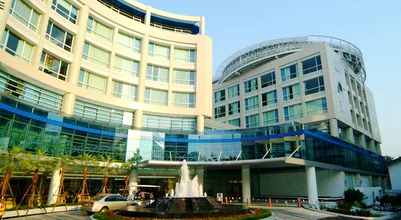
Bangkok Hospital
BDMS flagship tertiary campus with standalone heart, cancer, and neuro-orthopaedic hospitals.
View hospital profile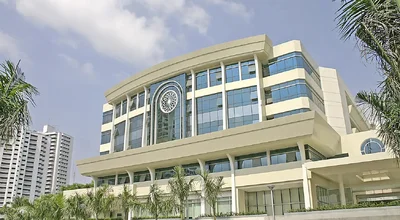
Samitivej Sukhumvit Hospital
Tertiary hospital known for paediatrics, home to Thailand's first private children's hospital.
View hospital profile
Tell Us What You Need. We Do the Rest.
Share what you're considering and we'll come back with surgeon options, pricing, and a clear plan.
- Real hospital pricing with zero markup
- Matched with a specialist experienced in your specific procedure
- Full coordination from consultation to recovery


Trusted by patients worldwide
The complete guide to Hernia Repair in Thailand
Everything below is for readers who want the full detail: costs broken down, types and techniques, recovery, risks and safety, and planning your trip.
Hernia Surgeons & Hospitals in Thailand
Hernia repair is a volume-dependent operation; the more a surgeon does, the more refined the technique becomes. Here is what to look for.
Leading Hospitals in Bangkok
Our partner hospitals are Bangkok's leading JCI-accredited international-patient centres with dedicated general surgery departments. They have the full spectrum of laparoscopic and robotic equipment, and their operating teams handle hernia repairs daily. If a complication arises, everything needed to manage it is already in-house.
Experienced Hernia Surgeons
Our partner surgeons hold board certification from the Royal College of Surgeons of Thailand. Many have completed international fellowships in minimally invasive surgery. The combination of formal training and high operative volume is what produces consistently good outcomes, and Thailand's surgical workload offers that combination.
What to Look for in a Surgeon
Check board certification first. Ask about their preferred approach for your hernia type and why. A surgeon who explains trade-offs clearly (laparoscopic versus open, mesh type, recovery expectations) is more trustworthy than one who promises a perfect outcome with no caveats. Independent reviews and before-and-after documentation add another layer of confidence.
Understanding Your Results
Hernia repair is about restoring abdominal wall integrity and eliminating symptoms. Here is what the outcome looks like in practice.
Typical Hernia Repair Results
The hernia bulge is eliminated at the time of surgery. Pain, heaviness, and the dragging sensation resolve once the abdominal wall is reinforced. Keyhole incisions heal to small flat scars within a few months. The mesh integrates into the tissue and becomes a permanent part of the abdominal wall.
What Results Can You Expect?
Immediate elimination of the bulge and a progressive reduction in discomfort over the first two weeks. Full recovery of physical capacity (including lifting and exercise) by four to six weeks. Low recurrence rates mean the vast majority of patients never need to think about the hernia again.
Hernia Repair Cost in Thailand
Average Cost of Hernia Repair
Our partner hospital publishes ฿276,000 for a laparoscopic groin hernia repair with a mesh graft on one side and ฿316,000 for the same repair robotically, which at 34 baht to the dollar is about $8,117 and $9,294. Both sides done robotically in a single operation is ฿500,000, around $14,706. Every figure includes one night on the ward and holds until 31 December 2026. Read the side count carefully, because the first two are one-sided prices. These packages cover groin hernias only. Umbilical, incisional and ventral repairs are not on the published list and are quoted case by case.
Cost Breakdown
The package covers the surgeon's fee, the operating theatre, the anaesthetist and monitoring, the mesh graft named in the package, and one night of nursing care. Pre-operative medical clearance, blood tests and imaging, pathology, any consultant seen other than the operating surgeon, and any additional night in hospital are charged on top. The mesh is a small part of the total either way. What drives the figure is theatre time and the instrument set.
What Affects the Price?
Two things move the published price, and the side count moves it further than the technology does. Going robotic on one side adds ฿40,000 over the keyhole route, about 14%. Adding the second groin to a robotic repair adds ฿184,000, taking the total to 1.58 times the one-sided figure rather than doubling it, because the surgeon is already inside the abdomen and the second repair adds theatre time rather than a second admission. If you have hernias on both sides, that maths is the strongest argument for treating them in one trip. Anything outside a groin hernia, or a recurrent repair through scarred tissue, falls off the rate card and needs a quote.
Thailand vs International Price Comparison
This is the point where the usual medical tourism arithmetic stops working. At $8,117 to $14,706 the packages sit inside the US range of $7,500 to $15,000, above the US floor and just under its ceiling. Converted, the two-sided robotic package comes to roughly £11,600, which is above the top of the UK range of £5,500 to £11,300. Hernia repair is a short, highly standardised operation, so there is little room for a lower-cost country to undercut a high-cost one once a hospital prices itself for international patients. Our partner hospital sits at the premium end of the Thai market and prices for the same repair vary widely between Thai hospitals, including between branches of the same network. If the saving is the reason you are travelling, this is the procedure to check the numbers on most carefully.
Surgery vs Watchful Waiting for a Hernia
A hernia does not always need fixing the day it appears. For a small inguinal hernia that is causing little or no discomfort, surgeons often recommend watchful waiting: keeping an eye on it, managing the occasional ache, and avoiding the strain that makes it bulge. A supportive truss can hold the area in for short periods too. For mild, stable hernias this is a perfectly reasonable first step, and the evidence shows it is safe to delay while symptoms stay minor.
What watchful waiting cannot do is make the hernia smaller or close the gap in the abdominal wall. A hernia does not heal on its own, and most that are watched eventually become symptomatic enough that people choose repair anyway. The important limit is that waiting carries a small risk: if the hernia suddenly becomes painful, tender, or cannot be pushed back in, that can signal strangulation, which is a genuine emergency and needs urgent care at home, not a planned trip.
Once a hernia aches during everyday activity, grows larger, limits what you can lift or do, or simply stops you forgetting it is there, surgical repair is the only route to a lasting fix, and that is what the rest of this page covers. The bulge is gone the moment you wake, and modern mesh repair keeps recurrence low.
Types of Hernia Repair
The hernia type determines the surgical approach. Inguinal hernias are the most common, but umbilical, incisional, and ventral hernias each require a different strategy. Here is what applies.
Inguinal Hernia Repair
By far the most common hernia, tissue protrudes through a weak point in the groin. Repaired with mesh placed either in front of the defect (open Lichtenstein) or behind the abdominal wall (laparoscopic TEP/TAPP). The choice depends on whether it is unilateral, bilateral, or recurrent.
- Most common hernia type in men
- Open and laparoscopic approaches both achieve low recurrence
- Laparoscopic repair preferred for bilateral or recurrent cases
- Best for: groin bulge with associated aching or heaviness
Incisional & Ventral Hernia Repair
Hernias that develop through a previous surgical scar or the midline of the abdomen. These are more complex because the defect is often larger and involves weakened tissue. Mesh placement is critical for durable repair, and robotic assistance is increasingly used for precision in larger defects.
- Develops at the site of a previous abdominal incision
- Larger defects may need component separation for tension-free closure
- Robotic-assisted repair offers superior control for complex cases
- Best for: bulge at a previous surgical scar or midline weakness
Umbilical & Epigastric Hernia Repair
Small hernias around the navel or upper midline that often start as a minor bulge and gradually enlarge. Usually repaired as a day case with mesh reinforcement. Straightforward cases can be done under local anaesthesia with sedation.
- Common around the umbilicus, especially after pregnancy or weight gain
- Often completed in under an hour for small defects, at the shorter end of the 1 to 2 hour range
- Mesh reinforcement reduces recurrence significantly
- Best for: symptomatic navel or upper-midline bulge
Hernia Repair Techniques
The technique depends on hernia type, size, and your surgical history. Your surgeon selects the approach that offers the lowest recurrence rate and fastest recovery for your specific case.
Laparoscopic TEP / TAPP Repair
Three small incisions allow mesh placement behind the abdominal wall under camera guidance. TEP stays outside the peritoneum entirely; TAPP enters the abdominal cavity for broader visibility. Both achieve excellent outcomes for inguinal hernias, and TAPP is preferred when bilateral repair is needed.
- Lower post-operative pain than open repair
- Faster return to light activity and desk work, often within one to two weeks, though heavy lifting still waits about four weeks
- Ideal for bilateral and recurrent inguinal hernias
- Best for: inguinal hernias, particularly bilateral or recurrent cases
Open Lichtenstein Mesh Repair
A single incision directly over the hernia allows mesh placement under direct vision. The mesh is sutured tension-free over the defect. It remains the global benchmark for primary inguinal hernia repair and can be performed under local anaesthesia with sedation, an advantage for patients who prefer to avoid general anaesthesia.
- Proven low recurrence rate in published data
- Can be done under local anaesthesia if needed
- Straightforward approach for large or complex primary hernias
- Best for: primary inguinal hernias, patients unsuitable for general anaesthesia
Robotic-Assisted Repair
A robotic platform provides magnified 3D vision and articulated instruments for precise mesh placement in difficult anatomy. Particularly useful for large ventral hernias, complex incisional hernias, and cases requiring component separation. The enhanced control reduces surgeon fatigue during longer operations.
- Magnified 3D visualisation for precise dissection and mesh placement
- Reduced surgeon fatigue in lengthy complex repairs
- Excellent outcomes for ventral and incisional hernias
- Best for: large ventral hernias, complex incisional repairs, and revision cases
Shouldice Non-Mesh Tissue Repair
A pure-tissue technique that reconstructs the groin wall in overlapping layers using the patient's own tissue and fine sutures, with no synthetic mesh. It is the most studied mesh-free repair and produces low recurrence rates in experienced hands. The main appeal is avoiding mesh entirely, which suits patients who are concerned about mesh-associated chronic pain or who prefer a mesh-free option for personal reasons.
- No synthetic mesh, so no risk of mesh-related complications
- Recurrence rates approach mesh repair when performed by high-volume surgeons
- Most suitable for smaller primary inguinal hernias in fitter patients
- Best for: patients who want to avoid mesh, particularly for primary inguinal hernias
Hernia Repair Recovery Timeline
Day 1
Most patients walk within hours of surgery and many go home the same day.3 Pain is managed with oral medication. Ice packs help with swelling at the repair site. If you stayed overnight, discharge is usually the following morning once you are eating and mobile.
Days 2–4
Mild swelling and bruising around the incision sites is normal and settles over the first few days. Light walking is encouraged to promote healing. Pain improves steadily and most patients manage comfortably on paracetamol and anti-inflammatory medication.
Days 5–7
You attend a follow-up appointment where the surgical team checks wound healing, reviews any swelling, and confirms you are fit to fly. Most patients feel comfortable for gentle sightseeing and short outings by this stage.
Weeks 2–4
Back home, desk work is manageable within two weeks. Heavy lifting and strenuous exercise should wait at least four weeks to give the mesh time to integrate fully. By week four, most people are back to their normal routine without restriction.
When Can You Fly After Hernia Repair?
Most patients can fly home five to seven days after surgery. By this point, wound healing is established, any swelling has started to settle, and your surgeon has confirmed there are no complications. Standard flight advice applies: stay hydrated, wear compression stockings, and walk the aisle periodically.
When Can You Return to Work and Exercise?
Light walking starts on day one. The technique sets the early pace: after laparoscopic or robotic repair desk work is usually comfortable in about one week, while open repair more often needs the full one to two weeks, and a physical job around four weeks for either route. The critical restriction is the same regardless of technique; avoid lifting anything heavy for at least four to six weeks to allow the mesh to integrate. Gym work, running, and contact sports should wait until your surgeon gives clearance, usually at the four-to-six-week mark.
When Can You Drive Again?
Plan on not driving in Thailand after surgery; you fly home before this milestone. Once home, most people return to an automatic car at one to two weeks, and a manual a little later, but only when you can brake hard in an emergency without hesitating and are off strong painkillers. Laparoscopic patients usually reach this point sooner than open-repair patients. Check that your insurer has no specific post-surgery driving exclusion.
When Will You See Final Results?
The hernia is repaired immediately, and the bulge is gone when you wake up. Some post-operative swelling at the repair site is normal and can mimic the original hernia appearance; this settles within a few weeks. By three months, the mesh has fully integrated and the repair is at its strongest.
Anaesthesia for Hernia Repair
Most hernia repairs in Thailand are done under general anaesthesia, so you are fully asleep and feel nothing while the surgeon works. A consultant anaesthetist stays with you for the whole operation and monitors you continuously, which is standard at the accredited hospitals we work with.
There is some flexibility depending on the hernia. Straightforward open inguinal and umbilical repairs can be carried out under local anaesthesia with sedation, where the area is fully numbed and you are relaxed and pain-free but not deeply under. This route can suit patients who would rather avoid a general. Your surgeon and anaesthetist decide what is safest based on the type and size of the hernia, the approach planned, and your medical history.
Before you are cleared for surgery you have a pre-operative assessment, including routine blood tests and a review of any blood-thinning or regular medication. You feel nothing during the procedure itself. Afterwards, most people describe mild to moderate soreness at the repair site for the first two to three days rather than sharp pain, and it is well controlled with the oral medication your surgeon prescribes. Keyhole repairs tend to be the most comfortable from the start.
Risks and Safety of Hernia Repair
Hernia repair is among the safest operations in general surgery. Complications are uncommon, but knowing what to look for matters more than generic reassurance.
- Wound infection at the incision site (uncommon with prophylactic antibiotics)
- Mesh-associated chronic pain is a recognised complication, particularly of inguinal repair, and mesh removal is difficult and not always successful.1,2 Whether to use mesh or a non-mesh (Shouldice or tissue) repair is worth discussing with your surgeon.
- Hernia recurrence (uncommon with modern mesh techniques)
- Seroma or haematoma (fluid or blood collection at the repair site)
- Mesh-related complication such as migration or contraction (rare with current mesh designs)
- Nerve injury causing temporary or persistent groin numbness
- Urinary retention after surgery, more common after open inguinal repair under general anaesthesia, occasionally needing a temporary catheter before you are discharged or fit to fly3
- Spermatic cord and testicular complications specific to inguinal repair in men, such as injury to the vessels or vas deferens and rarely testicular atrophy, uncommon and more associated with open or recurrent repairs4,2
Risk is largely determined by surgical technique, mesh choice, and post-operative behaviour. Following your surgeon's instructions on lifting restrictions during the first four weeks is the single most important thing you can do to protect the repair.
Is Hernia Repair Safe in Thailand?
Yes. Hernia repair at a JCI-accredited Thai hospital follows the same guidelines and uses the same mesh products as any accredited Western facility. Our partner surgeons are board-certified, and complication rates are consistent with published international data. The operation is too well standardised for geography to make a material difference to safety.
How to Reduce Your Risk
Choose a JCI-accredited hospital with a dedicated general surgery department. Confirm your surgeon is board-certified and performs hernia repair at high volume. Provide your full medical history including any previous abdominal surgery, which affects the surgical approach. Follow post-operative lifting restrictions strictly; this is the most common cause of recurrence.
When Is Revision Surgery Needed?
Hernia recurrence after mesh repair is uncommon. If a recurrence does develop, it is usually addressed with a different approach; for example, laparoscopic repair if the original was open, or vice versa. Chronic post-operative pain that does not settle may require assessment of potential nerve entrapment, though this is uncommon.
Planning Your Trip to Thailand for Hernia Repair
Most patients need five to seven days in Thailand. Here is how to organise the trip efficiently.
How Long to Stay in Thailand
Five to seven days covers the full cycle: consultation and pre-operative tests on day one, surgery on day two, possible overnight stay, hotel recovery, and a follow-up appointment before flying home. For bilateral or complex repairs, add a couple of extra days as a buffer.
What's Included in a Medical Trip
Your care coordinator arranges hospital transfers, surgery scheduling, and follow-up appointments. The package price covers surgeon fees, anaesthesia, theatre time, the mesh graft and one night in hospital. Pre-operative clearance, laboratory work and any planning imaging are billed separately, and we set those out for you before you commit. Flights and hotels are booked separately, but your coordinator can recommend convenient options near the hospital.
Recovery in Bangkok vs Phuket
Stay in Bangkok for the surgical window. You want to be close to your hospital for the follow-up appointment and accessible if anything unexpected comes up, however unlikely. After clearance, some patients head to the coast for a few days of relaxation before flying home. That works fine once the surgical team has signed off.
Related Procedures
Other procedures that address similar goals or conditions, in case one of them is a closer fit for you.
Planning your treatment in Thailand
Independent guides to help you weigh the decision, before you commit to anything.
Common Questions About Hernia Repair
Everything you need to know before your procedure

Medical References
Keep researching with AI
Open this guide in your AI assistant to dig deeper and ask the questions it didn't answer.
Opens in a new tab with this guide already loaded.
Medical disclaimer: Content on this site is provided for informational purposes and should not be treated as medical advice. Outcomes, timelines, and eligibility differ from person to person. Consult a qualified medical professional before making any decisions about surgery or treatment.
Ready to Get Started?
Speak with our care coordinators for a free, no-obligation consultation and personalised quote.
Speak to Our Team