Pancreatectomy in Thailand Your guide to cost, top specialists & hospitals
When surgery is the only path to a cure, getting it done properly and promptly changes the equation.
What Is Pancreatectomy?
Also known as: Pancreas Removal · Pancreaticoduodenectomy · Distal Pancreatectomy
Pancreatectomy is major abdominal surgery that removes part or all of the pancreas to take out a tumour, a pre-malignant cyst, or tissue damaged by chronic disease. The Whipple procedure (pancreaticoduodenectomy) removes the head of the gland and is, for most pancreatic head cancers, the main route to a possible cure. Distal pancreatectomy treats lesions in the body or tail. It usually runs four to eight hours under general anaesthesia, followed by intensive care and a recovery measured in months1.
A diagnosis here is frightening, and so is the idea of an operation this big abroad. A specialist team reviews your scans and biopsy first, then plans the approach around which gland is affected, where the tumour sits, and how fit you are. The decision to operate, and how, is made for your case.
It helps to know the honest picture. At a high-volume centre this surgery is far safer than it once was, though complications are still common and outcomes vary. Whether it is right for you depends on your staging and fitness, which a consultation is there to work out.
It can address a range of concerns, including:
Am I a Good Candidate for Pancreatectomy?
This operation is offered selectively: a resectable tumour on staging, formally assessed fitness, and a body prepared to withstand major surgery.
Imaging decides whether surgery is on the table before anything else is discussed.
Cross-sectional staging: A confirmed resectable tumour on contrast CT, MRI, or endoscopic ultrasound is the entry requirement.
No distant metastases: Spread beyond the pancreas on imaging takes curative resection off the table.
Borderline cases sequenced properly: Borderline resectable tumours should have neoadjuvant chemotherapy or chemoradiotherapy considered before any operation is booked.
A four to eight hour operation followed by ICU recovery demands formal assessment, not assumption.
Cardiopulmonary assessment: Fitness for major abdominal surgery is formally tested; without it, the operative risk cannot be judged.
Specialist MDT review: A hepatobiliary multidisciplinary team reviews the imaging and biopsy before a Whipple is offered, as standard.
Volume matters: Candidates should be treated where pancreatectomy is routine; outcomes improve measurably where surgeons perform more of these operations.
Pre-operative nutrition correlates directly with complication rates after pancreatic surgery.
Albumin and weight history: Low albumin or significant recent weight loss means nutritional optimisation first, which materially reduces complications.
High-protein preparation: Building reserves with protein-rich meals in the weeks before travel is part of the plan.
Four weeks smoke-free: Stopping smoking at least four weeks before surgery is required.
Honest numbers matter more here than for any other abdominal operation.
Morbidity is real: Mortality at high-volume centres is low, but complications remain common and some can be serious or life-threatening, which should be understood before consenting.
Months of recovery: Plan 21-30 days in Thailand and three to six months before energy fully returns.
Diabetes and enzymes: New-onset diabetes risk depends on how much pancreas is removed, enzyme supplementation may be needed, and most cancers need up to six months of chemotherapy afterwards.
Who is not suitable for pancreatectomy?
- Distant metastatic disease on staging imaging
- Borderline resectable tumours until neoadjuvant therapy has been considered
- Low albumin or significant weight loss until nutrition is optimised
- No specialist hepatobiliary MDT review of imaging and biopsy yet
- Cardiopulmonary fitness not yet formally assessed
- Smoking within four weeks of surgery
Pricing
How Much Will Pancreatectomy Cost in Thailand?
What pancreatectomy costs at accredited hospitals in Thailand, and what your final quote depends on.
Get your exact price
Tell us what you're considering and we'll send a personalised quote from accredited hospitals within 24 hours.
Get my free quoteTypical prices in Thailand
Typical ranges based on recent hospital quotes. Your exact price depends on the hospital and how complex your case is, and is confirmed at your teleconsultation.
Pancreatectomy
The affected part of the pancreas is removed to clear a tumour or diseased tissue, and the digestive tract is rebuilt when the head of the gland is taken.
| Laparoscopic distal pancreatectomy 7 to 14 nights Keyhole removal of the body and tail, no gut reconstruction, for smaller lesions clear of major vessels | $10,000 to $13,000 ฿340,000 to ฿442,000 |
| Whipple procedure (pancreaticoduodenectomy) 7 to 14 nights Pancreatic head, duodenum and bile duct removed, then a three-part rebuild of the gut, for head tumours | $13,000 to $16,000 ฿442,000 to ฿544,000 |
| Robotic-assisted Whipple procedure 7 to 14 nights The same operation through small ports on a robotic platform, for selected cases without major vessel involvement | $15,000 to $18,000 ฿510,000 to ฿612,000 |
Typically not included
- Extra intensive care and ward nights beyond the quoted stay, plus any return to theatre or radiology if a complication like pancreatic fistula develops
- Chemotherapy, whether before surgery for a borderline tumour or as the adjuvant course afterwards, planned once your pathology is back
- Removal and reconstruction of the portal or superior mesenteric vein where the tumour involves it, quoted once your surgeon has reviewed the staging scans
- Total pancreatectomy, a different operation from the three resections priced above, quoted if the multidisciplinary team recommends it
- Oncology surveillance after you return home, including tumour marker blood tests and interval imaging arranged by your own team
Get your exact price
Tell us what you're considering and we'll send a personalised quote from accredited hospitals within 24 hours.
Hospitals Trusted for Pancreatectomy
From internationally accredited flagships to dedicated specialist hospitals, these are the kinds of facilities where international patients have this procedure.
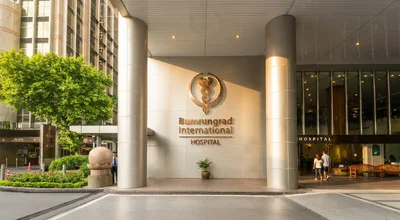
Bumrungrad International Hospital
Tertiary hospital with over 1,200 physicians treating 520,000+ international patients a year.
View hospital profile
Bangkok Hospital
BDMS flagship tertiary campus with standalone heart, cancer, and neuro-orthopaedic hospitals.
View hospital profile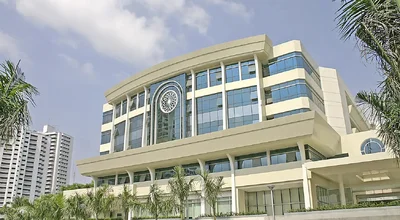
Samitivej Sukhumvit Hospital
Tertiary hospital known for paediatrics, home to Thailand's first private children's hospital.
View hospital profile
Tell Us What You Need. We Do the Rest.
Share what you're considering and we'll come back with surgeon options, pricing, and a clear plan.
- Real hospital pricing with zero markup
- Matched with a specialist experienced in your specific procedure
- Full coordination from consultation to recovery


Trusted by patients worldwide
The complete guide to Pancreatectomy in Thailand
Everything below is for readers who want the full detail: costs broken down, types and techniques, recovery, risks and safety, and planning your trip.
Pancreatectomy Surgeons & Hospitals in Thailand
Pancreatic surgery is the most volume-sensitive operation in abdominal surgery. Choosing the right team is the most consequential decision you will make.
Leading Hospitals in Bangkok
Our partner hospitals have dedicated hepatobiliary and pancreatic surgery units, in-house ICU with ventilatory support, interventional radiology for complication management, and integrated oncology services. They handle the full spectrum of pancreatic surgery including complex vascular reconstructions.
Experienced Hepatobiliary Surgeons
Our partner surgeons hold subspecialty hepatobiliary fellowship training and perform pancreatectomies as a core part of their practice. Several have trained at internationally recognised pancreatic centres before returning to Thailand. The combination of advanced training and consistent surgical volume is what produces reliable outcomes.
What to Look for in a Surgeon
Ask about annual pancreatectomy volume; outcomes improve significantly at centres that perform more of these operations. Verify subspecialty hepatobiliary training. Confirm that every case goes through multidisciplinary tumour board review. Check that the hospital has interventional radiology capability for managing delayed haemorrhage.
Understanding Your Results
Pancreatectomy outcomes are measured by margin status, survival, and functional recovery rather than visible change.
Typical Pancreatectomy Results
R0 resection (complete removal with clear margins) is the primary surgical goal and the strongest predictor of long-term survival. For resectable pancreatic cancer, the outlook is significantly better when the tumour can be completely removed and followed by adjuvant chemotherapy than when the cancer has spread and surgery is not possible5. For benign or low-grade tumours, resection is typically curative.
What Results Can You Expect?
Physical recovery takes months. Digestive function adapts with enzyme supplementation, and most patients learn to manage their diet within the first few weeks. New-onset diabetes may require insulin management. Energy levels improve progressively over three to six months. The key functional outcome is whether you can eat, work, and live normally, and most patients reach that point.
Pancreatectomy Cost in Thailand
Average Cost of Pancreatectomy
Pancreatectomy in Thailand typically costs between $10,000 and $18,000, depending on the type of resection, ICU requirements, and length of hospital stay. Distal pancreatectomies sit at the lower end. Whipple procedures and cases requiring vascular reconstruction cost more.
Cost Breakdown
The total covers the hepatobiliary surgeon's fee, anaesthesia, operating theatre (4–8 hours), ICU and ward stay, pre-operative imaging and staging, pathology with detailed margin assessment, post-operative medications, enzyme supplementation, and drain management. ICU stay is a significant cost component.
What Affects the Price?
The Whipple procedure costs more than distal pancreatectomy because it takes longer, involves more complex reconstruction, and requires a longer hospital stay. Vascular involvement adds operative complexity and time. Extended ICU stays for complications increase the total. Open versus minimally invasive approach also affects theatre time.
Thailand vs International Price Comparison
Pancreatectomy in Thailand costs 50–70% less than equivalent procedures in the US ($30,000–$60,000), Australia (A$25,000–A$50,000), and UK (£22,000–£45,000). For a procedure with inherently high costs, the absolute savings are substantial. Our partner hospitals use the same surgical equipment, stapling devices, and pathology standards.
Types of Pancreatic Surgery
The type of pancreatectomy depends on tumour location within the gland. Head lesions require the Whipple; body and tail lesions require distal resection. The distinction is anatomical, not a matter of preference.
Whipple Procedure (Pancreaticoduodenectomy)
Removes the pancreatic head, duodenum, gallbladder, and part of the bile duct, then reconstructs the digestive tract with three separate joins. The most complex elective abdominal operation. It remains the only potentially curative option for most pancreatic head cancers and periampullary tumours.
- Removes pancreatic head and surrounding structures
- Three-stage digestive reconstruction (pancreas, bile duct, stomach)
- Only curative option for most pancreatic head cancers1
- Best for: tumours in the head of the pancreas or periampullary region
Distal Pancreatectomy
Removes the body or tail of the pancreas, often with the spleen for oncological cases. Technically less complex than the Whipple with no intestinal reconstruction. Spleen-preserving techniques are used for benign or low-grade lesions where possible. Shorter operative time and faster recovery.
- Targets body and tail tumours specifically
- Spleen-preserving option available for benign pathology
- No intestinal anastomosis, lower complication profile than Whipple
- Best for: tumours or cysts in the body or tail of the pancreas
Total Pancreatectomy
Complete removal of the entire pancreas, performed when disease is multifocal or when the pancreatic remnant cannot be safely preserved. Results in insulin-dependent diabetes and lifelong pancreatic enzyme replacement. Reserved for cases where no lesser resection achieves adequate clearance.
Pancreatectomy Techniques
Technique is determined by tumour location, vascular involvement, and fitness. The surgical approach is planned after multidisciplinary review of all imaging and pathology.
Open Pancreatectomy
The standard approach for most Whipple procedures and complex distal resections. A midline or chevron incision provides the surgeon with full access to the pancreas and surrounding vascular structures. Direct visualisation and manual control are essential when the tumour abuts major blood vessels.
- Standard approach for Whipple procedures and complex resections
- Full access to critical vascular structures around the pancreas
- Well-established technique with the most extensive outcome data
- Best for: most pancreatic head cancers and cases with vascular involvement
Laparoscopic Distal Pancreatectomy
Minimally invasive approach using small incisions and camera guidance. Suitable for selected distal resections involving smaller tumours without major vascular involvement. Reduces blood loss, post-operative pain, and hospital stay compared with the open approach.
- Smaller incisions with less post-operative pain
- Reduced blood loss and shorter hospital stay
- Suitable for selected body and tail lesions without vascular involvement
- Best for: smaller distal tumours in accessible locations
Robotic-Assisted Pancreatectomy
A robotic platform provides magnified 3D vision and articulated instruments for precise dissection. Available at Thailand's leading hepatobiliary centres for selected distal pancreatectomies and, increasingly, for Whipple procedures. Enhanced dexterity helps when working around the superior mesenteric vessels.
- Magnified 3D vision with enhanced instrument articulation
- Particularly useful for dissection around superior mesenteric vessels
- Reduced blood loss and potentially shorter recovery
- Best for: selected distal resections and Whipple procedures at high-volume robotic centres
Venous Resection & Reconstruction
When a tumour in the pancreatic head touches or grows into the portal or superior mesenteric vein, the affected segment of vein can be removed en bloc with the gland and the vessel rebuilt, either by joining the cut ends directly or grafting a short interposition. It turns some borderline-resectable cancers into operable ones, and at high-volume centres it does not raise mortality when the right team performs it. It is reserved for venous involvement, not arterial.
- Removes and reconstructs an involved segment of the portal or mesenteric vein
- Can make a borderline-resectable head tumour resectable for cure
- Adds operative time and complexity, so it is done only at high-volume centres
- Best for: pancreatic head cancers that abut or invade the portal or superior mesenteric vein
Pancreatectomy Recovery Timeline
Days 1–3
You recover in intensive care or high-dependency with close monitoring of vital signs, drain output, and blood chemistry. Pain is managed with epidural or patient-controlled analgesia. After an open Whipple or total pancreatectomy this is the most intensive phase, with several days of critical-care support; a laparoscopic or robotic distal resection usually means a shorter critical-care stay, a step down to the ward within a day or two, and earlier sitting out of bed. After a total pancreatectomy an insulin infusion manages blood glucose from the outset, since no pancreatic tissue remains. Nasogastric decompression and intravenous fluids continue until bowel function begins returning.
Days 4–7
You transfer to the surgical ward once stable. Diet advances gradually from clear fluids to soft foods as tolerated. The team monitors drain amylase for a pancreatic fistula, wound healing, and blood glucose. After a laparoscopic distal pancreatectomy many patients are mobile and nearing discharge by now, at the lower end of the seven to fourteen night stay; an open Whipple needs longer inpatient support, and a total pancreatectomy the longest, both toward the upper end of that window, with insulin converted to subcutaneous dosing and enzyme replacement begun before discharge.
Weeks 2–3
You remain in Bangkok for outpatient follow-up including blood work and pathology review. Pancreatic enzyme replacement and dietary guidance are provided; after a total pancreatectomy the insulin regimen is titrated and finalised and you are taught to self-manage it. Your surgeon discusses any need for adjuvant chemotherapy, and oncology referral is coordinated if indicated. Most patients are cleared to fly home toward the end of this window, three to four weeks after surgery.
Weeks 4–12
Recovery continues at home with gradual return to normal activities. Fatigue is expected for several weeks and improves progressively, sooner after a laparoscopic distal resection than after an open Whipple or total pancreatectomy. Regular follow-up with your local oncologist is arranged. Enzyme supplementation is adjusted as dietary tolerance improves; after a total pancreatectomy lifelong insulin and enzyme replacement continue.
When Can You Fly After Pancreatectomy?
Most patients are cleared to fly three to four weeks after surgery, once drains are removed, wound healing is satisfactory, and oral intake is adequate. A fitness-to-fly assessment is performed before departure. We recommend an aisle seat, compression stockings, and regular movement during the flight.
When Can You Return to Work and Exercise?
Desk work may be manageable at six to eight weeks, though fatigue may limit productivity initially. Light walking starts in hospital and increases gradually. Heavy lifting and strenuous exercise should wait twelve weeks. Energy levels improve progressively over several months.
When Will You See Final Results?
Pathology results, the most important output, are typically available within one week. These determine staging, margin status, and whether adjuvant chemotherapy is recommended. Physical recovery takes three to six months. Digestive function normalises with enzyme supplementation, and dietary tolerance improves progressively.
Anaesthesia for Pancreatectomy
Pancreatectomy is performed under general anaesthesia, so you are fully asleep throughout and feel nothing during the operation, which typically runs four to eight hours. A consultant anaesthetist stays with you for the entire procedure, managing your airway, fluids, and vital signs minute by minute. For an operation of this scale the anaesthetic team is as central to your safety as the surgeon, particularly through the longer reconstruction stages of a Whipple.
Because this is major abdominal surgery, the anaesthetist usually places an epidural or sets up patient-controlled analgesia at the same time, so your pain is controlled smoothly from the moment you wake. You move straight to intensive care or a high-dependency unit afterwards, where monitoring continues closely in the first days. The anaesthetic and pain plan is tailored to you and your medical history rather than applied as a fixed routine.
Before surgery you have a thorough pre-operative assessment, including cardiopulmonary fitness testing, blood work, and a review of every medication you take, which the hepatobiliary team uses to confirm you are fit for an operation of this length. You will feel nothing during the procedure itself. Discomfort is real in the first few days afterwards but is actively managed with the epidural or analgesia, and most patients describe it as manageable by the end of the first week.
Risks and Safety of Pancreatectomy
Pancreatectomy is major surgery with a meaningful complication profile. At high-volume centres this surgery is far safer, but complications remain common and some can be serious or life-threatening3. Understanding these numbers honestly is important.
- Pancreatic fistula (leakage from the pancreatic anastomosis, the most common significant complication)
- Delayed gastric emptying (slow return of stomach function, extending hospital stay)
- Post-operative haemorrhage (either early or delayed, occasionally requiring re-intervention)
- Wound or intra-abdominal infection
- New-onset diabetes mellitus (risk depends on the volume of pancreas removed)
- Bile leak from the biliary anastomosis
- Blood clots requiring prophylactic anticoagulation
Volume is the single most important safety factor. Published data consistently shows lower mortality at hospitals that perform more of these operations. Every case at our partner hospitals is reviewed by a multidisciplinary team, and pre-operative nutritional optimisation reduces complication rates.
Is Pancreatectomy Safe in Thailand?
Yes, at the right hospital. Mortality rates for Whipple procedures at our partner high-volume centres are comparable to published data from major Western hepatobiliary units. The critical factors are surgeon subspecialisation, ICU capability, and case volume. Thailand's leading hepatobiliary centres meet all three criteria.
How to Reduce Your Risk
Choose a JCI-accredited hospital with a dedicated hepatobiliary unit performing pancreatectomies at high volume. Verify your surgeon's subspecialty training in hepatobiliary surgery. Optimise nutrition before travel; pre-operative albumin levels correlate directly with complication rates. Stop smoking at least four weeks before surgery.
When Is Further Treatment Needed?
Adjuvant chemotherapy is recommended for most pancreatic cancers after surgical resection. The standard regimen is up to six months of systemic chemotherapy4, which can be initiated in Thailand or coordinated with your home oncologist. The oncology team prepares a detailed treatment plan based on final pathology.
Planning Your Trip to Thailand for Pancreatectomy
Pancreatectomy requires the longest stay of any procedure on this site. Plan for 21–30 days minimum.
How Long to Stay in Thailand
Twenty-one to thirty days covers pre-operative staging (two to three days), the operation itself, seven to fourteen days of inpatient recovery, and outpatient follow-up including pathology review and enzyme adjustment. Some patients with straightforward recoveries leave earlier; complex cases or those requiring early adjuvant therapy may stay longer.
What's Included in a Medical Trip
Your care coordinator handles surgery scheduling, hospital transfers, and all follow-up appointments. The quote covers surgeon fees, anaesthesia, ICU and ward stay, all imaging and staging, pathology, enzyme support, and aftercare. Flights and accommodation are booked separately, with nearby hotel recommendations provided.
Recovery in Bangkok vs Phuket
Bangkok is the only option for pancreatectomy recovery. You need to be close to your hepatobiliary team for drain management, blood tests, pathology review, and any complication assessment. This is major surgery; proximity to the hospital is essential throughout the entire recovery period.
Related Procedures
Other procedures that address similar goals or conditions, in case one of them is a closer fit for you.
Planning your treatment in Thailand
Independent guides to help you weigh the decision, before you commit to anything.
Common Questions About Pancreatectomy
Everything you need to know before your procedure

Medical References
- Whipple Procedure What It Is, Surgery Steps & Recovery (Cleveland Clinic)
- Pancreatectomy Surgery, Removal of Pancreas (Cleveland Clinic)
- Problems after pancreatic cancer surgery (Cancer Research UK)
- Chemotherapy for pancreatic cancer (Cancer Research UK)
- Survival for pancreatic cancer (Cancer Research UK)
Keep researching with AI
Open this guide in your AI assistant to dig deeper and ask the questions it didn't answer.
Opens in a new tab with this guide already loaded.
Medical disclaimer: Content on this site is provided for informational purposes and should not be treated as medical advice. Outcomes, timelines, and eligibility differ from person to person. Consult a qualified medical professional before making any decisions about surgery or treatment.
Ready to Get Started?
Speak with our care coordinators for a free, no-obligation consultation and personalised quote.
Speak to Our Team