Fundoplication in Thailand Your guide to cost, top specialists & hospitals
Ending years of reflux medication with a single operation is a straightforward decision for most patients.
What Is Fundoplication?
Also known as: Acid Reflux Surgery · Laparoscopic Fundoplication (Nissen · Toupet)
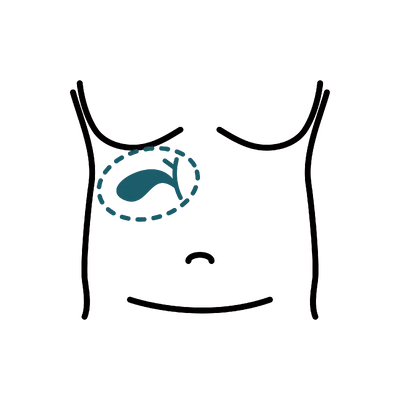
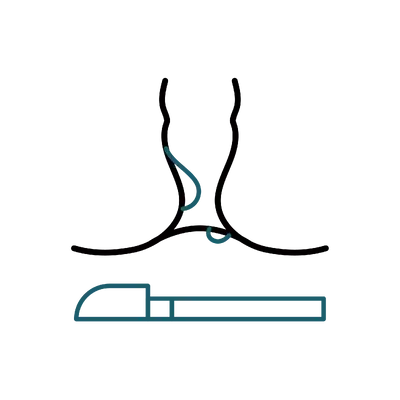
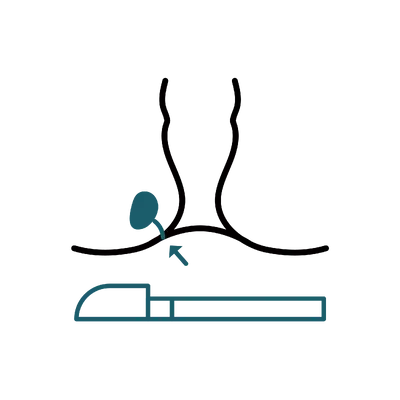
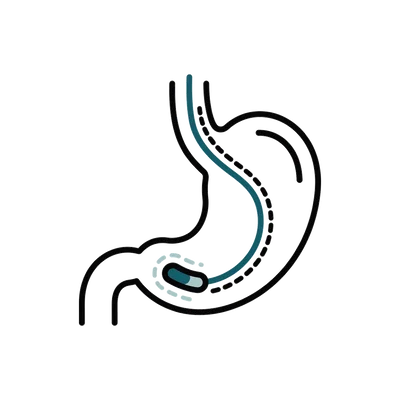
Fundoplication is surgery that treats acid reflux by wrapping part of the upper stomach around the lower oesophagus to rebuild a one-way valve. That wrap, full Nissen or partial Toupet, tightens the barrier so acid stops washing back up. It is the established option for gastro-oesophageal reflux disease, or GORD, that medication and lifestyle changes have not controlled. It is usually done laparoscopically, through a few small incisions under general anaesthesia1,2, in about one to two hours.
Reflux that has been with you for years can feel like part of daily life, and surgery for it is a big step. The right wrap depends on tests of how your oesophagus moves and how much acid it is exposed to, not on guesswork. Your surgeon reviews those results and explains why a particular approach fits.
Honest expectations matter. For most people the heartburn settles quickly and they come off daily medication, though results vary and some need it again over time. Surgery suits confirmed acid reflux best, so a thorough workup before you commit is part of getting it right, and that is where a consultation begins.
It can address a range of concerns, including:
Am I a Good Candidate for Fundoplication?
Good candidates are defined by test results rather than symptoms: proven acid reflux, workable motility, and medication that has genuinely failed.
Objective testing decides whether a wrap will help at all, which is why surgeons insist on it.
24-hour pH monitoring: Confirms true acid exposure; operating on symptoms alone risks fixing the wrong diagnosis.
Endoscopy findings: GORD should be confirmed, and if Barrett's oesophagus is found, the surveillance plan is agreed before any anti-reflux procedure.
Ruling out mimics: Functional heartburn and eosinophilic oesophagitis can imitate reflux, and a wrap can make those conditions worse rather than better.
Manometry results determine which wrap suits you, or whether a wrap suits you at all.
Normal or near-normal motility: Supports a full Nissen 360-degree wrap, which gives the strongest reflux control.
Impaired or borderline motility: Points towards a Toupet 270-degree partial wrap, trading a little reflux control for less swallowing difficulty.
Alternatives considered: Selected patients who want a reversible option may suit the Linx magnetic device instead of a wrap.
Surgery is for reflux that medication cannot adequately control, and that history is checked.
Proton pump inhibitors tried: Persistent heartburn despite maximum-dose PPIs is the classic surgical trigger.
Breakthrough symptoms: Regurgitation disrupting sleep, or swallowing difficulty from oesophageal inflammation, strengthens the case.
Concern about dependence: Wanting off long-term acid suppression is a legitimate reason, provided the testing confirms surgery will actually deliver that.
The wrap works, but candidates should know the honest long-term numbers and the early adjustment period.
70-85% off medication at five years: By ten years and beyond, 30-50% have resumed some PPI use; surgery substantially reduces rather than always eliminates medication.
Early swallowing tightness: Common for the first few weeks as the wrap settles, with smaller meals and soft foods during the transition.
Lifestyle commitment: Weight, late meals, and smoking changes protect the repair long-term and are part of the deal.
Who is not suitable for fundoplication?
- No 24-hour pH monitoring or manometry results yet
- Functional heartburn or eosinophilic oesophagitis rather than confirmed acid reflux
- Barrett's oesophagus until the surveillance plan is agreed
- Not yet committed to the lifestyle changes that protect the wrap
- Achalasia or severe named oesophageal dysmotility, where a full wrap is unsuitable
Pricing
How Much Will Fundoplication Cost in Thailand?
What fundoplication costs at accredited hospitals in Thailand, and what your final quote depends on.
Get your exact price
Tell us what you're considering and we'll send a personalised quote from accredited hospitals within 24 hours.
Get my free quoteTypical prices in Thailand
Typical ranges based on recent hospital quotes. Your exact price depends on the hospital and how complex your case is, and is confirmed at your teleconsultation.
Fundoplication
Part of the upper stomach is wrapped around the base of the oesophagus to rebuild the valve that keeps acid down.
| Laparoscopic Nissen fundoplication, 360-degree wrap 1 to 2 nights Stomach wrapped fully around the oesophagus, for confirmed reflux where manometry shows normal oesophageal movement | $4,000 to $5,200 ฿136,000 to ฿176,800 |
| Laparoscopic Toupet fundoplication, 270-degree wrap 1 to 2 nights Wrap taken partway round the back of the oesophagus, for reflux with weak or borderline oesophageal movement | $4,500 to $5,800 ฿153,000 to ฿197,200 |
| Robotic-assisted fundoplication with hiatus hernia repair 1 to 2 nights Wrap and diaphragm repair done together on a robotic platform, for reflux with a large hiatus hernia | $5,500 to $7,200 ฿187,000 to ฿244,800 |
Typically not included
- The Linx magnetic device, if you and your surgeon settle on it instead of a wrap, quoted once the sizing is confirmed
- Treatment of a complication, including any unplanned return to theatre
- Mesh reinforcement of the diaphragm, used where a large hiatus hernia will not hold on sutures alone, decided during surgery
- Intensive care, or hospital nights beyond the one to two included in your package
- Pathology and pathologist charges on anything biopsied during your endoscopy
Get your exact price
Tell us what you're considering and we'll send a personalised quote from accredited hospitals within 24 hours.
Hospitals Trusted for Fundoplication
From internationally accredited flagships to dedicated specialist hospitals, these are the kinds of facilities where international patients have this procedure.

Bumrungrad International Hospital
Tertiary hospital with over 1,200 physicians treating 520,000+ international patients a year.
View hospital profile
Bangkok Hospital
BDMS flagship tertiary campus with standalone heart, cancer, and neuro-orthopaedic hospitals.
View hospital profile
Samitivej Sukhumvit Hospital
Tertiary hospital known for paediatrics, home to Thailand's first private children's hospital.
View hospital profile
Tell Us What You Need. We Do the Rest.
Share what you're considering and we'll come back with surgeon options, pricing, and a clear plan.
- Real hospital pricing with zero markup
- Matched with a specialist experienced in your specific procedure
- Full coordination from consultation to recovery


Trusted by patients worldwide
The complete guide to Fundoplication in Thailand
Everything below is for readers who want the full detail: costs broken down, types and techniques, recovery, risks and safety, and planning your trip.
Fundoplication Surgeons & Hospitals in Thailand
Anti-reflux surgery is subspecialty work. The surgeon's upper-GI experience and access to proper diagnostic equipment are what matter most.
Leading Hospitals in Bangkok
Our partner hospitals have dedicated upper-GI surgical teams with in-house oesophageal physiology laboratories for manometry and pH monitoring. This is important: the pre-operative workup determines the entire surgical plan, and it needs to be performed accurately and interpreted by the same team that operates.
Experienced Upper-GI Surgeons
Our partner surgeons hold board certification with specific training in upper-gastrointestinal and anti-reflux surgery. Many have completed fellowships at specialist centres in Europe or Asia. High surgical volume combined with proper patient selection is what produces the 90%+ satisfaction rates seen in the published literature.
What to Look for in a Surgeon
Ask whether the surgeon performs all three diagnostic tests (endoscopy, manometry, pH monitoring) before recommending surgery. A surgeon who will operate based on symptoms alone, without confirming objective acid exposure, is not following current evidence. Ask about their wrap selection criteria and how they decide between Nissen and Toupet.
Understanding Your Results
The result of fundoplication is functional rather than cosmetic: symptom resolution, medication cessation, and improved quality of life.
Typical Fundoplication Results
The primary outcome is elimination of acid reflux symptoms and cessation of proton pump inhibitor medication. At five years, 70–85% of patients remain off daily acid-suppression medication; by 10 years and beyond, 30–50% have resumed some PPI use, often due to wrap loosening or new symptoms. Surgery substantially reduces, but does not always permanently eliminate, the need for medication. Secondary benefits include resolution of reflux-related cough, laryngitis, and sleep disturbance. The small laparoscopic scars are near-invisible within months.
What Results Can You Expect?
Heartburn and regurgitation stop almost immediately. Swallowing tightness during the first few weeks is normal and resolves as the wrap settles. Some patients notice temporary bloating or difficulty with large meals; eating smaller portions initially helps. By three months, most patients eat and drink normally without restriction.
Fundoplication Cost in Thailand
Average Cost of Fundoplication
Fundoplication in Thailand typically costs between $4,000 and $7,200 all-inclusive. Standard laparoscopic Nissen and Toupet procedures make up the lower half of that range. Revision surgery or cases with large hiatus hernias cost more due to longer operative time and technical complexity.
Cost Breakdown
The total covers the surgeon's fee, anaesthesia, operating theatre, one to two nights of hospital stay, pre-operative diagnostics (endoscopy, manometry, pH monitoring), and aftercare. The pre-operative workup is a significant component; these tests are essential for confirming suitability and are included in the all-inclusive price.
What Affects the Price?
The main variables are whether a hiatus hernia repair is combined with the fundoplication, whether this is a primary or revision case, and the hospital chosen. Revision surgery costs more because scar tissue makes the operation longer and technically more demanding. The Linx device adds the cost of the implant itself.
Thailand vs International Price Comparison
Fundoplication in Thailand costs 50–70% less than equivalent procedures in the US ($12,000–$24,000), Australia (A$10,000–A$20,000), and UK (£8,800–£18,000). The savings reflect lower local operating costs. The same endoscopic, manometric, and laparoscopic equipment is used at our partner hospitals.
Surgery vs Medication for Acid Reflux
For most people, reflux is managed without an operation first. Lifestyle measures (losing weight, eating earlier, raising the head of the bed, cutting back on alcohol and trigger foods) and acid-suppressing medication, usually a proton pump inhibitor, control symptoms well for the majority and are rightly the first step. Surgery is not a replacement for trying these properly.
The catch is that medication manages reflux rather than fixing the weak valve causing it, so it works only while you keep taking it, and symptoms tend to return when you stop. For some people that is a fine long-term arrangement; for others it means daily tablets indefinitely, breakthrough regurgitation despite a full dose, or unease about staying on acid suppression for decades. PPIs also do little for the volume regurgitation of a large hiatus hernia, where the problem is mechanical.
Fundoplication is the right route when properly trialled medication and lifestyle changes have not brought confirmed acid reflux under control, or when you want a lasting fix rather than an open-ended prescription. Because it rebuilds the valve itself, it can end the dependence on daily medication, which is what the rest of this page covers. The deciding factor is objective testing, not how long you have had symptoms.
Types of Anti-Reflux Surgery
The wrap configuration depends on your oesophageal motility results. Getting this decision right is what separates a good outcome from a side-effect-heavy one.
Nissen Fundoplication (360° Wrap)
The most widely performed anti-reflux operation. The fundus is wrapped completely around the lower oesophagus, creating a robust one-way valve. Delivers the strongest reflux control and over 90% long-term patient satisfaction. Preferred when oesophageal motility is normal.
- Complete 360-degree wrap for maximum reflux control
- Best long-term satisfaction rates of all anti-reflux procedures
- Gold-standard technique with decades of outcome data
- Best for: patients with normal oesophageal motility and confirmed acid reflux
Toupet Fundoplication (270° Partial Wrap)
A partial posterior wrap that leaves the front of the oesophagus unwrapped. Provides effective reflux control with lower rates of post-operative dysphagia and gas bloating. The trade-off is slightly less robust reflux prevention than a full wrap.
- Partial wrap reduces swallowing difficulty after surgery
- Lower incidence of gas-bloat syndrome compared with full wrap
- Effective option when motility is impaired or borderline
- Best for: patients with oesophageal dysmotility or concerns about swallowing difficulty
Linx Magnetic Sphincter Augmentation
A ring of titanium beads with magnetic cores placed around the lower oesophageal sphincter. Magnetic attraction keeps the sphincter closed to prevent reflux but opens when you swallow. Minimally invasive, reversible, and well suited to selected patients who want an alternative to a wrap.
- Implantable magnetic ring augments the natural sphincter
- Preserves ability to belch and vomit (unlike some wrap configurations)
- Reversible: device can be removed if needed
- Best for: patients seeking a less-invasive, reversible anti-reflux option
Fundoplication Techniques
The surgical technique is determined by your manometry and pH results, not by surgeon preference alone. Here is what each approach involves.
Laparoscopic Approach
All modern fundoplications are performed laparoscopically, through five small incisions with camera guidance. The operating time is one to two hours and the hospital stay is one to two nights. You are walking the same day and back to light daily activity within a few days, with full recovery over about four to six weeks as your diet returns to normal. Open anti-reflux surgery has been almost entirely replaced by the laparoscopic approach.
- Five small incisions of 5–12 mm each
- Magnified camera view for precise wrap placement
- One to two night hospital stay with rapid mobilisation
- Best for: virtually all fundoplication candidates
Hiatus Hernia Repair (Combined)
Many patients with GORD also have a hiatus hernia, where the stomach pushes up through the diaphragm and weakens the anti-reflux barrier. The hernia is repaired at the same time as the fundoplication by reducing the stomach back into the abdomen and reinforcing the diaphragmatic opening with sutures.
- Reduces the herniated stomach and repairs the diaphragmatic defect
- Performed during the same operation as the fundoplication
- Addresses both the anatomical defect and the reflux mechanism
- Best for: patients with GORD and a coexisting hiatus hernia
Revision Anti-Reflux Surgery
If a previous fundoplication has failed (wrap disruption, recurrent symptoms, or severe dysphagia) revision surgery can redo or modify the wrap. These cases are technically more demanding because of scar tissue and altered anatomy, and should be handled by surgeons with specific revision experience.
- Addresses failed or symptomatic previous fundoplication
- Technically more complex due to scar tissue
- May involve converting wrap type or repositioning the repair
- Best for: patients with recurrent symptoms or complications after prior anti-reflux surgery
Robotic-Assisted Fundoplication
The same laparoscopic wrap performed with a surgeon-controlled robotic platform. The instruments articulate like a wrist and the camera gives a magnified three-dimensional view, which can help with the precise suturing the wrap and any hiatus hernia repair require. It is most often chosen for larger hiatus hernias and revision cases, where the extra dexterity in a confined space is most useful.
- Surgeon-controlled robotic instruments with wristed movement
- Magnified three-dimensional view for precise suturing
- Particularly suited to large hiatus hernias and revision cases
- Best for: complex hiatus hernia repairs or revision anti-reflux surgery
Fundoplication Recovery Timeline
Day 1
You wake from anaesthesia and begin sipping clear fluids within a few hours. Pain is managed with oral medication and is typically mild. Walking is encouraged the same day. The surgical team monitors for any swallowing difficulty or excessive bloating.
Days 2–3
Days 4–10
You recover at your Bangkok accommodation, following the soft diet as instructed. Light walking and gentle daily activities are fine. A follow-up appointment checks wound healing and swallowing progress, and clears you for the return flight.
Weeks 2–4
Back home, you gradually transition from soft foods to a normal diet over about four to six weeks. Temporary bloating or swallowing tightness is common during this transition and typically resolves within the first month. Heavy lifting and strenuous exercise should be avoided for around six weeks. Driving can resume once you are off prescription pain medication and can brake sharply without abdominal discomfort, usually around one to two weeks.
When Can You Fly After Fundoplication?
Most patients can fly home seven to ten days after surgery, once swallowing is comfortable and wound healing is confirmed. Cabin pressure is safe at this stage. Take small sips of water during the flight, avoid carbonated drinks, and eat lightly before boarding.
When Can You Return to Work and Exercise?
Desk work typically resumes within seven to ten days. Light walking starts on day one. Driving can restart once you are off prescription pain medication and can perform an emergency stop without abdominal discomfort, usually around one to two weeks. Heavy lifting and strenuous exercise should wait around six weeks. The main adjustment during the first month is dietary: eating smaller, more frequent meals and avoiding hard or dry foods until swallowing normalises.
When Will You See Final Results?
Reflux symptoms improve immediately after surgery. Temporary swallowing tightness is common for the first few weeks as the wrap settles. By three months, most patients eat normally, have stopped all reflux medication, and notice no residual bloating. At five years, 70–85% of patients remain off daily acid-suppression medication; longer follow-up (10 years and beyond) shows 30–50% have resumed some PPI use, often due to wrap loosening or new symptoms.
Anaesthesia for Fundoplication
Laparoscopic fundoplication is performed under general anaesthesia, so you are fully asleep throughout and feel nothing during the operation. A consultant anaesthetist stays with you for the whole procedure and monitors you continuously, which is standard at the accredited hospitals we work with. Because the surgeon works inside the abdomen and inflates it with gas to create space, general anaesthesia is the only safe option here; there is no awake or sedation-only version of this surgery.
The anaesthetist also manages your breathing while the abdomen is inflated and places a breathing tube once you are asleep, removing it before you wake. Your medical history, any reflux medication you take, and the results of your pre-operative workup are all reviewed beforehand, so the anaesthetic is planned around you rather than applied to a template.
Before you are cleared you have a pre-operative assessment, including blood tests and a check of your heart and lungs, and you fast for around eight hours so the stomach is empty. You feel nothing during surgery. Afterwards, discomfort is usually mild: some tenderness around the small incision sites and a little shoulder-tip ache from the residual gas, both of which settle within a few days and are well controlled with the medication your surgeon prescribes.
Risks and Safety of Fundoplication
Laparoscopic fundoplication has a strong safety profile and low complication rates. The most discussed side effects relate to swallowing rather than surgical complications.
- Temporary difficulty swallowing (dysphagia), the most common early side effect, usually resolving over the first few months3,1
- Gas-bloat syndrome (inability to belch effectively, causing abdominal bloating)1,4
- Inability to vomit (the wrap can prevent this, which matters if you are prone to nausea)4,1
- Wrap migration or disruption (uncommon)
- Oesophageal or gastric perforation during the wrap (uncommon but the most serious intraoperative risk, occasionally requiring emergency re-operation)
- Vagal nerve injury, which can cause delayed stomach emptying (gastroparesis), early fullness, or diarrhoea
- Port-site hernia at one of the small incisions
- Wound infection at port sites
- Recurrence of reflux symptoms over time
The most important risk factor is patient selection. A fundoplication performed on a patient with functional heartburn (no true acid reflux on pH testing) will not help, and may create new symptoms. Thorough pre-operative testing is the best risk-reduction strategy.
Is Fundoplication Safe in Thailand?
Yes. Laparoscopic fundoplication at a JCI-accredited Thai hospital follows the same surgical protocols and uses the same equipment as leading Western upper-GI centres. Our partner surgeons are board-certified with specific anti-reflux surgical experience. The key safety factor is patient selection; thorough pre-operative testing ensures the procedure is appropriate.
How to Reduce Your Risk
Insist on full pre-operative testing: endoscopy, oesophageal manometry, and 24-hour pH monitoring. If any provider offers fundoplication without these tests, walk away. Choose a surgeon with specific upper-GI or anti-reflux experience, not a general laparoscopic surgeon. Discuss the wrap type in relation to your motility results.
When Is Revision Surgery Needed?
Revision is considered if the wrap disrupts (causing recurrent reflux) or if persistent dysphagia does not resolve after several months. Repeat surgery is uncommon, needed in fewer than 1 in 10 cases if the wrap slips or loosens4,2. The important thing is to give the wrap time to settle; most early swallowing difficulty resolves by three months without intervention.
Planning Your Trip to Thailand for Fundoplication
Most patients need seven to ten days in Thailand. Here is how to plan the trip and what to expect at each stage.
How Long to Stay in Thailand
Seven to ten days covers the full trip. Days one and two handle consultation, endoscopy, manometry, and pH monitoring. Surgery follows on day three or four. One to two nights in hospital, then hotel recovery with a follow-up appointment before clearance to fly. If a 24-hour pH study is needed, add one extra day for the test.
What's Included in a Medical Trip
Your care coordinator arranges all diagnostic tests, surgery scheduling, and follow-up appointments. The quote covers surgeon fees, anaesthesia, hospital stay, endoscopy, manometry, pH monitoring, and aftercare. Flights and accommodation are booked separately, with nearby hotel recommendations provided.
Recovery in Bangkok vs Phuket
Bangkok is the practical choice. You need proximity to the hospital for the diagnostic workup (which involves multiple appointments) and the post-operative follow-up. The dietary restrictions during early recovery are easier to manage when you are near the hospital team who can answer questions about what you should and should not eat.
Related Procedures
Other procedures that address similar goals or conditions, in case one of them is a closer fit for you.
Planning your treatment in Thailand
Independent guides to help you weigh the decision, before you commit to anything.
Common Questions About Fundoplication
Everything you need to know before your procedure

Medical References
Keep researching with AI
Open this guide in your AI assistant to dig deeper and ask the questions it didn't answer.
Opens in a new tab with this guide already loaded.
Medical disclaimer: Content on this site is provided for informational purposes and should not be treated as medical advice. Outcomes, timelines, and eligibility differ from person to person. Consult a qualified medical professional before making any decisions about surgery or treatment.
Ready to Get Started?
Speak with our care coordinators for a free, no-obligation consultation and personalised quote.
Speak to Our Team