Colorectal Surgery in Thailand Your guide to cost, top specialists & hospitals
Dealing with it properly now means getting your life back sooner, not later.
What Is Colorectal Surgery?
Also known as: Bowel Surgery · Colectomy · Colorectal Resection
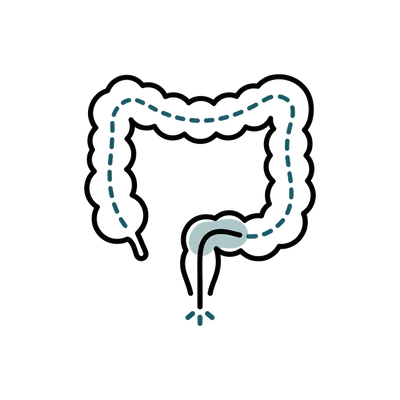
Colorectal surgery is an operation that treats disease of the colon or rectum by removing the affected segment of bowel and rejoining the healthy ends, a connection called an anastomosis. It is used for bowel cancer, diverticular disease that keeps flaring, and inflammatory bowel disease that no longer responds to medication, and for cancer it also clears the nearby lymph nodes. It usually takes about 2 to 4 hours under general anaesthesia.
Hearing that you need bowel surgery is frightening, and much of that fear is simply not knowing what it involves. Your surgeon plans it around your scans, your diagnosis, and where the disease sits. Many operations now use keyhole or robotic techniques, meaning smaller cuts and a steadier recovery than open surgery.
For cancer, the aim is to remove the disease completely with clear margins, and how well that succeeds depends largely on the stage at which it is found. Results vary, and the final pathology gives the full picture, including whether further treatment is advised. A consultation is where your own staging and realistic outlook are talked through.
It can address a range of concerns, including:
Am I a Good Candidate for Colorectal Surgery?
Suitability hinges on complete staging, fitness for major surgery, and arriving at theatre nutritionally ready to heal a bowel join.
The operation is only planned once the disease has been fully mapped.
Confirmed pathology: Bowel disease is established on colonoscopy, biopsy, or imaging before surgery is discussed.
Complete staging: For cancer, CT chest, MRI rectum, or PET must exclude metastatic disease before resection is the right move.
MDT sequencing: Rectal cancers go to multidisciplinary review first, because neoadjuvant chemoradiotherapy may need to come before surgery rather than after.
The bowel join heals on protein and reserves, so nutrition is a genuine selection factor.
Albumin and weight: Low pre-operative albumin or significant weight loss raises anastomotic leak risk, and optimisation comes first.
Protein-rich preparation: Surgeons ask candidates to build nutrition in the weeks before travel.
Enhanced recovery readiness: Following the protocol on early mobilisation and diet advancement is part of being a good candidate, not an optional extra.
This is major abdominal surgery under general anaesthesia, and the assessment reflects that.
Cardiac assessment: A formal cardiac workup is part of the standard pre-operative tests.
Disease control: Active inflammatory bowel disease needs settling first, because the surgical plan can change once flares are controlled.
Four weeks smoke-free: Stopping smoking at least four weeks before surgery is a stated requirement, not advice.
Candidates do best when they understand the recovery arc and the possible detours.
A possible temporary stoma: Some low rectal cancers need a protective stoma, typically reversed after six to twelve weeks; permanent stomas are uncommon.
14-21 days in Thailand: Four to seven nights in hospital, then outpatient recovery and pathology review before flying.
Bowel function adapts: Frequency may increase temporarily and usually normalises within a few months; final pathology decides whether chemotherapy follows.
Who is not suitable for colorectal surgery?
- Incomplete staging until CT chest, MRI rectum, or PET is done
- Rectal cancer awaiting MDT review on neoadjuvant chemoradiotherapy
- Low albumin or significant weight loss until nutrition is optimised
- Active inflammatory bowel disease not yet controlled
- Smoking within four weeks of surgery
Pricing
How Much Will Colorectal Surgery Cost in Thailand?
What colorectal surgery costs at accredited hospitals in Thailand, and what your final quote depends on.
Get your exact price
Tell us what you're considering and we'll send a personalised quote from accredited hospitals within 24 hours.
Get my free quoteTypical prices in Thailand
Typical ranges based on recent hospital quotes. Your exact price depends on the hospital and how complex your case is, and is confirmed at your teleconsultation.
Colorectal Surgery
One side of the colon is removed and the healthy ends are rejoined, treating cancer or disease in that segment of bowel.
| Robot-assisted hemicolectomy 6 nights One side of the colon removed through a surgical console, with the bowel rejoined | $32,100 ฿1,093,000 |
Typically not included
- Any chemotherapy or radiotherapy the final pathology leads to, which on a cancer resection is the largest cost sitting behind the surgery
- Intensive care, and any night in hospital beyond the six the package covers
- Laboratory tests and other investigations, including the CT, MRI and colonoscopy your staging rests on
- Pathology and pathologist charges, which after a cancer resection are not optional and cover margin and lymph node assessment
- Pre-operative medical clearance and fitness assessment
- Any other resection such as a rectal, total or laparoscopic operation, which is quoted individually after your scans are reviewed
Get your exact price
Tell us what you're considering and we'll send a personalised quote from accredited hospitals within 24 hours.
Hospitals Trusted for Colorectal Surgery
From internationally accredited flagships to dedicated specialist hospitals, these are the kinds of facilities where international patients have this procedure.
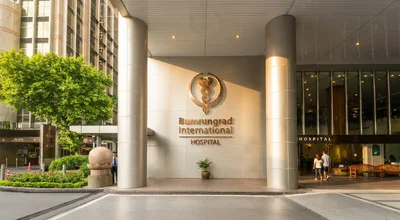
Bumrungrad International Hospital
Tertiary hospital with over 1,200 physicians treating 520,000+ international patients a year.
View hospital profile
Bangkok Hospital
BDMS flagship tertiary campus with standalone heart, cancer, and neuro-orthopaedic hospitals.
View hospital profile
Samitivej Sukhumvit Hospital
Tertiary hospital known for paediatrics, home to Thailand's first private children's hospital.
View hospital profile
Tell Us What You Need. We Do the Rest.
Share what you're considering and we'll come back with surgeon options, pricing, and a clear plan.
- Real hospital pricing with zero markup
- Matched with a specialist experienced in your specific procedure
- Full coordination from consultation to recovery


Trusted by patients worldwide
The complete guide to Colorectal Surgery in Thailand
Everything below is for readers who want the full detail: costs broken down, types and techniques, recovery, risks and safety, and planning your trip.
Colorectal Surgeons & Hospitals in Thailand
For colorectal surgery, particularly cancer operations, the surgeon's subspecialty training and case volume are the most important variables you can control.
Leading Hospitals in Bangkok
Our partner hospitals are JCI-accredited with dedicated colorectal and gastrointestinal surgery departments, robotic surgical platforms, on-site pathology, and integrated oncology services. They handle the full range of colorectal operations (elective and emergency) and have in-house ICU capability for complex cases.
Experienced Colorectal Surgeons
Our partner surgeons hold board certification with subspecialty colorectal training. Many have completed international fellowships in laparoscopic and robotic colorectal surgery. The combination of formal subspecialty training and the high surgical volume that Thailand's hospitals offer is what produces reliable oncological outcomes.
What to Look for in a Surgeon
Subspecialty colorectal training is the first filter; not every general surgeon should be performing cancer resections. Ask about lymph node harvest numbers and oncological margin rates, as these are the metrics that matter for cancer outcomes. For rectal surgery, ask specifically about the surgeon's experience with total mesorectal excision and nerve-sparing technique.
Understanding Your Results
Colorectal surgery outcomes are measured by disease clearance, bowel function, and long-term survival rather than visible cosmetic change.
Typical Colorectal Surgery Results
Complete disease clearance with clear surgical margins is the primary goal for cancer cases. Bowel function recovers over several weeks as the remaining bowel adapts. Laparoscopic and robotic approaches leave small scars that heal well. For non-cancer conditions like diverticular disease, the relief from recurrent attacks is usually immediate and lasting.
What Results Can You Expect?
Survival outcomes depend strongly on stage at diagnosis. Stage I colorectal cancer has a 5-year survival of around 90%; Stage II around 85%; Stage III around 65%; Stage IV around 10% (improving with newer systemic therapies).2 Your surgical and oncology team will discuss the specific outlook based on staging from your imaging and pathology. For diverticular disease, removal of the affected segment eliminates the source of recurrent attacks. Bowel frequency may increase temporarily after surgery but usually normalises within a few months as the remaining bowel compensates.
Colorectal Surgery Cost in Thailand
Average Cost of Colorectal Surgery
Our partner hospital quotes one colorectal resection, a robot-assisted hemicolectomy at ฿1,093,000, which is about $32,147 at 34 baht to the dollar. It includes six nights on the ward and is current to the end of 2026. A hemicolectomy removes one side of the colon and rejoins the healthy ends, so that figure is the price of that operation and no other. Rectal operations such as low anterior resection or abdominoperineal resection are not covered, and neither is a total colectomy or a laparoscopic version of the same resection. Those are priced individually once a surgeon has your staging.
Cost Breakdown
The package covers the surgeon's fee, the robotic platform and theatre, the anaesthetist and monitoring through what is a long operation, and six nights of nursing care. A good deal sits outside it. Pathology is the one to plan for, because after a cancer resection the histology and lymph node count are what determine your stage and whether chemotherapy follows, and they are charged separately. Pre-operative staging, laboratory work, any consultant other than the operating surgeon, and any intensive care or additional night are also billed on top.
What Affects the Price?
With a single figure there is no menu to choose from, so the variables are all in what surrounds it. The length of stay is the first. Six nights are built in, and a slower recovery or a spell in intensive care is charged beyond that. The second is staging and pathology, which for a cancer case is substantial and unavoidable. The third is whether your disease actually matches this operation. A tumour in the rectum rather than the colon needs a different resection, which is quoted individually, and the gap between a hemicolectomy and pelvic surgery is wide enough that you should not budget from this figure.
Thailand vs International Price Comparison
At roughly $32,147 this package sits inside the US range of $18,000 to $36,000, well above its floor and a little under its ceiling, and near the top of the UK range of £13,200 to £27,000 once converted. Major cancer surgery with a robotic platform and six nights of inpatient care is expensive wherever it is done, and this is the premium end of Thailand's private market priced for patients who fly in. Prices for the same resection vary substantially between hospitals here, including between branches of the same network, so this figure is one hospital's quote rather than what colorectal surgery costs in Thailand. What it buys is JCI accreditation, on-site pathology and oncology, tumour board review, and a date measured in weeks.
Types of Colorectal Surgery
The specific operation depends on the disease location and the underlying diagnosis. Here are the main categories. Each involves removing a different segment of the bowel.
Right Hemicolectomy
Removes the ascending colon and caecum, typically for cancers or large polyps on the right side. The small bowel is reconnected to the transverse colon. One of the more straightforward colorectal resections, often performed laparoscopically with a short hospital stay.
- Targets right-sided colon cancers and large polyps
- Laparoscopic approach standard for most cases
- Bowel function recovers relatively quickly
- Best for: tumours or disease in the caecum or ascending colon
Left / Sigmoid Colectomy
Removes the descending or sigmoid colon, the most common site for diverticular disease and many left-sided cancers. The remaining colon is joined to the upper rectum. Often performed for recurrent diverticulitis that has caused stricture or abscess.
- Addresses left-sided cancers and complicated diverticular disease
- Primary anastomosis avoids the need for a stoma in most cases
- Well suited to laparoscopic or robotic approach
- Best for: sigmoid diverticulitis, left-sided tumours, or strictures
Low Anterior Resection / TME
Removes the rectum for rectal cancer with total mesorectal excision, the critical technique for achieving clear margins and preserving nerve function. The colon is joined to the remaining rectal stump. A temporary stoma may protect the anastomosis and is reversed weeks later.
- Gold-standard technique for rectal cancer with nerve-sparing intent
- Robotic platforms improve precision in the narrow pelvis
- Temporary stoma may be needed and is typically reversed at 6–12 weeks
- Best for: mid and low rectal cancers requiring precise pelvic dissection
Abdominoperineal Resection (APR)
Removes the lower rectum and the anus together when a cancer sits too low to leave a working sphincter behind. Because there is no rectal stump to rejoin, the bowel is brought out as a permanent end colostomy. It is reserved for very low rectal tumours where preserving continence is not possible, and the choice between APR and a sphincter-sparing resection is always discussed in detail beforehand.
- Used for very low rectal cancers involving or close to the anal sphincter
- Results in a permanent colostomy rather than a bowel join
- Often performed laparoscopically or robotically for the abdominal portion
- Best for: low rectal tumours where the sphincter cannot be safely preserved
Colorectal Surgery Techniques
Technique choice depends on disease location, tumour staging, and the patient's surgical history. All three approaches achieve equivalent oncological outcomes when performed by experienced colorectal surgeons.
Laparoscopic Colectomy
The standard minimally invasive approach for most colorectal resections. Several small incisions and a camera guide the dissection, reducing tissue trauma and speeding bowel recovery.3 Published trials confirm equivalent cancer outcomes to open surgery with shorter hospital stays.
- Reduced post-operative pain and smaller incisions
- Faster return of bowel function compared with open surgery
- Equivalent oncological outcomes confirmed by multiple randomised trials
- Best for: most colon cancers and diverticular disease amenable to keyhole approach
Robotic-Assisted Colorectal Surgery
A robotic platform provides magnified 3D vision and articulated instruments, offering superior control in the narrow confines of the pelvis. Particularly valuable for rectal cancer operations where nerve-sparing dissection is critical for preserving continence and sexual function.
- Enhanced precision for total mesorectal excision in the pelvis
- Conversion-to-open rates comparable to laparoscopy in randomised data; the value is finer control in the pelvis, not fewer conversions
- Reduced risk of nerve injury during pelvic dissection
- Best for: rectal cancer, pelvic surgery, and cases requiring fine nerve-sparing technique
Open Colectomy
A larger abdominal incision provides full direct access. Reserved for complex cases such as bulky tumours, extensive adhesions from previous surgery, or emergency presentations. Well-established technique with decades of outcome data and appropriate when minimally invasive access is not safe.
- Full direct access for large tumours or complicated anatomy
- Preferred in emergency settings or extensive adhesive disease
- Well-established long-term outcome data
- Best for: complex cases where keyhole access is not feasible or safe
Colorectal Surgery Recovery Timeline
Days 1–3
Early mobilisation with nursing support begins within 24 hours. Clear fluids advance to a light diet as bowel function returns. Pain is managed with epidural or intravenous analgesia, transitioning to oral medication. The surgical team monitors wound sites, drain output, and bowel activity closely.
Days 4–7
Diet normalises progressively and bowel function establishes. Drains, catheters, and IV lines are removed as appropriate. Most patients are discharged once they are eating comfortably, passing stool, and managing pain with oral medication. Pathology results are typically available by this stage.
Weeks 2–4
After discharge, you recover at your Bangkok accommodation with outpatient reviews. Activity increases gradually. A modified diet supports healing and avoids bowel strain. If adjuvant therapy is indicated, the oncology team begins coordinating the plan with your home specialists.
Weeks 4–8
Bowel function continues to normalise and energy levels improve. You transition back to your regular diet and routine activities. A final surgical review confirms recovery, and a detailed discharge summary is prepared for your home medical team.
When Can You Fly After Colorectal Surgery?
Most patients can fly home 14–21 days after surgery, once bowel function has normalised, wound healing is established, and pathology results are available. Patients with a stoma should be comfortable with stoma management before travelling. We recommend an aisle seat, compression stockings, adequate hydration, and regular movement during the flight.
When Can You Return to Work and Exercise?
Desk-based work is usually manageable within three to four weeks. Light walking starts from day one in hospital. Driving is typically safe again at around four to six weeks, once you are off opioid painkillers and can brace for an emergency stop without abdominal pain. Heavy lifting and strenuous exercise should wait six to eight weeks. Patients who have had rectal surgery may need longer before full physical activity, particularly any exercise involving intra-abdominal pressure.
When Will You See Final Results?
Bowel function takes several weeks to fully normalise. Frequency and consistency improve progressively as the remaining bowel adapts. For cancer patients, the key milestone is the pathology report (typically available within a week) which determines staging and whether adjuvant chemotherapy is recommended.
Anaesthesia for Colorectal Surgery
Colorectal surgery is performed under general anaesthesia, so you are fully asleep and feel nothing during the operation. A consultant anaesthetist stays with you for the whole procedure and monitors you continuously, which is standard at the accredited hospitals we work with. Because this is major abdominal surgery, many teams also place an epidural at the start, which controls pain in the first days afterwards and helps your bowel recover more comfortably.
Before you are cleared for anaesthesia you have a full pre-operative assessment, including blood tests and a cardiac check to confirm you are fit for a longer operation. Your anaesthetist reviews any medication you take, particularly blood thinners, and goes through your history with you. If you have other health conditions, this is where the plan is tailored to keep you safe throughout.
You feel nothing during surgery itself. Afterwards, pain is managed in stages: the epidural or intravenous medication first, then oral painkillers as you start moving and eating. Most patients describe the discomfort as moderate rather than sharp, and keyhole or robotic surgery tends to be easier on this front than open surgery. Early movement is encouraged precisely because it helps both the pain and your bowel settle.
Risks and Safety of Colorectal Surgery
Colorectal surgery is a major abdominal procedure. Serious complications are uncommon in experienced hands, but the risks are real and should be understood before making a decision.
- Anastomotic leak (the most significant specific risk, where the bowel join does not seal completely, around 5% in published data)1
- Surgical site infection at the wound or within the abdomen
- Blood clots in the legs or lungs, managed with prophylactic anticoagulation
- Temporary ileus (delayed return of bowel function, usually resolving spontaneously)
- Bleeding requiring transfusion during or after surgery
- Urinary or sexual dysfunction after pelvic dissection (mainly rectal surgery)
Anastomotic leak is the complication most specific to colorectal surgery.1 Rates are lowest in high-volume centres where surgical teams are experienced in managing it. Pre-operative nutritional optimisation, meticulous surgical technique, and early detection through clinical monitoring all contribute to reducing this risk.
Is Colorectal Surgery Safe in Thailand?
Yes. Our partner hospitals meet the same accreditation standards as major Western surgical centres. Fellowship-trained colorectal surgeons perform these operations at high volume, and the available data shows complication rates comparable to published international benchmarks. Multidisciplinary tumour board review is standard for cancer cases.
How to Reduce Your Risk
Choose a JCI-accredited hospital with a dedicated colorectal surgery unit, not a general surgeon handling occasional bowel cases. Optimise nutrition before travel if possible, as pre-operative albumin levels affect healing. Stop smoking at least four weeks before surgery. Follow the enhanced recovery protocol your surgical team provides, particularly around early mobilisation and diet advancement.
When Is Further Treatment Needed?
Adjuvant chemotherapy is recommended for most stage III colorectal cancers and some stage II cases with high-risk features. The decision is based on final pathology, which is typically available within a week of surgery. Thailand's oncology teams can initiate treatment locally or coordinate a handover to your home oncologist with a detailed treatment plan.
Planning Your Trip to Thailand for Colorectal Surgery
Most patients need 14–21 days in Thailand for colorectal surgery. Here is how to plan the trip.
How Long to Stay in Thailand
Plan for a minimum of 14–21 days. The first two days cover consultation, pre-operative staging, and any additional imaging. Surgery is typically on day two or three. Hospital stay is four to seven days4,5, followed by hotel recovery with outpatient visits. A final review and pathology discussion happen before clearance to fly.
What's Included in a Medical Trip
Your care coordinator handles surgery scheduling, hospital transfers, and follow-up appointments. The published package covers surgeon fees, the robotic platform and theatre, anaesthesia, and six nights in hospital. Staging investigations and the pathology on the resected bowel are charged separately, and because both are substantial for a cancer case we set them out for you in writing before you commit. Flights and accommodation are arranged separately, though your coordinator can recommend hotels near the hospital.
Recovery in Bangkok vs Phuket
Stay in Bangkok for the entire recovery period. Colorectal surgery requires close follow-up: wound checks, pathology review, and sometimes stoma assessment. Being minutes from your surgical team matters more with major abdominal surgery than with simpler procedures. Save the beach for a future trip.
Related Procedures
Other procedures that address similar goals or conditions, in case one of them is a closer fit for you.
Planning your treatment in Thailand
Independent guides to help you weigh the decision, before you commit to anything.
Common Questions About Colorectal Surgery
Everything you need to know before your procedure

Medical References
Keep researching with AI
Open this guide in your AI assistant to dig deeper and ask the questions it didn't answer.
Opens in a new tab with this guide already loaded.
Medical disclaimer: Content on this site is provided for informational purposes and should not be treated as medical advice. Outcomes, timelines, and eligibility differ from person to person. Consult a qualified medical professional before making any decisions about surgery or treatment.
Ready to Get Started?
Speak with our care coordinators for a free, no-obligation consultation and personalised quote.
Speak to Our Team