Gastroscopy in Thailand Your guide to cost, top specialists & hospitals
A quick, day-case look inside your upper digestive tract to find the cause of reflux, pain, or swallowing trouble, and to treat many problems in the same sitting.
What Is Gastroscopy?
Also known as: Upper Endoscopy · Oesophagogastroduodenoscopy (OGD · EGD)
A gastroscopy, or upper GI endoscopy, is a test in which a thin, flexible tube with a camera on the tip is passed gently through your mouth to look directly at the lining of your oesophagus, stomach and the first part of the small bowel (the duodenum). It lets a specialist see exactly what is causing symptoms such as reflux, indigestion, or difficulty swallowing, rather than guessing from the outside. The examination itself usually takes only a few minutes.
It is both a diagnostic and a therapeutic test. As well as inspecting the lining, the endoscopist can take small tissue samples (biopsies), test for the ulcer-causing bacterium H. pylori, stop a bleeding ulcer, stretch a narrowed segment, or remove a small polyp, all through the same scope, often in one sitting. That is why it is the standard first investigation for most upper digestive problems.
It is a common and very safe procedure, but it is still a procedure, not a scan, and it carries small risks worth understanding. Most people have it under light sedation and remember little of it; others choose a numbing throat spray only and stay fully awake. You go home the same day.3 What the endoscopist sees is known immediately; any biopsy results take a few days to come back from the laboratory.
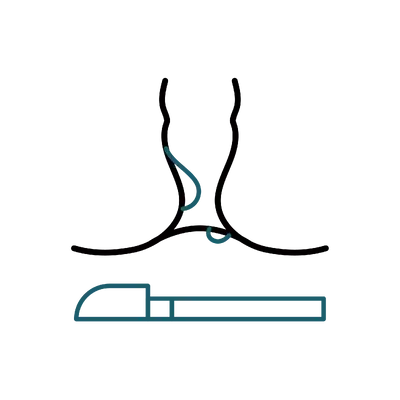
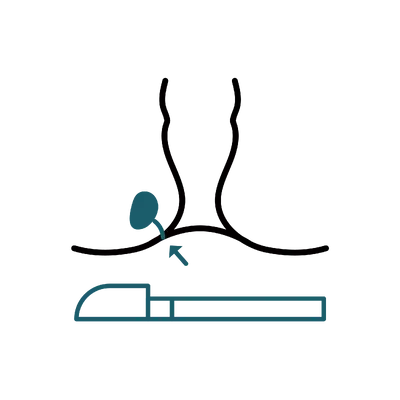
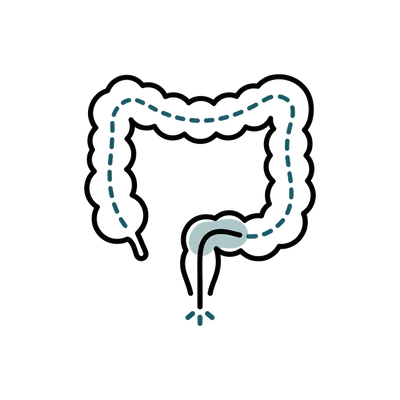
It can address a range of concerns, including:
Am I a Good Candidate for Gastroscopy?
Suitability for a gastroscopy is straightforward for most people, but it rests on a few practical things: an empty stomach, a safe plan for sedation, and any blood thinners reviewed first.
A gastroscopy is the standard first investigation for most upper digestive problems.
Symptoms that need a look: Persistent reflux, difficult or painful swallowing, unexplained upper abdominal pain, or suspected ulcers are all clear reasons.
Finding a cause: It is used to confirm or rule out coeliac disease, H. pylori, Barrett's oesophagus, and early cancer in a way scans cannot.
Treats as well as finds: Many problems, such as a bleeding ulcer or a small polyp, can be dealt with in the same sitting.
A little preparation is what makes the test safe and the view clear.
Empty stomach: You must fast as instructed, usually no food for around six hours, so the stomach is empty.
Blood thinners reviewed: If you take them, the team plans whether to pause them, ideally before you travel, in case a biopsy or treatment is needed.
Declare your health: Heart or lung conditions are reviewed so sedation, if you choose it, is planned safely.
How you experience the test is largely your choice, made beforehand.
Sedation: Relaxed and drowsy, with little memory of the test, but no driving that day and you need an escort.
Throat spray only: Fully awake, quicker to leave, and free to drive once the numbness fades.
Neither is safer: It is a comfort decision, discussed with your endoscopist in advance.
A few situations mean a gastroscopy should be deferred or assessed first.
Suspected perforation: A known or suspected tear in the oesophagus, stomach or duodenum rules the test out, as passing the scope could make the tear worse.
Uncorrected clotting problems: A significant bleeding tendency or clotting that is far out of range is corrected first, especially when a biopsy or treatment is likely.
Not fasted: The test is unsafe until the stomach is empty.
Pregnancy: Usually deferred unless the test is clearly necessary.
Significant heart or lung disease: May need an anaesthetist's assessment before sedation is agreed.
Who is not suitable for gastroscopy?
- Suspected or known perforation of the oesophagus, stomach or duodenum, where passing the scope could extend the tear
- A stomach that is not empty, until you have fasted as instructed
- Uncorrected severe clotting problems, until the bleeding tendency is corrected, especially if a biopsy or treatment is likely
- Blood thinners not yet reviewed, where a biopsy or treatment is likely
- Significant heart or lung disease until assessed for sedation
- Pregnancy, unless the test is clearly necessary
- Inability to tolerate either sedation or a throat spray
Pricing
How Much Will Gastroscopy Cost in Thailand?
What gastroscopy costs at accredited hospitals in Thailand, and what your final quote depends on.
Get your exact price
Tell us what you're considering and we'll send a personalised quote from accredited clinics within 24 hours.
Get my free quoteTypical prices in Thailand
Typical ranges based on recent hospital quotes. Your exact price depends on the hospital and how complex your case is, and is confirmed at your teleconsultation.
Gastroscopy
A thin camera on a flexible tube is passed through the mouth to look directly at the oesophagus, stomach and duodenum.
| Diagnostic gastroscopy, throat spray Day case A direct look at the upper digestive lining, for reflux, indigestion or trouble swallowing | $200 to $350 ฿6,800 to ฿11,900 |
| Gastroscopy with biopsy and H. pylori test Day case Small tissue samples taken through the scope, to confirm H. pylori, coeliac disease or worrying cells | $300 to $500 ฿10,200 to ฿17,000 |
| Therapeutic gastroscopy Day case The scope treats what it finds, stopping a bleeding ulcer, removing a polyp or stretching a narrowing | $450 to $600 ฿15,300 to ฿20,400 |
Added to the above where needed
| Sedation and monitoring Light conscious sedation in place of throat spray only | $100 to $200 ฿3,400 to ฿6,800 |
Typically not included
- Treating a condition that needs more than the scope, such as tumour surgery or medication, priced once the finding is known
- A therapeutic step in the same sitting, if you were quoted only for a diagnostic look, such as clipping an ulcer or banding varices
- A repeat or surveillance gastroscopy later, such as monitoring Barrett's oesophagus or rechecking a healing ulcer, each a separate test
- Any other investigation added to the same visit, such as a colonoscopy
- Treatment of a complication needing care beyond the test, such as managing a tear or significant bleeding
Get your exact price
Tell us what you're considering and we'll send a personalised quote from accredited clinics within 24 hours.
Hospitals Trusted for Gastroscopy
From internationally accredited flagships to dedicated specialist hospitals, these are the kinds of facilities where international patients have this procedure.
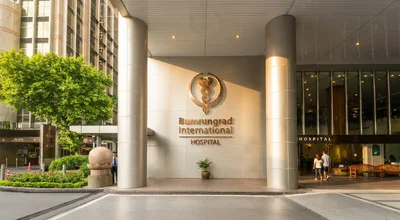
Bumrungrad International Hospital
Tertiary hospital with over 1,200 physicians treating 520,000+ international patients a year.
View hospital profile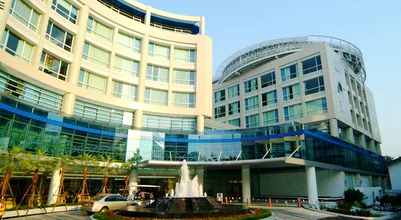
Bangkok Hospital
BDMS flagship tertiary campus with standalone heart, cancer, and neuro-orthopaedic hospitals.
View hospital profile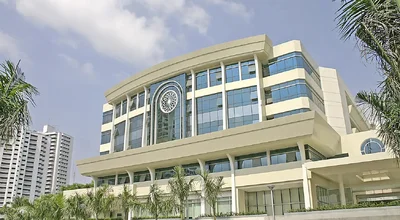
Samitivej Sukhumvit Hospital
Tertiary hospital known for paediatrics, home to Thailand's first private children's hospital.
View hospital profile
Tell Us What You Need. We Do the Rest.
Share what you're considering and we'll come back with surgeon options, pricing, and a clear plan.
- Real hospital pricing with zero markup
- Matched with a specialist experienced in your specific procedure
- Full coordination from consultation to recovery


Trusted by patients worldwide
The complete guide to Gastroscopy in Thailand
Everything below is for readers who want the full detail: costs broken down, types and techniques, recovery, risks and safety, and planning your trip.
Where to Have a Gastroscopy in Thailand
A gastroscopy is quick and routine, but it is still a procedure with small risks, so the hospital and the endoscopist performing it matter. A few things are worth checking when choosing where to have it done in Thailand.
JCI-Accredited Hospitals
Choose a hospital with Joint Commission International (JCI) accreditation and a dedicated gastroenterology or endoscopy unit. JCI accreditation sets the same patient-safety and infection-control standards used by leading Western hospitals, which matters for the cleaning and handling of scopes and for the monitoring used during sedation. An accredited unit also has the surgical and intensive-care backup on site to handle the rare complication.
Board-Certified Gastroenterologists
The test should be performed by a board-certified gastroenterologist or an endoscopist with formal training and high case volume, not an occasional operator. Experience is what most reduces the small risk of perforation or missed findings, and a high-volume endoscopist is also more likely to spot subtle, early changes. Many specialists at Thailand's leading hospitals hold international fellowships in endoscopy.
What to Look for in a Unit
Look for high-definition scopes with narrow-band imaging, on-site pathology so biopsy results come back quickly, and continuous monitoring for sedated patients. Ask how the test will be performed, what sedation options you have, and how soon results are available. A good unit explains all of this clearly beforehand and gives you a written report to take home, rather than rushing you through.
What a Gastroscopy Realistically Achieves
A gastroscopy is an investigation as much as a treatment, so its value is in answers and, where possible, treatment in the same sitting. What it realistically delivers falls into two parts.
What a Gastroscopy Can Tell You
A gastroscopy gives a direct, definitive look at the upper digestive tract, so it can confirm or rule out reflux damage, ulcers, hiatus hernia, coeliac disease, H. pylori, Barrett's oesophagus, and early cancer in a way that scans and symptoms alone cannot. For many people the most valuable outcome is reassurance: a normal result means a serious cause has been excluded and symptoms can be managed with confidence.
When It Also Treats the Problem
Where a treatable problem is found, the same appointment often resolves it: a bleeding ulcer is stopped, varices are banded, a small polyp is removed, or a narrowing is stretched. If H. pylori is found, a short course of antibiotics afterwards cures most ulcers. Where the finding needs longer-term management, such as Barrett's oesophagus or reflux, you leave with a clear plan and report rather than uncertainty.
Gastroscopy Cost in Thailand
Average Cost of a Gastroscopy
A gastroscopy in Thailand typically costs between $200 and $600. A straightforward look with throat spray sits at the lower end. The figure rises if biopsies are taken, H. pylori testing is added, sedation with an anaesthetist is used, or a therapeutic step such as polyp removal or dilatation is performed in the same sitting.
Diagnostic vs Therapeutic
A simple diagnostic gastroscopy is the lowest-cost version. Adding biopsies and laboratory analysis raises it modestly, and a therapeutic procedure such as stopping a bleeding ulcer, banding varices, removing a polyp, or stretching a stricture costs more again because it takes longer, uses additional equipment, and may need closer monitoring afterwards. Many patients only know which they need once the endoscopist is looking, so quotes usually give a diagnostic price with the cost of likely add-ons set out clearly.
What Affects the Price?
The main factors are whether biopsies or therapeutic steps are involved, whether you have sedation (which adds an anaesthetist and monitoring) or throat spray only, the laboratory work for any samples, and the hospital itself. A JCI-accredited hospital with experienced endoscopists may charge a little more than a basic clinic, but for a procedure with a small but real risk, that is where the value sits.
Thailand vs International Price Comparison
A gastroscopy in Thailand costs far less than the private price in the US ($1,000–$3,000), Australia (A$1,200–A$3,500), and the UK (£800–£2,500), reflecting lower local operating costs rather than weaker standards. Because the absolute saving on a single quick test is smaller than for major surgery, a gastroscopy makes most sense added to a trip, combined with other investigations, or chosen to skip a long waiting list at home.
Gastroscopy vs Barium Swallow and Capsule Endoscopy
A gastroscopy is not the only way to look at the upper digestive tract, but it is the most direct. A barium swallow, where you drink a contrast liquid and the radiologist watches it on X-ray, can show the outline and movement of the oesophagus and stomach. It is useful for assessing swallowing and structure, but it cannot take a biopsy, test for H. pylori, or treat anything it finds, so an abnormal result usually leads to a gastroscopy anyway.
Capsule endoscopy, where you swallow a tiny pill-sized camera, is a gentler option, but it is mainly used to see the small bowel that a standard gastroscope cannot reach. It also takes only pictures, so again it cannot sample tissue or treat a problem.
The advantage of gastroscopy is that looking, sampling, and treating happen in one short appointment. If your doctor suspects an ulcer, coeliac disease, H. pylori, or anything that may need a biopsy or treatment, gastroscopy is usually the test that gives a definite answer.
Types of Gastroscopy
A gastroscopy ranges from a simple look to a treatment in its own right. What is done depends entirely on what the endoscopist finds and what your symptoms suggest. Here are the main forms.
Diagnostic Gastroscopy
The most common form: a careful visual inspection of the oesophagus, stomach and duodenum to identify inflammation, ulcers, narrowing, hiatus hernia, or suspicious areas. For many patients this is all that is needed, and the endoscopist can reassure or explain the cause of symptoms straight away.
- A direct look at the upper digestive lining
- Identifies reflux damage, ulcers, inflammation and narrowing
- Findings are known and explained immediately
- Why it matters: this is what most people need to investigate reflux, indigestion, or unexplained upper abdominal pain
Biopsy (Tissue Sampling)
Tiny painless samples of the lining are taken through the scope and sent to the laboratory. This is how H. pylori infection, coeliac disease, and any concerning cells are confirmed. You feel nothing as the samples are taken, and they leave no lasting mark on the lining.
- Painless samples taken through the scope
- Confirms H. pylori, coeliac disease, or abnormal cells
- Essential for an accurate diagnosis, not just a visual impression
- Why it matters: it is how suspected infection, coeliac disease, or any concerning lesion is confirmed
Therapeutic Gastroscopy
The same scope can treat what it finds. A bleeding ulcer can be clipped, injected, or cauterised to stop it; enlarged veins in the oesophagus (varices) can be banded. This turns a diagnostic test into a treatment in one sitting and is one of the main reasons gastroscopy is so useful in upper GI bleeding.
- Stops a bleeding ulcer by clipping, injection, or cautery
- Bands oesophageal varices to control bleeding
- Treats the problem at the same appointment it is found
- Why it matters: it lets active or recent upper gastrointestinal bleeding be controlled without separate surgery
Polyp or Lesion Removal & Stricture Dilatation
Small polyps or early lesions can be removed through the scope and sent for analysis, and a narrowed segment (a stricture) can be gently stretched with a balloon or dilator to ease swallowing. These add a little time to the procedure and slightly raise the small risk of bleeding or perforation, which the endoscopist discusses with you first.
- Removes small polyps and early lesions for analysis
- Stretches a narrowed oesophagus to restore comfortable swallowing
- Done through the same scope, with a slightly higher risk than a plain look
- Why it matters: it resolves polyps, early lesions, or a stricture causing swallowing difficulty in one visit
Gastroscopy Techniques & Approaches
The standard gastroscope has changed little in principle but a great deal in image quality, and the choices that matter most are about your comfort and the experience of the unit performing it. The main considerations are set out below.
Standard Flexible Video Endoscopy
The everyday technique: a slim flexible scope with a high-definition camera relays a live, magnified view to a screen. The endoscopist steers it gently through the upper tract, controlling air, water and suction to see the lining clearly. This is the workhorse of upper GI investigation and what almost every gastroscopy uses.
- High-definition live video of the whole upper tract
- Slim, flexible scope steered gently by the endoscopist
- The standard approach worldwide
- Why it matters: it is what virtually all diagnostic and most therapeutic gastroscopies use
Sedation vs Throat Spray Only
You can have the test under light conscious sedation, where you are relaxed and drowsy and tend to remember little, or with a numbing throat spray alone while staying fully awake. Sedation is more comfortable for most people but means you cannot drive that day and need someone with you; throat spray lets you leave and carry on sooner. Neither is more or less safe; it is a comfort choice you make beforehand.
- Sedation: relaxed, drowsy, little memory of the test
- Throat spray only: fully awake, quicker to leave, no driving restriction
- Sedation needs an escort and no driving that day
- Best for: sedation if you would rather remember nothing; throat spray if you want to leave and drive sooner
High-Definition & Narrow-Band Imaging
Modern scopes can switch to narrow-band imaging, which uses filtered light to highlight the surface blood vessels and pattern of the lining. This makes subtle, early changes such as those in Barrett's oesophagus far easier to spot than with white light alone, improving the chance of catching pre-cancerous change early.
- Filtered light reveals subtle surface and vessel detail
- Improves detection of early or pre-cancerous change
- Particularly valuable in Barrett's oesophagus surveillance
- Why it matters: it improves the chance of catching pre-cancerous change while it is still treatable
H. pylori Testing (CLOtest / Biopsy)
If an ulcer or gastritis is seen, a quick test for H. pylori is often done on the spot. A rapid urease test (CLOtest) on a biopsy gives an answer within hours, while samples sent to the laboratory confirm it. Identifying and treating this bacterium is what cures most ulcers, so catching it during the gastroscopy saves a separate visit.
- Rapid urease (CLOtest) gives a same-day indication
- Laboratory analysis confirms infection
- Treating H. pylori cures most ulcers
- Why it matters: catching the bacterium during the test saves a separate visit and starts the cure sooner
What to Expect After a Gastroscopy
First Few Hours
If you had sedation, you rest in a recovery area until it wears off, usually an hour or two, and you must not drive, sign anything important, or travel alone that day. With throat spray only, you wait until the numbness fades before eating or drinking, typically under an hour. A mild sore throat and some bloating or wind from the air used during the test are normal and settle quickly.
Same Day
Most people feel back to normal within a few hours and can eat and drink as usual once any throat numbness has gone. If you had sedation, take it easy for the rest of the day and have someone with you. You will already know the visual findings, explained before you leave.
The Next Few Days
Any sore throat or bloating eases over a day or so. If a biopsy was taken or a polyp removed, you may be advised to avoid heavy meals or alcohol briefly. Biopsy results come back from the laboratory over the following days and are explained to you, with a written summary for your records and your doctor at home.
Follow-Up
Once biopsy results are available, your care coordinator helps arrange any follow-up: treatment for H. pylori, a plan for reflux or Barrett's surveillance, or onward referral if something needs further attention. You travel home with a clear report so your own doctor can continue your care without gaps.
Can You Fly After a Gastroscopy?
Yes. A plain diagnostic gastroscopy has no medical bar to flying, and many people fly the next day. If you had sedation, avoid flying on the same day, as you should be resting and not travelling alone while it wears off. If a biopsy was taken, a polyp removed, or a therapeutic step done, the endoscopist may suggest waiting a day or two and you should allow time to discuss results, which is why we suggest a short stay rather than flying straight out.
When Can You Eat, Drink and Work Again?
With throat spray only, you can eat and drink once the numbness fades, usually within an hour, and resume normal activities including work the same day. With sedation, eat lightly once you are fully alert and take the rest of the day off, returning to normal the next day. If a biopsy or polyp removal was done, you may be advised to avoid alcohol and heavy meals briefly while the lining settles.
When Can You Exercise Again?
After a plain diagnostic gastroscopy with throat spray only, light activity is fine the same day and there is no real restriction. If you had sedation, skip the gym and any strenuous exercise for the rest of that day while it wears off, then resume normally the next day. If a biopsy, polyp removal, or a therapeutic step such as dilatation or bleeding control was done, avoid heavy lifting and vigorous exercise for a few days while the lining heals, as this lowers the small risk of bleeding; your endoscopist confirms when to restart based on exactly what was done.
When Will You Get Your Results?
The visual findings, what the endoscopist actually saw, are known and explained to you straight away, often before you have fully recovered from sedation. Any biopsy samples go to the laboratory and results typically take a few days. Your care coordinator helps you receive these and arrange any follow-up, and you travel home with a written report for your own doctor.
Sedation and Comfort During a Gastroscopy
A gastroscopy does not need a general anaesthetic. Most people choose light conscious sedation, given through a small cannula, which leaves you relaxed and drowsy and means you usually remember little or nothing of the test. The alternative is a numbing throat spray alone, with no sedation, so you stay fully awake but the gag reflex is dulled. Both are routine, and which you choose is mostly about how you would rather experience the test.
Before any sedation you have a brief assessment of your fitness, including any heart or lung conditions and the medications you take, particularly blood thinners. Throughout the test your oxygen levels, pulse and breathing are monitored continuously by the team, which is standard at the accredited hospitals. The sedation used is short-acting, so it clears within a few hours.
The test itself is more uncomfortable than painful. As the scope passes you may gag briefly or feel pressure, and the air used to inflate the stomach can cause bloating, but it is over in minutes. If you have sedation, you are unlikely to recall any of this. If you opt for throat spray only, you stay aware throughout but most people find it very tolerable and are glad to be able to leave and drive straight away.
Risks and Safety of Gastroscopy
Gastroscopy is one of the most commonly performed and safest procedures in medicine, and serious complications are rare.1,2 Most after-effects are minor and short-lived. The risks worth knowing are higher when a therapeutic step or biopsy is involved.
- Bleeding, which is uncommon and usually minor, but more likely if a biopsy, polyp removal, or therapeutic step is done2,1
- Perforation (a small tear in the wall), rare but serious, and slightly more likely with dilatation or therapeutic procedures2,1
- Aspiration of stomach contents into the lungs, rare and reduced by proper fasting beforehand
The serious risks, perforation and significant bleeding, are rare and are lowest in experienced hands at a properly equipped unit, which is exactly why where you have the test matters. Fasting as instructed, having any blood thinners reviewed beforehand, and choosing an accredited hospital with experienced endoscopists are the main ways these small risks are kept small.
Is a Gastroscopy Safe in Thailand?
Yes. Gastroscopy is among the most common procedures in medicine, and at JCI-accredited hospitals it is performed by board-certified gastroenterologists using the same high-definition scopes and monitoring as major Western centres. Sedation is monitored continuously by trained staff, and the units handle high volumes, which is exactly the experience that keeps the small risks small.
How to Reduce Your Risk
Fast exactly as instructed so your stomach is empty, which is the single biggest factor in a safe test. Have any blood-thinning medication reviewed before you travel, as it may need pausing around a biopsy or therapeutic step. Declare heart, lung, or other conditions so sedation can be planned safely. And choose a JCI-accredited hospital with experienced endoscopists rather than the cheapest clinic, since experience is what most reduces the rare risk of perforation or bleeding.
What If a Problem Is Found, or Something Goes Wrong?
Finding a problem is the point of the test, and many can be treated in the same sitting, such as stopping a bleeding ulcer or removing a small polyp. If something more serious is found, such as a suspicious area needing biopsy, the endoscopist explains the findings immediately and your care coordinator helps arrange the next step, whether further treatment in Thailand or a clear report and onward referral for your doctor at home. In the rare event of a complication during the procedure, such as bleeding or a tear, an accredited hospital has the surgical and intensive-care backup to manage it on site.
Fitting a Gastroscopy Into Your Trip to Thailand
A gastroscopy needs only a short stay and very little recovery, so it slots easily into a trip. The practical points are covered below.
How Long to Stay in Thailand
Allow 1 to 2 days. One day covers a brief consultation, fasting, and the test itself, which takes minutes. A second day is sensible if you had sedation, if biopsies or a therapeutic step were done, or simply to discuss the visual findings and plan any follow-up before you move on. The procedure does not, on its own, require a long stay.
What's Included in a Medical Trip
Your care coordinator arranges the appointment, hospital transfers, and any follow-up. The quote covers the endoscopist's fee, the procedure, sedation or throat spray, and any biopsies and laboratory analysis you need. Flights and accommodation are arranged separately, though your coordinator can recommend hotels near the hospital. You travel home with a written report and any biopsy results to give your own doctor.
Combining It With Other Investigations
A gastroscopy is often done alongside other tests, such as a colonoscopy on the same day for patients investigating both ends of the digestive tract, or as part of a wider health check. Because it is quick and low-impact, it combines easily with other procedures in one trip, which is one of the main reasons it makes sense to have it added to a planned visit rather than travelling for it alone.
Related Procedures
Other procedures that address similar goals or conditions, in case one of them is a closer fit for you.
Planning your treatment in Thailand
Independent guides to help you weigh the decision, before you commit to anything.
Common Questions About Gastroscopy
Everything you need to know before your procedure

Medical References
Keep researching with AI
Open this guide in your AI assistant to dig deeper and ask the questions it didn't answer.
Opens in a new tab with this guide already loaded.
Medical disclaimer: Content on this site is provided for informational purposes and should not be treated as medical advice. Outcomes, timelines, and eligibility differ from person to person. Consult a qualified medical professional before making any decisions about surgery or treatment.
Ready to Get Started?
Speak with our care coordinators for a free, no-obligation consultation and personalised quote.
Speak to Our Team