Colonoscopy in Thailand Your guide to cost, top specialists & hospitals
A colonoscopy looks at the whole large bowel in one short appointment, finding and often removing the cause in the same session.
What Is Colonoscopy?
Also known as: Bowel · Colon Examination · Colonoscopy
A colonoscopy is an examination of the entire large bowel using a thin, flexible tube with a high-definition camera on the end, passed gently through the rectum. It lets a gastroenterologist see the lining of the colon directly, take tissue samples, and treat what they find, all in one session that usually takes about 20 to 45 minutes under sedation. It is diagnostic, used for screening, and therapeutic at the same time, which is what makes it such a useful test.
Its biggest single use is bowel-cancer screening. Most colorectal cancers begin as polyps, small growths on the bowel wall, and the great advantage of a colonoscopy is that a polyp can be removed during the same examination, before it ever has the chance to turn cancerous. International guidelines generally suggest starting screening around age 45 to 50, and earlier if you have a family history or other risk factors. It is also the test ordered to investigate rectal bleeding, a persistent change in bowel habit, unexplained anaemia, or to diagnose and monitor inflammatory bowel disease.
Being honest about it: the procedure itself is straightforward and most people remember little of it, but the bowel preparation the day before, the laxative regimen that empties the colon so the camera has a clear view, is the part most people find unpleasant. It is a day case, so you go home the same day, though not driving yourself. What the examination sees is known immediately; the results of any biopsy or removed polyp take a few days to come back from the laboratory.
It can address a range of concerns, including:
Am I a Good Candidate for Colonoscopy?
A colonoscopy suits most people due for screening or being investigated for bowel symptoms, provided they can complete the bowel preparation and are fit for sedation. A few things are checked beforehand.
A colonoscopy is done either to screen a well person or to investigate symptoms.
Screening: Generally advised from around age 45 to 50, earlier with a family history of bowel cancer or conditions such as inflammatory bowel disease.
Symptoms: Rectal bleeding, a persistent change in bowel habit, unexplained anaemia, or chronic abdominal symptoms all warrant a look inside the bowel.
Surveillance: Follow-up after previously removed polyps or treated bowel cancer, at the interval your specialist recommends.
The examination is done under sedation, so a brief fitness check comes first.
General health: Most people are suitable; mention any heart or lung condition at consultation.
Medication review: Blood thinners and diabetes medication need reviewing in advance, as they may need adjusting before any polyp removal.
An escort: Because of the sedation, you cannot drive or travel alone afterwards, so being accompanied is part of being ready.
The bowel preparation is essential to a safe and reliable examination.
Able to complete it: You need to be able to follow the low-residue diet and take the laxative preparation the day before.
Clear bowel: A thorough preparation is what lets the camera see properly and keeps lesions from being missed.
A quiet day: Plan the preparation day around being close to a toilet rather than sightseeing.
Knowing what the test can and cannot do helps you get the most from it.
Immediate and delayed results: What is seen is known at once; biopsy and polyp results take a few days.
Polyps removed on the spot: Most polyps are taken out in the same session, which is how the test prevents cancer.
Large bowel only: It examines the colon, not the small bowel or stomach, which may need separate tests.
Who is not suitable for colonoscopy?
- Known or suspected bowel perforation, where a colonoscopy must not be performed
- Confirmed or suspected bowel obstruction, a hard stop until it is resolved
- Acute peritonitis, where a colonoscopy is contraindicated
- Toxic megacolon, where inflating the bowel risks perforation, so the test is not done
- Severe or uncompensated heart or lung disease that makes sedation unsafe
- A severe active flare of inflammatory bowel disease, given the higher perforation risk
- Blood-thinning medication not yet reviewed before planned polyp removal
- Pregnancy, where a colonoscopy is usually deferred unless urgent
- Inability to complete the bowel preparation needed for a clear examination
Pricing
How Much Will Colonoscopy Cost in Thailand?
What colonoscopy costs at accredited hospitals in Thailand, and what your final quote depends on.
Get your exact price
Tell us what you're considering and we'll send a personalised quote from accredited clinics within 24 hours.
Get my free quoteTypical prices in Thailand
Typical ranges based on recent hospital quotes. Your exact price depends on the hospital and how complex your case is, and is confirmed at your teleconsultation.
Colonoscopy
A thin, flexible camera is passed through the rectum to look at the whole large bowel, and any polyps found can be removed in the same appointment.
| Colonoscopy under sedation, with polyp removal where needed Day case Whole large bowel viewed by camera, polyps removed in the same session, for screening or symptoms | $300 to $800 ฿10,200 to ฿27,200 |
Typically not included
- Treatment of anything found beyond routine polyp removal, such as surgery for a cancer or a significant lesion
- Further treatment of a complication, such as significant bleeding or a perforation needing repair
- A repeat examination if the bowel preparation is too poor for a clear view
- Any future surveillance colonoscopy at the interval your specialist later recommends
- A pre-sedation heart or lung assessment where an existing condition needs clearing first
Get your exact price
Tell us what you're considering and we'll send a personalised quote from accredited clinics within 24 hours.
Hospitals Trusted for Colonoscopy
From internationally accredited flagships to dedicated specialist hospitals, these are the kinds of facilities where international patients have this procedure.
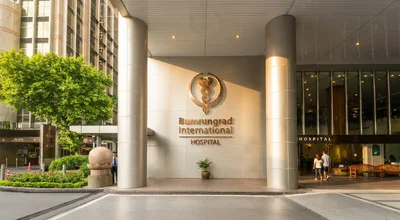
Bumrungrad International Hospital
Tertiary hospital with over 1,200 physicians treating 520,000+ international patients a year.
View hospital profile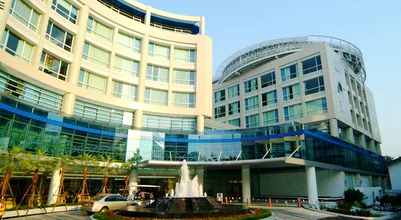
Bangkok Hospital
BDMS flagship tertiary campus with standalone heart, cancer, and neuro-orthopaedic hospitals.
View hospital profile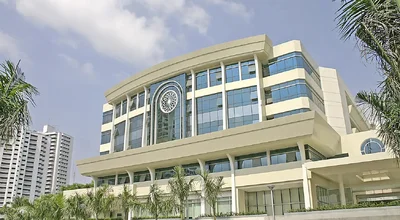
Samitivej Sukhumvit Hospital
Tertiary hospital known for paediatrics, home to Thailand's first private children's hospital.
View hospital profile
Tell Us What You Need. We Do the Rest.
Share what you're considering and we'll come back with surgeon options, pricing, and a clear plan.
- Real hospital pricing with zero markup
- Matched with a specialist experienced in your specific procedure
- Full coordination from consultation to recovery


Trusted by patients worldwide
The complete guide to Colonoscopy in Thailand
Everything below is for readers who want the full detail: costs broken down, types and techniques, recovery, risks and safety, and planning your trip.
Where to Have a Colonoscopy in Thailand
For a colonoscopy, the detection rate and your safety come down to the experience of the gastroenterologist and the standard of the endoscopy unit. A few markers separate a unit that does these routinely from one that does not.
JCI-Accredited Hospitals
The hospitals we work with are JCI-accredited, with dedicated gastroenterology and endoscopy units, high-definition colonoscopy equipment, on-site pathology for analysing removed tissue, and continuous patient monitoring during sedation. Accreditation and a high case volume are the markers that the unit performs colonoscopies routinely and to an international standard, rather than as an occasional procedure.
Board-Certified Gastroenterologists
A colonoscopy should be performed by a board-certified gastroenterologist who does them regularly, because experience directly affects how reliably polyps are detected and how safely difficult lesions are removed. Our partner specialists hold board certification, and many have completed advanced endoscopy training. Volume matters: an endoscopist who performs colonoscopies frequently has measurably better detection rates.
What to Look For
Ask whether the endoscopist is a board-certified gastroenterologist and how regularly they perform colonoscopies. Confirm the unit has on-site pathology, so any polyp can be removed and analysed without a second visit, and that high-definition equipment is used. A good unit gives you clear bowel-preparation instructions in advance and explains the findings with you before you leave, rather than rushing you out.
What a Colonoscopy Achieves
A colonoscopy is measured by what it finds, prevents, and rules out, rather than by any visible change. A realistic picture of its value, and its limits, is worth setting out plainly.
What a Colonoscopy Realistically Achieves
For screening, a clear examination gives strong reassurance and sets the interval before your next one. Where polyps are found, removing them during the same session genuinely lowers your future bowel-cancer risk, which is the single biggest benefit of the test. For symptoms, it either identifies a cause, such as inflammation, diverticular disease, or a polyp, or reliably rules out a sinister one, which is reassuring in its own right.
What It Cannot Do
A colonoscopy examines the large bowel, not the small bowel or stomach, so different symptoms may need different tests, sometimes a gastroscopy as well. No test is perfect: a small percentage of lesions can be missed, particularly if the bowel preparation was poor, which is why thorough preparation and an experienced endoscopist matter. And while removing polyps lowers risk, it does not eliminate it entirely, so repeat examinations at the recommended interval remain important.
Colonoscopy Cost in Thailand
Average Cost of a Colonoscopy
A colonoscopy in Thailand typically costs between $300 and $800. A screening or diagnostic examination with no polyps to remove sits at the lower end. The cost rises when polyps are found and removed, because polypectomy adds to the procedure and the removed tissue is sent for laboratory analysis. Sedation, the bowel preparation, and the day-case facility are usually included in the quoted figure.
What Affects the Price?
The biggest single factor is whether polyps are removed, as polypectomy and the laboratory analysis of the tissue add to a simple examination. The number and size of polyps matters too, since larger lesions need more specialised removal. The hospital, the level of sedation used, and whether additional biopsies are taken also play a part. Because you cannot know in advance whether polyps will be found, quotes usually give a range covering both outcomes.
Screening vs Polypectomy
A screening or diagnostic colonoscopy with a clear result sits at the lower end of the range. If polyps are found and removed, you move toward the higher end, reflecting the added procedure and the histology that confirms whether the polyp was benign. This is money well spent: removing a polyp during the same examination is exactly what prevents it from progressing, and avoids a second appointment.
Thailand vs International Price Comparison
A colonoscopy in Thailand costs considerably less than in the US ($2,000–$4,000), Australia (A$2,500–A$4,500), and the UK (£1,500–£3,500 privately). The difference reflects lower local operating costs rather than weaker standards. The accredited hospitals we work with use the same high-definition equipment and removal techniques as major Western centres. For screening, it can fit neatly into a trip, and avoids the long waits common for non-urgent colonoscopy at home.
Colonoscopy vs Sigmoidoscopy and CT Colonography
A colonoscopy is not the only way to examine the bowel, but it is the only common test that examines all of it and can treat what it finds in the same sitting. Understanding the alternatives helps explain why it remains the reference standard.
A flexible sigmoidoscopy uses a similar camera but examines only the lower third of the bowel, the rectum and sigmoid colon. It needs less preparation and often no sedation, which makes it simpler, but it cannot see the right side of the colon where some cancers and polyps sit. It is useful for lower rectal symptoms, not for a full screening picture.
CT colonography, sometimes called a virtual colonoscopy, is a CT scan that builds an image of the bowel without passing a camera inside. It still needs bowel preparation and is a reasonable option for people who cannot have or tolerate a standard colonoscopy. Its limitation is decisive: it can show a polyp or lesion but cannot biopsy or remove anything, so a positive finding almost always means a colonoscopy is needed afterwards anyway. For most people due for screening or being investigated for symptoms, a single colonoscopy that can both look and act is the more efficient choice. Which test is right for you is a fair question to put to your gastroenterologist.
Types of Colonoscopy
A colonoscopy is one procedure that does several different jobs depending on why it is done and what is found. Here are the main forms it takes, plus two related tests you may hear mentioned as alternatives.
Screening Colonoscopy
A precautionary examination in someone with no symptoms, done to look for early cancer and pre-cancerous polyps. It is the single most effective screening test for bowel cancer because it both detects and prevents: any polyp found can be removed on the spot. How often it is repeated depends on what is found and your risk profile.
- The gold-standard test for bowel-cancer screening
- Detects and prevents in one, polyps are removed during the same exam
- Generally advised from around age 45–50, earlier with family history
- Best for: people due for screening with no current bowel symptoms
Diagnostic Colonoscopy
Ordered to find the cause of specific symptoms such as rectal bleeding, a change in bowel habit, unexplained anaemia, or abdominal pain. The examination identifies inflammation, polyps, diverticular disease, or a tumour, and biopsies are taken from anything that needs the laboratory to look more closely.
- Investigates symptoms rather than screening a well person
- Biopsies sent for laboratory analysis where needed
- Visual findings known immediately; biopsy results take a few days
- Best for: rectal bleeding, anaemia, or a persistent change in bowel habit
Polypectomy (Polyp Removal)
The removal of polyps during the same examination, and the reason a colonoscopy can prevent cancer rather than only detect it. Because most bowel cancers begin as polyps, taking them out before they progress is genuinely preventive. Larger or flatter lesions need more specialised removal techniques, covered below.
- Removes polyps in the same session, no second appointment
- Genuinely preventive, as most cancers begin as polyps
- Removed tissue is sent for laboratory analysis to confirm it was benign
- Why it matters: it is what turns a screening test into prevention
Therapeutic Colonoscopy
Beyond removing polyps, a colonoscopy can treat what it finds. This includes stopping a bleeding point in the bowel, taking targeted biopsies to diagnose or monitor inflammatory bowel disease, or marking a lesion for later surgery. It turns a diagnostic test into treatment without a separate procedure.
- Treats bleeding, takes targeted biopsies, or marks lesions
- Used to monitor inflammatory bowel disease over time
- Avoids a separate procedure for many findings
- Best for: active bleeding, IBD monitoring, or lesions needing intervention
Sigmoidoscopy & CT Colonography (Alternatives)
Two partial alternatives. A flexible sigmoidoscopy examines only the lower part of the bowel with no full preparation, useful for lower rectal symptoms but unable to see the whole colon. CT colonography is a scan that images the bowel without a camera inside, but it cannot take biopsies or remove polyps, so anything it finds usually needs a colonoscopy afterwards.
- Sigmoidoscopy examines only the lower bowel, lighter preparation
- CT colonography images the whole bowel but cannot biopsy or treat
- A positive finding on either usually leads to a full colonoscopy
- Best for: limited lower-bowel symptoms or those unable to have a full colonoscopy
Colonoscopy Techniques
The basic examination is the same everywhere, but detection rates and the ability to remove difficult lesions depend on the equipment, the imaging used, and crucially the experience of the endoscopist and the quality of the bowel preparation.
High-Definition Video Colonoscopy
The standard modern examination uses a high-definition camera that gives a magnified, detailed view of the bowel lining, improving the chance of spotting small or flat lesions. The detection rate, how reliably polyps are found, depends heavily on the endoscopist's experience and on how thoroughly the bowel was prepared beforehand.
- High-definition imaging improves detection of small lesions
- Detection rate depends on endoscopist experience and good preparation
- The clearer the bowel preparation, the more reliable the examination
- Why it matters: it is the modern baseline standard for every colonoscopy
Sedation Options
Most colonoscopies are done under conscious or twilight sedation, which leaves you relaxed and drowsy with little or no memory of the procedure, rather than fully under general anaesthesia. You stay breathing on your own and recover quickly afterwards. The level of sedation is discussed beforehand and tailored to you.
- Conscious or twilight sedation rather than general anaesthesia
- Tailored to you, and discussed at your pre-procedure check
- Quick recovery, though you cannot drive for the rest of the day
- Why it matters: you breathe on your own and go home the same day
Polyp Removal Techniques (Snare & EMR)
Smaller polyps are removed with a snare, a wire loop passed through the colonoscope that lifts them off the bowel wall. Larger or flatter lesions need endoscopic mucosal resection (EMR), where fluid is injected beneath the lesion to lift it before removal. Both are done during the same examination by an experienced endoscopist.
- Snare polypectomy removes most ordinary polyps
- EMR lifts and removes larger or flat lesions
- Performed in the same session, no separate operation
- Best for: removing polyps found during the examination
Narrow-Band Imaging
A setting that filters the light to enhance the surface pattern and blood vessels of the bowel lining, making subtle or flat lesions easier to see and helping judge whether a polyp is likely benign. It is a refinement that supports detection rather than a separate procedure, and is increasingly standard on modern equipment.
- Enhances surface detail to reveal subtle or flat lesions
- Helps assess whether a polyp is likely benign
- A built-in setting, adding no time or discomfort
- Why it matters: it catches lesions that are otherwise easy to miss
What to Expect Around Your Colonoscopy
The Day Before (Bowel Preparation)
The least pleasant part, and worth being honest about. You follow a low-residue diet, then drink a laxative preparation that empties the colon so the camera has a clear view. It means several hours close to a toilet and is the part most people find unpleasant, but it is essential: a poorly prepared bowel can mean lesions are missed or the test has to be repeated. Full instructions are provided after your consultation.
The Procedure
On the day you have nothing to eat. Sedation is given, and the examination itself takes about 20 to 45 minutes. Most people remember little or nothing of it. Air or carbon dioxide is gently introduced to open the bowel for a clear view, which can cause some bloating. Any polyps found are usually removed during the same session.
The Same Day
You rest in recovery until the sedation wears off, then go home, you cannot drive yourself or travel alone that day. Mild bloating, cramping, and passing wind are normal for a few hours as the air clears, and ease quickly. The endoscopist explains what they saw before you leave. Most people are back to normal eating that evening.
The Following Days
Any biopsy or removed polyp is sent to the laboratory, and those results, including whether a polyp was benign, take a few days to a week to come back. After a standard snare polypectomy, avoid heavy lifting and long-haul flights for a day or two, as the small risk of delayed bleeding is highest in the first 48 hours. If a larger or flatter lesion was removed by endoscopic mucosal resection (EMR), the delayed-bleeding risk is higher and can persist for up to two weeks, so your team may advise staying nearby beyond the usual one to two days and a longer restriction on lifting, strenuous exercise, and flying. Follow the specific timeframe you are given based on exactly what was done.
Can You Fly After a Colonoscopy?
For a straightforward examination with no polyp removal, you can usually fly the next day once the sedation has fully cleared. After a standard snare polypectomy, the small risk of delayed bleeding is highest in the first 48 hours, so it is sensible to stay nearby for a day or two and avoid a long-haul flight immediately. If a larger lesion was removed by endoscopic mucosal resection (EMR), the risk is higher and lasts longer, up to two weeks4, so your team may advise staying beyond the usual one to two days before a long-haul flight. Either way you are given a specific timeframe based on what was done, which is why a minimum stay is recommended.
When Can You Eat and Return to Normal?
Most people are back to normal eating the same evening, starting with light food and plenty of fluids to rehydrate after the bowel preparation. Bloating and wind settle within a few hours. You should not drive, work, sign documents, or travel alone for the rest of the day because of the sedation. If a polyp was removed, you are advised to avoid heavy lifting and strenuous exercise for a short period.
When Will You Get Your Results?
What the endoscopist saw is known immediately and explained to you before you leave, including whether anything was removed. The laboratory results of any biopsy or removed polyp, including confirmation that a polyp was benign, take a few days to about a week. These are sent to you with a clear report and, where relevant, advice on when your next colonoscopy should be.
Sedation for a Colonoscopy
A colonoscopy is usually performed under conscious or twilight sedation rather than general anaesthesia. You are given medication through a vein that makes you relaxed and drowsy, and most people remember little or nothing of the procedure afterwards2,3. You keep breathing on your own throughout, which is part of why recovery is quick and you can go home the same day.
Before sedation you have a brief assessment to check you are fit for it, including a review of your medical history and any medication you take, particularly blood thinners, which may need adjusting if a polyp is likely to be removed. At the accredited hospitals we work with, you are monitored continuously during the procedure by trained staff, with your oxygen levels, heart rate, and blood pressure watched throughout.
The procedure itself is not usually painful. You may feel some pressure or cramping as the colonoscope passes around the bends of the bowel and as air is introduced to open it up, but the sedation keeps this comfortable for the great majority of people. Afterwards, the main sensation is bloating and wind as the air clears, which settles within a few hours. Because of the sedation, you cannot drive, operate machinery, or travel alone for the rest of the day, so plan to be accompanied.
Risks and Safety of a Colonoscopy
A colonoscopy is a safe and very commonly performed procedure, and serious complications are rare. Most side effects are minor and short-lived. The risks worth understanding are mostly linked to sedation and to polyp removal.
- Bloating, wind, and mild cramping afterwards (common, settles within a few hours)
- A reaction to the sedation, such as a drop in blood pressure or breathing, monitored for throughout3
- Bleeding after a polyp is removed, usually minor and self-limiting but occasionally needing treatment1,2
- Perforation, a small tear in the bowel wall (serious but rare, and higher when polyps are removed)1
- Post-polypectomy coagulation syndrome, a burn to the bowel wall during polyp removal without a full tear, causing fever, localised pain, and a raised white-cell count, typically 1 to 5 days afterwards and sometimes after you have travelled home
- A lesion being missed, which is uncommon but more likely if the bowel preparation was poor
- Dehydration or discomfort from the bowel preparation itself
The two serious risks, perforation and significant bleeding, are rare and are lowest in experienced hands at well-equipped hospitals. Both can usually be managed promptly when they do occur. Good bowel preparation, an experienced endoscopist, and honest disclosure of your medication and medical history are what keep the risk low. This is why the choice of hospital and gastroenterologist matters.
Is a Colonoscopy Safe in Thailand?
Yes. The JCI-accredited hospitals we work with perform colonoscopies at high volume, with board-certified gastroenterologists, high-definition equipment, and continuous monitoring during sedation. Complication rates at these centres are in line with published international benchmarks. As anywhere, the safety of a colonoscopy comes down to the endoscopist's experience and the standard of the facility, not the country.
How to Reduce Your Risk
Choose a JCI-accredited hospital with a dedicated gastroenterology or endoscopy unit and a board-certified gastroenterologist, rather than an occasional operator. Complete the bowel preparation thoroughly, as a clear bowel makes the examination both safer and more reliable. Disclose all your medication, especially blood thinners, well in advance so it can be reviewed before any polyp removal. Follow the aftercare advice on activity and flying if a polyp is taken out.
What If a Polyp or Something Is Found?
A found polyp is, in most cases, taken out there and then and sent for histology to confirm it was benign, which is the test working exactly as intended. If something more significant turns up, such as a suspicious lesion, biopsies are taken and the result guides what happens next. Should that point toward further treatment, your team explains the findings clearly and can either coordinate next steps in Thailand or prepare a detailed report so your doctor at home can take over your care without gaps.
Fitting a Colonoscopy Into Your Trip to Thailand
A colonoscopy is a day-case procedure, so it needs only a short stay, but the bowel preparation and sedation mean it benefits from a little planning around the rest of your trip.
How Long to Stay in Thailand
Plan for a short stay of one to two days. The day before is taken up with bowel preparation, which keeps you close to your accommodation. The procedure itself is a single morning or afternoon, after which you rest until the sedation clears. If a polyp is removed, allow the extra day or two nearby that the flying guidance below sets out.
What's Included in a Medical Trip
Your care coordinator arranges the consultation, schedules the colonoscopy, and organises hospital transfers, which matters because you cannot travel alone after sedation. The quote typically covers the gastroenterologist's fee, the day-case facility, sedation, the bowel-preparation kit, and the laboratory analysis of anything removed. Flights and accommodation are arranged separately, though your coordinator can suggest hotels near the hospital.
Planning Around the Preparation
The bowel preparation is the part to plan around: keep that day light and unscheduled rather than pairing it with sightseeing or a long excursion. Build in an escort or the hospital's transfer service for the procedure day itself, since the sedation rules out driving. Once you are through the procedure and any short observation period, the rest of your trip is yours to enjoy.
Related Procedures
Other procedures that address similar goals or conditions, in case one of them is a closer fit for you.
Planning your treatment in Thailand
Independent guides to help you weigh the decision, before you commit to anything.
Common Questions About Colonoscopy
Everything you need to know before your procedure

Medical References
Keep researching with AI
Open this guide in your AI assistant to dig deeper and ask the questions it didn't answer.
Opens in a new tab with this guide already loaded.
Medical disclaimer: Content on this site is provided for informational purposes and should not be treated as medical advice. Outcomes, timelines, and eligibility differ from person to person. Consult a qualified medical professional before making any decisions about surgery or treatment.
Ready to Get Started?
Speak with our care coordinators for a free, no-obligation consultation and personalised quote.
Speak to Our Team