Polypectomy in Thailand Your guide to cost, top specialists & hospitals
A day-case removal of polyps from the bowel or stomach, usually during the same endoscopy that finds them, taking out growths before they ever have the chance to turn into cancer.
What Is Polypectomy?
Also known as: Polyp Removal · Polypectomy
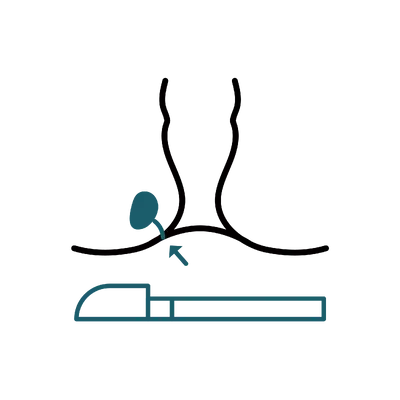
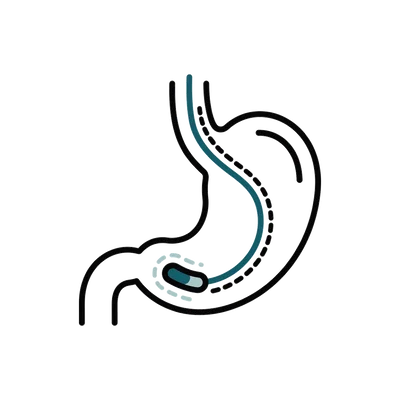
A polypectomy is the removal of a polyp, a small growth on the lining of the bowel or stomach, during an endoscopy. Most are found and taken out during the same colonoscopy that examines the large bowel, or during a gastroscopy that examines the stomach and duodenum, so the polyp is usually removed in the same sitting it is discovered rather than at a separate appointment. The endoscopist passes instruments down the same scope used to look, removes the polyp, and retrieves it for analysis.
The reason to remove a polyp goes beyond the polyp itself. Certain bowel polyps, called adenomas, can slowly change over many years into bowel cancer1,2, and taking them out is one of the few interventions in medicine that genuinely prevents a cancer from ever forming rather than treating one that already has. That is why bowel screening programmes are built around finding and removing polyps, and why a polypectomy is often the most valuable thing done during a colonoscopy.
It is a common, day-case procedure done under sedation, and most people are home the same day and back to normal within a day or two. It is honest to be clear about what happens next, though: every polyp that is removed is sent to the laboratory, and the histology result, which takes a few days, is what determines whether the polyp was harmless, pre-cancerous, or already cancerous, and what follow-up you need. Large or complex polyps cannot always be fully removed through the scope and may need a more advanced technique or surgery, and there is a small risk of bleeding for a week or two afterwards, which matters when you are planning your journey home.
It can address a range of concerns, including:
Am I a Good Candidate for Polypectomy?
Suitability for a polypectomy is straightforward once a polyp has been found, but it rests on a few practical things: a safe plan for sedation, blood thinners reviewed first, and the right technique for the polyp itself.
A polypectomy is the standard way to deal with a polyp once it is found.
A polyp has been found: At colonoscopy, gastroscopy, screening, or on a CT colonography, a polyp that should be removed and analysed.
Prevention of cancer: Removing a bowel adenoma takes it out before it can ever progress to bowel cancer.
Done in the same sitting: Most polyps are removed during the same endoscopy that finds them, with no separate appointment.
A little preparation is what makes the removal safe and complete.
Bowel prep or fasting: Laxatives before a colonoscopy, or fasting before a gastroscopy, so the view is clear.
Blood thinners reviewed: These usually need pausing before a polyp is removed, planned ideally before you travel.
Declare your health: Heart or lung conditions are reviewed so sedation is planned safely.
The right technique depends on the polyp, and so does how long to stay.
Simple removal: Most polyps come out with a snare or cold snare quickly during the scope.
Larger lesions: EMR or ESD removes bigger polyps without surgery, but takes longer and needs more time before flying.
Allow for healing: A small risk of delayed bleeding for up to two weeks is why a short stay before flying is sensible.
A few situations mean a polypectomy should be deferred or planned differently.
Blood thinners not reviewed: The removal waits until pausing them has been planned safely.
Pregnancy: A non-urgent polypectomy is usually deferred.
A large or complex polyp: May need a planned advanced removal or surgery rather than a same-day one.
Who is not suitable for polypectomy?
- Blood thinners not yet reviewed, where pausing them needs planning first
- An uncorrectable bleeding tendency, such as advanced liver failure or an inherited disorder like haemophilia, which is distinct from a blood thinner that can simply be paused and may make removal unsafe until corrected
- An active inflammatory bowel disease flare or acute severe colitis, where removal is usually deferred because the inflamed wall heals poorly and is more prone to perforation
- Significant heart or lung disease until assessed for sedation
- Pregnancy, unless the procedure is clearly necessary
- A large or complex polyp that needs a planned advanced removal or surgery
- Inability to stay long enough to cover the small risk of delayed bleeding before flying
Pricing
How Much Will Polypectomy Cost in Thailand?
What polypectomy costs at accredited hospitals in Thailand, and what your final quote depends on.
Get your exact price
Tell us what you're considering and we'll send a personalised quote from accredited hospitals within 24 hours.
Get my free quoteTypical prices in Thailand
Typical ranges based on recent hospital quotes. Your exact price depends on the hospital and how complex your case is, and is confirmed at your teleconsultation.
Polypectomy
A growth on the lining of the bowel or stomach is removed through the same endoscope that finds it, taking it out before it could become cancer.
| Simple snare or cold-snare polypectomy, with endoscopy Day case A wire loop lifts out one or a few small polyps during the same scope | $400 to $700 ฿13,600 to ฿23,800 |
| Multiple polyps or a larger snare removal Day case Several polyps or one larger lesion snared away, with closer monitoring afterwards | $600 to $900 ฿20,400 to ฿30,600 |
| Endoscopic mucosal resection (EMR) Day case Fluid raises a large or flat polyp, then a snare removes it, often clipped closed | $800 to $1,200 ฿27,200 to ฿40,800 |
| Endoscopic submucosal dissection (ESD) Day case A fine endoscopic knife takes a selected large lesion out in one piece | $1,000 to $1,200 ฿34,000 to ฿40,800 |
Typically not included
- Surgery to remove a segment of bowel, for the minority of polyps too large, awkward, or already cancerous to remove through the scope
- Any further cancer treatment the histology points to, such as oncology care or additional surgery, where a polyp is found to already contain cancer
- Treating a complication, such as a procedure to control delayed bleeding or a perforation and any hospital nights it brings
- Pre-procedure assessment and any specialist clearance for sedation where a heart or lung condition needs it, along with routine blood tests
- A later surveillance colonoscopy to check for new polyps, arranged on the schedule your histology result sets
Get your exact price
Tell us what you're considering and we'll send a personalised quote from accredited hospitals within 24 hours.
Hospitals Trusted for Polypectomy
From internationally accredited flagships to dedicated specialist hospitals, these are the kinds of facilities where international patients have this procedure.
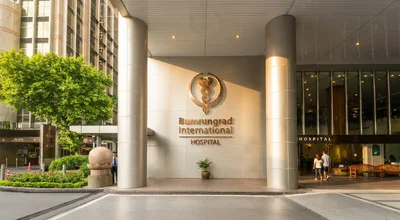
Bumrungrad International Hospital
Tertiary hospital with over 1,200 physicians treating 520,000+ international patients a year.
View hospital profile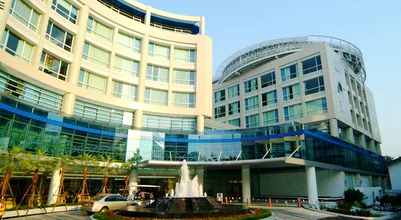
Bangkok Hospital
BDMS flagship tertiary campus with standalone heart, cancer, and neuro-orthopaedic hospitals.
View hospital profile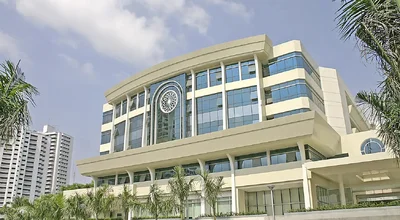
Samitivej Sukhumvit Hospital
Tertiary hospital known for paediatrics, home to Thailand's first private children's hospital.
View hospital profile
Tell Us What You Need. We Do the Rest.
Share what you're considering and we'll come back with surgeon options, pricing, and a clear plan.
- Real hospital pricing with zero markup
- Matched with a specialist experienced in your specific procedure
- Full coordination from consultation to recovery


Trusted by patients worldwide
The complete guide to Polypectomy in Thailand
Everything below is for readers who want the full detail: costs broken down, types and techniques, recovery, risks and safety, and planning your trip.
Where to Have a Polypectomy in Thailand
A polypectomy is routine, but it is a step beyond simply looking, so the hospital and the endoscopist performing it matter, particularly for larger removals. A few things are worth checking before you choose where to have it done in Thailand.
JCI-Accredited Hospitals
Choose a hospital with Joint Commission International (JCI) accreditation and a dedicated gastroenterology or endoscopy unit. JCI accreditation sets the same patient-safety and infection-control standards used by leading Western hospitals, which matters for the cleaning and handling of scopes and for the monitoring used during sedation. An accredited unit also has on-site pathology so your histology comes back promptly, and the surgical and intensive-care backup to handle the rare complication.
Board-Certified Gastroenterologists
The procedure should be performed by a board-certified gastroenterologist with formal endoscopic training and a high case volume, not an occasional operator. Experience is what most reduces the risk of incomplete removal, bleeding, or perforation, and a high-volume endoscopist is also more likely to recognise when a polyp needs an advanced technique or referral rather than a risky attempt. Many specialists at Thailand's leading hospitals hold international fellowships in endoscopy.
What to Look for in a Unit
Look for high-definition scopes, the equipment to perform EMR and place clips, on-site pathology for quick histology, and continuous monitoring for sedated patients. For a large or complex polyp, ask whether the unit performs EMR or ESD and how often. A good unit explains how your polyp will be removed, what the histology will tell you, and gives you a written report and result to take home, rather than rushing you through.
What a Polypectomy Realistically Achieves
A polypectomy removes a known growth and tells you exactly what it was, and for bowel polyps it can prevent a cancer from ever forming. It helps to be realistic about what that does and does not settle.
What a Polypectomy Can Achieve
For most people, a polypectomy removes the polyp completely in one sitting and the histology confirms it was benign or pre-cancerous, meaning a future cancer has been prevented and only routine surveillance is needed. Removing adenomas in the bowel is one of the clearest examples of cancer prevention in medicine3, which is the whole reason screening looks for them. The most valuable outcome is often simple peace of mind backed by a laboratory result.
When More Is Needed
It is honest to be clear that not every story ends in one appointment. A large polyp may need to be removed in pieces or by a planned advanced procedure, an incompletely removed polyp may need a repeat, and a polyp that the histology shows already contains cancer may need surgery to remove the surrounding bowel. Where that is the case, you leave with a clear explanation and a plan rather than uncertainty, and your care coordinator helps you arrange the next step.
Polypectomy Cost in Thailand
Average Cost of a Polypectomy
A polypectomy in Thailand typically costs between $400 and $1,200, usually including the endoscopy it is done during. A simple snare or cold-snare removal of one or two small polyps sits at the lower end. The figure rises with the size and number of polyps, and with the technique: EMR or ESD for a large lesion takes longer, uses more equipment, and may need closer monitoring, which is why complex removals sit at the top of the range.
Simple Removal vs EMR/ESD
A straightforward snare or cold-snare polypectomy is the lowest-cost version, often added to the price of the colonoscopy or gastroscopy at little extra. EMR for a larger flat polyp costs more because of the injection, longer procedure time, and any clips used. ESD for a selected large lesion is the most involved and sits highest, reflecting the skill, time, and equipment it requires. Many patients only know which they need once the endoscopist sees the polyp, so quotes usually set out the simple price with the cost of likely add-ons made clear.
What Affects the Price?
The main factors are the size, number, and complexity of the polyps, the technique required, any clips or tattooing used, the laboratory cost of analysing what is removed, and the hospital itself. Sedation and monitoring add to a simple endoscopy price. A JCI-accredited hospital with experienced endoscopists may charge a little more than a basic clinic, but for a procedure with a small but real risk of bleeding or perforation, that experience is where the value sits.
Thailand vs International Price Comparison
A polypectomy in Thailand costs far less than the private price in the US ($2,000–$5,000), Australia (A$2,500–A$5,000), and the UK (£1,500–£3,500), reflecting lower local operating costs rather than weaker standards. Because the saving on a larger removal such as EMR is substantial, and the procedure pairs naturally with a colonoscopy or gastroscopy in the same trip, a polypectomy can make real financial sense, especially compared with long private waits at home.
Polypectomy vs Surgery and Surveillance
Once a polyp is found, removing it endoscopically is almost always the first choice, but it is not the only path, and which one fits depends entirely on the polyp.
For the great majority of polyps, a polypectomy is straightforward: the growth is removed through the scope, sent for analysis, and that is the end of it, with only a routine check planned for the future. This is by far the most common outcome and the whole point of looking in the first place.
Very large polyps, those in difficult positions, and any that already contain cancer may not be fully removable through the scope and can need surgery to take out the affected segment of bowel. This is a bigger undertaking with a longer recovery, and it is decided honestly, sometimes only once the histology is back, rather than promised in advance.
At the other end, some tiny, low-risk polyps, or a finding in someone for whom removal carries more risk than benefit, may simply be watched on a surveillance schedule rather than removed straight away. Your endoscopist will explain which approach your particular polyp calls for, and it is a fair question to ask directly.
Types of Polypectomy
How a polyp is removed depends on its size, shape, and where it sits. Most are taken out simply and quickly, but larger or flatter polyps need more advanced techniques, and the largest or most suspicious sometimes need surgery. The main forms run from the simplest to the most involved.
Snare Polypectomy
The standard method for most polyps that sit on a stalk or have a clear base. A thin wire loop is passed down the scope, looped around the polyp, and tightened to remove it, often with a small electrical current (diathermy) that cuts and seals at the same time to reduce bleeding. The polyp is retrieved and sent to the laboratory. This handles the majority of polyps found at colonoscopy.
- A wire loop removes the polyp, with or without diathermy
- The workhorse technique for most stalked or medium polyps
- Removed and retrieved for analysis in the same sitting
- Why it matters: handles typical bowel or stomach polyps with a defined base
Cold Snare & Cold Forceps
For small polyps, the loop or a pair of forceps can remove the growth without any electrical current at all, simply by cold mechanical cutting. This avoids the small risks that come with diathermy and is now the preferred way to deal with the many tiny polyps found during a routine colonoscopy. It is quick and very low-risk.
- Removes small polyps without electrical current
- Lower risk of delayed bleeding than diathermy on tiny polyps
- Fast and well suited to multiple small growths
- Why it matters: the safest route for polyps under about a centimetre
Endoscopic Mucosal Resection (EMR)
For larger or flatter polyps that do not lift away easily, fluid is first injected beneath the polyp to raise it from the bowel wall, then it is removed with a snare, sometimes in several pieces. This allows bigger lesions to be taken out through the scope rather than by surgery, but it is more involved and carries a slightly higher risk of bleeding or perforation.
- Fluid lifts a larger or flat polyp before snare removal
- Removes lesions too big for a simple snare
- More involved, with a modestly higher risk than a standard polypectomy
- Why it matters: spares larger or flat polyps from open surgery
Endoscopic Submucosal Dissection (ESD)
A specialist technique for selected large lesions, where the polyp is carefully dissected out in one piece using a fine endoscopic knife. It allows complete removal of certain large or early-stage lesions without surgery, but it is technically demanding, takes longer, and is only offered by experienced endoscopists at well-equipped units.
- Removes selected large lesions in a single piece
- An alternative to surgery for certain large or early lesions
- Technically demanding and offered only at specialist units
- Why it matters: en-bloc removal lets the laboratory read the whole lesion accurately
When Surgery Is Needed
Not every polyp can be removed through the scope. The largest, those in awkward positions, and any that already contain cancer may need surgical removal of the affected segment of bowel. This is decided honestly, sometimes only after the histology comes back, and it is right to know surgery remains the answer for a minority of cases.
- Some large, awkward, or cancerous polyps cannot be removed endoscopically
- May need removal of a segment of bowel by surgery
- The need is sometimes only clear once histology is back
- Why it matters: the right answer for large, complex, or already-cancerous lesions
Polypectomy Techniques & Approaches
The instruments are simple in principle but the judgement around them is what matters: how to remove a polyp completely, how to stop it bleeding, and how to mark the site so it can be checked again. These are the considerations that separate a careful removal from a rushed one.
Snare & Diathermy
With the snare itself covered under Types, the judgement here is the diathermy: how much current to use to cut cleanly and seal small vessels, and when to avoid it altogether on a tiny polyp. The endoscopist makes that call for each polyp based on its size and shape.
- Wire loop captures the polyp; diathermy cuts and seals
- Current is tailored to the polyp or avoided for small ones
- The standard removal method worldwide
- Why it matters: sealing small vessels as it cuts limits bleeding
Cold Techniques for Small Polyps
The decision to go cold, rather than which tool to reach for, is the point here: for tiny polyps, removing them mechanically with no current avoids the small risk of delayed bleeding or wall injury that heat can cause. It is now standard practice for small lesions and is checked against each polyp's size before any heat is considered.
- No electrical current used on small polyps
- Avoids heat-related risks for tiny lesions
- Now the preferred approach for small polyps
- Why it matters: a large part of why routine polypectomy is so safe
EMR & ESD for Larger Lesions
EMR and ESD are described in full under Types; the consideration here is matching the lesion to the method and the operator. Both take longer and carry a modestly higher risk than a simple removal, so the question an experienced unit weighs is whether a polyp is better suited to a fluid-lift snare, to en-bloc dissection, or to onward referral.
- Fluid lift and snare (EMR) or knife dissection (ESD)
- Removes larger lesions without surgery where possible
- Higher skill and a modestly higher risk than a simple polypectomy
- Why it matters: belongs in experienced hands at an accredited unit
Clips & Closing the Site
After a larger polyp is removed, the endoscopist can place small clips over the site through the scope to close the defect and reduce the chance of bleeding afterwards. This is a routine precaution for bigger removals and is one of the main ways the small risk of delayed bleeding is kept low.
- Clips close the site after a larger removal
- Reduce the risk of delayed bleeding
- A routine precaution for bigger polypectomies
- Why it matters: one of the main ways the delayed-bleeding risk is kept low
Tattooing & Follow-Up Marking
Where a polyp is large, removed in pieces, or suspicious, the endoscopist may inject a permanent marker into the bowel wall, a tattoo, so the exact site can be found again at a future check or, if needed, by a surgeon. It is a small step that makes accurate follow-up far easier and is good practice for any lesion that may need revisiting.
- A permanent tattoo marks the removal site
- Lets the exact spot be found again later
- Standard for large, piecemeal, or suspicious removals
- Why it matters: makes accurate follow-up or onward surgery far easier
What to Expect After a Polypectomy
First Few Hours
After the sedation, you rest in a recovery area until it wears off, usually an hour or two, and you must not drive, sign anything important, or travel alone that day. Some bloating and wind from the air used during the endoscopy are normal and settle quickly. The endoscopist explains what they saw and what was removed before you leave, so you go home knowing the visual findings already.
Same Day
Most people feel back to normal within a few hours and can eat and drink as usual, starting with something light. If you had a colonoscopy, the bowel preparation will have cleared by now. You take it easy for the rest of the day and have someone with you, particularly if more than a small polyp was removed.
The Next Few Days
After a small, simple removal most people are back to normal within a day or two. After a larger removal such as EMR or ESD you are usually advised to avoid heavy lifting, strenuous exercise, and alcohol for about a week while the site heals, and to delay a long-haul flight by several days, because a small risk of delayed bleeding exists for up to about two weeks4. This is the main reason we suggest staying a couple of nights rather than flying straight out. Any minor cramping eases over a day or so.
Follow-Up
The polyp goes to the laboratory, and the histology result, which sets what surveillance you need, comes back over the following days. Your care coordinator helps you receive it and arrange any follow-up, and you travel home with a written report and the histology for your own doctor so your care continues without gaps.
Can You Fly After a Polypectomy?
Usually, but timing matters. After a small, simple polypectomy many people can fly within a day or two. After a larger removal such as EMR or ESD, there is a small risk of delayed bleeding for up to about two weeks, so the endoscopist will usually advise allowing several days before a long flight, when any bleeding would most likely surface while you are still close to the hospital. This is why we suggest a stay of two to three days rather than flying straight out, and longer for complex removals.
When Can You Eat, Drink and Work Again?
Once the sedation has worn off you can eat and drink, starting light, usually the same day. You should take it easy for the rest of that day and avoid alcohol. After a larger removal you may be advised to avoid heavy meals, strenuous exercise, and heavy lifting for a week or so while the site heals. Most people are back to normal activities within a day or two, with the main caution being to avoid anything that raises the bleeding risk.
When Will You Get Your Results?
The visual findings, what the endoscopist saw and removed, are known and explained to you straight away. The polyp itself goes to the laboratory, and the histology, which sets what surveillance you need, typically takes a few days. Your care coordinator helps you receive the result and arrange any follow-up, and you travel home with a written report and the histology for your own doctor.
Sedation and Comfort During a Polypectomy
A polypectomy does not need a general anaesthetic. It is done during the endoscopy itself, almost always under light conscious sedation given through a small cannula, which leaves you relaxed and drowsy and means you usually remember little or nothing of it. The removal of the polyp adds only a little time to the endoscopy and is not felt as pain, because the lining of the bowel and stomach has no pain nerves of the kind in skin.
Before any sedation you have a brief assessment of your fitness, including any heart or lung conditions and the medications you take, particularly blood thinners, which usually need pausing before a polyp is removed. Throughout the procedure your oxygen levels, pulse and breathing are monitored continuously by the team, which is standard at the accredited hospitals. The sedation is short-acting, so it clears within a few hours, though you should not drive or travel alone that day.
For a larger or more complex removal such as EMR or ESD, which takes longer, deeper sedation or anaesthetist-led sedation may be used so you are comfortable throughout. This is planned in advance based on what the lesion involves, and discussed with you before the day.
Risks and Safety of Polypectomy
Polypectomy is performed many thousands of times every day and serious complications are uncommon, but it is a more involved step than simply looking, so it carries slightly higher risks than a plain endoscopy. The risks rise with the size and complexity of the polyp, and the most important one to understand for travel is delayed bleeding.
- Bleeding, either at the time or delayed up to about two weeks afterwards, which is the main risk and rises with polyp size and technique, lower after a simple cold-snare removal and around 2–5% after EMR of a large polyp4
- Perforation, a small tear in the bowel or stomach wall, which is rare but serious, uncommon after a standard polypectomy and higher with EMR (about 1%) or ESD (about 5%) of large or flat polyps4
- Post-polypectomy coagulation syndrome, a delayed reaction after diathermy (hot-snare) removal where heat injures the bowel wall without a true perforation, causing localised fever and abdominal pain typically one to five days afterwards, usually settling with rest and antibiotics rather than surgery
- Incomplete removal, where part of a polyp remains and a repeat procedure is needed
- Bloating or cramping from the air used during the endoscopy, which settles quickly
- A reaction to the sedation, such as low blood pressure or slowed breathing, monitored for and managed by the team
The serious risks, significant bleeding and perforation, are uncommon and are lowest in experienced hands at a properly equipped unit, which is exactly why where you have it matters. Having any blood thinners reviewed beforehand, choosing an accredited hospital with experienced endoscopists, and allowing time before you fly so any delayed bleeding would surface while you are still close to the hospital are the main ways these risks are kept small.
Is a Polypectomy Safe in Thailand?
Yes. Polypectomy is among the most commonly performed endoscopic procedures, and at JCI-accredited hospitals it is performed by board-certified gastroenterologists using the same instruments, clips, and monitoring as major Western centres. Sedation is monitored continuously by trained staff, and the units handle high volumes, which is exactly the experience that keeps the small risks of bleeding and perforation small. An accredited hospital also has the surgical and intensive-care backup on site for the rare complication.
How to Reduce Your Risk
Have any blood-thinning medication reviewed before you travel, as it usually needs pausing around a polypectomy. Declare heart, lung, or other conditions so sedation is planned safely, and complete bowel preparation or fasting exactly as instructed. Choose a JCI-accredited hospital with experienced endoscopists rather than the cheapest clinic, since experience is what most reduces the rare risk of perforation and the more common risk of bleeding. And allow enough time before flying that any delayed bleeding would surface while you are still nearby.
What If Something Goes Wrong?
Most complications, such as bleeding, appear at the time or in the first hours and can be managed there and then through the same scope, by clipping or cautery. If something more serious occurs, such as a perforation, an accredited hospital has the surgical and intensive-care backup to manage it on site. If a polyp cannot be fully removed, or the histology shows it needs more treatment, the endoscopist explains this honestly and your care coordinator helps arrange the next step, whether further treatment in Thailand or a clear report and onward referral for your doctor at home.
Fitting a Polypectomy Into Your Trip to Thailand
A polypectomy needs only a short stay, but a little longer than a plain endoscopy because of the small risk of delayed bleeding. The practical points below cover how to fit it around the rest of your trip.
How Long to Stay in Thailand
Allow 2 to 3 days for a standard polypectomy. One day covers the consultation, preparation, and the endoscopy with removal, which is a day case. A couple of extra days let any delayed bleeding surface while you are still close to the hospital and give time to discuss the visual findings before you move on. For a large or complex removal such as EMR or ESD, allow longer, as your endoscopist will advise based on what was done.
What's Included in a Medical Trip
Your care coordinator arranges the appointment, hospital transfers, and any follow-up. The quote covers the endoscopist's fee, the endoscopy and the polyp removal, sedation, any clips or tattooing, and the laboratory analysis of what is removed. Flights and accommodation are arranged separately, though your coordinator can recommend hotels near the hospital. You travel home with a written report and the histology result to give your own doctor.
Combining It With Other Investigations
Because polyps are usually removed during a colonoscopy or gastroscopy, a polypectomy combines naturally with the endoscopy that finds it, and often with a wider health check or a colonoscopy and gastroscopy on the same day for patients checking the whole digestive tract. Having it as part of a planned trip, rather than travelling for it alone, makes the most of both the convenience and the saving.
Related Procedures
Other procedures that address similar goals or conditions, in case one of them is a closer fit for you.
Planning your treatment in Thailand
Independent guides to help you weigh the decision, before you commit to anything.
Common Questions About Polypectomy
Everything you need to know before your procedure

Medical References
Keep researching with AI
Open this guide in your AI assistant to dig deeper and ask the questions it didn't answer.
Opens in a new tab with this guide already loaded.
Medical disclaimer: Content on this site is provided for informational purposes and should not be treated as medical advice. Outcomes, timelines, and eligibility differ from person to person. Consult a qualified medical professional before making any decisions about surgery or treatment.
Ready to Get Started?
Speak with our care coordinators for a free, no-obligation consultation and personalised quote.
Speak to Our Team