Liver Biopsy in Thailand Your guide to cost, top specialists & hospitals
A short, ultrasound-guided test that takes a tiny sample of liver tissue to find the cause of liver disease or measure how much scarring is there, when scans and blood tests cannot give a clear enough answer.
What Is Liver Biopsy?
Also known as: Liver Biopsy · Percutaneous · Transjugular Liver Biopsy
A liver biopsy is a test in which a small sample of liver tissue is taken with a fine needle so it can be examined under the microscope. It is the most detailed way to find out what is happening inside the liver itself, rather than judging from the outside. A biopsy can diagnose the cause of liver disease, measure how much scarring (fibrosis) or inflammation there is, investigate an abnormal area seen on a scan, or explain liver blood tests that remain unexplained after other investigations. The sampling itself usually takes only 15 to 30 minutes.1,2
Most biopsies are done as a day case under local anaesthetic, often with light sedation, with the needle guided to the safest spot by ultrasound. The procedure is short, but it is followed by several hours of bed rest and monitoring, because the main risk is bleeding and that is when it would most likely show. Some aching in the right side or right shoulder is common for a day or two afterwards. You should not fly straight away, which is why a few days in the country matters even though the test itself is brief.
It is worth being honest about when a biopsy is actually needed. Non-invasive tests such as FibroScan and blood-based fibrosis scores have reduced how often a biopsy is required, and where those give a clear picture a biopsy can often be avoided. It remains the most detailed test for some cases, and is used when the non-invasive results are unclear or when a precise tissue diagnosis is essential. The endoscopist or radiologist sees the sample is taken straight away, but the laboratory analysis takes several days, so results are not immediate.
It can address a range of concerns, including:
Am I a Good Candidate for Liver Biopsy?
Suitability for a liver biopsy rests on a clear reason for the test and a safe plan for bleeding risk: your clotting reviewed, any blood thinners managed, and the right route chosen for your case.
A liver biopsy is reserved for when a precise tissue diagnosis is genuinely needed.
The non-invasive picture is unclear: When FibroScan and blood scores are borderline or contradict each other, a biopsy gives the definite answer.
A precise diagnosis is essential: It diagnoses the cause of liver disease and grades inflammation and scarring in a way scans cannot.
A lesion needs sampling: An abnormal area seen on a scan can be sampled directly to find out exactly what it is.
A little preparation beforehand is what keeps the test safe.
Clotting reviewed: Blood tests check your clotting beforehand so the safest route can be chosen.
Blood thinners managed: If you take them, the team plans whether and when to pause them, ideally before you travel.
Declare your health: Any bleeding problems or significant fluid in the abdomen are reviewed, as they may point to a transjugular route.
How the biopsy is done is decided beforehand to suit your case.
Percutaneous: The usual route, through the skin under ultrasound guidance, under local anaesthetic with light sedation.
Transjugular: Through a neck vein under X-ray guidance, safer where clotting is abnormal or there is fluid in the abdomen.
Monitoring: Either route is followed by several hours of observation, which is standard and not optional.
A few situations mean a biopsy should be deferred, reassessed, or avoided.
Blood thinners not reviewed: The test should wait until these are managed safely.
Uncorrected bleeding risk: A known clotting problem or a low platelet count (typically below 50,000 per cubic millimetre) may need correcting or a transjugular route instead.
A possible haemangioma: A focal lesion that could be a haemangioma is not biopsied through the skin, because of the risk of severe bleeding; it is characterised on imaging first.
A scan would do: If a FibroScan or blood score answers the question, the biopsy and its risks can be avoided.
Who is not suitable for liver biopsy?
- Blood thinners not yet reviewed or paused as advised
- A bleeding or clotting problem that has not been corrected, where the standard route would be unsafe
- A platelet count that is too low for the standard route (typically below 50,000 per cubic millimetre), until it is corrected or a transjugular route is arranged
- A focal lesion that may be a haemangioma (a benign tangle of blood vessels), which is not biopsied through the skin because of the risk of severe bleeding and is characterised on imaging instead
- Significant fluid in the abdomen (ascites) until drained or a transjugular route is arranged
- Unable to lie still or hold the breath briefly for the sample to be taken safely
- A case where a non-invasive test such as FibroScan would answer the question without a biopsy
Pricing
How Much Will Liver Biopsy Cost in Thailand?
What liver biopsy costs at accredited hospitals in Thailand, and what your final quote depends on.
Get your exact price
Tell us what you're considering and we'll send a personalised quote from accredited clinics within 24 hours.
Get my free quoteTypical prices in Thailand
Typical ranges based on recent hospital quotes. Your exact price depends on the hospital and how complex your case is, and is confirmed at your teleconsultation.
Liver Biopsy
A needle takes a small core of liver tissue for the laboratory to examine. The route in is set by your clotting and whether there is fluid in the abdomen.
| Percutaneous ultrasound-guided biopsy, day case Day case Needle passed through the skin under ultrasound guidance, the usual route where clotting is normal | $500 to $1,200 ฿17,000 to ฿40,800 |
| Transjugular biopsy 0 to 1 nights Sample taken through a neck vein under X-ray guidance, for higher bleeding risk or abdominal fluid | $1,200 to $2,000 ฿40,800 to ฿68,000 |
Added to the above where needed
| Sedation and longer observation The sedation itself plus the extra monitoring it requires | $200 to $400 ฿6,800 to ฿13,600 |
Typically not included
- Treatment of whatever the biopsy finds. The figure covers the test, not the surgery, medication or further care the diagnosis may lead to
- Treatment of a complication, such as a transfusion or a procedure to stop bleeding
- Hospital nights beyond the day case or single night in your quote
- Pre-procedure blood and clotting tests, and any imaging done beforehand to plan the safest route
- A repeat biopsy, if the first sample is too small to give a reliable answer
Get your exact price
Tell us what you're considering and we'll send a personalised quote from accredited clinics within 24 hours.
Hospitals Trusted for Liver Biopsy
From internationally accredited flagships to dedicated specialist hospitals, these are the kinds of facilities where international patients have this procedure.
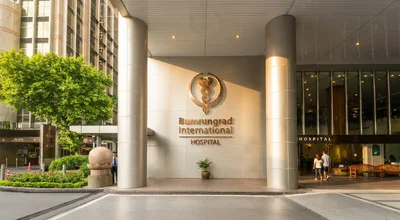
Bumrungrad International Hospital
Tertiary hospital with over 1,200 physicians treating 520,000+ international patients a year.
View hospital profile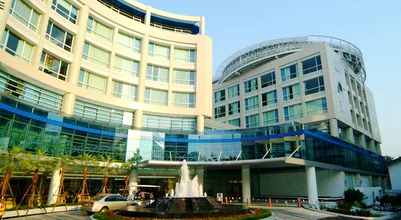
Bangkok Hospital
BDMS flagship tertiary campus with standalone heart, cancer, and neuro-orthopaedic hospitals.
View hospital profile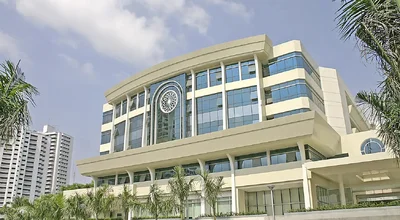
Samitivej Sukhumvit Hospital
Tertiary hospital known for paediatrics, home to Thailand's first private children's hospital.
View hospital profile
Tell Us What You Need. We Do the Rest.
Share what you're considering and we'll come back with surgeon options, pricing, and a clear plan.
- Real hospital pricing with zero markup
- Matched with a specialist experienced in your specific procedure
- Full coordination from consultation to recovery


Trusted by patients worldwide
The complete guide to Liver Biopsy in Thailand
Everything below is for readers who want the full detail: costs broken down, types and techniques, recovery, risks and safety, and planning your trip.
Where to Have a Liver Biopsy in Thailand
For a test this brief, the hospital and the team behind it carry more weight than the procedure itself, because it is their experience and backup that keep the risks small. Here is what to look for when choosing where to have it done in Thailand.
JCI-Accredited Hospitals
Choose a hospital with Joint Commission International (JCI) accreditation and a dedicated hepatology and radiology service. JCI accreditation sets the same patient-safety standards used by leading Western hospitals, which matters for the imaging guidance, the monitoring afterwards, and the on-site backup. An accredited hospital has the transfusion, radiology and surgical support to manage the rare bleeding complication, which is the single most important thing for an invasive liver test.
Hepatology & Radiology Teams
A liver biopsy should be performed by an experienced hepatologist or an interventional radiologist, with the route chosen to suit your clotting and your liver. Experience and high case volume are what most reduce the small risk of bleeding or injury to a nearby organ, and an experienced team is also more likely to obtain a good sample first time so the test does not need repeating. Many specialists at Thailand's leading hospitals hold international fellowships.
What to Look for in a Unit
Look for real-time ultrasound or CT guidance, the option of a transjugular route for higher-risk cases, on-site pathology, and a proper observation area for monitoring afterwards. Ask which route is planned and why, how long you will be observed, and what backup is in place if bleeding occurs. A good unit explains all of this clearly beforehand and gives you a written report to take home, rather than rushing you through.
What a Liver Biopsy Realistically Achieves
A liver biopsy is an investigation rather than a treatment, so its value is in the answer it gives. Here is what to expect from it realistically.
What a Liver Biopsy Can Tell You
A biopsy examines the actual liver tissue under the microscope, so it can give a precise diagnosis of the cause of liver disease, grade how much inflammation is present, and stage how much scarring has developed, in a way that scans and blood tests cannot match. For a focal lesion, it can confirm exactly what an abnormal area is. For many people the most valuable outcome is a definite answer that lets the right treatment begin, or reassurance that a feared diagnosis is not present.
What It Does Not Do
A biopsy diagnoses and stages; it does not treat the underlying condition. It samples a small part of the liver, so in patchy disease there is a small chance the sample does not fully represent the whole organ, which is one reason non-invasive tests are sometimes preferred. And because the analysis takes several days, it does not give an instant answer. It is a precise test, used when precision is what is needed, rather than a routine first step.
Liver Biopsy Cost in Thailand
Average Cost of a Liver Biopsy
A liver biopsy in Thailand typically costs between $500 and $2,000. A straightforward percutaneous ultrasound-guided biopsy as a day case sits at the lower end. The figure rises with a transjugular or targeted biopsy, where more equipment, imaging and time are involved, and if an overnight stay is needed for closer observation.
Percutaneous vs Transjugular or Targeted
A standard percutaneous ultrasound-guided biopsy is the lowest-cost version, as it is quick and usually a day case. A transjugular biopsy costs more because it is done in the radiology department under X-ray guidance by an interventional radiologist and takes longer. A targeted biopsy of a specific lesion, often under CT, also costs more. Which route you need is decided by your clotting, whether there is fluid in the abdomen, and what is being investigated, so quotes set out the likely route and any add-ons clearly.
What Affects the Price?
The main factors are the route used, whether sedation is given, how long you are observed and whether you stay overnight, and the laboratory analysis of the sample. A JCI-accredited hospital with a hepatology and radiology team may charge a little more than a basic clinic, but for an invasive test with a small but real bleeding risk, the monitoring and on-site backup are where the value sits.
Thailand vs International Price Comparison
A liver biopsy in Thailand costs far less than the private price in the US ($2,500–$7,000), Australia (A$3,000–A$6,000), and the UK (£1,800–£4,500), reflecting lower local operating costs rather than weaker standards. Because it is a single test rather than major surgery, a liver biopsy makes most sense added to a trip, combined with other investigations, or chosen to skip a long waiting list at home.
Liver Biopsy vs Non-Invasive Tests
A liver biopsy is no longer the automatic first step it once was. Non-invasive tests are now tried first, and for many people they answer the question without the risks of a biopsy. A FibroScan measures how stiff the liver is, which reflects how much scarring is present, and it is quick and painless. Blood-based fibrosis scores combine routine blood results into a number that estimates the degree of scarring. Between them, these can often confirm or rule out significant fibrosis without any needle.
These tests have genuinely reduced how often a biopsy is needed, and where they give a clear picture a biopsy can usually be avoided. They have limits, though. They estimate scarring rather than examining the tissue itself, and they do not always explain the underlying cause or grade inflammation, so the picture can be unclear or borderline.
A biopsy remains the most detailed test, because it examines the actual liver tissue under the microscope. It is used when the non-invasive results are unclear or contradict each other, when a precise tissue diagnosis is essential, or when a specific lesion needs sampling. In practice the two work together: non-invasive tests first, and a biopsy reserved for the cases where only tissue will give the answer. It is a fair question to ask your doctor directly whether a scan would do in your case.
Types of Liver Biopsy
A liver biopsy can be done in more than one way, and the route chosen depends on your clotting, whether there is fluid in the abdomen, and whether a specific area needs sampling. Here are the main forms.
Percutaneous Ultrasound-Guided Biopsy
The usual route. After local anaesthetic, a needle is passed through the skin between the lower ribs on the right side, with ultrasound used to guide it to the safest spot and avoid blood vessels and other organs. It is quick, done as a day case, and suits most people with normal clotting and no significant fluid in the abdomen.
- The standard and most common approach
- Needle passed through the skin under ultrasound guidance
- Done as a day case under local anaesthetic
- Best for: most people with normal clotting and no significant ascites
Transjugular Biopsy
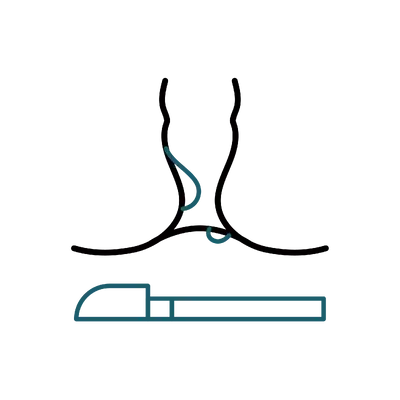
The sample is taken through a vein in the neck, with a fine catheter passed down to the liver under X-ray guidance, so the needle never crosses the outer surface of the liver. This is the safer route for people who have a higher bleeding risk, abnormal clotting, or a large amount of fluid in the abdomen. It is done in the radiology department and takes a little longer.
- Sample taken through a neck vein, not through the skin over the liver
- Safer where clotting is abnormal or there is significant ascites
- Performed under X-ray guidance by an interventional radiologist
- Best for: bleeding risk, abnormal clotting, or fluid in the abdomen
Targeted (Lesion) Biopsy
When a specific lump or abnormal area has been seen on a scan, the biopsy is aimed directly at it under ultrasound or CT guidance, rather than sampling the liver in general. This gives a precise diagnosis of that particular area, which matters when the question is what a lesion actually is.
- Aimed directly at a specific lump or abnormal area
- Guided by ultrasound or CT for accuracy
- Gives a tissue diagnosis of the lesion itself
- Best for: investigating a focal liver lesion seen on imaging
Fine-Needle Aspiration
For some masses, a very fine needle is used to draw off a small sample of cells rather than a core of tissue. It is less invasive but gives less information than a core biopsy, so it is used in particular situations and often alongside, or in place of, a core sample depending on what the team needs to know.
- A very fine needle draws off cells rather than a tissue core
- Less invasive, but gives less detail than a core biopsy
- Used in selected cases, sometimes alongside other sampling
- Best for: specific masses where a cell sample answers the question
Liver Biopsy Techniques & Approaches
The principle of a liver biopsy is simple, but the details that keep it safe are about guidance, the right route for your case, and careful monitoring afterwards. Here are the main considerations.
Ultrasound or CT Guidance
Imaging is used to find the safest place to take the sample, marking a spot that avoids large blood vessels, the gallbladder, the lung, and the bowel. Real-time ultrasound lets the operator watch the needle as it goes in, which is one of the main things that keeps the small risk of bleeding or injury to a nearby organ low. CT is used when a deeper or harder-to-reach area needs targeting.
- Imaging marks the safest spot before the needle goes in
- Real-time ultrasound lets the operator watch the needle
- Avoids large vessels and nearby organs
- Why it matters: it is the main thing keeping the procedure safe and precise
The Core Biopsy Needle
A specialised needle takes a thin core of liver tissue, usually in a fraction of a second, often with a spring-loaded device. A core, rather than just a few cells, gives the pathologist enough tissue to assess the architecture of the liver and grade scarring and inflammation properly. You are usually asked to hold your breath briefly as the sample is taken.3
- Takes a thin core of tissue for full microscopic analysis
- Gives enough tissue to grade scarring and inflammation
- Sampling itself takes only moments
- Why it matters: a core, not just cells, allows a precise tissue diagnosis
The Transjugular Approach
When clotting is a concern or there is fluid in the abdomen, the sample is taken from inside a vein rather than through the liver surface, so any bleeding drains back into the bloodstream rather than into the abdomen. This makes a biopsy possible for people who would be at too high a risk with the standard route, and is done by an interventional radiologist under X-ray guidance.
- Sampling from within a vein rather than through the liver surface
- Makes biopsy safer where bleeding risk is higher
- Performed by an interventional radiologist under X-ray
- Why it matters: any bleeding drains into the bloodstream, not the abdomen
Post-Procedure Observation
After the sample is taken you lie on your right side and rest under observation for several hours, with regular checks of your pulse and blood pressure.1 The reason is that any serious complication almost always shows in this early window. Being watched by an experienced team in a properly equipped hospital is exactly what makes that small risk manageable.
- Several hours of bed rest and monitoring afterwards
- Lying on the right side helps press on the biopsy site
- Catches the rare bleeding complication early
- Why it matters: it is standard after every biopsy, not optional
What to Expect After a Liver Biopsy
First Few Hours
You rest in bed, usually lying on your right side at first, while the team checks your pulse and blood pressure regularly. These early hours are the most important part of the day, because a problem with the biopsy site would tend to show now rather than later. Some aching at the site or in the right shoulder is normal and is managed with simple pain relief.
Same Day or Overnight
Many people go home the same day after their observation period, while some stay one night, particularly after a transjugular biopsy or if there is any reason to watch more closely. If you have had sedation, you must not drive, sign anything important, or travel alone for the rest of that day, so arrange for someone to collect you and stay with you. You are given clear instructions on what to avoid and the warning signs to watch for. You should not be alone the first night and should stay within easy reach of the hospital.
The Next Few Days
Any aching in the side or shoulder usually eases over a day or two. You are advised to avoid heavy lifting and strenuous activity for about a week so the small wound settles.1 The sample goes to the laboratory and the analysis takes several days, which is the part that cannot be rushed, so results are not available immediately.
Follow-Up
Once the laboratory results are ready, they are explained to you, with a written report for your records and your doctor at home. Your care coordinator helps arrange any follow-up the result points to, whether that is treatment, monitoring, or onward referral. You travel home with a clear report so your own medical team can continue your care without gaps.
Can You Fly After a Liver Biopsy?
Not straight away. The hours and first day or two are when you most want to be near the hospital rather than in the air, so plan to stay a few days afterwards rather than flying out the next morning. Your team will advise when it is safe to fly based on your route, your recovery, and whether any complication arose. Being grounded for those first days is the single planning point that matters most for this test.
When Can You Eat, Drink and Work Again?
You can usually eat and drink normally once your observation period is over and you are comfortable. If you have had sedation, you must not drive or travel alone for the rest of that day, so arrange an escort back to your hotel. You are advised to avoid heavy lifting and strenuous activity for about a week so the small wound settles, and to take it easy for the first day or two. Light activity and gentle sightseeing are usually fine once any aching has eased, but listen to the specific advice you are given.
When Will You Get Your Results?
The sample is taken successfully on the day, but the analysis itself takes several days, as the tissue has to be processed and examined under the microscope by a pathologist. This is the part that cannot be hurried. Your care coordinator helps you receive the results and arrange any follow-up, and you travel home with a written report for your own doctor.
Anaesthesia and Comfort During a Liver Biopsy
A liver biopsy does not need a general anaesthetic. Local anaesthetic is injected into the skin and the tissues over the liver to numb the area where the needle goes in, and light sedation is often given as well to help you stay relaxed and comfortable. With a transjugular biopsy, local anaesthetic is used at the neck where the catheter is inserted, again often with sedation.
Before the procedure you have a brief assessment of your fitness and your clotting, and any blood-thinning medication is reviewed, as it usually needs pausing beforehand to reduce the risk of bleeding. During the biopsy your pulse, blood pressure and oxygen levels are monitored, which is standard at the accredited hospitals.
Most people feel pressure and a brief, sharp sensation as the sample is taken rather than significant pain, and you may be asked to hold your breath for a moment. Afterwards, aching at the site or referred to the right shoulder is common for a day or two and settles with simple pain relief. The discomfort is generally mild and short-lived, but it is honest to say there is some, unlike a scan.
Risks and Safety of a Liver Biopsy
A liver biopsy is generally safe and serious complications are uncommon, but it is an invasive test and the risks are real, which is why the observation afterwards matters. The most important risk to understand is bleeding.
- Pain or aching at the biopsy site or in the right shoulder (common, settles in a day or two)
- Bleeding, the main serious risk, which is usually minor but occasionally needs treatment such as a transfusion or a procedure to stop it2
- Bile leak, where bile escapes from the biopsy site (uncommon)
- Haemobilia, delayed bleeding into the bile duct that can show as jaundice (yellow skin or eyes), colicky pain and fever, typically a few days after the biopsy and sometimes once you are home (rare)
- Pseudoaneurysm, a weakened ballooned spot in a small blood vessel at the biopsy site that can bleed later (rare)
- Pneumothorax, a small air leak around the lung if it is near the needle path (rare)
- Injury to a nearby organ such as the gallbladder, kidney or bowel (rare, and reduced by ultrasound guidance)2,3
- Infection (uncommon)
The serious risks, mainly significant bleeding, are uncommon and are lowest in experienced hands with ultrasound guidance and proper monitoring afterwards. Having any blood thinners reviewed and paused as advised, choosing the right route for your clotting, and being observed in an accredited hospital with the backup to manage a complication are the main ways these risks are kept small. This is exactly why where you have the biopsy matters.
Is a Liver Biopsy Safe in Thailand?
Yes, when done at a JCI-accredited hospital with an experienced hepatology and radiology team. The biopsy itself is the same procedure performed worldwide, guided by ultrasound and followed by monitoring. An accredited hospital uses the same imaging and safety standards as leading Western centres and has the surgical, transfusion and intensive-care backup on site to manage the rare bleeding complication, which is exactly the kind of support that keeps the small risk small.
How to Reduce Your Risk
Have any blood-thinning medication reviewed before you travel, as it usually needs pausing around a biopsy. Declare any bleeding or clotting problems and any medication you take, so the right route is chosen for your case. Follow the rest and activity advice afterwards, and stay within easy reach of the hospital for the first day or two. And choose an accredited hospital with an experienced team and ultrasound guidance rather than the cheapest clinic, since experience is what most reduces the risk of bleeding or injury to a nearby organ.
What If a Problem Is Found, or Something Goes Wrong?
Finding the cause or extent of a liver problem is the point of the test, and the result guides your treatment and any follow-up. If the result points to something serious, it is explained to you with a written report and your care coordinator helps arrange the next step, whether treatment in Thailand or onward referral for your doctor at home. In the rare event of bleeding or another complication during or soon after the biopsy, an accredited hospital has the team and the transfusion and surgical backup on site to manage it, which is precisely why the observation period is in hospital.
Fitting a Liver Biopsy Into Your Trip to Thailand
The test takes minutes, but the monitoring afterwards and the rule against flying straight away mean it needs a short planned stay rather than a same-day visit. Here is how to plan it.
How Long to Stay in Thailand
Allow 2 to 4 days. One day covers the consultation, any pre-procedure assessment and blood tests, and the biopsy itself with its hours of observation. You should then stay a couple more days before flying, because the small bleeding risk is greatest in the first day or two. If a transjugular biopsy or an overnight stay is needed, allow towards the upper end. The laboratory result usually follows after you have travelled home, with a written report.
What's Included in a Medical Trip
Your care coordinator arranges the appointment, hospital transfers, and any follow-up. The quote covers the specialist's fee, the biopsy, imaging guidance, sedation if used, the observation period, and the laboratory analysis of the sample. Flights and accommodation are arranged separately, though your coordinator can recommend hotels near the hospital. You travel home with a written report and your results to give your own doctor.
Combining It With Other Investigations
A liver biopsy is often part of a wider work-up, so it can be combined in one trip with non-invasive tests such as a FibroScan, blood tests, or imaging, and with a gastroscopy where the upper digestive tract also needs checking. Because the test itself is short, the main planning point is allowing enough recovery time before you fly rather than fitting in other appointments, which your coordinator helps sequence sensibly.
Related Procedures
Other procedures that address similar goals or conditions, in case one of them is a closer fit for you.
Planning your treatment in Thailand
Independent guides to help you weigh the decision, before you commit to anything.
Common Questions About Liver Biopsy
Everything you need to know before your procedure

Medical References
Keep researching with AI
Open this guide in your AI assistant to dig deeper and ask the questions it didn't answer.
Opens in a new tab with this guide already loaded.
Medical disclaimer: Content on this site is provided for informational purposes and should not be treated as medical advice. Outcomes, timelines, and eligibility differ from person to person. Consult a qualified medical professional before making any decisions about surgery or treatment.
Ready to Get Started?
Speak with our care coordinators for a free, no-obligation consultation and personalised quote.
Speak to Our Team