Entropion Correction in Thailand Your guide to cost, top specialists & hospitals
Turning an inward-rolled eyelid back to where it belongs, so the lashes stop dragging across the surface of your eye and the cornea is protected.
What Is Entropion Correction?
Also known as: Inward-Turning Eyelid Surgery · Surgical Repair of Eyelid Entropion
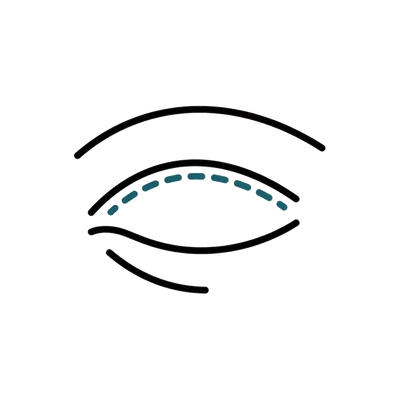
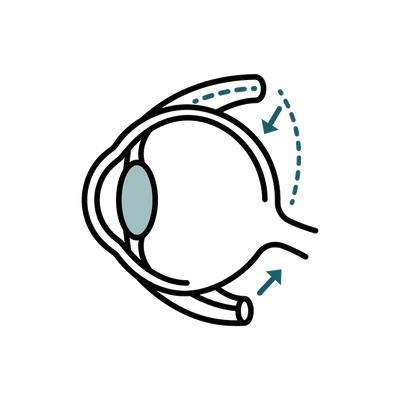
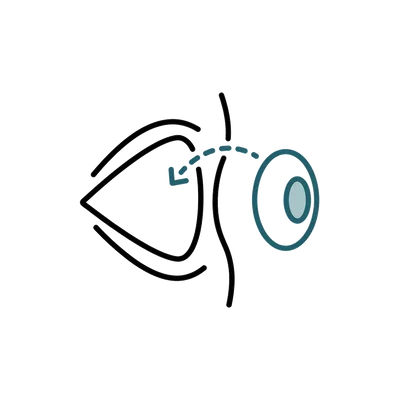
Entropion correction is eyelid surgery that turns an inward-rolling eyelid back out, so the lashes stop scraping the surface of the eye. Most cases arrive with age, as the small muscles and tendons that hold the lower lid firm against the eyeball slacken.1,2 Scarring inside the lid from injury, chronic inflammation or infection can pull it inward too, and that version behaves differently. The repair tightens the lid and reattaches the structures that keep its edge pointing the right way. It takes around 30 to 45 minutes per lid under local anaesthetic, and you go home the same day.
Living with entropion is more wearing than it sounds. Lashes dragging across the eye all day feels like grit that never washes out, and drops, taping and pulling out the lashes only hold it off for a while.
This is a functional operation rather than a cosmetic one. Left alone, the rubbing can scar the cornea, the clear window at the front of the eye, and that damage does not always undo itself.1,2
It can address a range of concerns, including:
Am I a Good Candidate for Entropion Correction?
Suitability comes down to what is actually pulling the lid inward, how much damage the lashes have already done, and whether the published package matches the lids you need treated.
The mechanism decides the operation, so this is established before anything else.
Involutional, meaning age-related: A slack lid with disengaged retractors is the standard case, corrected by tightening and reattachment.
Cicatricial, meaning scarring: Scar tissue shortening the inner lining needs rotation of the lid margin and sometimes a graft, which is a different and larger operation.
Spastic after eye surgery or inflammation: Some cases settle on their own once the trigger resolves, so timing matters more than technique.
How much damage the lashes have already done shapes both urgency and expectations.
Irritation without scarring: The usual picture, and the one where correction restores comfort fully.
Abrasion or ulceration present: Brings the surgery forward, since continued rubbing is actively harming the eye.
Established corneal scarring: Surgery stops further damage but does not reverse what is there, and any residual blurring is assessed separately.
This is where a published package price either applies to you or does not.
Lower lids, both eyes: The common presentation, and exactly what the ฿61,000 package describes.
One lid level only: Upper or lower, two eyes, is what the package covers.
Both upper and lower on the same eye: A larger operation outside this package, priced after assessment.
The comfort gain is immediate and reliable. The rest deserves honesty.
Relief is usually quick: The scraping sensation typically stops on the day of surgery.
Position settles over weeks: The lid often looks slightly overcorrected while swollen, and is judged at two to four weeks rather than on day one.
Recurrence is possible: More likely where only part of the mechanism was corrected, and possible years later as tissues continue to age.
Who is not suitable for entropion correction?
- Watering or irritation not yet examined to confirm the lid actually turns inward
- Active lid margin or ocular surface infection still untreated
- Cicatricial entropion from uncontrolled inflammatory disease
- Anticoagulant therapy that cannot safely be paused or managed
- Children with congenital entropion or epiblepharon, who need local paediatric specialist review
Pricing
How Much Will Entropion Correction Cost in Thailand?
What entropion correction costs at accredited hospitals in Thailand, and what your final quote depends on.
Get your exact price
Tell us what you're considering and we'll send a personalised quote from accredited hospitals within 24 hours.
Get my free quoteTypical prices in Thailand
Typical ranges based on recent hospital quotes. Your exact price depends on the hospital and how complex your case is, and is confirmed at your teleconsultation.
Entropion Correction
An eyelid that has rolled inward is turned back out and held in place, so the lashes stop scraping across the surface of the eye.
| Entropion correction, two eyes, upper or lower lid Day case Local anaesthetic, outpatient, no overnight stay | $1,800 ฿61,000 |
Typically not included
- A second lid level on the same eye, which is a separate and larger operation
- Grafts or additional reconstruction where the lid is scarred rather than simply slack
- Treatment of any corneal damage the rubbing has already caused
- Pre-operative medical clearance and any specialist consultant fees
- Laboratory tests, imaging, and pathology or pathologist charges
Get your exact price
Tell us what you're considering and we'll send a personalised quote from accredited hospitals within 24 hours.
Hospitals Trusted for Entropion Correction
From internationally accredited flagships to dedicated specialist hospitals, these are the kinds of facilities where international patients have this procedure.
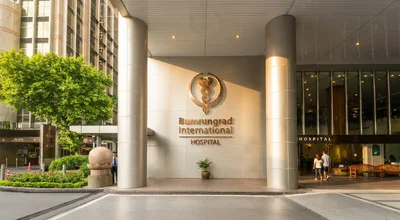
Bumrungrad International Hospital
Tertiary hospital with over 1,200 physicians treating 520,000+ international patients a year.
View hospital profile
Bangkok Hospital
BDMS flagship tertiary campus with standalone heart, cancer, and neuro-orthopaedic hospitals.
View hospital profile
Samitivej Sukhumvit Hospital
Tertiary hospital known for paediatrics, home to Thailand's first private children's hospital.
View hospital profile
Tell Us What You Need. We Do the Rest.
Share what you're considering and we'll come back with surgeon options, pricing, and a clear plan.
- Real hospital pricing with zero markup
- Matched with a specialist experienced in your specific procedure
- Full coordination from consultation to recovery


Trusted by patients worldwide
The complete guide to Entropion Correction in Thailand
Everything below is for readers who want the full detail: costs broken down, types and techniques, recovery, risks and safety, and planning your trip.
Eyelid Surgeons & Hospitals in Thailand
The skill in entropion surgery is in the examination rather than the incision, because the operation follows from the diagnosis.
Oculoplastic Departments in Bangkok
Entropion repair is handled by oculoplastic surgeons, ophthalmologists with additional fellowship training in the eyelids, tear system and orbit. The requirements are modest by surgical standards, a minor operating theatre and ophthalmic microsurgical instruments, but a slit lamp examination and photographic documentation of lid position before and after are what make the assessment reliable.
Assessment Before Anything Else
A proper examination establishes whether the lid is slack, whether the retractors have disengaged, whether there is scarring on the inner surface, and whether the cornea has already been damaged. That examination determines both the operation and the price, which is why a package figure is a starting point rather than a quotation until someone has looked at your lid.
What to Ask Before You Book
Ask which type of entropion you have and which technique is planned for it. Ask whether the plan includes tightening as well as retractor repair, and if not, why not. Ask whether your assessment confirms one lid level or two, since that is exactly where a published package price stops applying. Ask what a revision would involve and what it would cost, and get the answer in writing.
Understanding Your Results
The visible change is small and the felt change is large, which is unusual for eyelid surgery and worth setting expectations around.
Typical Results
The lid margin sits against the eyeball with the lashes pointing away from the eye, and the constant scratching stops. The redness and watering that the rubbing caused settle over the following weeks. To anyone else the change is subtle, since a correctly positioned lower lid simply looks normal. Surgery to correct eyelid position works well in most cases.2
What Results Can You Expect?
Comfort returns quickly and usually completely. What surgery cannot do is undo damage already done to the cornea, so if scarring has formed there before the lid was corrected, some blurring or light sensitivity may persist and is assessed separately. Recurrence is possible, more so where only part of the mechanism was addressed, and later recurrence can happen years on as tissues continue to slacken. Results vary between individuals and no outcome is guaranteed.
Entropion Correction Cost in Thailand
What the Published Package Covers
Our partner hospital quotes ฿61,000 for entropion correction, and the wording is specific. It covers two eyes, at either the upper or the lower lid, under local anaesthetic as an outpatient, and it is current to the end of 2026. At 34 baht to the dollar that is roughly $1,800. It is one hospital's package rate rather than a Thai national price, and prices between hospitals and branches vary considerably.
Read the Wording Before You Budget
Two eyes, upper or lower. Not both lids. If your lower lids are turning in, the package fits. If you need the upper and the lower lid corrected on the same eye, that is a larger operation and this figure does not cover it. The same applies if your entropion is cicatricial and needs the lid margin rotated or a graft to lengthen the scarred inner lining, which is a different procedure priced separately. Send your assessment before assuming the headline number applies to you.
What the Package Does Not Cover
The surgical package excludes pre-operative medical clearance, specialist consultant fees outside the surgical team, pathology and pathologist charges, and laboratory and imaging work. Treating corneal damage the rubbing has already caused sits outside it too, as does a graft where the lid is scarred rather than simply slack. A package price is a clear starting point rather than a final total, and it is more useful when you know exactly what it leaves out.
How That Compares Internationally
Private entropion repair in the United States, the United Kingdom and Australia is typically several times the Thai package figure. The comparison table on this page converts the Thailand price into your own currency and applies a conservative multiplier, so read it as an order of magnitude rather than a quotation. Where entropion is treated as a functional problem, some public systems do fund it, and if that route is open to you it is worth weighing the wait against the cost rather than assuming travel is the obvious answer.
Surgical vs Non-Surgical Treatment for Entropion
An eyelid that turns inward is one of the eyelid problems worth getting looked at rather than putting up with.4 There are non-surgical measures for it, and it is worth being clear about what they are actually for. Lubricating ointment and artificial tears reduce the friction and make the eye more comfortable, which matters, but they do not move the lid.2 Taping the lower lid down onto the cheek holds the margin out mechanically and can be surprisingly effective for a few days at a time. Pulling out the offending lashes removes the immediate irritant, though they grow back within weeks and sometimes come back at odd angles. Botulinum toxin injected into the muscle around the eye can relax the spasm that drives some cases and rotate the lid outward temporarily, and it is described as an option for people who cannot have surgery or are waiting for it.3
What all of these share is that they manage the consequence and leave the cause in place. The lid is still rolled in, and the moment the tape comes off or the toxin wears off, the lashes are back on the cornea. For a genuinely temporary situation, such as a spastic entropion after eye surgery that settles on its own, that is entirely reasonable. For an age-related entropion that has been building for years, it is a holding pattern with an ongoing cost and a daily routine that never ends.
The reason this matters more than it would for a cosmetic eyelid procedure is what is at stake. Surgery to reposition the eyelid works well in most cases, and correcting it removes the abrasion that can otherwise scar the cornea and threaten sight.1,2 Comfort is the reason people book. Protecting the eye surface is the reason it is worth doing properly.
Types of Entropion
The word describes one appearance with several different mechanisms behind it, and the mechanism decides the operation. Getting this wrong is the usual reason an entropion repair does not hold.
Involutional Entropion
The age-related form and by far the most common. The tendons at the corners of the lid stretch, the muscles that pull the lid edge downward and outward loosen from their attachment, and the lid rolls inward. It affects the lower lid almost exclusively.1,2
- Corrected by tightening the lid and reattaching its retractors
- The straightforward version, and the one the published package price describes
- Can recur years later as the tissues continue to age
- Best for: an otherwise healthy lower lid that has simply gone slack
Cicatricial Entropion
Scar tissue on the inner surface of the lid shortens it and pulls the margin inward. Causes include trachoma, chemical or thermal injury, chronic inflammatory conditions and previous surgery. It can affect the upper lid as well as the lower.2
- Tightening alone does not work, because the problem is shortage rather than slackness
- Often needs the lid margin rotated, and sometimes a graft to lengthen the inner lining
- Any underlying inflammatory disease has to be controlled first
- Best for: assessment by an oculoplastic surgeon before any pricing conversation
Congenital Entropion and Epiblepharon
Present from birth. True congenital entropion is rare. Epiblepharon, where a fold of skin pushes the lashes upward against the eye without the lid margin itself turning, is much more common and often improves as the face grows.
- Managed by a paediatric ophthalmologist or oculoplastic surgeon
- Many cases are watched rather than operated on, provided the cornea stays clear
- Surgery is brought forward if the cornea starts to show damage
- Best for: children under specialist review rather than a fly-in package
Entropion Repair Techniques
An involutional entropion usually has two things wrong at once, a lid that has gone slack sideways and retractors that have come loose. Most durable repairs address both rather than picking one.
Lateral Tarsal Strip
The workhorse for horizontal laxity. The outer corner of the lid is opened, a strip of the tarsal plate is fashioned and fixed to the bone at the rim of the eye socket, shortening and re-suspending the lid so it sits firmly against the eyeball again.
- Directly corrects the slackness that lets the lid rotate
- The scar sits in the outer corner and is generally inconspicuous
- Often combined with retractor repair in the same sitting
- Why it matters: laxity left uncorrected is a common reason an entropion comes back
Retractor Reinsertion
The lower lid retractors, which normally pull the lid edge down and out when you look down, are found and reattached to the lower border of the tarsal plate. This restores the outward pull that the lid has lost.
- Addresses the mechanism rather than only the symptom
- Usually done through an incision just below the lashes or from inside the lid
- Combined with tightening, it is the standard durable repair
- Why it matters: this is what stops the lid rotating inward again
Everting Sutures
Sutures are passed to rotate the lid margin outward, either as a quick standalone measure or alongside a fuller repair. Used on its own it is fast, needs little dissection and can be done in a clinic setting, which makes it useful for frail patients or as a holding step.
- Quick and minimally invasive, with very little downtime
- Recurrence rates are higher than for tightening plus retractor repair
- Sometimes the sensible choice where a longer operation is not appropriate
- Why it matters: a fast fix and a durable fix are not the same thing, and it is fair to ask which you are being offered
Tarsal Rotation and Grafting
For cicatricial entropion, where the inner lining is scarred and short. The tarsal plate is cut and the margin rotated outward, and where more length is needed a graft of mucous membrane is used to rebuild the shortage. This is a larger operation than an involutional repair.
- Treats shortage of the inner lining rather than slackness of the lid
- A graft means a second site, often the inside of the lip or the palate
- Priced and planned separately from a standard entropion package
- Best for: scarred lids where simple tightening would fail
Entropion Correction Recovery Timeline
Days 1–3
Swelling and bruising around the lid peak in the first 48 hours and are usually modest, since the incisions are small. The eye feels tight and slightly sore rather than painful. Cold compresses, head elevation and the prescribed antibiotic ointment do most of the work. The gritty scraping sensation you came in with has already gone, which is often the first thing people notice.
Days 5–7
Sutures are removed or begin to dissolve depending on what was used, and your surgeon checks the lid margin is sitting against the eyeball without turning outward. Bruising starts to fade. Reading and screen work are comfortable, though the lid may feel stiff at the outer corner where the tightening was done.
Weeks 2–4
Visible bruising and swelling resolve. The lid position settles and the outer corner softens. Any redness of the eye surface from the previous rubbing continues to calm down. Normal daily routines resume, with straining and heavy lifting still best avoided until you are cleared.
Months 1–3
The lid reaches its final position and the small scars mature and pale. If the cornea was scratched or inflamed before surgery, the surface finishes healing over this period, though established scarring in the cornea itself does not reverse. What you have at three months is essentially the settled result.
When Can You Fly After Entropion Correction?
Most patients fly home 7 to 10 days after surgery, once sutures are dealt with and the surgeon has confirmed the lid margin is sitting correctly. Cabin pressure has no effect on the repair, but dry cabin air irritates a lid that is still healing, so use your lubricating drops generously during the flight and avoid rubbing the eye.
When Can You Return to Work and Exercise?
Desk work is comfortable within a few days and certainly within a week. Light walking is fine immediately. Avoid the gym, heavy lifting and anything that raises blood pressure sharply for two to three weeks, since this worsens lid swelling. Keep water, soap and dust out of the eye, which means no swimming until your surgeon clears you.
When Will You See the Final Result?
The scraping sensation usually stops on the day, which is the change most people care about. The lid position looks slightly overcorrected while swollen and settles over two to four weeks. Scars pale over one to three months. If the cornea was already damaged, its surface heals over the same period, though established scarring in the cornea itself is permanent.
Anaesthesia for Entropion Correction
Entropion correction is done under local anaesthesia as an outpatient, which is what the published package price assumes. The lid is numbed with a small injection, and once it takes effect you feel pressure and movement but nothing sharp. There is no overnight stay and no general anaesthetic, so there is no fasting the night before and no anaesthetic recovery to sit through afterwards.
Working with you awake also has a practical advantage. The surgeon can ask you to look up, look down and blink during the operation and watch how the lid behaves, which is the most direct way to confirm the margin is sitting correctly rather than judging it on a still, closed eye. Overcorrection, where the lid ends up turning slightly outward, is a real if uncommon outcome, and checking the lid in motion is part of how it is avoided.
You will not see the surgery happening. The eye is numb and shielded, and your view is of the room and the light above you rather than of any instrument. Most people describe it as undramatic. Afterwards the lid is sore and tight for a few days, easily managed with simple painkillers, cold compresses and the ointment you are given.
Risks and Safety of Entropion Correction
This is a short operation on a small amount of tissue, and its risks are correspondingly modest. The ones worth understanding are about position rather than safety.
- Recurrence, where the lid rolls inward again, more likely if horizontal laxity was not corrected alongside the retractors
- Overcorrection, leaving the lid turning slightly outward, which can cause watering and its own irritation
- Swelling and bruising of the lid, expected and settling within one to two weeks
- A visible scar at the outer corner or below the lashes, usually inconspicuous but not invisible
- Notching or a slight change in the contour of the lid margin
- Suture granuloma, a small lump at a stitch site, usually settling or easily removed
- Infection or bleeding into the lid, uncommon with a small incision and careful technique
- Persistent irritation where the cornea was already damaged before surgery, since repositioning the lid stops further injury but does not undo existing scarring
The most effective protection against recurrence is a repair that addresses both the slackness and the loose retractors rather than only rotating the margin. Examining the lid while you are awake and blinking helps avoid overcorrection. Identifying a cicatricial cause before surgery is what stops a straightforward tightening being done on a lid that needed a graft.
Is Entropion Correction Safe in Thailand?
It is a routine oculoplastic operation at accredited Thai hospitals with dedicated ophthalmology departments, done with the same instruments and techniques used internationally. The important question is not the country but whether the surgeon has examined the lid properly and identified which type of entropion you have, since the operations for involutional and cicatricial entropion are genuinely different.
How to Reduce the Risk of Recurrence
Choose a repair that corrects both the horizontal slackness and the loose retractors rather than everting sutures alone, unless there is a specific reason to prefer the quicker option. Ask which technique is planned and why. Attend the follow-up so the lid position is checked once the swelling has gone, when a small early problem is easier to address than a settled one.
When Is Revision Needed?
A lid that rolls inward again, or one that has been turned slightly too far outward, may need a small revision. Early after surgery the position can look off simply because of swelling, so nothing is judged before a few weeks have passed. Genuine recurrence is more likely where laxity was left uncorrected, and later recurrence can also happen years afterwards as the tissues continue to age.
Planning Your Trip to Thailand for Entropion Correction
This is a short outpatient operation, so the trip is shaped by the assessment beforehand and the suture check afterwards rather than by the surgery itself.
How Long to Stay in Thailand
Plan for 7 to 10 days. The first day covers your ophthalmic assessment, examination of the lid and cornea, and confirmation of which type of entropion you have and which lids are affected. Surgery follows within a day or two as a day case. A suture check and lid position review around day five to seven completes the visit.
What the Trip Involves
Your care coordinator handles scheduling, transfers and follow-up appointments. The published package covers the surgery under local anaesthetic as an outpatient. Budget separately for pre-operative clearance and anything the package excludes, including a second lid level if your assessment finds you need one. A written operative summary goes to your ophthalmologist at home.
Recovery in Bangkok
Stay near the hospital for the first week so the suture check is easy to keep. You are fully mobile from the day of surgery, and the practical constraints are avoiding dust, swimming and rubbing the eye rather than anything limiting. Bangkok's air conditioning is drying, so keep your lubricating drops with you.
Related Procedures
Other procedures that address similar goals or conditions, in case one of them is a closer fit for you.
Planning your treatment in Thailand
Independent guides to help you weigh the decision, before you commit to anything.
Common Questions About Entropion Correction in Thailand
What patients ask about inward-turning eyelid surgery

Medical References
Keep researching with AI
Open this guide in your AI assistant to dig deeper and ask the questions it didn't answer.
Opens in a new tab with this guide already loaded.
Medical disclaimer: Content on this site is provided for informational purposes and should not be treated as medical advice. Outcomes, timelines, and eligibility differ from person to person. Consult a qualified medical professional before making any decisions about surgery or treatment.
Ready to Get Started?
Speak with our care coordinators for a free consultation and a quote based on your own lid assessment rather than a package headline.
Speak to Our TeamEyelid & Reconstructive