ERCP in Thailand Your guide to cost, top specialists & hospitals
A blocked or stone-filled bile duct is treatable without open surgery, but ERCP carries more risk than a routine endoscopy, so where it is done genuinely matters.
What Is ERCP?
Also known as: Bile Duct Endoscopy · Endoscopic Retrograde Cholangiopancreatography (ERCP)
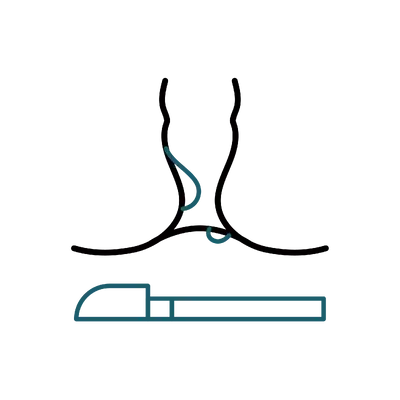
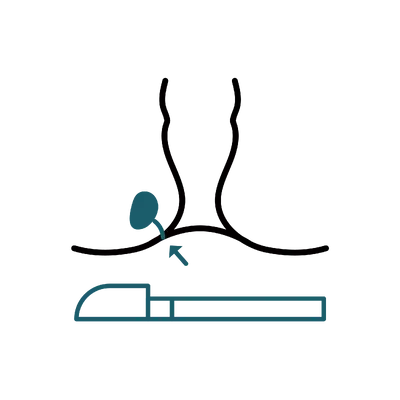
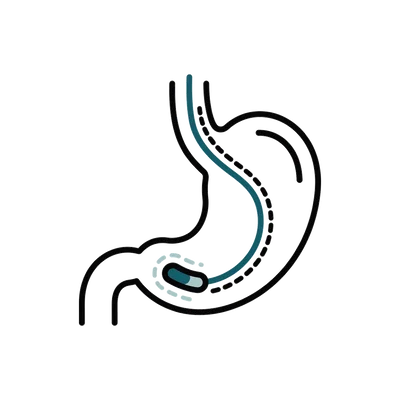
ERCP is a specialised endoscopy used mainly to treat problems of the bile ducts and the pancreatic duct. A thin, side-viewing scope is passed through the mouth, down the food pipe, and into the duodenum, the first part of the small bowel, where the ducts drain. Contrast dye is injected and X-ray pictures are taken so the surgeon can see the ducts clearly and then treat what is found in the same sitting. It usually takes 30 to 90 minutes and is done under deep sedation or general anaesthesia.
Today ERCP is almost always therapeutic rather than diagnostic. Where doctors once used it simply to look at the ducts, that job has largely moved to scans that carry no procedural risk, mainly MRCP (an MRI of the ducts) and endoscopic ultrasound (EUS). ERCP is now reserved for when something actually needs treating, most often a stone stuck in the bile duct, a blockage causing jaundice, or a narrowing that needs a stent.
It is more involved than a standard gastroscopy or colonoscopy, and it carries a meaningfully higher risk, which is the honest centre of any decision about it. The most important of these is inflammation of the pancreas afterwards, called post-ERCP pancreatitis. Because of that, the experience of the endoscopist and the standard of the hospital matter more here than with almost any other endoscopic procedure, and it is sensible to stay near the hospital for a few days rather than travelling straight away.
It can address a range of concerns, including:
Am I a Good Candidate for ERCP?
Suitability for ERCP rests on having a duct problem that genuinely needs treating, being fit for sedation, and accepting that this procedure carries more risk than a routine endoscopy.
ERCP is a treatment, not a test, so there has to be something to treat.
Confirmed on imaging: A duct problem such as a stone, blockage, stricture, or leak is identified on MRCP, EUS, or CT before ERCP is planned.
Not purely diagnostic: If the question is only whether a problem exists, a scan is the safer first step and ERCP is avoided.
A clear plan: The intended treatment, stone removal, stenting, or dilation, is mapped out, and confirmed once the duct is seen.
ERCP is done under deep sedation or general anaesthesia, and the assessment reflects that.
Pre-procedure check: Blood tests and a review of your health confirm you are fit for sedation.
Medication review: Blood thinners usually need pausing in advance, because a sphincterotomy can bleed.
Empty stomach: You will be asked not to eat for several hours beforehand.
Good candidates go in clear-eyed about the higher risk profile of this procedure.
Pancreatitis is the main risk: Inflammation of the pancreas is the main specific risk of ERCP, usually mild but occasionally serious.
Experience matters: Having ERCP at a high-volume, accredited unit measurably lowers complication rates.
Report pain promptly: New or worsening abdominal pain afterwards is taken seriously and reported straight away.
The recovery plan is built around the observation window, not the procedure itself.
A few days near the hospital: Staying close for 3 to 5 days means any complication is treated quickly rather than after a flight.
No flying immediately: Travel is delayed until you are clearly well and past the highest-risk window.
Follow-on care: A gallbladder removal or a stent exchange may follow, and is planned with you and your home doctor.
Who is not suitable for ercp?
- A purely diagnostic question that MRCP or EUS could answer without the procedural risk
- Blood thinners not yet reviewed or paused ahead of a possible sphincterotomy
- Not fit for sedation or general anaesthesia until other conditions are stabilised
- Unable to stay near the hospital for a few days afterwards
- Expecting ERCP to treat the underlying cause, such as the gallbladder, rather than just the duct
Pricing
How Much Will ERCP Cost in Thailand?
What ercp costs at accredited hospitals in Thailand, and what your final quote depends on.
Get your exact price
Tell us what you're considering and we'll send a personalised quote from accredited hospitals within 24 hours.
Get my free quoteTypical prices in Thailand
Typical ranges based on recent hospital quotes. Your exact price depends on the hospital and how complex your case is, and is confirmed at your teleconsultation.
ERCP
A side-viewing scope is passed through the mouth to the bile duct, so stones and blockages are treated without any cut on the outside of the body.
| Diagnostic or simple single-stone ERCP 0 to 1 nights A single accessible stone removed from the bile duct in one session, for a straightforward blockage | $1,500 to $2,200 ฿51,000 to ฿74,800 |
| Stone clearance with sphincterotomy 0 to 1 nights Larger or multiple stones cleared after the duct opening is widened, sometimes with a temporary stent | $2,000 to $3,000 ฿68,000 to ฿102,000 |
| Stricture dilation and stenting 0 to 1 nights A narrowing stretched open and held with one or more stents, often metal, for a stricture | $2,800 to $4,000 ฿95,200 to ฿136,000 |
Typically not included
- Gallbladder removal, a separate procedure usually advised afterwards when the stones came from the gallbladder
- Additional hospital care if a complication such as post-ERCP pancreatitis needs treating beyond the standard observation stay
- A second ERCP session, which large or multiple stones occasionally need to finish clearing the duct
- Any later procedure to exchange or remove a stent, whether on a return visit or back home
- Diagnostic scans such as MRCP, EUS or CT, if these have to be repeated in Thailand
Get your exact price
Tell us what you're considering and we'll send a personalised quote from accredited hospitals within 24 hours.
Hospitals Trusted for ERCP
From internationally accredited flagships to dedicated specialist hospitals, these are the kinds of facilities where international patients have this procedure.
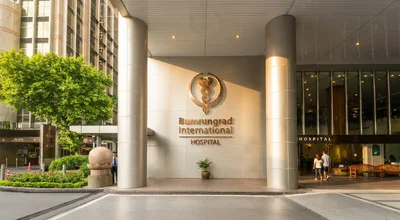
Bumrungrad International Hospital
Tertiary hospital with over 1,200 physicians treating 520,000+ international patients a year.
View hospital profile
Bangkok Hospital
BDMS flagship tertiary campus with standalone heart, cancer, and neuro-orthopaedic hospitals.
View hospital profile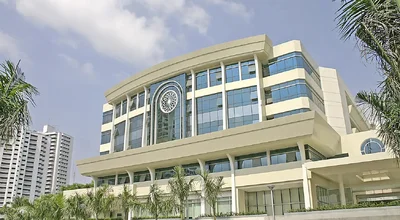
Samitivej Sukhumvit Hospital
Tertiary hospital known for paediatrics, home to Thailand's first private children's hospital.
View hospital profile
Tell Us What You Need. We Do the Rest.
Share what you're considering and we'll come back with surgeon options, pricing, and a clear plan.
- Real hospital pricing with zero markup
- Matched with a specialist experienced in your specific procedure
- Full coordination from consultation to recovery


Trusted by patients worldwide
The complete guide to ERCP in Thailand
Everything below is for readers who want the full detail: costs broken down, types and techniques, recovery, risks and safety, and planning your trip.
Where to Have an ERCP in Thailand
For ERCP more than most procedures, the experience of the person holding the scope and the standard of the hospital around them are the variables that matter most. These are the things worth checking before you commit.
JCI-Accredited Hospitals
Our partner hospitals hold JCI accreditation and have the full setup that ERCP needs: a dedicated endoscopy suite with fluoroscopy, anaesthetic support, on-site pathology, and the inpatient and intensive-care backup to manage a complication without delay. That surrounding capability is part of safety, not a luxury, because the rare serious complication needs a hospital able to respond quickly.
ERCP-Experienced Endoscopists
The strongest evidence in ERCP links the endoscopist's experience and case volume to both higher success and lower complication rates. Our partner endoscopists are board-certified gastroenterologists who perform ERCP regularly. This is not a procedure to have done by someone for whom it is an occasional addition to a general list.
What to Ask Before You Book
Ask whether the endoscopist performs ERCP routinely and roughly how often. Ask whether the unit uses pancreatitis-prevention measures such as a routine NSAID suppository. Confirm that a diagnostic question has already been settled by MRCP or EUS, so ERCP is being used to treat rather than just to look. And confirm the plan for observation afterwards and how long you should stay nearby.
Understanding Your Results
ERCP outcomes are measured by whether the duct problem is resolved and the symptoms relieved, rather than by any visible change.
What ERCP Realistically Achieves
For the most common reason, a stone stuck in the bile duct, a successful ERCP clears the blockage and relieves the pain and jaundice, often the same day. For strictures and tumour blockages, a stent restores drainage and improves jaundice over the following days. Success rates for clearing common bile-duct stones in experienced hands are high, though large or awkward stones occasionally need a second session. ERCP treats the duct problem; it does not treat the underlying cause, so a stone in the duct from gallstones usually still means the gallbladder should be removed afterwards.
What Happens Next
Where a stone came from the gallbladder, gallbladder removal is usually recommended afterwards to stop further stones causing the same problem, and is often planned as a follow-on step. If a stent was placed, you will be told whether it is temporary and needs exchanging or removing later. Tissue-sample results, if taken, guide whether any further treatment is needed and are shared with your home team.
ERCP Cost in Thailand
Average Cost of ERCP
ERCP in Thailand typically costs between $1,500 and $4,000. A simpler case, such as a single stone removed in one session, sits at the lower end. Complex cases, such as multiple stones, a difficult stricture, or the placement of one or more metal stents, sit at the top, as do cases that need an overnight stay for observation. The figure depends far more on what is treated than on the appointment itself.
Cost Breakdown
The total covers the endoscopist's fee, the anaesthetist and sedation, the procedure room and X-ray imaging, any stents or devices used, recovery monitoring, and any overnight observation stay. If tissue samples are taken, the laboratory analysis is included. Stents are a notable variable: metal stents cost more than plastic, and more than one may be needed.
What Affects the Price?
The biggest factor is the complexity of the treatment: clearing a single stone is far simpler and cheaper than managing a tight stricture with metal stenting. The number and type of stents, whether more than one session is needed, and whether you stay overnight all move the figure. A purely diagnostic ERCP is now rare, because MRCP and EUS scans answer most diagnostic questions without the procedural risk.
Thailand vs International Price Comparison
ERCP in Thailand costs considerably less than in the US ($5,000–$15,000), Australia (A$6,000–A$16,000), and the UK (£4,000–£10,000), reflecting lower local operating costs rather than weaker standards. That said, ERCP is rarely a procedure to travel for on its own, because it often follows an urgent problem like a blocked duct that needs treating where you are. It can make sense as planned care, for example a known stricture needing a stent exchange, or alongside related treatment such as gallbladder removal.
ERCP vs MRCP and Endoscopic Ultrasound (EUS)
ERCP used to be the main way to diagnose problems in the bile and pancreatic ducts, but two scans have largely taken over that diagnostic role, leaving ERCP to do what it does best: treatment.
MRCP is a specialised MRI scan that produces detailed images of the bile and pancreatic ducts without any instrument entering the body, so it carries none of ERCP's risks. It is now the usual first step when the question is purely "is there a blockage, and where". Endoscopic ultrasound (EUS) combines an endoscope with an ultrasound probe to give a close view of the ducts, gallbladder, and pancreas, and can take a tissue sample, which makes it valuable for assessing stones and suspicious areas.
Because ERCP carries a real risk of pancreatitis, it is no longer used just to look. The usual path is an MRCP or EUS to find the problem, then ERCP only when something needs treating, such as removing a stone, relieving a blockage, or placing a stent. Your specialist will confirm whether you genuinely need the treating step or whether a scan alone will answer the question.
What ERCP Can Treat
ERCP is a platform for several different treatments delivered through the same scope. The right combination depends on what is found in the duct, and the plan is often confirmed only once the surgeon can see the anatomy clearly during the procedure.
Stone Removal
The most common reason for ERCP. The small muscle at the duct opening is widened (a sphincterotomy), then the stone is pulled out with a balloon or a wire basket. This relieves the blockage and the pain, and prevents the dangerous infection that a stuck stone can cause. Large or multiple stones occasionally need more than one session.
- Sphincterotomy plus balloon or basket extraction
- Relieves blockage, pain, and the risk of duct infection
- Why it matters: a gallstone confirmed to be lodged in the bile duct
Stent Placement
A small tube, plastic or self-expanding metal, is placed across a blockage to hold the duct open and let bile drain. It is used to relieve jaundice from a stricture or a tumour, and to keep the duct draining while the cause is treated. Plastic stents are often temporary and exchanged; metal stents are used for longer-term relief.
- Holds a blocked or narrowed duct open so bile can drain
- Relieves jaundice from strictures or tumour-related blockage
- Plastic stents are often temporary; metal stents are longer lasting
- Why it matters: keeps the duct draining when a blockage cannot be cleared in one step
Sphincterotomy
A small cut to the muscle at the duct opening, widening it so stones can pass and instruments can reach the duct. It is a step within many ERCPs rather than a procedure on its own, and it is the part that carries the small risk of bleeding afterwards.
- Opens the duct mouth to allow access and stone passage
- A step within stone removal and many stenting cases
- Carries a small, usually manageable bleeding risk
- Why it matters: enables stone extraction and duct access
Stricture Dilation
A narrowing of the duct is stretched open, often with a small balloon, sometimes followed by a stent to hold the result. Used for benign strictures, such as those after surgery or from chronic inflammation, and to open a tumour narrowing before a stent.
- Stretches a narrowed segment of duct open
- Often combined with a stent to maintain the result
- Used for both benign and tumour-related narrowing
- Why it matters: reopens a confirmed stricture causing obstruction
Tissue Sampling and Brushings
Cells or small tissue samples are taken from a suspicious narrowing and sent for laboratory analysis. It helps establish whether a stricture is benign or cancerous. The visual and treatment result is known at the time, but these laboratory results take a few days.
- Brushings or biopsies from a suspicious narrowing
- Helps distinguish a benign stricture from cancer
- Laboratory results follow a few days later
- Why it matters: clarifies a stricture of uncertain cause
ERCP Techniques and Equipment
ERCP combines endoscopy with X-ray imaging and a set of duct instruments. The single biggest factor in both success and safety is not the equipment but the endoscopist, and there is strong evidence linking their experience and case volume to lower complication rates. This is stated plainly because it should weigh on where you have it done.
Side-Viewing Duodenoscope and Fluoroscopy
Unlike a standard forward-viewing scope, the duodenoscope looks sideways so the surgeon can see and enter the duct opening straight on. Live X-ray (fluoroscopy) with injected contrast then maps the ducts in real time, guiding every step. This combination is what makes targeted treatment of the ducts possible without open surgery.
- Side-viewing scope designed specifically to access the duct opening
- Live X-ray with contrast maps the ducts during treatment
- Allows duct treatment without an abdominal incision
- Why it matters: makes targeted duct treatment possible without open surgery
Cannulation and Sphincterotomy
Cannulation is the act of guiding a fine catheter into the duct opening, and it is the most technically demanding part of the procedure. A difficult cannulation is itself a known risk factor for pancreatitis, which is why an experienced endoscopist matters. A sphincterotomy then widens the opening to allow treatment.
- Guiding a catheter into the duct is the key technical step
- Difficult cannulation raises the risk of pancreatitis
- Experience and volume directly affect both success and safety
- Why it matters: controlled access is the foundation of a safe ERCP
Stone Extraction and Stenting Tools
Balloons and wire baskets remove stones; plastic and metal stents relieve blockage; dilation balloons open strictures. These are delivered through the working channel of the same scope, so several problems can often be dealt with in one session once the duct is accessed.
- Balloons and baskets for stones, stents for blockage
- Multiple steps possible through one scope in one session
- Choice of tool confirmed once the anatomy is seen
- Why it matters: several duct problems can be treated in the same sitting
Pancreatitis-Prevention Measures
Experienced units take specific steps to lower the risk of post-ERCP pancreatitis, such as a rectal anti-inflammatory suppository (NSAID) given around the procedure, and sometimes a temporary small pancreatic-duct stent in higher-risk cases. These measures are supported by good evidence and are a fair thing to ask whether a unit uses.
- NSAID suppository around the procedure lowers pancreatitis risk
- A temporary pancreatic stent may be used in higher-risk cases
- Supported by published guidelines and trials
- Why it matters: directly reduces the main specific risk of ERCP
ERCP Recovery Timeline
First Few Hours
You wake from sedation in a recovery area and are monitored closely. You will not eat or drink at first while the team confirms there are no early signs of a problem. Some bloating or a sore throat is normal. The most important watch in this window is for abdominal pain, as new or worsening pain can be the first sign of pancreatitis and needs reporting straight away.
Same Day to Overnight
Many people go home the same day, but an overnight stay for observation is common, especially after stone removal or stenting, and it is the safer default. If your pain settles, your blood tests are reassuring, and you are tolerating fluids, you are stepped up to a light diet and discharged. You should not fly immediately.
Days 1–2
Days 3–5 and Results
The treatment result is usually known at the time of the procedure, so you will already understand whether the stone was cleared or the stent placed. Any tissue samples take a few days to come back. Once you are clearly well and past the highest-risk window, you are cleared to travel.
When Can You Fly After ERCP?
Not immediately. Because the main risk, pancreatitis, usually shows itself within the first day or two, we recommend staying near the hospital for a few days and not flying straight away. Once you are clearly well, past the highest-risk window, and any stent is functioning, you are cleared to travel. If a stent has been placed, you will be told whether and when it needs exchanging or removing, which may mean a follow-up procedure at home or on a later visit.
When Can You Eat and Return to Normal?
You will not eat right after the procedure while you are monitored, then progress to fluids and a light diet once the team is reassured. Most people are back to a normal diet within a day or two. Desk or office work is usually fine after about 1 to 2 days; if your job is physical or involves heavy lifting, wait until you are clearly recovered, usually around a week, because a sphincterotomy leaves a small cut that can bleed. If pancreatitis develops, eating is delayed and recovery takes longer, which is part of why the wait-and-watch period matters.
When Can You Drive and Exercise Again?
Do not drive on the day of the procedure or for at least 24 hours after sedation or general anaesthesia, and do not travel alone that day; arrange for someone to accompany you. Gentle walking is fine from the next day once you feel steady, but hold off on the gym, sport, and strenuous or heavy-lifting exercise for about a week, since a sphincterotomy leaves a small cut that can bleed if you strain too soon. If post-ERCP pancreatitis develops, your team will guide when it is safe to build activity back up.
When Will You Know the Result?
The treatment result is usually clear at the time: you will know whether the stone was removed or the stent placed before you leave. The exception is tissue samples or brushings, where the laboratory result follows a few days later and is shared with you and your home doctor.
Anaesthesia and Sedation for ERCP
ERCP is done under deep sedation or general anaesthesia, so you are unaware and feel nothing during the procedure. Which is used depends on the case and the unit, but because you lie on your front or side for a procedure that can take up to 90 minutes, many teams favour an anaesthetist-led approach with a protected airway. This is standard at the accredited hospitals we work with, where a specialist monitors you continuously.
Before you are cleared, you have a pre-procedure assessment including blood tests. Your team reviews any medication you take, particularly blood thinners, which usually need to be paused because a sphincterotomy can bleed. If you have other health conditions, the sedation plan is tailored around them. You will be asked not to eat for several hours beforehand so the stomach is empty.
You feel nothing during the procedure itself. Afterwards, the most important thing is not pain control but pain monitoring: a sore throat and bloating are expected and settle, but new or escalating abdominal pain is taken seriously because it can signal pancreatitis. That is why you are observed before discharge and asked to report pain promptly rather than wait it out.
Risks and Safety of ERCP
This is the part to read most carefully. ERCP carries a higher complication rate than gastroscopy or colonoscopy, and that is true wherever in the world it is performed. The risks are real, mostly manageable when caught early, and the main reason that operator experience, an accredited hospital, and staying nearby afterwards all matter.
- Post-ERCP pancreatitis, inflammation of the pancreas, is the key risk (occasionally severe and requiring a longer hospital stay)1,2
- Bleeding, mainly after a sphincterotomy, which can usually be controlled at the same procedure or settles on its own1,2
- Infection of the bile ducts (cholangitis), more likely if a blockage cannot be fully drained, treated with antibiotics and drainage1
Post-ERCP pancreatitis is the complication most specific to this procedure and the one to understand before deciding. Its risk is lowered, not removed, by an experienced endoscopist, careful cannulation, and preventive measures such as an NSAID suppository. This is exactly why we steer ERCP towards high-volume, JCI-accredited units, and why we recommend staying near the hospital for a few days so that, in the uncommon event of a problem, you are treated quickly by the team who knows your case.
Is ERCP Safe in Thailand?
ERCP is never a no-risk procedure anywhere, but it is performed safely every day in experienced hands. Our partner hospitals are JCI-accredited, with gastroenterologists and endoscopists who perform ERCP regularly rather than occasionally, which is the factor most linked to lower complication rates. They have the imaging, the anaesthetic support, and the inpatient and intensive-care backup to manage a complication promptly if one arises. You also have a dedicated care coordinator with you throughout.
How to Reduce Your Risk
Have ERCP at a high-volume, accredited unit with an endoscopist experienced specifically in ERCP, not a general endoscopy list. Make sure a purely diagnostic question has first been answered by MRCP or EUS, so the procedural risk is only taken when there is something to treat. Disclose all medication, especially blood thinners, so they can be managed in advance. Stay near the hospital for a few days afterwards, and report any new or worsening abdominal pain immediately rather than waiting.
What About Post-ERCP Pancreatitis?
This is the risk to understand most clearly. In a small proportion of cases the pancreas becomes inflamed afterwards, usually mild and settling with fluids and a short hospital stay, but occasionally more serious. The risk is influenced by your own anatomy and by how difficult the duct is to access, as well as by the endoscopist's experience. Experienced units lower it with measures like an NSAID suppository and, in higher-risk cases, a temporary pancreatic stent. It cannot be eliminated, which is the honest reason we recommend staying close to the hospital and not flying straight home.
Planning Your Trip to Thailand for ERCP
Most people need 3 to 5 days in Thailand for ERCP, weighted towards the observation window afterwards rather than the procedure itself.
How Long to Stay in Thailand
Plan for 3 to 5 days. The first day or two cover consultation, review of your scans, and any blood tests. The procedure itself takes 30 to 90 minutes, often followed by an overnight stay for observation. The remaining days are the deliberate buffer near the hospital that the observation window calls for.
What's Included in a Medical Trip
Your care coordinator handles scheduling, hospital transfers, and follow-up. The quote covers the endoscopist and anaesthetist, the procedure room and imaging, any stents or devices, recovery monitoring, and any overnight stay. Flights and accommodation are arranged separately, though your coordinator can recommend hotels close to the hospital, which matters more here given the recommendation to stay nearby.
Combining ERCP With Gallbladder Removal
Because bile-duct stones usually come from the gallbladder, gallbladder removal often follows ERCP. Some patients plan both on the same trip, with the ERCP first to clear the duct and a keyhole gallbladder removal a few days later once they have recovered. Whether this suits you depends on your case, and your surgeon will advise on timing and whether to space the two.
Related Procedures
Other procedures that address similar goals or conditions, in case one of them is a closer fit for you.
Planning your treatment in Thailand
Independent guides to help you weigh the decision, before you commit to anything.
Common Questions About ERCP
Everything you need to know before your procedure

Medical References
Keep researching with AI
Open this guide in your AI assistant to dig deeper and ask the questions it didn't answer.
Opens in a new tab with this guide already loaded.
Medical disclaimer: Content on this site is provided for informational purposes and should not be treated as medical advice. Outcomes, timelines, and eligibility differ from person to person. Consult a qualified medical professional before making any decisions about surgery or treatment.
Ready to Get Started?
Speak with our care coordinators for a free, no-obligation consultation and personalised quote.
Speak to Our Team