Chemotherapy in Thailand Your guide to cost, top specialists & hospitals
Access to the right protocol at the right time should not depend on where you live or what you can afford.
What Is Chemotherapy?
Also known as: Chemo · Systemic Chemotherapy
Chemotherapy is a cancer treatment that uses drugs to kill cancer cells or stop them dividing by targeting fast-growing cells throughout the body. It can be the main treatment, or it can shrink a tumour before surgery (neoadjuvant), clear cells left behind afterwards (adjuvant), or work alongside radiotherapy. The drugs are given in cycles, usually weeks apart, so your body recovers between sessions. Each infusion takes around one to six hours, and a full course often runs to four to eight cycles.
No two cancers behave the same way, so no two protocols do either. Your oncologist builds your plan around the cancer type, its stage, your test results and your overall health, then reviews it with a wider team before anything starts. The aim is treatment that fits you, at a pace your body can handle.
Results vary a great deal by cancer type, and no honest oncologist will promise a particular outcome. What we can say is that response is checked regularly with scans and blood tests, the plan is adjusted as you go, and modern supportive care makes side effects more manageable than many people fear.
It can address a range of concerns, including:
Am I a Good Candidate for Chemotherapy?
Chemotherapy eligibility is a clinical judgment built from your diagnosis, organ function, and capacity to tolerate systemic treatment.
The protocol is designed around your specific cancer, not chosen from a menu.
Confirmed diagnosis: A confirmed cancer diagnosis with chemotherapy indicated, whether as primary, neoadjuvant, or adjuvant treatment.
Tumour profiling: Cancer type, stage, and molecular markers drive drug selection, following NCCN and ESMO international guidelines.
Tumour board review: Cases are assessed by a multidisciplinary tumour board before treatment begins, with a written protocol you can review.
Cytotoxic drugs stress the kidneys, liver, and bone marrow, so baseline function and timing are checked before every cycle.
Organ function: Adequate kidney, liver, and bone marrow function is a core eligibility requirement.
Counts recovered: Neutrophils and platelets must recover from a previous cycle before the next; dose intensity is never pushed at the cost of safety.
Infection controlled: Active infection, sepsis, or an unhealed surgical wound needs source control before infusion.
Pregnancy and fertility: Treatment waits during pregnancy or breastfeeding, and fertility preservation should be discussed before starting cytotoxic agents.
A chemotherapy course is a sustained undertaking, and the logistics are part of the suitability picture.
Cycles over months: Common regimens run four to eight cycles spaced two to three weeks apart, with 7-14 days in Thailand per cycle.
Monitoring between cycles: Blood counts are tracked and response is imaged every two to three cycles; commitment to reviews matters as much as the infusions.
Travel is workable: Many patients return home between cycles, or transfer remaining cycles to their home oncologist with full documentation.
Who is not suitable for chemotherapy?
- Blood counts not yet recovered from a previous cycle
- Active infection, sepsis, or an unhealed surgical wound until controlled
- Pregnancy or breastfeeding without specialist review
- Inadequate kidney, liver, or bone marrow function until assessed
- Previous severe infusion reactions until rechallenge planning is in place
- Very poor performance status where cytotoxic risk outweighs benefit
Pricing
How Much Will Chemotherapy Cost in Thailand?
What chemotherapy costs at accredited hospitals in Thailand, and what your final quote depends on.
Get your exact price
Tell us what you're considering and we'll send a personalised quote from accredited clinics within 24 hours.
Get my free quoteTypical prices in Thailand
Typical ranges based on recent hospital quotes. Your exact price depends on the hospital and how complex your case is, and is confirmed at your teleconsultation.
Chemotherapy
Cancer drugs are delivered into the bloodstream in cycles, weeks apart, to kill cancer cells throughout the body while your system recovers between sessions.
| Standard cytotoxic chemotherapy, per cycle 0 to 1 nights Broad-acting drugs that kill fast-dividing cells, the backbone of most cancer regimens | $1,500 to $2,700 ฿51,000 to ฿91,800 |
| Targeted therapy agents, per cycle 0 to 1 nights Drugs directed at a specific molecular fault in the tumour, for cancers carrying that marker | $3,000 to $6,000 ฿102,000 to ฿204,000 |
| Chemotherapy and immunotherapy combination, per cycle 0 to 1 nights Chemotherapy paired with drugs that recruit the immune system, for cancers where both are indicated | $4,000 to $8,000 ฿136,000 to ฿272,000 |
Typically not included
- The remaining cycles of your course. The range shown is per cycle, and a typical course runs four to eight
- Any further treatment your plan calls for, such as radiotherapy or surgery
- Restaging scans, the CT or PET-CT used every few cycles to check response
- An implanted port for venous access over repeated infusions, where your regimen calls for one
- A hospital admission to manage a complication such as febrile neutropenia, including intravenous antibiotics or a transfusion
Get your exact price
Tell us what you're considering and we'll send a personalised quote from accredited clinics within 24 hours.
Hospitals Trusted for Chemotherapy
From internationally accredited flagships to dedicated specialist hospitals, these are the kinds of facilities where international patients have this procedure.
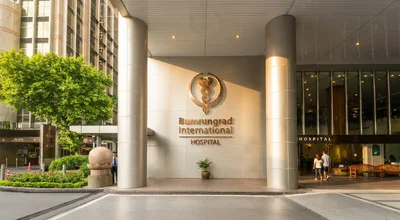
Bumrungrad International Hospital
Tertiary hospital with over 1,200 physicians treating 520,000+ international patients a year.
View hospital profile
Bangkok Hospital
BDMS flagship tertiary campus with standalone heart, cancer, and neuro-orthopaedic hospitals.
View hospital profile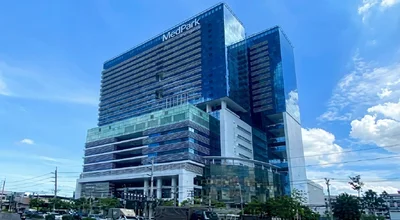
MedPark Hospital
Purpose-built tertiary hospital opened in 2020, focused on complex cardiac, cancer, and transplant care.
View hospital profile
Tell Us What You Need. We Do the Rest.
Share what you're considering and we'll come back with surgeon options, pricing, and a clear plan.
- Real hospital pricing with zero markup
- Matched with a specialist experienced in your specific procedure
- Full coordination from consultation to recovery


Trusted by patients worldwide
The complete guide to Chemotherapy in Thailand
Everything below is for readers who want the full detail: costs broken down, types and techniques, recovery, risks and safety, and planning your trip.
Oncologists & Cancer Centres in Thailand
Your oncologist's experience with your specific cancer type and their adherence to evidence-based protocols matter more than anything else. Here is what our partners offer.
Leading Cancer Centres in Bangkok
Our partner hospitals hold JCI accreditation and run comprehensive cancer centres with medical oncology, radiation oncology, surgical oncology, and haematology departments under one roof. They have dedicated infusion suites, on-site pharmacy compounding, and genetic tumour profiling laboratories.
Experienced Medical Oncologists
Our partner oncologists are board-certified and many completed fellowships at major international cancer centres. They follow NCCN and ESMO guidelines, participate in multidisciplinary tumour boards, and have experience managing international patients through complex treatment courses.
What to Look for in an Oncologist
Board certification in medical oncology is essential. Ask about their experience with your specific cancer type. Confirm they follow international treatment guidelines and participate in a multidisciplinary tumour board. An oncologist who provides a detailed written treatment plan before starting is following best practice.
Understanding Your Results
Chemotherapy response is measured objectively through imaging and tumour markers, and subjectively through symptom improvement.
Typical Chemotherapy Results
Response rates vary significantly by cancer type and protocol. Neoadjuvant chemotherapy can shrink tumours enough to make them operable. Adjuvant chemotherapy reduces recurrence risk. For advanced disease, chemotherapy can extend survival and control symptoms. Your oncologist discusses expected response rates for your specific situation.
What Results Can You Expect?
Response assessment happens after every two to three cycles through imaging. Complete response, partial response, stable disease, or progression: each outcome guides the next treatment decision. Modern supportive care means most patients tolerate treatment well enough to maintain reasonable quality of life during their course.
Chemotherapy Cost in Thailand
Average Cost of Chemotherapy
A single cycle of standard intravenous chemotherapy in Thailand typically starts from around $1,500 to $2,700, depending on the drugs and protocol. Targeted therapy and immunotherapy agents cost more per cycle due to higher drug prices. Your coordinator provides a detailed breakdown before treatment begins.
Cost Breakdown
The drug cost is the largest component, particularly for newer targeted and immunotherapy agents. Oncologist consultation fees cover treatment planning and on-treatment reviews. Infusion-suite charges cover the facility and nursing. Supportive medications, blood monitoring, and coordinator support are included.
What Affects the Price?
The specific drugs used are the primary cost driver. Standard cytotoxic regimens are less expensive than targeted biologics or immunotherapy combinations. The number of cycles, need for growth factor support, and any imaging between cycles also affect the total cost.
Thailand vs International Price Comparison
Chemotherapy in Thailand costs 50 to 70 percent less than equivalent treatment in the US ($4,500–$9,000 per cycle), Australia (A$3,800–A$7,500), and UK (£3,300–£6,800). Over a multi-cycle treatment course, the cumulative savings are very significant.
Types of Chemotherapy
The type of chemotherapy your oncologist recommends depends on the cancer, its stage, molecular biology, and what the treatment is trying to achieve. Protocols follow international guidelines and are specific to your individual case.
Intravenous Chemotherapy
The most common delivery method. Drugs are administered directly into the bloodstream through a vein or central line, allowing precise dosing and rapid systemic distribution. Each infusion session is monitored by oncology nurses in a dedicated infusion suite.
- Precise dosing with immediate systemic distribution
- Administered via peripheral IV or central venous access
- Closely monitored by oncology nurses during every infusion
- Best for: most chemotherapy regimens where systemic drug delivery is required
Oral Chemotherapy
Certain agents are available in tablet or capsule form, allowing treatment between clinic visits. Oral regimens offer convenience while maintaining therapeutic drug levels through scheduled daily dosing. Regular blood monitoring ensures the drugs are working and side effects are managed.
- Convenient tablet or capsule form for daily self-administration
- Maintains consistent therapeutic drug levels between visits
- Regular blood monitoring ensures safety and efficacy
- Best for: cancers where effective oral agents are available and compliance is reliable
Combination Regimens
Many protocols use two or more drugs together to attack cancer cells through different mechanisms simultaneously. Combination therapy improves response rates and reduces the likelihood of drug resistance. All regimens follow established international oncology guidelines.
- Multiple drugs targeting different cancer cell mechanisms
- Improved response rates over single-agent therapy
- Protocols guided by NCCN and ESMO international guidelines
- Best for: most solid tumours and haematological cancers where multi-agent therapy is standard
Chemotherapy Delivery & Support
Modern chemotherapy is as much about managing side effects as it is about destroying cancer cells. Here is how our partner centres deliver and support treatment.
Central Venous Access (Port-a-Cath)
For regimens requiring multiple cycles, a subcutaneous port is implanted under the skin below the collarbone, providing reliable venous access without repeated needle sticks. It is placed in a minor procedure under local anaesthesia and remains in place for the duration of treatment.
- Reliable venous access for repeated infusions over months
- Avoids repeated peripheral cannulation and vein damage
- Minor implantation procedure under local anaesthesia
- Best for: patients receiving multiple chemotherapy cycles over an extended treatment course
Anti-Emetic Protocols
Modern anti-nausea regimens, including 5-HT3 antagonists, NK1 inhibitors, and dexamethasone, are given before and after each infusion. These protocols have transformed the chemotherapy experience, making severe nausea far less common than patients typically fear.
- Multi-agent anti-nausea protocols given before and after infusion
- 5-HT3 antagonists, NK1 inhibitors, and steroids as standard
- Dramatically reduced nausea compared with older treatment eras
- Best for: all chemotherapy patients; anti-emetic protocols are standard at every infusion
Growth Factor Support
When chemotherapy causes significant white blood cell suppression, growth factor injections (G-CSF) stimulate bone marrow to recover faster. This reduces infection risk, helps maintain dose intensity, and can prevent treatment delays that compromise outcomes.
- Stimulates white blood cell recovery between cycles
- Reduces infection risk during the immunosuppressed period
- Maintains treatment dose intensity and schedule adherence
- Best for: regimens with high risk of neutropenia or when treatment delays must be avoided
Chemotherapy Recovery Timeline
Infusion Day
You receive chemotherapy in a comfortable infusion suite under close nursing supervision. Anti-nausea and supportive medications are given before and during treatment. Most patients rest quietly during the session and return to their accommodation afterwards.
Days 2–5
Side effects such as fatigue, mild nausea, or reduced appetite may develop as the drugs take effect. Your oncology team provides medication to manage symptoms and monitors your wellbeing through regular check-ins. Rest and hydration are important.
Weeks 1–2
Your immune system may reach its lowest point around days seven to fourteen.1 Blood counts are monitored, and you should avoid crowded places and follow infection-prevention guidance. Energy levels typically begin recovering towards the end of this period.
Between Cycles
The rest period allows your body to recover before the next treatment. Your oncologist reviews blood results, assesses response with imaging if scheduled, and adjusts the plan accordingly. Light activity and balanced nutrition support recovery between sessions.
Can You Travel Between Chemotherapy Cycles?
In many cases, yes. Your oncologist advises whether it is safe to travel during rest periods. You will need blood counts to have recovered and should carry a treatment summary. Some patients return home between cycles and resume treatment in Thailand for the next session.
How Are Side Effects Managed?
Modern supportive care has transformed chemotherapy tolerability. Multi-agent anti-nausea protocols, growth factor support, and proactive blood count monitoring are standard. Most patients find treatment far more manageable than expected. Side effects are addressed at every visit and medications adjusted promptly.
When Will You Know If Treatment Is Working?
Response is assessed through imaging, typically CT or PET-CT, performed after every two to three cycles. Blood tumour markers are tracked between scans. Your oncologist reviews progress after each cycle and adjusts the protocol based on response and tolerability.
Risks and Side Effects of Chemotherapy
Chemotherapy affects rapidly dividing cells, which means healthy tissues can be impacted alongside cancer cells. Side effects vary by drug and dosage and are actively managed throughout treatment.
- Nausea and vomiting (managed with modern anti-emetic protocols)
- Hair loss (depends on the specific drugs used)
- Increased infection risk during immune suppression, including febrile neutropenia3,4
- Anaemia (low red cell counts causing breathlessness and tiredness, occasionally needing transfusion)4
- Fatigue, the most common side effect across all regimens2
- Cardiotoxicity with anthracycline regimens (doxorubicin, epirubicin), a cumulative and potentially irreversible cardiac risk that is monitored before and during treatment5
- Nephrotoxicity with cisplatin and certain agents, managed with pre-hydration and renal monitoring
- Cognitive changes ("chemo brain"), with memory and concentration difficulties during and after treatment
- Mouth sores and taste changes
- Peripheral nerve tingling (neuropathy, with certain agents)
Your oncology team monitors blood counts and organ function throughout treatment. Dose adjustments, supportive medications, and treatment breaks are used as needed to balance efficacy against tolerability.
Is Chemotherapy Safe in Thailand?
Yes. Chemotherapy at JCI-accredited hospitals in Thailand follows the same international protocols as leading Western cancer centres. Board-certified oncologists, dedicated infusion suites, and comprehensive monitoring ensure the same standard of care.
How Are Serious Side Effects Managed?
Severe side effects like febrile neutropenia or organ toxicity are managed with the same protocols used internationally: hospitalisation, intravenous antibiotics, growth factor support, and dose modification. Our partner hospitals have full emergency infrastructure including ICU for any complications.
Can Treatment Be Adjusted If Side Effects Are Severe?
Absolutely. Dose reductions, schedule modifications, and drug substitutions are standard oncological practice when side effects are intolerable. Your oncologist balances treatment efficacy against your quality of life at every review.
Planning Your Chemotherapy in Thailand
Chemotherapy planning depends on the number of cycles needed. Some patients complete their full course in Thailand, while others split treatment between Thailand and home.
How Long to Stay in Thailand
Plan for 7 to 14 days per cycle, covering pre-infusion blood tests, the infusion itself, post-infusion monitoring, and a follow-up review. If completing a full course of four to eight cycles, stays of several months may be needed. Alternatively, some patients receive initial cycles in Thailand and continue at home.
What's Included in Treatment
Your care coordinator manages all scheduling. The treatment quote covers oncologist consultations, chemotherapy drugs, infusion-suite use, pre-treatment diagnostics, supportive medications, blood monitoring, and coordinator support. Accommodation between sessions and flights are arranged separately.
Coordinating with Your Home Oncologist
We provide detailed treatment summaries, drug protocols, and monitoring plans for your home medical team. If further cycles are needed at home, your local oncologist can continue without interruption. Remote consultations with your Thai oncologist are available for ongoing guidance.
Related Procedures
Other procedures that address similar goals or conditions, in case one of them is a closer fit for you.
Planning your treatment in Thailand
Independent guides to help you weigh the decision, before you commit to anything.
Common Questions About Chemotherapy
Everything you need to know before your treatment

Medical References
Keep researching with AI
Open this guide in your AI assistant to dig deeper and ask the questions it didn't answer.
Opens in a new tab with this guide already loaded.
Medical disclaimer: Content on this site is provided for informational purposes and should not be treated as medical advice. Outcomes, timelines, and eligibility differ from person to person. Consult a qualified medical professional before making any decisions about surgery or treatment.
Ready to Get Started?
Speak with our care coordinators for a free, no-obligation consultation and personalised quote.
Speak to Our Team