Breast-Conserving Surgery in Thailand Your guide to cost, top specialists & hospitals
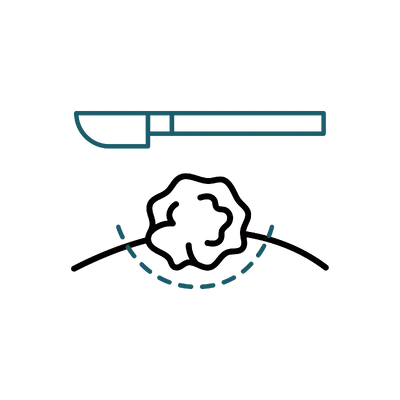
Breast-conserving surgery removes the cancer with a margin of healthy tissue while keeping the rest of your breast. For suitable early breast cancers it offers survival equal to removing the whole breast, with radiotherapy almost always following to lower the chance of it coming back.
What Is Breast-Conserving Surgery?
Also known as: Lumpectomy · Breast-Conserving Surgery (Wide Local Excision)
Breast-conserving surgery, also called a lumpectomy or wide local excision, removes the cancer along with a margin of healthy tissue around it while keeping the rest of the breast. It is a relatively short operation, usually one to two hours under general anaesthesia, with one to four nights in hospital depending on whether the underarm lymph nodes need clearing. A sentinel lymph node biopsy, sampling the first node the breast drains into, is commonly done at the same time to check whether the cancer has reached the lymph nodes under the arm.
Hearing that you need surgery for breast cancer is a lot to absorb, and wanting to keep your breast where it is safe to do so is a natural wish. For many early breast cancers, where the tumour is small relative to the size of the breast, conserving surgery followed by radiotherapy gives survival equal to removing the whole breast1. It is not the right choice for everyone, and the decision is made with you by a multidisciplinary team rather than by one surgeon alone.
We want to be honest about two things from the start. First, radiotherapy is almost always recommended after breast-conserving surgery to lower the risk of the cancer coming back in the breast1,2, and that affects how long you plan to stay or how you arrange treatment once home. Second, the laboratory checks the edges of the tissue removed, and if cancer cells reach a margin, a further small operation (re-excision) is sometimes needed. We cannot promise a cure or a particular outcome, but we can make sure the plan is built on complete information and reviewed by the right team.
It can address a range of concerns, including:
Am I a Good Candidate for Breast-Conserving Surgery?
Breast-conserving surgery suits patients with early breast cancer where the tumour is small relative to the breast and radiotherapy can be given afterwards. Here is what the multidisciplinary team assesses before recommending it.
Whether the breast can be conserved follows the cancer's size, position, and stage, so the workup is completed first.
Confirmed on biopsy: good candidates have cancer confirmed on biopsy with imaging complete.
Size and spread: the tumour should be small relative to the breast, in a single area or a small number close together.
Biology known: receptor status, HER2, and staging shape the plan, so outstanding results may change it.
Conserving surgery is not right for every cancer, and a few factors point towards mastectomy instead.
Tumour to breast ratio: a large tumour relative to the breast may not leave a good result, favouring mastectomy.
Single versus multiple areas: cancer in more than one part of the breast often needs mastectomy.
Disease pattern: inflammatory breast cancer or T4d disease, and skin or chest-wall involvement that makes a clear margin unlikely, rule out conserving surgery.
Radiotherapy possible: conserving surgery depends on being able to have radiotherapy afterwards, so active connective tissue disease such as scleroderma or lupus, and pregnancy (when radiotherapy cannot be given), need specialist review first.
General health and a few modifiable factors affect healing after surgery.
Fit for surgery: good candidates are in stable general health suitable for general anaesthesia.
Smoking and diabetes: both raise wound and infection risk, so smokers should stop before surgery.
Committed to follow-up: suitability includes a commitment to radiotherapy and any recommended further treatment.
Breast-conserving surgery is one step in a wider cancer pathway, so expectations span beyond the operation itself.
A stay commitment: the surgery needs roughly 10 to 14 days in Thailand with 2 to 3 weeks of recovery.
Radiotherapy follows: radiotherapy is almost always recommended afterwards and is part of the plan.
Possible re-excision: a small further operation is sometimes needed if margins are not clear.
Who is not suitable for breast-conserving surgery?
- Inflammatory breast cancer or T4d disease, where breast-conserving surgery is not an option and mastectomy with combined treatment is needed
- Skin or chest-wall involvement that makes a clear margin around the tumour unlikely
- A large tumour relative to breast size, or cancer in more than one area, where mastectomy is usually advised
- Radiotherapy cannot be given, until reviewed
- Active connective tissue disease such as scleroderma or lupus, which can make adjuvant radiotherapy unsafe and so blocks the standard conserving pathway
- Pregnancy (flagged caution), as radiotherapy cannot be given during pregnancy, which blocks the standard breast-conserving pathway and needs specialist timing
- Receptor status, HER2, or staging imaging still outstanding
- Smokers unwilling to stop before surgery, and poorly controlled diabetes until optimised
Pricing
How Much Will Breast-Conserving Surgery Cost in Thailand?
What breast-conserving surgery costs at accredited hospitals in Thailand, and what your final quote depends on.
Get your exact price
Tell us what you're considering and we'll send a personalised quote from accredited hospitals within 24 hours.
Get my free quoteTypical prices in Thailand
Typical ranges based on recent hospital quotes. Your exact price depends on the hospital and how complex your case is, and is confirmed at your teleconsultation.
Breast-Conserving Surgery
The cancer is removed with a rim of healthy tissue around it while the rest of the breast is kept in place.
| Lumpectomy with sentinel lymph node biopsy, under general anaesthesia 2 nights Removes the cancer with a healthy margin and samples the first draining lymph node to check the underarm | $7,800 ฿266,000 |
| Lumpectomy with sentinel lymph node biopsy and axillary dissection, under general anaesthesia 4 nights Adds a fuller clearance of the underarm lymph nodes when the sentinel node is involved | $9,100 ฿308,000 |
| Needle localisation, single mass, under general anaesthesia 1 night A fine wire placed under imaging marks a lesion too small to feel for accurate removal | $3,950 ฿135,000 |
| Needle localisation by stereotactic guide, single mass, under general anaesthesia 1 night The same marking step guided by stereotactic mammography, used where ultrasound cannot see the lesion | $4,250 ฿144,000 |
Typically not included
- Radiotherapy, which almost always follows breast-conserving surgery and is not bundled by any Thai hospital
- Chemotherapy, hormone therapy or targeted treatment recommended by the pathology
- A re-excision if the margins come back involved
- Pathology and pathologist charges on the tissue and lymph nodes removed, including the margin analysis the operation depends on
- Receptor, HER2 and molecular testing that guides what treatment follows
- Pre-operative imaging and staging investigations
Get your exact price
Tell us what you're considering and we'll send a personalised quote from accredited hospitals within 24 hours.
Hospitals Trusted for Breast-Conserving Surgery
From internationally accredited flagships to dedicated specialist hospitals, these are the kinds of facilities where international patients have this procedure.
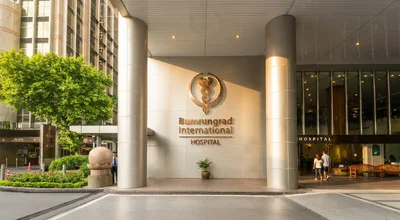
Bumrungrad International Hospital
Tertiary hospital with over 1,200 physicians treating 520,000+ international patients a year.
View hospital profile
Bangkok Hospital
BDMS flagship tertiary campus with standalone heart, cancer, and neuro-orthopaedic hospitals.
View hospital profile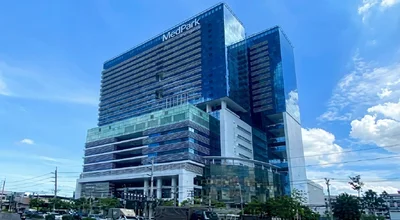
MedPark Hospital
Purpose-built tertiary hospital opened in 2020, focused on complex cardiac, cancer, and transplant care.
View hospital profile
Tell Us What You Need. We Do the Rest.
Share what you're considering and we'll come back with surgeon options, pricing, and a clear plan.
- Real hospital pricing with zero markup
- Matched with a specialist experienced in your specific procedure
- Full coordination from consultation to recovery


Trusted by patients worldwide
The complete guide to Breast-Conserving Surgery in Thailand
Everything below is for readers who want the full detail: costs broken down, types and techniques, recovery, risks and safety, and planning your trip.
Where to Have Breast-Conserving Surgery in Thailand
In breast cancer surgery, the multidisciplinary team around the surgeon matters as much as the surgical skill itself. Here is what our partner centres offer and what to look for.
JCI-Accredited Cancer Centres
Our partner hospitals have dedicated breast surgery programmes within their cancer centres. Leading JCI-accredited hospitals provide multidisciplinary tumour boards, on-site pathology, radiation oncology, and reconstruction capability, so the full treatment pathway is available rather than the surgery alone.
Board-Certified Breast Surgeons
Our partner breast surgeons are board-certified with specific oncological training and work within a multidisciplinary team. Many completed fellowships at established international breast units. Where oncoplastic reshaping is part of the plan, they work alongside plastic surgeons experienced in breast-conserving techniques.
What to Look for in a Breast Surgeon
Board certification in oncological or breast surgery, and a case load that includes breast-conserving surgery. Confirm your case will be reviewed by a multidisciplinary tumour board before surgery. A surgeon who discusses margins, the chance of re-excision, and the radiotherapy that usually follows, rather than promising outcomes, is operating at the right level.
Understanding Your Results
Success here is measured by complete removal of the cancer with clear margins, the function and shape of the preserved breast, and the staging information the pathology provides.
Typical Breast-Conserving Surgery Results
For suitable early breast cancers, conserving surgery followed by radiotherapy gives survival equal to removing the whole breast, while keeping most of the breast. Clear margins are achieved in the majority of cases at experienced centres. The breast may look and feel a little different, and where oncoplastic reshaping is used, cosmetic results are generally good and settle over several months.
What Results Can You Expect?
The full pathology report, available in around one to two weeks, confirms the margins and the tumour details and determines what happens next: radiotherapy almost always, with chemotherapy, hormone therapy, or targeted treatment recommended where the biology indicates. Your team reviews everything with you and hands over a treatment summary to your home medical team before you travel.
Breast-Conserving Surgery Cost in Thailand
Average Cost of Breast-Conserving Surgery
The typical case, a lumpectomy with sentinel lymph node biopsy, is ฿266,000 or about $7,824, with two nights in hospital. If the sentinel node turns out to be involved and the underarm has to be cleared, the package is ฿308,000 or about $9,059, with four nights. Where the cancer is too small to feel and has to be marked beforehand, needle localisation of a single lesion is ฿135,000 or about $3,971 with one night, and ฿144,000 or about $4,235 if stereotactic mammography is used to guide the marking. These figures come from a single hospital rather than what Thailand as a whole charges, and they cover the operation only.
Cost Breakdown
The package covers the operating theatre and recovery room, the surgeon and anaesthetist teams, the medicines and supplies used during the operation, and one to four nights in a standard inpatient room with nursing care and meals. Under our partner hospital's current surgical programme, medical clearance before surgery and a pre-operative rehabilitation assessment by a physiotherapist are provided at no charge. Pathology is not covered, which matters more here than on most pages, because checking the margins of the tissue removed is what tells you whether the operation worked. Receptor, HER2 and molecular testing are separate too. Coordinator support comes from us and is not a hospital charge.
What Affects the Price?
Whether the underarm nodes have to be cleared is the main driver, and it accounts for the ฿42,000 step from sentinel node biopsy alone to a full axillary dissection, plus two extra nights in hospital. Whether the cancer can be felt is the other variable, since an impalpable lesion has to be marked beforehand with a wire or under stereotactic mammography. Oncoplastic reshaping, which combines the cancer operation with plastic-surgical technique, is not on the hospital's package list and is quoted case by case, so we carry no set figure for it. A re-excision, needed in a minority of cases where the margins come back involved, is a further operation and a further cost.
What Is Not Included
The packages cover the operation. These sit outside them.
- Pathology and margin analysis, excluded from the surgical packages even though examining the edges of the tissue removed is the point of the operation
- Receptor, HER2 and molecular testing, the laboratory work that decides what treatment follows
- Radiotherapy, almost always recommended after breast-conserving surgery and given in sessions over days to weeks
- Chemotherapy, hormone therapy or targeted treatment where the final pathology indicates it
- Pre-operative imaging, take-home medication, and any re-excision if the margins come back involved
Radiotherapy is the one to plan for, because it is not optional in the way the word "additional" can make it sound. The equal survival compared with mastectomy depends on completing it. No private Thai hospital publishes a price for a course. The only published Thai figure we can point to comes from a public hospital, at ฿69,300 to ฿84,500 for a 25-fraction course. That is a public-sector rate, so treat it as an indication of order of magnitude rather than as what a private patient would pay. Most patients have the surgery in Thailand and the radiotherapy at home. Your coordinator sets out which of these apply before you decide.
Thailand vs International Price Comparison
At $3,971 to $9,059 the packages sit under the US range of $10,000 to $25,000, but the top of that band is where the comparison stops being flattering. Once converted, $9,059 is at or above the bottom of the UK, Australian, Canadian, Irish, New Zealand and Singaporean ranges quoted on this page, so a case that needs the axilla cleared is not automatically cheaper in Thailand. The typical case at about $7,824 holds a clearer margin. Whichever country you compare, radiotherapy and pathology sit outside the surgical price, so the whole pathway is the number that matters rather than the operation alone.
Breast-Conserving Surgery vs Mastectomy
For many suitable early breast cancers, breast-conserving surgery and mastectomy offer equivalent long-term survival, so the decision is genuinely a choice rather than one option being clearly safer than the other. They differ in what is removed and in what usually follows.
Breast-conserving surgery removes the cancer with a margin of healthy tissue while keeping the rest of the breast, and radiotherapy almost always follows to lower the risk of the cancer returning in the breast. Mastectomy removes the whole breast, and in some cases this can avoid the need for radiotherapy, though not always. Mastectomy is usually advised where the tumour is large relative to the breast, where there is cancer in more than one area, or where radiotherapy cannot be given.
The right choice depends on the size and position of the tumour, the size of your breast, whether radiotherapy is possible, genetic risk, and your own wishes about keeping the breast and having radiotherapy. It is a shared decision guided by the multidisciplinary team, and a second opinion can be arranged to help you weigh it up. Neither option is promised to cure, and the plan is always built around your particular cancer.
Types of Breast-Conserving Surgery
The right approach depends on the tumour's size and position, whether it can be felt, and how to keep the best possible breast shape. Your breast surgeon and the wider team decide together, and the lymph nodes are usually checked at the same time.
Wide Local Excision (Lumpectomy)
The standard breast-conserving operation. The surgeon removes the cancer with a rim of healthy tissue around it, aiming for a clear margin, while keeping the rest of the breast. Suited to a single, small tumour that can be removed with a good cosmetic result. The tissue is sent to the laboratory to confirm the margins are clear.
- Removes the cancer with a margin of healthy tissue
- Keeps the rest of the breast intact
- Margins checked by the laboratory after surgery
- Best for: a single, small tumour relative to breast size
Oncoplastic Breast-Conserving Surgery
A breast-conserving operation that also reshapes the remaining tissue, bringing cancer surgery and plastic-surgical technique together in one sitting. It is the option when a larger area needs removing but the breast can still be kept. The reshaping itself is described under techniques below.
- Removes the cancer and reshapes the breast in one operation
- Allows more tissue to be removed while keeping the breast
- Best for: larger excisions where reshaping improves the cosmetic outcome
Surgery With Sentinel Lymph Node Biopsy
The lymph nodes are nearly always checked at the same operation, so node sampling is described in more detail under techniques below. In short, the first node the breast drains into is sampled to see whether the cancer has reached the underarm. A clear result usually spares a fuller node clearance.
- Checks whether cancer has reached the lymph nodes
- Avoids fuller node clearance when the sentinel node is clear
- Best for: clinically node-negative breast cancer needing staging
Excision After Localisation of an Impalpable Tumour
When a cancer is too small to feel, it is marked beforehand so the surgeon can find and remove it accurately. This is common for cancers picked up on screening. The marking method itself, a fine wire or a small magnetic seed, is covered under techniques below.
- Used when the tumour cannot be felt
- Common for screen-detected cancers
- Best for: small, screen-detected cancers that are impalpable
Breast-Conserving Surgery Techniques
These are the specific methods used inside the operation to locate the cancer, check the nodes, and protect the breast shape. One operation often draws on more than one of them.
Sentinel Lymph Node Biopsy
A radiotracer or blue dye identifies the first lymph node the breast drains into. If this sentinel node is cancer-free, fuller clearance of the underarm nodes can usually be avoided, preserving arm function and reducing the risk of lymphoedema. This is the standard way to check the nodes in early, clinically node-negative breast cancer.
- Identifies the first draining lymph node for targeted biopsy
- Avoids full axillary dissection when the sentinel node is clear
- Reduces lymphoedema risk and preserves arm function3
- Best for: clinically node-negative cancer where node status needs confirming
Wire and Magnetic-Seed Localisation
For tumours that cannot be felt, a fine wire or a small magnetic seed or marker is placed under imaging guidance before surgery to mark the exact spot. This guides the surgeon to remove the right area while taking as little surrounding tissue as needed, which helps both clearance and the final breast shape.
- Marks impalpable tumours so they can be removed accurately
- Uses a wire or a magnetic seed or marker placed under imaging
- Helps remove the cancer while sparing healthy tissue
- Best for: small, screen-detected cancers that cannot be felt
Oncoplastic Reshaping
After the cancer is removed, the remaining breast tissue is reshaped to keep a natural contour, sometimes with adjustment of the other breast to match. This blends cancer surgery with plastic-surgical technique, allowing a larger excision while protecting the cosmetic result. It is planned in advance with the breast surgeon.
- Reshapes the breast after the cancer is removed
- Allows a larger excision while keeping a natural shape
- May include adjusting the other breast for symmetry
- Best for: larger excisions where cosmetic outcome matters
Intra-Operative Margin Assessment
Some centres check the edges of the removed tissue during surgery, so that if cancer cells appear to reach a margin, more tissue can be taken in the same operation. This can reduce the chance of needing a separate re-excision later, though the final word still comes from the full laboratory report afterwards.
- Checks the tissue edges during the operation where available
- May allow more tissue to be taken in the same sitting
- Can reduce the need for a separate re-excision
- Best for: borderline margins at centres equipped for on-table assessment
Breast-Conserving Surgery Recovery Timeline
Days 1–2
The packages run to two nights for a lumpectomy with sentinel node biopsy, four if the underarm nodes are cleared, and one for a needle localisation. Any pain is controlled with simple medication, and the nursing team helps you start gentle arm movements. The breast may feel bruised, swollen, or tender, which is expected and settles over the following days.
Days 3–7
You rest at your accommodation with the wound kept clean and dry as instructed. Your surgical team reviews healing and discusses preliminary findings where available. Because a sentinel node biopsy is usually done, the underarm may feel tight for a few days: keep up the gentle shoulder and arm movements your team shows you, but avoid lifting the arm above shoulder height and do not carry heavy bags or shopping until the underarm wound has sealed.
Weeks 1–2
Light desk work is usually possible from around one to two weeks if you feel up to it. You attend an outpatient appointment to review the wound and the final laboratory report, including the margin status. This is when the team confirms whether radiotherapy and any other treatment are recommended, and whether, in a minority of cases, a small further operation is needed. Keep avoiding overhead lifting and heavy carrying on the operated side until cleared.
Weeks 2–3
Most patients are back to their fuller normal daily routines, with bruising and swelling continuing to settle and overhead reaching and light lifting easing back as comfort allows. By now your team has a treatment summary ready to hand to your oncology team at home, so the next steps pick up without gaps.
When Can You Fly After Breast-Conserving Surgery?
Wound healing is usually settled enough to fly around 7 to 10 days after surgery, once your surgical team confirms it and provides a fitness-to-fly letter. Most patients still plan the full 10 to 14 day stay, because the pathology report takes around seven to ten working days and the stay is timed so you have your margin results and onward plan before you travel. Wear a comfortable, well-fitting supportive bra and loose clothing. If healing needs a little longer, your surgeon will advise rather than rush your departure.
When Can You Return to Work and Exercise?
Light desk work is usually possible within one to two weeks. Driving resumes once you have comfortable arm movement and are no longer taking strong pain medication. Gentle exercise builds back gradually, with more strenuous activity and swimming waiting until the wound has fully healed, usually a few weeks.
When Will the Margin Results Be Available?
The full laboratory report usually takes around seven to ten working days, which is why the 10 to 14 day stay is timed to receive it before you travel. It sets the onward plan, including the radiotherapy that typically follows. What happens if a margin is involved is covered under risks below.
Anaesthesia for Breast-Conserving Surgery
Breast-conserving surgery is performed under general anaesthesia, so you are fully asleep and feel nothing during the operation. A consultant anaesthetist stays with you throughout and continuously monitors your heart rate, breathing, and oxygen levels, which is standard at the accredited cancer centres we work with. Many surgeons also use additional local anaesthetic at the wound, which helps keep early pain low as you wake.
Before you are cleared for surgery you have a pre-operative assessment. This typically includes blood tests, a review of your current medications, and any heart or breathing checks your history or age make sensible, so the anaesthetist can plan the safest approach for you. The operation itself is relatively short, usually one to two hours, and the breast surgeon and anaesthetist agree the details together based on your general health and the planned surgery.
You feel nothing during the procedure. Afterwards, a bruised, tight, or heavy feeling in the breast is expected rather than sharp pain, and it is controlled with simple medication while the nursing team helps you start gentle arm movements. Most patients describe the discomfort as mild to moderate and steadily easing over the first week.
Risks and Safety of Breast-Conserving Surgery
Breast-conserving surgery is a well-established operation with a strong safety record at experienced centres. Complications are usually minor, but all surgical risks should be understood before you decide.
- Bleeding or bruising at the surgical site
- Wound infection (uncommon with antibiotic prophylaxis)
- Seroma, a collection of fluid at the surgical site
- Changes to the shape or size of the breast
- Scarring, which usually fades over time
- Numbness or altered sensation in the breast or underarm
- Lymphoedema, lasting arm or hand swelling, which is much lower after sentinel lymph node biopsy than after a full axillary clearance, where about 1 in 5 people develop it3
- The possibility of needing a re-excision if margins are not clear1,2
- Occasionally, conversion to mastectomy if the cancer cannot be fully removed while conserving the breast
Pre-operative assessment includes imaging review, blood work, and multidisciplinary discussion. Your breast surgeon explains the risks specific to your case during consent, including the chance of needing further surgery. Post-operative monitoring catches any complications early.
Is Breast-Conserving Surgery Safe in Thailand?
Yes. Breast-conserving surgery at JCI-accredited hospitals in Thailand is performed by board-certified breast or oncology surgeons within comprehensive cancer programmes. The hospitals have full surgical infrastructure, on-site pathology, and multidisciplinary teams that mirror the structure of major Western breast units.
What Happens If the Margins Are Not Clear?
The laboratory checks the edges of the tissue removed. If cancer cells reach a margin, a further small operation (re-excision) is sometimes recommended to remove a little more tissue, and occasionally a mastectomy is advised if a clear margin cannot be achieved while conserving the breast. This happens in a minority of cases, and your surgeon discusses the possibility during consent so it is not a surprise.
How to Reduce Surgical Risks
Choose a hospital with JCI accreditation and a dedicated breast surgery programme. Follow wound-care instructions, keep the area clean and dry, and start the gentle arm exercises your team recommends. Report any signs of wound redness, swelling, increasing pain, or fever promptly so they can be reviewed early.
Planning Your Breast-Conserving Surgery in Thailand
Most patients need 10 to 14 days in Thailand for the surgery and recovery. Because the treatment continues beyond the operation, it is worth planning the whole pathway from the start rather than the surgery in isolation.
How Long to Stay in Thailand
Plan for 10 to 14 days. This covers pre-operative diagnostics and tumour board review, the surgery, one to four nights in hospital depending on the package, wound checks, the final pathology report, and a fitness-to-travel assessment. This window is for the surgery itself. Radiotherapy, which usually follows, is a separate course and is most often arranged at home.
Planning for Radiotherapy and Further Treatment
Because radiotherapy is almost always recommended after breast-conserving surgery, it is important to plan it before you travel. Most patients have the surgery in Thailand and then receive radiotherapy at home through their oncology team, with a full treatment summary provided. If you would prefer to have radiotherapy in Thailand, that means a longer or separate stay, and your coordinator will set out the realistic timeline.
What's Included in a Medical Trip
Your care coordinator manages hospital scheduling, transfers, and follow-up appointments. The hospital package covers the surgeon and anaesthetist teams, the operating theatre, the medicines and supplies used during surgery, and one to four nights in a standard room, with medical clearance before surgery provided at no charge under their current programme. Pathology and margin analysis, receptor and HER2 testing, pre-operative imaging and take-home medication are billed separately, as are radiotherapy and any other treatment, flights, and accommodation.
Related Procedures
Other procedures that address similar goals or conditions, in case one of them is a closer fit for you.
Planning your treatment in Thailand
Independent guides to help you weigh the decision, before you commit to anything.
Common Questions About Breast-Conserving Surgery
Everything you need to know before your procedure

Medical References
Keep researching with AI
Open this guide in your AI assistant to dig deeper and ask the questions it didn't answer.
Opens in a new tab with this guide already loaded.
Medical disclaimer: Content on this site is provided for informational purposes and should not be treated as medical advice. Outcomes, timelines, and eligibility differ from person to person. Consult a qualified medical professional before making any decisions about surgery or treatment.
Ready to Get Started?
Speak with our care coordinators for a free, no-obligation consultation and personalised quote.
Speak to Our Team