Tumour Removal in Thailand Your guide to cost, top specialists & hospitals
Surgical oncology removes the disease and provides the staging information that shapes every treatment decision that follows.
What Is Tumour Removal?
Also known as: Cancer Surgery · Surgical Oncology · Tumour Resection
Tumour removal is surgery that takes out a cancerous or suspicious growth, cutting it away with a rim of healthy tissue, called the margin, to lower the chance it returns1. The removed tissue goes to pathology, which examines its type, grade, margin clearance, and molecular markers. That report shapes every treatment decision that follows. Surgery may be the main treatment, or it may follow chemotherapy that has shrunk the tumour first.
Hearing you need cancer surgery, then arranging it abroad, is a lot to carry at once. Before anything is scheduled, a multidisciplinary tumour board, a group of specialists, studies your imaging and biopsy together and agrees the plan. Your surgeon then chooses the approach that removes the disease as completely as possible while sparing healthy tissue.
We want to be straight with you. Cancer outcomes depend on the type of tumour, its stage, and how your body responds, so no honest team can promise a result, and clear margins, though usual at experienced centres, cannot be guaranteed in advance. What we can say is that careful planning and accurate pathology give you the strongest foundation for whatever follows.
It can address a range of concerns, including:
Am I a Good Candidate for Tumour Removal?
Whether surgery is right for you is a tumour board decision, weighing imaging, pathology, and your fitness for anaesthesia.
Surgery is planned from complete diagnostic information, never around it.
Confirmed solid tumour: A tumour confirmed on imaging, with biopsy results available, is the starting point.
Tumour board review: Every case is reviewed by a multidisciplinary board before surgery; pending imaging or biopsy results must be finalised first.
Part of a plan: Resection should be recommended by your oncologist within the overall treatment plan, whether as primary treatment, after neoadjuvant chemotherapy, or combined with other therapy.
Resection under general anaesthesia places demands on the heart, lungs, and healing capacity, all assessed before a date is set.
Anaesthetic fitness: Significant cardiac, pulmonary, or hepatic dysfunction increases anaesthetic risk and needs assessment first.
Stabilised first: Active infection or uncontrolled diabetes should be brought under control before any major resection.
After chemotherapy: If you have had neoadjuvant chemotherapy, bone marrow counts must recover before the operation.
Preparation: Stop blood thinners as directed, typically two weeks before, and smoking at least four weeks prior.
Surgery is one stage of a treatment pathway, and good candidates understand what follows the operation.
Margins and pathology: Clear margins are achieved in the vast majority of cases at experienced centres, with the full pathology report in seven to ten working days.
Adjuvant treatment possible: Depending on stage, margins, and molecular markers, chemotherapy, radiotherapy, or immunotherapy may be recommended afterwards.
Recovery window: Expect 2-7 nights in hospital and 10-14 days in Thailand before flying home.
Who is not suitable for tumour removal?
- Unresectable metastatic (stage IV) disease with disseminated spread, where surgery cannot remove all disease and systemic or palliative treatment is the appropriate path
- Poor performance status (ECOG 3-4), too unwell to safely tolerate a major resection
- Bone marrow counts not yet recovered from neoadjuvant chemotherapy
- Active infection or uncontrolled diabetes until stabilised
- Significant cardiac, pulmonary, or liver dysfunction until assessed
- Imaging or biopsy results still pending tumour board review
- Smoking within four weeks of surgery
Pricing
How Much Will Tumour Removal Cost in Thailand?
What tumour removal costs at accredited hospitals in Thailand, and what your final quote depends on.
Get your exact price
Tell us what you're considering and we'll send a personalised quote from accredited hospitals within 24 hours.
Get my free quoteTypical prices in Thailand
Typical ranges based on recent hospital quotes. Your exact price depends on the hospital and how complex your case is, and is confirmed at your teleconsultation.
Tumour Removal
The growth is cut out together with a rim of healthy tissue around it, and nearby lymph nodes are taken if the disease may have reached them.
| Straightforward tumour excision 2 to 7 nights Cut out through a single incision with a margin of healthy tissue, for an accessible growth | $5,000 to $6,500 ฿170,000 to ฿221,000 |
| Complex open resection 2 to 7 nights Wider open dissection around neighbouring structures, for a large or deep tumour and the nodes draining it | $6,500 to $8,000 ฿221,000 to ฿272,000 |
| Robotic-assisted resection 2 to 7 nights Instruments worked through small ports under a magnified view, for tumours deep in the pelvis or neck | $7,500 to $9,000 ฿255,000 to ฿306,000 |
Typically not included
- Chemotherapy, radiotherapy or immunotherapy, before or after surgery, delivered in cycles over weeks or months and quoted as a separate course
- Intensive care, and hospital nights beyond the two to seven stated, which longer or multi-organ resections can need
- Further surgery, if the final pathology report leads your tumour board to recommend more
- Treatment of a complication, such as a return to theatre or management of an anastomotic leak
- Blood and blood products, charged on use where the extent of the resection calls for a transfusion
Get your exact price
Tell us what you're considering and we'll send a personalised quote from accredited hospitals within 24 hours.
Hospitals Trusted for Tumour Removal
From internationally accredited flagships to dedicated specialist hospitals, these are the kinds of facilities where international patients have this procedure.
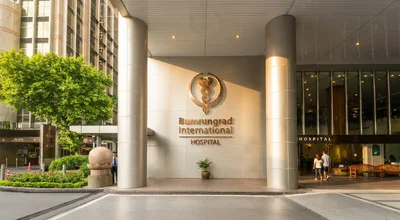
Bumrungrad International Hospital
Tertiary hospital with over 1,200 physicians treating 520,000+ international patients a year.
View hospital profile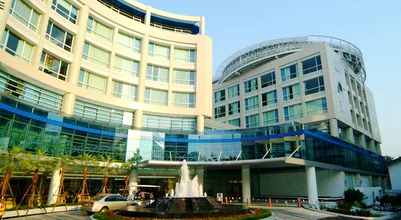
Bangkok Hospital
BDMS flagship tertiary campus with standalone heart, cancer, and neuro-orthopaedic hospitals.
View hospital profile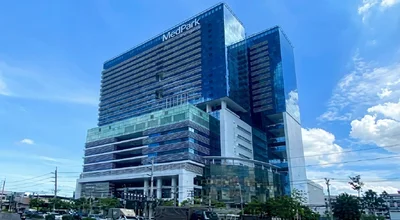
MedPark Hospital
Purpose-built tertiary hospital opened in 2020, focused on complex cardiac, cancer, and transplant care.
View hospital profile
Tell Us What You Need. We Do the Rest.
Share what you're considering and we'll come back with surgeon options, pricing, and a clear plan.
- Real hospital pricing with zero markup
- Matched with a specialist experienced in your specific procedure
- Full coordination from consultation to recovery


Trusted by patients worldwide
The complete guide to Tumour Removal in Thailand
Everything below is for readers who want the full detail: costs broken down, types and techniques, recovery, risks and safety, and planning your trip.
Tumour Removal Surgeons & Clinics in Thailand
In cancer surgery, the multidisciplinary team matters as much as the surgeon. Here is what our partner centres provide.
Leading Hospitals in Bangkok
Our partner hospitals hold JCI accreditation and run comprehensive cancer centres with multidisciplinary tumour boards, robotic surgical platforms, on-site pathology with molecular testing, and full radiation oncology and medical oncology departments. They handle the complete cancer treatment pathway under one roof.
Experienced Surgical Oncologists
Our partner surgical oncologists are fellowship-trained and board-certified with subspecialty experience in specific tumour types. They operate within multidisciplinary teams and use intraoperative frozen section, sentinel node biopsy, and ERAS protocols as standard practice.
What to Look for in a Surgeon
Board certification in surgical oncology, not just general surgery. Ask about the surgeon's specific volume for your tumour type. Confirm the hospital has a tumour board and that your case will be reviewed by a multidisciplinary team before surgery is planned. Independent reviews and outcome data matter more than marketing materials.
Understanding Your Results
Cancer surgery outcomes are measured by margin clearance, accurate staging, and recovery speed: the foundation for everything that follows.
Typical Tumour Removal Results
Clear surgical margins, confirmed by pathology, are achieved in the vast majority of cases at experienced centres. Comprehensive pathology including molecular markers provides the detailed staging information needed to guide adjuvant therapy decisions. Most patients recover within the ERAS-optimised timeframes.
What Results Can You Expect?
Preliminary pathology is available within days, with the full report in seven to ten working days. If margins are clear and staging is favourable, some patients need only surveillance monitoring. For higher-risk cases, adjuvant therapy begins within weeks, coordinated by your oncology team before you return home.
Tumour Removal Surgery Cost in Thailand
Average Cost of Tumour Removal
Tumour removal surgery in Thailand typically costs between $5,000 and $9,000, depending on tumour complexity, operative time, hospital stay, and technique. Straightforward excisions sit at the lower end, while complex resections requiring robotic assistance or multi-organ involvement are higher.
Cost Breakdown
The surgical oncologist's fee reflects the complexity and operative time. Hospital fees cover the facility, operating theatre, ward stay, and specialist nursing. Diagnostics cover pre-operative imaging, blood work, and intraoperative pathology. Aftercare includes post-operative medications, follow-up, and coordinator support.
What Affects the Price?
Tumour location, size, and the need for lymph node dissection are the main cost drivers. Minimally invasive and robotic approaches may add equipment costs but often reduce overall hospital stay. Complex multi-organ resections require longer operative time and extended recovery.
Thailand vs International Price Comparison
Tumour removal surgery in Thailand costs 50 to 70 percent less than equivalent procedures in the US ($15,000–$30,000), Australia (A$12,500–A$25,000), and UK (£11,000–£22,500). For complex cancer surgery, the savings are substantial.
Types of Tumour Removal Surgery
The surgical approach depends on tumour location, size, and relationship to surrounding structures. Your multidisciplinary team selects the approach that achieves complete removal with the least disruption to healthy tissue.
Open Surgical Resection
The traditional approach using a direct incision to access and remove the tumour with surrounding margins. Provides full visibility and tactile feedback. Suited to larger, deeper, or anatomically challenging tumours where the surgeon needs direct access to ensure complete removal and thorough lymph node assessment.
- Direct access for complete tumour removal with clear margins
- Enables thorough inspection of surrounding lymph nodes and tissue
- Preferred for large, deep, or anatomically challenging tumours
- Best for: tumours where direct access is essential for oncological completeness
Laparoscopic / Minimally Invasive Surgery
Camera-guided surgery through small incisions reduces tissue disruption while maintaining oncological standards for margin clearance. Shorter hospital stays and faster recovery. Suitable for selected abdominal and thoracic tumours where laparoscopic access does not compromise completeness.
- Smaller incisions with less post-operative pain and scarring
- Shorter hospital stay and faster return to daily activities
- Maintains oncological margin standards for suitable tumours
- Best for: selected abdominal and thoracic tumours accessible via keyhole approach
Robotic-Assisted Surgery
A robotic platform provides magnified 3D visualisation and enhanced instrument precision for meticulous dissection in confined anatomical spaces. Reduces blood loss and preserves neurovascular structures where possible. Particularly useful for pelvic, prostate, and head-and-neck tumour resections.
- Magnified 3D view for precise dissection around critical structures
- Enhanced dexterity in narrow or deep surgical fields
- Reduced blood loss and potentially shorter recovery
- Best for: tumours in confined spaces where precision around vital structures is critical
Tumour Removal Techniques
Technique selection is guided by tumour biology, imaging, and the multidisciplinary team's assessment of how to achieve complete removal with the widest safe margins.
Sentinel Lymph Node Biopsy
A radiotracer or blue dye identifies the first lymph node draining the tumour. This sentinel node is removed and examined during surgery. If it is cancer-free, more extensive lymph node dissection may be unnecessary, reducing morbidity without compromising staging accuracy.4
- Identifies the first draining lymph node for targeted biopsy
- Avoids unnecessary extensive lymph node dissection
- Standard technique for breast, melanoma, and other solid tumours
- Best for: determining lymph node involvement while minimising surgical morbidity
Intraoperative Frozen Section
During surgery, tissue samples are sent immediately to pathology for rapid frozen-section analysis. Within 20 to 30 minutes, the pathologist can confirm whether surgical margins are clear, allowing the surgeon to extend the resection if needed, while you are still on the operating table.
- Rapid intraoperative pathological assessment
- Confirms margin clearance before the operation ends
- Reduces the need for return-to-theatre procedures
- Best for: ensuring complete resection when margin status is critical for outcome
Enhanced Recovery After Surgery (ERAS)
A structured protocol combining optimised nutrition, early mobilisation, multimodal pain management, and minimised fasting to accelerate recovery after cancer surgery. Published evidence shows ERAS reduces hospital stay, complications, and time to returning to adjuvant treatment.
- Evidence-based protocol reducing hospital stay and complications
- Multimodal pain management reduces opioid dependence
- Early mobilisation and nutrition optimisation support faster healing
- Best for: all surgical oncology patients; it is a programme-wide standard at our partner hospitals
Lymph Node Dissection (Lymphadenectomy)
When imaging or a sentinel node biopsy shows the cancer has spread, the surgeon removes the regional lymph nodes that drain the tumour, either alongside the main resection or as a separate clearance. Examining these nodes refines the staging and reduces the chance of disease being left behind. The extent is judged case by case, since clearing more nodes than needed adds morbidity without benefit.
- Removes the regional nodes draining the tumour for staging and clearance
- Performed when nodes are involved or at high risk of involvement
- Extent tailored to tumour type to balance clearance against morbidity
- Best for: tumours with confirmed or likely regional lymph node spread
Tumour Removal Recovery Timeline
Days 1–2
You are monitored closely in the ward with structured pain management. Early mobilisation is encouraged to support circulation and respiratory function. Drains may be in place depending on the extent of surgery. Your team reviews initial findings with you.
Days 3–7
Activity levels gradually increase with nursing and physiotherapy support. Drains are removed as output decreases. Diet advances as tolerated. Your surgeon discusses preliminary pathology findings and the care team begins planning any recommended adjuvant treatment.
Weeks 2–4
After discharge, you continue to recover with outpatient follow-up. Final histopathology and margin status are confirmed, guiding decisions on further treatment. Light daily activities can resume, though strenuous exertion should be avoided.
Weeks 4–8
Strength and energy steadily return. Your oncology team coordinates any adjuvant therapy (chemotherapy, radiotherapy, or immunotherapy) if indicated. A comprehensive surveillance plan including imaging and tumour marker monitoring is established before you return home.
When Can You Fly After Tumour Removal Surgery?
Most patients fly home 10 to 14 days after surgery, once wound healing is confirmed and any drains have been removed. Timing depends on the extent of surgery and your overall recovery. We recommend compression stockings and regular movement during the flight.
When Can You Return to Work and Exercise?
Light desk work is usually possible within two to four weeks, depending on the procedure. Walking from day one. Strenuous activity waits until your surgeon clears you, typically four to eight weeks. If adjuvant treatment is needed, your oncologist coordinates the timing.
How Does Recovery Differ by Tumour Site?
Milestones vary with where the tumour was, within the same 2 to 7 night hospital stay and 2 to 8 week recovery window. After bowel (colorectal) resection, diet advances from fluids to solids over the first few days once normal gut function returns, and any sign of an anastomotic leak is watched for in the first week. After chest (thoracic) resection, a chest drain usually stays in for several days until air leak and fluid output settle, and breathing exercises are central. After pelvic surgery, sitting and mobilisation are limited at first and a urinary catheter may stay in briefly. Head-and-neck resections focus on safe swallowing and speech, sometimes with temporary feeding support. Your team sets the milestones to your specific operation.
When Will You See Final Results?
Preliminary pathology is often available within two to three days. The final comprehensive report, including margin status, tumour grade, and molecular markers, typically takes seven to ten working days. This report guides all subsequent treatment decisions.
Anaesthesia for Tumour Removal Surgery
Tumour removal is major surgery, so it is performed under general anaesthesia. You are fully asleep and feel nothing throughout the operation. A consultant anaesthetist is responsible for you from the moment you go under until you wake, monitoring your breathing, heart, blood pressure, and oxygen continuously, which is standard practice at the accredited hospitals we work with.
Cancer surgery places real demands on the heart, lungs, and circulation, so you have a formal pre-operative assessment before you are cleared for anaesthesia. This includes blood tests, a review of your medications, and cardiac and respiratory clearance where your history or the extent of the resection calls for it. If you have had neoadjuvant chemotherapy, your blood counts are checked first. The anaesthetist also plans pain control for afterwards as part of the ERAS protocol.
You will feel nothing during the operation. Soreness once you wake is expected and varies with how extensive the surgery was, but it is managed proactively with a structured, multimodal pain plan that keeps you comfortable while reducing reliance on strong opioids. Your team adjusts your medication to your needs as you recover.
Risks and Safety of Tumour Removal Surgery
Surgical tumour removal is performed routinely at accredited oncology centres with strong safety records. As with any major surgery, risks exist and are managed carefully.
- Post-operative infection (uncommon with antibiotic prophylaxis)
- Post-operative bleeding or haematoma1,2
- Blood clots (deep vein thrombosis or pulmonary embolism)3
- Injury to adjacent organs or structures (depends on tumour location)2,1
- Anastomotic leak (after bowel or other hollow-organ resection where two ends are rejoined)
- Nerve injury or functional deficit (more relevant to pelvic, robotic, and head-and-neck resections)
- Lymphoedema, persistent limb or area swelling, after lymph node dissection
- Incomplete margin clearance requiring further intervention
- Wound healing complications (delayed healing or dehiscence)
Multidisciplinary planning, intraoperative frozen section, and ERAS protocols are the main tools for reducing these risks. Surgeon experience with the specific tumour type and location matters significantly.
Is Tumour Removal Surgery Safe in Thailand?
Yes. Cancer surgery at JCI-accredited hospitals in Thailand is performed by fellowship-trained surgical oncologists within multidisciplinary programmes. The hospitals have full in-house infrastructure: ICU, blood banking, interventional radiology, and on-site pathology with molecular testing capability.
How to Reduce Your Risk
Choose a hospital with JCI accreditation and a multidisciplinary tumour board. Confirm the surgical oncologist has specific experience with your tumour type. Pre-operative imaging should be reviewed by the entire team, not just the surgeon. Intraoperative frozen section should be available to confirm margin clearance during surgery.
When Is Adjuvant Treatment Needed?
Adjuvant therapy depends on tumour type, stage, margin status, and molecular markers. Many patients benefit from chemotherapy, radiotherapy, or immunotherapy after surgery to reduce recurrence risk. Your multidisciplinary team reviews the pathology and recommends a plan that can begin in Thailand or continue with your oncologist at home.
Planning Your Trip to Thailand for Tumour Removal
Most patients need 10 to 14 days in Thailand. Here is how to plan your trip.
How Long to Stay in Thailand
Plan for 10 to 14 days. This covers pre-operative diagnostics and tumour board review, surgery, inpatient recovery, drain removal, pathology review, and a final assessment before you travel home. Complex resections may require a slightly longer stay.
What's Included in a Medical Trip
Your care coordinator manages all logistics. The surgical quote covers the surgical oncologist's fee, anaesthesia, hospital stay, pre-operative imaging and diagnostics, intraoperative pathology, post-operative medications, and coordinator support. Flights and accommodation are separate.
Recovery in Bangkok vs Phuket
Bangkok is the right choice for cancer surgery. You need proximity to your surgical team for wound care, drain management, pathology review, and any complications. Bangkok's major cancer centres provide the complete infrastructure.
Related Procedures
Other procedures that address similar goals or conditions, in case one of them is a closer fit for you.
Planning your treatment in Thailand
Independent guides to help you weigh the decision, before you commit to anything.
Common Questions About Tumour Surgery
Everything you need to know before your procedure

Medical References
Keep researching with AI
Open this guide in your AI assistant to dig deeper and ask the questions it didn't answer.
Opens in a new tab with this guide already loaded.
Medical disclaimer: Content on this site is provided for informational purposes and should not be treated as medical advice. Outcomes, timelines, and eligibility differ from person to person. Consult a qualified medical professional before making any decisions about surgery or treatment.
Ready to Get Started?
Speak with our care coordinators for a free, no-obligation consultation and personalised quote.
Speak to Our Team