Echocardiography in Thailand Your guide to cost, top specialists & hospitals
An echocardiogram is an ultrasound of the heart that shows the chambers, valves, and pumping in real time, with no radiation. It is the standard test for how well your heart is working.
What Is Echocardiography?
Also known as: Heart Ultrasound (Echo) · Echocardiography
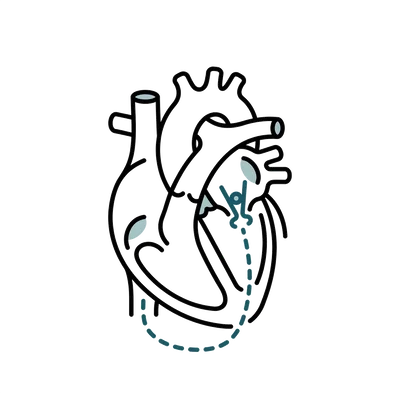
An echocardiogram is an ultrasound scan of the heart. A probe passed over the chest sends harmless sound waves that bounce back to build a moving picture of your heart on a screen, showing the four chambers, the heart valves, and how strongly the heart is pumping, all in real time. Known medically as echocardiography, it is the single most useful test for assessing heart function and valve disease, and unlike a CT or angiogram it uses no radiation and no dye2.
The standard scan, a transthoracic echo, is painless and needs no preparation. It takes around twenty to forty-five minutes, you lie on your side while a sonographer or cardiologist moves the probe across your chest, and the results are often available the same day. A more detailed version, a transoesophageal echo, passes a small probe down the gullet for clearer views of the valves and the back of the heart, and this one needs a throat spray and light sedation.
It is worth being clear about what an echo is and is not. It is a diagnostic test, not a treatment, so it tells you and your cardiologist what your heart is doing rather than fixing anything. Because it is a relatively low-cost test, the saving against having it at home is modest, so an echo rarely justifies a trip on its own. It makes most sense as part of a wider cardiac assessment or a health check you are already having in Thailand, where it gives a clear, immediate read on the heart at a fair price.
It can address a range of concerns, including:
Am I a Good Candidate for Echocardiography?
An echocardiogram suits anyone who needs their heart function or valves assessed, but as a diagnostic test it is most useful inside a wider workup. Here is what a cardiologist weighs up.
An echo is a general-purpose heart scan, so most people sent for one are being investigated rather than treated.
Symptoms to explain: breathlessness, palpitations, or chest discomfort that need the heart assessed.
A murmur or known disease: a murmur found on examination, or known valve or heart-muscle disease that needs checking or monitoring.
Part of a workup: people already having a cardiac assessment, pre-surgery check, or health screen in Thailand.
The scan measures how the heart is working and looks closely at the valves.
Pump function: the ejection fraction, how strongly the heart empties with each beat.
The valves: every valve checked for narrowing or leaking, and how severe any problem is.
Structure: chamber size and thickness, and pressures inside the heart.
It is important to be clear about what an echo does and does not do.
Diagnostic only: it tells you what your heart is doing; it does not fix anything.
Modest saving: as a low-cost test, it rarely justifies a trip on its own.
Best combined: it makes most sense added to a wider cardiac workup or health check.
Which echo you have, and how to prepare, depends on what needs to be seen.
Standard scan: a transthoracic echo needs no preparation and has no recovery.
TOE: a transoesophageal echo needs an empty stomach, sedation, and someone to take you home.
Stress echo: may involve pausing certain heart medications beforehand, on cardiologist advice.
Who is not suitable for echocardiography?
- A transoesophageal echo where oesophageal disease makes the probe unsafe, such as oesophageal varices, a known stricture or achalasia, or recent oesophageal surgery
- A stress echo where the heart is unstable, such as severe aortic stenosis, decompensated heart failure, an uncontrolled arrhythmia, severe uncontrolled high blood pressure, or a recent heart attack
- Sedation for a TOE where it carries higher risk, such as severe COPD, obstructive sleep apnoea, or a known allergy to sedatives or benzodiazepines, until your own doctor has reviewed it
- Unable to follow the empty-stomach instructions a TOE requires
Pricing
How Much Will Echocardiography Cost in Thailand?
What echocardiography costs at accredited hospitals in Thailand, and what your final quote depends on.
Get your exact price
Tell us what you're considering and we'll send a personalised quote from accredited clinics within 24 hours.
Get my free quoteTypical prices in Thailand
Typical ranges based on recent hospital quotes. Your exact price depends on the hospital and how complex your case is, and is confirmed at your teleconsultation.
Echocardiography
An ultrasound probe builds a moving picture of the heart's chambers, valves and pumping, and the type mainly varies by how the probe reaches the heart.
| Transthoracic echo (TTE) The standard painless chest scan that answers most questions | $80 to $150 ฿2,720 to ฿5,100 |
| Stress echo Your heart imaged at rest and again under exertion, with monitoring | $200 to $300 ฿6,800 to ฿10,200 |
| Transoesophageal echo (TOE) A probe passed down the gullet under sedation for clearer valve views | $250 to $350 ฿8,500 to ฿11,900 |
Typically not included
- Treatment of anything the scan uncovers, such as medication, a valve procedure or heart surgery.
- Any further imaging the findings call for, such as a cardiac MRI, CT or angiogram.
- A follow-up cardiologist consultation to talk the results through in depth.
- Other tests in a wider cardiac workup, such as an ECG or blood tests.
- A contrast or bubble agent, injected to brighten a difficult study or check for a hole between the chambers.
Get your exact price
Tell us what you're considering and we'll send a personalised quote from accredited clinics within 24 hours.
Hospitals Trusted for Echocardiography
From internationally accredited flagships to dedicated specialist hospitals, these are the kinds of facilities where international patients have this procedure.

Bangkok Hospital
BDMS flagship tertiary campus with standalone heart, cancer, and neuro-orthopaedic hospitals.
View hospital profile
Bumrungrad International Hospital
Tertiary hospital with over 1,200 physicians treating 520,000+ international patients a year.
View hospital profile
MedPark Hospital
Purpose-built tertiary hospital opened in 2020, focused on complex cardiac, cancer, and transplant care.
View hospital profile
Tell Us What You Need. We Do the Rest.
Share what you're considering and we'll come back with surgeon options, pricing, and a clear plan.
- Real hospital pricing with zero markup
- Matched with a specialist experienced in your specific procedure
- Full coordination from consultation to recovery


Trusted by patients worldwide
The complete guide to Echocardiography in Thailand
Everything below is for readers who want the full detail: costs broken down, types and techniques, recovery, risks and safety, and planning your trip.
Where to Have an Echocardiogram in Thailand
An echo is only as good as the lab that performs it and the cardiologist who reads it, so where you have it done matters more than the scan itself. The points below are what separate a reliable result from a cheap one.
JCI-Accredited Hospitals
Choose a JCI-accredited hospital with an established cardiology department rather than a standalone scan service. Accredited hospitals run their echo laboratory to recognised standards, with modern machines, trained sonographers, and the back-up to perform a transoesophageal or stress echo safely when one is needed. They can also bring the scan into a wider cardiac assessment rather than handing you an image with no context.
Cardiologists and Sonographers
The scan is usually acquired by a trained cardiac sonographer or by the cardiologist, and is reported by a board-certified cardiologist. That experience is what turns a set of moving images into a reliable answer, particularly for grading a valve problem or judging pump function. It is fair to ask who will perform and report your scan, and whether the cardiologist is available to discuss the findings with you.
Part of a Cardiac Assessment
An echo on its own answers a single question; its real value comes when it sits inside a proper cardiac workup or health check, alongside an ECG, blood tests, and a cardiologist consultation. If you are travelling for heart care or a health screen, having the echo as part of that package gives you a joined-up picture of your heart rather than an isolated result, and is usually better value too.
What an Echocardiogram Tells You
An echo does not change your heart; it shows you what your heart is doing. What it can reliably reveal, and how a cardiologist puts that to use, is set out below.
What an Echo Can Reliably Show
A good echo measures how strongly the heart pumps, expressed as the ejection fraction, and shows the size and thickness of each chamber. It assesses every heart valve for narrowing or leaking and grades how severe any problem is, and it estimates pressures inside the heart. For many people the result is reassuring, confirming the heart is structurally normal and pumping well. Where it finds a problem, it pinpoints which valve or which part of the heart is involved.
How the Result Is Used
The echo is rarely the end of the story; it is a piece of information your cardiologist uses to decide what, if anything, to do next. A normal scan may simply reassure and close the question. A mild finding may mean periodic monitoring with a repeat echo in future. A more significant finding, such as a tight or badly leaking valve, may lead on to further imaging or a discussion about treatment. The scan guides the decision; it does not make it for you.
Echocardiogram Cost in Thailand
Average Cost of an Echocardiogram
A standard transthoracic echo in Thailand typically costs around $80 to $150 at a reputable hospital. A transoesophageal echo, which needs sedation and more staff, and a stress echo, which takes longer and involves monitoring, sit higher, with the more involved studies reaching $250 to $350. The figure depends on the type of scan, the hospital, and whether the cardiologist consultation is bundled in or charged separately.
What Affects the Price?
The type of echo is the biggest factor, with a standard chest scan far cheaper than a TOE or stress echo. After that, the hospital matters, as leading Bangkok centres price differently from mid-tier accredited facilities. Whether the scan is a standalone test or part of a packaged cardiac assessment or health check also affects the figure, and bundling it with a consultation and other tests is often better value than booking the scan alone.
Thailand vs International Price Comparison
An echocardiogram in Thailand costs less than in the US ($300–$2,000), Australia (A$350–A$1,500), and the UK (£200–£1,000 privately), reflecting lower operating costs rather than weaker standards. The percentage gap looks large, but on a test this inexpensive the cash difference is small, which is why the convenience and same-day result, rather than the saving, are the real draw when an echo sits within care you are already having here.
Echocardiogram vs Cardiac MRI and CT
An echocardiogram is the first-line heart imaging test for good reason. It is quick, painless, widely available, uses no radiation and no dye, and shows the valves and pumping function in real time. For the great majority of questions about how the heart is working, an echo answers them, which is why it is usually the first scan a cardiologist orders rather than a more complex one.
Cardiac MRI and CT are not replacements for an echo so much as additions in specific situations. Cardiac MRI gives very detailed pictures of the heart muscle itself and is used when the cause of a weak heart needs pinning down, or to look for scarring and inflammation that an echo cannot characterise as well. Cardiac CT is excellent at showing the coronary arteries and is often used to look for or rule out coronary disease without an invasive angiogram. Both add detail in the right case, but both are more involved, and CT uses radiation and a contrast dye.
In practice the tests work together rather than against each other. An echo is the sensible starting point and is often all that is needed; an MRI or CT is added when the echo raises a question it cannot fully answer. Which combination is right depends on your symptoms and what the first scan shows, and that is a decision for your cardiologist rather than something to choose in advance.
Types of Echocardiogram
Echo is a family of related scans rather than a single test. The standard external scan answers most questions, but your cardiologist may add or choose a different type depending on what needs to be seen.
Transthoracic Echo (TTE)
The standard scan and the one most people mean by an echocardiogram. The probe is moved across the outside of your chest with a little gel, building a moving picture of the chambers, valves, and pumping function. It is completely painless, needs no preparation, and is usually done in twenty to forty-five minutes with results often the same day.
- The first-line heart scan for almost every question
- Painless, no radiation, no preparation needed
- Probe passed over the outside of the chest
- Best for: heart function, murmurs, and a first look at the valves
Transoesophageal Echo (TOE)
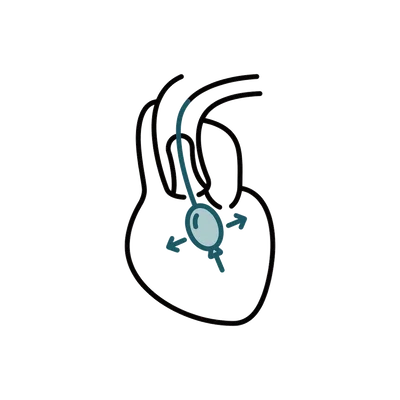
A small probe is passed down the gullet, which sits directly behind the heart, giving much clearer views of the valves and the upper chambers than a chest scan can. Because the gullet is involved, it needs a numbing throat spray and light sedation, and you rest for a short while afterwards. It is the test of choice when fine valve detail or a possible clot needs to be ruled in or out.
- Probe passed down the gullet for clearer valve and atrial views
- Needs throat spray and light sedation
- Short recovery afterwards before you go home
- Best for: detailed valve assessment, suspected clot, or before some heart procedures
Stress Echo
An echo taken before and after the heart is made to work harder, either by exercising on a treadmill or bike, or with a medication that mimics exertion when you cannot exercise. Comparing the two shows whether part of the heart muscle is starved of blood under load, which a resting scan can miss.
- Images the heart at rest and under exertion or medication
- Reveals reduced blood supply that only shows up under load
- Done under supervision with continuous monitoring
- Best for: investigating chest pain or suspected coronary artery disease
Doppler Echo
Not a separate appointment but a measurement built into the scan. Doppler colours and measures the speed and direction of blood as it moves through the heart, which is how the cardiologist grades a leaking or narrowed valve and checks pressures inside the heart.
- Maps blood flow and the direction it travels
- Grades how severe a valve leak or narrowing is
- Standard part of a full echo study
- Best for: assessing valve leaks, narrowing, and pressures
3D Echo
A newer capability on modern machines that builds a three-dimensional image of a valve or chamber rather than flat slices. It gives the cardiologist or surgeon a more complete view of valve anatomy, which can help when planning a repair or replacement.
- Three-dimensional reconstruction of valves and chambers
- Adds detail beyond standard 2D views
- Available on modern machines at larger centres
- Best for: detailed valve assessment and surgical planning
Echocardiography Techniques
What sets a useful echo apart is less the machine than the lab it is done in and the cardiologist reading the images. Here is what the techniques involve and why the reporting matters as much as the scan.
Standard 2D and Doppler TTE
The acquisition that underpins everything else. Two-dimensional imaging captures the moving structures while Doppler measures the blood flowing through them, but the value lies in completeness: every view obtained, every valve interrogated, nothing skipped. A thoroughly acquired study is what a reliable report depends on.
- A complete sweep matters more than the individual images
- Every chamber and valve interrogated, not just sampled
- Repeatable to the same protocol for valid comparison over time
- Why it matters: a rushed or partial study undermines the report
Transoesophageal Imaging (TOE)
Used when the chest scan cannot see enough detail, particularly for the mitral valve, prosthetic valves, or to look for a clot in the upper chamber before certain procedures. The probe sits right behind the heart, so the picture is far clearer, at the cost of needing sedation and a short recovery.
- Reserved for detailed valve and clot assessment
- Far clearer views than a chest scan for some structures
- Performed with sedation and monitoring
- Best for: prosthetic valves, mitral detail, and pre-procedure clot checks
Stress Echo for Ischaemia
Imaging the heart under load to expose reduced blood supply that a resting scan misses. New or worsening wall-motion changes when the heart is stressed point to a coronary artery that cannot keep up, which helps decide whether further heart investigation is needed.
- Compares the heart at rest and under stress
- Detects coronary disease that resting scans can miss
- Always supervised with continuous monitoring
- Best for: working up chest pain or known coronary risk
Contrast (Bubble) Echo
A small amount of agitated saline or a contrast agent is injected into a vein to brighten the picture. Bubbles crossing from the right to the left side of the heart can reveal a hole between the chambers, and contrast also sharpens the border of the heart wall when images are difficult.
- Injected agent improves a difficult or unclear picture
- Can reveal a hole between the heart chambers
- Sharpens the heart wall border for accurate measurement
- Best for: suspected shunts and technically hard-to-image hearts
An Accredited Lab and Experienced Reader
The same scan can yield very different conclusions depending on who acquires and reports it. An accredited echo laboratory and an experienced cardiologist reading the study are what turn a set of images into a reliable answer, which is the part that matters most when choosing where to have it done.
- Accredited labs follow recognised acquisition standards
- An experienced cardiologist interprets the findings
- Reporting quality matters as much as the machine
- Why it matters: a result is only as reliable as the lab and reader behind it
What to Expect After an Echocardiogram
Straight After a TTE
There is nothing to recover from. A standard chest echo is painless and leaves only a little ultrasound gel, which is wiped off before you get dressed. You can eat, drive, fly, and carry on with your day immediately, and there are no restrictions of any kind afterwards.
After a TOE
Because a transoesophageal echo uses sedation and a throat spray, you rest in a recovery area until the sedation wears off, usually an hour or two. Your throat may feel a little numb or sore for the rest of the day, so you wait until the swallowing reflex returns before eating or drinking. You should not drive that day and need someone to accompany you home.
After a Stress Echo
You are monitored until your heart rate and blood pressure return to normal after the exertion or medication, typically a short while. Most people feel completely normal soon after and can resume their day, though you may be advised to take it easy for the rest of the day.
Getting Your Results
For a standard echo the cardiologist can often discuss the findings with you the same day, and a written report follows. If the scan was part of a wider workup, your cardiologist brings it together with your other tests to explain what it means and what, if anything, to do next.
Can You Fly After an Echocardiogram?
Yes. There is no medical reason a standard chest echo affects flying; you can fly the same day with no precautions. After a transoesophageal echo, it is sensible to let the sedation fully clear before a long journey, so most people do not fly on the same day as a TOE. A stress echo does not affect flying once your heart rate and blood pressure have settled back to normal.
When Can You Eat and Drive?
After a standard echo you can eat and drive immediately; there are no restrictions. After a transoesophageal echo you wait until the throat numbing wears off and your swallowing reflex returns before eating or drinking, usually a couple of hours, and you must not drive that day because of the sedation. A stress echo has no eating restriction, though you may be advised to rest for the remainder of the day.
When Will You Get Your Results?
For a standard echo the cardiologist can often talk you through the main findings on the day, with a full written report to follow. If the scan was part of a wider cardiac assessment, your cardiologist usually brings the results together with your other tests at a follow-up so everything is explained in context rather than in isolation.
Does an Echocardiogram Hurt?
A standard transthoracic echo does not hurt at all. You lie on your side, a little warm gel is applied to your chest, and the sonographer or cardiologist moves a smooth probe over the skin while you breathe normally. The only sensation is mild pressure as the probe is angled to get the best views, and the whole thing is over in twenty to forty-five minutes. No anaesthetic, no needles, and nothing to take afterwards.
A transoesophageal echo is the one type that needs sedation. Your throat is numbed with a spray and you are given light sedation through a small cannula so you are relaxed and comfortable while the probe is passed down the gullet. Most people remember little of it. Afterwards the throat can feel numb or mildly sore for the rest of the day, which settles on its own, and you rest until the sedation wears off before going home.
A stress echo involves no anaesthetic. The effort comes from exercising or, if you cannot exercise, from a medication that makes the heart beat faster for a short time, both done under close monitoring. You may feel your heart pounding or a little breathless during it, which is expected and passes quickly once the test ends.
Risks and Safety of an Echocardiogram
A standard echocardiogram is one of the safest tests in medicine, with essentially no risk because it uses harmless sound waves1,2. The small risks that do exist apply only to the more involved versions, and are worth understanding clearly.
- A standard transthoracic echo carries essentially no risk; ultrasound is harmless and there is no radiation1,2
- After a transoesophageal echo, a temporarily sore or numb throat that settles within a day or two3,2
- A small risk from the light sedation used for a TOE, such as a drop in blood pressure, monitored throughout
- Injury to the gullet from the TOE probe (very rare)
- With a stress echo, a small risk of an abnormal heart rhythm brought on by the exertion or the medication4, and with the medication (dobutamine) a chance of triggering bronchospasm, all managed under continuous supervision
- Rarely, a reaction to the contrast agent in a bubble or contrast echo
For the standard chest scan there is nothing meaningful to weigh up; it is about as safe as a test can be. The very small risks attached to a TOE or stress echo are managed by doing them in a properly equipped unit with monitoring and trained staff, which is exactly what an accredited hospital provides.
Is an Echocardiogram Safe in Thailand?
Yes. A standard echo is the same harmless ultrasound test wherever it is done, with no radiation and essentially no risk. At a JCI-accredited hospital it is performed by a trained sonographer or cardiologist and reported by an experienced cardiologist, which is what makes the result reliable. The more involved studies, a TOE or stress echo, are carried out in properly equipped units with monitoring, to the same standards you would expect at home.
How to Get a Reliable Result
The quality of an echo depends on who acquires the images and who reads them, so choose a hospital with an accredited echo laboratory and board-certified cardiologists rather than the cheapest available scan. Bringing any previous echo reports or heart imaging lets the new scan be measured against them, which often matters more than the scan in isolation. A well-reported study is far more useful than a cut-price one.
What If the Scan Finds a Problem?
An echo is a diagnostic test, so it may identify something that needs further attention, such as a valve that is leaking or narrowed, reduced pumping function, or a structural issue. If that happens, the cardiologist explains what it means and what the options are, which may be monitoring, medication, more imaging, or in some cases a procedure. You are under no obligation to have any treatment in Thailand; you can take the report and images home and discuss next steps with your own cardiologist.
Fitting an Echocardiogram Into Your Trip to Thailand
An echo needs no recovery time and no dedicated stay, so it slots easily into a wider cardiac assessment or health check. A few practical points keep it simple to fit in.
No Dedicated Stay Needed
A standard echo is a walk-in, walk-out appointment with no recovery, so it requires no minimum stay and does not dictate your itinerary. A transoesophageal echo means keeping the rest of that day light because of the sedation, but even then no overnight stay is needed. This is why an echo fits comfortably around the rest of a trip rather than shaping it.
Combining It With a Cardiac Workup
An echo is most useful, and best value, as part of a broader cardiac assessment alongside an ECG, blood tests, and a cardiologist consultation, or within a comprehensive health screen. Many people add it to a wider workup they are already having in Thailand, where it gives an immediate read on heart function and valves that ties the other results together.
Keeping Your Home Team in the Loop
Whatever the scan shows, you remain in charge of what happens next. If it flags something that needs follow-up, you are free to take the findings back and decide on next steps with your home team rather than committing to anything on the trip, which is one reason an echo travels well as a piece of a workup rather than a treatment booking.
Related Procedures
Other procedures that address similar goals or conditions, in case one of them is a closer fit for you.
Planning your treatment in Thailand
Independent guides to help you weigh the decision, before you commit to anything.
Common Questions About Echocardiograms
Everything you need to know before your scan

Medical References
Keep researching with AI
Open this guide in your AI assistant to dig deeper and ask the questions it didn't answer.
Opens in a new tab with this guide already loaded.
Medical disclaimer: Content on this site is provided for informational purposes and should not be treated as medical advice. Outcomes, timelines, and eligibility differ from person to person. Consult a qualified medical professional before making any decisions about surgery or treatment.
Ready to Get Started?
Speak with our care coordinators for a free, no-obligation consultation and personalised quote.
Speak to Our Team