Pacemaker Implant in Thailand Your guide to cost, top specialists & hospitals
A steady heartbeat is something most people never think about. A pacemaker gives it back to those who do.
What Is Pacemaker Implant?
Also known as: Heart Pacemaker · Cardiac Pacemaker Implantation
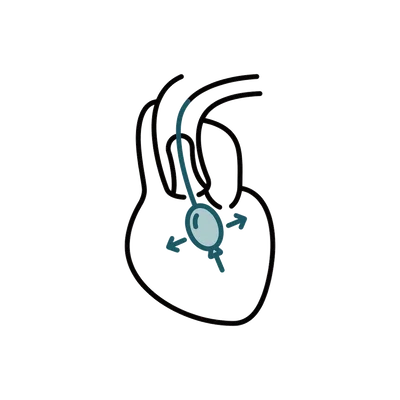
A pacemaker implant is a small electronic device placed under the skin that steadies a slow or unreliable heartbeat by sending gentle electrical impulses to the heart. It treats a rate that drops too low or pauses, conditions such as bradycardia, slow rhythm, and heart block. The device pairs a pulse generator about the size of a matchbox with thin insulated wires, called leads, that carry the impulses into the heart. It watches your rhythm continuously and paces only when the rate falls too low. The implant usually takes 1 to 2 hours under local anaesthesia with sedation, with the leads guided into place using live X-ray.
If the idea of a device inside your chest feels daunting, that is a normal reaction. You stay awake but comfortable throughout, with the area fully numbed, and your electrophysiologist sets the device around your own rhythm.
For most people the relief is quick. When dizziness, fainting, or tiredness came from a pausing or slow heart, those symptoms often ease within days. Your team will talk through whether a pacemaker is right for you before anything is decided.
It can address a range of concerns, including:
Am I a Good Candidate for Pacemaker Implant?
A pacemaker is offered on documented rhythm evidence, once anything reversible has been ruled out and a minor procedure is safe for you.
Electrophysiologists implant on traces, not descriptions; the rhythm problem has to be captured on a recording.
Documented on ECG or Holter: Symptomatic bradycardia, heart block, or long pauses must be confirmed on monitoring before a device is recommended.
Symptoms that fit the trace: Dizziness, fainting, or exercise intolerance should correspond to the slow rates or pauses recorded.
Bring your recordings: Existing ECGs and Holter reports from home speed up the assessment and confirm the indication.
A permanent device is only justified once temporary explanations for a slow heart rate have been excluded.
Reversible causes ruled out: Electrolyte problems, thyroid disease, and rate-slowing medication can all mimic a conduction disorder and are checked first.
Medication adjustment tried: Where a drug is the likely culprit, adjusting it comes before implanting hardware.
Bradycardia that persists: A pacemaker is for documented rhythm disease that remains after these causes are addressed.
Implantation is a brief procedure under local anaesthesia with sedation, but a few practical gates still apply.
Stable general health: You need to be well enough for a minor surgical procedure and one to two nights of monitoring.
Clear pocket site: The skin below the collarbone must be free of infection or unhealed lesions before a pocket is created.
Anticoagulation planned: Blood thinners need an agreed bridging plan from your cardiologist.
Lifestyle factored in: Contact sport or work involving repeated chest impact may point towards a leadless device, which your electrophysiologist will discuss.
Who is not suitable for pacemaker implant?
- Active systemic infection or unhealed skin near the planned pocket site
- Active infective endocarditis or bloodstream infection, until it is cleared and treated, as implanting hardware risks seeding the new device
- A mechanical or bioprosthetic tricuspid valve, which rules out a standard transvenous right-ventricular lead and needs a leadless or epicardial approach instead
- A slow heart rate explained by a reversible cause not yet corrected
- On anticoagulants without an agreed bridging plan from your cardiologist
- Bradycardia without documented symptoms or pauses on monitoring
Pricing
How Much Will Pacemaker Implant Cost in Thailand?
What pacemaker implant costs at accredited hospitals in Thailand, and what your final quote depends on.
Get your exact price
Tell us what you're considering and we'll send a personalised quote from accredited clinics within 24 hours.
Get my free quoteTypical prices in Thailand
Typical ranges based on recent hospital quotes. Your exact price depends on the hospital and how complex your case is, and is confirmed at your teleconsultation.
Pacemaker Implant
A small pulse generator is placed under the skin below the collarbone and wired to the heart with thin leads, so gentle impulses keep a slow rhythm steady.
| Pacemaker implantation, pacemaker device not included 2 nights Implantation, leads placed under live X-ray, and two nights in hospital, with the pacemaker quoted separately | $8,400 to $10,300 ฿286,000 to ฿349,000 |
Typically not included
- The pacemaker itself, which the hospital advises individually for each patient
- Intensive care days beyond the two nights stated
- Pre-procedure medical clearance and pre-anaesthetic assessment
- Consultation or treatment by a specialist outside the cardiac team
- Medication prescribed to take home after discharge
Get your exact price
Tell us what you're considering and we'll send a personalised quote from accredited clinics within 24 hours.
Hospitals Trusted for Pacemaker Implant
From internationally accredited flagships to dedicated specialist hospitals, these are the kinds of facilities where international patients have this procedure.

Bangkok Hospital
BDMS flagship tertiary campus with standalone heart, cancer, and neuro-orthopaedic hospitals.
View hospital profile
Bumrungrad International Hospital
Tertiary hospital with over 1,200 physicians treating 520,000+ international patients a year.
View hospital profile
MedPark Hospital
Purpose-built tertiary hospital opened in 2020, focused on complex cardiac, cancer, and transplant care.
View hospital profile
Tell Us What You Need. We Do the Rest.
Share what you're considering and we'll come back with surgeon options, pricing, and a clear plan.
- Real hospital pricing with zero markup
- Matched with a specialist experienced in your specific procedure
- Full coordination from consultation to recovery


Trusted by patients worldwide
The complete guide to Pacemaker Implant in Thailand
Everything below is for readers who want the full detail: costs broken down, types and techniques, recovery, risks and safety, and planning your trip.
Electrophysiologists & Hospitals in Thailand
The electrophysiologist who implants and programmes your pacemaker determines both the immediate outcome and the long-term performance of the device.
Leading Cardiac Hospitals in Bangkok
Our partner hospitals maintain dedicated electrophysiology laboratories with advanced fluoroscopy, 3D mapping systems, and device programming stations from all major manufacturers. These facilities handle pacemaker implantations as a daily routine, not as an occasional add-on to a general cardiology service. On-site device clinics provide follow-up programming and remote monitoring setup before you leave Thailand.
Experienced Electrophysiologists
Our partner electrophysiologists are board-certified by the Thai College of Cardiology with subspecialty training in cardiac rhythm management and device implantation. Many trained at international fellowship programmes in the US, Japan, or Europe before returning to Thailand. They implant conventional, leadless, and conduction system pacing devices: the full range of current technology.
What to Look for in an Electrophysiologist
Subspecialty certification in electrophysiology or cardiac rhythm management is essential, not just general cardiology. Ask about device implantation volume. Check whether the physician is experienced with the specific device type recommended for you; leadless and conduction system pacing require different skill sets than conventional transvenous implantation. A good EP explains the device choice clearly and discusses alternatives, not just the plan they prefer.
Understanding Your Results
Pacemaker implantation produces immediate, measurable improvement in heart rate and rhythm stability. Here is what patients typically experience.
Typical Pacemaker Results
The device begins working immediately after implantation. Patients with symptomatic bradycardia typically notice that dizziness, lightheadedness, and fatigue resolve within days. Exercise tolerance improves as the heart can now maintain an adequate rate during physical activity. The change is often described by patients as feeling like they have their energy back, because the heart is no longer pausing or dropping to rates that starve the brain and muscles of blood flow.
What Results Can You Expect?
Symptom resolution is the primary outcome and is achieved in the vast majority of patients. The device is programmed to your specific needs during and after implantation; rate thresholds, sensor response, and pacing algorithms are all tuneable. Follow-up device checks optimise these settings over the first few weeks. The result is a reliable heartbeat that responds to your activity level, something that was no longer happening with the native conduction system.
Pacemaker Implant Cost in Thailand
What the Published Package Covers
Our partner hospital publishes a fly-in package for pacemaker implantation of ฿286,000 to ฿349,000, valid to 31 December 2026 and covering two nights in hospital. The cardiac packages are more generous than the surgical ones in one specific way, which is that intermediate critical care and critical care unit time are named as included rather than billed if you use them. What the figure buys is the implantation, the procedure room, the electrophysiologist and the stay.
The Pacemaker Is Not in the Package
This is the single most important thing to know before you compare this figure with a quote from home. The hospital states it directly, that "package price excludes pacemaker. Pacemaker will be individually advised for each patient by the doctor." No Thai hospital publishes what a pacemaker costs, and we will not guess at one, so the honest position is that the device is a second number we have to obtain for you. Ask us for it in writing alongside the package before you commit, and make sure the quote you compare it against also separates hardware from procedure.
What Else Sits Outside the Package
Pre-procedure medical clearance and the pre-anaesthetic assessment are not in the price. A consultation with a specialist outside the cardiac team is billed separately, as are leads and devices not named in the package, any intensive care days beyond the two nights, and medication you take home after discharge. Flights, accommodation and travel insurance sit outside entirely.
How That Compares Internationally
The implantation package works out at roughly $8,400 to $10,300 before the device. Pacemaker implantation privately runs from around $24,000 to $48,000 in the United States, A$20,000 to A$40,000 in Australia, and £17,600 to £36,000 in the UK, and those figures generally bundle the hardware in. Because the Thai figure does not, the comparison only holds once you have the device quoted. This is one hospital's published rate rather than a Thai national price, and figures at other Thai hospitals differ in both directions.
Types of Pacemaker Systems
The right device depends on how many chambers need pacing, your rhythm disorder, and your anatomy. Each system has distinct advantages, and your electrophysiologist selects based on your specific conduction problem.
Single-Chamber Pacemaker
One lead in the right ventricle senses and paces the lower chamber. The simplest system with the fewest components. Typically chosen for patients in permanent atrial fibrillation with a slow ventricular rate, where atrial pacing adds no benefit.
- Shortest implant procedure with fewest lead-related complications
- Longer battery life due to single-lead pacing demand
- Suitable for permanent AF with slow ventricular response
- Best for: patients who do not benefit from atrial synchrony
Dual-Chamber Pacemaker
Two leads (one in the right atrium, one in the right ventricle) allow the device to sense and pace both chambers in sequence. This preserves the natural timing between upper and lower heart, maintaining efficient cardiac output and avoiding pacemaker syndrome.
- Maintains atrioventricular synchrony for physiological pacing
- Rate-responsive algorithms adjust pacing to match your activity
- Preferred for sinus node disease and atrioventricular block
- Best for: most bradycardia patients with intact atrial rhythm
Leadless Pacemaker
A self-contained capsule the size of a large vitamin delivered through a catheter in the groin and anchored directly into the right ventricle. No chest incision, no subcutaneous pocket, no transvenous leads. This eliminates the most common sources of device complications entirely.
- No chest incision, no visible scar, no pocket-related complications
- Eliminates lead fracture, lead displacement, and lead infection risk
- MRI-conditional design for full-body scanning capability
- Best for: patients who qualify for single-chamber pacing and want to avoid a chest pocket
Biventricular Pacemaker (CRT-P)
A cardiac resynchronisation therapy device adds a third lead that paces the left ventricle alongside the right, so both sides of the heart contract in a coordinated way. It is used when a slow rhythm coexists with heart failure and an electrical delay between the ventricles, where ordinary pacing alone would not restore efficient pumping.
- Three leads coordinate left and right ventricular contraction
- Improves pumping efficiency in heart failure with conduction delay
- Selected on echocardiography and QRS width, not rhythm alone
- Best for: patients needing pacing who also have heart failure with a wide QRS
Pacemaker Implantation Techniques
The implant technique depends on the device type and your vascular anatomy. Here is what Thailand's electrophysiology teams use.
Transvenous Implantation (Standard)
The standard method for conventional pacemakers. A vein below the collarbone (usually the subclavian or cephalic) is accessed, and the lead or leads are advanced under fluoroscopic guidance into the heart chambers. The pulse generator is secured in a subcutaneous pocket.
- Well-established technique with decades of safety data
- Access via subclavian or cephalic vein with fluoroscopic guidance
- Allows placement of single, dual, or biventricular leads
- Best for: the vast majority of pacemaker implantations
Leadless Implantation (Catheter-Delivered)
A transcatheter approach through the femoral vein delivers the device directly into the right ventricle, where it is anchored with small tines. No chest incision and no transvenous leads are needed. The entire system is self-contained within the heart.
- No chest pocket means no pocket infection or wound complications
- Delivered percutaneously through the groin under sedation
- When replacement is needed a new device is typically deployed alongside the existing capsule, which is left in place
- Best for: patients with limited venous access, prior pocket complications, or preference for leadless technology
His-Bundle or Left Bundle Branch Area Pacing
The pacing lead is placed at the His bundle or left bundle branch area to activate the heart's natural conduction system. This produces a more physiological activation pattern than conventional right ventricular apical pacing, potentially preserving cardiac function better over the long term.
- Activates the heart's own conduction network for more natural contraction
- May reduce the risk of pacing-induced cardiomyopathy
- Technically more demanding and requires specific operator expertise
- Best for: patients expected to require a high percentage of ventricular pacing
Pacemaker Implant Recovery Timeline
Day 1
Continuous cardiac monitoring after implantation. A chest X-ray confirms lead position. Pain at the device site is mild and managed with simple analgesics. You are up and walking short distances within hours. The device is programmed and initial sensing and pacing thresholds are confirmed.
Days 2–3
A final device check verifies lead stability, sensing thresholds, and battery status. Wound healing is assessed. You receive a temporary pacemaker identification card, aftercare instructions, and a follow-up schedule. Most patients are discharged on day two.
Weeks 1–2
Avoid raising the arm on the implant side above shoulder height; this protects against lead displacement during the early healing period. No driving for one week.2,3 Gentle walking is encouraged. Keep the wound clean and dry: you can usually shower from about 48 hours with the site protected by a waterproof dressing, patting it dry afterwards, but avoid soaking the wound, baths, hot tubs, and swimming until it has fully healed and sutures are removed at your follow-up appointment.
Weeks 3–4
Arm restrictions are gradually lifted. A follow-up device check confirms stable measurements and allows final programming adjustments. Normal activities resume, including driving, light exercise, and travel. Most patients feel noticeably better than they did before implantation.
When Can You Fly After Pacemaker Implantation?
Most patients are cleared to fly within 7–10 days, once lead stability has been confirmed and the wound is healing well. Pacemakers are safe in aircraft; cabin pressure and avionics do not affect the device. Carry your pacemaker identification card and request a hand search at airport security rather than walking through the metal detector or body scanner.
When Can You Return to Normal Activities?
Most patients return to normal daily routines within two to four weeks. Arm restrictions on the implant side are lifted gradually over four to six weeks as lead fixation stabilises.2,3 Driving typically resumes after one week. Light exercise is fine from week two. Contact sports and activities with risk of direct impact to the chest should be discussed with your electrophysiologist.
Living with a Pacemaker Long Term
Modern pacemakers are built to coexist with daily life. Household appliances, computers, and mobile phones are safe, though keeping your phone on the opposite side from the device is a sensible habit. Most devices are MRI-conditional, allowing full-body scanning when reprogrammed beforehand. Battery life is typically 6 to 15 years.1 When replacement is needed, only the generator is swapped; the leads usually stay in place, making it a much simpler procedure.
Anaesthesia for a Pacemaker Implant
A pacemaker is implanted under local anaesthesia with sedation, so you stay awake but relaxed and comfortable throughout. The skin and tissue below the collarbone are fully numbed where the pocket is made, and the sedation eases any anxiety, so most people remember little of the procedure. You are not put fully to sleep, which is part of why recovery is quick and the hospital stay is short.
The sedation is given and monitored by an anaesthetist, who stays with you for the whole implant and keeps a continuous watch on your heart rhythm, breathing, and oxygen levels alongside the cardiac team. The depth of sedation is judged case by case: enough to keep you settled and still while the leads are guided into place under live X-ray, without the risks of a general anaesthetic. If your rhythm or general health makes a different approach safer, your electrophysiologist and anaesthetist agree the plan together beforehand.
Because the heart itself has no pain sensation, you feel nothing as the leads are positioned. You may notice some pressure or pushing while the pocket is created, but not sharp pain. Before you are cleared, you have a pre-operative cardiac and respiratory assessment, including ECG, blood work, and a review of your medications and any anticoagulants, so the team can confirm sedation is safe for you. Afterwards, soreness at the implant site is mild and settles within a few days with simple pain relief.
Risks and Safety of Pacemaker Implantation
Pacemaker implantation is one of the most commonly performed cardiac procedures worldwide. The complication rate is low, and serious adverse events are uncommon, but every surgical procedure carries some risk.
- Infection at the device pocket site (uncommon, usually treatable with antibiotics)4
- Lead displacement requiring repositioning (occurs in a small percentage of cases)4
- Pneumothorax, air leak into the chest cavity (rare, usually resolves with observation)4,1
- Bruising or haematoma at the pocket site (common, self-limiting)
- Cardiac perforation by the lead tip (very rare)
- Pacemaker syndrome from loss of AV synchrony (avoided with dual-chamber pacing)
- Venous thrombosis around the lead (uncommon)
- Allergic reaction to device materials (extremely rare)
The most common device-related complications (lead displacement and pocket infection) are well understood and manageable. Lead displacement usually presents within the first week and is corrected with a brief repositioning procedure. Pocket infections are prevented by antibiotic prophylaxis and meticulous surgical technique. Serious complications are genuinely rare in experienced hands.
Is Pacemaker Implantation Safe in Thailand?
Yes. Pacemaker implantation at JCI-accredited hospitals in Thailand uses the same devices, the same implant techniques, and the same programming protocols as any leading cardiac centre in the US, UK, or Australia. The electrophysiologists performing these procedures are board-certified with subspecialty training in cardiac rhythm management. Complication rates are consistent with published international benchmarks.
How to Reduce Device-Related Risks
Follow arm restriction guidelines for the first two weeks to prevent lead displacement; this is the highest-risk period. Keep the wound clean and dry until sutures are removed. Report any redness, swelling, or warmth at the pocket site promptly. Attend all scheduled device checks to ensure lead measurements remain stable and the battery is functioning normally.
What Happens When the Battery Runs Out?
Pacemaker batteries do not fail suddenly; they deplete gradually over 6 to 15 years, and this is detected well in advance through routine device checks or remote monitoring. When replacement is needed, a straightforward generator change is performed under local anaesthesia. The existing leads are tested and, if functioning normally, connected to the new generator. The procedure takes about 30–60 minutes.
Planning Your Trip to Thailand for Pacemaker Implantation
Most patients need 7–10 days in Thailand. Here is how to plan the trip and what to expect at each stage.
How Long to Stay in Thailand
Plan for 7–10 days. Day one covers your cardiac assessment including ECG, Holter review, echocardiogram, and blood work. Implantation typically occurs on day two or three. One to two nights of hospital monitoring follow the procedure. The remaining days cover a follow-up device check, wound assessment, and confirmation that you are fit to fly with your new device.
What's Included in a Medical Trip
Your care coordinator handles all hospital logistics, from scheduling and transfers to interpreter services and follow-up appointments. Our partner hospital's published package covers the electrophysiologist's fee, the procedure room, anaesthesia, and two nights in hospital including the critical care time. The pacemaker itself is quoted separately and advised case by case, and pre-procedure clearance, specialists outside the cardiac team and medication to take home are billed on top. Flights and accommodation are arranged separately, but your coordinator recommends nearby options.
Before You Leave Thailand
Before departure, you receive a pacemaker identification card with device details, a discharge summary for your home cardiologist, and instructions for setting up remote monitoring with your local device clinic. Your electrophysiologist performs a final device check to confirm all parameters are stable. You leave with a clear plan for ongoing follow-up at home.
Related Procedures
Other procedures that address similar goals or conditions, in case one of them is a closer fit for you.
Planning your treatment in Thailand
Independent guides to help you weigh the decision, before you commit to anything.
Common Questions About Pacemaker Implantation
Everything you need to know before your procedure

Medical References
Keep researching with AI
Open this guide in your AI assistant to dig deeper and ask the questions it didn't answer.
Opens in a new tab with this guide already loaded.
Medical disclaimer: Content on this site is provided for informational purposes and should not be treated as medical advice. Outcomes, timelines, and eligibility differ from person to person. Consult a qualified medical professional before making any decisions about surgery or treatment.
Ready to Get Started?
Speak with our care coordinators for a free, no-obligation consultation and personalised quote.
Speak to Our Team