Atrial Fibrillation Ablation in Thailand Your guide to cost, top specialists & hospitals
Ablation targets the electrical faults that keep the heart in chaos. For many patients, it restores a rhythm medication cannot.
What Is Atrial Fibrillation Ablation?
Also known as: AFib Treatment · Catheter Ablation for Atrial Fibrillation
Atrial fibrillation ablation is a catheter procedure that restores a normal heart rhythm by scarring the tiny areas of heart tissue that fire the faulty signals behind AF. Most of these triggers sit where the pulmonary veins meet the left atrium, so the electrophysiologist threads fine catheters up through a vein in the groin and uses heat, freezing, or short electrical pulses to ring off the veins. With the triggers walled away, the heart can hold a steady rhythm again. The scarred areas are permanent, though AF can sometimes find a new path later.
If your heart races or leaves you breathless and tired, and medication has not settled it, ablation is the step many people reach for next. The aim is simple: fewer episodes, more energy, less reliance on rhythm drugs.
It helps to know the honest picture. A single procedure clears AF for most people with the come-and-go form, less often when it has been constant for years, so some need a second. Your electrophysiologist will give you a realistic figure for your case first.
It can address a range of concerns, including:
Am I a Good Candidate for Atrial Fibrillation Ablation?
Electrophysiologists take on ablation when AF is documented, drugs have had a fair trial, and your atrium gives the procedure a realistic chance.
Ablation targets a rhythm that has been captured on a recording, not one that is only described.
AF on ECG or Holter: Documented atrial fibrillation on monitoring is the entry requirement; bring your traces, ideally both in AF and in normal rhythm.
Symptoms that disrupt life: Palpitations, fatigue, breathlessness, or exercise intolerance from AF episodes is what justifies an invasive fix.
Pattern identified: Whether your AF is paroxysmal or persistent shapes the technique and the realistic success rate.
Catheter ablation is generally a second-line treatment, offered after rhythm drugs have had a genuine chance.
One drug tried and failed: Candidates have typically tried at least one antiarrhythmic without adequate control, or been unable to tolerate it.
Intolerance counts: Side effects that make medication unliveable are a valid route to ablation, not a disqualification.
Wanting off medication: A preference to reduce long-term rhythm drugs is reasonable, but it sits alongside a fair drug trial rather than replacing it.
The state of your left atrium is the strongest predictor of how well ablation will work.
Paroxysmal does best: AF that comes and goes responds best to a single procedure.
Persistent is harder: Continuous AF needs more extensive ablation and succeeds less often at a first procedure.
Atrial size matters: A severely enlarged left atrium or long-standing persistent AF lowers the odds, and your electrophysiologist should discuss those numbers frankly before you commit.
Good candidates understand what the first three months look like and that one procedure may not be the last.
The blanking period: Rhythm disturbances in the first three months are common and do not mean failure; success is judged after that window.
A second procedure happens: Some patients need a repeat ablation for reconnected veins; cumulative success then improves for paroxysmal AF.
Medication may continue: Anticoagulation runs for at least two to three months afterwards, with long-term decisions based on your stroke risk.
Who is not suitable for atrial fibrillation ablation?
- Anticoagulation not yet therapeutic for the three weeks before ablation
- A confirmed left atrial thrombus, which must be cleared before ablation
- Untreated hyperthyroidism or another reversible driver of AF
- Significant kidney impairment not optimised before contrast imaging
- No prior trial of antiarrhythmic medication, unless drugs are not tolerated
- Pregnant, given the fluoroscopy and radiation exposure
Pricing
How Much Will Atrial Fibrillation Ablation Cost in Thailand?
What atrial fibrillation ablation costs at accredited hospitals in Thailand, and what your final quote depends on.
Get your exact price
Tell us what you're considering and we'll send a personalised quote from accredited clinics within 24 hours.
Get my free quoteTypical prices in Thailand
Typical ranges based on recent hospital quotes. Your exact price depends on the hospital and how complex your case is, and is confirmed at your teleconsultation.
Atrial Fibrillation Ablation
Fine catheters are threaded up through a vein in the groin to scar the heart tissue firing the faulty signals behind atrial fibrillation, so a steady rhythm can return.
| Electrophysiology study and radiofrequency ablation 1 night The electrical study that locates the misfiring tissue, followed by heat energy delivered point by point | $13,200 ฿448,500 |
| Radiofrequency ablation with 3D CARTO mapping 2 nights The same ablation guided by a three-dimensional electrical map of the atrium for pulmonary vein isolation | $28,400 to $32,400 ฿966,000 to ฿1,099,000 |
Typically not included
- Devices or catheters not specified in the package, which on an ablation is the line most capable of moving the total
- Intensive care days beyond the nights stated
- Consultation or treatment by a specialist outside the cardiac team
- Pre-procedure medical clearance and pre-anaesthetic assessment
- Medication prescribed to take home after discharge, including the anticoagulants you will stay on for months
Get your exact price
Tell us what you're considering and we'll send a personalised quote from accredited clinics within 24 hours.
Hospitals Trusted for Atrial Fibrillation Ablation
From internationally accredited flagships to dedicated specialist hospitals, these are the kinds of facilities where international patients have this procedure.

Bangkok Hospital
BDMS flagship tertiary campus with standalone heart, cancer, and neuro-orthopaedic hospitals.
View hospital profile
Bumrungrad International Hospital
Tertiary hospital with over 1,200 physicians treating 520,000+ international patients a year.
View hospital profile
MedPark Hospital
Purpose-built tertiary hospital opened in 2020, focused on complex cardiac, cancer, and transplant care.
View hospital profile
Tell Us What You Need. We Do the Rest.
Share what you're considering and we'll come back with surgeon options, pricing, and a clear plan.
- Real hospital pricing with zero markup
- Matched with a specialist experienced in your specific procedure
- Full coordination from consultation to recovery


Trusted by patients worldwide
The complete guide to Atrial Fibrillation Ablation in Thailand
Everything below is for readers who want the full detail: costs broken down, types and techniques, recovery, risks and safety, and planning your trip.
Electrophysiologists & EP Labs in Thailand
The electrophysiologist performing your ablation and the EP lab technology available to them are the two factors that most influence outcomes.
Leading EP Laboratories in Bangkok
Our partner hospitals operate dedicated electrophysiology laboratories equipped with 3D electroanatomical mapping systems, intracardiac echocardiography, and all three ablation energy modalities (radiofrequency, cryoballoon, and pulsed field). These are purpose-built facilities, not shared catheterisation labs. On-site cardiac surgical backup is available around the clock for the rare emergency.
Experienced Electrophysiologists
Our partner EPs hold board certification in electrophysiology from the Thai College of Cardiology with additional fellowship training in catheter ablation, many at high-volume international centres in Japan, the US, or Europe. They perform AF ablation as a core part of their weekly schedule, not as an occasional case. That sustained volume builds the technical consistency and complication-management experience that defines a competent AF ablation operator.
What to Look for in an Electrophysiologist
Subspecialty certification in electrophysiology is non-negotiable. Ask about AF ablation-specific volume: how many AF cases per year, not just total EP procedures. Check whether the EP uses intracardiac echocardiography or transoesophageal echo during the procedure; imaging guidance matters for transseptal access and complication avoidance. Ask about their first-procedure success rate and complication rate. A good EP will share this information directly.
Understanding Your Results
AF ablation aims to restore and maintain sinus rhythm. Here is what the data shows and what patients typically experience.
Typical AF Ablation Outcomes
Published success rates for AF ablation run from around 60% to 80%1, and paroxysmal (come-and-go) AF responds better than persistent AF. With a second procedure to address residual gaps, cumulative success improves further for paroxysmal AF. Beyond rhythm control, most patients report significant improvements in energy, exercise tolerance, and quality of life. Even when AF is intermittent, the burden of episodes and the fear of them has a measurable impact on daily function.
What Results Can You Expect?
If the ablation is successful, the palpitations stop, or at least become rare and brief rather than prolonged and debilitating. Many patients describe it as getting their life back. Exercise tolerance improves because the heart maintains a consistent, coordinated rhythm. Some patients are able to reduce or stop antiarrhythmic medication entirely. Others keep a low dose as a safety net. The blanking period ends at three months; that is when your electrophysiologist makes the definitive assessment of whether the procedure has worked.
AF Ablation Cost in Thailand
What the Published Packages Cover
We hold two fly-in figures for ablation at our partner hospital's dedicated heart centre, both valid to 31 December 2026. An electrophysiology study with radiofrequency ablation is ฿448,500 and covers one night in hospital. The same ablation guided by three-dimensional CARTO mapping is ฿966,000 to ฿1,099,000 and covers two nights. The cardiac packages are more generous than the surgical ones in one specific way, which is that intermediate critical care and critical care unit time are named as included rather than billed if you use them.
What Sits Outside the Package
Pre-procedure medical clearance and the pre-anaesthetic assessment are not in the price. A consultation with a specialist outside the cardiac team is billed separately, as are catheters and devices not named in the package and any intensive care days beyond the nights stated. Medication you take home is excluded, which matters here because anticoagulation runs for at least two to three months after ablation. Flights, accommodation and travel insurance sit outside entirely.
What Actually Moves the Total
One decision, and it is not yours. Adding three-dimensional CARTO mapping takes the figure from ฿448,500 to somewhere between ฿966,000 and ฿1,099,000, which is a little over double. Mapping is what makes pulmonary vein isolation practical, so most atrial fibrillation work sits in the higher band rather than the lower one, and you should assume the mapped figure unless your electrophysiologist tells you otherwise. The published range inside that band is the only genuine variability, and it reflects how much ablation the atrium needs.
How That Compares Internationally
The unmapped package works out at roughly $13,200 and the mapped one at roughly $28,400 to $32,300. Private ablation in the United States commonly runs from around $24,000 to $48,000, in Australia from about A$20,000 to A$40,000, and in the United Kingdom from roughly £17,600 to £36,000. Once mapping is included the Thai figure overlaps the US range rather than sitting well below it, so compare the mapped package against the mapped quote. This is one hospital's published rate rather than a Thai national price, and figures at other Thai hospitals differ in both directions.
Medication vs Ablation for AF
For most people, antiarrhythmic and rate-control drugs are the first line of treatment for atrial fibrillation, and they remain a reasonable long-term path for many. Rate-control medication slows the heart so AF is better tolerated, while rhythm-control drugs aim to hold you in normal rhythm. Alongside these, anticoagulation lowers stroke risk and is decided separately from any decision about rhythm. For someone whose symptoms are mild, or whose AF is well controlled on a tablet they tolerate, staying on medication is a perfectly legitimate choice rather than a failure.
The honest limits are why many people eventually look beyond drugs. Antiarrhythmics do not cure AF; they suppress it, and they lose effectiveness over time or bring side effects that make them hard to live with. Rate control leaves you in AF, simply at a calmer pace, so the underlying rhythm and its symptoms can persist. Anticoagulation manages stroke risk but does nothing for palpitations, fatigue, or breathlessness, and none of these medications addresses the faulty electrical triggers themselves.
Ablation is the step many reach for when at least one antiarrhythmic has been tried and failed, or cannot be tolerated, and symptoms still disrupt daily life. Rather than masking the rhythm, it targets the trigger sites directly, with the aim of fewer episodes and less reliance on rhythm drugs. It tends to work best for paroxysmal AF and is the procedural route the rest of this page covers; your electrophysiologist weighs your rhythm pattern, atrial size, and drug history before recommending it.
Types of AF Ablation Procedures
The type of AF you have, paroxysmal (comes and goes) or persistent (continuous), significantly affects technique selection and expected success rates. Your electrophysiologist will explain which approach fits your rhythm pattern.
Pulmonary Vein Isolation (PVI) for Paroxysmal AF
The standard first-line ablation strategy. All four pulmonary veins are electrically isolated from the left atrium. For paroxysmal AF, this works well for many patients, with paroxysmal AF responding better than persistent AF.
- Targets the most common AF trigger sites
- Strong single-procedure success for paroxysmal AF
- Performed with radiofrequency, cryoballoon, or pulsed field energy
- Best for: paroxysmal AF that is symptomatic despite medication
Extended Ablation for Persistent AF
When AF has been continuous for months or years, the left atrium itself becomes part of the problem. Beyond pulmonary vein isolation, additional ablation lines or substrate modification may be needed to address the remodelled tissue that sustains the arrhythmia.
- Pulmonary vein isolation plus additional left atrial substrate ablation
- Lower single-procedure success than paroxysmal AF
- May require a second procedure to achieve durable rhythm control
- Best for: persistent or long-standing persistent AF unresponsive to medication
Repeat Ablation
Some patients experience AF recurrence after a first ablation due to reconnection of previously isolated pulmonary veins. A second procedure closes these electrical gaps. A redo improves the cumulative success rate for paroxysmal AF.
- Targets reconnected pulmonary veins identified on repeat mapping
- Shorter procedure time when the anatomy is already understood
- Improved cumulative success for paroxysmal AF with two procedures
- Best for: patients with recurrent AF after an initial ablation that worked temporarily
AF Ablation Techniques
Three energy modalities are currently used for AF ablation, each with distinct advantages. Your electrophysiologist selects based on your AF pattern, left atrial anatomy, and clinical profile.
Radiofrequency Ablation (Point-by-Point)
The most established technique. A heated catheter tip creates sequential lesions around each pulmonary vein, building a continuous circle of scar that electrically isolates the trigger sites. Three-dimensional mapping systems guide precise catheter positioning in real time.
- Decades of clinical outcome data supporting efficacy and safety
- Point-by-point control allows tailored lesion sets for complex anatomies
- Can target additional sites beyond the pulmonary veins if needed
- Best for: all AF patterns, particularly persistent AF requiring substrate modification
Cryoballoon Ablation
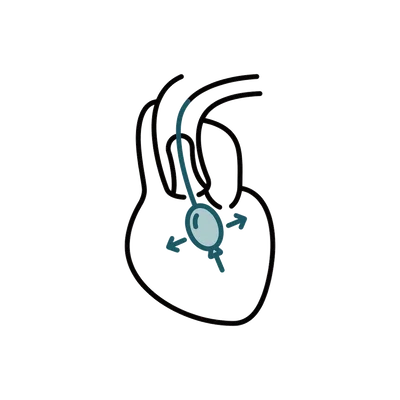
A balloon catheter is positioned at each pulmonary vein ostium, inflated to occlude the opening, and then cooled to create a circumferential freeze lesion in a single application. This simplifies the isolation process and reduces total procedure time.
- Single-application circumferential lesion, faster than point-by-point
- Uniform freeze energy reduces the risk of gaps in the isolation line
- Non-inferior to radiofrequency in the FIRE AND ICE trial
- Best for: paroxysmal AF with standard pulmonary vein anatomy
Pulsed Field Ablation (PFA)
The newest energy modality. Brief, high-voltage electrical pulses selectively destroy cardiac tissue through electroporation while sparing adjacent structures: oesophagus, phrenic nerve, and coronary arteries. Lesion delivery is extremely rapid, and early trial data show promising efficacy with a favourable safety profile.
- Tissue-selective energy spares the oesophagus and phrenic nerve
- Ultra-rapid lesion delivery, seconds rather than minutes per application
- Emerging data showing efficacy comparable to established techniques
- Best for: patients where oesophageal or phrenic nerve safety is a priority
AF Ablation Recovery Timeline
Day 1
Cardiac monitoring unit with continuous ECG telemetry. Bed rest for four to six hours allows the groin access site to seal. Light meals resume once sedation wears off. Most patients are comfortable and walking short distances by the evening.
Days 2–3
A 12-lead ECG and echocardiogram confirm stable rhythm and rule out pericardial effusion. Most patients are discharged the day after the procedure. Clear instructions cover wound care, anticoagulation, activity restrictions, and which symptoms to report.
Week 1
Gentle walking is encouraged. Heavy lifting and strenuous exercise are avoided to protect the groin access site. Brief palpitations during this early phase are common as ablation lesions mature; this does not mean the procedure has failed.
Weeks 2–12
Normal activities resume progressively, including work and moderate exercise. The first three months after ablation are the blanking period; early rhythm disturbances during this time are recognised and do not necessarily indicate treatment failure. Final success is assessed after this window closes.
When Can You Fly After AF Ablation?
Most patients are cleared to fly five to seven days after the procedure, provided there are no complications and the groin access site has healed. Because the ablation falls on day two or three of your trip, that places the flight around day seven to ten, which is why we recommend a 7 to 10 day stay rather than booking an earlier return. Your electrophysiologist confirms fitness to travel at your follow-up appointment and provides a letter for your airline. Anticoagulation must be stable and maintained for the flight.
When Can You Return to Work and Exercise?
Desk work typically resumes within three to five days. Light exercise, including walking, is encouraged from day one. Moderate exercise and gym work can resume after two weeks. Avoid heavy lifting and strenuous lower-body exercise for the first week to protect the groin access site.1 Do not drive for at least 24 to 48 hours after general anaesthesia or sedation; if you are renting a car to reach the airport, arrange a transfer for the first day or two and confirm with your team that you are cleared to drive. Competitive sport should wait until after the three-month blanking period to allow a proper assessment of the ablation result.
The Blanking Period, What to Expect
The first three months after ablation are a recognised healing phase during which early rhythm disturbances are common and expected. These episodes do not mean the procedure has failed; they often resolve as the ablation lesions mature and scar tissue stabilises. Antiarrhythmic medication may be continued during this period. Final success is assessed after three months, and medication decisions are made at that point based on rhythm monitoring data.
Anaesthesia for AF Ablation
AF ablation is carried out under either general anaesthesia or conscious sedation, and your electrophysiologist and anaesthetist decide which suits your case. Under general anaesthesia you are fully asleep and feel nothing; this keeps you completely still, which some operators prefer for precise three-dimensional mapping and lesion delivery. Under sedation you are deeply relaxed and pain-free but breathing on your own, and you may notice mild pressure rather than any sharp pain. Either way, an anaesthetist is present and monitors your heart rhythm, breathing, and oxygen continuously throughout.
The choice depends on the energy modality, the expected length of the procedure, your left atrial anatomy, and your general health. A longer radiofrequency case with substrate work may favour general anaesthesia, while a shorter cryoballoon or pulsed field procedure can often be done under sedation. The catheters reach the heart through a small numbed puncture in the groin, so there is no surgical incision or wound to heal.
Before you are cleared, you have a formal pre-operative assessment that includes ECG, echocardiography, blood work, and a review of your anticoagulation and other medications, alongside the cardiac and anaesthetic clearance this procedure needs. You feel nothing during the ablation itself. Afterwards, mild groin soreness at the access site and occasional brief chest awareness are the most common sensations, and both are managed with the medication your team prescribes and usually settle within a few days.
Risks and Safety of AF Ablation
Catheter ablation for AF is well established with a strong safety record across major trials. Serious complications are uncommon but do occur, and you should understand them clearly before proceeding.
- Phrenic nerve injury causing diaphragm paralysis (rare, usually temporary)
- Stroke or transient ischaemic attack (rare)2
- Oesophageal injury (very rare, mitigated by temperature monitoring and PFA technology)
- Vascular damage at the access site (uncommon)
Cardiac tamponade is the complication that electrophysiologists take most seriously; it requires immediate pericardiocentesis. Our partner EP labs are equipped for this and train for it. The risk is low but non-zero, and your electrophysiologist will discuss it directly during consent. All other risks are mitigated by technique selection, operator experience, and the structured post-procedural monitoring that follows every case.
Is AF Ablation Safe in Thailand?
Yes. Thailand's JCI-accredited EP laboratories use the same 3D mapping platforms (CARTO, EnSite), the same ablation catheters, and the same procedural protocols as leading international centres. Our partner electrophysiologists are board-certified with subspecialty EP training, and serious complication rates are consistent with published international data from major AF ablation trials.
How to Reduce Risks Before Ablation
Ensure anticoagulation is therapeutic for at least three weeks before the procedure; this reduces stroke risk during transseptal access. A transoesophageal echocardiogram (TOE) may be performed to exclude left atrial thrombus before proceeding. Optimise thyroid function, as hyperthyroidism can drive AF independently of electrical triggers. Disclose all medications and supplements, as some interact with anticoagulants and affect bleeding risk.
What If AF Recurs After Ablation?
Recurrence within the blanking period (first three months) is common and does not indicate failure. Late recurrence after three months affects a minority of patients after a single procedure for paroxysmal AF. The most common cause is reconnection of a previously isolated pulmonary vein. A second, targeted procedure to close these gaps is straightforward and raises cumulative success. Your electrophysiologist will discuss the re-do strategy if recurrence occurs.
Planning Your Trip to Thailand for AF Ablation
Most patients need 7–10 days in Thailand. Here is what the trip involves and how to prepare.
How Long to Stay in Thailand
Plan for 7–10 days. Day one covers your electrophysiology consultation, ECG, Holter review, echocardiography, and blood work. The ablation is typically scheduled for day two or three. One to two nights of cardiac monitoring follow. The remaining days cover a follow-up appointment with ECG, wound check, and confirmation that you are fit to fly with stable anticoagulation.
What's Included in a Medical Trip
Your care coordinator handles scheduling, hospital logistics, and all follow-up arrangements. The package covers the electrophysiologist's fee, the electrophysiology laboratory, anaesthesia, and one or two nights in hospital including the critical care time. Pre-procedure clearance, specialists outside the cardiac team, catheters not named in the package, and medication to take home including anticoagulants are billed on top. Flights and accommodation are arranged separately.
What to Bring and Prepare
Bring recent ECGs, Holter reports, echocardiogram results, and a list of current medications. Your electrophysiologist needs to see your rhythm documentation, both during AF and in sinus rhythm if available. Ensure anticoagulation is therapeutic and uninterrupted for at least three weeks before the procedure. Your coordinator provides specific instructions once your plan is confirmed.
Related Procedures
Other procedures that address similar goals or conditions, in case one of them is a closer fit for you.
Planning your treatment in Thailand
Independent guides to help you weigh the decision, before you commit to anything.
Common Questions About AF Ablation
Everything you need to know before your procedure

Medical References
Keep researching with AI
Open this guide in your AI assistant to dig deeper and ask the questions it didn't answer.
Opens in a new tab with this guide already loaded.
Medical disclaimer: Content on this site is provided for informational purposes and should not be treated as medical advice. Outcomes, timelines, and eligibility differ from person to person. Consult a qualified medical professional before making any decisions about surgery or treatment.
Ready to Get Started?
Speak with our care coordinators for a free, no-obligation consultation and personalised quote.
Speak to Our Team