Valve Replacement in Thailand Your guide to cost, top specialists & hospitals
A failing valve forces the heart to work harder with every beat. Replacing it gives the heart the efficiency it needs.
What Is Valve Replacement?
Also known as: Heart Valve Surgery · Open-Heart Valve Surgery
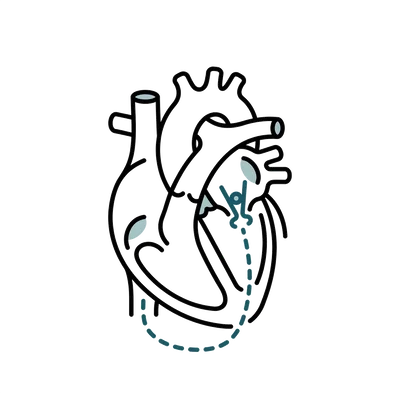
Valve replacement is heart surgery that removes a diseased valve and fits an artificial one to restore normal one-way blood flow. It treats a valve too narrow to open (stenosis) or too leaky to close (regurgitation), most often the aortic or mitral valve. The new valve is either mechanical, which lasts indefinitely but needs lifelong blood-thinning medication1,2, or biological tissue, which avoids that medication but usually lasts 10 to 20 years1,2. The operation takes around 3 to 5 hours under general anaesthesia.
Hearing that a valve needs replacing is a lot to take in, and choosing between a mechanical and a tissue valve can feel like the hardest part. It does not rest on you alone. Your surgeon weighs your age, your lifestyle, and how you feel about long-term medication, then talks it through until the plan makes sense.
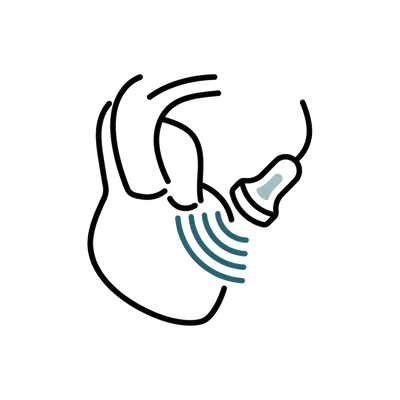
For most people a working valve brings real relief, with easier breathing and more energy as the heart stops straining. Results vary with your overall heart health, and a consultation with echocardiography is where your team confirms what surgery can do for you.
It can address a range of concerns, including:
Am I a Good Candidate for Valve Replacement?
Candidacy comes down to how severe the valve disease is on echocardiography and whether you can carry both the operation and its aftercare.
Surgeons replace valves on echocardiographic evidence, not on a murmur or symptoms alone.
Severe disease confirmed: Echocardiography must show severe stenosis or regurgitation before replacement is on the table.
Symptoms that match: Progressive breathlessness, persistent fatigue, or fainting on exertion alongside severe findings strengthens the case for surgery.
A disease that accelerates: Once symptoms appear, severe valve disease moves towards heart failure, which is why surgeons act rather than watch indefinitely.
Open valve surgery runs on cardiopulmonary bypass, so general health has to be assessed honestly before consent.
Stable enough for open surgery: The workup confirms your heart, lungs, and kidneys can tolerate bypass and a general anaesthetic.
Lungs reviewed: Significant chronic lung disease can complicate weaning from bypass and ventilation, and is cleared first.
Dental health first: An active dental infection is an endocarditis risk and must be treated before a prosthetic valve is implanted.
The valve choice is a candidacy question in itself, because each option asks something different of you.
Warfarin for life: A mechanical valve lasts indefinitely but commits you to lifelong warfarin with regular INR blood tests.
Finite tissue lifespan: Biological valves avoid long-term blood thinners but typically need replacing after 10-20 years.
Age guides the call: Guidelines generally favour biological valves over 65 and mechanical valves in younger patients, decided case by case with your surgeon.
Pregnancy and fall risk: A planned pregnancy or high fall risk makes lifelong anticoagulation unsafe and steers the decision.
Preparation in the weeks before surgery measurably lowers risk, and surgeons expect it.
Smoke-free for four weeks: Smoking must stop a minimum of four weeks before the operation.
Blood sugar optimised: Diabetic control is tightened beforehand to keep infection rates down.
Committed to follow-up: Lifelong medication compliance and annual echocardiography protect the prosthesis; candidates need to be prepared for both.
Who is not suitable for valve replacement?
- Active dental infection or untreated endocarditis source until resolved
- A mechanical valve without commitment to lifelong warfarin and INR monitoring
- Pregnancy or planned pregnancy while lifelong anticoagulation would be required
- Significant chronic lung disease until anaesthetic review is complete
- Smoking with no commitment to stop at least four weeks before surgery
- Unfit for cardiopulmonary bypass or open-heart surgery
Pricing
How Much Will Valve Replacement Cost in Thailand?
What valve replacement costs at accredited hospitals in Thailand, and what your final quote depends on.
Get your exact price
Tell us what you're considering and we'll send a personalised quote from accredited hospitals within 24 hours.
Get my free quoteTypical prices in Thailand
Typical ranges based on recent hospital quotes. Your exact price depends on the hospital and how complex your case is, and is confirmed at your teleconsultation.
Valve Replacement
A diseased heart valve is removed and an artificial valve is fitted in its place to restore normal one-way blood flow through the heart.
| Valve replacement or repair, level 1 8 nights The standard published tier, through a conventional sternotomy | $28,400 ฿966,000 |
| Valve replacement or repair, level 2 8 nights The higher tier, for cases the surgical team grades as more demanding | $35,200 ฿1,196,000 |
| Totally 3D endoscopic valve replacement or repair 7 nights Done through small ports under three-dimensional camera guidance, leaving the breastbone intact | $47,400 ฿1,610,500 |
Typically not included
- Devices or implants not specified in the package, including the prosthetic valve itself, which is not itemised in the package figure
- Intensive care days beyond the nights stated
- Pre-operative medical clearance and pre-anaesthetic assessment
- Consultation or treatment by a specialist outside the cardiac team
- Medication prescribed to take home after discharge
Get your exact price
Tell us what you're considering and we'll send a personalised quote from accredited hospitals within 24 hours.
Hospitals Trusted for Valve Replacement
From internationally accredited flagships to dedicated specialist hospitals, these are the kinds of facilities where international patients have this procedure.

Bangkok Hospital
BDMS flagship tertiary campus with standalone heart, cancer, and neuro-orthopaedic hospitals.
View hospital profile
Bumrungrad International Hospital
Tertiary hospital with over 1,200 physicians treating 520,000+ international patients a year.
View hospital profile
MedPark Hospital
Purpose-built tertiary hospital opened in 2020, focused on complex cardiac, cancer, and transplant care.
View hospital profile
Tell Us What You Need. We Do the Rest.
Share what you're considering and we'll come back with surgeon options, pricing, and a clear plan.
- Real hospital pricing with zero markup
- Matched with a specialist experienced in your specific procedure
- Full coordination from consultation to recovery


Trusted by patients worldwide
The complete guide to Valve Replacement in Thailand
Everything below is for readers who want the full detail: costs broken down, types and techniques, recovery, risks and safety, and planning your trip.
Valve Replacement Surgeons & Hospitals in Thailand
Where you have valve surgery and who performs it are the two most consequential decisions. Here is what our partner centres offer and what to look for.
Leading Cardiac Centres in Bangkok
Our partner hospitals are among Southeast Asia's busiest cardiac surgery centres. Both hold JCI accreditation and maintain dedicated valve surgery programmes with full-time cardiothoracic teams, not rotating consultants. Equipment includes intraoperative transoesophageal echocardiography for real-time valve assessment, hybrid catheterisation-operating theatres, and dedicated cardiac ICUs with one-to-one nursing.
Experienced Valve Surgeons
Our partner surgeons hold board certification from the Royal College of Surgeons of Thailand with subspecialty qualifications in cardiothoracic surgery. Many completed international fellowships in valve surgery specifically, training that matters because valve technique differs meaningfully from general cardiac surgery. The combination of structured training and high annual case volume is what produces consistent outcomes.
What to Look for in a Valve Surgeon
Verify board certification in cardiothoracic surgery, not just general surgery. Ask about valve-specific case volume, not just total cardiac operations. A surgeon who does forty valve procedures a year is a different proposition from one who does five. Ask how they decide between mechanical and biological prostheses, and listen for a considered, patient-specific answer rather than a default policy. If communication during the consultation feels rushed or unclear, that is worth taking seriously.
Understanding Your Results
Valve replacement produces measurable improvements in cardiac function and symptom relief. Here is what the evidence supports and what patients typically experience.
Typical Valve Replacement Outcomes
The primary goal is to restore efficient blood flow and relieve the symptoms caused by valve dysfunction: breathlessness, fatigue, and exercise intolerance. Post-operative echocardiography confirms that the prosthetic valve is functioning with normal gradients and no significant leak. Most patients report a marked improvement in energy and exercise capacity within the first few weeks as the heart adapts to working with a competent valve.
What Results Can You Expect?
Five-year survival after isolated aortic valve replacement is high in experienced centres.5 Most patients describe a return to normal daily function: walking, climbing stairs, and resuming activities that valve disease had gradually taken away. The speed of improvement varies, but many patients say they feel noticeably better within days of surgery as the heart no longer has to fight against a malfunctioning valve. The improvement is structural, not subjective; it shows on echocardiography.
Valve Replacement Cost in Thailand
What the Published Packages Cover
Our partner hospital holds three fly-in figures for valve surgery at its cardiac centre, valid to 31 December 2026. Open surgery through the breastbone is ฿966,000 at level 1 and ฿1,196,000 at level 2, each covering eight nights in hospital. The totally 3D endoscopic route, done through small ports with the breastbone left intact, is ฿1,610,500 and covers seven nights. The cardiac packages are more generous than the surgical ones in one specific way, which is that intermediate critical care and critical care unit time are named as included rather than billed if you use them.
What Sits Outside the Package
Pre-operative medical clearance and the pre-anaesthetic assessment are not in the price. A consultation with a specialist outside the cardiac team is billed separately, as are intensive care days beyond the nights stated and medication you take home after discharge. The published package does not itemise the prosthetic valve, so ask in writing whether your chosen prosthesis is inside the figure before you book, because a mechanical and a tissue valve are not equivalent line items. Flights, accommodation and travel insurance sit outside entirely.
What Actually Moves the Total
Not the things most people assume. The same package covers repairing a valve and replacing one, and it does not change with which valve is treated, so an aortic and a mitral operation carry the same published figure. What does move it is the access route and the complexity level the surgical team assigns from your imaging. The endoscopic route is the most expensive of the three by a clear margin, roughly ฿414,500 above level 2, which is worth knowing if you were expecting keyhole surgery to be the economical choice. It is not, here or on the hospital's bypass list.
Surgical vs Transcatheter Valve Replacement (TAVI)
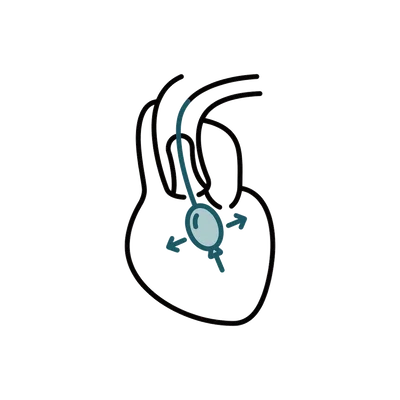
For aortic valve disease, the main alternative to open surgery is TAVI (transcatheter aortic valve implantation, also called TAVR). A new valve is threaded into place through a catheter, usually via an artery in the groin, without opening the chest or stopping the heart on bypass. Recovery is shorter, and for the right patient it is a genuinely less-invasive route to a working valve.
The deciding factor is not preference but risk and anatomy. TAVI was developed for patients at high or intermediate surgical risk, often older or with other conditions that make open surgery hazardous, and candidacy depends on the size and shape of your valve and arteries on CT imaging. Transcatheter valves are tissue valves with a finite lifespan, long-term durability data is still maturing, and TAVI is largely confined to the aortic valve; it is not a routine option for mitral or multi-valve disease. Not every patient is anatomically suitable, and the decision is made by a heart team weighing surgical risk against these limits.
Surgical valve replacement remains the indicated route for younger and lower-risk patients, for mitral and double-valve disease, for cases needing repair rather than replacement or combined bypass grafting, and where a mechanical valve and its proven longevity are preferred. It is what this page covers. Whether TAVI is appropriate for you is assessed by a cardiologist and heart team on your imaging and overall risk, and is arranged through cardiology rather than as part of the surgical pathway described here.
Types of Valve Replacement
The valve affected and the degree of damage determine the surgical strategy. Here is what Thailand's cardiac centres offer and which patients each approach suits.
Aortic Valve Replacement
The most commonly replaced valve. A stenotic or regurgitant aortic valve is excised and replaced with a mechanical or biological prosthesis through a sternotomy. Sizing is critical: an undersized valve restricts flow, and patient-prosthesis mismatch affects long-term outcomes.
- Mechanical: lifelong durability, requires warfarin anticoagulation
- Biological: avoids blood thinners, may need replacement after 10–20 years
- Sutureless valves available for shorter operative times
- Best for: symptomatic severe aortic stenosis or regurgitation
Mitral Valve Replacement
The mitral valve sits between the left atrium and ventricle. Replacement is chosen when the valve is too damaged or calcified for repair. The subvalvular apparatus is preserved where possible to maintain left ventricular function, a technical detail that matters for long-term cardiac performance.
- Performed when mitral repair is not feasible due to valve destruction
- Subvalvular preservation improves post-operative heart function
- Mechanical or biological prosthesis selected based on patient factors
- Best for: severely calcified or destroyed mitral valves unsuitable for repair
Double Valve Replacement
When both the aortic and mitral valves are severely diseased, both can be replaced in a single operation. This avoids a second sternotomy and anaesthetic, though operative time and complexity increase. It is performed routinely at Thailand's leading cardiac centres.
- Both valves addressed in a single surgical session
- Longer operative time but avoids the risk of a second open-heart procedure
- Requires detailed pre-operative imaging of both valves
- Best for: patients with confirmed severe disease affecting two valves simultaneously
Valve Replacement Techniques
Surgical approach is selected based on which valve is affected, your cardiac anatomy, and whether minimally invasive access is feasible. Here is what is available at our partner hospitals.
Full Sternotomy (Conventional Open)
The chest is opened through the breastbone, providing complete access to the heart. This remains the gold standard for complex cases: multi-valve procedures, redo surgery, and patients needing simultaneous bypass grafting. Visibility and control are extensive.
- Full access to all cardiac structures in a single operative field
- Allows combined valve and bypass procedures in one session
- The most widely practised and extensively studied approach
- Best for: complex cases, combined procedures, or redo cardiac surgery
Minimally Invasive Valve Surgery
A smaller incision (partial sternotomy or mini-thoracotomy) provides access to the valve with less chest wall disruption. Specialised instruments and video assistance guide the procedure. Recovery is faster for suitable patients, with less blood loss and reduced wound complications.
- Smaller incision with reduced surgical trauma and blood loss
- Shorter ICU stay and faster mobilisation than full sternotomy
- Lower rates of sternal wound complications
- Best for: isolated aortic or mitral valve disease in suitable anatomy
Ross Procedure (Pulmonary Autograft)
The patient's own pulmonary valve replaces the diseased aortic valve, and a donor valve is placed in the pulmonary position. This living-tissue approach avoids lifelong anticoagulation and grows with the patient, making it particularly relevant for younger adults and adolescents.
- Uses the patient's own living tissue with excellent haemodynamic performance
- No need for lifelong anticoagulation, a major quality-of-life advantage
- Particularly suited to younger patients with long life expectancy
- Best for: young adults with aortic valve disease who want to avoid blood thinners
Sutureless & Rapid-Deployment Valves
Sutureless and rapid-deployment biological valves anchor in place without the full ring of hand-tied sutures a conventional prosthesis needs. That shortens the time the heart is stopped on bypass, which matters most for older patients and for minimally invasive access where suturing through a small incision is harder. The valve itself is still a tissue prosthesis, so the durability and anticoagulation trade-offs are the same as any biological valve.
- Anchors with minimal or no sutures, cutting cross-clamp and bypass time
- Pairs well with minimally invasive aortic access through a smaller incision
- A tissue prosthesis, so it avoids lifelong warfarin but has a finite lifespan
- Best for: older patients or minimally invasive aortic cases where shorter bypass time helps
Valve Replacement Recovery Timeline
Days 1–3
Cardiac ICU with continuous monitoring. The ventilator is removed within hours for most patients. Chest drains stay in for 24–48 hours. Intravenous pain relief transitions to oral medication. The physiotherapy team begins early mobilisation: sitting upright and short walks by day two.
Days 4–7
Transfer to the cardiac ward. An echocardiogram confirms the prosthetic valve is functioning properly and checks for any paravalvular leak. Walking distance increases daily. Breathing exercises and chest physiotherapy continue. Warfarin dosing begins for mechanical valve recipients.
Weeks 2–4
Recovery at your accommodation with regular outpatient visits. Light daily activities resume while sternal precautions remain in place. Blood tests monitor anticoagulation levels. Energy and breathing improve noticeably as the heart adapts to normal valve function.
Weeks 6–12
The sternum heals over six to eight weeks. Cardiac rehabilitation strengthens cardiovascular fitness through graduated exercise. Most patients return to work, moderate exercise, and normal daily life by twelve weeks.4 Long-term medication is confirmed before final discharge.
When Can You Fly After Valve Replacement?
Most patients are cleared to fly 14–21 days after surgery, once echocardiography confirms stable valve function and wound healing is satisfactory. For mechanical valve recipients, INR (anticoagulation level) must be within therapeutic range before travel. Your team provides a fitness-to-fly letter. We recommend an aisle seat, compression stockings, and staying well hydrated during the flight.
Recovery After Minimally Invasive Valve Surgery
The timeline above describes full sternotomy recovery. If you had minimally invasive surgery (partial sternotomy or mini-thoracotomy), the same milestones still apply but tend to run faster, in line with the shorter ICU stay and quicker mobilisation the approach is chosen for. ICU time is often closer to one to two days, walking usually begins a day sooner, and there is less wound pain and blood loss. A mini-thoracotomy spares the breastbone, so sternal precautions are lighter and desk work and driving often resume a week or two earlier; a partial sternotomy still needs the full six to eight weeks of bone healing before lifting and driving. Anticoagulation, echocardiography, and follow-up are identical to open surgery, and you still plan for the same 14–21 days in Thailand so valve function can be confirmed before you fly.
When Can You Return to Work and Exercise?
Desk work typically resumes four to six weeks after surgery. The sternum needs six to eight weeks to heal. During that time, no heavy lifting, no pushing or pulling, and no driving. Light walking is encouraged from week one and forms the basis of cardiac rehabilitation. Graduated exercise targets increase through weeks six to twelve. Most patients return to normal daily life by three months.
Mechanical vs Biological Valve, Long-Term Considerations
Mechanical valve recipients take warfarin for life, with regular INR blood tests to monitor anticoagulation. This is not optional; stopping warfarin risks valve thrombosis. Biological valve recipients avoid blood thinners beyond the first three to six months, but the valve has a finite lifespan of 10–20 years and may eventually need replacing. Current guidelines generally favour biological valves over age 65 and mechanical valves in younger patients, but the decision is always individualised.
Anaesthesia for Valve Replacement
Valve replacement is performed under general anaesthesia, so you are fully asleep and aware of nothing throughout the operation. Because this is open cardiac surgery on cardiopulmonary bypass, a specialist cardiac anaesthetist remains with you for the entire procedure, managing your breathing, blood pressure, and heart function continuously and overseeing your transition onto and off the bypass machine. You stay closely monitored in the cardiac ICU as the anaesthetic wears off, where the breathing tube is usually removed within hours.
Anaesthesia for heart surgery is more involved than for most procedures, which is why the pre-operative assessment is thorough. Before you are cleared, your team completes cardiac and respiratory clearance, typically including echocardiography, coronary angiography, lung function testing, ECG, and full blood work, so the anaesthetist understands exactly how your heart and lungs will behave during bypass. Any blood-thinning medication is adjusted in advance, and significant lung disease is reviewed because it can affect weaning from the ventilator.
You feel nothing during the operation itself. Afterwards, soreness and tightness across the chest and breastbone are expected rather than sharp pain, and they are managed with intravenous pain relief in the ICU that steps down to oral medication as you recover. The discomfort eases steadily over the first few weeks as the sternum heals.
Risks and Safety of Valve Replacement
Valve replacement is major cardiac surgery performed on cardiopulmonary bypass. The risk profile is well characterised, and serious complications are uncommon in experienced, high-volume centres.
- Bleeding requiring transfusion (managed with structured protocols)
- Temporary heart rhythm disturbances, most commonly atrial fibrillation
- Wound infection at the sternotomy site (uncommon)
- Stroke (a rare but recognised complication)3
- Paravalvular leak around the prosthesis (usually minor)
- Prosthetic valve endocarditis (rare but serious)
- Kidney injury from reduced perfusion during bypass
- Death and other serious complications are uncommon (around 1–2% for isolated aortic valve replacement)3
Risk reduction starts before surgery with proper pre-operative assessment, optimisation of blood thinners, and smoking cessation. Post-operatively, round-the-clock ICU cardiac monitoring ensures any issue is caught and managed early. Your surgical team discusses every risk specific to your anatomy before consent.
Is Valve Replacement Safe in Thailand?
Yes. JCI-accredited hospitals in Thailand meet the same safety, infection-control, and equipment standards as leading cardiac centres in the US, UK, and Australia. Death and other serious complications are uncommon for isolated aortic valve replacement (around 1–2% in experienced centres), consistent with published international figures. Our partner hospitals use the same prosthetic valve brands and surgical protocols as their Western counterparts.
How to Reduce Risks Before Surgery
Stop smoking at least four weeks before your procedure. Optimise blood sugar if you have diabetes. Address any dental issues beforehand; endocarditis prevention starts before the operating table. A comprehensive workup including echocardiography, coronary angiography, lung function testing, and full blood work identifies risk factors that can be managed before surgery proceeds.
When Is Re-Intervention Needed?
Biological valves may need replacement after 10–20 years as the tissue degenerates. Mechanical valves rarely fail structurally but require meticulous anticoagulation management. Paravalvular leak, prosthetic valve endocarditis, and patient-prosthesis mismatch are uncommon but recognised indications for re-intervention. Annual echocardiographic follow-up monitors valve function and catches problems early, before they become symptomatic.
Planning Your Trip to Thailand for Valve Replacement
Most patients need 14–21 days in Thailand. Here is how to plan the logistics, what is covered, and where to stay during recovery.
How Long to Stay in Thailand
Plan for 14–21 days minimum. Days one and two cover your cardiac assessment, including echocardiography and coronary angiography if not already completed. Surgery and the hospital stay run to seven or eight nights, including the critical care time. The remaining time covers ward recovery, cardiac rehabilitation, anticoagulation stabilisation (for mechanical valve recipients), and follow-up echocardiography to confirm valve function before you fly.
What's Included in a Medical Trip
Your care coordinator manages scheduling, hospital transfers, and all follow-up logistics. The hospital package covers the surgeon and team fee, anaesthesia, theatre time, and seven or eight nights in hospital including the critical care time. Pre-operative clearance, specialists outside the cardiac team, and medication to take home are billed on top, and the prosthetic valve is not itemised in the package figure. Flights and accommodation are arranged separately, but your coordinator recommends nearby options and can help with bookings.
Recovery in Bangkok
Bangkok is the only sensible base for valve surgery recovery. You need immediate access to your cardiac team during the first two weeks. Echocardiography, anticoagulation adjustment, and monitoring for early complications all require proximity to the hospital. Our partner hospitals are centrally located with comfortable accommodation options nearby. Relocating to a resort area during early cardiac recovery is not recommended.
Related Procedures
Other procedures that address similar goals or conditions, in case one of them is a closer fit for you.
Planning your treatment in Thailand
Independent guides to help you weigh the decision, before you commit to anything.
Common Questions About Valve Replacement
Everything you need to know before your procedure

Medical References
- Heart Valve Replacement Surgery & Recovery (Cleveland Clinic)
- How do replacement heart valves work? (British Heart Foundation)
- Aortic Valve Replacement Surgery What It Is and Who Needs It (Cleveland Clinic)
- Recovering from a heart valve replacement (NHS)
- Heart Valve Surgery Types, Recovery & What To Expect (Cleveland Clinic)
Keep researching with AI
Open this guide in your AI assistant to dig deeper and ask the questions it didn't answer.
Opens in a new tab with this guide already loaded.
Medical disclaimer: Content on this site is provided for informational purposes and should not be treated as medical advice. Outcomes, timelines, and eligibility differ from person to person. Consult a qualified medical professional before making any decisions about surgery or treatment.
Ready to Get Started?
Speak with our care coordinators for a free, no-obligation consultation and personalised quote.
Speak to Our Team