Vasectomy Reversal in Thailand Your guide to cost, top specialists & hospitals
Circumstances change. Microsurgery gives you a real chance at natural conception again.
What Is Vasectomy Reversal?
Also known as: Vasectomy Reversal Surgery · Vasovasostomy · Vasoepididymostomy
Vasectomy reversal is microsurgery that restores fertility after a vasectomy by rejoining the vas deferens, the tube that carries sperm, so sperm can reach the ejaculate again. It is done under a high-powered operating microscope, with sutures finer than a hair. The surgeon decides during the operation whether a direct reconnection (vasovasostomy) is enough or a bypass to the epididymis (vasoepididymostomy) is needed. It usually takes 2 to 4 hours under general anaesthesia as a day case.
Deciding to try for a baby again, sometimes years on, is a big step, and you do not need it all worked out before you talk to someone. How well a reversal is likely to work depends mostly on how long ago your vasectomy was, and your surgeon will give you an honest estimate for your situation. Your partner's fertility matters too, so the decision is one you make together.
Sperm returning to the ejaculate is not the same as a pregnancy. For most men, the sooner after the vasectomy the better the odds, but outcomes vary and nothing is guaranteed. A consultation is the place to weigh reversal against IVF.
It can address a range of concerns, including:
Am I a Good Candidate for Vasectomy Reversal?
A reversal suits men wanting to restore fertility after a vasectomy, weighed against the partner's fertility and the IVF alternative.
Success rates change with how long ago the vasectomy was, so this is a key factor.
Interval matters: patency and pregnancy rates are generally higher with a shorter interval since the vasectomy.
Longer intervals: more than 15 years since the vasectomy is worth a fertility workup before deciding.
Microsurgery fit: good candidates are in good general health for microsurgery under general anaesthesia.
The reversal only helps if the partner can conceive, so her fertility is part of the decision.
Partner assessed: good candidates have a partner with confirmed reproductive potential.
Reserve checked: the partner's ovarian reserve and fertility factors should be assessed.
Whole picture: the couple's combined fertility shapes the right route.
Reversal is one option; sperm retrieval with IVF is another, so they are weighed together.
Routes compared: good candidates have weighed reversal against sperm retrieval with IVF.
Situation-specific: the better route depends on the interval, partner factors, and preferences.
Informed choice: understanding both pathways leads to the right decision.
Restoring flow does not guarantee pregnancy, so the distinction is understood upfront.
Patency vs pregnancy: patency rates and pregnancy rates are different numbers.
A short stay: the procedure needs roughly 5 to 7 days in Thailand with 2 to 4 weeks of recovery.
Honest odds: the surgeon explains the likely outcome for your specific situation.
Who is not suitable for vasectomy reversal?
- Absent or severely atrophied testes, with no viable sperm production to restore
- A prior failed reversal on both sides, where re-reversal feasibility and odds differ markedly
- Obstruction from a cause other than the vasectomy that a reversal would not correct
- Active scrotal or genital infection, until treated
- Uncorrected bleeding disorder or anticoagulation that cannot be safely paused before surgery
- Not medically fit for general anaesthesia
Pricing
How Much Will Vasectomy Reversal Cost in Thailand?
What vasectomy reversal costs at accredited hospitals in Thailand, and what your final quote depends on.
Get your exact price
Tell us what you're considering and we'll send a personalised quote from accredited hospitals within 24 hours.
Get my free quoteTypical prices in Thailand
Typical ranges based on recent hospital quotes. Your exact price depends on the hospital and how complex your case is, and is confirmed at your teleconsultation.
Vasectomy Reversal
The cut ends of the tube that carries sperm are rejoined under a microscope, and where it has blocked nearer the testicle the surgeon bypasses to the epididymis instead.
| Vasovasostomy, standard reconnection Day case Direct reconnection of the vas deferens, when the blockage sits at the original vasectomy site | $3,000 to $3,800 ฿102,000 to ฿129,200 |
| Vasoepididymostomy Day case Bypass to the epididymis when the vas is blocked closer to the testicle | $4,000 to $4,800 ฿136,000 to ฿163,200 |
| Bilateral reversal with microsurgical technique Day case Both sides reversed under the operating microscope in a single operation | $4,500 to $5,400 ฿153,000 to ฿183,600 |
Typically not included
- Sperm retrieval with IVF if the reversal does not restore fertility, billed by a fertility clinic rather than through us
- A repeat reversal if the connection scars shut in the months after surgery
- Fertility assessment for your partner, such as ovarian reserve testing
- Follow-up semen analyses after the initial one, done at a laboratory in your home country
- Treatment of any complication needing medical care once you are home
Get your exact price
Tell us what you're considering and we'll send a personalised quote from accredited hospitals within 24 hours.
Hospitals Trusted for Vasectomy Reversal
From internationally accredited flagships to dedicated specialist hospitals, these are the kinds of facilities where international patients have this procedure.

Bumrungrad International Hospital
Tertiary hospital with over 1,200 physicians treating 520,000+ international patients a year.
View hospital profile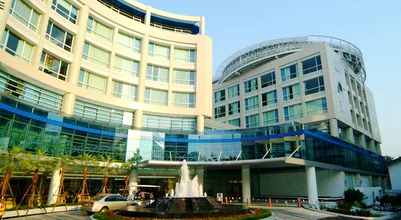
Bangkok Hospital
BDMS flagship tertiary campus with standalone heart, cancer, and neuro-orthopaedic hospitals.
View hospital profile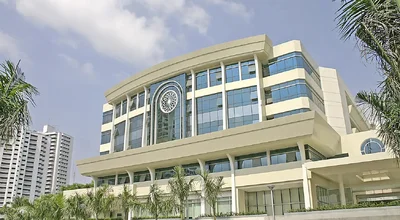
Samitivej Sukhumvit Hospital
Tertiary hospital known for paediatrics, home to Thailand's first private children's hospital.
View hospital profile
Tell Us What You Need. We Do the Rest.
Share what you're considering and we'll come back with surgeon options, pricing, and a clear plan.
- Real hospital pricing with zero markup
- Matched with a specialist experienced in your specific procedure
- Full coordination from consultation to recovery


Trusted by patients worldwide
The complete guide to Vasectomy Reversal in Thailand
Everything below is for readers who want the full detail: costs broken down, types and techniques, recovery, risks and safety, and planning your trip.
Vasectomy Reversal Surgeons & Hospitals in Thailand
Microsurgical vasectomy reversal is technique-dependent; the surgeon's microsurgical training and case volume are the determining factors.
Leading Hospitals in Bangkok
Our partner hospitals have dedicated urology departments with high-powered operating microscopes, microsurgical instrument sets, and intraoperative sperm assessment capability. These are full-scale hospitals, not standalone clinics, with the infrastructure to manage any unexpected finding during surgery.
Experienced Reproductive Microsurgeons
Our partner surgeons hold board certification with fellowship training in male reproductive microsurgery. They perform vasovasostomy and vasoepididymostomy using multi-layer microsurgical technique as standard, not the less precise macroscopic methods that produce inferior results.
What to Look for in a Surgeon
Ask whether the surgeon uses an operating microscope (not just loupes) and performs multi-layer microsurgical anastomosis. Ask about their vasoepididymostomy experience; this technique requires the highest level of microsurgical skill. Check whether intraoperative sperm assessment is performed routinely.
Understanding Your Results
Vasectomy reversal results are measured by sperm return and pregnancy rates, outcomes that develop over weeks to months after surgery.
Typical Vasectomy Reversal Results
Patency rates (sperm returning to the ejaculate) range from around 60% to 95%, highest when the reversal is done soon after the vasectomy and starting to decline around fifteen years on.1 Pregnancy rates are lower and depend on partner fertility, interval since vasectomy, and sperm quality. Most pregnancies occur within twelve to twenty-four months of a successful reversal.
What Results Can You Expect?
Your surgeon will discuss realistic expectations based on the interval since vasectomy and your partner's fertility status. Semen analyses at six weeks, three months, and six months track sperm return. If sperm counts are adequate and pregnancy does not occur within twelve to eighteen months, further fertility investigation may be recommended.
Vasectomy Reversal Cost in Thailand
Average Cost of Vasectomy Reversal
Vasectomy reversal in Thailand typically costs between $3,000 and $5,400 all-inclusive. A straightforward vasovasostomy sits at the lower end. Cases requiring vasoepididymostomy, or bilateral microsurgical work on both sides, cost more due to longer operative time and greater technical complexity.
Cost Breakdown
The total covers the urologist's fee, anaesthesia, operating theatre, microsurgical equipment and operating microscope, pre-operative diagnostics, post-operative medications, follow-up consultation, and an initial semen analysis. The microsurgical instruments and suture materials are specialised and contribute to the total.
What Affects the Price?
The main variable is whether vasovasostomy or vasoepididymostomy is needed, determined during surgery. Vasoepididymostomy takes longer and is technically more demanding. The surgeon cannot predict this beforehand, so quotes typically cover the possibility of either technique.
Thailand vs International Price Comparison
Vasectomy reversal in Thailand costs 50–70% less than equivalent procedures in the US ($9,000–$18,000), Australia (A$7,500–A$15,000), and UK (£6,600–£13,500). Private microsurgical reversal in the UK is particularly expensive and often not covered by insurance.
Reversal vs IVF with Sperm Retrieval
The main alternative to a reversal is sperm retrieval with IVF. Rather than reopening the vas deferens, a urologist collects sperm directly from the epididymis or testicle (PESA or TESE) and a fertility clinic uses it to fertilise your partner's eggs in the lab (ICSI). It avoids microsurgery on the vas entirely and can be the faster route to a single pregnancy, particularly when your partner's age is a pressing factor.
The trade-offs are real, though. IVF puts the physical and hormonal burden of treatment on your partner, works one cycle at a time, and is not guaranteed, so a second child often means going through the whole process again. Retrieval plus IVF is also frequently more expensive over time than a one-off reversal, and the costs sit largely with the fertility clinic rather than with us.
A reversal is the better route when you want the chance of conceiving naturally, possibly more than once, without repeated treatment cycles, and the interval since your vasectomy is reasonable. The two paths are not mutually exclusive either: a reversal can be tried first, with retrieval and IVF kept in reserve if it does not work. Your surgeon will talk both options through honestly at consultation so the choice fits your situation, not a default.
Types of Vasectomy Reversal
The technique is determined intraoperatively; the surgeon cannot know in advance whether a straightforward reconnection or a more complex bypass is needed. Here is what each involves.
Vasovasostomy (Direct Reconnection)
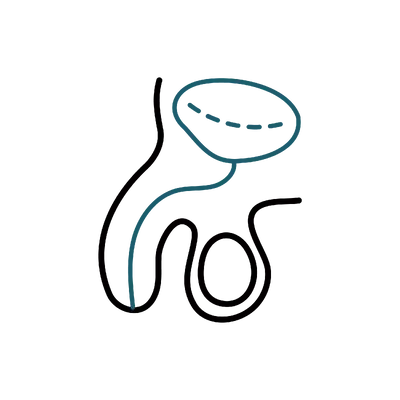
The standard reversal technique. The two severed ends of the vas deferens are reconnected directly using microsurgical sutures. Performed when healthy sperm are found in fluid at the testicular end, indicating a clear pathway from the epididymis. Higher patency and pregnancy rates than the bypass alternative.
- Direct end-to-end reconnection of the vas deferens
- Performed when sperm are present at the vasectomy site
- Higher patency and pregnancy rates than vasoepididymostomy
- Best for: most reversals, particularly within 10 years of vasectomy
Vasoepididymostomy (Bypass)
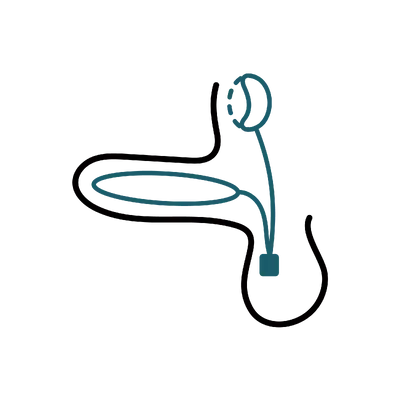
A more complex procedure connecting the vas deferens directly to the epididymis, bypassing a secondary blockage. Required when no sperm are found in vasal fluid, indicating obstruction has developed between the epididymis and the vasectomy site. More technically demanding with longer time to sperm return.
- Bypasses secondary epididymal blockage
- Required when vasal fluid contains no sperm
- Technically demanding with longer time to sperm return
- Best for: longer intervals since vasectomy where epididymal blockage has developed
Bilateral vs Unilateral Reversal
Both sides are always explored, but the findings may differ. One side may need vasovasostomy while the other needs vasoepididymostomy. The surgeon makes the decision independently for each side based on intraoperative findings. Bilateral reversal maximises the chance of sperm return.
- Both sides explored independently during the same operation
- Different techniques may be used on each side based on findings
- Bilateral reversal maximises sperm return and pregnancy chances
- Best for: all vasectomy reversal candidates; both sides should be assessed
Vasectomy Reversal Techniques
The microsurgical approach is what separates high-quality reversal from mediocre results. Non-microsurgical reversal (without an operating microscope) has significantly lower success rates and should be avoided.
Microsurgical Multi-Layer Anastomosis
The gold-standard technique. The vas deferens is reconnected using a two-layer or modified one-layer microsurgical technique with 9-0 or 10-0 nylon sutures under 25–40x magnification. The mucosal (inner) layer is aligned precisely to maximise the chance of a watertight, patent connection.
- Multi-layer closure for precise mucosal alignment
- Sutures finer than a human hair (9-0 to 10-0 nylon)
- Operating microscope at 25–40x magnification
- Best for: all vasovasostomy procedures; microsurgical technique is the standard of care
Microsurgical Vasoepididymostomy
Technically the most demanding procedure in male reproductive microsurgery. The vas deferens is connected to a single epididymal tubule, a structure approximately 0.3 mm in diameter. Success requires extensive microsurgical training and experience. Available at our partner hospitals with fellowship-trained microsurgeons.
- Connects to an epididymal tubule of approximately 0.3 mm diameter
- Requires the highest level of microsurgical training
- Longer time to sperm return compared with vasovasostomy
- Best for: cases where epididymal blockage prevents straightforward reconnection
Intraoperative Sperm Assessment
During surgery, fluid from the testicular end is examined immediately under a microscope. The presence, quality, and motility of sperm determine whether vasovasostomy is sufficient or vasoepididymostomy is needed. This real-time assessment guides the surgical decision and is performed in every case.
- Immediate intraoperative assessment of vasal fluid
- Determines whether sperm are present and motile
- Guides the choice between reconnection and bypass
- Best for: every vasectomy reversal; this step is essential, not optional
Vasectomy Reversal Recovery Timeline
Day 1
You rest at your accommodation after same-day discharge. Ice packs reduce swelling and a scrotal support provides comfort. Pain is managed with oral medication.2 Light movement around the room is encouraged, but lifting and straining must be avoided.
Days 2–7
Swelling and bruising gradually subside. A follow-up appointment checks wound healing and confirms recovery is on track. Light walking is encouraged. Strenuous activity, heavy lifting, and sexual intercourse remain restricted throughout this period.
Weeks 2–4
Most patients feel comfortable returning to desk work and light daily activities. The microsurgical connections continue to heal internally. A semen analysis is typically scheduled at six to eight weeks to check for sperm return.
Months 2–6
Sperm counts are monitored through periodic semen analyses. After vasovasostomy, sperm may appear within a few weeks. After vasoepididymostomy, return can take three to fifteen months. Counts often improve progressively as the connections mature.
When Can You Fly After Vasectomy Reversal?
Most patients can fly home five to seven days after surgery, once wound healing is confirmed at the follow-up appointment. Wear loose, comfortable clothing and a supportive scrotal garment for the flight. Avoid lifting heavy luggage.
When Can You Return to Work and Exercise?
Desk work within one to two weeks. Driving once you are off opioid pain medication and can perform an emergency stop without scrotal discomfort, usually two to three days. Light exercise at three to four weeks. Sexual intercourse at three to four weeks; the microsurgical anastomosis needs time to heal without disruption. Heavy lifting and contact sports should wait six weeks.
When Will You See Final Results?
Sperm may appear in the ejaculate within a few weeks after vasovasostomy. After vasoepididymostomy, it can take three to fifteen months.1,2 Counts often improve progressively over several months as the connection matures. Pregnancy rates depend on partner fertility factors as well as sperm return.
Anaesthesia for Vasectomy Reversal
Vasectomy reversal in Thailand is performed under general anaesthesia, so you are fully asleep and feel nothing during the operation. This matters more here than for many day-case procedures: microsurgery under a 25–40x operating microscope, working with sutures finer than a hair, requires you to be completely still for two to four hours, which only general anaesthesia reliably allows. A consultant anaesthetist stays with you throughout and monitors you continuously.
Before you are cleared for anaesthesia you have a pre-operative assessment, usually on the first day of your trip, including blood tests and a review of any regular medication. You will be asked to pause blood thinners such as aspirin or ibuprofen beforehand, as agreed with your prescribing doctor, since the delicate connections bruise easily.
You feel nothing during surgery and wake in recovery the same day. Because this is a day case, the anaesthetic is planned so you are alert enough to be discharged to your hotel once it wears off. Afterwards expect moderate scrotal aching and swelling for a few days rather than sharp pain, well controlled with the oral medication your surgeon prescribes, ice packs, and a supportive garment.
Risks and Safety of Vasectomy Reversal
Vasectomy reversal is safe, well-tolerated microsurgery with low complication rates. The main uncertainty is not safety but whether sperm will return and pregnancy will follow.
The biggest variable is not surgical risk but fertility outcome. Patency (sperm returning) is not the same as pregnancy; partner age, ovarian reserve, and other factors affect the final result. A realistic discussion of expected pregnancy rates, not just patency rates, should happen before surgery.
Is Vasectomy Reversal Safe in Thailand?
Yes. Vasectomy reversal is a well-tolerated outpatient procedure with low complication rates.2 Our partner hospitals are JCI-accredited with fellowship-trained microsurgeons experienced in both vasovasostomy and vasoepididymostomy. The operation itself is safe; the variable is outcome, not safety.
How to Reduce Your Risk
Choose a surgeon who performs microsurgical reversal specifically, not a general urologist who does the occasional case without an operating microscope. Verify that intraoperative sperm assessment is performed as standard. Avoid any provider offering reversal without microsurgical technique.
When Are Alternative Options Better?
If the interval since vasectomy exceeds fifteen years, your partner is of advanced maternal age (35 or older), or there are known female fertility factors, IVF with sperm retrieval may offer a faster path to pregnancy. Reversal offers the possibility of multiple natural pregnancies over time, which IVF does not. The best option depends on your specific circumstances.
Planning Your Trip to Thailand for Vasectomy Reversal
Most patients need five to seven days in Thailand. The trip is compact and straightforward.
How Long to Stay in Thailand
Five to seven days covers the full trip. Day one includes consultation and pre-operative blood work. Surgery is on day two as a day case. You recover at your hotel for three to four days with a follow-up appointment before flying home.
What's Included in a Medical Trip
Your care coordinator arranges consultation, surgery scheduling, and follow-up. The quote covers urologist fees, anaesthesia, microsurgical equipment, pre-operative diagnostics, medications, follow-up, and initial semen analysis. Flights and accommodation are separate.
Recovery in Bangkok vs Phuket
Stay in Bangkok for the surgical window. After your follow-up appointment confirms healing, you are free to travel. Some patients enjoy a few days at the coast before flying home. Recovery is light enough to make this feasible.
Related Procedures
Other procedures that address similar goals or conditions, in case one of them is a closer fit for you.
Planning your treatment in Thailand
Independent guides to help you weigh the decision, before you commit to anything.
Common Questions About Vasectomy Reversal
Everything you need to know before your procedure

Medical References
Keep researching with AI
Open this guide in your AI assistant to dig deeper and ask the questions it didn't answer.
Opens in a new tab with this guide already loaded.
Medical disclaimer: Content on this site is provided for informational purposes and should not be treated as medical advice. Outcomes, timelines, and eligibility differ from person to person. Consult a qualified medical professional before making any decisions about surgery or treatment.
Ready to Get Started?
Speak with our care coordinators for a free, no-obligation consultation and personalised quote.
Speak to Our Team