Bladder Surgery in Thailand Your guide to cost, top specialists & hospitals
Early intervention for bladder disease means preserving function and improving the odds.
What Is Bladder Surgery?
Also known as: Bladder Operation · Cystectomy · Transurethral Resection of Bladder Tumour
Bladder surgery is an operation that removes a tumour or diseased tissue from the bladder by shaving it away from inside or by removing part or all of the organ. The approach depends on how deep the tumour goes. TURBT (transurethral resection of bladder tumour) treats surface tumours through the urethra with no skin incision. When the tumour invades the bladder muscle, the whole bladder may be removed, an operation called radical cystectomy, with a new urine pathway built from the body's own tissue. Staging through cystoscopy, biopsy, and scans decides the path, and usually comes first.
How big an operation this becomes varies from person to person, so the plan is built around your tumour and overall health, not a fixed template. Your surgeon walks you through what the staging shows and what each option means for daily life afterwards.
Bladder cancer care often continues beyond surgery, with surveillance or further treatment guided by pathology. Outcomes depend on the stage and grade of the tumour and cannot be promised in advance, but a clear consultation tells you what to reasonably expect in your case.
It can address a range of concerns, including:
Am I a Good Candidate for Bladder Surgery?
Bladder surgery suits confirmed bladder tumours where conservative care is no longer appropriate, after complete staging.
The extent of surgery depends on whether the tumour invades the muscle, so staging is completed first.
Confirmed tumour: good candidates have a bladder tumour confirmed on cystoscopy or imaging.
Invasion known: muscle invasion should be ruled in or out before planning the operation.
Source investigated: an active infection or untreated bleeding source needs investigating first.
When the bladder is removed, how urine is diverted is a significant decision made in advance.
Diversion decided: the choice between an ileal conduit and a neobladder shapes the surgery.
Time to decide: good candidates have had time to weigh the reconstruction options.
Plan set: the reconstruction choice is best settled before travelling.
Major pelvic surgery is demanding, so cardiopulmonary fitness is formally assessed.
Adequate health: good candidates are in adequate general health for the planned approach.
Fitness assessed: cardiopulmonary fitness for major pelvic surgery should be formally evaluated.
A longer stay: the surgery needs 7 to 21 days in Thailand depending on the procedure.
Recovery and lifestyle adjustment depend on the procedure, so expectations are set early.
Recovery varies: recovery spans roughly 1 to 2 weeks after TURBT and up to 8 to 12 weeks after cystectomy.
Adjustment needed: a urinary diversion involves learning a new routine.
Follow-up planned: ongoing surveillance is part of the pathway.
Who is not suitable for bladder surgery?
- Staging incomplete, with muscle invasion not yet ruled in or out
- Active urinary infection or untreated bleeding source, until investigated
- Reconstruction choice between conduit and neobladder not yet made
- Cardiopulmonary fitness not yet formally assessed
- Tumour involving the urethra (carcinoma in situ at the urethra, or in men extension into the prostatic urethra) precludes a neobladder, so an ileal conduit is required instead
- Previous pelvic radiotherapy, which raises complication and anastomotic leak risk and may rule out a neobladder
- Bowel disease such as Crohn's affecting the ileum, prior ileal resection, or extensive adhesions, which can preclude an ileal conduit or neobladder
- Significant renal impairment (GFR below roughly 40–50 ml/min), which risks metabolic acidosis with an ileal segment and limits standard diversion options
- Severe uncorrected cardiac or respiratory disease unfit for general anaesthesia
- Distant metastatic disease, where cystectomy is no longer curative
Pricing
How Much Will Bladder Surgery Cost in Thailand?
What bladder surgery costs at accredited hospitals in Thailand, and what your final quote depends on.
Get your exact price
Tell us what you're considering and we'll send a personalised quote from accredited hospitals within 24 hours.
Get my free quoteTypical prices in Thailand
Typical ranges based on recent hospital quotes. Your exact price depends on the hospital and how complex your case is, and is confirmed at your teleconsultation.
Bladder Surgery
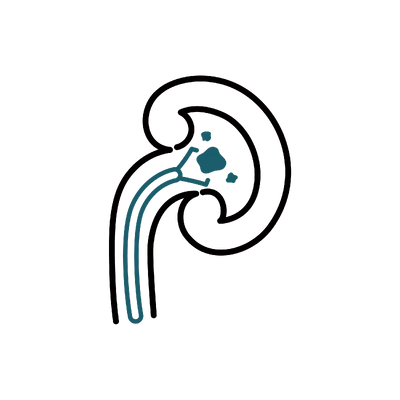
A resectoscope is passed up the urethra and shaves the tumour away from inside the bladder, with no skin incision.
| TUR-BT, transurethral resection of bladder tumour 2 nights The standard package, with two nights in hospital | $6,100 ฿207,000 |
| TUR-BT with one night admission 1 night The same resection with a single night built in | $5,700 ฿194,000 |
Typically not included
- Removing the bladder itself, partial or total, quoted case by case once staging is complete
- Intravesical BCG or chemotherapy courses, which run over weeks and are usually continued at home
- Intensive care, or any night in hospital beyond the nights stated in the package
- Laboratory tests and imaging, including the CT urogram or MRI used to stage the tumour
- Pathology on the resected tissue, whose depth and grade decide what treatment happens next
- Pre-operative medical clearance and fitness assessment
Get your exact price
Tell us what you're considering and we'll send a personalised quote from accredited hospitals within 24 hours.
Hospitals Trusted for Bladder Surgery
From internationally accredited flagships to dedicated specialist hospitals, these are the kinds of facilities where international patients have this procedure.

Bumrungrad International Hospital
Tertiary hospital with over 1,200 physicians treating 520,000+ international patients a year.
View hospital profile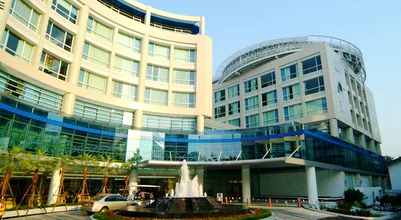
Bangkok Hospital
BDMS flagship tertiary campus with standalone heart, cancer, and neuro-orthopaedic hospitals.
View hospital profile
Samitivej Sukhumvit Hospital
Tertiary hospital known for paediatrics, home to Thailand's first private children's hospital.
View hospital profile
Tell Us What You Need. We Do the Rest.
Share what you're considering and we'll come back with surgeon options, pricing, and a clear plan.
- Real hospital pricing with zero markup
- Matched with a specialist experienced in your specific procedure
- Full coordination from consultation to recovery


Trusted by patients worldwide
The complete guide to Bladder Surgery in Thailand
Everything below is for readers who want the full detail: costs broken down, types and techniques, recovery, risks and safety, and planning your trip.
Bladder Surgeons & Hospitals in Thailand
Bladder cancer surgery, particularly radical cystectomy, requires urological oncology subspecialisation. The surgeon's experience with urinary reconstruction is especially important.
Leading Hospitals in Bangkok
Our partner hospitals have dedicated urological oncology teams with da Vinci robotic systems, blue-light cystoscopy capability, on-site pathology, and integrated medical oncology. They perform both TURBT and radical cystectomy at volume, with in-house ICU and stoma care support.
Experienced Urological Oncologists
Our partner surgeons hold board certification with fellowship training in urological oncology. They perform radical cystectomy with both open and robotic approaches and are experienced in neobladder reconstruction, the most technically demanding urinary diversion.
What to Look for in a Surgeon
Ask about cystectomy volume; outcomes improve with experience. Check whether the surgeon performs intracorporeal neobladder reconstruction if that option is relevant to your case. Confirm that the hospital has stoma care nurses to support ileal conduit patients through the adaptation period.
Understanding Your Results
Bladder surgery results are measured by tumour clearance, urinary function, and long-term survival.
Typical Bladder Surgery Results
TURBT achieves complete tumour resection in the majority of non-invasive cases. Radical cystectomy for muscle-invasive disease offers five-year survival rates of around 50% for organ-confined (stage 2) tumours.2 Neobladder patients typically achieve continent voiding. Ileal conduit patients adapt to stoma management within weeks.
What Results Can You Expect?
For TURBT, tumour removal is confirmed on pathology, with surveillance cystoscopy every three months initially. For cystectomy, cancer clearance is assessed by pathology and ongoing imaging surveillance. Quality of life with urinary diversion is well studied and most patients report adaptation and good functional outcomes within months.
Bladder Surgery Cost in Thailand
Average Cost of Bladder Surgery
Our partner hospital quotes a fly-in price for TUR-BT and not for bladder removal. The resection is ฿207,000 with two nights in hospital, about $6,088, or ฿194,000 with one night, about $5,706. Radical and partial cystectomy are quoted individually once staging is complete, because the operation, the reconstruction and the length of admission all vary too much to package. Treat the figures on this page as covering the endoscopic operation only, and as one hospital's quote rather than what Thailand charges.
Cost Breakdown
The package covers the urologist's fee, the anaesthetist, theatre time with the cystoscopic equipment, and the stated night or two in hospital with nursing care. Pathology is not inside it, which is worth pausing on, because after a bladder tumour resection the histology report is not an optional extra. The depth of invasion and the grade on that report decide whether you need BCG, a second resection or a cystectomy. Pre-operative clearance, staging scans, laboratory tests, outside specialist consultations and medication for conditions you already take are all billed separately too.
What Affects the Price?
Within the published packages the only variable is the night in hospital, and the difference is ฿13,000. What genuinely drives cost on this page sits outside the package. Staging investigations, the pathology on the resected tissue, and any BCG or chemotherapy course that follows are separate line items. If the tumour turns out to invade the muscle, you move to a cystectomy quote entirely, where operative time, the choice between an ileal conduit and a neobladder, and a seven to ten night admission all come into play.
Thailand vs International Price Comparison
For TUR-BT the saving holds up well. About $5,706 to $6,088 sits far below the $12,000 to $24,000 charged for self-funded bladder tumour resection in the US, and below UK and Australian private pricing. For bladder removal we cannot make the comparison honestly, because there is no published Thai package to set against those figures. Ask for a written cystectomy quote and compare that, rather than assuming the same ratio carries across.
Bladder-Sparing Alternatives to Surgery
Not every bladder tumour means removing the bladder. For non-muscle-invasive disease, the standard route is bladder-sparing: the tumour is resected at TURBT and recurrence is held back with intravesical therapy, where BCG or chemotherapy is instilled directly into the bladder over a course of weeks. For some carefully selected muscle-invasive patients, a bladder-preservation approach combining TURBT, chemotherapy and radiotherapy can be an alternative to removal. These options keep your own bladder and avoid a stoma or reconstruction.
The honest limits matter. Bladder-sparing relies on lifelong surveillance, because these cancers recur often, and intravesical or radiotherapy courses mean repeated visits over months rather than a single trip. Preservation is only suitable for specific tumour patterns, and if disease recurs or invades the muscle, cystectomy may still become necessary later. None of these instillation or radiotherapy courses are something we arrange; they are usually continued with a specialist at home.
When the tumour invades the bladder muscle, or non-invasive disease keeps returning despite BCG, radical cystectomy remains the most reliable route to clearing the cancer, and that is the surgery the rest of this page covers. Your staging and pathology, discussed at consultation, decide which path genuinely fits your case.
Types of Bladder Surgery
The type of surgery is determined by tumour stage. Non-muscle-invasive disease is managed endoscopically. Muscle-invasive disease requires more extensive surgery. The staging biopsy is the critical first step.
TURBT (Transurethral Resection of Bladder Tumour)
A resectoscope passes through the urethra and shaves the tumour away under direct vision. No skin incision. Tissue is sent for detailed pathological staging. TURBT is both the primary diagnostic tool and the treatment for non-muscle-invasive bladder cancer.1 Re-resection at six weeks confirms complete removal.
- Minimally invasive, with no external incision
- Serves as both diagnosis and treatment for early tumours
- Short hospital stay with rapid return to normal activity
- Best for: non-muscle-invasive bladder tumours (Ta, T1, CIS)
Radical Cystectomy with Urinary Diversion
Complete removal of the bladder (plus prostate in men, or uterus and part of the vagina in women) with pelvic lymph node dissection. A new urinary pathway is constructed, either an ileal conduit (external stoma bag) or neobladder (internal reservoir allowing natural voiding). The definitive treatment for muscle-invasive disease.
- Complete bladder removal for muscle-invasive cancer
- Pelvic lymph node dissection for accurate staging
- Urinary diversion via ileal conduit or neobladder reconstruction
- Best for: muscle-invasive cancer or high-risk non-invasive disease refractory to BCG
Partial Cystectomy
Removes the tumour-bearing segment of the bladder wall while preserving the rest of the organ. Suitable for a small subset of patients with a solitary, well-located tumour and no carcinoma in situ elsewhere. Preserves natural bladder function but requires careful patient selection.
- Preserves natural voiding function
- Shorter recovery than radical cystectomy
- Strict selection criteria: solitary tumour in a favourable location
- Best for: selected patients with a single accessible tumour and no multifocal disease
Bladder Surgery Techniques
Technique is determined by tumour stage and the planned extent of surgery. TURBT is performed endoscopically. Cystectomy can be open, laparoscopic, or robotic-assisted.
Endoscopic TURBT
A resectoscope with an electrified wire loop resects the tumour under direct vision through the urethra. Systematic deep biopsies confirm whether muscle invasion is present. Blue-light cystoscopy using hexaminolevulinate improves detection of flat lesions. The technique is both diagnostic and therapeutic.
- Direct tumour resection through the urethra, with no skin incision
- Deep muscle biopsies essential for accurate staging
- Blue-light cystoscopy enhances flat lesion detection
- Best for: initial diagnosis, staging, and treatment of non-invasive tumours
Robotic-Assisted Radical Cystectomy
The da Vinci platform enables precise removal of the bladder and lymph nodes through small incisions with magnified 3D vision. Intracorporeal neobladder reconstruction (performing the entire urinary diversion inside the body without a large incision) is the most technically advanced option, available at leading Thai urology centres.
- Magnified 3D vision for precise pelvic dissection
- Intracorporeal urinary diversion avoids large abdominal incision
- Reduced blood loss and faster return of bowel function
- Best for: muscle-invasive cancer in patients suited to robotic approach
Open Radical Cystectomy
The traditional approach through a midline abdominal incision. Provides full direct access for complex cases, large tumours, or patients with extensive adhesions. Urinary diversion is constructed extracorporeally. Well-established technique with the most extensive long-term outcome data.
- Full access for complex tumours or difficult anatomy
- Well-established with extensive long-term survival data
- Standard approach when robotic is unavailable or unsuitable
- Best for: complex cases, large tumours, or patients with prior pelvic surgery
Laparoscopic Radical Cystectomy
A keyhole approach that removes the bladder and lymph nodes through several small ports without the robotic platform. It delivers many of the minimally invasive benefits of the robotic technique, smaller incisions and less blood loss than open surgery, while remaining available at centres without a da Vinci system. Urinary diversion is usually completed through a small extraction incision.
- Keyhole access through small ports, no large abdominal incision
- Less blood loss and quicker recovery than open surgery
- Available where robotic surgery is not offered or not chosen
- Best for: muscle-invasive cancer suited to minimally invasive surgery without robotics
Bladder Surgery Recovery Timeline
Days 1–2
TURBT patients are typically discharged within 24–48 hours with a catheter for a short period. Cystectomy patients recover in hospital with catheter management, IV fluids, and pain control. Mild burning and blood-tinged urine are normal after TURBT. Early mobilisation begins promptly.
Days 3–5
TURBT patients resume normal activities with mild precautions. Cystectomy patients continue in-hospital recovery; walking increases, diet advances, and drain management continues. Stoma education begins for ileal conduit patients. Neobladder patients learn the new voiding routine.
Weeks 2–4
After discharge, outpatient follow-up monitors wound healing, stoma function, and pathology review. Light activities resume gradually. Fatigue is normal. The oncology team discusses adjuvant treatment if indicated by pathology.
Weeks 4–8
Strength and stamina improve steadily. Cystectomy patients adjust to their urinary diversion. TURBT patients undergo follow-up cystoscopy at three months. A structured surveillance schedule is established before you return home.
When Can You Fly After Bladder Surgery?
TURBT patients can usually fly within seven to ten days. Cystectomy patients are typically cleared at fourteen to twenty-one days, once wound healing and urinary diversion function are confirmed. Stoma patients should be comfortable with stoma management before travelling. Compression stockings and adequate hydration are recommended.
When Can You Return to Work and Exercise?
TURBT patients return to desk work within a week. Cystectomy patients need four to six weeks before desk work and eight to twelve weeks before strenuous activity. Light walking starts immediately after both procedures. Pelvic floor exercises may be recommended after cystectomy.
When Will You See Final Results?
TURBT results are immediate; the tumour is removed during the procedure. Pathology confirms depth of invasion and grade within a week, guiding further treatment. After cystectomy, urinary diversion function stabilises over weeks. Neobladder patients learn new voiding patterns over several months. Cancer surveillance follows a structured schedule.
Anaesthesia for Bladder Surgery
Bladder surgery is performed under general anaesthesia, so you are fully asleep and feel nothing during the operation. A consultant anaesthetist stays with you throughout and monitors you continuously, which is standard at the accredited hospitals we work with. This applies to both a short TURBT and a major radical cystectomy.
For a longer cystectomy, the anaesthetist often combines the general anaesthetic with an epidural to manage pain in the first days afterwards, and you may spend the early recovery period in a high-dependency or intensive care setting. Because this is major pelvic surgery, your fitness for a long anaesthetic is assessed beforehand through cardiac and lung screening, which is part of why the workup matters as much as the surgery itself. TURBT is a much shorter procedure and the assessment is correspondingly lighter.
You feel nothing during the operation. After TURBT, discomfort is usually mild, more a sense of burning when passing urine than sharp pain, and settles within a few days. After cystectomy there is more to recover from, but pain is controlled steadily, starting with the epidural or intravenous medication and stepping down to tablets as you heal.
Risks and Safety of Bladder Surgery
The risk profile varies dramatically between TURBT and radical cystectomy. TURBT is a relatively minor endoscopic procedure. Cystectomy is major pelvic surgery with meaningful morbidity.
- Bleeding or haematuria, common after TURBT and usually self-limiting1
- Urinary tract infection
- Bladder perforation during TURBT (rare, usually managed conservatively)1
- Obturator nerve stimulation during TURBT of a lateral-wall tumour, where the leg suddenly jerks and can cause perforation (prevented with muscle relaxant or a regional nerve block)
- Blood clots requiring prophylactic anticoagulation (cystectomy)3
- Urinary leakage or stricture at the diversion site
- Bowel injury during cystectomy (rare)
- Stoma-related complications including retraction or parastomal hernia
- Long-term metabolic effects of an ileal diversion (conduit or neobladder), including vitamin B12 deficiency and hyperchloraemic metabolic acidosis, needing lifelong monitoring and supplementation
For TURBT, complications are uncommon and typically minor. For radical cystectomy, early complications are common, reflecting that this is major pelvic surgery. Most are manageable, but the operation's morbidity profile should be understood honestly before proceeding.
Is Bladder Surgery Safe in Thailand?
Yes. Our partner hospitals are JCI-accredited with dedicated urology departments, robotic capability, and integrated oncology services. Fellowship-trained urological oncologists perform cystectomy at volumes consistent with outcome benchmarks. TURBT is a routine endoscopic procedure performed daily.
How to Reduce Your Risk
For cystectomy, choose a hospital with a dedicated urological oncology team, not a general surgeon doing occasional cystectomies. Ask about neobladder versus ileal conduit and which suits your anatomy and lifestyle. Optimise nutrition and fitness before travel. Stop smoking at least four weeks prior.
When Is Further Treatment Needed?
After TURBT for non-muscle-invasive disease, intravesical BCG or chemotherapy may be recommended to reduce recurrence. After cystectomy, adjuvant chemotherapy depends on final pathology. Surveillance cystoscopy after TURBT is essential; bladder cancer has a high recurrence rate, and early detection is key.
Long-Term Monitoring After Urinary Diversion
Building a diversion from a segment of ileum has lasting metabolic effects, whether you have an ileal conduit or a neobladder. Losing terminal ileum can lower vitamin B12 absorption, so B12 levels are checked over the years and supplemented if needed. The bowel segment can also cause a hyperchloraemic metabolic acidosis, picked up on routine blood tests and corrected easily. This is why lifelong follow-up with a urologist at home, including periodic bloods, is part of the plan, and your records pack sets out what to monitor.
Planning Your Trip to Thailand for Bladder Surgery
TURBT patients need seven to ten days. Cystectomy patients need two to three weeks. Here is how to plan.
How Long to Stay in Thailand
TURBT patients need seven to ten days for consultation, cystoscopy with resection, pathology review, and follow-up. Cystectomy patients need fourteen to twenty-one days for pre-operative staging, surgery, seven to ten days of inpatient recovery, stoma education, and outpatient follow-up.
What's Included in a Medical Trip
Your care coordinator arranges cystoscopy, surgery scheduling, pathology coordination, and follow-up. The published TUR-BT package covers surgeon fees, anaesthesia, the facility and the stated night or two in hospital. Staging imaging, laboratory tests and the pathology on the resected tissue are billed separately, so ask for those itemised alongside the package. Flights and accommodation are separate.
Recovery in Bangkok vs Phuket
Bangkok is essential for bladder surgery recovery. TURBT patients need proximity for follow-up cystoscopy. Cystectomy patients need close access to the surgical team for stoma care, wound management, and any complication assessment. This is not a procedure to recover from at a distance.
Related Procedures
Other procedures that address similar goals or conditions, in case one of them is a closer fit for you.
Planning your treatment in Thailand
Independent guides to help you weigh the decision, before you commit to anything.
Common Questions About Bladder Surgery
Everything you need to know before your procedure

Medical References
Keep researching with AI
Open this guide in your AI assistant to dig deeper and ask the questions it didn't answer.
Opens in a new tab with this guide already loaded.
Medical disclaimer: Content on this site is provided for informational purposes and should not be treated as medical advice. Outcomes, timelines, and eligibility differ from person to person. Consult a qualified medical professional before making any decisions about surgery or treatment.
Ready to Get Started?
Speak with our care coordinators for a free, no-obligation consultation and personalised quote.
Speak to Our Team