Prostate Surgery in Thailand Your guide to cost, top specialists & hospitals
Whether it is enlargement or cancer, resolving the prostate problem means reclaiming normal daily function.
What Is Prostate Surgery?
Also known as: Prostate Operation · Prostatectomy · TURP
Prostate surgery is an operation on the prostate, the gland below the bladder, that relieves obstructed urine flow or removes cancer. It treats two different problems. Benign enlargement, where the gland presses on the urethra and slows passing urine, is corrected by removing only the obstructing tissue through the urethra, with no external cut. Cancer is treated by radical prostatectomy, which removes the whole gland and seminal vesicles. It usually takes 1 to 3 hours under general anaesthesia.
These are genuinely different operations with different goals, and the right one depends on your tests. For enlargement, the aim is comfortable voiding again. For cancer, it is removing the disease while protecting as much function as the tumour allows. Your urologist settles which path applies after reviewing your PSA, scans and any biopsy.
Honesty matters, because prostate surgery can affect continence, erections and fertility, and how much depends on the procedure and on you. For most men, enlargement surgery brings a clear, lasting improvement in flow. After cancer surgery, nerve-sparing technique improves the odds of recovery, but results vary. A consultation is the place to talk through your own outlook plainly.
It can address a range of concerns, including:
Am I a Good Candidate for Prostate Surgery?
Prostate surgery suits men with enlargement unresponsive to medication or confirmed localised cancer, after a full urological review.
The operation depends entirely on whether the problem is benign enlargement or cancer, so the diagnosis is settled first.
Benign or cancer: the plan differs completely between BPH and prostate cancer.
Results reviewed: recent PSA, MRI, or biopsy results should be reviewed by a urologist.
Confirmed cancer: for cancer, localised disease confirmed on biopsy and staging guides surgery.
For benign enlargement, medication is usually tried before surgery is considered.
Trial of medication: good BPH candidates have not responded to alpha-blockers or 5-alpha reductase inhibitors.
Step after medication: surgery follows when medical therapy has not controlled symptoms.
Right procedure: the gland size and diagnosis determine which surgical approach applies.
General fitness and medications are assessed before surgery under anaesthesia.
Fit for anaesthesia: good candidates are in reasonable general health for surgery.
Blood thinners reviewed: anticoagulants need a safe pause planned around surgery.
A stay commitment: the surgery needs roughly 10 to 14 days in Thailand with 4 to 6 weeks of recovery.
Prostate surgery can affect continence, erectile function, and fertility, so these are discussed beforehand.
Function discussed: continence, erectile, and fertility implications should be fully explained first.
Different operations: BPH surgery and radical prostatectomy carry different risk profiles.
Follow-up planned: recovery and any further monitoring are part of the plan.
Who is not suitable for prostate surgery?
- Metastatic or locally advanced prostate cancer (M1 or N1 disease), where radical prostatectomy is not the appropriate treatment and systemic or radiation therapy is indicated instead
- Prior pelvic radiotherapy, which makes radical prostatectomy substantially more complex and higher-risk
- Severe frailty or major heart or lung disease that makes general anaesthesia high-risk
- A trial of medical therapy for BPH not yet completed
- Recent PSA, MRI, or biopsy results not yet reviewed by a urologist
- On anticoagulants that cannot be safely paused
- Continence, erectile, or fertility implications not yet fully discussed
- Active urinary tract infection, until treated before instrumentation
Pricing
How Much Will Prostate Surgery Cost in Thailand?
What prostate surgery costs at accredited hospitals in Thailand, and what your final quote depends on.
Get your exact price
Tell us what you're considering and we'll send a personalised quote from accredited hospitals within 24 hours.
Get my free quoteTypical prices in Thailand
Typical ranges based on recent hospital quotes. Your exact price depends on the hospital and how complex your case is, and is confirmed at your teleconsultation.
Enlarged prostate, clearing the obstruction
Obstructing prostate tissue is shaved or vaporised away through the urethra to restore urine flow, with no external cut.
| TUR-P, transurethral resection of the prostate 3 nights The standard electrical loop resection | $5,800 ฿196,000 |
| TUR-P with Plasma Kinetic 3 nights Bipolar energy used in saline, with less bleeding than the standard loop | $7,100 ฿240,000 |
| TUR-P with Thulium Laser 3 nights Laser cutting that seals vessels as it works | $8,900 ฿304,000 |
| TUR-P with PVP Laser 3 nights Photoselective vaporisation, the usual route for men who cannot come off anticoagulants | $10,500 ฿357,000 |
Prostate cancer, removing the whole gland
A surgical robot removes the whole prostate and pelvic lymph nodes through keyhole incisions. The two packages set aside different numbers of hospital nights.
| Robot-assisted radical prostatectomy with lymphadenectomy, four-night package 4 nights | $28,800 ฿978,000 |
| Robot-assisted radical prostatectomy with lymphadenectomy, seven-night package 7 nights | $29,100 ฿990,000 |
Typically not included
- Intensive care beyond the nights stated in the package
- Pathology and pathologist charges, which after cancer surgery are not optional, since the report on the removed gland and nodes is what guides everything afterwards
- Laboratory tests and imaging, including the PSA, MRI and biopsy the surgical plan is built from
- Pre-operative medical clearance and fitness assessment
- Specialist consultant fees outside the operating urologist
- Implants and any device not named in the package
Get your exact price
Tell us what you're considering and we'll send a personalised quote from accredited hospitals within 24 hours.
Hospitals Trusted for Prostate Surgery
From internationally accredited flagships to dedicated specialist hospitals, these are the kinds of facilities where international patients have this procedure.
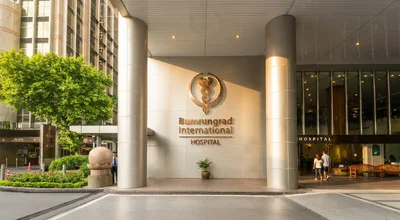
Bumrungrad International Hospital
Tertiary hospital with over 1,200 physicians treating 520,000+ international patients a year.
View hospital profile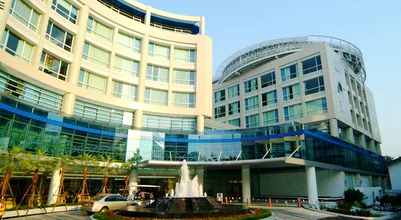
Bangkok Hospital
BDMS flagship tertiary campus with standalone heart, cancer, and neuro-orthopaedic hospitals.
View hospital profile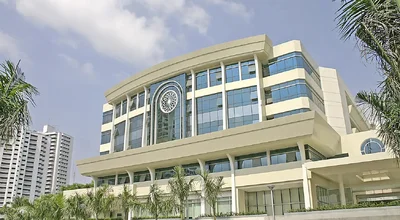
Samitivej Sukhumvit Hospital
Tertiary hospital known for paediatrics, home to Thailand's first private children's hospital.
View hospital profile
Tell Us What You Need. We Do the Rest.
Share what you're considering and we'll come back with surgeon options, pricing, and a clear plan.
- Real hospital pricing with zero markup
- Matched with a specialist experienced in your specific procedure
- Full coordination from consultation to recovery


Trusted by patients worldwide
The complete guide to Prostate Surgery in Thailand
Everything below is for readers who want the full detail: costs broken down, types and techniques, recovery, risks and safety, and planning your trip.
Prostate Surgeons & Hospitals in Thailand
Prostate surgery demands urological subspecialisation. The surgeon's technique-specific experience is the single most important variable.
Leading Hospitals in Bangkok
Our partner hospitals have dedicated urology centres with da Vinci robotic systems, HoLEP lasers, and modern TURP equipment. On-site pathology provides rapid biopsy and margin analysis. Integrated oncology services coordinate any adjuvant treatment directly.
Experienced Urological Surgeons
Our partner urologists hold board certification with fellowship training in robotic surgery and endourology. Many have trained at major international urology centres. High surgical volume, particularly for robotic prostatectomy, correlates directly with better functional outcomes in continence and potency preservation.
What to Look for in a Surgeon
For radical prostatectomy, ask about the surgeon's robotic case volume and their reported rates of continence recovery and positive margins. For BPH, ask which technique they recommend for your prostate size and why. A surgeon who explains the trade-offs between techniques is more valuable than one who defaults to a single approach.
Understanding Your Results
Prostate surgery results are measured by urinary function, cancer clearance, and quality of life, not visible cosmetic change.
Typical Prostate Surgery Results
BPH patients experience dramatic improvement in urinary flow within days. Symptom scores typically improve by 70–80%. For cancer patients, R0 resection with undetectable PSA is the target, achieved in the majority of organ-confined cases. Continence and erectile function recover progressively over months.
What Results Can You Expect?
For BPH, immediate improvement in voiding and sleep quality (fewer nighttime trips). For cancer, PSA monitoring determines oncological success. Continence typically returns within one to six months, with pelvic floor exercises accelerating recovery. Erectile function recovery depends on nerve preservation and can take up to eighteen months.
Prostate Surgery Cost in Thailand
Average Cost of Prostate Surgery
This page covers two entirely different operations bought by two entirely different patients, and one average would mislead both. Our partner hospital's published fly-in packages for an enlarged prostate run from ฿196,000 to ฿357,000, about $5,765 to $10,500, with three nights in hospital whichever cutting tool is used. Robot-assisted removal of the whole gland for cancer is ฿978,000 or ฿990,000, about $28,765 to $29,118, depending on whether four or seven nights are built in. These are one hospital's published rates rather than what Thailand costs, and prices across branches of the same network differ considerably.
Cost Breakdown
Each package covers the urologist's fee, the anaesthetist, theatre time, the robotic platform where the operation uses one, and the stated nights in hospital with nursing care and catheter management. Several things patients reasonably assume are inside it are not. Pre-operative medical clearance, laboratory tests and imaging, consultations with specialists outside the operating urologist, medication for conditions you already take, and intensive care beyond the stated nights are all billed on top. Flights, accommodation and travel insurance sit outside entirely. Pathology is billed separately as well, which matters most after cancer surgery, since the report on the removed gland and lymph nodes is what guides your treatment from that point on.
What Affects the Price?
For an enlarged prostate the entire gap between ฿196,000 and ฿357,000 comes down to the cutting tool. The standard electrical loop is the cheapest, plasma kinetic sits above it, and the thulium and PVP lasers sit at the top, largely because laser fibres are expensive consumables. Hospital stay is three nights in every one of the four, so the stay is not what moves it. For prostate cancer the driver is the opposite. The operation is the same in both packages and what changes is the length of admission, four nights or seven.
Thailand vs International Price Comparison
For an enlarged prostate the saving is real and large. A standard TUR-P at about $5,765 sits well below the $15,000 to $30,000 charged for self-funded surgery in the US, and below UK and Australian private pricing too. Robot-assisted removal of the prostate for cancer is a different picture entirely. At about $28,765 to $29,118 it lands at the top of the US range rather than beneath it, so travelling for that particular operation is not a saving. What it buys is a booked date, a high-volume robotic surgeon and no waiting list.
Surgery vs Medication for an Enlarged Prostate
For benign enlargement (BPH), surgery is rarely the first step. Most men start on medication: alpha-blockers such as tamsulosin relax the muscle around the bladder neck to ease the flow within days, while 5-alpha reductase inhibitors such as finasteride gradually shrink the gland over months. For milder symptoms, watchful waiting with simple lifestyle changes, cutting evening fluids and caffeine, is a reasonable route. These genuinely help a great many men and should usually be tried before any operation is considered.
The limits show over time. Medication manages symptoms rather than removing the obstruction, so it must be taken indefinitely, and the gland often keeps growing underneath. Side effects like dizziness, retrograde ejaculation or reduced libido lead some men to stop, and tablets do nothing once the bladder is failing to empty, retention has occurred, or repeated infections and stones have set in. This is the point at which surgery becomes the sensible step rather than a last resort.
Surgery, by contrast, physically removes the obstructing tissue, so for most men it brings a lasting improvement in flow without daily pills. TURP, HoLEP or GreenLight laser are the routes for enlargement, covered above. Prostate cancer is a separate decision entirely: there the choice is usually between surgery, radiotherapy or active surveillance, settled with your urologist on the basis of your PSA, scans and biopsy rather than against medication.
Types of Prostate Surgery
The operation depends entirely on whether the condition is benign enlargement or cancer. These are different procedures with different goals. Your urologist determines which applies after reviewing your PSA, imaging, and biopsy results.
Surgery for Benign Prostatic Hyperplasia (BPH)
Removes obstructing prostate tissue to restore urinary flow. TURP and HoLEP are the primary techniques, both performed through the urethra with no skin incision. The prostate itself is not removed entirely; only the tissue causing obstruction is cored out or resected.
- Targets obstructing tissue while preserving the outer prostate
- TURP for small-to-medium glands; HoLEP for larger prostates
- Dramatic improvement in urinary symptoms within days
- Best for: men with BPH causing significant urinary obstruction
Radical Prostatectomy for Cancer
Complete removal of the prostate gland and seminal vesicles. The goal is total cancer clearance with nerve-sparing technique where the tumour location allows. Robotic-assisted surgery is the standard approach, offering enhanced precision for preserving continence and erectile function.
- Complete prostate removal for curative cancer treatment
- Nerve-sparing technique preserves function where oncologically safe
- Robotic da Vinci platform provides magnified 3D precision
- Best for: localised prostate cancer in men fit for surgery
GreenLight Laser Vaporisation
A high-powered laser vaporises obstructing prostate tissue through the urethra. Particularly suited to men on blood-thinning medication because the laser seals blood vessels as it works. Shorter catheter time than TURP, though the published package still includes three nights in hospital.
- Minimal bleeding, suitable for patients on anticoagulants
- Shorter catheter time and faster return to voiding
- Three nights are built into the published package, the same as standard TUR-P
- Best for: BPH patients on blood thinners or with smaller prostates
Prostate Surgery Techniques
The technique depends on whether the condition is benign or malignant, and for BPH cases, on the size of the prostate gland. Here is what each approach involves.
TURP (Transurethral Resection)
An electrosurgical loop passed through the urethra shaves away obstructing prostate tissue under direct vision. No external incision. Rapid improvement in urinary flow within days. The gold standard for BPH in small to medium glands under 80 grams, with decades of outcome data supporting its effectiveness.
- No external incision; entirely through the urethra
- Rapid urinary flow improvement within days of catheter removal
- Well-established technique with extensive long-term data
- Best for: BPH in prostates under 80 grams
HoLEP (Holmium Laser Enucleation)
A holmium laser cores out obstructing tissue from within the prostate capsule, then a morcellator breaks it into pieces for removal through the urethra. Size-independent: HoLEP handles large prostates over 80 grams that TURP cannot manage effectively. Minimal blood loss and shorter catheter time.
- Effective regardless of prostate size, including very large glands4
- Minimal blood loss makes it suitable for patients on anticoagulants
- Shorter catheter duration and faster voiding recovery than TURP
- Best for: large prostates over 80 grams, patients on blood thinners
GreenLight Laser Vaporisation (PVP)
A high-powered 532 nm laser is passed through the urethra and vaporises obstructing prostate tissue while simultaneously sealing blood vessels. There is no tissue specimen for pathology, but bleeding is minimal, which makes the technique particularly useful for men on anticoagulants. Catheter time is short and many cases are managed as a day case or single-night stay.
- Vaporisation rather than resection, with excellent haemostasis
- Suitable for patients on blood thinners who cannot pause anticoagulation
- Short catheter time and quick return to voiding
- Best for: BPH in small to medium prostates, patients on anticoagulants
Robotic Radical Prostatectomy (da Vinci)
The surgeon operates through six small incisions using the da Vinci robotic system, which provides 10x magnified 3D vision and articulated instruments. Nerve-sparing dissection preserves the neurovascular bundles responsible for continence and erections where the tumour is not too close.
- Magnified 3D vision for precise cancer dissection
- Nerve-sparing technique preserves continence and erectile function
- Reduced blood loss and shorter hospital stay than open surgery
- Best for: localised prostate cancer where nerve-sparing is oncologically safe
Open & Laparoscopic Radical Prostatectomy
Where robotic surgery is not chosen or available, the prostate can still be removed through open surgery (a single incision below the navel) or by conventional laparoscopy (several small keyhole incisions without the robot). Both remove the whole gland and seminal vesicles with the same oncological goal, and nerve-sparing is still possible in suitable cases. Open surgery is the most established approach with the longest track record, while laparoscopy reduces blood loss and scarring compared with open.
- Same complete prostate removal and nerve-sparing aims as robotic
- Open is the longest-established route; laparoscopy is less invasive than open
- Generally a longer recovery than robotic, with a well-documented safety record
- Best for: localised cancer where robotic surgery is not the chosen or available route
Prostate Surgery Recovery Timeline
Days 1–2
A urinary catheter remains in place to allow healing. Pain is managed with oral medication. Most patients describe mild discomfort rather than significant pain. Walking begins within hours of surgery to promote circulation and prevent clots.
Days 3–5
The catheter is removed once healing is adequate, usually day two for TURP/HoLEP, around seven to fourteen days for radical prostatectomy. Urinary frequency and mild burning are normal and settle quickly. Most BPH patients are discharged by day two or three.
Weeks 2–4
Urinary control improves daily. Light walking and gentle activities are encouraged. Heavy lifting and straining are avoided to protect the surgical site. Follow-up reviews monitor healing and PSA levels in cancer cases.
Weeks 4–6
Most patients return to normal daily activities. Urinary function stabilises progressively. Continence recovery after radical prostatectomy continues improving for several months3. A final review clears you for travel with a structured follow-up plan for your home urologist.
When Can You Fly After Prostate Surgery?
BPH patients (TURP/HoLEP) can typically fly home within seven to ten days. Radical prostatectomy patients should plan for ten to fourteen days, allowing catheter removal and initial continence recovery. Stay hydrated, wear compression stockings, and use an aisle seat for easy access to the lavatory.
When Can You Return to Work and Exercise?
Desk work within two to three weeks for most patients. Light walking begins on day one. Heavy lifting and strenuous exercise should wait four to six weeks. Driving usually resumes once the catheter is out, you are off strong painkillers, and you can brake sharply without pain, often around one to two weeks after BPH surgery and two to three weeks after radical prostatectomy; check your insurer's terms too. Continence pads may be needed temporarily after radical prostatectomy; most patients progress to pad-free continence within three to six months.
When Will You See Final Results?
BPH patients notice improved urinary flow within days of catheter removal. For radical prostatectomy, the first post-operative PSA (ideally undetectable) is checked at six weeks. Continence recovery is progressive over three to twelve months. Erectile function recovery varies and may take six to eighteen months with nerve-sparing technique.
Anaesthesia for Prostate Surgery
Prostate surgery in Thailand is performed under general anaesthesia, so you are fully asleep and feel nothing throughout the operation, whether it is a TURP, a laser procedure for enlargement, or a robotic radical prostatectomy for cancer. A consultant anaesthetist stays with you for the whole procedure and monitors your breathing, heart and blood pressure continuously, which is standard at the accredited hospitals we work with.
In some cases the anaesthetist may suggest a spinal anaesthetic instead, particularly for a straightforward TURP, where you are numb from the waist down rather than asleep. Which approach is used is a decision your urologist and anaesthetist make together, based on the operation planned, your medical history and any medications you take, and they will talk it through with you beforehand.
Before you are cleared for anaesthesia you have a pre-operative assessment, including blood tests, a review of your PSA and imaging, and a plan for safely pausing any blood-thinning medication. You feel nothing during surgery itself. Afterwards most men describe mild discomfort rather than real pain, more a sensation of urgency from the catheter than anything sharp, and it is well controlled with the oral medication your team prescribes.
Risks and Safety of Prostate Surgery
Prostate surgery is well established with good safety data. The risk profile differs significantly between BPH procedures and radical prostatectomy; they are fundamentally different operations.
- Urethral stricture, narrowing of the urethra requiring dilation
- TURP syndrome after TURP, where absorbed irrigation fluid dilutes blood sodium (hyponatraemia); uncommon with modern technique and not a risk with laser procedures
- Retrograde ejaculation after TURP, where semen enters the bladder rather than exiting normally1,2
- Positive surgical margins after radical prostatectomy, which may require adjuvant treatment
For BPH surgery, retrograde ejaculation is the most common functional change, important to understand before proceeding. For radical prostatectomy, continence and erectile function are the key concerns. Nerve-sparing technique and surgical experience are the two most important factors in preserving both.
Is Prostate Surgery Safe in Thailand?
Yes. Our partner hospitals are JCI-accredited with dedicated urology departments and the da Vinci robotic platform. Urologists are board-certified with fellowship training in endourology and robotic surgery. Published complication rates at these centres are consistent with international benchmarks.
How to Reduce Your Risk
For BPH, choose a urologist experienced in the specific technique recommended for your prostate size. For cancer, verify that the surgeon performs robotic prostatectomy at high volume; nerve-sparing outcomes improve with surgical experience. Provide your full PSA history, MRI, and biopsy results before arrival.
When Is Further Treatment Needed?
After TURP or HoLEP, a small percentage of patients may need repeat treatment years later if regrowth occurs4. After radical prostatectomy, a rising PSA may indicate residual or recurrent disease requiring radiotherapy or hormonal therapy. Your urologist will establish a structured PSA monitoring schedule.
Planning Your Trip to Thailand for Prostate Surgery
Most patients need ten to fourteen days in Thailand. Here is how to plan the trip.
How Long to Stay in Thailand
Ten to fourteen days covers consultation, pre-operative assessment, surgery, hospital stay, catheter removal, and follow-up. BPH patients may manage in seven to ten days. Radical prostatectomy patients should allow the full two weeks for catheter removal and initial continence assessment.
What's Included in a Medical Trip
Your care coordinator handles surgery scheduling, hospital transfers, and follow-up. The package covers urologist fees, anaesthesia, the robotic platform where it is used, the stated nights in hospital, and catheter care. Pre-operative clearance, laboratory tests, imaging and pathology are billed separately, so ask for those to be itemised alongside the package before you commit. Flights and accommodation are separate, with nearby hotel recommendations.
Recovery in Bangkok vs Phuket
Bangkok for the surgical window and early recovery. Catheter management and follow-up appointments require proximity to the hospital. After catheter removal and clearance, some patients enjoy a few days elsewhere, but keep Bangkok as the base until the urologist is satisfied with healing.
Related Procedures
Other procedures that address similar goals or conditions, in case one of them is a closer fit for you.
Planning your treatment in Thailand
Independent guides to help you weigh the decision, before you commit to anything.
Common Questions About Prostate Surgery
Everything you need to know before your procedure

Medical References
Keep researching with AI
Open this guide in your AI assistant to dig deeper and ask the questions it didn't answer.
Opens in a new tab with this guide already loaded.
Medical disclaimer: Content on this site is provided for informational purposes and should not be treated as medical advice. Outcomes, timelines, and eligibility differ from person to person. Consult a qualified medical professional before making any decisions about surgery or treatment.
Ready to Get Started?
Speak with our care coordinators for a free, no-obligation consultation and personalised quote.
Speak to Our Team