ESWL (Shock Wave Lithotripsy) in Thailand Your guide to cost, top specialists & hospitals
A way to break up a kidney stone from outside the body, with no cuts and nothing passed inside you. When it suits the stone, it is the gentlest route to relief.
What Is ESWL (Shock Wave Lithotripsy)?
Also known as: Shock Wave Lithotripsy · Extracorporeal Shock Wave Lithotripsy (ESWL)
ESWL, or extracorporeal shock wave lithotripsy, is a non-invasive treatment that uses focused shock waves delivered from outside the body to break a kidney or ureteric stone into small fragments. Those fragments then pass out naturally in the urine over the days that follow. There are no cuts and no instruments passed inside you, which is what sets ESWL apart from the other ways of dealing with a stone. It is usually a day case, takes around 45 to 60 minutes, and most people are back to light activity within a few days, though the last fragments can take weeks to finish passing.
ESWL is often the first option considered for stones of a suitable size and position, before more invasive surgery is weighed up. It works best on smaller stones sitting in a favourable part of the kidney or upper ureter, and on stones that are not too hard. Harder or larger stones do not always break well with shock waves, and in those cases a urologist may recommend ureteroscopy or keyhole surgery instead. Those routes, along with surgical removal when ESWL is not suitable, are covered on our main kidney stone removal page.
There are two honest points worth understanding before you choose ESWL. The first is that success depends on the stone's size, position, and composition, so not every stone is a good candidate, and a second session is sometimes needed to clear one fully. The second is that breaking the stone is only half the job: the fragments still have to make their own way out, which can mean a few days of cramping and some blood in the urine while they pass. For the right stone, that trade-off is well worth it for a treatment with no incision and a quick recovery.
It can address a range of concerns, including:
Am I a Good Candidate for ESWL (Shock Wave Lithotripsy)?
Whether shock waves are the right fit comes down to the stone's size, position, and composition, alongside your general health. These are the things a urologist weighs up before recommending ESWL.
Shock waves break some stones well and others poorly, so the stone is assessed first from imaging.
Smaller stones: ESWL works best on smaller kidney or upper ureteric stones in a favourable position.
Composition matters: softer stone types fragment readily; very hard stones may resist shock waves.
Recent CT: current imaging confirms the size, position, and likely hardness to judge suitability.
Treating a stone through an active infection is risky, so it is cleared beforehand.
No active UTI: an active urinary tract infection should be treated and cleared before ESWL.
Urine check: a urine test before treatment rules out infection that would need handling first.
Stay hydrated: good hydration before and after helps fragments pass and lowers blockage risk.
General fitness and a few specific factors affect whether shock wave treatment is safe.
Not in pregnancy: ESWL is not used during pregnancy and an alternative is chosen instead.
Blood thinners reviewed: anticoagulants usually need a safe pause planned beforehand.
A short stay: plan for roughly 3 to 5 days in Thailand with 2 to 3 days of recovery.
Understanding what shock waves can and cannot do prevents disappointment later.
Fragments still pass: breaking the stone is half the job; the pieces must then pass naturally.
One session may not clear it: harder or larger stones can need a second or third session.
A scan confirms it: a follow-up scan shows how much has cleared and what the next step is.
Who is not suitable for eswl (shock wave lithotripsy)?
- A larger or very hard stone unlikely to break well with shock waves
- An active urinary tract infection, until treated and cleared
- Pregnant, which rules out shock wave lithotripsy<sup class='cite'><a href='#ref-4'>4</a></sup>
- On blood thinners that cannot be safely paused
- Uncorrected bleeding disorder
- A cardiac pacemaker or implanted defibrillator (ICD), as shock waves can disrupt the device
- An aortic or renal artery aneurysm in the path of the shock waves
- A stone lower in the ureter better reached by ureteroscopy
Pricing
How Much Will ESWL (Shock Wave Lithotripsy) Cost in Thailand?
What eswl (shock wave lithotripsy) costs at accredited hospitals in Thailand, and what your final quote depends on.
Get your exact price
Tell us what you're considering and we'll send a personalised quote from accredited clinics within 24 hours.
Get my free quoteTypical prices in Thailand
Typical ranges based on recent hospital quotes. Your exact price depends on the hospital and how complex your case is, and is confirmed at your teleconsultation.
ESWL (Shock Wave Lithotripsy)
Shock waves generated outside the body are focused onto the stone to break it into fragments small enough to pass out in the urine.
| ESWL, per session Day case One day-case session under sedation, for a suitable kidney or upper ureteric stone | $1,500 to $4,000 ฿51,000 to ฿136,000 |
Typically not included
- A second or third session, if shock waves do not fully break the stone, quoted once your follow-up scan is reviewed
- A switch to ureteroscopy or keyhole surgery (PCNL), if your stone does not break well with shock waves
- An overnight admission or extended stay, if a complication prevents same-day discharge
- Further treatment for a fragment blockage (a 'stone street') or a urinary infection that develops after you leave
- Laboratory analysis of a passed fragment to find why the stone formed, arranged on request
Get your exact price
Tell us what you're considering and we'll send a personalised quote from accredited clinics within 24 hours.
Hospitals Trusted for ESWL (Shock Wave Lithotripsy)
From internationally accredited flagships to dedicated specialist hospitals, these are the kinds of facilities where international patients have this procedure.
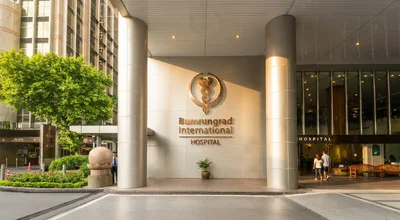
Bumrungrad International Hospital
Tertiary hospital with over 1,200 physicians treating 520,000+ international patients a year.
View hospital profile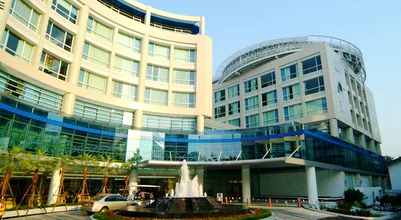
Bangkok Hospital
BDMS flagship tertiary campus with standalone heart, cancer, and neuro-orthopaedic hospitals.
View hospital profile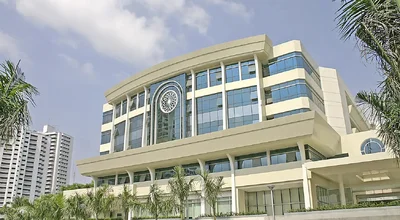
Samitivej Sukhumvit Hospital
Tertiary hospital known for paediatrics, home to Thailand's first private children's hospital.
View hospital profile
Tell Us What You Need. We Do the Rest.
Share what you're considering and we'll come back with surgeon options, pricing, and a clear plan.
- Real hospital pricing with zero markup
- Matched with a specialist experienced in your specific procedure
- Full coordination from consultation to recovery


Trusted by patients worldwide
The complete guide to ESWL (Shock Wave Lithotripsy) in Thailand
Everything below is for readers who want the full detail: costs broken down, types and techniques, recovery, risks and safety, and planning your trip.
Where to Have ESWL in Thailand
ESWL is straightforward to go through, but its success rests on honest case selection and a well-run lithotripsy unit. These are the things worth checking when choosing where to be treated in Thailand.
JCI-Accredited Hospitals
Choose a hospital with international accreditation such as JCI and a dedicated urology department with a maintained lithotripsy unit. Importantly, the same hospital should also offer ureteroscopy and PCNL, so that if shock waves turn out not to be the best fit for your stone, your urologist can recommend the right alternative rather than defaulting to the one machine on site.
Board-Certified Urologists
Look for a board-certified urologist with experience across the full range of stone treatments, not just ESWL. That breadth is what lets them judge honestly whether your stone is a good candidate for shock waves in the first place, and how many sessions it is realistically likely to need, rather than steering you towards whatever is available.
What to Look For
A good urologist reviews your CT scan and gives a frank assessment of how suitable your stone is for ESWL, including the chance of needing a second session. Be wary of anyone promising a single-session clearance for every stone, as shock waves simply do not work that way. Ask whether passed fragments are sent for analysis, since understanding why a stone formed is what helps prevent the next one.
Typical ESWL Results
ESWL is about clearing a suitable stone with the least disruption, not about a guaranteed one-shot result. What follows is a realistic picture of what to expect.
What ESWL Realistically Achieves
For a well-chosen stone, ESWL breaks it into fragments that pass over the days and weeks that follow, often clearing it without any cut or hospital stay. It is most reliable on smaller, softer stones in a good position. It is less reliable on hard or larger stones, which is why honest case selection matters and why a second session, or a switch to another method, is sometimes the outcome rather than a failure.
How Results Unfold Over Time
Unlike surgery, the result is not immediate. The stone is broken during the session, but the relief comes gradually as fragments pass over the following days and weeks. A follow-up scan confirms how much has cleared. Where the stone has not broken up enough, your urologist plans the next step, whether a repeat session or a different approach.
ESWL Cost in Thailand
Average Cost of ESWL
ESWL in Thailand typically costs between $1,500 and $4,000. A single session for a straightforward, suitable stone sits at the lower end, with the figure rising if a stent is placed. Because shock wave treatment uses no operating theatre or disposable laser instruments, it is the most affordable of the stone treatments.
Single vs Repeat Session
The biggest variable in the price is how many sessions your stone needs. Many stones clear in one, but harder or larger ones can need a second or occasionally a third, each adding to the total. Your urologist gives an honest view from your CT imaging of whether one session is likely to be enough, so you can budget realistically before you travel rather than being surprised afterwards.
What Affects the Price?
Beyond the number of sessions, the main factors are whether a ureteric stent is placed and removed, the imaging and tests needed before treatment, and the follow-up scan to confirm clearance. Stone size and hardness feed into this indirectly, since harder stones are more likely to need repeating. The quote you receive sets out exactly what is and is not included.
What's Included
A typical ESWL quote at a reputable hospital in Thailand covers:
- The lithotripsy session itself: use of the suite and the urologist's fee
- Sedation or light anaesthesia: with an anaesthetist present
- Imaging and tests: the targeting imaging and a follow-up scan to confirm clearance
- Stent management: placement and removal where a stent is needed
A second session, if required, is usually priced separately, which is why an honest view of how many you may need matters before you travel.
Thailand vs International Price Comparison
ESWL in Thailand costs less than in the US ($5,000–$15,000), Australia (A$6,000–A$12,000), and the UK (£4,000–£8,000), largely reflecting lower operating costs rather than weaker standards. For anyone facing recurrent stones and the prospect of more than one session over time, the saving on treating in Thailand adds up, particularly when it can be combined with a short break afterwards.
ESWL vs Ureteroscopy and PCNL
ESWL is one of three main ways to deal with a stone, and it is the only one that involves no instruments inside the body at all. It is the gentlest option, but it is also the most selective: it works well only on stones of a suitable size, position, and hardness. When a stone fits that profile, shock waves are often the first thing a urologist will suggest.
Ureteroscopy is the next step up. A fine scope is passed up through the urethra and bladder to reach the stone directly, where a laser fragments it and a basket removes the pieces. It reaches stones that shock waves cannot break reliably, particularly hard stones and those lower in the ureter, and it has high single-session clearance. PCNL is keyhole surgery through a small tract in the back, and it is the route for large or complex stones that are too big for either of the other methods.
In short, ESWL is non-invasive and best for smaller stones in a good position; ureteroscopy reaches stones a scope can get to, including the hard ones; and PCNL handles the large and complex cases. Which one suits you is decided from your CT scan rather than preference. Our main kidney stone removal page covers ureteroscopy and PCNL in full, including the situations where surgical removal is recommended over ESWL.
When ESWL Is Used
Position matters as much as size when it comes to shock waves, and the stone's makeup matters too. The sections below set out where ESWL fits, how sessions work, and how it sits alongside the other routes covered on the main stone page.
ESWL for Kidney Stones
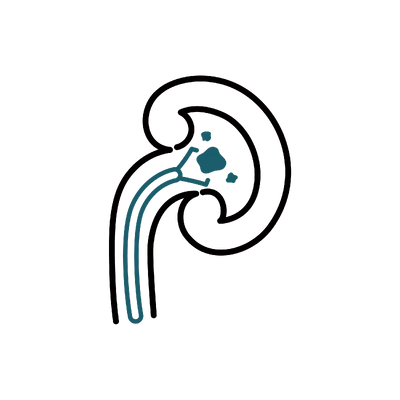
The classic use. Focused shock waves are aimed at a stone sitting in the kidney and break it into fragments small enough to pass. It works best on smaller stones in a favourable part of the kidney, and on softer stone types. Stones in awkward lower positions, or very hard stones, may clear less reliably and sometimes need a different approach.
- Non-invasive, with no cuts and no instruments inside the body1
- Best suited to smaller stones in a favourable kidney position
- Fragments pass naturally over the days that follow
- Why it matters: spares you surgery when the stone is a good candidate
ESWL for Upper Ureteric Stones
Stones that have moved into the upper part of the ureter, the tube between kidney and bladder, can often still be targeted with shock waves. Success here depends on how clearly the stone can be located and how firmly it is lodged. Stones lower down the ureter are usually better reached with a scope, which is covered on the main stone page.
- Targets stones in the upper ureter near the kidney
- Suitability depends on stone position and how firmly it is lodged
- Lower ureteric stones are usually better treated by ureteroscopy
- Why it matters: extends a non-invasive option beyond the kidney itself
Single vs Repeat Sessions
Some stones clear with one session of shock waves; others need a second, and occasionally a third, to fragment fully. This is normal rather than a sign anything went wrong, and harder or larger stones are more likely to need repeating. Your urologist judges from the imaging whether one session is likely to be enough or whether you should plan for more.
A Note on Stents and the Alternatives
In some cases a thin ureteric stent is placed beforehand to keep the ureter open while fragments pass, which can cause mild bladder irritation until it is removed. Where ESWL is not the right fit, ureteroscopy reaches the stone with a fine scope and PCNL is keyhole surgery for large stones. Both are explained in full on the main kidney stone removal page.
- A stent is sometimes used to keep fragments draining
- Ureteroscopy uses a scope; PCNL is keyhole surgery for large stones
- Your urologist decides the best route from your CT scan
- Why it matters: sets ESWL in context against the other routes
How ESWL Works
The treatment sounds dramatic but is undramatic to go through. Below is how the shock waves are generated and aimed, how you are kept comfortable, and what decides whether a stone is likely to break well.
Shock Wave Generation and Targeting
A machine called a lithotripter generates focused shock waves outside the body and concentrates their energy on the stone. The stone is first located precisely using X-ray or ultrasound imaging, and that imaging is used throughout to keep the waves aimed accurately as the stone is gradually broken down. Nothing touches the stone directly; the energy passes harmlessly through the body and focuses only where it is aimed.
- Focused shock waves generated by an external lithotripter
- X-ray or ultrasound locates and tracks the stone throughout
- No instrument touches the stone or enters the body
- Why it matters: accuracy depends on the stone being clearly seen
Sedation or Light Anaesthesia
The shock waves can feel like repeated taps and would be uncomfortable without pain control, so the session is done under sedation or light general anaesthesia. You are relaxed, drowsy, and pain-free throughout, and an anaesthetist monitors you the whole time. The right level of sedation depends on the machine used and your own comfort, and is discussed with you beforehand.
- Sedation or light general anaesthesia keeps the session comfortable
- An anaesthetist monitors you throughout
- No breathing tube is needed for sedation in most cases
- Why it matters: pain control without the depth surgery would need
Session Length and What Happens
A typical session lasts around 45 to 60 minutes. You lie on the treatment table while the shock waves are delivered in a steady rhythm, gradually fracturing the stone into smaller and smaller pieces. Because it is a day case, you go home or back to your hotel the same day once you have recovered from the sedation.
- A typical session runs about 45 to 60 minutes
- Delivered as a day case with no overnight stay
- You recover from sedation before being discharged
- Why it matters: no hospital admission to plan your trip around
Stone Factors and an Experienced Team
Whether a stone breaks well comes down to its size, its position, and what it is made of. Softer stones in a good position fragment readily; hard, dense stones such as some calcium oxalate types resist shock waves and may need another approach. An experienced urologist working with a well-maintained lithotripsy unit is what gives the best chance of clearing a suitable stone in as few sessions as possible.
- Size, position, and composition all affect how well a stone breaks
- Very hard stones may resist shock waves and need another route
- Outcomes depend on an experienced urologist and good equipment
- Why it matters: good case selection is what drives the result
What to Expect After ESWL
Day 1
You recover from the sedation over a few hours and are discharged the same day as a day case. It is normal to see blood in the urine and to feel some cramping as the first fragments begin to move. Drinking plenty of fluids from the outset helps flush the broken pieces through. A simple painkiller covers most of the discomfort.
Days 2–3
Fragments continue to pass, which can come in short waves of cramping similar to mild renal colic, easing once a piece moves through. The blood in the urine settles over these few days. Most people feel well enough to potter about and return to light activity, keeping fluids high throughout.
Days 4–7
Most of the smaller fragments have usually passed by now and the discomfort fades. A follow-up scan checks how much of the stone has cleared. If a stent was placed, it is removed in a brief outpatient visit. If a good deal of stone remains, your urologist discusses whether a second session is worthwhile.
Weeks 1–4
Any last small fragments can take a few weeks to finish passing, usually without you noticing. Where the stone has not cleared fully, a repeat session can be planned. Sending a passed fragment for analysis helps work out why the stone formed and how to lower the chance of another.
When Can You Fly After ESWL?
Most patients can fly home within 2 to 3 days of treatment, once the follow-up scan has been reviewed and any stent removed. Stay well hydrated during the flight and carry your prescribed pain relief, as small fragments can still pass for a week or two afterwards and may cause brief cramping on the journey.
When Can You Return to Work and Exercise?
Because the session uses sedation or light general anaesthesia, do not drive for 24 hours afterwards, so arrange a taxi or hotel transfer for the trip back from hospital rather than driving yourself. Beyond that, most people are back to desk work and light activity within 2 to 3 days, as ESWL leaves no wound to heal. The main thing to manage is the cramping of fragments passing, which can come and go. Vigorous exercise is fine once that has settled, usually within a week, and you can build back up as you feel comfortable.
When Will the Stone Have Cleared?
A follow-up scan a few days after treatment shows how much of the stone has broken up and started to pass. Smaller fragments can take a few weeks to finish clearing completely. If the scan shows a good deal of stone remaining, your urologist will discuss whether a second session or another method is the better next step.
Anaesthesia for ESWL
ESWL is non-invasive, so it does not need the full general anaesthesia that ureteroscopy or PCNL require. Instead it is usually carried out under sedation or light general anaesthesia. You are relaxed, drowsy, and pain-free while the shock waves break up the stone, and an anaesthetist stays with you throughout to monitor you, which is routine at the accredited hospitals we work with.
The reason some form of anaesthesia is used at all is comfort. The shock waves arrive in a steady rhythm and can feel like firm, repeated taps, which would be uncomfortable to lie still through without pain control. The exact depth of sedation depends on the lithotripter being used and on your own preference, and your urologist and anaesthetist agree the right level with you before you start.
Before you are cleared, you have a pre-treatment assessment that includes blood tests, a urine check to rule out active infection, and a review of any medications, particularly blood thinners that may need pausing. Because sedation or light general anaesthesia is used, you are asked to fast beforehand, typically no food for around six hours and no clear fluids for two, and the hospital confirms the exact timing with you. You feel nothing during the session itself. Afterwards the discomfort is the cramping of fragments passing rather than anything from the treatment, and a simple oral painkiller manages it well.
Risks and Safety of ESWL
ESWL is one of the gentlest ways to treat a stone and has a strong safety record, with most after-effects being short-lived and expected rather than true complications. The honest caveats are about how well it clears the stone, not about danger.
- Blood in the urine for a day or two afterwards (common and short-lived)1
- Cramping pain as the broken fragments pass through the ureter
- Bruising or tenderness over the treated area of the skin
- Urinary tract infection, managed with antibiotics if it occurs
- A small collection of blood under the kidney's surface (perinephric subcapsular haematoma), uncommon and checked for before discharge2
- Incomplete fragmentation, where the stone does not break enough and a repeat session or another method is needed
- A build-up of fragments blocking the ureter (a 'stone street'), uncommon but occasionally needing further treatment2
- Stent-related bladder irritation, if a stent was placed, until it is removed
The genuine limitation of ESWL is not danger but reach: shock waves do not break every stone, so a second session or a switch to another method is sometimes needed. Staying well hydrated helps the fragments move through faster and lowers the small chance of a blockage forming while they do.
Is ESWL Safe in Thailand?
Yes, when done at a JCI-accredited hospital by a board-certified urologist. ESWL uses the same focused shock wave technology found in major Western urology centres, and the treatment itself is the same wherever it is performed. The non-invasive nature of ESWL means serious complications are uncommon, and a dedicated care coordinator supports you throughout your stay.
How to Reduce Your Risk
Share your CT imaging in advance so your urologist can judge whether the stone is genuinely suitable for shock waves before you arrive, which avoids travelling for a treatment that may not fit. Have any active urinary infection treated and cleared first, and stay well hydrated before and after the session to help fragments pass smoothly and lower the small chance of a blockage.
When Is a Second Session Needed?
A second session is needed when the first does not break the stone enough for the fragments to pass, which is more likely with harder or larger stones. This is a known feature of shock wave treatment rather than a sign of a problem. Your follow-up scan shows whether it is worth repeating ESWL or switching to ureteroscopy, and your urologist will advise honestly which is more likely to clear the stone.
Planning Your Trip to Thailand for ESWL
ESWL needs only a short stay and leaves no wound to heal, so it slots neatly into a trip. The notes below cover how to plan it around the rest of your time in Thailand.
How Long to Stay in Thailand
Plan for around 3 to 5 days. That covers your consultation and CT review, the session itself as a day case, a couple of days for the first fragments to pass, and a follow-up scan to confirm how the stone has broken up before you fly. If your urologist expects a second session may be needed, allow a little longer or plan a return visit.
What's Included in a Medical Trip
Your care coordinator arranges your CT review, consultation, the lithotripsy session, any stent management, and the follow-up scan. The quote covers the urologist's fee, sedation, the suite, imaging, and aftercare. Flights and accommodation are separate, with nearby hotel recommendations provided, and the recovery is light enough to manage comfortably from a hotel.
Recovering Around Your Trip
With no wound to heal, the recovery sits lightly on a holiday. Many patients build in a few easy days before flying, choosing gentle sightseeing or a quiet hotel base over anything strenuous until the last fragments have settled. A beach stay once the stone has cleared is usually very doable, and your coordinator can suggest places close to the hospital for the first day or two.
Related Procedures
Other procedures that address similar goals or conditions, in case one of them is a closer fit for you.
Planning your treatment in Thailand
Independent guides to help you weigh the decision, before you commit to anything.
Common Questions About ESWL
Everything you need to know before your procedure

Medical References
Keep researching with AI
Open this guide in your AI assistant to dig deeper and ask the questions it didn't answer.
Opens in a new tab with this guide already loaded.
Medical disclaimer: Content on this site is provided for informational purposes and should not be treated as medical advice. Outcomes, timelines, and eligibility differ from person to person. Consult a qualified medical professional before making any decisions about surgery or treatment.
Ready to Get Started?
Speak with our care coordinators for a free, no-obligation consultation and personalised quote.
Speak to Our Team