Cheek Augmentation in Thailand Your guide to cost, top specialists & hospitals
Fuller cheekbones lift the midface and pull the whole face into a shape that feels right.
What Is Cheek Augmentation?
Also known as: Cheek Implants · Malar Augmentation
Cheek augmentation is surgery that adds volume and projection to the midface by placing implants over the cheekbone, transferring your own fat, or combining the two. It reshapes the malar region, the upper cheek, to change how high, full, or defined the cheekbones look. Higher, fuller cheeks usually read as feminine; flatter cheeks along a sharper line below the eye read as masculine. Implants last well, and fat transfer settles to a lasting volume once some of the graft is reabsorbed.
Where the volume goes depends on the look you want. Feminising work builds the front of the cheekbone for a rounder midface; masculinising work adds width and edge further out. Your surgeon plans the cheeks alongside your brow, nose, and jaw so they sit in proportion rather than standing apart.
The aim is a change that looks like it belongs to you, not something added on. Results vary from person to person, and the right method depends on your anatomy, your goals, and how much cover your soft tissue gives, which a consultation works through with you.
It can address a range of concerns, including:
Am I a Good Candidate for Cheek Augmentation?
Suitability hinges on stable soft tissue, a settled weight, and a clear choice between implants and your own fat.
Both implants and fat transfer are sized against your current soft tissue, so surgeons want that baseline settled first.
A stable weight: Transferred fat behaves like body fat, rising and falling with composition changes, so significant planned fluctuations undermine the result.
Settled hormone effects: Midface redistribution from recently started oestrogen or testosterone should stabilise before volume is added on top of it.
Stable facial volume: Surgeons look for soft-tissue volume that has been consistent long enough to plan against.
There is a real trade-off between permanence and natural feel, and good candidates have worked through it before booking.
Implants for projection: Predictable, permanent volume, the better fit for significant and lasting cheekbone change.
Fat for subtlety: A softer, natural-feeling result using your own tissue, accepting that some transferred fat is reabsorbed.
Tissue thickness decides too: Very thin soft-tissue coverage can make implant edges visible or palpable, which steers some patients toward fat, combination approaches, or custom implants.
A 1-2 hour day case under general anaesthesia or local with sedation keeps the demands moderate.
Good general health: No unmanaged conditions and a stable medical picture.
Smoking: Quitting at least three weeks before surgery reduces infection risk around implants.
Dental readiness: Where intraoral incisions are planned, dental health should be good, and a cleaning beforehand helps reduce oral bacteria.
A short stay: Plan 7-10 days in Thailand for a standalone procedure.
Candidates should know how this procedure settles and how it fits the rest of the face.
A settling period: The contour is visible within the first week but reaches its definitive shape by three to six months.
Fat volume adjusts: With fat transfer, expect some reduction over 4-6 weeks as a portion is reabsorbed; the stabilised volume is the permanent result.
Context matters: Cheeks are planned against your forehead, nose, and jaw work so the midface balances the whole plan rather than standing apart from it.
Who is not suitable for cheek augmentation?
- Significant planned weight changes where fat transfer is the chosen method
- Recently started hormone therapy until midface volume stabilises
- Active dental infections where intraoral incisions are planned
- Smokers unwilling to stop at least three weeks before surgery
- Significant uncontrolled heart or lung disease, or otherwise not medically fit for general anaesthesia
- Active local or systemic infection until fully treated, given the permanent implant
- Prior radiotherapy to the midface, which impairs healing and raises the risk of extrusion or infection around a permanent implant
Pricing
How Much Will Cheek Augmentation Cost in Thailand?
What cheek augmentation costs at accredited hospitals in Thailand, and what your final quote depends on.
Get your exact price
Tell us what you're considering and we'll send a personalised quote from accredited hospitals within 24 hours.
Get a Free QuoteTypical prices in Thailand
Typical ranges based on recent hospital quotes. Your exact price depends on the hospital and how complex your case is, and is confirmed at your teleconsultation.
Cheek Augmentation
Volume and projection are added over the cheekbone to reshape the midface, using a shaped implant, your own fat, or both.
| Cheek implants (silicone or Medpor) Day case A shaped implant set over the cheekbone, for lasting midface projection | $2,500 to $3,200 ฿85,000 to ฿108,800 |
| Fat transfer to cheeks Day case Fat taken from your own body and layered into the cheek, for softer, natural volume | $2,800 to $3,600 ฿95,200 to ฿122,400 |
| Combined implants and fat grafting Day case An implant for firm projection with fat layered over, for a smoother contour | $3,500 to $4,500 ฿119,000 to ฿153,000 |
Typically not included
- A second-stage or revision operation, a fat-transfer touch-up if graft reabsorbs more than planned, or repositioning or removing an implant, with its own fees
- Treatment of a complication, such as an infection around an implant
- Pre-operative assessment and blood tests before surgery is agreed
- Additional facial procedures, each quoted separately when cheek augmentation is part of a wider facial plan
Get your exact price
Tell us what you're considering and we'll send a personalised quote from accredited hospitals within 24 hours.
Hospitals Trusted for Cheek Augmentation
From internationally accredited flagships to dedicated specialist hospitals, these are the kinds of facilities where international patients have this procedure.
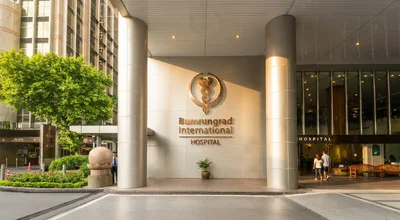
Bumrungrad International Hospital
Full-service hospital with over 1,200 physicians treating 520,000+ international patients a year.
View hospital profile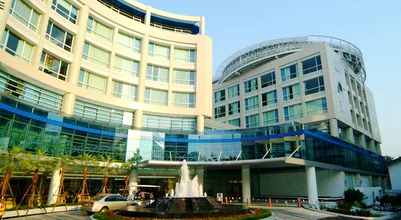
Bangkok Hospital
BDMS flagship hospital campus with standalone heart, cancer, and neuro-orthopaedic hospitals.
View hospital profile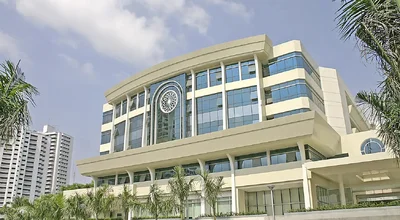
Samitivej Sukhumvit Hospital
Full-service hospital known for paediatrics, home to Thailand's first private children's hospital.
View hospital profile
Tell Us What You Need. We Do the Rest.
Share what you're considering and we'll come back with surgeon options, pricing, and a clear plan.
- Real hospital pricing with zero markup
- Matched with a specialist experienced in your specific procedure
- Full coordination from consultation to recovery


Trusted by patients worldwide
The complete guide to Cheek Augmentation in Thailand
Everything below is for readers who want the full detail: costs broken down, types and techniques, recovery, risks and safety, and planning your trip.
Cheek Augmentation Surgeons & Clinics in Thailand
Cheek augmentation is relatively straightforward, but implant sizing and placement require good aesthetic judgment, particularly when the goal is gender-affirming. Here is what to look for.
Leading Hospitals and Clinics
Our partner surgeons perform cheek augmentation at both specialist clinics and JCI-accredited hospitals. Standalone cases can be done as day procedures at a clinic. When combined with FFS, the procedure takes place at a full hospital with overnight capacity and craniofacial support infrastructure.
Experienced Cheek Augmentation Surgeons
Our partner surgeons have specific experience in gender-affirming malar augmentation. They understand the different projection vectors for feminization (anterior and medial) versus masculinization (lateral and inferior along the zygomatic arch) and select implant shapes accordingly. Several have trained internationally and bring that perspective to their Bangkok-based practice.
What to Look for in a Surgeon
Ask about their experience with gender-affirming cheek augmentation specifically, standard cosmetic cheek implants may not achieve the same goals. Review before-and-after photos of patients with similar anatomy and transition direction. Confirm they assess cheek augmentation in the context of your overall facial plan rather than treating it as an isolated procedure.
Understanding Your Results
Cheek augmentation results are permanent (implants) or long-lasting (fat transfer). Here is what to expect.
Typical Results
Feminizing cheek augmentation produces fuller, higher-projecting cheekbones that create a rounder, softer midface. The heart-shaped face contour becomes more pronounced. Masculinizing augmentation adds lateral definition and sharpness along the zygomatic arch. In both cases, the change integrates with the rest of the face, particularly noticeable when combined with jaw and forehead work.
What Results Can You Expect?
The enhanced cheek contour is visible within the first week. If fat transfer was used, the initial volume reduces slightly as some fat is reabsorbed, the stabilised volume is your permanent result. Implants do not change once placed. By month three, the result is fully settled and requires no maintenance.
Cheek Augmentation Cost in Thailand
Average Cost of Cheek Augmentation
Cheek augmentation in Thailand typically costs between $2,500 and $4,500, depending on whether standard implants, fat transfer, or custom 3D-printed implants are used. Standard implant cases sit at the lower end. Custom implants and combination approaches cost more due to additional design, imaging, and fabrication.
Cost Breakdown
The total includes surgeon fees, anaesthesia, clinic or hospital fees, implant cost (if applicable), post-operative medications, and follow-up appointments. Fat transfer involves additional time and donor-site processing. Custom 3D-printed implants include CT imaging, digital design, and manufacturing.
What Affects the Price?
The augmentation method is the main factor. Standard off-the-shelf implants are the least expensive. Fat transfer adds liposuction time and processing. Custom implants involve CT scanning, digital design, and manufacturing, all of which add to the total. Whether the procedure is standalone or part of an FFS package also affects where the cost falls.
Thailand vs International Price Comparison
Cheek augmentation in Thailand costs 40–60% less than equivalent procedures in the US ($7,500–$13,800), Australia (A$7,000–A$12,500), and UK (£6,300–£11,300). The price difference reflects Thailand's lower operating costs. Implant materials, surgical technique, and aftercare standards are equivalent to leading international practices.
Non-Surgical Alternatives to Cheek Augmentation
If your goal is a fuller, higher midface, dermal filler is the non-surgical route many people try first. Hyaluronic acid filler placed over the cheekbone adds volume and lift in a short appointment with no surgery and little downtime, and it is genuinely useful for softening flat cheeks or trialling a rounder midface before committing to anything permanent. For some people on oestrogen, the natural softening and fat redistribution from hormone therapy also reshapes the midface over time, which is one reason surgeons often prefer those effects to settle before planning surgery.
The limits are worth being clear about. Filler is temporary, fading over roughly twelve to eighteen months, so the look has to be topped up and paid for again to maintain it, and repeated large-volume filler in the midface carries its own risks and can distort the tissue over years. It can build volume, but it cannot match the precise, sculpted projection along the cheekbone that an implant gives, and it does not reshape the underlying bone structure that drives how masculine or feminine the midface reads.
For a lasting, structurally defined result, where the cheekbone projection sits exactly where it needs to for a feminising or masculinising goal and stays there without maintenance, surgical cheek augmentation is the route, whether by implant, fat transfer, or both, and that is what the rest of this page covers.
Types of Cheek Augmentation
The method of augmentation depends on how much change is needed, whether you are seeking feminization or masculinization, and your preference regarding implant versus natural tissue.
Implant-Based Augmentation
Solid silicone or porous polyethylene (Medpor) implants are placed over the malar bone through concealed incisions. They provide predictable, permanent volume and come in a range of shapes for feminization or masculinization. Custom 3D-printed implants are available for complex or asymmetric cases.
- Predictable, symmetrical augmentation with precise sizing
- Permanent, implants do not resorb or diminish over time
- Range of shapes available for feminizing or masculinizing goals
- Best for: patients wanting significant, lasting cheekbone projection
Fat Transfer Augmentation
Fat is harvested from the body via liposuction, processed, and injected into the malar region. Creates soft, natural-feeling volume and improves skin quality. Some transferred fat is reabsorbed, so the final volume is slightly less than what is injected initially.3
- Uses your own tissue, no foreign material involved
- Natural feel and movement with facial expressions
- Skin quality improvement from the regenerative properties of fat cells
- Best for: patients wanting moderate, natural enhancement or who prefer avoiding implants
Custom 3D-Printed Implants
Designed from your own 3D CT scan data for an exact anatomical fit. Manufactured in biocompatible material to match the specific contours of your cheekbone. Particularly valuable for correcting asymmetry or achieving complex augmentation goals that standard implants cannot address.
- Designed from your own imaging for precise anatomical fit
- Ideal for correcting asymmetry or achieving non-standard contour goals
- Permanent and biocompatible
- Best for: complex cases, asymmetry correction, or highly specific augmentation goals
Cheek Augmentation Techniques
The technique is chosen based on the degree of enhancement, your anatomy, and whether implants, fat, or both are the best fit. Here are the main approaches.
Intraoral Implant Placement
Cheek implants are placed through incisions inside the mouth, between the upper lip and gum. The implant is positioned over the malar bone and secured with a screw or suture to prevent migration. No external scars. This is the most common approach for standard implant-based augmentation.
- Concealed incisions inside the mouth, no external scarring
- Implant secured to bone for stable, permanent positioning
- Direct access to the malar surface for precise placement
- Best for: standard malar augmentation with symmetrical implants
Microdroplet Fat Injection
Purified fat is injected in small droplets throughout the malar region, layered carefully to build volume evenly. The microdroplet technique maximises fat cell survival by ensuring each graft has adequate blood supply contact. Multiple layers create a smooth, natural contour.
- Small droplet placement maximises fat cell survival rate
- Layered injection creates smooth, even volume distribution
- No foreign material, uses your own tissue
- Best for: moderate augmentation where a natural feel is the priority
Lower Eyelid Approach (for Infraorbital Augmentation)
When augmentation needs to extend onto the infraorbital rim, the bone below the eye, implants can be placed through a lower eyelid incision. This approach is useful for patients with under-eye hollowing in addition to flat cheekbones, as it allows the surgeon to address both areas.
- Addresses both cheekbone and under-eye hollowing through one approach
- Incision sits just below the lash line and heals to near-invisibility
- Allows positioning of implants that extend beyond the standard malar area
- Best for: patients with both cheekbone flatness and infraorbital hollowing
Combined Implant and Fat Grafting
Some cases are best served by using both methods together. An implant provides the firm, defined projection along the cheekbone, while fat is layered over and around it to soften edges, smooth transitions, and refine the surrounding contour. This hybrid approach borrows the strength of each, the structure of an implant and the natural feel of your own tissue, and is particularly useful where thin soft tissue might otherwise let an implant edge show.
- Implant gives precise, lasting cheekbone projection
- Layered fat softens edges and blends the contour naturally
- Useful where thin soft tissue would otherwise reveal an implant edge
- Best for: patients wanting both defined projection and a soft, natural finish
Cheek Augmentation Recovery Timeline
Days 1–3
Swelling and tightness in the midface are most pronounced during the first three days. Puffiness may extend to the lower eyelids and upper lip. Bruising is usually mild. Discomfort is managed with prescribed medication. Soft diet recommended if intraoral incisions were used. Your coordinator checks in daily.
Days 4–7
Swelling subsides and the initial cheek enhancement becomes visible. If fat transfer was performed, some volume will diminish over the first few weeks as grafted fat undergoes partial resorption. Intraoral sutures dissolve on their own. Light social activities can resume.
Weeks 2–4
Most visible swelling has resolved and the augmented contour is clearly apparent. Light exercise such as walking and gentle cardio resumes from around 10 days, but hold heavier gym sessions, weights and high-impact cardio until 6 weeks. Avoid any blow to the face and sleeping face-down. Residual firmness around implants is part of the settling process.
Months 2–6
The cheek contour reaches its definitive shape as residual swelling resolves and any transferred fat stabilises. Implants feel increasingly natural as tissue adapts. By three to six months the result is fully settled and permanent.
When Can You Fly After Cheek Augmentation?
Most patients can fly 7–10 days after standalone cheek augmentation, once healing is confirmed at a follow-up appointment. If combined with other FFS procedures, the departure timeline follows the broader recovery plan. Residual swelling during the flight is normal and settles quickly.
When Can You Return to Work and Exercise?
Desk work can resume within a week.1 Light exercise after 10 days. Avoid activities with risk of facial impact for at least 6 weeks. Sleep on your back for the first 2–3 weeks to protect implant positioning. Intraoral sutures dissolve, no removal appointment needed.
When Will You See Final Results?
The enhanced cheek contour is visible within the first week as initial swelling subsides. If fat transfer was used, expect some volume reduction over 4–6 weeks as a portion of the transferred fat is naturally reabsorbed. By month 3–6, the result is fully settled. Implant results are permanent from the point of placement.
Anaesthesia for Cheek Augmentation
Cheek augmentation can be performed under general anaesthesia, where you are fully asleep, or under local anaesthetic with sedation, where you are relaxed and pain-free but not fully under. When the procedure is standalone and uses intraoral implants or fat transfer, local with sedation is often enough. When it is part of a wider facial feminization or masculinization plan, general anaesthesia is usually chosen so everything is done comfortably in one sitting.
Your surgeon and anaesthetist decide together which is safest, based on how much work is planned, whether other procedures are happening at the same time, and your medical history. Whichever route is used, a qualified anaesthetist stays with you and monitors you throughout, which is standard at the accredited hospitals and clinics we work with.
Before you are cleared for anaesthesia you have a pre-operative assessment, including blood tests and a review of any medications, supplements, or hormone therapy you take. You feel nothing during the procedure itself. Afterwards, the most common sensation is tightness and soreness across the midface, a little like the feeling after dental work, especially where intraoral incisions are used. It is mild to moderate, eases within a few days, and is well controlled with the medication your surgeon prescribes.
Risks and Safety of Cheek Augmentation
Cheek augmentation has a favourable safety profile. The specific risks depend on whether implants or fat transfer are used and which incision approach is selected.
- Swelling and bruising in the midface (expected and temporary)
- Temporary numbness or tingling of the cheek, usually resolving as swelling settles1,2
- Infraorbital nerve injury causing numbness of the cheek, upper lip and gum, usually temporary but occasionally prolonged or permanent (the nerve runs through the malar area and near the lower-eyelid approach)
- Trismus, temporary jaw stiffness or limited mouth opening from swelling around intraoral incisions, easing over the first weeks
- Implant malposition or asymmetry requiring adjustment1,2
A detailed assessment of your malar anatomy, soft-tissue thickness, and facial proportions is completed before recommending an augmentation approach. Every risk specific to the technique selected for your plan is discussed, and you have the opportunity to ask questions before confirming.
Is Cheek Augmentation Safe in Thailand?
Yes. Cheek augmentation is a well-established procedure with a low complication rate. At JCI-accredited hospitals with experienced surgeons, the safety profile is comparable to international centres. The implant materials used, medical-grade silicone and porous polyethylene, have decades of clinical track record.
How to Reduce Risks
Choose a surgeon with specific malar augmentation experience. If you are having intraoral incisions, ensure your dental health is good and consider a cleaning beforehand to reduce oral bacteria. Stop smoking before surgery to reduce infection risk around implants. Follow all instructions about sleeping position and diet during recovery to protect implant positioning.
Will Implants Need Replacing?
Cheek implants are designed to be permanent and do not need scheduled replacement1. Both silicone and Medpor implants last indefinitely. In the rare event of a complication such as malposition, they can be adjusted or removed. Fat transfer may require a touch-up session if more of the transferred fat is reabsorbed than expected.
Planning Your Trip to Thailand for Cheek Augmentation
Standalone cheek augmentation is one of the shorter recovery procedures. Here is how to plan the trip.
How Long to Stay in Thailand
Plan for 7–10 days for standalone cheek augmentation. This covers consultation (day 1), surgery (day 2), a few days of recovery, and a follow-up appointment before departure. If combined with FFS, the stay extends to 14–21 days to match the broader recovery timeline.
What's Included in a Medical Trip
Your coordinator handles scheduling, transfers, and follow-up appointments. The surgical quote covers surgeon fees, anaesthesia, facility fees, implants or fat processing, medications, and aftercare. Flights and accommodation are arranged separately, but your coordinator can recommend nearby options.
Standalone vs Combined Trip
Standalone cheek augmentation has a quick recovery, you can be out exploring Bangkok within a few days. If it is part of an FFS plan, it adds almost nothing to the overall recovery timeline. In either case, your coordinator builds the trip schedule around your specific procedure combination.
Related Procedures
Other procedures that address similar goals or conditions, in case one of them is a closer fit for you.
Planning your treatment in Thailand
Independent guides to help you weigh the decision, before you commit to anything.
Common Questions About Cheek Augmentation
Everything you need to know before your procedure

Medical References
Keep researching with AI
Open this guide in your AI assistant to dig deeper and ask the questions it didn't answer.
Opens in a new tab with this guide already loaded.
Medical disclaimer: Content on this site is provided for informational purposes and should not be treated as medical advice. Outcomes, timelines, and eligibility differ from person to person. Consult a qualified medical professional before making any decisions about surgery or treatment.
Ready to Get Started?
Speak with our care coordinators for a free, no-obligation consultation and personalised quote.
Get a Free Quote




What patients say
In their own words, from people we've helped plan treatment in Thailand.
“I was on an NHS waiting list for 18 months. With you I had my hip done five weeks after my first email, and I was playing golf again by spring.”
“My daughter came out with me and Bea got her a room right next to mine. Having her close by helped a lot in the first few days after surgery.”
“...Nick spent a long time on the phone going through the three hospitals with me, the surgeons, the costs, how long I’d need to stay. I felt like he actually listened.”
“Our coordinator met us at the hospital on the first day and translated anything we didn’t understand. We never felt lost, and every appointment was booked before we even arrived.”
“Very thorough health check, and the doctor went through all my results with me the same afternoon. It was all done in one day. Will be booking again next year.”
“...sent all my documents to my GP at home without me even asking. Little things like that mean a lot when you’re dealing with a hospital in another country.”
“My wife and I felt supported from the first phone call right up to my last follow-up. Having someone to ask whenever we had a question took a lot of pressure off.”
“Quick, simple and well organised. The hospital was excellent, I was in and out the same morning, and Mint had a driver waiting to take me back to my hotel...”


