Meniscus Repair in Thailand Your guide to cost, top specialists & hospitals
Preserving the meniscus protects the knee for decades. Trimming it away is easy. Repairing it is worth more.
What Is Meniscus Repair?
Also known as: Knee Cartilage Surgery · Arthroscopic Meniscus Surgery
Meniscus repair is keyhole surgery that fixes a torn meniscus, the C-shaped cartilage that cushions the knee, by stitching the torn edges back together so they can heal. The surgeon works through small portals with an arthroscope, a thin camera in the joint, and reattaches the tear using sutures or small anchors. Preserving the full meniscus keeps protecting the cartilage and lowers the risk of arthritis later. Most repairs take 1 to 2 hours under general anaesthesia, as a day case or one overnight stay.
Not every tear needs surgery, and you may be wondering whether yours can be fixed or only trimmed. A tear in the outer rim, where there is good blood supply, usually heals well after stitching. A deeper tear, with little blood flow, often does better trimmed away.
The honest part is that the final call is made in theatre, once the camera shows the tear directly, so you consent to either outcome in advance. Both reliably settle the locking, catching, and giving way, though a repair asks more of you in the protected weeks that follow.
It can address a range of concerns, including:
Am I a Good Candidate for Meniscus Repair?
Suitability turns on where the tear sits, what the rest of the knee looks like, and the symptoms it causes.
The meniscus heals only where it has blood supply, which makes location the deciding factor.
Red zone tears repair well: Tears in the outer vascular zone have the best healing potential and suit suturing, especially in younger, active patients.
White zone tears are trimmed: The inner avascular zone rarely heals even if repaired, so damaged tissue there is usually removed instead.
The final call is made in theatre: Your surgeon decides between repair and trimming during the arthroscopy itself, based on what they see directly.
Surgeons assess the whole knee, not just the tear, before recommending surgery.
Mechanical symptoms matter most: Locking, catching, or giving way alongside an MRI-confirmed tear is the clearest indication for arthroscopy.
Cartilage state: Significant existing cartilage damage on MRI limits what meniscus surgery can achieve, and that is discussed honestly upfront.
Degenerative tears: In older patients with gradual wear-related tears, structured physiotherapy often matches surgical outcomes, so surgery is not the default.
The procedure itself is light, but a repair places real demands on the weeks that follow.
Fit for anaesthesia: A day-case or overnight procedure under general anaesthesia, with standard pre-operative checks.
Protected weight-bearing: A sutured repair needs four to six weeks of restricted weight-bearing on crutches, and you must be able to live and work around that.
Non-smoking helps: Smoking impairs the tissue healing a repair depends on, so surgeons ask you to stop.
You consent to a range of outcomes, because the operation adapts to what the camera finds.
Repair or trim: You may hope for a repair and wake up with a partial meniscectomy if the tissue cannot hold sutures. Both relieve mechanical symptoms reliably.
Different recoveries: Trimming means full activity by around six weeks; repair means up to four to six months before contact sport, guided by functional testing.
Long-term thinking: A preserved meniscus protects the cartilage for decades, which is why surgeons accept the longer rehab whenever the tear allows it.
Who is not suitable for meniscus repair?
- Knee symptoms without MRI confirmation of a meniscal tear
- Degenerative tears in older knees responding well to physiotherapy
- Significant established cartilage damage, until the realistic benefit is discussed
- Unable to manage four to six weeks of protected weight-bearing after a repair
- Smokers unwilling to stop, given slower tissue healing
Pricing
How Much Will Meniscus Repair Cost in Thailand?
What meniscus repair costs at accredited hospitals in Thailand, and what your final quote depends on.
Get your exact price
Tell us what you're considering and we'll send a personalised quote from accredited hospitals within 24 hours.
Get my free quoteTypical prices in Thailand
Typical ranges based on recent hospital quotes. Your exact price depends on the hospital and how complex your case is, and is confirmed at your teleconsultation.
Meniscus Repair
Keyhole surgery that stitches the torn edges of the knee's C-shaped meniscus cartilage back together through small portals, so the tear can heal and the cushioning is preserved.
| Arthroscopic knee surgery with meniscus repair, one knee, implants not included 1 night The tear is sutured under the camera, and the anchoring devices are quoted to you separately | $8,400 ฿286,000 |
Typically not included
- The suture anchors and other implantable devices used to hold the repair, quoted separately once the surgeon knows how many the tear needs
- Intensive care, or hospital nights beyond the one in the package
- Physiotherapy after you leave the ward. The package covers a pre-operative rehabilitation assessment, not a course of post-operative rehab
- Laboratory tests and imaging, including the MRI your surgeon works from
- Pre-operative medical clearance and fitness assessment
Get your exact price
Tell us what you're considering and we'll send a personalised quote from accredited hospitals within 24 hours.
Hospitals Trusted for Meniscus Repair
From internationally accredited flagships to dedicated specialist hospitals, these are the kinds of facilities where international patients have this procedure.

Vejthani Hospital
Orthopaedic-focused tertiary hospital with a high-volume joint replacement and spine programme.
View hospital profile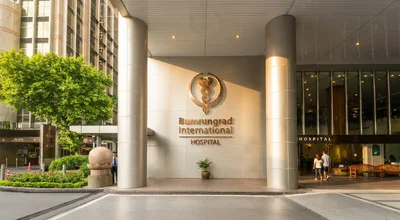
Bumrungrad International Hospital
Tertiary hospital with over 1,200 physicians treating 520,000+ international patients a year.
View hospital profile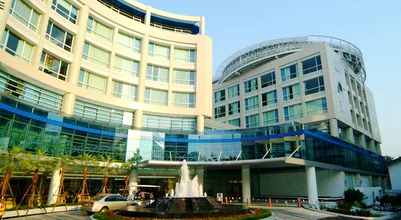
Bangkok Hospital
BDMS flagship tertiary campus with standalone heart, cancer, and neuro-orthopaedic hospitals.
View hospital profile
Tell Us What You Need. We Do the Rest.
Share what you're considering and we'll come back with surgeon options, pricing, and a clear plan.
- Real hospital pricing with zero markup
- Matched with a specialist experienced in your specific procedure
- Full coordination from consultation to recovery


Trusted by patients worldwide
The complete guide to Meniscus Repair in Thailand
Everything below is for readers who want the full detail: costs broken down, types and techniques, recovery, risks and safety, and planning your trip.
Meniscus Surgeons & Hospitals in Thailand
Meniscal preservation requires arthroscopic skill and sound judgment about when to repair versus trim. Here is what our partner centres offer.
Leading Sports Medicine Centres
Our partner hospitals operate dedicated arthroscopic suites with HD camera systems, meniscal suture devices from leading manufacturers, and in-house physiotherapy units. They perform meniscal surgery at high volume with the frequency that produces reliable suture placement and consistent tissue-handling decisions.
Experienced Arthroscopic Surgeons
Our partner surgeons hold fellowship training in sports medicine and arthroscopic surgery with significant meniscal repair experience. They prioritise preservation over removal when the tear location permits it; a philosophy that matters for your knee's long-term health.
What to Look for in a Knee Surgeon
Ask about the surgeon's repair-to-meniscectomy ratio. A surgeon who repairs a reasonable proportion of meniscal tears (not just trims every one) is more likely to preserve your meniscus when the opportunity exists. Check that they perform all repair techniques, inside-out and all-inside. Ask how they decide between repair and trimming during arthroscopy.
Understanding Your Results
Meniscus surgery relieves mechanical symptoms and protects the joint. Here is what to expect.
Typical Meniscus Surgery Outcomes
Over 90% of patients report significant symptom improvement after both meniscectomy and meniscal repair. Locking, catching, and mechanical symptoms resolve in the vast majority of cases. Swelling decreases and knee confidence improves. Long-term outcomes are better with repair than meniscectomy because the preserved meniscus continues to protect the articular cartilage.
What Results Can You Expect?
Meniscectomy patients recover fastest; most return to full activity by six weeks with near-immediate symptom relief. Repair patients take longer but gain the long-term advantage of a preserved meniscus. Both groups report high satisfaction rates. The knee that was catching, swelling, and giving way returns to reliable, predictable function.
Meniscus Surgery Cost in Thailand
Average Cost of Meniscus Surgery
Our partner hospital holds a fixed fly-in package of ฿286,000, roughly $8,400, for an arthroscopy of the knee with the meniscus repaired, covering one night in hospital. The figure holds until 31 December 2026. It excludes the suture anchors used to hold the tear closed, which are quoted once the surgeon knows how many the pattern of your tear will take. There is no separate package rate for a partial meniscectomy or for a meniscus transplant, so treat the repair figure as the settled one and ask us to obtain the others in writing. This figure comes from a single hospital rather than a national Thai price.
What Affects the Price?
The anchors are the part that moves, because they sit outside the package and the number used depends on the length and pattern of the tear, which the surgeon only sees once the camera is in. Ask for a per-device price and a likely count rather than a single bundled figure. Treating a second problem in the same knee, a cartilage lesion or a ligament, changes the operation and therefore the package it falls under. Length of stay is fixed at one night, so an extra night is billed rather than absorbed. Trimming a meniscus is a smaller operation than stitching one and uses no anchors, so it should cost less, but the hospital carries no set figure for it.
Thailand vs International Price Comparison
The ฿286,000 package, about $8,400, sits close to the bottom of the US private range of $9,000 to $18,000 and inside the UK range of £6,600 to £13,500. That is a real saving against the middle and top of those markets, but it is not the wide gap you see on joint replacement, because keyhole surgery is short, uses little hospital time and leaves less room for the difference to open up. If you have been quoted at the lower end at home, compare carefully rather than assuming Thailand wins on price alone.
Non-Surgical Alternatives to Meniscus Surgery
Not every torn meniscus needs an operation. A structured course of physiotherapy, often alongside anti-inflammatory medication and activity changes, is the recognised first step for many tears, particularly degenerative ones in older knees. Building up the quadriceps and hamstrings stabilises the joint and lets the symptoms settle, and for degenerative tears the research consistently shows physiotherapy can match arthroscopy on pain and function. A cortisone or hyaluronic acid injection can also calm a flare-up enough to make rehabilitation possible.
What conservative treatment cannot do is reattach or remove the torn tissue. A tear in the inner avascular zone has too little blood supply to heal on its own, and where the knee is genuinely locking, catching, or giving way, exercise alone will not clear a mechanical block. Injections relieve symptoms rather than fixing the structure, their effect is temporary, and repeated steroid use is not advised. If a sensible trial of physiotherapy has not helped, that is usually the signal that the tear itself needs addressing.
Arthroscopic surgery becomes the right route when an MRI-confirmed tear keeps causing mechanical symptoms despite conservative care, or when the tear sits in the outer vascular zone of a younger, active knee where a repair can preserve the meniscus for the long term. Where surgery is indicated, the keyhole procedures described below settle the locking and instability that physiotherapy could not, and a repair protects the cartilage in a way trimming or rehabilitation cannot.
Types of Meniscus Surgery
The procedure performed depends on where the tear is, what pattern it follows, and how much viable tissue remains. Your surgeon makes the final decision during arthroscopy based on what they see directly.
Meniscus Repair (Suture)
The torn edges are stitched together using sutures or anchoring devices passed through the arthroscope. This preserves the full meniscus volume, maintaining its shock-absorbing and stabilising function. Repair requires a period of protected weight-bearing to allow healing.
- Preserves the entire meniscus for long-term joint protection
- Sutures reattach torn tissue at its natural position
- Requires protected weight-bearing for four to six weeks
- Best for: tears in the vascular outer zone in younger, active patients
Partial Meniscectomy (Trimming)
The damaged or unstable portion of the meniscus is trimmed away with motorised instruments, leaving healthy tissue intact. This is the most commonly performed meniscal procedure and allows faster recovery than repair, with immediate weight-bearing.
- Fastest recovery; weight-bearing usually same day
- Removes only the damaged tissue, retaining maximum cushioning
- Lower re-tear risk since no repair needs to heal
- Best for: complex or degenerative tears in the avascular zone that cannot be repaired
Meniscus Transplant (Allograft)
A donor meniscus is shaped and secured arthroscopically into the knee when the meniscus has been previously removed and the patient has developed symptoms or early cartilage damage. This procedure restores the cushioning function that meniscectomy took away.
- Restores shock absorption after previous total meniscectomy
- Donor tissue matched to patient's knee dimensions
- Suitable for younger patients with intact articular surfaces
- Best for: symptomatic post-meniscectomy patients under 50 with no significant arthritis
Meniscus Surgery Techniques
The instruments and suturing methods used during arthroscopic meniscal surgery continue to evolve. Here is what our partner surgeons use.
Inside-Out Suture Repair
Long suture needles are passed from inside the joint through the meniscal tear and out through the joint capsule, where the sutures are tied over the capsule externally. This is the gold-standard repair technique for posterior horn tears, producing strong, vertically oriented sutures.
- Strongest repair construct with vertically oriented mattress sutures
- Excellent for posterior horn tears of both medial and lateral meniscus
- Requires a small accessory incision for external suture tying
- Best for: peripheral posterior horn tears in the vascular zone
All-Inside Suture Repair
Self-deploying suture devices are inserted entirely through arthroscopic portals, eliminating the need for an accessory incision. Implants anchor behind the capsule and compress the tear edges together. Faster to perform and suitable for most repairable tear configurations.
- Entirely arthroscopic; no accessory incision needed
- Rapid deployment with modern self-anchoring devices
- Suitable for most tear locations and patterns
- Best for: body and posterior horn tears accessible through standard portals
Trephination and Biologic Enhancement
For tears in the border zone between vascular and avascular regions, trephination (creating small channels from the vascular periphery into the tear site) promotes blood supply to the repair zone. Fibrin clot or platelet-rich plasma may be added to enhance healing in tissue with marginal vascularity.
- Channels vascular supply from the periphery to the tear site
- Enhances healing potential of tears in the border zone
- May be combined with PRP or fibrin clot for additional biologic stimulus
- Best for: tears in the red-white zone where healing potential is borderline
Outside-In Suture Repair
Sutures are passed from outside the joint, through a small needle inserted across the capsule and the tear, then retrieved and tied inside before being secured over the capsule. This approach reaches the front of the meniscus that the inside-out and all-inside techniques struggle to access, which is why it is the preferred method for anterior horn and anterior body tears.
- Sutures placed from outside in, avoiding the neurovascular structures at the front of the knee
- The technique of choice for anterior horn and anterior body tears
- Uses a small skin puncture rather than a full accessory incision
- Best for: anterior tears that the inside-out and all-inside methods cannot reach cleanly
Meniscus Repair Recovery Timeline
Day 1
Rest with knee elevated and iced. Compression bandage and brace applied. Pain managed with oral medication. Most patients mobilise on crutches and are discharged same day or next morning. Weight-bearing depends on whether repair or trimming was performed.
Weeks 1–2
Gentle range-of-motion exercises under physiotherapy guidance. Immediate weight-bearing for meniscectomy; restricted for repair. Wound checks confirm healing. Swelling managed with ice, compression, and elevation.
Weeks 3–6
Strengthening exercises for quadriceps and hamstrings progress. Crutches reduced as stability improves. Meniscectomy patients often resume light activities. Repair patients continue protected loading and controlled rehabilitation.
Weeks 6–12
Advanced rehabilitation: proprioception, balance, sport-specific drills. Most meniscectomy patients are fully active by six weeks. Repair patients begin sport-specific training around three months1, with full contact sport cleared at four to six months once functional testing confirms strength, stability, and movement quality.
When Can You Fly After Meniscus Surgery?
Most patients are cleared to fly within 7–10 days once wound healing is confirmed. Meniscectomy patients typically fly earlier than repair patients. Request an aisle seat, do regular ankle exercises, and stay hydrated. Your surgeon provides clearance at your follow-up appointment.
How Quickly Can You Walk?
After partial meniscectomy, most patients walk with full weight-bearing immediately using crutches for comfort.1 After meniscal repair, weight-bearing is restricted to toe-touch for four to six weeks to protect the sutures during healing. Your physiotherapist guides the transition from crutches to unaided walking based on your specific procedure.
Repair vs Removal: Long-Term Implications
Preserving the meniscus through repair protects the articular cartilage from accelerated wear.1,2 Studies show that patients who undergo meniscectomy have higher rates of knee arthritis in later life compared to those whose meniscus was repaired. This is why surgeons increasingly favour repair over trimming when the tear location and pattern allow it, even though repair requires a longer recovery.
Anaesthesia for Meniscus Surgery
Arthroscopic meniscus surgery in Thailand is performed under general anaesthesia, so you are fully asleep and feel nothing while the surgeon works inside the knee. A consultant anaesthetist stays with you throughout the operation and monitors you continuously, which is standard at the accredited hospitals we work with. Because this is keyhole surgery through small portals rather than an open procedure, the anaesthetic time is short, usually only a little longer than the one to two hours of surgery itself.
In some cases a spinal or regional anaesthetic can be used instead, numbing you from the waist down while you stay awake or lightly sedated, often combined with a nerve block that keeps the knee comfortable for the first hours afterwards. Your surgeon and anaesthetist decide what is safest based on your medical history and whether anything else is being treated at the same time, and they talk you through the options before the day.
Before you are cleared you have a pre-operative assessment, including blood tests and a review of any medication you take. You feel nothing during the procedure, and discomfort afterwards is usually mild to moderate knee swelling and soreness rather than sharp pain, well controlled with oral pain relief, ice, and elevation. Most patients are up on crutches the same day.
Risks and Safety of Meniscus Surgery
Arthroscopic meniscus surgery is a low-risk procedure with an excellent safety record. Complications are rare in experienced hands.
- Infection at portal sites (rare)
- Re-tear of repaired meniscus (more likely with border-zone tears and if rehabilitation is rushed)
- Knee stiffness (prevented with early range-of-motion exercises)
- Blood clots (uncommon in young, mobile patients)
- Nerve or vessel injury (rare), where repair near the inner or front of the knee can irritate a sensory nerve, usually causing a patch of numbness rather than weakness
- Persistent symptoms if underlying cartilage damage is present
The main clinical risk is re-tear after meniscal repair. Outer-zone (red-zone) repairs, where the blood supply is best, have the highest healing rates. Border-zone repairs have lower but still acceptable healing rates. Following weight-bearing restrictions and the rehabilitation protocol is the most important factor in protecting the repair during the healing period.
Is Meniscus Surgery Safe in Thailand?
Yes. Arthroscopic knee surgery is one of the safest and most commonly performed orthopaedic procedures worldwide. JCI-accredited hospitals in Thailand use the same arthroscopic equipment and suture devices as international centres. Complication rates are consistently low.
How to Optimise Healing After Repair
Follow weight-bearing restrictions strictly for the first four to six weeks. Do not rush crutch weaning. Complete the full rehabilitation protocol. Quadriceps strength and range of motion are critical for protecting the repaired tissue. Stop smoking, as it impairs tissue healing. Avoid deep squatting and twisting activities until your surgeon clears you.
When Can You Return to Sport?
After meniscectomy, light activity resumes within three to four weeks, with full sport by six weeks.1 After meniscal repair, sport-specific training begins at three months and full contact sport is typically cleared at four to six months. Clearance is based on functional testing (strength, stability, and movement quality), not calendar time alone.
Planning Your Trip to Thailand for Meniscus Surgery
Most patients need 7–10 days in Thailand. Meniscus surgery is a day-case or overnight procedure with rapid recovery.
How Long to Stay in Thailand
Plan for 7–10 days. Day one covers consultation and MRI review. Surgery on day two, with the package covering one night in hospital. The remaining days cover your wound check and a follow-up appointment confirming your rehabilitation plan before you fly, plus any physiotherapy sessions you book, which are charged separately.
What's Included in a Medical Trip
Your care coordinator manages scheduling and logistics. The package quote covers the surgeon, anaesthesia, operating theatre, the night in hospital, nursing and ward medication. Suture anchors are quoted separately, your MRI and pre-operative clearance sit outside the package, and while a pre-operative rehabilitation assessment is included, a course of physiotherapy after surgery is not, so budget for it in Thailand and plan the rest for home. Flights and accommodation are separate.
Recovery After Returning Home
After meniscectomy, most rehabilitation is self-directed with simple exercises. After repair, four to six weeks of protected weight-bearing followed by progressive physiotherapy is essential. We provide a detailed protocol for your home physiotherapist. Remote follow-up with your surgeon is available.
Related Procedures
Other procedures that address similar goals or conditions, in case one of them is a closer fit for you.
Planning your treatment in Thailand
Independent guides to help you weigh the decision, before you commit to anything.
Common Questions About Meniscus Surgery
Everything you need to know before your procedure

Medical References
Keep researching with AI
Open this guide in your AI assistant to dig deeper and ask the questions it didn't answer.
Opens in a new tab with this guide already loaded.
Medical disclaimer: Content on this site is provided for informational purposes and should not be treated as medical advice. Outcomes, timelines, and eligibility differ from person to person. Consult a qualified medical professional before making any decisions about surgery or treatment.
Ready to Get Started?
Speak with our care coordinators for a free, no-obligation consultation and personalised quote.
Speak to Our Team