Arthroscopy in Thailand Your guide to cost, top specialists & hospitals
A camera inside the joint reveals what imaging cannot. Most problems found are treated in the same session.
What Is Arthroscopy?
Also known as: Keyhole Joint Surgery · Diagnostic and Therapeutic Arthroscopy
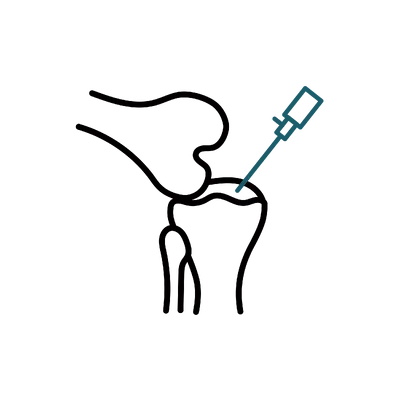
Arthroscopy is keyhole surgery that inspects and treats a joint by passing a thin camera through an incision under one centimetre. The surgeon sees the cartilage and ligaments magnified on a monitor, often in finer detail than an MRI scan shows. Many problems found this way are treated in the same session, using small instruments through one or two extra portals. It is usually done under general or regional anaesthesia and takes around 30 to 90 minutes, often as a day case.
The big advantage is that you usually go in with a suspected problem and come out with it already treated, rather than facing a second operation. Simple work, like removing a loose fragment or trimming cartilage, heals quickly. A ligament or cartilage-rim repair needs a longer, structured recovery, and your surgeon talks you through which path fits your joint.
A normal finding is still a real answer, not a wasted trip. If the camera shows nothing wrong, that rules out an internal cause and points your care in a clearer direction, which happens more often than people expect.
It can address a range of concerns, including:
Am I a Good Candidate for Arthroscopy?
Arthroscopy earns its place once simpler treatment has failed and there is a clear question the camera can answer.
Keyhole surgery is not a first resort, and surgeons check what has already been tried.
Physiotherapy and injections first: Persistent joint pain that has not responded to conservative treatment is the standard starting point.
Mechanical symptoms: Locking, catching, or giving way suggests something physical inside the joint that a camera can find and usually fix in the same session.
A question to answer: The strongest candidates have a suspected diagnosis, such as cartilage, ligament, or labral damage, that the arthroscopy is expected to confirm and treat.
Your symptoms and your scans need to point the same way before a scope makes sense.
MRI comes first: Virtually every case starts with imaging. Arthroscopy follows when MRI is inconclusive or when treatment is already anticipated.
Findings that match symptoms: When imaging and symptoms disagree, a diagnostic arthroscopy may not change management, and surgeons say so at assessment.
Arthritis is screened out: Significant osteoarthritis already visible on X-ray will not be helped by arthroscopy, so it redirects the conversation to other treatment.
Standard surgical screening applies even though the incisions are under a centimetre.
Fit for anaesthesia: The procedure runs 30-90 minutes under general or regional anaesthesia.
Bleeding risk reviewed: A bleeding disorder or active anticoagulation needs review before any joint surgery, and blood-thinning medication is usually paused for two weeks.
Clear skin at the portals: Any active infection over the portal sites must resolve before the procedure.
Smoking: Surgeons ask you to stop at least four weeks before surgery.
What the camera finds determines your outcome, so candidates need to be comfortable with a range of results.
Consent for a range of treatments: Diagnosis and treatment usually happen in one session, so you agree to the possible interventions beforehand.
Recovery follows the findings: Simple debridement means full activity within two to three weeks; a ligament or labral repair means months of structured rehabilitation.
A clean scope is still an answer: A normal finding definitively excludes joint pathology and redirects treatment, which is more common than patients expect.
Who is not suitable for arthroscopy?
- Significant osteoarthritis already visible on X-ray
- A completely obliterated joint space or a fused (ankylosed) joint, where arthroscopy is not technically feasible
- Symptoms that do not match imaging findings, where the scope would not change management
- Bleeding disorder or active anticoagulation until reviewed by the surgical team
- Active skin infection over the portal sites until cleared
- Smokers unwilling to stop at least four weeks before surgery
Pricing
How Much Will Arthroscopy Cost in Thailand?
What arthroscopy costs at accredited hospitals in Thailand, and what your final quote depends on.
Get your exact price
Tell us what you're considering and we'll send a personalised quote from accredited hospitals within 24 hours.
Get my free quoteTypical prices in Thailand
Typical ranges based on recent hospital quotes. Your exact price depends on the hospital and how complex your case is, and is confirmed at your teleconsultation.
Arthroscopy
A thin camera is passed into the joint through an incision under a centimetre, so problems can be inspected and usually treated in the same session.
| Advanced arthroscopic ankle surgery with microfracture, osteophyte removal and ligament repair, one side 2 nights Damaged cartilage is stimulated to heal, bone spurs are cleared and the ligament repaired in one session | $10,100 ฿345,000 |
Typically not included
- Implants and implantable devices, including the suture anchors that hold a repair, which are quoted on the count your tear turns out to need
- Physiotherapy after you leave the ward. The package covers a pre-operative rehabilitation assessment, not the months of rehab a repair will need
- Hospital nights beyond the two in the package
- Laboratory tests and imaging, including the MRI your surgeon works from
- Pathology and pathologist charges
- Pre-operative medical clearance and fitness assessment
Get your exact price
Tell us what you're considering and we'll send a personalised quote from accredited hospitals within 24 hours.
Hospitals Trusted for Arthroscopy
From internationally accredited flagships to dedicated specialist hospitals, these are the kinds of facilities where international patients have this procedure.
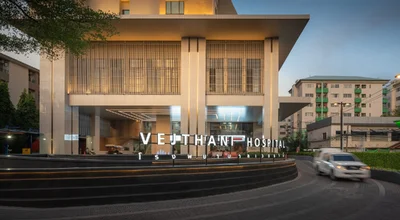
Vejthani Hospital
Orthopaedic-focused tertiary hospital with a high-volume joint replacement and spine programme.
View hospital profile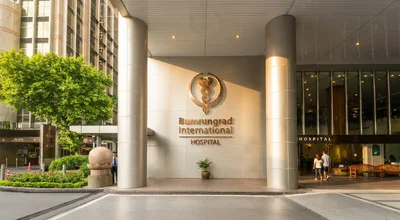
Bumrungrad International Hospital
Tertiary hospital with over 1,200 physicians treating 520,000+ international patients a year.
View hospital profile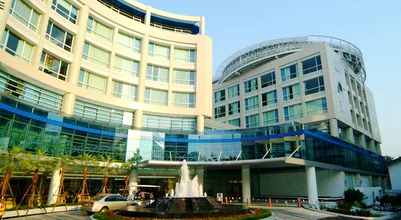
Bangkok Hospital
BDMS flagship tertiary campus with standalone heart, cancer, and neuro-orthopaedic hospitals.
View hospital profile
Tell Us What You Need. We Do the Rest.
Share what you're considering and we'll come back with surgeon options, pricing, and a clear plan.
- Real hospital pricing with zero markup
- Matched with a specialist experienced in your specific procedure
- Full coordination from consultation to recovery


Trusted by patients worldwide
The complete guide to Arthroscopy in Thailand
Everything below is for readers who want the full detail: costs broken down, types and techniques, recovery, risks and safety, and planning your trip.
Arthroscopic Surgeons & Hospitals in Thailand
Arthroscopic skill develops with volume. Here is what our partner centres offer across all joint arthroscopy types.
Leading Arthroscopic Surgery Centres
Our partner hospitals operate dedicated arthroscopic suites with 4K camera systems, motorised instrumentation, radiofrequency devices, and the full range of suture anchor and fixation systems. These are purpose-built facilities that handle arthroscopy as a daily, high-volume procedure across knee, shoulder, hip, ankle, and wrist joints.
Experienced Arthroscopic Surgeons
Our partner surgeons hold fellowship training in sports medicine, arthroscopic surgery, or joint-specific subspecialties. They perform arthroscopy as a core part of their daily practice with the volume that builds the camera skills, tissue-handling precision, and intraoperative decision-making that complex cases demand.
What to Look for in an Arthroscopic Surgeon
Ask about procedure-specific volume for your joint and condition. An excellent knee arthroscopist is not automatically an excellent hip arthroscopist. Joint-specific experience matters. Check whether the surgeon is fellowship-trained in the relevant subspecialty. Ask about their approach to decision-making during arthroscopy: how they decide between repair and debridement, and whether they discuss findings with you before proceeding.
Understanding Your Results
Arthroscopy provides definitive diagnosis and same-session treatment. Here is what patients typically experience.
Typical Arthroscopy Outcomes
Outcomes depend entirely on the condition treated. Mechanical symptoms (locking, catching, giving way) resolve in the vast majority of cases when the underlying cause is addressed. Loose body removal produces immediate relief. Meniscal trimming relieves catching within days. Labral repair and ligament reconstruction require months of rehabilitation but produce reliable long-term function. Diagnostic arthroscopy provides a definitive answer when imaging is inconclusive.
What Results Can You Expect?
For simple therapeutic procedures, expect rapid symptom relief and return to activity within weeks. For complex repairs, expect a longer rehabilitation trajectory with progressive improvement over months. The specific outcome depends on your diagnosis, the treatment performed, and your commitment to rehabilitation. Your surgeon discusses realistic expectations based on your findings during the post-operative consultation.
Arthroscopy Cost in Thailand
Average Cost of Arthroscopy
The one fixed fly-in rate we hold for ankle arthroscopy is ฿345,000, roughly $10,100, and it buys a single complex operation, microfracture with osteophyte removal and ligament repair, including two nights in hospital. That rate holds until 31 December 2026. Read it as the price of that operation, not as what arthroscopy costs. A straightforward diagnostic scope is a smaller job and costs less, but no package rate is published for one, so we quote it case by case rather than guess at a figure here. What the ฿345,000 does tell you is that a serious repair sits well above the few thousand dollars medical tourism sites tend to advertise for keyhole surgery. Nothing in our partner network is quoted below ฿281,000, about $8,300, for a fly-in arthroscopy of any joint, so treat the very low advertised figures as resident rates rather than packages for an international patient.
What Affects the Price?
How much is done once the camera is in matters far more than the scope itself. A diagnostic look with a tidy-up is a different operation from microfracture with a ligament repair, and the package you are put in follows the work, not the incision. That difference also decides whether you go home the same day or stay in, and the two nights built into the ankle figure are part of why it sits where it does. The joint is the second factor. Hip arthroscopy needs traction and specialised instruments, and shoulder repairs consume suture anchors, which sit outside the package price and are quoted on the count your tear requires. Then there is rehabilitation, which is not in any surgical figure and which a repair, unlike a simple debridement, will need months of.
Thailand vs International Price Comparison
This is one of the few orthopaedic procedures where Thailand does not obviously win. The ฿345,000 ankle package, about $10,100, sits above the bottom of the US range of $7,500 to $15,000 and above the bottom of the UK range of £5,500 to £11,300. Against a complex repair priced at the top of those markets there is still a clear saving. Against a straightforward day-case scope quoted keenly at home there may be none at all once you add flights. Keyhole surgery is short, uses little hospital time and leaves little room for a cost gap to open, so get a written quote for your specific procedure and compare it properly rather than assuming.
When to Try Conservative Treatment First
For most joint problems, the first line of treatment is not surgery at all. Physiotherapy, activity modification, anti-inflammatory medication, and targeted injections (corticosteroid or hyaluronic acid) settle a great many cases, and a structured rehab programme can rebuild strength and stability around a joint without anyone going near it. Surgeons expect this route to be tried first, which is why a good candidate for arthroscopy is usually someone whose symptoms have already failed to respond to conservative care.
Conservative treatment has clear limits, though. It manages pain and inflammation and improves function, but it cannot remove a loose fragment, repair a torn meniscus or labrum, or reattach a ligament. A mechanical problem like locking, catching, or a joint giving way tends to point to physical damage inside the joint that no amount of physiotherapy or injection will mend, and injections in particular offer temporary relief that often fades and is not meant to be repeated indefinitely.
Arthroscopy becomes the right step when conservative treatment has been given a fair trial and symptoms persist, when imaging points to internal damage that needs confirming and treating, or when mechanical symptoms suggest something the camera can find and usually fix in the same session. That is the route the rest of this page covers.
Types of Arthroscopy
Arthroscopy is performed on virtually any major joint. The approach, instruments, and recovery expectations differ by location. Your surgeon recommends the procedure based on imaging and clinical findings.
Knee Arthroscopy
The most commonly performed arthroscopic procedure worldwide. The camera is inserted through a portal below the kneecap, and the entire joint is inspected systematically. Common treatments include meniscal repair or trimming, loose body removal, cartilage smoothing, and plica excision.
- Most frequent indication is meniscal tear or cartilage damage
- Typically a day-case procedure with rapid mobilisation
- Weight-bearing usually permitted within hours
- Best for: meniscal tears, loose bodies, cartilage damage, plica syndrome
Shoulder Arthroscopy
The arthroscope enters through a small posterior portal with the shoulder positioned for full access. Common treatments include rotator cuff repair, labral repair, subacromial decompression, and removal of calcium deposits or inflamed tissue. Sling immobilisation is required for several weeks after repair procedures.
- Preferred approach for rotator cuff, labral, and impingement surgery
- Smaller incisions and less muscle damage than open shoulder surgery
- Recovery period varies depending on whether repair was performed
- Best for: rotator cuff tears, labral injuries, subacromial impingement
Hip, Ankle & Wrist Arthroscopy
Arthroscopy of smaller or deeper joints requires specialised instruments and precise portal placement. Hip arthroscopy addresses labral tears and femoroacetabular impingement. Ankle arthroscopy treats osteochondral lesions and anterior impingement. Wrist arthroscopy evaluates ligament injuries and TFCC tears.
- Hip arthroscopy performed with traction to access the joint space
- Ankle arthroscopy uses small instruments suited to a confined joint
- Wrist arthroscopy aids diagnosis when MRI is inconclusive
- Best for: labral tears, impingement, osteochondral lesions, ligament injuries
Arthroscopic Techniques
The technical capabilities available during arthroscopy have expanded substantially. Here is what our partner centres use beyond basic visualisation.
High-Definition Arthroscopy
Modern arthroscopy systems provide 4K-resolution images on large monitors, giving the surgeon a magnified view that surpasses what the naked eye can see during open surgery. This improved visualisation allows detection of subtle pathology (early cartilage softening, partial tears, small loose fragments) that might otherwise be missed.
- 4K resolution provides superior detail compared to earlier systems
- Detects subtle pathology that MRI may miss
- Digital recording allows documentation for follow-up comparison
- Best for: all arthroscopic procedures; improved visualisation benefits every case
Arthroscopic Cartilage Restoration
Beyond simple debridement, modern arthroscopic techniques include microfracture, OATS (osteochondral autograft transfer), and autologous chondrocyte implantation for focal cartilage defects. These techniques aim to restore the joint surface rather than simply smoothing damaged areas.
- Microfracture stimulates fibrocartilage growth in small defects
- OATS transplants healthy cartilage plugs from non-weight-bearing areas
- Addresses focal cartilage damage before it progresses to widespread arthritis
- Best for: focal cartilage defects in younger, active patients
Arthroscopic Synovectomy
Inflamed or thickened synovial tissue is removed from the joint using motorised shavers and radiofrequency devices. This is particularly relevant for inflammatory arthritis (rheumatoid, psoriatic) where the synovium is the primary disease driver. Arthroscopic synovectomy provides immediate symptom relief and a tissue sample for pathological analysis.
- Removes the disease-driving tissue in inflammatory arthritis
- Provides tissue for biopsy and pathological diagnosis
- Immediate reduction in swelling and joint irritation
- Best for: inflammatory arthritis, pigmented villonodular synovitis, chronic synovitis
Arthroscopic Suture Anchor Repair
Most therapeutic repairs done through the scope rely on suture anchors, tiny fixation devices set into bone that hold torn soft tissue back in place while it heals. This is the workhorse technique behind rotator cuff repair, labral repair in the shoulder and hip, and meniscal root or rim repair in the knee. Anchors come in metal, biocomposite, or all-suture forms, and the surgeon chooses based on bone quality and the tissue being reattached.
- Reattaches torn tendon, labrum, or meniscus to bone through keyhole portals
- Underpins rotator cuff, Bankart and SLAP, and meniscal repair
- Biocomposite and all-suture anchors avoid leaving metal in the joint
- Best for: rotator cuff tears, labral injuries, and repairable meniscal tears
Arthroscopy Recovery Timeline
Day 1
Rest with the operated limb elevated and ice applied regularly. Mild swelling around the portal sites is normal. After a simple knee arthroscopy most patients bear full weight and walk within hours, using crutches mainly for comfort. After a repair, follow the specific weight-bearing limits your surgeon sets. Dressings are kept clean and dry and pain is managed with oral medication.
Days 2–5
Swelling settles and gentle range-of-motion exercises begin under physiotherapy guidance. Early wound check confirms portal sites are healing. Walking with crutches or sling continues depending on the joint treated. Light daily activities are manageable.
Weeks 1–3
Portal wounds heal rapidly and sutures are removed if non-dissolvable. Physiotherapy progresses to strengthening and proprioception exercises. Simple debridement and loose-body cases are typically back to full activity by two to three weeks. Your surgeon reviews progress and clears you for travel.
Weeks 3–6
Progressive return to activity, exercise, and sport for simple cases, which recover fastest. After a ligament, rotator cuff, or labral repair, this phase is still early-stage protected rehabilitation, not return to sport.
When Can You Fly After Arthroscopy?
Most patients are cleared to fly within 5–7 days after simple arthroscopic procedures. More complex repairs may require 7–10 days. Your surgeon confirms fitness to travel at your follow-up appointment. Bring crutches or your sling for the flight as needed.
When Can You Return to Normal Activities?
After simple knee debridement, most patients return to desk work within days and full activity by two to three weeks. After meniscal repair or rotator cuff repair, the timeline is substantially longer: several months of structured rehabilitation. Your recovery plan depends on the specific procedure performed, not the arthroscopy itself.
What If Nothing Is Found During Arthroscopy?
A normal arthroscopic finding is still valuable: it definitively excludes intra-articular pathology as the cause of your symptoms and redirects treatment toward other causes. This is more common than patients expect, particularly when MRI findings are equivocal. A clean arthroscopy is not a failed procedure; it is a definitive answer.
Anaesthesia for Arthroscopy
Arthroscopy is done under either general or regional anaesthesia, and which one suits you depends on the joint, the likely amount of work, and your medical history. Under general anaesthesia you are fully asleep and aware of nothing. A regional block, such as a spinal for a knee or an arm block for a shoulder or wrist, numbs the limb completely while you stay awake or lightly sedated, and it can leave you with less to recover from afterwards. A consultant anaesthetist stays with you throughout and monitors you continuously, which is standard at the accredited hospitals we work with.
Your surgeon and anaesthetist decide together which approach is safest for your case, and they talk it through with you beforehand so the choice is never a surprise. Because most arthroscopy is a day case or a single overnight stay, the anaesthetic is usually shorter and lighter than for open surgery.
Before you are cleared you have a pre-operative assessment, including blood tests and a review of any medication you take, with blood thinners paused where advised. You feel nothing during the procedure itself. Afterwards the keyhole portals mean discomfort is usually mild: more a sense of tightness and swelling in the joint than sharp pain, settled with ice, elevation, and the oral pain relief your surgeon prescribes.
Risks and Safety of Arthroscopy
Arthroscopy is one of the safest orthopaedic procedures performed. Complication rates are low, and serious adverse events are rare.1,2 That said, every surgical procedure carries some risk.
- Bleeding into the joint (haemarthrosis), uncommon
- Iatrogenic cartilage damage from instruments (rare with experienced operators)
- Chondrolysis, progressive cartilage breakdown linked to thermal and radiofrequency devices in shoulder arthroscopy (rare)
- Tourniquet-related nerve palsy or compartment syndrome where a thigh tourniquet is used in knee arthroscopy (rare)
Complications from diagnostic arthroscopy are genuinely rare. Therapeutic procedures (repairs, reconstructions, cartilage restoration) carry somewhat higher risks proportional to their complexity. Choosing an experienced arthroscopic surgeon at a JCI-accredited facility and following post-operative instructions are the most effective risk-reduction measures.
Is Arthroscopy Safe in Thailand?
Yes. Arthroscopy at JCI-accredited hospitals in Thailand uses the same equipment, portal techniques, and sterile protocols as international centres. It is a routine, high-volume procedure at our partner hospitals with complication rates that are very low for diagnostic and simple therapeutic cases.1,2
How to Prepare for Arthroscopy
Stop smoking at least four weeks before surgery. Avoid blood-thinning medications such as aspirin and ibuprofen for two weeks prior unless advised otherwise. Fast for six to eight hours before the procedure. Bring comfortable, loose-fitting clothing and any relevant imaging on disc. Arrange transport. You should not drive after anaesthesia.
Arthroscopy vs MRI: When Each Is Needed
MRI is the standard non-invasive diagnostic tool and is performed first in virtually all cases. Arthroscopy is reserved for cases where MRI is inconclusive, where treatment is anticipated, or where direct visualisation is needed to make a surgical decision. In practice, the two are complementary: MRI guides the decision to arthroscope, and arthroscopy provides the definitive diagnosis and simultaneous treatment.
Planning Your Trip to Thailand for Arthroscopy
Most patients need 5–7 days in Thailand for straightforward arthroscopy. Complex repairs may require 7–10 days.
How Long to Stay in Thailand
Plan for 5–7 days for diagnostic or simple therapeutic arthroscopy. Day one covers consultation and MRI review. Procedure on day two, with the published package covering two nights in hospital and simpler cases discharged sooner. The remaining days cover your wound check and follow-up before you fly, plus any physiotherapy you book, which is charged separately. Complex repairs (ACL, rotator cuff, labral) require 7–10 days.
What's Included in a Medical Trip
Your care coordinator manages scheduling and logistics. The package quote covers the surgeon, anaesthesia, operating theatre, the hospital nights stated, nursing and ward medication. Suture anchors and other implantable devices are quoted separately, your imaging and pre-operative clearance sit outside the package, and while a pre-operative rehabilitation assessment is included, a course of physiotherapy after surgery is not. Flights and accommodation are separate.
Combining Diagnostic and Therapeutic Arthroscopy
In most cases, the diagnostic examination and therapeutic treatment occur in the same session, you go in with a suspected problem and come out with it treated. This eliminates the need for a second procedure and a second anaesthetic. Your surgeon discusses the anticipated findings and treatment options before surgery so you can give informed consent for a range of possible interventions.
Related Procedures
Other procedures that address similar goals or conditions, in case one of them is a closer fit for you.
Planning your treatment in Thailand
Independent guides to help you weigh the decision, before you commit to anything.
Common Questions About Arthroscopy
Everything you need to know before your procedure

Medical References
Keep researching with AI
Open this guide in your AI assistant to dig deeper and ask the questions it didn't answer.
Opens in a new tab with this guide already loaded.
Medical disclaimer: Content on this site is provided for informational purposes and should not be treated as medical advice. Outcomes, timelines, and eligibility differ from person to person. Consult a qualified medical professional before making any decisions about surgery or treatment.
Ready to Get Started?
Speak with our care coordinators for a free, no-obligation consultation and personalised quote.
Speak to Our Team