Stereotactic Neurosurgery in Thailand Your guide to cost, top specialists & hospitals
Stereotactic neurosurgery reaches deep targets in the brain through a tiny opening with millimetre accuracy. Thailand puts that precision within reach.
What Is Stereotactic Neurosurgery?
Also known as: Image-Guided Brain Surgery · Stereotactic Neurosurgery
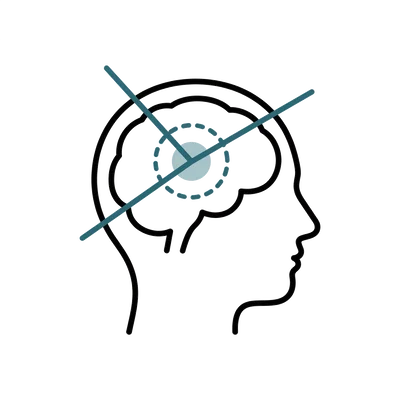
Stereotactic neurosurgery is precision brain surgery that uses a three-dimensional coordinate system to reach a target deep inside the brain through a small opening, often no larger than a coin. A rigid frame fixed to the skull, or frameless image guidance that maps your MRI and CT onto the surgical field, lets the neurosurgeon pinpoint a target to within a millimetre or two. Because the route is planned on your own imaging before a single instrument moves, the brain is disturbed far less than in open surgery.
It helps to understand that stereotactic neurosurgery is a platform rather than a single operation. The same coordinate-guided method is used to take a biopsy of a deep lesion, to place deep brain stimulation electrodes for Parkinson's disease or tremor, to drain a deep cyst or abscess, and to deliver targeted laser energy to a small focus. What the surgery achieves therefore depends entirely on why it is being done, and an honest answer needs your diagnosis and your scans in front of an experienced neurosurgeon.
Two things are worth being clear about from the start. A biopsy gives a tissue diagnosis that guides the rest of your treatment; it does not itself remove or cure anything. Deep brain stimulation manages the symptoms of a movement disorder, often very effectively, but it does not cure the underlying condition and the device needs programming and battery changes over the years that follow. Stereotactic techniques are powerful and precise, but they treat or diagnose specific targets rather than acting as a cure-all.
It can address a range of concerns, including:
Am I a Good Candidate for Stereotactic Neurosurgery?
Suitability depends on three things: what your imaging and diagnosis show, whether the target suits a coordinate-guided approach, and whether you can safely tolerate the procedure.
Candidacy starts with what the scans show and why surgery is being considered.
A suited target: The lesion or target should be one a coordinate-guided approach can reach safely, rather than one needing open removal.
Defined on imaging: High-resolution MRI and CT define the target precisely before any procedure is planned.
The right procedure: Your neurosurgeon matches the method, biopsy, DBS, drainage, or ablation, to your specific diagnosis.
The screening reflects that this is still brain surgery, even through a small opening.
Heart, lungs, and kidneys: Significant cardiac, respiratory, or kidney disease is assessed early, as it can limit safe anaesthesia.
Bleeding risk: Any bleeding tendency matters because the probe track carries a small bleeding risk, and it is reviewed first.
Anticoagulant bridging: Warfarin, apixaban, or clopidogrel needs a peri-operative bridging strategy planned with a haematologist before travel.
Deep brain stimulation has its own specific criteria.
Confirmed diagnosis: A clear diagnosis of Parkinson's disease, essential tremor, or dystonia is needed before DBS is considered.
Medication exhausted: DBS is for symptoms no longer well controlled by medication, not a first step.
Ongoing care: The device needs programming and battery changes over time, so commitment to follow-up matters.
What the surgery delivers depends entirely on why it is done.
Biopsy gives a diagnosis: It guides treatment but does not itself remove or cure anything.
DBS manages, not cures: It can ease symptoms considerably but does not cure the underlying condition.
Outcomes vary: What is realistic for you turns on your specific diagnosis, not on the procedure in general.
Who is not suitable for stereotactic neurosurgery?
- A target better suited to open surgery or non-incisional radiosurgery than a stereotactic approach
- Anticoagulants without a peri-operative bridging plan agreed with a haematologist
- An uncorrected bleeding tendency until it is reviewed and managed
- Severe cardiac, respiratory, or kidney disease limiting safe anaesthesia
- For deep brain stimulation: dementia or significant cognitive decline, which prevents cooperative awake testing, limits later programming, and is a recognised exclusion
- For deep brain stimulation: atypical Parkinsonism such as MSA, PSP, or CBS, where DBS gives little or no benefit and is generally not advised
Pricing
How Much Will Stereotactic Neurosurgery Cost in Thailand?
What stereotactic neurosurgery costs at accredited hospitals in Thailand, and what your final quote depends on.
Get your exact price
Tell us what you're considering and we'll send a personalised quote from accredited hospitals within 24 hours.
Get my free quoteTypical prices in Thailand
Typical ranges based on recent hospital quotes. Your exact price depends on the hospital and how complex your case is, and is confirmed at your teleconsultation.
Stereotactic Neurosurgery
A frame or image guidance maps your own scans onto the brain, so a needle or electrode reaches a deep target through an opening the size of a coin.
| Stereotactic biopsy 2 to 3 nights Thin needle guided along a planned path to sample a deep lesion, for a tissue diagnosis | $8,000 to $15,000 ฿272,000 to ฿510,000 |
| Stereotactic drainage or laser ablation 2 to 5 nights Guided probe drains a deep collection or heats away a small target, for cysts or seizure focuses | $12,000 to $22,000 ฿408,000 to ฿748,000 |
| Deep brain stimulation 3 to 5 nights Electrodes in deep movement centres, run from an implanted generator, for symptoms medication no longer controls | $25,000 to $35,000 ฿850,000 to ฿1,190,000 |
Typically not included
- Whatever treatment the biopsy result points to, such as tumour removal, radiotherapy or chemotherapy, which is planned and quoted as a separate course
- Treatment of a complication, and any repeat procedure needed if a biopsy is inconclusive or an electrode has to be repositioned
- Intensive care, or ward nights beyond the number stated on the row you are quoted
- Long-term device care once you fly home, meaning the programming visits that follow first activation and the battery or generator changes needed over the years
Get your exact price
Tell us what you're considering and we'll send a personalised quote from accredited hospitals within 24 hours.
Hospitals Trusted for Stereotactic Neurosurgery
From internationally accredited flagships to dedicated specialist hospitals, these are the kinds of facilities where international patients have this procedure.

Bumrungrad International Hospital
Tertiary hospital with over 1,200 physicians treating 520,000+ international patients a year.
View hospital profile
Bangkok Hospital
BDMS flagship tertiary campus with standalone heart, cancer, and neuro-orthopaedic hospitals.
View hospital profile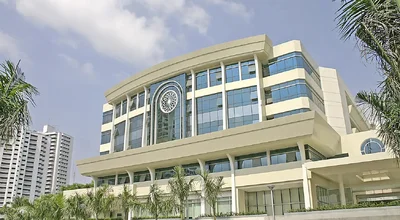
Samitivej Sukhumvit Hospital
Tertiary hospital known for paediatrics, home to Thailand's first private children's hospital.
View hospital profile
Tell Us What You Need. We Do the Rest.
Share what you're considering and we'll come back with surgeon options, pricing, and a clear plan.
- Real hospital pricing with zero markup
- Matched with a specialist experienced in your specific procedure
- Full coordination from consultation to recovery


Trusted by patients worldwide
The complete guide to Stereotactic Neurosurgery in Thailand
Everything below is for readers who want the full detail: costs broken down, types and techniques, recovery, risks and safety, and planning your trip.
Where to Have Stereotactic Neurosurgery in Thailand
For these procedures, the experience of the hospital and the neurosurgeon matters more than anything else. Here is what our partner centres offer and what to look for.
JCI-Accredited Hospitals
Our partner hospitals hold JCI accreditation and have neurosurgical departments with image-guidance suites, intraoperative imaging capability, and neurosurgical intensive care. They are equipped for the range of stereotactic work, from biopsy to deep brain stimulation, with the monitoring and aftercare these procedures require.
Experienced Stereotactic and Functional Neurosurgeons
The neurosurgeons we work with are experienced in stereotactic and functional techniques specifically, not general neurosurgery alone. This distinction matters, because coordinate-guided targeting, awake DBS, and laser ablation each demand particular skill and regular practice. For deep brain stimulation, an experienced team also includes the neurologist who programmes the device afterwards.
What to Look for in a Neurosurgeon
Look for a neurosurgeon experienced in the specific procedure you need, whether biopsy, DBS, or ablation, and ask how regularly they perform it. Confirm they use coordinate guidance and intraoperative confirmation as standard. For DBS, ask who handles programming and follow-up. A centre that does these procedures routinely, within a proper team, is what you are looking for.
Understanding Your Results
Outcomes look very different from one procedure to the next. Here is what to expect for the main ones.
Typical Stereotactic Neurosurgery Results
For a biopsy, the result is a definitive tissue diagnosis that guides the rest of your treatment, usually available within a week or two. For deep brain stimulation, many patients with Parkinson's disease, tremor, or dystonia see a meaningful reduction in symptoms once the device is programmed. For drainage or ablation, the aim is to relieve symptoms or treat a small, defined target.
What Results Can You Expect?
A biopsy itself does not change symptoms; its value is the diagnosis. DBS benefit builds over weeks to months as settings are refined, and the device needs ongoing programming and eventual battery changes. Because outcomes vary so much with the procedure and the individual, a realistic picture is something your surgeon gives you once your scans and diagnosis are in front of them.
Stereotactic Neurosurgery Cost in Thailand
Average Cost of Stereotactic Neurosurgery
Stereotactic neurosurgery in Thailand typically costs between $8,000 and $35,000, and the wide range reflects how different these procedures are. A stereotactic biopsy sits at the lower end, while deep brain stimulation sits much higher, largely because of the cost of the implanted device. The figure for your case depends on the procedure, the equipment used, and the length of stay.
Cost Breakdown
The neurosurgeon's fee reflects the complexity of the procedure. Hospital fees cover image guidance, theatre time, intraoperative imaging, the ward stay, and specialist nursing. Anaesthesia covers the anaesthetist and, for awake DBS cases, the additional monitoring involved. For deep brain stimulation, the implanted device is a significant separate cost. Aftercare includes imaging, pathology where relevant, medications, and coordinator support.
What Affects the Price?
The procedure itself is the main driver. A stereotactic biopsy uses far less equipment and a shorter stay than deep brain stimulation, where the implanted device, the awake operating time, and ongoing programming all add cost. The target, the imaging required, and whether intraoperative MRI or laser ablation is involved also move the figure.
Thailand vs International Price Comparison
Stereotactic neurosurgery in Thailand costs roughly 50 to 70 percent less than equivalent procedures in the US ($30,000–$120,000), Australia (A$35,000–A$110,000), and the UK (£22,000–£70,000). The international ranges are wide for the same reason: a biopsy and a full DBS implant are very different operations. The savings reflect lower facility costs rather than lower surgical capability.
Stereotactic Surgery vs Open Surgery and Radiosurgery
Stereotactic surgery is one of several ways to deal with a brain target, and which one is right depends almost entirely on what the target is. For a larger lesion that needs to be removed in full, or for a tumour causing pressure on the brain, an open craniotomy gives the surgeon the direct access that a small stereotactic opening cannot. Open surgery removes tissue and relieves mass effect in a way a needle or electrode never can, which is exactly why it remains the right step for many lesions.
At the other end sits radiosurgery. Gamma Knife and similar systems deliver a precise, focused dose of radiation to a suitable target with no incision at all, which can control the growth of selected small lesions without any opening in the skull. Its limits are real, though: it treats the target where it sits rather than removing it, gives no tissue for diagnosis, is generally restricted by size and location, and its full effect can take months. For a movement disorder, the order is usually different again, with medication tried and optimised first and deep brain stimulation considered only once tablets no longer control symptoms well.
Stereotactic surgery is the indicated choice when you need a tissue diagnosis from a deep lesion, when a movement disorder needs DBS after medication has been exhausted, when a deep collection needs draining, or when a small, well-defined target suits a minimal-access approach. Because this turns on your specific imaging and diagnosis, it is a decision a neurosurgeon makes with your scans in front of them, and that stereotactic route is what the rest of this page covers.
Types of Stereotactic Neurosurgery
Stereotactic neurosurgery is a method applied to several very different problems. Your neurosurgeon reviews high-resolution MRI and CT, and the reason for surgery, before recommending which of these applies to you.
Stereotactic Brain Biopsy
The most common stereotactic procedure. A thin needle is guided along a planned path to sample a deep or awkwardly placed lesion through a small opening, giving a tissue diagnosis without the larger exposure of open surgery. The sample guides whether the next step is removal, radiotherapy, chemotherapy, or simply monitoring.
- Reaches deep lesions that are unsafe to expose openly
- Provides a definitive tissue diagnosis to guide treatment
- Small opening, short procedure, and usually a brief stay
- Best for: deep or eloquent-area lesions where diagnosis must come before any treatment plan
Deep Brain Stimulation (DBS) Electrode Placement
Fine electrodes are placed with coordinate guidance into specific deep structures, then connected to a pacemaker-like device under the skin that delivers controlled stimulation. It is an established treatment for Parkinson's disease, essential tremor, and dystonia.1 Part of the procedure is often done with the patient awake so the team can test electrode position against symptoms in real time.
Stereotactic Drainage and Aspiration
A guided probe is used to drain a deep cyst, collection, or abscess that would be risky to reach by open surgery. Relieving pressure this way can ease symptoms quickly while sparing the surrounding brain, and the fluid can be sent for analysis.
- Drains deep fluid collections through a small opening
- Relieves pressure with minimal disturbance to nearby brain
- Allows the fluid to be tested where infection is suspected
- Best for: deep cysts, abscesses, or collections unsuited to open access
Stereotactic Laser Ablation (LITT)
Laser interstitial thermal therapy delivers controlled heat through a fine fibre placed under image guidance, destroying a small, well-defined target such as a seizure focus or a small lesion. Real-time MRI thermometry monitors the heating, and the small opening usually means a shorter recovery than open surgery.
- Heats and destroys a small, precisely defined target
- Monitored in real time with MRI temperature mapping
- Minimal-access alternative for selected small lesions and seizure focuses
- Best for: small deep lesions or epilepsy focuses suited to a minimal-access approach
Stereotactic Neurosurgery Techniques
The accuracy of stereotactic surgery comes down to how the target is located and how the team confirms it during the operation. Which of these methods is used varies with the procedure, the target, and the equipment a centre has.
Frame-Based Stereotaxy
A rigid frame is fixed to the skull and imaged with the patient, creating a fixed coordinate system that defines the target with very high accuracy. It remains the reference standard for procedures such as deep brain stimulation and many biopsies, where sub-millimetre precision matters most.
- Rigid frame creates a fixed, highly accurate coordinate system
- Long-established reference standard for deep targets
- Favoured for DBS and many deep biopsies
- Best for: procedures demanding the highest positional accuracy
Frameless Neuronavigation
Instead of a frame, the patient's imaging is registered to surface landmarks and tracked optically, so the surgeon sees instrument position against the MRI in real time. It is more comfortable and flexible for many cases, with accuracy that suits a wide range of biopsies and minimal-access procedures.
- Registers imaging to the patient without a rigid frame
- Tracks instruments against the MRI in real time
- More comfortable and flexible for many procedures
- Best for: biopsies and minimal-access cases where a frame is not essential
Microelectrode Recording for DBS
During deep brain stimulation, fine electrodes can record the electrical signature of brain cells along the planned path. The pattern confirms the team is in the intended structure before the permanent electrode is placed, which is one reason DBS is often done with the patient awake.
- Records cell activity to confirm the target during DBS
- Helps refine final electrode position before fixing it
- Supports awake testing of stimulation against symptoms
- Best for: deep brain stimulation where precise targeting is critical
Intraoperative Imaging
CT or MRI in or near the operating suite lets the team confirm electrode or probe position during surgery, before closing. For laser ablation, real-time MRI thermometry shows exactly how much tissue is being treated as it happens.
- Confirms probe or electrode position before closing
- Real-time MRI thermometry guides laser ablation safely
- Reduces the chance of needing a repeat procedure
- Best for: DBS, laser ablation, and any case where position must be verified live
An Experienced Functional-Neurosurgery Team
Stereotactic and functional procedures, especially DBS, depend on a team that does them regularly: a functional neurosurgeon, a neurologist who programmes the device afterwards, a neurophysiologist, and theatre staff used to awake surgery. The technology matters, but the team using it matters more.
- Functional cases need a dedicated, experienced team
- Neurologist programming after DBS is as important as the surgery
- Awake procedures need staff practised in them
- Why it matters: the team using the technology matters more than the technology itself
Stereotactic Neurosurgery Recovery Timeline
Days 1–2
You are monitored closely after surgery, often with a CT or MRI to confirm there is no bleeding and that the probe or electrode sits where intended. Many patients are surprised how little discomfort the small opening causes. Pain at the wound is managed with simple medication, and early mobilisation begins as soon as it is safe.
Days 3–5
On the ward you progress steadily and the wound is checked. For deep brain stimulation, the electrodes are connected to the pulse generator, but the device is usually left switched off for about two to four weeks while the brain settles, so do not expect symptom relief from the device during your Thailand stay. Therapeutic programming begins only at that first activation visit and is then refined over the months that follow. Most patients are discharged within this window to recuperate at nearby accommodation.
Weeks 1–2
You recover at your accommodation with scheduled outpatient reviews before being cleared to fly. Energy returns gradually and the small wound heals. For a biopsy, this is usually when the histopathology result is ready and the next step is discussed.
Weeks 2–6
Stamina continues to improve and most people return to normal routines within this period. For DBS, stimulation settings are fine-tuned over several visits, and that programming continues with your home neurology team after you return.
When Can You Fly After Stereotactic Neurosurgery?
Most patients are cleared to fly around two weeks after surgery, once recovery is stable and any post-operative imaging is satisfactory. Stay hydrated, move regularly during the flight, and carry a medical summary. Your neurosurgeon provides a fitness-to-fly letter when you are ready.
When Can You Return to Work and Exercise?
Desk work is often possible within two to four weeks, depending on the procedure and your recovery. Physical activity increases gradually under medical guidance. After a biopsy or DBS, avoid heavy straining and contact activities until your neurosurgeon confirms it is safe.
When Will You See Final Results?
For a biopsy, the value is the diagnosis, usually ready within a week or two, that shapes your treatment. For deep brain stimulation, symptoms improve as the device is programmed over the following weeks and months rather than immediately, so the full benefit builds over time.
Anaesthesia for Stereotactic Neurosurgery
The anaesthesia for stereotactic neurosurgery depends on the procedure. Many biopsies and some other stereotactic procedures are carried out under local anaesthesia with sedation, so you are comfortable and pain-free while the small opening is made, since the brain itself has no pain receptors and the scalp is fully numbed. Others, particularly more involved cases, are done under general anaesthesia so you are fully asleep throughout. A consultant anaesthetist stays with you for the whole procedure either way.
Deep brain stimulation is the important exception many patients ask about. For DBS, part of the operation is often done with you awake, deeply settled and pain-free, so the team can test the electrode position by watching how your symptoms respond to stimulation in real time. This sounds daunting but is well tolerated: you feel no pain from the brain, the scalp is numbed, and being awake is precisely what lets the team place the electrode accurately. Whether your case is local, general, or awake is decided by your neurosurgeon and anaesthetist together, based on the procedure and your target.
Before you are cleared you have a formal pre-operative assessment, including blood tests, a review of your medications, and any cardiac and respiratory checks needed for your case. This is also where any blood-thinning medication is planned around the surgery, which matters because the probe track carries a small bleeding risk. Afterwards, discomfort comes mainly from the small scalp wound rather than the brain, and it is usually managed with simple pain relief, settling over the first days.
Risks and Safety of Stereotactic Neurosurgery
Stereotactic neurosurgery is precise and minimally disruptive, but it is still brain surgery and carries real risks. At experienced centres with modern guidance, serious complications are uncommon, but they depend heavily on the target and the team and must be clearly understood.
- For deep brain stimulation: stimulation-induced side effects such as slurred speech, dyskinesia, tingling, or difficulty opening the eyes, usually reversible by adjusting the programming
- For deep brain stimulation: mood and psychiatric changes such as depression, impulsivity, or hypomania, with raised suicidality reported in some studies, so psychiatric monitoring is part of follow-up
- Need for a repeat procedure if a biopsy is inconclusive or an electrode needs repositioning
- Risks vary considerably with the specific target and the experience of the team, so general figures only go so far
The single biggest influences on safety are the experience of the functional-neurosurgery team and how well your target is defined beforehand. At our partner hospitals, coordinate guidance, intraoperative confirmation, and an experienced team are the standard for these procedures rather than optional extras.
Is Stereotactic Neurosurgery Safe in Thailand?
When performed at a JCI-accredited hospital by a neurosurgeon experienced in stereotactic and functional techniques, it is held to the same standards as in any leading centre. These hospitals have neurosurgical intensive care, modern image guidance, and the infrastructure to manage a complication should one arise. The key is choosing a centre and surgeon who do these procedures regularly.
How to Reduce Your Risk
Choose a JCI-accredited hospital with a neurosurgeon experienced in stereotactic and functional surgery, and, for deep brain stimulation, a neurologist who programmes the device. Make sure they use coordinate guidance and confirm position with intraoperative imaging. Sharing recent imaging and a full medication list in advance lets the team plan your target and any blood-thinning carefully.
What Happens If a Biopsy Is Inconclusive?
Occasionally a stereotactic biopsy does not yield a clear diagnosis, and a repeat sample or a different approach may be needed. This is uncommon at experienced centres, and the team discusses the result and the next step with you rather than leaving it open. It is one reason target planning and intraoperative confirmation matter so much.
Planning Your Trip to Thailand for Stereotactic Neurosurgery
Stereotactic neurosurgery needs a planned stay for assessment, surgery, recovery, and follow-up. Plan for about two weeks minimum. A companion is strongly recommended.
How Long to Stay in Thailand
Two weeks is the realistic minimum. That window has to hold pre-operative imaging and assessment, the procedure itself, your hospital stay, post-operative imaging, follow-up reviews, and clearance to fly home. Deep brain stimulation may need a little longer for initial programming. A companion should accompany you throughout.
What's Included in a Medical Trip
Your care coordinator manages all logistics, including hospital transfers, surgery scheduling, imaging, and follow-up. The surgical quote covers the neurosurgeon's fee, anaesthesia, image guidance, hospital stay, and coordinator support. For deep brain stimulation, the implanted device is a significant separate cost set out clearly in your quote. Flights and accommodation are separate.
Recovery in Bangkok vs Phuket
Bangkok is the appropriate base for stereotactic neurosurgery. You need to be close to your neurosurgical team throughout recovery, and the imaging, any DBS programming, and outpatient follow-up all happen at your treatment hospital.
Related Procedures
Other procedures that address similar goals or conditions, in case one of them is a closer fit for you.
Planning your treatment in Thailand
Independent guides to help you weigh the decision, before you commit to anything.
Common Questions About Stereotactic Neurosurgery
Everything you need to know before your procedure

Medical References
Keep researching with AI
Open this guide in your AI assistant to dig deeper and ask the questions it didn't answer.
Opens in a new tab with this guide already loaded.
Medical disclaimer: Content on this site is provided for informational purposes and should not be treated as medical advice. Outcomes, timelines, and eligibility differ from person to person. Consult a qualified medical professional before making any decisions about surgery or treatment.
Ready to Get Started?
Speak with our care coordinators for a free, no-obligation consultation and personalised quote.
Speak to Our Team