Brain Tumour Removal in Thailand Your guide to cost, top specialists & hospitals
A brain tumour demands the best neurosurgical team you can access. Thailand puts that within reach.
What Is Brain Tumour Removal?
Also known as: Brain Surgery · Craniotomy for Tumour Resection
Brain tumour removal is neurosurgery that takes out a tumour through a craniotomy, a small window opened in the skull to reach it. The surgeon removes as much as can be taken safely, guided by neuronavigation, which maps the instruments against your MRI in real time, and by cortical mapping, which shows where speech and movement live. The aim is the most complete removal possible without harming healthy brain.
Hearing the words brain surgery is frightening, and that fear is normal. Every case is reviewed first by a tumour board, a group of neuroradiologists, neuropathologists, and oncologists who study your scans together, so the plan is never one surgeon's opinion alone. The approach is shaped around your tumour and protecting your everyday function.
Outcomes genuinely vary, and an honest answer depends on your imaging and the final pathology. Many benign tumours can be removed completely; others form part of a longer plan with radiotherapy or chemotherapy at home. A consultation with your scans is the only way to give you a realistic picture.
It can address a range of concerns, including:
Am I a Good Candidate for Brain Tumour Removal?
Neurosurgeons weigh three things: what the imaging shows, whether your body can tolerate a long craniotomy, and your capacity to recover.
Candidacy is established by multidisciplinary review, never a single opinion.
Tumour confirmed on imaging: A lesion requiring surgical removal, defined on contrast-enhanced MRI, is the starting point.
Tumour board review: Every case is reviewed by neuroradiologists, neuropathologists, and oncologists before surgery, so the operation sits within a complete treatment plan.
Functional mapping where needed: Tumours near speech, motor, or language areas need functional MRI and tractography first, and may be planned as awake craniotomy.
A craniotomy runs three to eight hours under general anaesthesia, and the screening reflects that.
Heart, lungs, and kidneys: Significant cardiac, respiratory, or kidney disease can limit safe anaesthesia for a long craniotomy and is assessed early.
Anticoagulant bridging: Warfarin, apixaban, or clopidogrel needs a peri-operative bridging strategy planned with a haematologist before travel.
Previous cranial radiotherapy: Earlier radiotherapy to the surgical field alters tissue planes and raises wound-healing risk, so it changes the planning conversation.
Recovery is measured in weeks to months, and rehabilitation access shapes the outcome as much as the surgery.
Committed to the process: Candidates need to be ready for structured post-operative recovery and rehabilitation, not just the operation.
Rehab planned alongside surgery: Physical, occupational, and speech therapy plus neuropsychology support are arranged up front, not as an afterthought.
A companion for the trip: The 14-21 day stay should include someone to assist you throughout.
The goal is maximal safe resection, and what that delivers depends on the tumour.
Outcome follows tumour type: Benign meningiomas can often be removed completely; malignant gliomas usually need radiotherapy or chemotherapy afterwards.
Pressure symptoms improve fast: Headaches, seizures, and weakness caused by tumour pressure often ease quickly after surgery.
Energy returns gradually: Fatigue and concentration improve over three to six months, with driving off the road for months after a craniotomy under local licensing rules and your surgeon's clearance.
Who is not suitable for brain tumour removal?
- Anticoagulants without a peri-operative bridging plan agreed with a haematologist
- Previous cranial radiotherapy to the surgical field until wound risk is reviewed
- Severe cardiac, respiratory, or kidney disease limiting long general anaesthesia
- Cognitive changes affecting informed consent until capacity is properly assessed
- Active infection at the operative field, until treated
Pricing
How Much Will Brain Tumour Removal Cost in Thailand?
What brain tumour removal costs at accredited hospitals in Thailand, and what your final quote depends on.
Get your exact price
Tell us what you're considering and we'll send a personalised quote from accredited hospitals within 24 hours.
Get my free quoteTypical prices in Thailand
Typical ranges based on recent hospital quotes. Your exact price depends on the hospital and how complex your case is, and is confirmed at your teleconsultation.
Brain Tumour Removal
A window of bone is opened in the skull, the tumour is removed, and the bone is replaced at the end of the operation.
| Meningioma resection 5 to 10 nights Tumour taken from the lining around the brain, where the borders are usually clear | $10,000 to $13,000 ฿340,000 to ฿442,000 |
| Glioma resection with neuronavigation 5 to 10 nights Removal tracked live against your MRI, for a tumour that blends into surrounding brain | $13,000 to $16,000 ฿442,000 to ฿544,000 |
| Complex craniotomy 5 to 10 nights Awake mapping, skull base access, or scanning mid-operation, for tumours near speech or movement | $15,000 to $18,000 ฿510,000 to ฿612,000 |
Typically not included
- Any radiotherapy or chemotherapy the pathology calls for afterwards, a separate course given over weeks, usually back home
- A shunt or external drain, plus the operation to place it, if fluid builds up inside the skull, known only once recovery begins
- Treatment of a complication, including a return to theatre for bleeding, swelling or a wound problem
- Intensive care or ward nights beyond the number in your quoted package
- Surveillance imaging and neuro-oncology follow-up once you are home, under your own medical team
Get your exact price
Tell us what you're considering and we'll send a personalised quote from accredited hospitals within 24 hours.
Hospitals Trusted for Brain Tumour Removal
From internationally accredited flagships to dedicated specialist hospitals, these are the kinds of facilities where international patients have this procedure.
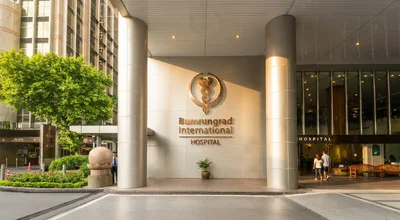
Bumrungrad International Hospital
Tertiary hospital with over 1,200 physicians treating 520,000+ international patients a year.
View hospital profile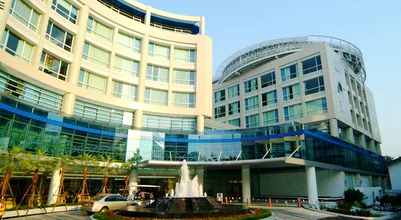
Bangkok Hospital
BDMS flagship tertiary campus with standalone heart, cancer, and neuro-orthopaedic hospitals.
View hospital profile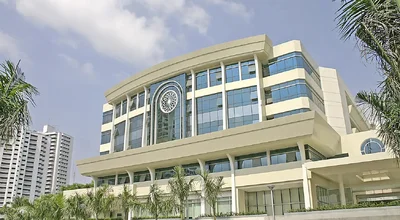
Samitivej Sukhumvit Hospital
Tertiary hospital known for paediatrics, home to Thailand's first private children's hospital.
View hospital profile
Tell Us What You Need. We Do the Rest.
Share what you're considering and we'll come back with surgeon options, pricing, and a clear plan.
- Real hospital pricing with zero markup
- Matched with a specialist experienced in your specific procedure
- Full coordination from consultation to recovery


Trusted by patients worldwide
The complete guide to Brain Tumour Removal in Thailand
Everything below is for readers who want the full detail: costs broken down, types and techniques, recovery, risks and safety, and planning your trip.
Brain Tumour Surgeons & Clinics in Thailand
Neurosurgeon selection is the most important decision you will make. Here is what our partner centres offer.
Leading Hospitals in Bangkok
Our partner hospitals hold JCI accreditation and have dedicated neurosurgical departments with neuronavigation suites, intraoperative imaging capability, neurosurgical ICUs, and on-site neuropathology. They handle the full spectrum of brain tumour surgery, from benign meningiomas to complex malignant gliomas.
Experienced Neurosurgeons
Our partner neurosurgeons are fellowship-trained in cranial tumour surgery, many at leading international centres. They perform brain tumour operations as a subspecialty focus, not as a general neurosurgery sideline. This distinction matters because cranial tumour surgery demands specific skills in neuronavigation, cortical mapping, and intraoperative decision-making.
What to Look for in a Neurosurgeon
Fellowship training in neuro-oncology or cranial tumour surgery specifically. Confirm they use neuronavigation and intraoperative monitoring as standard. Ask about their case volume for your tumour type. Review their multidisciplinary team structure; a solo surgeon without tumour board support is a warning sign for complex cases.
Understanding Your Results
Brain tumour surgery outcomes depend on tumour type, grade, and completeness of resection. Here is what to expect.
Typical Brain Tumour Surgery Results
For benign tumours like meningiomas, the aim is to remove all of the tumour, which is often achievable and carries a good long-term outlook.5 For malignant gliomas, maximal safe resection combined with adjuvant chemoradiation significantly improves survival and quality of life. Neurological function is preserved in the vast majority of cases with modern monitoring.
What Results Can You Expect?
Symptoms caused by tumour pressure, such as headaches, seizures, and weakness, often improve rapidly after surgery. Post-operative MRI confirms the extent of tumour removal. Final histopathology, including molecular markers, typically takes one to two weeks and guides any further treatment. Recovery of full energy and cognitive function is gradual, improving over three to six months.
Brain Tumour Surgery Cost in Thailand
Average Cost of Brain Tumour Surgery
Brain tumour surgery in Thailand typically costs between $10,000 and $18,000, depending on tumour complexity, operative time, ICU requirements, and the hospital. Straightforward meningioma resection sits at the lower end, while complex glioma surgery with awake craniotomy and intraoperative MRI is at the higher end.
Cost Breakdown
The neurosurgeon's fee reflects the complexity and operative time. Hospital fees cover the ICU, ward stay, neuronavigation equipment, intraoperative imaging, and specialist nursing. Anaesthesia and monitoring cover the anaesthetist, neurophysiologist, and intraoperative support. Aftercare includes imaging, pathology, rehabilitation, and coordinator support.
What Affects the Price?
Tumour location, size, and grade are the primary drivers. A superficial meningioma with straightforward access costs less than a deep glioma requiring neuronavigation, fluorescence guidance, awake mapping, and extended ICU stay. Intraoperative MRI adds cost but can reduce the need for repeat surgery.
Thailand vs International Price Comparison
Brain tumour surgery in Thailand costs 50 to 70 percent less than equivalent procedures in the US ($30,000–$60,000), Australia (A$25,000–A$50,000), and UK (£22,000–£45,000). The savings are substantial for a procedure of this complexity, reflecting lower facility costs rather than lower surgical capability.
Surgery vs Radiosurgery and Surveillance
Surgery is not the only route for every brain tumour, and which path is right depends almost entirely on the tumour itself. For small, well-defined tumours, stereotactic radiosurgery (Gamma Knife or CyberKnife) delivers a precise, focused dose of radiation in one or a few sessions with no incision, and it can control the growth of selected lesions, including some meningiomas, schwannomas, and small metastases. For small, benign tumours that are not causing symptoms, such as an incidentally found meningioma, a neurosurgeon may instead recommend active surveillance: serial MRI scans over time to watch whether the tumour grows before any intervention is considered.
These alternatives have real limits. Radiosurgery treats the tumour where it sits rather than removing it, so it provides no tissue for a definitive diagnosis and is generally restricted by size and location; its full effect can take months to years, and it is not suitable for large tumours, tumours causing significant pressure, or those needing urgent decompression. Surveillance carries its own trade-off: a tumour can still grow or begin to cause symptoms, and delaying may narrow the options later. Neither approach can relieve mass effect or confirm the exact tumour type the way removing tissue does.
Surgical removal is the indicated step when a tumour is large, growing, or causing symptoms from pressure on the brain, when a definitive histological diagnosis is needed to guide treatment, or when the most complete safe removal offers the best outcome, as it does for many benign tumours. Because this is a decision that turns on your specific imaging and pathology, it is one a neurosurgeon and tumour board make with your scans in front of them, and that surgical route is what the rest of this page covers.
Types of Brain Tumour Surgery
The approach depends on tumour type, location, size, and relationship to eloquent brain regions. Your neurosurgeon reviews high-resolution MRI and functional imaging before recommending the technique that achieves maximal safe resection.
Open Craniotomy
The standard approach for most brain tumours. A section of skull is temporarily removed under image-guided neuronavigation, giving the surgeon direct access. Intraoperative MRI or ultrasound helps confirm the extent of resection before the bone flap is replaced.
- Direct visualisation with neuronavigation guidance
- Suitable for tumours of varying size and depth
- Allows tissue sampling for definitive histological diagnosis
- Best for: most primary and metastatic brain tumours accessible via craniotomy
Awake Craniotomy
Used when the tumour lies near brain regions controlling speech, language, or motor function. The patient is kept awake during tumour removal and asked to perform tasks while the surgeon maps functional boundaries in real time, enabling more aggressive yet safe resection.
- Real-time functional mapping protects speech and movement
- Maximises tumour removal near critical brain areas
- Reduces the risk of permanent neurological deficit
- Best for: tumours near or within eloquent cortex, including speech, motor, and language areas
Endoscopic / Minimally Invasive Approach
For selected tumour locations such as the skull base, intraventricular, and pituitary regions, an endoscopic approach through the nose or a small keyhole craniotomy reduces tissue trauma. Shorter recovery and avoidance of a large scalp incision make this attractive where feasible.
- Smaller incision with reduced post-operative discomfort
- Shorter hospital stay and faster return to daily activity
- Ideal for pituitary, colloid cyst, and anterior skull base tumours
- Best for: pituitary adenomas, intraventricular tumours, and selected skull base lesions
Brain Tumour Surgery Techniques
Technique depends on tumour location, grade, and functional proximity. The neurosurgeon uses pre-operative functional MRI and tractography to plan the safest corridor of approach.
Stereotactic Neuronavigation
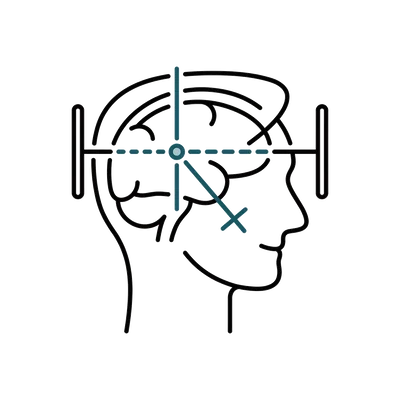
A GPS-like system registers the patient's pre-operative MRI or CT to the surgical field, showing the surgeon's instrument position relative to the tumour and critical structures in real time. This is not optional for modern brain tumour surgery; it is the standard of care.
- Real-time tracking of instruments against pre-operative imaging
- Guides the craniotomy position and surgical corridor
- Essential for deep or small tumours where visual landmarks are insufficient
- Best for: all brain tumour cases; it is universally applied at our partner hospitals
Fluorescence-Guided Surgery (5-ALA)
The patient takes an oral dye before surgery that causes high-grade glioma tissue to fluoresce under ultraviolet light. This allows the neurosurgeon to see tumour margins that are invisible under normal white light, improving the completeness of resection for malignant gliomas.
- Tumour tissue fluoresces pink-violet under ultraviolet light
- Increases the extent of resection for high-grade gliomas
- Published data show improved progression-free survival
- Best for: high-grade gliomas where maximising resection extent improves outcomes
Intraoperative Neurophysiological Monitoring
A specialist neurophysiologist continuously monitors motor and sensory pathways using somatosensory and motor evoked potentials during surgery. Any change in signal alerts the surgeon immediately, allowing technique adjustment before damage occurs.
- Continuous monitoring of motor and sensory nerve pathways
- Real-time alerts if neural function is at risk during resection
- Significantly reduces the rate of post-operative neurological deficit
- Best for: tumours near motor cortex, internal capsule, or brainstem pathways
Intraoperative MRI (iMRI)
A dedicated MRI scanner in the operating suite lets the surgical team scan the brain partway through the operation, before the bone flap is replaced. It shows in real time how much tumour remains, so any residual that can be safely reached is removed in the same sitting rather than at a second operation. Only a handful of hospitals worldwide have this, and our leading partner centres in Bangkok are among them.
- Confirms the extent of resection while the patient is still on the table
- Lets the surgeon remove safely reachable residual tumour in one operation
- Reduces the chance of needing repeat surgery for incomplete removal
- Best for: infiltrative gliomas and cases where maximising removal in a single operation matters most
Brain Tumour Surgery Recovery Timeline
Days 1–3
You recover in the neurosurgical intensive care unit with continuous neurological monitoring. The team assesses consciousness, motor function, speech, and vision at regular intervals. Pain is managed with intravenous medication. Early mobilisation begins as soon as clinically safe.
Days 4–10
On the neurosurgery ward, you progress to walking with physiotherapy support and transition to oral pain relief. A post-operative MRI confirms the extent of resection. Sutures are checked, and any temporary neurological effects are monitored and documented. After posterior fossa or brainstem-adjacent surgery, swallowing is formally assessed and speech-and-language therapy guides safe eating, as dysphagia can be the rate-limiting step before a normal diet and discharge.
Weeks 2–4
After discharge, you recuperate at your accommodation with scheduled outpatient reviews. Light daily activities resume gradually. Headaches and fatigue diminish over time. Your neurosurgeon reviews imaging and histopathology, and any adjuvant treatment is discussed.
Weeks 6–12
Stamina and cognitive function continue to improve, and by twelve weeks many patients return to work and normal routines. Driving stays off-limits well beyond this window: after a craniotomy most licensing authorities require a minimum of around six months off the road because of seizure risk (the UK DVLA, for example, mandates six months regardless of whether you had a seizure)1, so follow your own country's rules and your neurosurgeon's clearance. Ongoing monitoring is arranged through your home medical team.
When Can You Fly After Brain Tumour Surgery?
Most patients are cleared to fly 14 to 21 days after surgery, provided neurological recovery is stable and post-operative imaging is satisfactory. Stay hydrated, move regularly during the flight, and carry a medical summary. Your neurosurgeon provides a fitness-to-fly letter.
When Can You Return to Work and Exercise?
Desk work is often possible within four to six weeks, depending on neurological recovery. Physical activity increases gradually under medical guidance. Contact sports and activities with risk of head impact should be avoided for at least three months. Driving is barred for longer: most jurisdictions impose a minimum of around six months off the road after a craniotomy because of seizure risk (the UK DVLA mandates six months regardless of seizure history), so follow your local licensing rules and your surgeon's clearance. After posterior fossa or brainstem-adjacent surgery, swallowing rehabilitation can be the milestone that paces your recovery.
When Will You See Final Results?
For benign tumours, complete resection is often curative. For malignant tumours, final pathology, including molecular markers, guides adjuvant therapy decisions. Neurological recovery continues for several months, with the most significant improvement in the first three months.
Anaesthesia for Brain Tumour Surgery
A craniotomy to remove a brain tumour is carried out under general anaesthesia, so you are fully asleep and feel nothing during the operation. A consultant anaesthetist stays with you for the whole procedure, which can run anywhere from three to eight hours, managing your breathing, blood pressure, and the careful control of pressure inside the skull that this kind of surgery demands. At the accredited hospitals we work with, the anaesthetist works as part of the neurosurgical team alongside a neurophysiologist who monitors your nerve pathways throughout.
There is one important exception. When a tumour sits close to the parts of the brain that control speech, language, or movement, your surgeon may plan an awake craniotomy. Here you are deeply sedated and pain-free while the skull is opened and closed, then gently woken for the part of the operation where you are asked to talk or move so the team can map and protect those functions in real time. The brain itself has no pain receptors, and the scalp is fully numbed, so even when you are awake you do not feel the surgery.3,4 Whether your case is fully asleep or awake is decided by your neurosurgeon and anaesthetist together, based on where the tumour sits and what protecting your everyday function requires.
Before you are cleared for anaesthesia you have a formal pre-operative assessment, including blood tests, a review of your medications, and cardiac and respiratory checks to confirm you can safely tolerate a long operation. This is also where any blood-thinning medication is planned around the surgery. You feel nothing during the procedure itself. Afterwards, discomfort comes mainly from the scalp wound rather than the brain, and it is managed with intravenous pain relief in the intensive care unit before moving to tablets as you recover, usually settling to a dull headache that eases over the first one to two weeks.
Risks and Safety of Brain Tumour Surgery
Brain tumour surgery is major neurosurgery with inherent risks. At experienced, high-volume centres with modern monitoring, serious complications are uncommon, but they must be clearly understood.
- Post-operative bleeding or brain swelling
- Infection: wound or intracranial (uncommon with antibiotic prophylaxis)
- Temporary neurological deficit: weakness, speech difficulty, or sensory change
- Seizures in the early post-operative period2
- Cerebrospinal fluid leak (uncommon)
- Hydrocephalus: a build-up of cerebrospinal fluid, most often after posterior fossa, intraventricular, or some supratentorial tumour surgery, which can need urgent CSF diversion such as an external drain or shunt
- Deep vein thrombosis or pulmonary embolism: raised by prolonged immobility and the hypercoagulable state of tumour surgery, reduced by early mobilisation and mechanical or medical prophylaxis
- Permanent neurological change (rare at experienced centres)2
- Neurological recovery after brain-tumour surgery often takes weeks to months and may require inpatient rehab, outpatient therapy (physical, occupational, speech), and ongoing neuropsychology support. Plan rehabilitation alongside surgery.
Multidisciplinary tumour board review, intraoperative monitoring, and surgeon experience are the three factors that most influence complication rates. These are not optional extras; they are the minimum standard at our partner hospitals.
Is Brain Tumour Surgery Safe in Thailand?
Yes. Craniotomy at JCI-accredited hospitals in Thailand is performed by fellowship-trained neurosurgeons using neuronavigation, intraoperative monitoring, and cortical mapping. These hospitals have neurosurgical ICUs with 24-hour specialist nursing and the infrastructure to manage any complication.
How to Reduce Your Risk
Choose a hospital with JCI accreditation, a dedicated neurosurgical ICU, and neurosurgeons who perform brain tumour surgery as a subspecialty. Confirm they use neuronavigation and intraoperative monitoring as standard. Pre-operative functional MRI and tractography are essential for tumours near eloquent areas.
When Is Adjuvant Treatment Needed?
Adjuvant therapy depends on the histopathology report. Benign tumours completely removed may need only surveillance imaging. High-grade gliomas typically require radiotherapy with concurrent temozolomide. Your multidisciplinary team outlines the full plan based on pathology and molecular markers.
Planning Your Trip to Thailand for Brain Tumour Surgery
Brain tumour surgery requires a longer stay than most procedures. Plan for 14 to 21 days minimum. A companion is strongly recommended.
How Long to Stay in Thailand
Plan for 14 to 21 days. This covers pre-operative imaging and multidisciplinary review, surgery, ICU and ward recovery, post-operative MRI, at least two follow-up appointments, and clearance to fly home. A companion should accompany you throughout.
What's Included in a Medical Trip
Your care coordinator manages all logistics, including hospital transfers, surgery scheduling, imaging appointments, and follow-up. The surgical quote covers the neurosurgeon's fee, anaesthesia, neuronavigation, ICU and ward stay, imaging, pathology, medications, and coordinator support. Flights and accommodation are separate.
Recovery in Bangkok vs Phuket
Bangkok is the only appropriate option for brain tumour surgery. You must be within minutes of your neurosurgical team throughout recovery. The ICU stay, post-operative imaging, and outpatient follow-up all happen at your treatment hospital.
Related Procedures
Other procedures that address similar goals or conditions, in case one of them is a closer fit for you.
Planning your treatment in Thailand
Independent guides to help you weigh the decision, before you commit to anything.
Common Questions About Brain Tumour Surgery
Everything you need to know before your procedure

Medical References
Keep researching with AI
Open this guide in your AI assistant to dig deeper and ask the questions it didn't answer.
Opens in a new tab with this guide already loaded.
Medical disclaimer: Content on this site is provided for informational purposes and should not be treated as medical advice. Outcomes, timelines, and eligibility differ from person to person. Consult a qualified medical professional before making any decisions about surgery or treatment.
Ready to Get Started?
Speak with our care coordinators for a free, no-obligation consultation and personalised quote.
Speak to Our Team