Spinal Cord Surgery in Thailand Your guide to cost, top specialists & hospitals
Spinal cord compression is progressive. Surgery stops the damage and gives neural pathways the best chance of recovery.
What Is Spinal Cord Surgery?
Also known as: Spinal Surgery · Spinal Cord Decompression · Tumour Excision
Spinal cord surgery is neurosurgery that relieves pressure on the spinal cord by removing whatever is compressing it, whether degenerative stenosis, a herniated disc, fracture fragments, or a tumour. The surgeon decompresses the cord, removes any pathological tissue, and stabilises the spine with fixation where needed. It is done under general anaesthesia, usually over 2 to 6 hours, under an operating microscope with continuous monitoring of the cord's electrical signals.
This is not the same as routine disc surgery for a trapped nerve. The cord itself is involved, so the stakes are higher and the technique more delicate. Your neurosurgeon studies your MRI and CT in detail and plans the safest approach for your particular pattern of compression.
The main aim is to stop the damage progressing and protect the function you still have.4 Many people also regain strength, sensation, or steadier walking, though how much returns varies and depends a great deal on how long the cord has been compressed, which is why earlier treatment usually gives a better chance.
It can address a range of concerns, including:
Am I a Good Candidate for Spinal Cord Surgery?
Decompression is offered when the cord is demonstrably compressed, symptoms are progressing, and you can carry the rehabilitation that follows.
The case for surgery is built on imaging plus a worsening neurological picture.
Compression confirmed on MRI: Advanced imaging, reviewed by both the neurosurgeon and a specialist neuroradiologist, must show the cord itself is compressed.
Progressive symptoms: Worsening weakness, gait instability, coordination loss, or bladder and bowel change is what tips the balance towards operating.
Earlier is better: The duration and severity of compression set the ceiling on recovery, so prolonged delay works against you.
Where fusion hardware is needed, bone quality decides whether the construct holds.
Osteoporosis screening: Severe osteoporosis or metabolic bone disease may compromise pedicle screw fixation and needs reviewing before a fusion is planned.
Prior spinal radiotherapy: Earlier radiotherapy raises the risk of wound breakdown and cerebrospinal fluid leak.
Smoking and fusion: Nicotine significantly reduces spinal fusion rates, so heavy smokers must be genuinely ready to stop.
Functional outcome depends as much on rehabilitation access as on the surgery itself.
A structured programme: Candidates must be prepared to commit to organised post-operative rehabilitation.
Weeks to months of work: Mobility, bladder and bowel control, and sensation recover through inpatient or outpatient rehab over an extended period.
Planned up front: Rehabilitation is arranged alongside the surgery, with a companion recommended for the 14-21 day stay.
The primary promise of cord surgery is halting deterioration; recovery beyond that is the bonus.
Stop the damage first: Decompression protects what function remains; any improvement in strength, sensation, or coordination is genuine gain.
Months of improvement: Recovery begins within days to weeks and continues for months, with the biggest gains in the first three to six.
Recovery has a ceiling: How long the cord was compressed before surgery affects how much function can return.
Who is not suitable for spinal cord surgery?
- Long-term anticoagulation without a peri-operative bridging plan
- Severe osteoporosis until the fixation strategy is reviewed
- Prior radiotherapy to the spine until wound and CSF-leak risk is assessed
- Smokers not ready to stop before fusion
- Unable to commit to structured post-operative rehabilitation
- Severe uncorrected cardiac or respiratory disease making prolonged general anaesthesia unsafe
- Active infection, until fully treated, given infection risk to implanted fixation
- An established complete cord injury (ASIA A) where the goal is functional recovery, since decompression cannot restore lost function in a complete lesion, though surgery may still help pain or spinal stability
Pricing
How Much Will Spinal Cord Surgery Cost in Thailand?
What spinal cord surgery costs at accredited hospitals in Thailand, and what your final quote depends on.
Get your exact price
Tell us what you're considering and we'll send a personalised quote from accredited hospitals within 24 hours.
Get my free quoteTypical prices in Thailand
Typical ranges based on recent hospital quotes. Your exact price depends on the hospital and how complex your case is, and is confirmed at your teleconsultation.
Spinal Cord Surgery
Whatever is compressing the spinal cord is removed, whether worn bone, disc, or a tumour, and the spine is held with fixation where that leaves it unstable.
| Laminectomy with fusion 3 to 7 nights Bone removed from behind the cord and the level fixed with screws, for stenosis with instability | $10,000 to $13,000 ฿340,000 to ฿442,000 |
| ACDF, single level 3 to 7 nights Disc and spurs cleared from the front of the neck and the level fused, for anterior compression | $8,000 to $10,000 ฿272,000 to ฿340,000 |
| Intramedullary tumour resection 3 to 7 nights Tumour dissected out from inside the cord under the microscope, for growths such as ependymomas and astrocytomas | $12,000 to $14,400 ฿408,000 to ฿489,600 |
Typically not included
- Spinal instrumentation, the screws, rods, cage and plate used wherever a level is fused, quoted once your neurosurgeon has planned the construct
- Adjuvant radiotherapy or other oncology treatment recommended after a tumour resection, planned once the pathology is back
- Treatment of a complication, such as a return to theatre to repair a cerebrospinal fluid leak or evacuate a haematoma
- Intensive care or ward nights beyond the three to seven stated, charged at the hospital's nightly rate
- Rehabilitation once you are home, since the quote covers physiotherapy during your stay, not the weeks or months that follow
Get your exact price
Tell us what you're considering and we'll send a personalised quote from accredited hospitals within 24 hours.
Hospitals Trusted for Spinal Cord Surgery
From internationally accredited flagships to dedicated specialist hospitals, these are the kinds of facilities where international patients have this procedure.

Bumrungrad International Hospital
Tertiary hospital with over 1,200 physicians treating 520,000+ international patients a year.
View hospital profile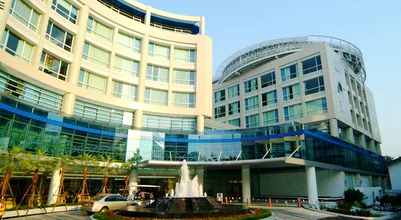
Bangkok Hospital
BDMS flagship tertiary campus with standalone heart, cancer, and neuro-orthopaedic hospitals.
View hospital profile
Samitivej Sukhumvit Hospital
Tertiary hospital known for paediatrics, home to Thailand's first private children's hospital.
View hospital profile
Tell Us What You Need. We Do the Rest.
Share what you're considering and we'll come back with surgeon options, pricing, and a clear plan.
- Real hospital pricing with zero markup
- Matched with a specialist experienced in your specific procedure
- Full coordination from consultation to recovery


Trusted by patients worldwide
The complete guide to Spinal Cord Surgery in Thailand
Everything below is for readers who want the full detail: costs broken down, types and techniques, recovery, risks and safety, and planning your trip.
Spinal Cord Surgeons & Clinics in Thailand
Spinal cord surgery demands a neurosurgeon, not a general spine surgeon. The distinction matters because the stakes are higher and the techniques are different.
Leading Hospitals in Bangkok
Our partner hospitals hold JCI accreditation and have dedicated neurosurgical departments with operating microscopes, spinal navigation systems, neurophysiological monitoring teams, and post-operative rehabilitation facilities. These are full-service neurosurgical programmes.
Experienced Spinal Cord Neurosurgeons
Our partner neurosurgeons are fellowship-trained in spinal cord surgery with experience in both degenerative and tumour-related cord pathology. They perform these procedures with continuous neurophysiological monitoring as standard and have access to multidisciplinary oncology teams when needed.
What to Look for in a Neurosurgeon
Fellowship training in spinal cord or neuro-oncological surgery. Confirm they use intraoperative monitoring for every cord case. Ask about their experience with the specific pathology you have, since myelopathy from stenosis and intramedullary tumours require different skill sets. A neurosurgeon who operates without monitoring on the cord is not meeting current standards.
Understanding Your Results
The primary goal of spinal cord surgery is to halt neurological deterioration. Any functional recovery beyond that is the additional benefit.
Typical Spinal Cord Surgery Results
For cervical myelopathy from stenosis, most patients stabilise neurologically and many experience meaningful improvement in hand dexterity, walking stability, and limb strength. For intramedullary tumours, outcomes depend on tumour type. Ependymomas have excellent resection rates, while astrocytomas are more variable.
What Results Can You Expect?
Improvement begins within days to weeks as cord swelling resolves after decompression. Recovery continues for months, with the most significant gains in the first three to six months. The duration and severity of pre-operative compression affect the ceiling of recovery; earlier intervention generally produces better outcomes.
Spinal Cord Surgery Cost in Thailand
Average Cost of Spinal Cord Surgery
Spinal cord surgery in Thailand typically costs between $8,000 and $14,400, depending on the approach, pathology, whether instrumented fusion is required, and the hospital. Single-level ACDF sits at the lower end, while intramedullary tumour resection with multi-level decompression is at the higher end.
Cost Breakdown
The neurosurgeon's fee reflects the complexity and operative time. Hospital fees cover the ward stay, monitoring equipment, and specialist nursing. Anaesthesia and neurophysiology monitoring cover the anaesthetist and monitoring team. Aftercare includes imaging, pathology, physiotherapy, and coordinator support.
What Affects the Price?
The main variables are the number of spinal levels involved, whether instrumented fusion is needed, and the pathology. Single-level decompression is less expensive than multi-level procedures requiring screws and rods. Intramedullary tumour resection adds cost due to the microsurgical complexity and extended operative time.
Thailand vs International Price Comparison
Spinal cord surgery in Thailand costs 50 to 70 percent less than equivalent procedures in the US ($24,000–$48,000), Australia (A$20,000–A$40,000), and UK (£17,600–£36,000). For a procedure of this complexity, the savings are significant.
Surgery vs Conservative Management
When the cord is only mildly compressed and symptoms are stable rather than worsening, conservative management is a reasonable first step. This usually means physiotherapy to maintain strength and balance, careful activity modification, pain control, and structured monitoring with repeat MRI to watch for change. For some people with mild cervical myelopathy that is not progressing, this can hold the situation steady and avoid an operation for a time.
The important limit is that conservative care does not relieve the compression itself. It manages symptoms and buys time under observation, but it cannot widen a narrowed canal, remove a disc or bone spur, or take pressure off the cord. If the myelopathy progresses, the window for recovery narrows, because the duration and severity of compression are what set the ceiling on how much function can return.
Surgery becomes the indicated step once imaging shows clear cord compression and symptoms are worsening, when there is significant or rapidly progressing deficit, or when a tumour is involved. At that point decompression is what halts the damage, and earlier intervention generally gives a better outcome. Where conservative care is genuinely appropriate first, that decision belongs with the neurologist or neurosurgeon managing you, guided by your imaging and how your symptoms are tracking over time.
Types of Spinal Cord Surgery
The approach depends on whether the compression comes from in front, behind, or from within the cord itself. Your neurosurgeon reviews MRI and CT alongside a neuroradiologist before recommending the safest technique.
Posterior Decompression (Laminectomy)
The surgeon removes part or all of the lamina, the bony arch at the back of the spinal canal, to widen it and relieve pressure on the cord. For multi-level disease, laminoplasty hinges the lamina open rather than removing it, preserving spinal stability.
- Directly relieves posterior compression from stenosis or thickened ligaments
- Suitable for multi-level cervical or thoracic stenosis
- May be combined with instrumented fusion if instability is present
- Best for: posterior compression from degenerative stenosis or ligament thickening
Anterior Cervical Discectomy and Fusion (ACDF)
Through a small anterior neck incision, the surgeon removes the damaged disc and bone spurs compressing the cord under microscopic guidance. A bone-graft cage restores disc height and a titanium plate secures the level while fusion heals. Front approach avoids manipulating the spinal cord.
- Front approach removes disc herniations and bone spurs directly
- Avoids spinal cord manipulation by approaching from a safer direction
- Reliable fusion rates with modern cage and plate systems
- Best for: anterior disc herniations and osteophytes compressing the cord from the front
Intramedullary Tumour Resection
Microsurgical removal of tumours within the cord itself. After laminectomy, the dura is opened under the operating microscope. Ultrasonic aspiration and fine dissection separate the tumour from surrounding cord tissue, with continuous neurophysiological monitoring tracking motor and sensory integrity throughout.
- Microsurgical precision with continuous intraoperative monitoring
- Addresses ependymomas, astrocytomas, and haemangioblastomas
- Continuous electrophysiological feedback protects cord function
- Best for: intramedullary tumours where surgical removal is indicated
Spinal Cord Surgery Techniques
The technique is determined by the pathology and direction of compression. Intraoperative neurophysiological monitoring is used for every spinal cord case; it is the safety standard, not an extra.
Operating Microscope
Spinal cord surgery demands magnification and illumination beyond what the naked eye provides. The operating microscope delivers up to 40 times magnification with co-axial illumination, allowing the neurosurgeon to distinguish tumour tissue from normal cord tissue and identify feeding vessels before they cause bleeding.
- Up to 40 times magnification for microsurgical precision
- Co-axial illumination reveals tissue planes invisible to the naked eye
- Essential for intramedullary tumour dissection and dural closure
- Best for: all spinal cord procedures; it is standard equipment
Spinal Navigation Systems
Three-dimensional navigation registers the patient's pre-operative CT or MRI to the surgical field, showing the surgeon's instrument position relative to the spinal anatomy in real time. This is particularly valuable for placing screws and fixation hardware accurately in fusion procedures.
- Real-time instrument tracking against pre-operative imaging
- Improves screw placement accuracy and reduces misplacement risk
- Reduces intraoperative radiation exposure from fluoroscopy
- Best for: fusion procedures requiring instrumentation, particularly in complex or revision anatomy
Ultrasonic Aspiration (CUSA)
An ultrasonic aspirator fragments and removes tumour tissue while preserving the surrounding neural structures. The tip vibrates at ultrasonic frequency, selectively breaking down softer tumour tissue while leaving the firmer cord tissue intact. This selectivity is what makes safe intramedullary tumour debulking possible.
- Selectively removes tumour while preserving surrounding neural tissue
- Ultrasonic vibration breaks down softer tissue without damaging firmer cord structures
- Allows controlled debulking of intramedullary tumours
- Best for: intramedullary tumour resection where selective tissue removal is critical
Intraoperative Neurophysiological Monitoring (IONM)
A neurophysiology team continuously tracks the electrical signals travelling through the spinal cord while the surgeon works, using somatosensory and motor evoked potentials. Any change in those signals is flagged to the surgeon in real time, so technique can be adjusted before damage becomes permanent. The anaesthetic is tailored so it does not blunt the readings. This is the single most important safety measure in cord surgery and is run on every case at our partner hospitals, not treated as an optional extra.
- Somatosensory and motor evoked potentials track cord function live throughout surgery
- Real-time alerts let the surgeon adjust before a deficit becomes permanent
- Anaesthesia is tailored so it does not interfere with the readings
- Best for: every spinal cord procedure; it is the safety standard, not an add-on
Spinal Cord Surgery Recovery Timeline
Days 1–3
You recover in a monitored neurosurgical ward with regular neurological assessments of limb strength, sensation, and reflexes. Pain is managed with a structured multimodal protocol. A physiotherapist guides your first safe movements: sitting upright, transferring to a chair, and beginning gentle mobilisation.
Days 4–7
Walking distances increase with physiotherapy support. Post-operative imaging is reviewed. Rehabilitation exercises focus on balance, coordination, and rebuilding confidence. If you had a cervical fusion such as ACDF, you are fitted with a soft or rigid collar to wear for around four to six weeks. Patients with tumour resections may begin discussions about adjuvant treatment if indicated.
Weeks 2–3
You continue recovery at your accommodation with outpatient physiotherapy and a scheduled follow-up. Your neurosurgeon assesses wound healing, checks neurological progress, and confirms you are safe to fly. Driving is not advised yet, especially while you are in a cervical collar or have any residual limb weakness or coordination problems. A discharge summary is prepared for your home medical team.
Weeks 4–12
Ongoing rehabilitation at home focuses on progressive strengthening and functional recovery. Your neurosurgeon remains available for remote follow-up. Most patients see continued neurological improvement for several months as the cord recovers from decompression.
When Can You Fly After Spinal Cord Surgery?
Most patients fly home 14 to 21 days after surgery, once wound healing and neurological stability are confirmed. Your team provides a fitness-to-fly letter. For long-haul flights, compression stockings and regular movement reduce deep vein thrombosis risk.
When Can You Return to Work and Exercise?
Desk work is often possible within four to eight weeks, depending on neurological recovery. Physically demanding roles may require three to six months of graduated return. Driving is typically off the table for at least six weeks, and longer if you are wearing a cervical collar after ACDF or have any residual limb weakness or coordination deficit, because both impair your ability to turn your head and react safely. Your neurosurgeon and rehabilitation team provide a personalised timeline.
When Will You See Final Results?
Neurological improvement begins within days to weeks of decompression but continues for months. The primary goal is to halt deterioration; any recovery of function beyond that is a genuine gain. Earlier intervention generally produces better outcomes.
Anaesthesia for Spinal Cord Surgery
Spinal cord surgery is performed under general anaesthesia, so you are fully asleep and aware of nothing during the operation. A consultant anaesthetist stays with you for the entire procedure, managing your airway, blood pressure, and depth of anaesthesia, which matters here because keeping the spinal cord well perfused throughout the 2 to 6 hours of surgery is part of protecting it. Alongside the anaesthetist, a neurophysiology team monitors the cord's electrical signals continuously, and the anaesthetic is tailored so it does not interfere with that monitoring.
Because this is major surgery, you have a thorough pre-operative assessment before you are cleared. This includes blood tests, a review of every medication you take (anticoagulants and antiplatelets in particular need a planned approach), and cardiac and respiratory evaluation where your history or the length of the operation calls for it. Anything that would make a prolonged general anaesthetic unsafe is identified and addressed first.
You feel nothing while the surgery is carried out. Afterwards you wake in a monitored neurosurgical ward, where discomfort is expected but managed with a structured multimodal pain protocol rather than left to chance, and it usually eases steadily as you begin to mobilise with your physiotherapist over the following days.
Risks and Safety of Spinal Cord Surgery
Spinal cord surgery is technically demanding. Outcomes are generally favourable at experienced centres with modern monitoring, but the proximity to the cord means all risks must be thoroughly understood.
- Spinal instability requiring additional fixation
- Incomplete tumour removal requiring adjuvant treatment
- Substantial rehabilitation dependency, since recovery often takes weeks to months and functional outcomes depend as much on rehab access as on the surgery itself, so plan rehabilitation alongside surgery.
Continuous intraoperative neurophysiological monitoring is the single most important safety measure. It provides real-time feedback on cord function throughout the procedure, allowing technique adjustments before damage occurs.
Is Spinal Cord Surgery Safe in Thailand?
Yes. Spinal cord surgery at JCI-accredited hospitals in Thailand is performed by fellowship-trained neurosurgeons with subspecialty training in spinal cord pathology. Continuous neurophysiological monitoring, operative microscopes, and spinal navigation systems are standard equipment.
How to Reduce Your Risk
Choose a neurosurgeon who subspecialises in spinal cord surgery, not general spine surgery. Confirm that intraoperative neurophysiological monitoring is used for every case. Pre-operative MRI and CT imaging should be reviewed by both the neurosurgeon and a specialist neuroradiologist.
When Is Adjuvant Treatment Needed?
For degenerative compression, surgery alone is typically definitive. For intramedullary tumours, adjuvant radiotherapy may be recommended if complete resection is not achievable without unacceptable neurological risk. Your multidisciplinary team provides the recommendation based on surgical findings and pathology.
Planning Your Trip to Thailand for Spinal Cord Surgery
Spinal cord surgery requires a longer stay than routine spine procedures. Plan for 14 to 21 days minimum with a companion.
How Long to Stay in Thailand
Plan for 14 to 21 days. This covers pre-operative imaging and consultations, surgery, inpatient recovery with neurological monitoring and physiotherapy, post-operative imaging, and a final review to confirm you are safe to fly. A companion should accompany you.
What's Included in a Medical Trip
Your care coordinator manages all logistics. The surgical quote covers the neurosurgeon's fee, anaesthesia, neurophysiological monitoring, hospital stay, imaging, pathology (for tumours), physiotherapy, medications, and coordinator support. Flights and accommodation are separate.
Recovery in Bangkok vs Phuket
Bangkok is the only appropriate base. You need proximity to your neurosurgical team for the entire recovery period. The inpatient stay alone is three to seven nights, followed by outpatient physiotherapy and imaging review, all within reach of your hospital.
Related Procedures
Other procedures that address similar goals or conditions, in case one of them is a closer fit for you.
Planning your treatment in Thailand
Independent guides to help you weigh the decision, before you commit to anything.
Common Questions About Spinal Cord Surgery
Everything you need to know before your procedure

Medical References
Keep researching with AI
Open this guide in your AI assistant to dig deeper and ask the questions it didn't answer.
Opens in a new tab with this guide already loaded.
Medical disclaimer: Content on this site is provided for informational purposes and should not be treated as medical advice. Outcomes, timelines, and eligibility differ from person to person. Consult a qualified medical professional before making any decisions about surgery or treatment.
Ready to Get Started?
Speak with our care coordinators for a free, no-obligation consultation and personalised quote.
Speak to Our Team