Epilepsy Surgery in Thailand Your guide to cost, top specialists & hospitals
When medication cannot control your seizures, surgery targets the source. For many patients, it changes everything.
What Is Epilepsy Surgery?
Also known as: Epilepsy Operation · Resective Epilepsy Surgery · Neuromodulation
Epilepsy surgery is a neurosurgical treatment that reduces or stops seizures by removing or disconnecting the small area of brain tissue where they start. It treats drug-resistant epilepsy, meaning seizures that persist after at least two anti-epileptic medications have failed.1 Depending on where the seizures begin, it may mean removing part of the temporal lobe, taking out a specific lesion, or implanting a device that electrically stimulates the vagus nerve to dampen the brain's tendency to seize. The vagus nerve does not carry seizures; its stimulation sends signals up to brainstem and thalamic relays that modulate cortical excitability and make seizures less likely over time. Most operations take around 3 to 6 hours under general anaesthesia.
Finding out whether surgery can help is a careful process, not a quick decision. Your team maps exactly where your seizures begin using video-EEG monitoring, detailed MRI, and memory and thinking tests, and every case is discussed by a full epilepsy team before anything is offered.
Results vary, and honesty matters here. After temporal lobe surgery, most well-selected people see a large reduction in seizures and many become seizure-free, while others see seizures reduced rather than gone. No one can promise an individual outcome, which is why the evaluation comes first and a consultation is the right place to understand what is realistic for you.
It can address a range of concerns, including:
Am I a Good Candidate for Epilepsy Surgery?
Candidacy is earned through evaluation: proven drug resistance, a seizure focus the team can find, and the stability to see it through.
Surgery is considered only after medication has genuinely and demonstrably failed.
Two medications failed: At least two anti-epileptic drugs without sustained seizure freedom defines drug-resistant epilepsy, which affects a significant minority of people with the condition.
Neurologist confirmation: The diagnosis of drug resistance should be formally made, not self-assessed.
Real-life impact: Seizures affecting work, driving, independence, or safety, and medication side effects eroding quality of life, all strengthen the case for evaluation.
Everything depends on finding where the seizures start and whether that place can be removed.
An identifiable focus: Imaging or EEG must point to a localised onset zone; clearly localised temporal lobe epilepsy does best.
Single-sided onset: Seizures arising independently from both hemispheres or multiple lobes usually rule out resection, though vagus nerve stimulation may still help.
Deep or unclear foci: Stereo-EEG depth electrodes can settle localisation when surface monitoring is inconclusive.
The pre-surgical workup is long, and completing all of it is part of being a candidate.
Video-EEG monitoring: Three to seven days of inpatient recording is standard before any surgical decision.
Neuropsychological testing: This must be completed so the cognitive consequences of resection can be properly weighed.
Conference review: Every case is reviewed in a multidisciplinary epilepsy surgery conference to confirm the expected benefit outweighs the risk.
Outcomes are strong for well-selected patients, but the timeline and caveats deserve clarity.
Best seizure outcomes: Temporal lobectomy achieves the highest seizure-freedom rates of any epilepsy operation in well-selected patients.
Medication continues: Anti-epileptic drugs carry on for at least one to two years after surgery before any supervised reduction.
Judged at 12-24 months: Formal outcome assessment takes time, and significant seizure reduction without full freedom still often transforms independence and confidence.
Who is not suitable for epilepsy surgery?
- Seizure onset from both hemispheres or multiple lobes for resective surgery
- Neuropsychological findings predict unacceptable memory or language loss, such as dominant-temporal resection in a patient whose verbal memory testing forecasts disabling decline
- Active psychiatric instability or current substance dependence until stabilised
- Severe systemic disease limiting prolonged general anaesthesia
Pricing
How Much Will Epilepsy Surgery Cost in Thailand?
What epilepsy surgery costs at accredited hospitals in Thailand, and what your final quote depends on.
Get your exact price
Tell us what you're considering and we'll send a personalised quote from accredited hospitals within 24 hours.
Get my free quoteTypical prices in Thailand
Typical ranges based on recent hospital quotes. Your exact price depends on the hospital and how complex your case is, and is confirmed at your teleconsultation.
Epilepsy Surgery
These treat seizures that medication cannot control, either by removing the small area they start in or by implanting a device to interrupt them.
| Temporal lobectomy 5 to 7 nights Removes the front of the temporal lobe, for seizures that consistently start there | $12,000 to $16,000 ฿408,000 to ฿544,000 |
| Lesionectomy 5 to 7 nights Removes the lesion itself, a cavernoma, dysplasia or low-grade tumour, for seizures arising from it | $13,000 to $17,000 ฿442,000 to ฿578,000 |
| VNS implantation 5 to 7 nights Pulse generator implanted below the collarbone, for cases where the focus cannot be safely removed | $14,000 to $18,000 ฿476,000 to ฿612,000 |
| Complex case with stereo-EEG 5 to 7 nights Depth electrodes record from within the brain before resection, for a focus surface monitoring cannot pinpoint | $18,000 to $21,600 ฿612,000 to ฿734,400 |
Typically not included
- The stimulator on the vagus nerve stimulation row, the pulse generator and lead, quoted once the model is confirmed, as is later battery replacement
- The pre-surgical evaluation, meaning inpatient video-EEG monitoring, high-resolution MRI and neuropsychological testing. Only the complex-case row's depth-electrode monitoring is priced above
- Intensive care, or hospital nights beyond those stated in your quote
- Treatment of a complication, or a return to theatre
- Pre-operative medical clearance, including blood work and the cardiac and respiratory review before a long anaesthetic
Get your exact price
Tell us what you're considering and we'll send a personalised quote from accredited hospitals within 24 hours.
Hospitals Trusted for Epilepsy Surgery
From internationally accredited flagships to dedicated specialist hospitals, these are the kinds of facilities where international patients have this procedure.
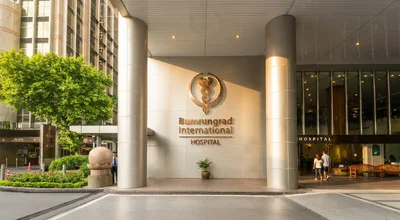
Bumrungrad International Hospital
Tertiary hospital with over 1,200 physicians treating 520,000+ international patients a year.
View hospital profile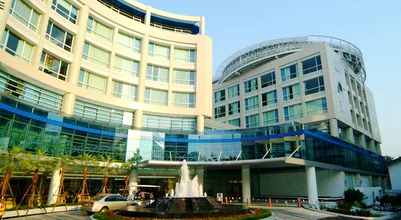
Bangkok Hospital
BDMS flagship tertiary campus with standalone heart, cancer, and neuro-orthopaedic hospitals.
View hospital profile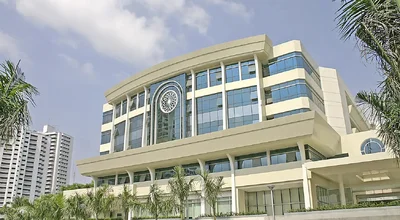
Samitivej Sukhumvit Hospital
Tertiary hospital known for paediatrics, home to Thailand's first private children's hospital.
View hospital profile
Tell Us What You Need. We Do the Rest.
Share what you're considering and we'll come back with surgeon options, pricing, and a clear plan.
- Real hospital pricing with zero markup
- Matched with a specialist experienced in your specific procedure
- Full coordination from consultation to recovery


Trusted by patients worldwide
The complete guide to Epilepsy Surgery in Thailand
Everything below is for readers who want the full detail: costs broken down, types and techniques, recovery, risks and safety, and planning your trip.
Epilepsy Surgeons & Clinics in Thailand
Epilepsy surgery requires a programme, not just a surgeon. The multidisciplinary team is what produces good outcomes.
Leading Hospitals in Bangkok
Our partner hospitals hold JCI accreditation and run dedicated epilepsy surgery programmes with video-EEG monitoring units, 3T MRI, neuropsychology services, and multidisciplinary surgical conferences. They handle the complete evaluation-to-surgery pathway in a single centre.
Experienced Epilepsy Neurosurgeons
Our partner neurosurgeons are fellowship-trained in epilepsy surgery, performing temporal lobectomy, lesionectomy, and neuromodulation procedures as their subspecialty focus. They work within multidisciplinary teams that include epileptologists with specific training in seizure localisation.
What to Look for in a Surgeon
Fellowship training in epilepsy surgery is essential. Confirm the hospital has a dedicated epilepsy monitoring unit with prolonged video-EEG capability. Ask whether every case is reviewed in a multidisciplinary conference before surgery is offered. A neurosurgeon who offers epilepsy surgery without comprehensive pre-surgical evaluation is a warning sign.
Understanding Your Results
Epilepsy surgery outcomes are measured by seizure freedom rates and quality-of-life improvement over the years following surgery.
Typical Epilepsy Surgery Results
Temporal lobectomy offers the best seizure outcomes of any epilepsy operation, with most well-selected patients experiencing a large reduction in seizures and many becoming seizure-free, well above what medication achieves for drug-resistant epilepsy.2 Lesionectomy outcomes depend on complete lesion removal. VNS typically reduces seizure frequency by 50 percent or more in responsive patients.3,2
What Results Can You Expect?
Some patients are seizure-free from the day of surgery. Others experience a gradual reduction. Formal outcome assessment at 12 to 24 months determines whether medication reduction is appropriate. Many patients report dramatic improvements in confidence, independence, and quality of life even if seizures are reduced rather than eliminated.
Epilepsy Surgery Cost in Thailand
Average Cost of Epilepsy Surgery
Epilepsy surgery in Thailand typically costs between $12,000 and $21,600, depending on the procedure, pre-surgical evaluation extent, and hospital. Temporal lobectomy sits at the lower end, while a complex case needing invasive stereo-EEG monitoring before resection is at the higher end. VNS implantation falls between the two, because the implanted device carries its own cost.
Cost Breakdown
The neurosurgeon's fee covers the operative work. Hospital fees cover video-EEG monitoring, high-dependency unit stay, ward care, and specialist nursing. Diagnostic costs include MRI, neuropsychology, and EEG monitoring. Aftercare includes post-operative imaging, medication management, and coordinator support.
What Affects the Price?
The extent of pre-surgical evaluation is a significant cost component. Cases requiring invasive stereo-EEG monitoring add substantial cost. VNS implantation includes the device cost. The complexity of the resection itself, whether temporal versus extratemporal, affects the neurosurgeon's fee and hospital stay duration.
Thailand vs International Price Comparison
Epilepsy surgery in Thailand costs 50 to 70 percent less than equivalent procedures in the US ($36,000–$72,000), Australia (A$30,000–A$60,000), and UK (£26,400–£54,000). For a complex programme that includes evaluation, monitoring, and surgery, the savings are very substantial.
Types of Epilepsy Surgery
The type of surgery depends on where seizures originate and whether the focus can be safely removed. Temporal lobe epilepsy is the most common and most treatable surgical presentation, but extratemporal and neuromodulation options exist for other cases.
Temporal Lobectomy
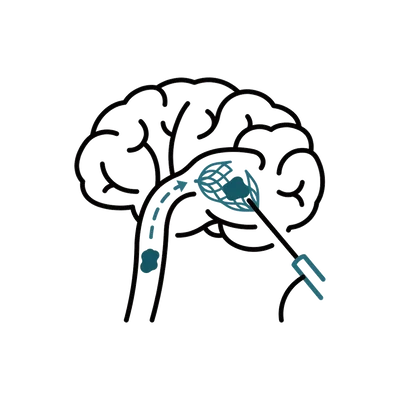
The most common and most effective epilepsy operation. Removal of the anterior portion of the temporal lobe where the seizure focus resides. Achieves the highest seizure-freedom rates of any epilepsy surgery. Best suited to patients with mesial temporal sclerosis or clearly localised temporal onset.
- Highest seizure-freedom rates of any epilepsy operation
- Well-established safety profile with decades of outcome data
- Significant improvement in quality of life and medication burden
- Best for: drug-resistant temporal lobe epilepsy with a clearly localised focus
Lesionectomy
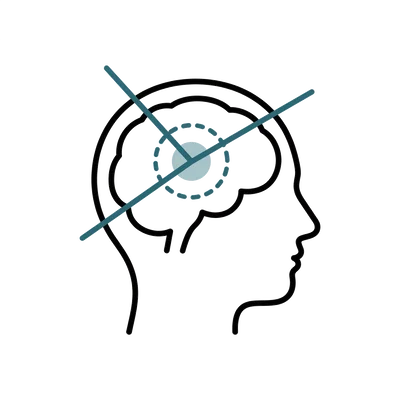
A targeted resection removing a discrete structural abnormality responsible for seizures, such as a cavernoma, focal cortical dysplasia, or low-grade tumour. Preserves as much surrounding healthy tissue as possible, guided by neuronavigation and cortical mapping.
- Precisely targets the identifiable seizure-causing lesion
- Minimises removal of surrounding functional brain tissue
- Excellent outcomes when the lesion and seizure focus coincide
- Best for: epilepsy caused by a clearly defined structural lesion
Vagus Nerve Stimulation (VNS)
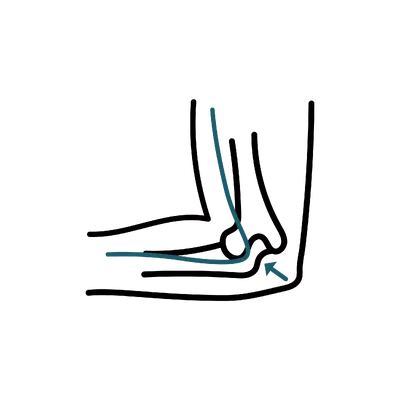
A palliative neuromodulation option when the seizure focus cannot be safely resected. A small pulse generator implanted beneath the collarbone delivers regular electrical impulses to the vagus nerve, reducing seizure frequency and severity over time without brain surgery.
- Suitable when the seizure focus cannot be safely removed
- Minimally invasive implant procedure with a short recovery
- Progressive seizure reduction over months of stimulation
- Best for: patients who are not candidates for resective surgery but need better seizure control
Corpus Callosotomy
A disconnection procedure that divides the corpus callosum, the band of fibres linking the two hemispheres, to stop seizure activity spreading from one side of the brain to the other. It is palliative rather than curative, and its main role is to reduce drop attacks, the sudden falls that cause injury, in patients whose seizures are generalised and cannot be localised to a single removable focus.
- Disconnects the hemispheres rather than removing brain tissue
- Particularly effective at reducing drop attacks and injury risk
- Palliative, aiming to lessen seizure severity rather than cure
- Best for: generalised seizures with disabling drop attacks that cannot be resected
Epilepsy Surgery Techniques
The technique used depends on the location and nature of the seizure focus, identified through the pre-surgical evaluation. Each approach balances seizure control against preservation of neurological function.
Intraoperative Electrocorticography
During surgery, electrodes placed directly on the brain surface record electrical activity in real time. This helps the surgeon identify the boundaries of the epileptogenic zone and confirm that the planned resection includes all abnormal tissue. It refines the surgical margins beyond what pre-operative imaging alone can show.
- Direct brain surface recording during surgery
- Refines resection boundaries in real time
- Confirms the epileptogenic zone is included in the surgical plan
- Best for: cases where pre-operative imaging does not precisely define the seizure margin
Stereo-EEG (Invasive Monitoring)
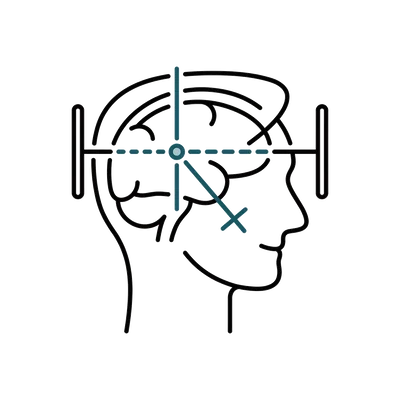
Thin depth electrodes are implanted into specific brain regions under stereotactic guidance to record seizure activity from deep structures over several days. This is used when surface EEG and imaging cannot definitively localise the focus, and the information determines whether resection is feasible.
- Depth electrodes record seizure activity from deep brain structures
- Provides definitive localisation when surface monitoring is inconclusive
- Data reviewed by the multidisciplinary team before surgical planning
- Best for: complex cases where the seizure focus is deep or the onset zone is unclear
Responsive Neurostimulation (RNS)
A programmable device implanted in the skull continuously monitors brain electrical activity and delivers targeted stimulation when seizure patterns are detected. It disrupts seizures at their onset before they spread. Suited to patients with seizure foci in eloquent cortex that cannot be resected.
- Detects and disrupts seizure activity in real time
- Targets seizure onset zones without removing brain tissue
- Programmable and adjustable based on seizure response data
- Best for: seizure foci in or near eloquent brain areas where resection would cause unacceptable deficit
Epilepsy Surgery Recovery Timeline
Days 1–3
You recover in the neurosurgical high-dependency unit with continuous EEG and neurological monitoring. Pain is managed with intravenous medication. The team assesses speech, memory, and motor function regularly. Early mobilisation begins once you are stable and alert.
Days 4–7
On the ward, anti-epileptic medications are optimised and walking increases with physiotherapy support. A post-operative MRI confirms the extent of resection. Most patients are well enough for discharge by day five to seven, though some neurosurgical centres discharge earlier.
Weeks 2–4
You recuperate at your accommodation with outpatient follow-up. Fatigue, mild headache, and concentration difficulties are common and improve gradually. Driving remains restricted. Your neurologist reviews medication and early recovery.
Weeks 4–8
Cognitive stamina and energy steadily return. Many patients resume light work and social activities within six weeks. A follow-up EEG may be performed before departure. Long-term seizure outcomes are assessed over the following 12 to 24 months with your home neurologist.
When Can You Fly After Epilepsy Surgery?
Most patients are cleared to fly 14 to 21 days after surgery, once wound healing and neurological status are confirmed. Stay hydrated, move regularly during the flight, and carry a medical summary with your current medication list.
When Can You Return to Work and Exercise?
Light work is often possible within four to six weeks.2 Driving restrictions depend on your country's regulations and seizure control. Physical activity increases gradually. Your neurologist provides specific guidance based on your seizure outcome.
When Will You See Final Results?
Some patients are seizure-free from the day of surgery. For others, medication optimisation and brain healing take time. Formal seizure outcome assessment typically happens at 12 to 24 months. If you remain seizure-free, your neurologist may gradually reduce medication.
Anaesthesia for Epilepsy Surgery
Epilepsy surgery is carried out under general anaesthesia, so you are fully asleep and feel nothing during the operation. A consultant anaesthetist stays with you for the whole procedure, which can run three to six hours, continuously monitoring your breathing, heart, blood pressure, and the depth of anaesthesia. Neuro-anaesthesia for a craniotomy is a specialist area, and at the accredited hospitals we work with it is handled by anaesthetists experienced in this kind of surgery.
In some cases the surgical plan calls for part of the operation to be done awake, so the team can map and protect speech, memory, or movement while they work. If that applies to you, your surgeon and anaesthetist will explain it clearly beforehand: you are kept comfortable and pain-free with sedation and local anaesthetic, and the brain itself has no pain receptors, so the awake portion is not painful. Whether your case is fully asleep or awake at points is decided by the team based on where your seizures begin and what needs protecting.
Before you are cleared for anaesthesia you have a formal pre-operative assessment, including blood tests, a cardiac and respiratory review, and a check of your anti-epileptic and other medications, since a long operation needs you to be in the safest possible condition first. You feel nothing during surgery. Afterwards the usual discomfort is a mild to moderate headache and scalp tenderness rather than sharp pain, and it is well controlled with the medication your team prescribes and settles steadily over the first week.
Risks and Safety of Epilepsy Surgery
Epilepsy surgery involves operating on or near functional brain tissue. Risks vary by technique and location but are carefully minimised through detailed pre-surgical mapping and intraoperative monitoring.
- Infection at the surgical site (uncommon)
- Temporary memory or word-finding difficulty (expected with temporal surgery)
- Visual field changes: typically a partial upper quadrant deficit
- Post-operative bleeding (uncommon)
- Seizure recurrence despite surgery
- VNS-specific: hoarseness, voice change, cough, throat discomfort or breathlessness during stimulation (common, often eases as settings are adjusted)3
- Corpus callosotomy-specific: disconnection syndrome, such as intermanual conflict, alien left-hand behaviour, or hemispatial neglect
- Permanent neurological deficit (rare at experienced centres)
The quality of pre-surgical evaluation is the single most important factor in both safety and outcome. Centres that invest in comprehensive localisation, including video-EEG, high-resolution MRI, neuropsychology, and sometimes invasive monitoring, produce better results with lower complication rates.
Is Epilepsy Surgery Safe in Thailand?
Yes. Epilepsy surgery at JCI-accredited hospitals in Thailand is performed by fellowship-trained epilepsy neurosurgeons within dedicated programmes that include epileptologists, neuroradiologists, and neuropsychologists. The evaluation and surgical protocols follow international guidelines.
How to Reduce Your Risk
Choose a hospital with a comprehensive epilepsy surgery programme, not just a neurosurgeon who occasionally operates on epilepsy. The programme should include prolonged video-EEG monitoring, high-resolution 3T MRI, neuropsychological assessment, and a multidisciplinary surgical conference. Confirm that your case will be reviewed before surgery is offered.
What If Seizures Continue After Surgery?
Not all patients become seizure-free. If seizures persist, medication adjustments, additional evaluation, or neuromodulation options like VNS or RNS may be considered. Some patients who are not seizure-free still experience significant seizure reduction that meaningfully improves quality of life.
Planning Your Trip to Thailand for Epilepsy Surgery
Epilepsy surgery requires a longer stay than most procedures due to the pre-surgical evaluation. Plan for 14 to 21 days minimum.
How Long to Stay in Thailand
Plan for 14 to 21 days. This covers pre-surgical evaluation including video-EEG monitoring (three to seven days), the operation itself, inpatient recovery, post-operative MRI, medication optimisation, and clearance to fly home. If stereo-EEG is needed, the stay may extend.
What's Included in a Medical Trip
Your care coordinator manages all scheduling and logistics. The surgical quote covers the neurosurgeon's fee, anaesthesia, monitoring, hospital stay, pre- and post-operative imaging, pathology, anti-epileptic medications, and coordinator support. Flights and accommodation are separate.
Recovery in Bangkok vs Phuket
Bangkok is the only appropriate base. Epilepsy surgery evaluation and recovery require continuous proximity to your neuroscience team. The monitoring unit, imaging, and surgical team are all at your treatment hospital.
Related Procedures
Other procedures that address similar goals or conditions, in case one of them is a closer fit for you.
Planning your treatment in Thailand
Independent guides to help you weigh the decision, before you commit to anything.
Common Questions About Epilepsy Surgery
Everything you need to know before your procedure

Medical References
Keep researching with AI
Open this guide in your AI assistant to dig deeper and ask the questions it didn't answer.
Opens in a new tab with this guide already loaded.
Medical disclaimer: Content on this site is provided for informational purposes and should not be treated as medical advice. Outcomes, timelines, and eligibility differ from person to person. Consult a qualified medical professional before making any decisions about surgery or treatment.
Ready to Get Started?
Speak with our care coordinators for a free, no-obligation consultation and personalised quote.
Speak to Our Team