Mechanical Thrombectomy in Thailand Your guide to cost, top specialists & hospitals
A stroke is a medical emergency where every minute counts. This page explains how clot removal works and how stroke-ready hospitals in Thailand treat travellers and expats who fall ill while here.
What Is Mechanical Thrombectomy?
Also known as: Stroke Clot Removal · Mechanical Thrombectomy (Endovascular Stroke Treatment)
Mechanical thrombectomy is an emergency procedure to physically remove a large blood clot from an artery in the brain during an ischaemic stroke. A thin catheter is passed from an artery in the groin or wrist up to the blocked vessel in the brain, and a stent-retriever or aspiration device grips or sucks out the clot to restore blood flow.2,3 The aim is to reopen the artery and rescue brain tissue before it is permanently lost.
This is not a treatment anyone can plan or travel for. It is an acute emergency carried out within hours of a stroke starting, because brain cells die rapidly once their blood supply is cut off. The phrase clinicians use is time is brain: the faster the artery is reopened, the more function can be saved. If you or someone with you shows the warning signs of a stroke, the right action is to call emergency services immediately, not to contact a coordinator.
This page exists to inform travellers, expats, and their families about how stroke clot removal works and which hospitals in Thailand are equipped to deliver it. We want to be honest about what it can and cannot do. For eligible patients it is the single most effective treatment for a large-vessel stroke and can dramatically improve outcomes2, but it only helps when it is done quickly and in the right patients, eligibility is decided by brain imaging, and many people still need substantial rehabilitation afterwards. Outcomes vary widely from one person to the next, and recovery is never guaranteed.
It can address a range of concerns, including:
Am I a Good Candidate for Mechanical Thrombectomy?
Eligibility for clot removal is decided in the emergency department by brain imaging and timing, never in advance. Doctors weigh what the scans show, how long ago symptoms started, and the patient's overall condition.
Eligibility is decided in the emergency department by imaging and timing, never in advance.
Large-vessel occlusion: an ischaemic stroke caused by a clot blocking a major brain artery, confirmed on CT angiography.
Within the time window: generally treatable within about 6 hours, and up to 24 hours in selected patients chosen on imaging.
Salvageable tissue: brain imaging must show tissue that can still be saved rather than already lost.
Not every stroke is suitable, and clot removal can be the wrong treatment.
Bleeding strokes: a haemorrhagic stroke is caused by bleeding, not a clot, and clot removal cannot treat it.
No large clot: a small-vessel stroke with no large clot offers nothing for the device to retrieve.
Outside the window: symptoms that started too long ago, or an unknown onset time without supportive imaging.
Time is brain: the value of treatment falls with every minute of delay.
Faster is better: the quicker the artery is reopened, the more function can be saved.
Cannot be scheduled: this is why thrombectomy is an emergency and cannot be planned or travelled for.
Bystanders matter: recognising a stroke and calling emergency services immediately is the most important step.
The procedure gives the best chance of recovery for eligible patients, but it guarantees nothing.
A wide range of outcomes: some recover well, some recover partly, and some are left with lasting effects.
Rehabilitation is central: much of the recovery happens over weeks to months afterwards, not on the table.
No promises: recovery depends on the stroke, the speed of treatment, and the individual.
Who is not suitable for mechanical thrombectomy?
- Haemorrhagic stroke caused by bleeding rather than a clot
- Small-vessel stroke with no large clot to retrieve
- Symptoms outside the treatable window, or an unknown onset time without supportive imaging
- Too little salvageable brain tissue on imaging to benefit
- A clinical condition too unstable for the procedure to be carried out safely
Pricing
How Much Will Mechanical Thrombectomy Cost in Thailand?
What mechanical thrombectomy costs at accredited hospitals in Thailand, and what your final quote depends on.
Get your exact price
Tell us what you're considering and we'll send a personalised quote from accredited clinics within 24 hours.
Get my free quoteTypical prices in Thailand
Typical ranges based on recent hospital quotes. Your exact price depends on the hospital and how complex your case is, and is confirmed at your teleconsultation.
Mechanical Thrombectomy
A thin catheter is threaded from the groin or wrist up to a blocked artery in the brain, and the clot is gripped or suctioned out to restore blood flow.
| Emergency thrombectomy admission Procedure, devices, imaging, and stroke unit care | $12,000 to $30,000 ฿408,000 to ฿1,020,000 |
Get your exact price
Tell us what you're considering and we'll send a personalised quote from accredited clinics within 24 hours.
Hospitals Trusted for Mechanical Thrombectomy
From internationally accredited flagships to dedicated specialist hospitals, these are the kinds of facilities where international patients have this procedure.

Bumrungrad International Hospital
Tertiary hospital with over 1,200 physicians treating 520,000+ international patients a year.
View hospital profile
Bangkok Hospital
BDMS flagship tertiary campus with standalone heart, cancer, and neuro-orthopaedic hospitals.
View hospital profile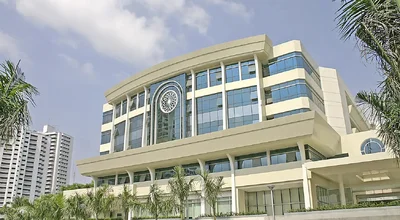
Samitivej Sukhumvit Hospital
Tertiary hospital known for paediatrics, home to Thailand's first private children's hospital.
View hospital profile
Tell Us What You Need. We Do the Rest.
Share what you're considering and we'll come back with surgeon options, pricing, and a clear plan.
- Real hospital pricing with zero markup
- Matched with a specialist experienced in your specific procedure
- Full coordination from consultation to recovery


Trusted by patients worldwide
The complete guide to Mechanical Thrombectomy in Thailand
Everything below is for readers who want the full detail: costs broken down, types and techniques, recovery, risks and safety, and planning your trip.
Stroke-Ready Hospitals in Thailand
For a stroke, the only thing that matters in the moment is reaching a hospital that can act fast. Here is what makes a hospital stroke-ready, so travellers and expats know what to look for and what good care involves.
JCI-Accredited Hospitals With a Stroke Pathway
The leading private hospitals in Bangkok and other major centres hold JCI accreditation and run dedicated stroke pathways: rapid triage, immediate CT and CT angiography, and a clear route to clot removal when indicated. Accreditation and a defined stroke pathway are signs that a hospital is set up to treat stroke at the speed it demands.
A 24/7 Neurointerventional Team
Thrombectomy requires a neurointerventional specialist and team available around the clock, because strokes do not wait for office hours. Stroke-ready hospitals maintain on-call interventional cover, a stocked catheter laboratory, and a stroke unit and intensive care for recovery. Round-the-clock readiness is what allows the artery to be reopened quickly.
What This Means for Travellers and Expats
If you live in or are visiting Thailand, it is worth knowing in advance where your nearest large, stroke-ready hospital is. In an emergency, calling local emergency services is the priority, as they will take the patient to an appropriate centre. Knowing your hospital options, and holding insurance, removes guesswork at the worst possible moment.
What Recovery Can Look Like
Recovery after stroke clot removal varies enormously from person to person, and unfolds over weeks and months rather than in the procedure room.
Recovery Is a Process, Not an Event
The procedure reopens the artery, but recovery happens over weeks and months through rehabilitation. Movement, speech, and daily function can keep improving for a long time after the stroke. This is gradual work, and the support of a rehabilitation team, family, and a continued programme at home all shape how far recovery goes.
Cost of Emergency Stroke Care in Thailand
Indicative Cost of Clot Removal
As a guide only, emergency thrombectomy in Thailand may fall in the region of $12,000 to $30,000, covering the procedure, devices, imaging, and stroke unit care. This is not a quote. The actual bill depends on the hospital, the length of intensive care and stroke unit stay, rehabilitation, and any complications, and is settled as an emergency admission rather than agreed in advance.
Why It Is Billed as an Emergency, Not Booked
Because a stroke is unpredictable and time-critical, there is no booking, no pre-agreed package, and no consultation beforehand. The patient arrives at the emergency department, is assessed and treated immediately if eligible, and the hospital bills for the admission afterwards. This is fundamentally different from a planned procedure, and it is why insurance, not a saved-up budget, is the right way to be covered.
The Role of Travel and Medical Insurance
Comprehensive travel insurance or expat medical cover is what protects you in a stroke. It should cover emergency hospital admission, intensive care, the procedure, and crucially medical repatriation, which can be expensive after a stroke and may need a medical escort. Buy it before you travel, check it covers your age and any pre-existing conditions, and carry the policy details and emergency assistance number with you.
Thailand vs International Costs
Stroke clot removal in Thailand is generally less costly than equivalent emergency care in the US ($30,000–$100,000), Australia (A$35,000–A$90,000), and the UK (£20,000–£60,000), reflecting lower hospital costs rather than lower capability. These remain large emergency bills, however, which is exactly why insurance cover matters far more than the headline difference. No one should treat a lower cost as a reason to delay care or to travel while unwell.
Thrombectomy vs Clot-Busting Drugs (Thrombolysis)
The two main emergency treatments for an ischaemic stroke are clot-busting drugs (thrombolysis) and mechanical thrombectomy (clot removal). They are not competing choices so much as complementary tools, and which is used depends on the clot, the timing, and what brain imaging shows. Understanding the difference helps families make sense of what the stroke team is doing in those first urgent hours.
Thrombolysis is a drug, usually given through a drip, that works to dissolve the clot. It is delivered within a tighter time window from the start of symptoms, and it can be very effective for smaller clots. Its limitation is that it often cannot break up a large clot blocking a major artery, and it carries a risk of bleeding, so not everyone is eligible. Thrombectomy, by contrast, physically removes large clots that drugs alone cannot clear, and it can be done in a somewhat wider time window in carefully selected patients chosen on imaging.
In practice, eligible patients are often given thrombolysis first and then taken for thrombectomy if a large clot remains, an approach sometimes called bridging. The decision rests entirely on emergency imaging and timing, made by the stroke team at the bedside. The vital point for anyone reading this is the same for both treatments: they only work when started quickly, which is why recognising a stroke and calling emergency services without delay is the most important thing a bystander can do.
Types of Stroke Clot Treatment
The approach is chosen by the stroke team based on where the clot sits, how long ago symptoms began, and what brain imaging shows. Imaging is what decides who is likely to benefit; not every stroke is suitable for clot removal.
Stent-Retriever Thrombectomy
A self-expanding mesh stent is passed through the catheter and opened inside the clot. The mesh grips the clot, and the device is then withdrawn, pulling the clot out with it and reopening the artery. This is the most established technique for large-vessel stroke.
- A mesh device grips and physically removes the clot
- The most widely studied thrombectomy technique
- Used for large clots in major brain arteries
- Best for: large-vessel occlusion confirmed on CT angiography within the time window
Aspiration Thrombectomy
A large-bore catheter is advanced to the face of the clot and connected to suction, drawing the clot directly into the catheter. It can be quicker for some clots and is sometimes used first before a stent-retriever is added if needed.
- Suction draws the clot directly into the catheter
- Can be faster for accessible clots
- Often the first pass before adding other devices
- Best for: clots in positions that suit direct aspiration
Combined Techniques
Many cases use a stent-retriever and aspiration together, with the suction catheter supporting clot capture as the stent is withdrawn. The neurointerventional team selects and combines tools in real time based on what the clot does.
- Stent-retriever and aspiration used together
- Adapts to clot behaviour during the procedure
- Aims to reopen the artery in as few passes as possible
- Best for: clots that resist a single technique
Bridging Thrombolysis plus Thrombectomy
Where appropriate and within a tighter time window, clot-busting medication (thrombolysis) is given first to start dissolving the clot, followed by thrombectomy to remove what remains. The two treatments are complementary rather than alternatives.
- Clot-busting drug given before clot removal
- Used when the patient is eligible for both
- Drugs and device work together, not instead of each other
- Best for: eligible patients within the thrombolysis window who also have a large clot
How Stroke Clot Removal Works
Modern thrombectomy depends on fast imaging, the right devices, and an experienced team available around the clock. The single biggest factor in outcome is how quickly the artery is reopened.
Stent Retrievers
Stent-retriever devices transformed stroke care by allowing large clots to be removed mechanically rather than relying on drugs alone. The mesh integrates with the clot before withdrawal, which improves the chance of reopening the artery in a single pass.
- Mesh device engages the clot for removal
- Higher reopening rates than drugs alone for large clots
- Designed to capture the clot in as few passes as possible
- Best for: large-vessel occlusions unsuitable for drug treatment alone
Aspiration Catheters
Large-bore aspiration catheters apply continuous suction at the clot face. Used alone or alongside a stent-retriever, they can speed up clot capture and reduce the number of passes needed, which matters because each pass carries time and vessel risk.
- Continuous suction at the clot face
- Can reduce the number of passes required
- Used alone or with a stent-retriever
- Best for: accessible clots and team-preferred first-pass strategies
The Time-Is-Brain Principle
Brain tissue starved of blood dies quickly, so outcomes worsen with every minute the artery stays blocked. Faster treatment means more brain saved. This is why thrombectomy is an emergency, why it cannot be scheduled, and why recognising stroke and calling for help immediately matters so much.
- Outcomes worsen with every minute of delay
- Faster reopening means more function preserved
- The reason the procedure cannot be planned or travelled for
- Best for: understanding why immediate emergency action is essential
A 24/7 Stroke Pathway and Experienced Team
Good outcomes depend on a hospital running a round-the-clock stroke pathway: rapid imaging on arrival, a neurointerventional team ready to act, and a stroke unit for recovery. An experienced operator and a well-drilled pathway shorten the time from door to reopened artery.
- Rapid CT and CT angiography on arrival
- Neurointerventional team available around the clock
- Stroke unit care after the procedure
- Best for: any patient needing time-critical clot removal
After Stroke Clot Removal
First 24–72 Hours
Care continues in a stroke unit or intensive care, with close monitoring of blood pressure, breathing, and neurological function. Because sedation or general anaesthesia is used, a formal swallow screen is done before you eat or drink, to lower the risk of food or fluid going into the lungs; until you pass it, fluids and nutrition may be given by other routes. Repeat imaging checks the brain and the reopened artery, partly to look for any bleeding into the treated area. The groin or wrist puncture site is checked for bleeding or swelling. Some patients improve quickly; for others the picture takes longer to become clear. Early assessment by therapists begins as soon as it is safe.
First Days to Weeks
Stroke unit care addresses swallowing, mobility, and the cause of the stroke, with tests of the heart and arteries to find why it happened. This guides secondary prevention medication, which is a core part of aftercare: an antiplatelet such as aspirin or clopidogrel for most clot-related strokes, or an anticoagulant such as a DOAC or warfarin if the cause is atrial fibrillation or another cardioembolic source. Taking this medication exactly as prescribed, and not stopping it without advice, is one of the most important things you can do to avoid another stroke. Physiotherapy, occupational therapy, and speech and language therapy begin in hospital. Length of stay varies widely depending on the stroke and recovery.
Weeks to Months
Rehabilitation is the heart of recovery and continues after discharge, often as an inpatient programme followed by outpatient or community therapy. Improvements in movement, speech, and daily function can continue for months. Progress is real but gradual, and the extent of recovery differs greatly between individuals.
Returning Home
For travellers and expats, getting home safely is planned with the treating team and, crucially, the travel or medical insurer, since fitness to fly after a stroke depends on the individual and may require medical escort. A clear handover to a stroke and rehabilitation team at home keeps care continuous.
When Can You Fly Home After a Stroke?
Fitness to fly after a stroke is decided case by case by the treating doctors, and is often weeks rather than days, depending on stability and the cause of the stroke. Some patients need a medical escort or oxygen. This is arranged with your travel or medical insurer, who should be contacted early, as repatriation logistics take time.
What Does Rehabilitation Involve?
Rehabilitation may include physiotherapy for movement and balance, occupational therapy for daily tasks, and speech and language therapy for communication and swallowing. It begins in hospital and continues at home. This is where much of the recovery happens, and committing to it makes a real difference, though the degree of improvement varies between people.
Will Function Fully Return?
Not always, and it is important to be honest about that. Reopening the artery quickly gives the best chance of meaningful recovery, but some people regain most function, some regain part of it, and some are left with lasting disability. Outcome depends on the stroke, how fast treatment happened, and the individual. No one can promise full recovery.
Anaesthesia for Thrombectomy
Mechanical thrombectomy is carried out either under conscious sedation, where the patient is relaxed and comfortable but breathing on their own, or under general anaesthesia, where the patient is fully asleep. The choice is made quickly by the stroke and anaesthetic team based on the patient's condition, how able they are to stay still and protect their airway, and the practicalities of the case. Both approaches are routine in stroke centres.
Because this is an emergency, there is rarely time for the lengthy pre-operative assessment that planned surgery allows. The team works fast with whatever information is available, including any medication history and recent blood results, while the priority remains reopening the blocked artery as quickly as possible. A specialist anaesthetist or critical care team manages breathing and blood pressure throughout, as tight blood pressure control matters a great deal in stroke.
The catheter is passed through a numbed puncture in the groin or wrist, and the inside of the arteries has no pain sensation, so the procedure itself is not painful. After it is finished, the patient is monitored closely in a stroke unit or intensive care, where sedation wears off and neurological function is checked repeatedly. Any discomfort, usually at the puncture site, is managed there.
Risks and Safety of Thrombectomy
Thrombectomy is the most effective treatment for large-vessel stroke, but it is an invasive emergency procedure with real risks. These are weighed against the alternative, which is the damage the untreated stroke itself causes.
- Bleeding into the brain (haemorrhage), which can be serious
- Injury to the artery being treated, such as a tear or perforation
- Fragments of the clot breaking off and blocking another vessel
- Complications at the groin or wrist puncture site, such as bleeding or bruising2
- The procedure does not always reopen the artery or restore function, and some disability may remain
- Reaction to contrast dye or, rarely, effects on kidney function
It is important to keep these risks in perspective. The alternative to acting fast on a large-vessel stroke is the stroke itself, which can cause permanent disability or death. For eligible patients, the balance strongly favours rapid treatment, which is exactly why immediate emergency care matters.
Is Stroke Care Reliable in Thailand?
Thailand has JCI-accredited hospitals in Bangkok and other major centres with 24/7 stroke pathways, rapid CT imaging, neurointerventional teams, and stroke units. For travellers and expats who have a stroke while in the country, these hospitals are equipped to deliver clot removal to the same internationally recognised standards. Care quality varies by hospital, so proximity to a stroke-ready centre matters.
How to Lower Stroke Risk and Be Prepared
You cannot plan a stroke, but you can prepare. Manage known risk factors such as high blood pressure, atrial fibrillation, diabetes, and smoking with your own doctor. When travelling, carry a list of your medications and conditions, learn the local emergency number, and know where the nearest large hospital is. Comprehensive travel insurance that covers emergency hospital care and repatriation is essential.
What Decides the Outcome?
The biggest factors are how quickly the artery is reopened, whether the patient was eligible on imaging, and the size and location of the stroke. An experienced neurointerventional team and a well-drilled stroke pathway shorten the time to treatment. Even with everything done well, outcomes vary, and recovery cannot be guaranteed for anyone.
What if Something Goes Wrong After I Fly Home?
Some thrombectomy complications can appear days to weeks after you are discharged or repatriated, so know the warning signs. Sudden new or worsening weakness, drooping, speech or vision problems, a severe headache, or a reduced level of consciousness can signal a recurrent stroke or late haemorrhagic transformation (bleeding into the treated brain area), and mean calling emergency services at once, not waiting. At the groin or wrist puncture site, watch for a growing lump, a pulsating swelling, spreading bruising, pain, or fresh bleeding, which can indicate a haematoma or pseudoaneurysm and need same-day medical review. If your kidney function was borderline, the contrast dye can occasionally affect the kidneys in the days afterwards, so attend any follow-up blood tests your team arranges. Travel home with a written summary of your stroke and medications, and register promptly with a stroke and rehabilitation team where you live so any problem is caught early.
Stroke Care for Travellers and Expats in Thailand
You cannot plan or travel for a thrombectomy, but you can prepare for the possibility of a stroke while you are in Thailand. Knowing the warning signs, what to do, and being properly insured is the preparation that matters.
Recognise the Signs and Act Fast (FAST)
Use the word FAST. Face drooping on one side, Arm weakness, Speech difficulty, and Time to call emergency services. Other signs include sudden severe headache, vision loss, dizziness, or loss of balance. If you see any of these, call local emergency services immediately. Do not wait to see if it passes, and do not call a coordinator first; for a stroke, minutes change the outcome.
What to Do in a Stroke Emergency
Call the local emergency number straight away and say you suspect a stroke, so the patient is taken to a stroke-ready hospital. Note the time symptoms started, as this guides treatment. Do not give the person food, drink, or medication. Stay with them and keep them calm. Bring any medication list and insurance details to the hospital if you can do so without delay.
Travel Insurance Is Essential
Before travelling, take out comprehensive travel insurance or expat medical cover that includes emergency hospital admission, intensive care, and medical repatriation, and that accounts for your age and any pre-existing conditions. Carry the policy number and the insurer's 24-hour emergency assistance line. After emergency treatment, your care coordinator and the hospital can liaise with your insurer on continued care and getting home.
Related Procedures
Other procedures that address similar goals or conditions, in case one of them is a closer fit for you.
Planning your treatment in Thailand
Independent guides to help you weigh the decision, before you commit to anything.
Common Questions About Stroke Clot Removal
What travellers, expats, and families should understand

Medical References
Keep researching with AI
Open this guide in your AI assistant to dig deeper and ask the questions it didn't answer.
Opens in a new tab with this guide already loaded.
Medical disclaimer: Content on this site is provided for informational purposes and should not be treated as medical advice. Outcomes, timelines, and eligibility differ from person to person. Consult a qualified medical professional before making any decisions about surgery or treatment.
Already in Thailand?
If a stroke is happening, call local emergency services immediately. For non-urgent questions about stroke care, insurance, or recovery in Thailand, our care coordinators can help.
Speak to Our Team