Regenerative Stem Cell Therapy in Thailand Your guide to cost, top specialists & hospitals
Living mesenchymal cells that home toward damaged tissue and release the signals that drive repair.
What Is Regenerative Stem Cell Therapy?
Also known as: Stem Cell Treatment · Mesenchymal Stem Cell Therapy
Stem cell therapy is a regenerative treatment that calms inflammation and supports the repair of ageing or damaged tissue by delivering living cells that release the body's own healing signals. The cells used in most longevity and joint programmes are mesenchymal stem cells, or MSCs, which act less like spare parts and more like coordinators. Once given by drip or injection, they migrate toward inflamed or injured areas and release growth factors that encourage the surrounding tissue to mend itself. A session usually takes one to three hours and needs no hospital stay.
Researching this from abroad, it helps to separate what stem cell therapy is from what it is not. Blood-forming stem cell transplants are a proven, approved treatment for leukaemia and other blood disorders, and are covered on their own page. The MSC programmes offered for joints, recovery, and anti-ageing sit in a newer, still-emerging category.
The biological reasoning is sound and early results are encouraging, but the human trial evidence is still building, and these products are not approved by the FDA, MHRA, or TGA. Thailand allows them under physician oversight, so good clinics speak of measurable benefit rather than a cure. If you are weighing a structured stay rather than a single treatment, our regenerative medicine programmes bring this and related therapies together in one planned visit to Bangkok.
It can address a range of concerns, including:
Am I a Good Candidate for Regenerative Stem Cell Therapy?
Suitability rests on clean screening, a verified cell source, and evidence that is strong for blood transplants but still emerging for newer regenerative uses.
Stem cells sit a step beyond PRP, peptides, and exosomes.
A plateau with first-line options: PRP, peptide, or exosome protocols that have stopped progressing.
Joint and orthopaedic wear: osteoarthritis, tendon injury, or joint pain unresponsive to physiotherapy, the most evidence-supported non-transplant use.
Recovery and systemic ageing: slow healing and declining stamina, tracked through markers not feel.
Screening is strict because stem cells deliver growth-promoting signalling throughout the body1.
No active or recent cancer: signalling could support residual tumour cells, so malignancy is excluded.
Pregnancy and immune status: pregnancy, breastfeeding, or immunosuppressive therapy rule treatment out or need extra screening.
Allergy history: anaphylaxis history needs additional screening.
Infection-free: severe uncontrolled infection postpones any session.
The honest pitch separates the proven from the emerging.
Transplants proven, newer uses not: blood-forming transplants are established and approved; MSC therapy for joints and ageing rests mostly on early studies and case series.
No regulatory approval for most uses: apart from haematopoietic transplants, products are not FDA, MHRA, or TGA approved.
Progressive, measured results: benefits build over three to six months, tracked by blood panels and imaging, not a cure.
Who is not suitable for regenerative stem cell therapy?
- Active or recently treated cancer
- Pregnancy or breastfeeding
- Severe uncontrolled infection
- Immunosuppressive therapy (corticosteroids at immunosuppressive doses, biologics such as TNF inhibitors, or calcineurin inhibitors like tacrolimus or ciclosporin) or a history of anaphylaxis, until additional screening is completed
Pricing
How Much Will Regenerative Stem Cell Therapy Cost in Thailand?
What regenerative stem cell therapy costs at accredited hospitals in Thailand, and what your final quote depends on.
Get your exact price
Tell us what you're considering and we'll send a personalised quote from accredited hospitals within 24 hours.
Get a Free QuoteTypical prices in Thailand
Typical ranges based on recent hospital quotes. Your exact price depends on the hospital and how complex your case is, and is confirmed at your teleconsultation.
Regenerative Stem Cell Therapy
Living mesenchymal cells are delivered by drip or injection so they travel to inflamed or damaged tissue and release growth factors that prompt the body to repair itself.
| Targeted joint or soft-tissue injection Ultrasound-guided delivery into one joint or tendon | $8,000 to $12,000 ฿272,000 to ฿408,000 |
| Systemic IV infusion, donor cells A whole-body drip of screened umbilical cord stem cells | $12,000 to $16,000 ฿408,000 to ฿544,000 |
| Multi-session or autologous programme Several sessions, or cells harvested and processed from your own body | $16,000 to $20,000 ฿544,000 to ฿680,000 |
Typically not included
- Other regenerative treatments added to the same visit, such as exosome therapy, IV NAD+, peptide therapy or PRP
- Repeat or maintenance sessions on a later visit, which are priced as a new programme
- Treatment of an adverse reaction, including emergency assessment or a hospital admission
- Additional imaging beyond what your specialist includes in the programme quote
- Follow-up blood panels or scans arranged in your home country after you return, which are billed by the provider that performs them
Get your exact price
Tell us what you're considering and we'll send a personalised quote from accredited hospitals within 24 hours.
Hospitals Trusted for Regenerative Stem Cell Therapy
From internationally accredited flagships to dedicated specialist hospitals, these are the kinds of facilities where international patients have this procedure.
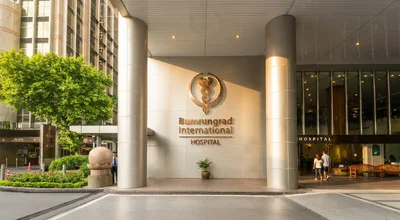
Bumrungrad International Hospital
Full-service hospital with over 1,200 physicians treating 520,000+ international patients a year.
View hospital profile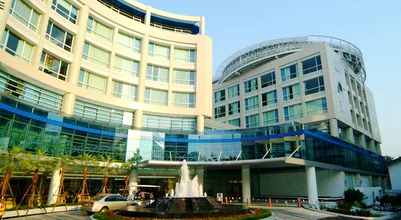
Bangkok Hospital
BDMS flagship hospital campus with standalone heart, cancer, and neuro-orthopaedic hospitals.
View hospital profile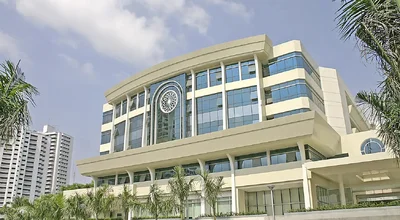
Samitivej Sukhumvit Hospital
Full-service hospital known for paediatrics, home to Thailand's first private children's hospital.
View hospital profile
Tell Us What You Need. We Do the Rest.
Share what you're considering and we'll come back with surgeon options, pricing, and a clear plan.
- Real hospital pricing with zero markup
- Matched with a specialist experienced in your specific procedure
- Full coordination from consultation to recovery


Trusted by patients worldwide
The complete guide to Regenerative Stem Cell Therapy in Thailand
Everything below is for readers who want the full detail: costs broken down, types and techniques, recovery, risks and safety, and planning your trip.
Stem Cell Therapy Clinics in Thailand
Cell quality and clinical expertise are the two factors that decide whether stem cell therapy delivers genuine benefit. Here is what distinguishes our partner clinics.
Leading Clinics in Bangkok
Our partner clinics source donor cells from certified MSC laboratories, maintain cold-chain storage to preserve viability, and deliver treatment under physician supervision with continuous monitoring. These are dedicated regenerative medicine centres with the infrastructure to run programmes within Thailand's regulatory framework rather than as informal add-ons.
Regenerative Medicine Specialists
Partner physicians specialise in regenerative and longevity medicine with training in stem cell biology and clinical application. They design programmes from your health assessment, decide whether donor or autologous cells suit you, and track outcomes objectively rather than anecdotally.
What to Look For
Ask for the cell documentation. A reputable clinic provides certificates showing donor screening, viability and cell counts, sterility testing, and characterisation confirming the cells are what they claim. Confirm the programme includes pre- and post-treatment blood work, and imaging for joint cases. Be sceptical of any clinic promising to cure serious disease with stem cells; the honest position is regenerative and anti-inflammatory support under supervision, with the limits of the evidence stated plainly.
Measuring Stem Cell Therapy Outcomes
Stem cell therapy benefits should be tracked objectively alongside how you feel. Here is how responsible clinics measure results.
Objective Tracking
Pre- and post-treatment blood panels measure inflammatory markers (hs-CRP, IL-6), metabolic indicators, and biological age proxies. For joint treatments, imaging such as MRI or ultrasound assesses the target tissue over time. This objective data shows whether the therapy produced measurable biological change, which is essential in a field where subjective feedback alone is not enough.
Realistic Expectations
Stem cell therapy is a regenerative intervention, not a one-session transformation and not a cure. Realistic outcomes include reduced inflammatory markers, improved joint comfort and function, better energy and recovery, and progressive improvement in targeted areas. Your specialist should discuss what the current evidence supports for your specific indication and be transparent about uncertainty, especially for the newer non-transplant uses.
Stem Cell Therapy Cost in Thailand
Average Cost of Stem Cell Therapy
Stem cell therapy in Thailand typically costs $8,000 to $20,000 per programme, depending on the cell source, the number of viable cells delivered, how many sessions you have, and whether an autologous harvest is involved. A single targeted joint injection sits at the lower end; multi-session systemic programmes with harvest, processing, and imaging are higher.
What Affects the Price?
The cells are the largest cost. Characterised, viability-tested MSCs from certified laboratories are expensive to produce, and autologous programmes add harvest and laboratory processing. Session count, total cell dose, whether IV and injection routes are combined, and the scope of blood work and imaging all affect the final figure.
Thailand vs International Price Comparison
Where MSC stem cell therapy can be accessed legally in the US, prices commonly run $20,000 to $50,000, with comparable figures in Australia (A$18,000–A$45,000) and the UK (£16,000–£40,000), and often it is simply not lawfully available there. Thailand costs 50–70% less in a regulated, physician-supervised setting with laboratory standards comparable to leading Western regenerative centres.
Types of Stem Cell Therapy Programmes
Stem cell therapy uses several routes and cell sources for different goals. Your specialist assesses your health and target tissues before choosing an approach and whether your own or donor cells fit.
Intravenous MSC Infusion
The most common systemic approach. Mesenchymal stem cells are delivered into the bloodstream by IV drip so they circulate and home toward areas of inflammation throughout the body. Chosen for general anti-ageing, systemic inflammation, and immune regulation. Sessions typically last one to three hours.
- Tens to hundreds of millions of cells delivered per session by IV drip
- Systemic distribution allows cells to migrate toward inflamed tissue
- Often combined with IV NAD+ or exosome therapy for a broader programme
- Best for: whole-body anti-ageing, systemic inflammation, and recovery support
Targeted Injection Therapy
For localised problems such as knee or hip osteoarthritis, tendon injury, or disc-related pain, cells are injected directly into the affected joint or soft tissue under ultrasound guidance. This concentrates the regenerative payload where repair is needed and is the most evidence-supported use outside blood transplants.
- Intra-articular injection for cartilage and joint support
- Ultrasound guidance for accurate placement at the target site
- Peri-lesional injection for tendon and ligament healing
- Best for: osteoarthritis, joint pain, and soft-tissue injury
Autologous Harvest Programmes
Some programmes use your own cells rather than donor cells. Mesenchymal cells are harvested from your fat or bone marrow in a minor day procedure under local anaesthetic, processed in the laboratory, then returned by infusion or injection. Using your own cells removes any question of donor matching.
- Cells sourced from your own adipose tissue or bone marrow
- Minor harvest under local anaesthetic, no general anaesthesia
- Laboratory processing before the cells are returned to you
- Best for: patients who prefer their own cells over donor-derived product
Stem Cell Sourcing, Processing, and Quality Standards
The therapeutic value of stem cell therapy depends heavily on cell quality, viability, and delivery precision. Here is what each component involves at our partner clinics.
Cell Sourcing and Characterisation
Donor-derived programmes use mesenchymal stem cells from ethically donated umbilical cord tissue, a rich and youthful source of MSCs.2,3 Every batch undergoes donor screening, viability counting, sterility testing, and characterisation confirming the cells carry the expected mesenchymal markers. Full chain-of-custody documentation runs from donor tissue to the product that enters your body.
- Donor tissue screened for infectious disease and genetic abnormalities
- Cell viability and count verified before release
- Sterility, endotoxin, and mycoplasma testing on every batch
- Best for: confirming cell identity, safety, and potency
Autologous Harvest and Processing
Where your own cells are used, adipose tissue is taken through a small liposuction-style harvest, or bone marrow aspirated from the pelvis, both under local anaesthetic as a day procedure. The sample is processed to isolate and concentrate the mesenchymal fraction before it is returned, usually the same visit or after a short culture period.
- Minor adipose or bone marrow harvest under local anaesthetic
- Laboratory isolation of the mesenchymal fraction
- Same-visit return or short expansion depending on the protocol
- Best for: patients choosing an autologous, donor-free route
Dosing and Programme Structure
Cell dose is the number of viable cells delivered, calibrated to your age, weight, and target tissue. A single well-dosed session can deliver meaningful benefit, though two to three sessions are common for pronounced joint or systemic goals. Blood work and imaging track whether the intervention produces measurable change.
- Dose expressed in viable cell count, calibrated to your goals
- Single session or 2–3 sessions across your stay
- Pre- and post-treatment blood panels and imaging for objective tracking
- Best for: a structured, measurable regenerative programme
What to Expect After Stem Cell Therapy
During Treatment
You relax in a private suite while cells infuse over one to three hours, or have a quick targeted injection. Any harvest is separate, under local anaesthetic earlier.
First 24–48 Hours
Mild fatigue or a flu-like sensation may occur as the immune system responds, settling within a day. An IV leaves a small cannula site; a harvest leaves bruising and tenderness for a few days.
After a Targeted Injection
After a joint or soft-tissue injection, expect brief soreness and sometimes a short flare. Keep the site clean and dry and avoid pools, sea, and hot tubs for 48 to 72 hours. Your specialist advises when to load it.
Weeks 1–6
Patients commonly report improved energy, recovery, and reduced joint discomfort as cells settle and signalling influences repair. Benefits build progressively, not all at once.
Months 2–6
The fuller regenerative effect unfolds over months as remodelling and reduced inflammation continue. Follow-up blood panels, and imaging where a joint was treated, track the response objectively.
How Long Should You Stay?
Three to seven days is typical. A single targeted injection programme can be done in three days, one for consultation and screening, one for the treatment, and one buffer day. Programmes that include an autologous harvest, laboratory processing, or several infusions benefit from five to seven days so the schedule is comfortable.
When Will You Notice Results?
Some patients report improved energy and recovery within the first week or two. Joint comfort, stamina, and skin quality tend to improve progressively over four to twelve weeks as the cells settle and their repair signalling reaches tissue level. Full benefit is typically felt at three to six months.
Follow-Up and Monitoring
Your clinic schedules remote follow-up consultations and can arrange blood work, and imaging for joint cases, through international laboratory partners. Pre- and post-treatment panels and scans give objective evidence of whether the therapy has produced measurable benefit, which matters in a field where feel alone is not enough.
Risks, Safety, and Evidence Considerations
Stem cell therapy has a reassuring safety profile in supervised use, but the evidence for its newer longevity and orthopaedic uses is developing.
- Mild fatigue or flu-like symptoms for 24–48 hours after infusion
- Temporary soreness or a short joint flare at injection sites
- Bruising and tenderness at the harvest site if your cells are taken
- Headache or mild nausea after infusion
- Rare infection or allergic reaction
- Theoretical risk of promoting growth in undetected malignancies
- Outside blood-forming transplants, limited randomised trial data; evidence is largely early studies and case series
- Most MSC stem cell products are NOT approved as biologics by the FDA, MHRA, or TGA, and are not proven safe or effective for these newer uses.3
All donor-derived cells used at partner clinics are sourced from certified laboratories with full chain-of-custody documentation, and treatment is delivered under physician supervision. Your specialist screens for contraindications including active cancer, severe infection, and pregnancy before approving treatment.
Is Stem Cell Therapy Safe?
In supervised clinical use, mesenchymal stem cell therapy has a reassuring safety record, and using your own cells removes any question of donor matching. The key requirement is that cells come from a certified, characterised, quality-controlled source and are given under physician supervision. Our partner clinics evidence this with full batch documentation, viability and sterility testing, and staff monitoring throughout.
Understanding the Evidence Base
Be precise about the evidence. Blood-forming stem cell transplantation is a long-established, regulator-approved treatment for blood cancers and disorders.3 The mesenchymal programmes offered for joints, recovery, and anti-ageing are newer. Much of their evidence comes from early clinical studies and case series rather than large randomised controlled trials, and regulators do not yet consider these uses proven. The biological rationale is strong, but benefits should be seen as plausible and measurable rather than guaranteed.
Contraindications
Patients with active or recently treated cancer, severe uncontrolled infection, or who are pregnant or breastfeeding should not undergo stem cell therapy. Those on immunosuppressive medication (corticosteroids at immunosuppressive doses, biologics such as TNF inhibitors, or calcineurin inhibitors like tacrolimus or ciclosporin) or with a history of anaphylaxis require additional screening. Your specialist reviews your full history and medications before approving treatment.
Planning Your Stem Cell Therapy Trip
Most patients need three to seven days in Thailand for a stem cell programme. Here is how to structure your visit.
How Long to Stay
Three days for a single targeted injection; five to seven for multi-session, autologous harvest, or combined programmes. If you are adding exosome therapy, PRP, NAD+, or peptides to the same visit, a full week gives comfortable scheduling.
What Is Included
Your programme includes pre-treatment blood panels, specialist consultation, characterised cells with full batch documentation (or your own harvested cells), all infusion or injection sessions, imaging where relevant, post-treatment monitoring, and a dedicated care coordinator. Accommodation and flights are arranged separately, with coordinator help for hotel recommendations.
Combining with Other Regenerative Treatments
Stem cell therapy pairs well with exosome therapy, PRP therapy, NAD+ infusions, and peptide therapy. Many patients use a single Thailand trip to complete a comprehensive regenerative programme, something that would take months to coordinate through separate clinics in the West and often could not be assembled lawfully at all.
Related Procedures
Other procedures that address similar goals or conditions, in case one of them is a closer fit for you.
Planning your treatment in Thailand
Independent guides to help you weigh the decision, before you commit to anything.
Common Questions About Stem Cell Therapy
What to know before booking your stem cell programme in Thailand

Medical References
Keep researching with AI
Open this guide in your AI assistant to dig deeper and ask the questions it didn't answer.
Opens in a new tab with this guide already loaded.
Medical disclaimer: Content on this site is provided for informational purposes and should not be treated as medical advice. Outcomes, timelines, and eligibility differ from person to person. Consult a qualified medical professional before making any decisions about surgery or treatment.
Ready to Get Started?
Speak with our care coordinators for a free, no-obligation consultation and personalised quote.
Get a Free QuoteLongevity & Anti-Aging