Peptide Therapy in Thailand Your guide to cost, top specialists & hospitals
Peptides are short chains of amino acids used to signal specific processes in the body. How strong the evidence is depends on the compound, which your consultation sets out.
What Is Peptide Therapy?
Also known as: Peptide Treatment · Therapeutic Peptide Protocol
Peptide therapy is a treatment that uses short chains of amino acids, called peptides, to prompt specific responses in the body by binding to particular receptors. Rather than introducing a hormone directly, most therapeutic peptides prompt your own system to repair tissue, calm inflammation, or release its own growth hormone. Each compound has a defined job, for example BPC-157 for tissue repair or thymosin alpha-1 for immune support. A programme usually starts with blood work, then one or more peptides matched to your goals, given mostly by a fine subcutaneous injection.
After the in-clinic phase you continue at home, self-injecting for a few weeks, and your specialist designs the protocol around your blood work and history rather than a fixed menu. The technique takes minutes to learn, and a coordinator stays on hand.
Two honest points matter. Results vary by compound and by person, and peptides amplify your body's own repair rather than overriding genetics, sleep, nutrition or training. Most are also not licensed medicines in the US, UK or Australia, and the evidence is stronger for some than others, so a good consultation sets that out before you decide.
It can address a range of concerns, including:
Am I a Good Candidate for Peptide Therapy?
Peptide candidacy turns on screening blood work, the conditions in your history, and your willingness to run a structured protocol at home.
No peptide is prescribed before a comprehensive blood panel, and several conditions in your history change what can be offered.
Cancer history: growth hormone secretagogues raise IGF-1 and are generally avoided after an active or recently treated malignancy.
Autoimmune conditions: immunomodulating peptides such as thymosin alpha-1 need specialist input if you have lupus, RA, or MS.
Glycaemic control: GH peptides can transiently worsen blood sugar, so diabetes, pre-diabetes, and insulin resistance are assessed before any stack is designed.
Peptides are a protocol, not a session, and suitability includes being able to run it properly at home.
A multi-day clinic phase: the in-clinic loading phase involves daily or twice-daily administrations over several days before you fly home.
Comfortable self-injection: most peptides are given by a fine subcutaneous needle; the technique takes minutes to learn, but you will be doing it yourself for 4-12 weeks.
Follow-up markers: remote consultations and periodic blood work keep dosing matched to your response rather than left on autopilot.
Strong candidates understand both the regulatory status and the limits of what peptides can do.
Unlicensed compounds: most therapeutic peptides offered, including BPC-157 and CJC-1295, are not licensed for human therapeutic use by the US FDA, UK MHRA, or Australian TGA.
Variable evidence by compound: thymosin alpha-1 has randomised trial data, BPC-157 rests mainly on pre-clinical evidence plus clinical observation, and newer compounds like dihexa are largely animal-model territory.
An amplifier, not a substitute: peptides amplify your own repair and signalling; they do not override genetics or compensate for poor sleep, nutrition, or training habits.
Who is not suitable for peptide therapy?
- Active or recently treated cancer
- Pregnancy or breastfeeding
- Active autoimmune disease not yet discussed with a specialist
- Diabetes, pre-diabetes, or insulin resistance not yet specialist-reviewed; GH peptides can transiently worsen blood sugar, so glycaemic control must be assessed before any GH secretagogue stack is designed
- Athletes competing in tested sport, as several therapeutic peptides sit on the WADA prohibited list
Pricing
How Much Will Peptide Therapy Cost in Thailand?
What peptide therapy costs at accredited hospitals in Thailand, and what your final quote depends on.
Get your exact price
Tell us what you're considering and we'll send a personalised quote from accredited clinics within 24 hours.
Get a Free QuoteTypical prices in Thailand
Typical ranges based on recent hospital quotes. Your exact price depends on the hospital and how complex your case is, and is confirmed at your teleconsultation.
Peptide Therapy
Short chains of amino acids called peptides, given mostly by a fine injection under the skin over a course that runs several weeks.
| Single peptide protocol One peptide, chosen at consultation and given by a fine injection under the skin | $400 to $480 ฿13,600 to ฿16,320 |
| Combination protocol, two peptides Two peptides run together, with their dosing coordinated so they do not interact | $480 to $560 ฿16,320 to ฿19,040 |
| Comprehensive programme, three or more peptides Three or more peptides over a multi-week course, with follow-up blood work and dose review | $560 to $650 ฿19,040 to ฿22,100 |
Typically not included
- Treatment of an unrelated condition the baseline blood panel uncovers
- Any other longevity treatment added to the same trip, such as an NAD+ or IV nutrient infusion
- Repeat blood panels during the home maintenance phase, arranged through a laboratory where you live
Get your exact price
Tell us what you're considering and we'll send a personalised quote from accredited clinics within 24 hours.
Hospitals Trusted for Peptide Therapy
From internationally accredited flagships to dedicated specialist hospitals, these are the kinds of facilities where international patients have this procedure.
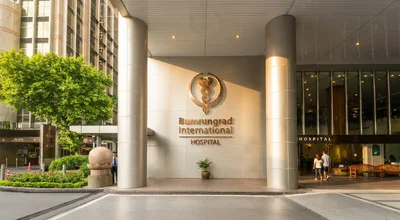
Bumrungrad International Hospital
Full-service hospital with over 1,200 physicians treating 520,000+ international patients a year.
View hospital profile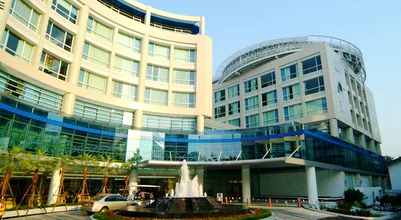
Bangkok Hospital
BDMS flagship hospital campus with standalone heart, cancer, and neuro-orthopaedic hospitals.
View hospital profile
Samitivej Sukhumvit Hospital
Full-service hospital known for paediatrics, home to Thailand's first private children's hospital.
View hospital profile
Tell Us What You Need. We Do the Rest.
Share what you're considering and we'll come back with surgeon options, pricing, and a clear plan.
- Real hospital pricing with zero markup
- Matched with a specialist experienced in your specific procedure
- Full coordination from consultation to recovery


Trusted by patients worldwide
The complete guide to Peptide Therapy in Thailand
Everything below is for readers who want the full detail: costs broken down, types and techniques, recovery, risks and safety, and planning your trip.
Peptide Therapy Clinics in Thailand
Peptide therapy requires pharmaceutical-grade sourcing, specialist protocol design, and proper follow-up. Here is what to look for in a Thai clinic.
Leading Clinics in Bangkok
Our partner clinics source peptides exclusively from licensed pharmaceutical suppliers and maintain cold-chain storage to preserve compound integrity. Protocols are designed by regenerative medicine physicians, not general practitioners with a peptide menu. Each programme includes pre-treatment diagnostics and structured follow-up.
Regenerative Medicine Specialists
Partner physicians hold certifications in regenerative, anti-aging, or functional medicine. They select peptides based on your blood work and clinical presentation, adjust dosing as markers change, and stay current with the evolving evidence base. Ask about their prescribing rationale; a good specialist will explain why each peptide was chosen and what evidence supports it.
What to Look For
Ask where the clinic sources its peptides and whether batch certificates are available. Confirm that the programme includes pre-treatment blood work and a structured follow-up schedule. Be cautious of clinics offering long lists of peptides without proper diagnostic workup; the value of peptide therapy comes from matching compounds to your specific physiology, not prescribing everything on the shelf.
Measuring Peptide Therapy Outcomes
Peptide therapy outcomes should be tracked with objective markers alongside subjective improvements. Here is how results are measured.
Objective Tracking
Pre- and post-treatment blood panels measure IGF-1 (for GH secretagogues), inflammatory markers (hs-CRP, IL-6), immune cell profiles (for thymosin alpha-1), and metabolic indicators. This data provides an objective record of biological change rather than relying solely on how you feel.
Realistic Expectations
Peptide therapy amplifies your body's own repair and signalling mechanisms; it does not override genetics or compensate for poor lifestyle habits. Patients who combine peptide protocols with good nutrition, regular exercise, and adequate sleep see the best results. Your specialist will set expectations based on your baseline markers and health profile, not marketing claims.
Peptide Therapy Cost in Thailand
Average Cost of Peptide Therapy
Peptide therapy in Thailand starts from around $400 for a basic single-peptide course and ranges up to $650 or more for comprehensive multi-peptide programmes with full diagnostics and follow-up. The final price depends on which peptides are prescribed, the duration of your protocol, and whether additional blood panels are included.
What Affects the Price?
The number and type of peptides prescribed are the primary cost drivers. Growth hormone secretagogues and immune peptides each carry different pharmaceutical costs. Multi-peptide stacks cost more than single-compound protocols. Comprehensive blood panels, in-clinic loading phases, and take-home supplies all contribute to the total programme price.
Thailand vs International Price Comparison
Peptide therapy in Thailand costs 50–70% less than equivalent programmes in the US ($800–$1,600), Australia (A$700–A$1,400), and UK (£650–£1,200). The savings reflect lower operating costs, not lower compound quality; partner clinics source pharmaceutical-grade peptides from the same certified suppliers used globally.
Types of Peptide Programmes
Peptide therapy is a framework, not a single treatment. Thai clinics draw on a broad formulary and select compounds based on your physiology and objectives, often combining two or more peptides for synergistic effect.
Growth Hormone Secretagogues
Stimulate your pituitary to produce its own growth hormone rather than introducing exogenous GH.1 Improved sleep depth, faster tissue repair, reduced visceral fat, and better muscle protein synthesis, with a more natural hormonal rhythm than direct GH injection.
- CJC-1295 with or without DAC paired with ipamorelin
- Sermorelin for gentle, physiological GH pulse optimisation
- Tesamorelin for targeted visceral fat reduction1
- Best for: patients wanting growth hormone benefits without exogenous GH administration
Repair and Recovery Peptides
BPC-157 and TB-500 accelerate healing of tendons, ligaments, gut lining, and soft tissue. Particularly valued by patients recovering from musculoskeletal injuries or dealing with chronic gastrointestinal issues where conventional treatments have plateaued.
- BPC-157 for gastrointestinal and joint tissue repair
- TB-500 (thymosin beta-4) for systemic soft-tissue healing
- KPV for intestinal inflammation and mucosal restoration
- Best for: injury recovery, chronic tendon conditions, and gut repair
Immune and Neuroprotective Peptides
Thymosin alpha-1 strengthens immune surveillance and infection resistance. Selank provides anxiolytic and nootropic support without sedation. These protocols suit patients with recurrent infections, autoimmune tendencies, or age-related cognitive decline.
- Thymosin alpha-1 for immune modulation and infection resistance
- Selank for cognitive resilience and anxiety reduction
- Dihexa for neuroplasticity and memory support (emerging evidence)
- Best for: immune support, cognitive resilience, and neuroprotection
Peptide Administration and Protocol Design
How peptides are administered and combined affects their efficacy. Here is what each delivery method involves and when it is used.
Subcutaneous Injection
The primary delivery method for most therapeutic peptides. A very fine insulin-type needle is used to inject a small volume of reconstituted peptide just beneath the skin, typically the abdomen or thigh. Patients learn the technique in minutes and self-administer at home after the clinic phase.
- Takes under a minute per injection
- Virtually painless with insulin-gauge needles
- Most peptides are stable for weeks when properly stored
- Best for: all standard peptide protocols including BPC-157, CJC-1295, and thymosin alpha-1
Intravenous Peptide Infusion
Certain peptides are delivered via IV when systemic distribution or higher bioavailability is the goal. IV thymosin alpha-1 for acute immune support or IV BPC-157 for systemic healing are examples. Sessions run 30–60 minutes with nurse monitoring.
- Achieves higher systemic levels than subcutaneous delivery
- Used for acute immune challenges or systemic tissue repair
- Administered in-clinic with nurse oversight
- Best for: patients needing rapid systemic peptide effect during their clinic stay
Protocol Stacking
Combining two or more peptides in a single programme, such as CJC-1295/ipamorelin for GH optimisation alongside BPC-157 for tendon repair, is common and often more effective than single-compound protocols. Your specialist selects combinations based on your blood work and ensures there are no contraindications between compounds.
- Complementary peptides paired for synergistic biological effects
- Dosing schedules coordinated to avoid interaction or overload
- Stacks adjusted based on follow-up markers and patient response
- Best for: patients with multiple goals who want an integrated approach
What to Expect During and After Peptide Therapy
During Treatment
Subcutaneous injections take under a minute and feel like a brief pinch. IV peptide infusions last 30–60 minutes. Most patients experience no discomfort beyond mild injection-site sensation.
First 24–48 Hours
Some patients notice improved sleep quality within the first few nights. Mild injection-site redness or a slight flush after infusion may occur and resolves within hours.
Weeks 2–4
Cumulative benefits emerge: better energy, faster workout recovery, and improved mood. Your specialist may adjust dosing based on your response and follow-up markers.
Ongoing Maintenance
After the in-clinic loading phase, most patients continue a simplified home protocol with self-administered subcutaneous injections. Remote consultations and periodic blood work keep the programme on track.
How Long Should You Stay?
Plan for three to seven days. The first day covers blood work and consultation. The in-clinic loading phase spans three to five days with daily or twice-daily administrations. Your final day includes a technique review for home self-injection and discharge planning. Patients combining peptides with other longevity treatments may extend to a week.
Home Continuation
You leave Thailand with a detailed protocol: peptide prescriptions, dosing schedule, injection technique guide, and storage instructions. Most patients self-inject comfortably within a day of learning the technique. Remote consultations at defined intervals ensure your programme stays optimised, and blood work can be arranged through local laboratories.
When Will You Notice Results?
Many patients report improved sleep within the first 3–5 days. Broader benefits such as better energy, faster recovery, and improved body composition typically become noticeable within 2–4 weeks and continue to build over subsequent cycles. Immune peptides may take longer to produce subjectively noticeable effects, though blood markers often improve earlier.
Risks and Safety of Peptide Therapy
Peptide therapy is generally well tolerated, but as with any bioactive protocol there are practical considerations and emerging evidence boundaries to understand.
- Mild redness, swelling, or itching at the injection site
- Temporary water retention during the initial loading phase
- Headache or lightheadedness after the first few doses
- Increased hunger or vivid dreams with GH secretagogues
- Potential interaction with existing medications or hormones
- Some peptides (e.g. dihexa) have limited human trial data; evidence is still emerging
- Most therapeutic peptides offered (BPC-157, CJC-1295, ipamorelin, TB-500 and similar) are not licensed for human use by the FDA, MHRA, or TGA, and are supplied through compounding or research-chemical channels rather than as licensed medicines.
Your specialist reviews your full medical history and current medications before prescribing. Dosing starts conservatively and is adjusted based on tolerance and laboratory results. Peptides with limited human evidence will be clearly identified during your consultation.
Are Peptides Safe?
The most commonly prescribed therapeutic peptides have an established tolerability profile, with side effects that are typically mild and transient. The depth of evidence differs by compound: thymosin alpha-1 has the strongest human safety record, backed by randomised clinical data, while CJC-1295/ipamorelin and BPC-157 rest mainly on pre-clinical work plus clinical observation rather than large licensed-medicine trials. Newer peptides with less human trial data carry more uncertainty, and a responsible clinic will explain the evidence level for each compound in your protocol.
Evidence Transparency
The peptide field moves faster than regulatory frameworks. Some compounds have robust randomised trial data (thymosin alpha-1 for immune modulation), others have strong pre-clinical evidence plus clinical observation (BPC-157 for tissue repair), and some are primarily supported by animal models (dihexa for neuroplasticity). Your specialist should be clear about which category each prescribed peptide falls into.
Contraindications
Certain peptides are contraindicated in patients with active cancer, severe autoimmune conditions, or during pregnancy. Growth hormone secretagogues require caution in patients with diabetes or a history of malignancy. Your specialist screens for all contraindications during the initial consultation. No peptide is prescribed without a clear clinical rationale.
Planning Your Peptide Therapy Trip
Most patients need three to seven days in Thailand to complete the in-clinic phase and leave with a home protocol.
How Long to Stay
Three to seven days depending on the complexity of your protocol. Simple single-peptide programmes can be initiated in three days. Multi-peptide stacks with comprehensive diagnostics and technique training typically require five to seven days.
What Is Included
Your programme includes initial consultation, comprehensive blood panels, pharmaceutical-grade peptide compounds, all in-clinic administrations during your stay, self-injection training, a take-home protocol with supplies, and a care coordinator for logistics and follow-up scheduling.
Combining with Other Treatments
Peptide therapy integrates well with NAD+ infusions, IV nutrient support, hormone optimisation, or stem cell therapy. Many patients use a Thailand longevity trip to complete several complementary protocols across a single visit, maximising the value of their time and travel.
Related Procedures
Other procedures that address similar goals or conditions, in case one of them is a closer fit for you.
Planning your treatment in Thailand
Independent guides to help you weigh the decision, before you commit to anything.
Common Questions About Peptide Therapy
What to know before booking your peptide programme in Thailand

Medical References
Keep researching with AI
Open this guide in your AI assistant to dig deeper and ask the questions it didn't answer.
Opens in a new tab with this guide already loaded.
Medical disclaimer: Content on this site is provided for informational purposes and should not be treated as medical advice. Outcomes, timelines, and eligibility differ from person to person. Consult a qualified medical professional before making any decisions about surgery or treatment.
Ready to Get Started?
Speak with our care coordinators for a free, no-obligation consultation and personalised quote.
Get a Free QuoteLongevity & Anti-Aging