PRP Therapy in Thailand Your guide to cost, top specialists & hospitals
Your own blood, concentrated and redirected; a regenerative shortcut that has earned its place in modern medicine.
What Is PRP Therapy?
Also known as: PRP Treatment · Platelet-Rich Plasma Therapy
PRP therapy is a regenerative treatment that concentrates the platelets in your own blood to deliver your body's natural repair signals straight into damaged tissue. A nurse draws a small sample, spins it in a centrifuge to separate the platelet-dense layer, and your specialist injects that concentrate into the target site. It is used for chronic joint and tendon problems, thinning hair, and facial skin concerns. The material is autologous, so allergic reaction or rejection is essentially nil1, and a session takes 45 to 90 minutes with no hospital stay.
Because the raw material is your own blood, this feels less daunting than it sounds. The draw is like a routine blood test, and the idea is simple: give your body's own repair process a concentrated head start.
Results genuinely vary. Joint and tendon repair has the strongest evidence, with roughly 70 to 80 percent of patients reporting meaningful improvement, while hair and skin uses rest on smaller studies. Benefits build over weeks and tend to last well rather than forever, so a top-up may be needed. A good clinic will tell you plainly which category your case falls into.
It can address a range of concerns, including:
Am I a Good Candidate for PRP Therapy?
Because the raw material is your own blood, PRP suits many patients; what matters is the application and the stage of your condition.
PRP works on tissue that can still respond, so specialists grade how advanced your condition is before recommending it.
Early to moderate hair thinning: PRP stimulates follicles that are dormant but still alive. It cannot resurrect follicles in areas of complete, long-standing loss.
Joint damage short of advanced structural change: PRP reduces symptoms and slows degeneration in knee osteoarthritis and chronic tendon conditions; it does not rebuild a severely damaged joint.
Skin suited to biological renewal: fine lines, dull tone, and under-eye hollows respond well; significant laxity points to other options.
For joint and tendon patients, PRP is positioned after standard treatment has had a fair run.
Physiotherapy that has plateaued: the strongest candidates have chronic joint, tendon, or ligament conditions that have not resolved with conventional physio.
A worked-up diagnosis: orthopaedic PRP is injected under ultrasound guidance into a defined target, which assumes the damage has been properly identified first.
Openness to a course: joints typically need 2-3 sessions spaced 2-4 weeks apart, not a single injection.
Because the treatment is concentrated from your own blood, your blood itself is part of the assessment.
Healthy platelet function: a low platelet count or clotting disorder undermines the concentrate that makes PRP work.
Anticoagulants reviewed: warfarin or DOACs need specialist review before any injection plan is agreed.
A medication pause you can manage: daily aspirin or NSAIDs must be safely paused for several days around treatment, since anti-inflammatories blunt the platelet-mediated healing response.
Clear skin at the injection site: active infection, cellulitis, or untreated dental sepsis near the site postpones treatment.
Good candidates accept that PRP accelerates the body's own repair rather than delivering an overnight change.
A months-long timeline: initial improvement may show within two to four weeks, with full results building over three to six months.
Results that need maintenance: joint benefits typically last 6-12 months and hair results 12-18 months before a top-up session.
A possibility of non-response: roughly 70-80% of joint patients report meaningful improvement, which means some do not; response varies by individual and severity.
Who is not suitable for prp therapy?
- Low platelet count or a diagnosed clotting disorder
- Anticoagulant therapy such as warfarin or DOACs not yet reviewed with the specialist
- Daily aspirin or NSAIDs that cannot be safely paused for several days around treatment
- Active skin infection or cellulitis near the planned injection site until cleared
- Active cancer or current cancer treatment
- Pregnancy
Pricing
How Much Will PRP Therapy Cost in Thailand?
What prp therapy costs at accredited hospitals in Thailand, and what your final quote depends on.
Get your exact price
Tell us what you're considering and we'll send a personalised quote from accredited clinics within 24 hours.
Get a Free QuoteTypical prices in Thailand
Typical ranges based on recent hospital quotes. Your exact price depends on the hospital and how complex your case is, and is confirmed at your teleconsultation.
PRP Therapy
A sample of your blood is spun in a centrifuge to concentrate the platelets, which are then injected into the treated joint, scalp or skin.
| Single PRP injection, one joint or area Concentrate injected into one joint or tendon in a single session | $400 to $480 ฿13,600 to ฿16,320 |
| PRP facial rejuvenation Microneedling with the concentrate applied across the facial skin in one session | $480 to $560 ฿16,320 to ฿19,040 |
| PRP course of three sessions Three injection sessions spaced over several weeks, joint or facial | $560 to $650 ฿19,040 to ฿22,100 |
Typically not included
- Maintenance or repeat sessions after your initial course, which are quoted separately
- Stepping up to an alternative such as stem cell or exosome therapy, if you choose it with your specialist
- Imaging or scans to diagnose a joint or tendon problem before treatment
- Blood tests to check your platelet count and clotting before treatment
Get your exact price
Tell us what you're considering and we'll send a personalised quote from accredited clinics within 24 hours.
Hospitals Trusted for PRP Therapy
From internationally accredited flagships to dedicated specialist hospitals, these are the kinds of facilities where international patients have this procedure.
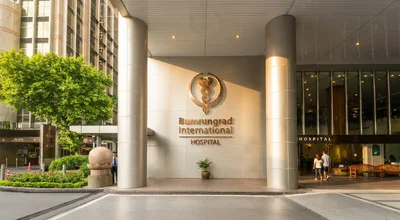
Bumrungrad International Hospital
Full-service hospital with over 1,200 physicians treating 520,000+ international patients a year.
View hospital profile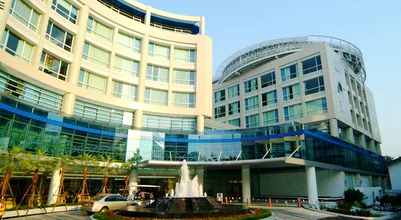
Bangkok Hospital
BDMS flagship hospital campus with standalone heart, cancer, and neuro-orthopaedic hospitals.
View hospital profile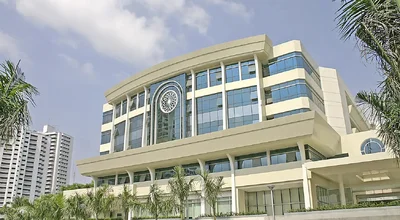
Samitivej Sukhumvit Hospital
Full-service hospital known for paediatrics, home to Thailand's first private children's hospital.
View hospital profile
Tell Us What You Need. We Do the Rest.
Share what you're considering and we'll come back with surgeon options, pricing, and a clear plan.
- Real hospital pricing with zero markup
- Matched with a specialist experienced in your specific procedure
- Full coordination from consultation to recovery


Trusted by patients worldwide
The complete guide to PRP Therapy in Thailand
Everything below is for readers who want the full detail: costs broken down, types and techniques, recovery, risks and safety, and planning your trip.
PRP Clinics in Thailand
The difference between a good and mediocre PRP result often comes down to preparation quality and injection technique, both of which depend on the clinic you choose.
Leading Clinics in Bangkok
Our partner clinics operate advanced centrifugation systems and employ regenerative medicine specialists who perform PRP daily across orthopaedic, aesthetic, and longevity applications. These are not general practice clinics with a sideline in PRP; regenerative medicine is their core focus, and their equipment reflects that.
Regenerative Medicine Specialists
Partner physicians include orthopaedic surgeons with sports medicine fellowships, dermatologists with aesthetic regenerative training, and longevity physicians who integrate PRP into broader anti-aging protocols. Ask about your specialist's specific PRP case volume and the preparation system they use; both matter.
What to Look For
Ask whether the clinic uses single-spin or double-spin centrifugation; double-spin yields higher platelet concentrations and better clinical results. For joint applications, confirm that injections are performed under ultrasound guidance. Check that the clinic is licensed by the Thai Ministry of Public Health. And read reviews specific to your treatment area, since a clinic that excels at facial PRP may not be the best choice for knee osteoarthritis.
PRP Treatment Results
PRP results are progressive rather than immediate. Here is what realistic outcomes look like and the timeframe for each application.
Typical PRP Results by Application
For joint conditions, most patients report reduced pain and improved mobility within four to six weeks, with maximum benefit at three to six months. Hair restoration patients typically see reduced shedding at two months and visible thickening at four to six months. Facial rejuvenation produces improved skin texture and tone within two to four weeks, with collagen remodelling continuing for several months.
Managing Expectations
PRP accelerates your body's own repair processes; it does not create overnight transformations. Joint patients should understand that PRP slows degeneration and reduces symptoms but does not reverse advanced structural damage. Hair restoration works best in early to moderate thinning and cannot resurrect completely dormant follicles. Your specialist will be direct about what PRP can realistically achieve for your specific situation.
PRP Therapy Cost in Thailand
Average Cost of PRP Therapy
PRP therapy in Thailand typically costs between $400 and $650 per session, depending on the treatment area, centrifugation method, and whether the session is part of a multi-treatment course. Orthopaedic PRP with ultrasound guidance sits at the higher end, while a standalone facial session is lower.
What Affects the Price?
The treatment area is the biggest factor. Joint injections requiring ultrasound guidance cost more than scalp or facial applications. Double-spin preparation adds marginally to the cost but produces significantly better platelet yields. Multi-session courses are often discounted. Whether PRP is combined with other therapies such as microneedling or stem cell infusion also affects the total.
Thailand vs International Price Comparison
PRP therapy in Thailand costs 60–80% less than equivalent treatments in the US ($800–$1,600), Australia (A$700–A$1,400), and UK (£650–£1,200). A full three-session PRP course in Thailand often costs less than a single session at a private clinic in the West. The preparation methods and clinical standards are equivalent.
Types of PRP Programmes
PRP is not a single procedure. The application, concentration method, and injection technique differ depending on what you are treating. Your specialist selects the protocol that matches your anatomy and clinical goal.
Orthopaedic PRP
Ultrasound-guided injection of concentrated platelets directly into damaged joints, tendons, or ligaments. This is the most evidence-backed application of PRP, with peer-reviewed data supporting its use for knee osteoarthritis, rotator cuff injuries, and plantar fasciitis.
- Ultrasound-guided injection for precise delivery to the damaged site
- Double-spin centrifugation yields 5–8x baseline platelet concentration
- Typically 2–3 sessions spaced 2–4 weeks apart
- Best for: chronic joint, tendon, and ligament conditions that have not resolved with physio
PRP Hair Restoration
Multiple micro-injections into the scalp at follicle depth to stimulate dormant hair follicles, increase local blood supply, and promote thicker regrowth. Works best for androgenetic alopecia in both men and women when caught in the early to moderate stages.
- Topical anaesthetic applied before treatment for comfort
- Covers thinning areas with a grid of micro-injections
- Best results with a course of 3–4 sessions spaced 4–6 weeks apart
- Best for: early to moderate pattern hair loss in men and women
PRP Facial Rejuvenation
Applied via micro-injections or combined with microneedling to boost collagen production and improve skin texture, tone, and hydration. Sometimes marketed as the vampire facial. All active ingredients come from your own blood; no synthetic fillers involved.
- Often paired with microneedling for deeper dermal penetration
- Targets fine lines, under-eye hollows, and uneven skin tone
- Results build over weeks as collagen remodelling progresses
- Best for: patients wanting biological skin renewal without fillers or surgery
PRP Techniques
The quality of PRP depends as much on how the sample is prepared and delivered as on the treatment itself. Here is what distinguishes a clinical-grade protocol from a basic one.
Centrifugation and Concentration
Double-spin protocols separate red blood cells more thoroughly and yield platelet concentrations 5 to 8 times above baseline. Single-spin methods, still common at many clinics globally, produce lower concentrations with more red cell contamination. The preparation method directly affects clinical outcomes.
- Double-spin yields a purer, more concentrated platelet fraction
- Automated systems reduce operator variability and improve batch consistency
- Higher platelet count correlates with better growth factor delivery
- Best for: any PRP application where maximising platelet concentration matters
Ultrasound-Guided Injection
For orthopaedic applications, real-time ultrasound imaging ensures the PRP is delivered precisely into the damaged tissue rather than the surrounding area. This improves accuracy, reduces the number of injection passes, and concentrates the growth factors exactly where they are needed.
- Real-time visualisation of needle placement within the joint or tendon
- Reduces injection attempts and minimises post-procedure soreness
- Standard practice at leading Thai orthopaedic and sports medicine clinics
- Best for: joint, tendon, and ligament injections where precision determines outcome
PRP Combined with Microneedling
For facial rejuvenation, PRP is applied topically immediately after microneedling creates thousands of controlled micro-channels in the skin. This dramatically increases absorption depth and distribution across the treatment area compared to injection alone.
- Microneedling creates controlled channels for PRP penetration
- Stimulates both mechanical collagen induction and growth factor delivery
- Suitable for face, neck, and decolletage
- Best for: skin rejuvenation patients wanting maximum collagen stimulation
What to Expect After PRP Treatment
Immediately After
Mild redness, swelling, or bruising at the injection site is normal and typically resolves within hours for facial treatments and one to two days for joint injections. You can return to your accommodation straight away.
First 24–48 Hours
Avoid anti-inflammatory medications such as ibuprofen or aspirin1; they inhibit the platelet-mediated healing response that makes PRP work. Light activity is fine, but skip strenuous exercise and direct sun on treated skin.
Weeks 2–6
Collagen remodelling and tissue repair are underway. Joint patients often notice reduced pain and improved mobility, though a post-injection flare of temporarily increased pain and swelling in the first few days is normal first. Hair restoration patients may pass through a brief shock-shedding phase of increased hair fall before shedding settles and regrowth begins. Facial patients will notice improved skin texture and firmness.
Months 3–6
Full results from PRP build progressively. Joint benefits typically last 6 to 12 months before a top-up is warranted.1 Hair restoration results can persist 12 to 18 months with maintenance. Skin rejuvenation results hold for 6 to 12 months depending on lifestyle.
How Long Should You Stay in Thailand?
One to three days is usually sufficient for a single PRP session. If you are planning a multi-session course, common for hair restoration or joint conditions, allow five to seven days to complete two or three treatments spaced appropriately. Your care coordinator will schedule everything before you arrive.
When Will You See Results?
Initial improvements in joint pain or skin texture may appear within two to four weeks. The full regenerative effect builds over three to six months as collagen remodelling, tissue repair, or follicle stimulation progresses. Hair regrowth is the slowest; expect visible thickening at three to four months with continued improvement through six months.
Follow-Up After Returning Home
Your clinic provides a treatment summary and maintenance schedule. For joint conditions, a single top-up session at six to twelve months is common. Hair restoration patients typically return for maintenance every twelve to eighteen months. Facial rejuvenation benefits from a top-up at six to twelve months. Your specialist can advise remotely on timing.
Risks and Safety of PRP Therapy
PRP uses your own blood and carries one of the lowest risk profiles of any regenerative treatment. That said, a few considerations apply.
- Mild pain, swelling, or bruising at the injection site1,2 (resolves in 1–3 days)
- Post-injection flare after joint or tendon PRP, a temporary worsening of pain and swelling in the first few days that affects some patients2; this is an expected inflammatory response, not infection, and settles on its own
- Temporary shock shedding after scalp PRP, a short-lived increase in hair fall in the early weeks that precedes regrowth and is not a sign of failure
- Temporary redness or sensitivity after facial treatments
Because PRP is derived entirely from your own blood, the risk of allergic reaction or rejection is essentially zero. Your specialist will review your medical history, current medications, and any blood-thinning agents before proceeding.
Is PRP Therapy Safe in Thailand?
PRP is one of the safest regenerative treatments available because the active ingredient is your own blood. Thai clinics use closed sterile preparation systems and follow the same protocols used at leading orthopaedic and dermatology centres internationally. Adverse events beyond mild, transient injection-site effects are exceptionally rare.
Who Should Not Have PRP?
PRP is not recommended for patients with active infections, blood disorders such as thrombocytopaenia, those on anticoagulant therapy, or those with active cancer. Pregnancy is also an exclusion. Your specialist will screen for these before drawing blood. If you are taking aspirin or NSAIDs, you will be asked to stop them several days before treatment.
What If PRP Does Not Work for Me?
Response to PRP varies by individual, treatment area, and severity of the underlying condition. For joint applications, roughly 70–80% of patients report meaningful improvement. If results are insufficient, your specialist may recommend a higher-concentration preparation, a longer treatment course, or a step up to stem cell or exosome therapy as an alternative.
Planning Your PRP Treatment in Thailand
PRP is one of the most straightforward treatments to schedule during a Thailand visit. Here is how to plan your trip around it.
How Long to Stay
A single PRP session requires only one clinic visit. If you are completing a multi-session course for joints or hair, allow five to seven days so two or three treatments can be spaced correctly. Most patients combine PRP with sightseeing or pair it with other wellness treatments during the same trip.
What Is Included
Your programme includes the specialist consultation, blood draw, centrifugation and preparation, the injection session itself, and post-treatment monitoring. For orthopaedic PRP, ultrasound guidance is included. Your care coordinator handles scheduling, clinic transfers, and any follow-up appointments.
Combining PRP with Other Treatments
PRP pairs well with stem cell therapy for enhanced joint regeneration, with NAD+ or glutathione infusions as part of a broader longevity programme, or with microneedling for comprehensive skin rejuvenation. Many patients use a Thailand wellness trip to complete several complementary treatments across a single visit.
Related Procedures
Other procedures that address similar goals or conditions, in case one of them is a closer fit for you.
Planning your treatment in Thailand
Independent guides to help you weigh the decision, before you commit to anything.
Common Questions About PRP Therapy
What to know before booking your platelet-rich plasma programme in Thailand

Medical References
Keep researching with AI
Open this guide in your AI assistant to dig deeper and ask the questions it didn't answer.
Opens in a new tab with this guide already loaded.
Medical disclaimer: Content on this site is provided for informational purposes and should not be treated as medical advice. Outcomes, timelines, and eligibility differ from person to person. Consult a qualified medical professional before making any decisions about surgery or treatment.
Ready to Get Started?
Speak with our care coordinators for a free, no-obligation consultation and personalised quote.
Get a Free QuoteLongevity & Anti-Aging