Surgical Sperm Retrieval in Thailand Your guide to cost, top specialists & hospitals
No sperm in the ejaculate does not mean no options. TESE and Micro-TESE can find what nature is hiding.
What Is Surgical Sperm Retrieval?
Also known as: Sperm Extraction · TESE · Micro-TESE
Surgical sperm retrieval is a minor day procedure that collects sperm directly from the testicles by taking small tissue samples when none appears in the ejaculate. It is used for azoospermia, meaning no sperm in the semen, whether because delivery is blocked or production is very low. The two techniques are conventional TESE, which takes small testicular biopsies, and Micro-TESE, which uses an operating microscope to find the tubules, the tiny ducts still making sperm, while removing as little tissue as possible. Any sperm found is used for ICSI, a form of IVF, or frozen for later. It takes 30 minutes to about three hours.
If you have just been told there is no sperm in your sample, that is hard to take in, and it does not mean the door is closed. Whether sperm can be found depends on why they are missing, so your specialists run the full workup first.
Where the cause is a blockage, sperm are usually found. Where production is very low, finding any is harder and is not guaranteed. Your urologist will talk through your realistic odds before you decide anything.
It can address a range of concerns, including:
Am I a Good Candidate for Surgical Sperm Retrieval?
Surgical sperm retrieval suits men with azoospermia, and specialists complete the workup and screening before deciding the approach.
The type of azoospermia determines the technique and the odds, so a full evaluation comes before any retrieval.
Confirmed azoospermia: good candidates have azoospermia confirmed on at least two semen analyses.
Hormonal panel: FSH, LH, and testosterone results guide whether the cause is obstructive or non-obstructive.
Genetic screening: karyotype and Y-chromosome microdeletion screening is important with severe oligozoospermia or azoospermia.
Retrieval is a minor procedure, but a few health and medication factors need settling first.
Fit for the procedure: good candidates are in good health and fit for a minor procedure under sedation or general anaesthesia.
Testosterone optimised: a low baseline testosterone is best optimised before Micro-TESE to improve retrieval odds.
Blood thinners reviewed: anticoagulants or antiplatelets need a peri-operative plan.
Retrieval success is not guaranteed, especially in non-obstructive cases, so honest expectations matter.
No guarantee: in non-obstructive azoospermia, sperm are not always found.
A short stay: the procedure needs roughly 5 to 7 days in Thailand with a few days of recovery.
Paired with IVF: retrieved sperm are used with ICSI, so the female partner's cycle is part of the plan.
Who is not suitable for surgical sperm retrieval?
- A confirmed complete AZFa or AZFb Y-chromosome microdeletion, where Micro-TESE almost never finds sperm and donor sperm is the realistic path
- Prior bilateral orchiectomy or testicular radiation ablation, with no sperm-producing tissue left to retrieve from by any technique
- FSH, LH, and testosterone panel not yet completed
- Karyotype and Y-microdeletion screening not yet done in severe cases
- Low baseline testosterone, until optimised before Micro-TESE
- On anticoagulants or antiplatelets, until reviewed
Pricing
How Much Will Surgical Sperm Retrieval Cost in Thailand?
What surgical sperm retrieval costs at accredited hospitals in Thailand, and what your final quote depends on.
Get your exact price
Tell us what you're considering and we'll send a personalised quote from accredited hospitals within 24 hours.
Get my free quoteTypical prices in Thailand
Typical ranges based on recent hospital quotes. Your exact price depends on the hospital and how complex your case is, and is confirmed at your teleconsultation.
Surgical Sperm Retrieval
Sperm is taken directly from the testicle through small biopsies, or with a microscope from the individual tubules still producing it, then used for IVF.
| Conventional TESE Day case Small testicular biopsies under local anaesthetic with sedation, used when the route is blocked | $2,500 to $3,200 ฿85,000 to ฿108,800 |
| Micro-TESE Day case An operating microscope picks out the few tubules still producing sperm, when production is very low | $3,500 to $4,500 ฿119,000 to ฿153,000 |
Typically not included
- The IVF or ICSI cycle itself, and your partner's egg collection. Retrieval only obtains the sperm; turning it into embryos is billed separately.
- A second retrieval attempt, such as a repeat search on the opposite testicle if none is found the first time.
- Specialised diagnostic testing such as genetic screening for karyotype and Y-chromosome microdeletion, where your workup calls for it.
- Medication to raise a low testosterone level before Micro-TESE, where your urologist advises optimising it first to improve retrieval odds.
- Ongoing yearly storage of frozen sperm. The initial freezing is included; the annual storage fee after that is billed separately.
Get your exact price
Tell us what you're considering and we'll send a personalised quote from accredited hospitals within 24 hours.
Hospitals Trusted for Surgical Sperm Retrieval
From internationally accredited flagships to dedicated specialist hospitals, these are the kinds of facilities where international patients have this procedure.
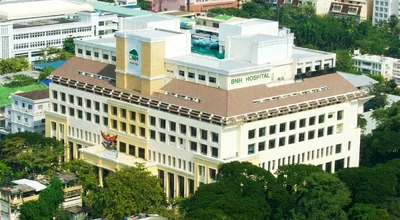
BNH Hospital
Mid-sized hospital founded in 1898, known for women's health, orthopaedics, and spine care.
View hospital profile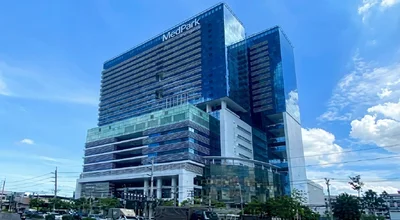
MedPark Hospital
Purpose-built tertiary hospital opened in 2020, focused on complex cardiac, cancer, and transplant care.
View hospital profile
Tell Us What You Need. We Do the Rest.
Share what you're considering and we'll come back with surgeon options, pricing, and a clear plan.
- Real hospital pricing with zero markup
- Matched with a specialist experienced in your specific procedure
- Full coordination from consultation to recovery


Trusted by patients worldwide
The complete guide to Surgical Sperm Retrieval in Thailand
Everything below is for readers who want the full detail: costs broken down, types and techniques, recovery, risks and safety, and planning your trip.
Sperm Retrieval Clinics in Thailand
Micro-TESE outcomes depend almost entirely on the surgeon's skill and the laboratory's ability to identify sperm in tissue samples.
Leading Fertility Clinics in Bangkok
Our partner clinics have reproductive urologists trained in microsurgical techniques working alongside dedicated embryology labs. The real-time coordination between the operating room and the lab, where embryologists examine tissue samples during the procedure, is what distinguishes these centres from general urology departments.
Experienced Reproductive Urologists
The urologists at our partner clinics are specifically trained in Micro-TESE and other reproductive microsurgical procedures. They work within fertility centres, not general urology departments, which means they are integrated with the IVF team and understand the downstream implications of their findings for embryo creation.
What to Look for in a Surgeon
Confirm your urologist has specific Micro-TESE experience and training, not just general surgical capability. Ask about their retrieval rates for non-obstructive azoospermia. Check whether real-time embryology lab coordination is available during the procedure. And confirm the clinic can proceed directly to ICSI or cryopreservation immediately after successful retrieval.
Sperm Retrieval Outcomes
The key metric is whether sperm are found. Here is what the data shows for each type of azoospermia.
Retrieval Rates by Diagnosis
In obstructive azoospermia, where the testes produce sperm normally but delivery is blocked, sperm can usually be collected surgically and frozen for use in IVF, with success varying by the cause of the obstruction2. In non-obstructive azoospermia, Micro-TESE retrieves sperm in up to around 60% of cases depending on the underlying cause1. Pre-operative hormone levels, testicular volume, and genetic testing provide a realistic estimate of success before you proceed.
What Happens After Successful Retrieval
Retrieved sperm can be used immediately for ICSI if coordinated with your partner's egg collection. Alternatively, sperm are cryopreserved for use in a future IVF cycle. Fertilisation rates with surgically retrieved sperm are comparable to ejaculated sperm when ICSI is used. The embryology team's skill in handling small numbers of surgically retrieved sperm is what determines the downstream outcome.
Surgical Sperm Retrieval Cost in Thailand
Average Cost of Surgical Sperm Retrieval
Surgical sperm retrieval in Thailand costs between $2,500 and $4,500 for Micro-TESE, including the urologist's fee, anaesthesia, laboratory processing, and cryopreservation if sperm are found. Conventional TESE for obstructive cases sits at the lower end. The procedure is often quoted as part of a combined IVF/ICSI package.
Cost Breakdown
The fee covers your urologist consultation, pre-operative assessment, the surgical procedure, anaesthesia, laboratory sperm processing and identification, and cryopreservation if applicable. Post-operative follow-up is included. If the procedure is coordinated with your partner's IVF cycle, the combined package pricing may apply.
What Affects the Price?
Micro-TESE costs more than conventional TESE because the procedure is longer and requires microsurgical expertise and equipment. Whether sperm are found (and therefore need cryopreservation) affects the final bill. If the retrieval is coordinated with an IVF cycle, the combined cost is more efficient than performing each separately.
Thailand vs International Price Comparison
Surgical sperm retrieval in Thailand costs $2,500–$4,500 compared to $6,300–$11,300 in the US, A$5,500–A$10,000 in Australia, and £5,000–£8,800 in the UK. When combined with an IVF/ICSI cycle, the total savings can exceed $15,000.
When Retrieval Is the Right Step, and When It Is Not
Surgery is not always the first move. The cause of the azoospermia decides that, which is why a full workup comes before any retrieval. Some men with a hormonal cause, such as low FSH and LH driving very low production, respond to medical therapy that can raise sperm to a level where they appear in the ejaculate on their own, with no procedure at all. Retrograde ejaculation, where semen travels back into the bladder, can sometimes be treated with medication or the sperm collected from urine. And where the blockage is a previous vasectomy, a surgical reversal is a separate route that can restore natural conception without ever needing ICSI. These pathways are explored and arranged through a urologist, not through us.
The limits are honest, though. Medical therapy only helps the minority of cases with a correctable hormonal or ejaculatory cause; it does nothing for a true production failure or a fixed anatomical blockage, and it can take many months to know if it has worked. A vasectomy reversal can fail or fall short, and its success drops the longer it has been since the original operation. None of these is a guaranteed substitute when sperm genuinely cannot reach the ejaculate.
For confirmed azoospermia that does not resolve, where sperm have to be taken directly from the testicle for ICSI, surgical retrieval is the route, and that is what the rest of this page covers. It is also the right step when time matters and you are coordinating with a partner's IVF cycle, since retrieval can be timed to her egg collection rather than waiting out a long trial of medication.
Types of Surgical Sperm Retrieval
The right technique depends on the cause of azoospermia. Obstructive cases are straightforward; non-obstructive cases require microsurgical precision.
Conventional TESE
Small biopsies of testicular tissue are taken through a scrotal incision. The tissue is examined in the lab for sperm. TESE is most effective for obstructive azoospermia where sperm production is normal but delivery is blocked. The procedure is relatively quick, taking 30–60 minutes under local anaesthesia with sedation.
- Sperm can usually be collected in obstructive azoospermia, varying by cause
- Procedure takes 30–60 minutes
- Can be coordinated with partner's egg retrieval for fresh ICSI
- Best for: obstructive azoospermia where sperm production is normal
Micro-TESE (Microsurgical Extraction)
An operating microscope at 20–25x magnification allows the urologist to examine individual seminiferous tubules and identify areas where sperm production may still be occurring. Micro-TESE removes less tissue than conventional TESE, reducing damage to the testis. It is the gold standard for non-obstructive azoospermia where sperm production is severely impaired.
- Retrieval rates of up to around 60% in non-obstructive azoospermia1
- Minimises tissue removal compared to conventional TESE
- Performed by specially trained microsurgical urologists
- Best for: non-obstructive azoospermia where finding any sperm requires precision
Aspiration Techniques (PESA, TESA, MESA)
Where the cause is a clear blockage, sperm can often be collected by aspiration through a fine needle rather than an open biopsy. PESA draws sperm from the epididymis through the skin; TESA aspirates directly from the testicle; MESA uses a microscope to collect from the epididymal tubules under direct vision. These are quicker, less invasive options that suit obstructive azoospermia, such as after a vasectomy, where sperm are being produced normally.
- Needle aspiration rather than an open incision, so recovery is quicker
- PESA and TESA are done under local anaesthesia in minutes
- MESA yields large numbers of sperm, ideal for freezing several cycles' worth
- Best for: obstructive azoospermia, such as post-vasectomy or epididymal blockage
Sperm Retrieval Techniques
The technical skill of the microsurgeon determines the retrieval rate, particularly in non-obstructive cases where sperm production is sparse and unevenly distributed.
Microsurgical Technique and Magnification
Micro-TESE uses a high-powered operating microscope at 20–25x magnification. The urologist opens the testis, surveys the seminiferous tubules, and identifies those that appear dilated, a visual indicator of active spermatogenesis. Only those tubules are sampled, leaving the rest of the testicular tissue intact. This targeted approach maximises the chance of finding sperm while minimising damage.
- Targeted sampling reduces tissue loss compared to random biopsies
- Dilated tubules are the visual marker for active sperm production
- Procedure typically takes one to three hours for thorough examination
- Best for: non-obstructive azoospermia where finding sperm requires systematic searching
Coordination with Embryology Lab
At leading Thai clinics, the embryology lab processes tissue samples in real time during the procedure. Embryologists examine each biopsy under a microscope immediately, confirming whether sperm are present. This feedback loop allows the urologist to stop as soon as adequate sperm are found, minimising unnecessary tissue extraction. If coordinated with the partner's egg retrieval, fresh sperm can be used for ICSI the same day.
- Real-time lab feedback during the procedure
- Minimises tissue extraction by confirming sperm presence immediately
- Fresh sperm can be used for ICSI if coordinated with egg retrieval
- Best for: all retrieval cases, real-time coordination improves efficiency and outcomes
Surgical Sperm Retrieval Timeline
Day of Procedure
The procedure is performed as a day case under local anaesthesia with sedation, or under general anaesthesia for Micro-TESE. Duration ranges from 30 minutes to three hours depending on the technique. You rest at the clinic for one to two hours before returning to your hotel. Ice packs and pain medication are prescribed.
Days 1–3
Mild to moderate scrotal discomfort, swelling, and bruising are typical and settle quickly. Most men manage pain with over-the-counter medication. Rest, avoid heavy lifting, and wear supportive underwear. Your clinic checks on you by phone or in person.
Days 3–7
Swelling and discomfort gradually subside. Most men resume light activities within a few days1. Strenuous exercise and sexual activity should wait at least two weeks. Sutures are dissolvable.
Results
The embryology team confirms whether sperm were retrieved, usually on the same day. If found, sperm can be used for ICSI immediately or frozen for future cycles. If none are found, your urologist discusses whether a repeat attempt or alternative options are appropriate.
When Can You Fly After the Procedure?
Most men can fly three to five days after the procedure, once initial swelling and discomfort have settled. If the retrieval is coordinated with your partner's IVF cycle, you may stay longer. Light activities are fine within a few days; heavy exercise should wait two weeks.
Recovery and Testosterone Levels
Micro-TESE can cause a temporary drop in testosterone because some testicular tissue is removed. In most men, levels recover to baseline within three to twelve months. Hormone levels are monitored after the procedure, and testosterone supplementation is available if needed during recovery.
What If No Sperm Are Found?
If no sperm are found on the first attempt, options include a repeat Micro-TESE on the opposite testis at a later date, hormonal therapy to optimise sperm production before a second attempt, or donor sperm as an alternative path. The decision is made based on your specific diagnosis and response.
Anaesthesia for Sperm Retrieval
A conventional TESE is usually done under local anaesthesia with sedation2, so you are relaxed and pain-free but not fully under, while the scrotal area is numbed completely. Micro-TESE, which is longer and more detailed, is more often done under general anaesthesia so you are fully asleep for the procedure. Either way, you feel nothing during the retrieval itself, and a doctor monitors you throughout.
Which approach is used depends on the technique you need and your own medical history, and the urologist and anaesthetist decide together what is safest and most comfortable for you. For a quick obstructive case, light sedation with local is often enough; for a thorough Micro-TESE search that can take a couple of hours, a general anaesthetic is usually the more practical choice.
You have a pre-operative assessment first, including a review of your medications and anything that affects anaesthesia, such as blood thinners. After the procedure, the discomfort is mild to moderate scrotal soreness, swelling and bruising rather than sharp pain, and it settles over a few days with simple pain relief, supportive underwear and an ice pack.
Risks and Safety of Surgical Sperm Retrieval
Sperm retrieval is a minor surgical procedure with manageable risks. Serious complications are uncommon at experienced centres.
- Scrotal pain, swelling, and bruising; common, usually mild and temporary
- Infection at the surgical site (rare with antibiotic cover)
- Bleeding or haematoma formation
- Temporary testosterone reduction after Micro-TESE, usually recovers within 3–12 months
- No sperm found despite the procedure, particularly in non-obstructive cases
- Very rare risk of testicular atrophy with repeated procedures1
Specific risks depend on your diagnosis and chosen technique. Micro-TESE minimises tissue removal compared to conventional approaches. Hormone levels are monitored after the procedure, and testosterone support is available if needed.
Is Surgical Sperm Retrieval Safe in Thailand?
Yes. These procedures are performed by experienced reproductive urologists at accredited fertility centres. Micro-TESE requires specialised microsurgical training and equipment; confirm that your surgeon has specific experience with this technique, not just general urology training. Our partner clinics meet these criteria.
How to Maximise Your Chances
A thorough pre-operative workup including hormone levels (FSH, LH, testosterone), testicular volume assessment, and genetic testing (karyotype and Y-chromosome microdeletion analysis) helps predict the likelihood of successful retrieval and guides the urologist's approach. Hormonal optimisation before the procedure, particularly in cases of very low testosterone, may improve the chances of finding sperm.
Coordinating with Your Partner's IVF Cycle
Synchronising your sperm retrieval with your partner's egg collection allows freshly retrieved sperm to be used for ICSI on the same day. Some evidence suggests this may produce better fertilisation rates than using frozen-thawed surgical sperm. This coordination requires careful scheduling between the urologist and the IVF team, something our partner clinics manage routinely.
Planning Your Trip to Thailand for Sperm Retrieval
Plan for five to seven days in Thailand if the retrieval is standalone, or two to three weeks if coordinated with your partner's IVF cycle.
How Long to Stay
A standalone sperm retrieval requires five to seven days, covering pre-operative assessment, the procedure, and initial recovery. If coordinated with your partner's IVF cycle, the combined stay is two to three weeks. Your coordinator will help plan the optimal schedule based on both partners' timelines.
What Is Included
Your quote covers the urologist consultation, pre-operative assessment, the surgical procedure, anaesthesia, laboratory sperm processing, cryopreservation if applicable, and your care coordinator. Post-operative follow-up is included.
Pre-Operative Investigations
Before the procedure, you will need at least two semen analyses confirming azoospermia, a hormone panel (FSH, LH, testosterone, prolactin), a physical examination including testicular volume assessment, and possibly genetic testing. Some of these can be done at home before travelling. Your coordinator will confirm what is needed and help arrange any tests.
Related Procedures
Other procedures that address similar goals or conditions, in case one of them is a closer fit for you.
Planning your treatment in Thailand
Independent guides to help you weigh the decision, before you commit to anything.
Common Questions About Surgical Sperm Retrieval in Thailand
Everything you need to know before your procedure

Medical References
Keep researching with AI
Open this guide in your AI assistant to dig deeper and ask the questions it didn't answer.
Opens in a new tab with this guide already loaded.
Medical disclaimer: Content on this site is provided for informational purposes and should not be treated as medical advice. Outcomes, timelines, and eligibility differ from person to person. Consult a qualified medical professional before making any decisions about surgery or treatment.
Ready to Get Started?
Speak with our care coordinators for a free, no-obligation consultation and personalised quote for surgical sperm retrieval.
Speak to Our Team