Male Fertility Assessment in Thailand Your guide to cost, top specialists & hospitals
Male factors account for roughly half of all fertility cases. A thorough assessment takes two days and gives you a complete picture.
What Is Male Fertility Assessment?
Also known as: Male Fertility Test · Andrological Evaluation
A male fertility assessment is a set of diagnostic tests that measures a man's reproductive function by examining the sperm, the hormones that drive its production, and the structures that carry it. It combines a medical history and physical examination with a semen analysis and a hormone blood panel covering FSH, LH, testosterone and prolactin. Where findings point to it, a scrotal ultrasound, which images the testes for varicoceles or blockages, and genetic testing follow. Most of the workup is done in two to three days.
Fertility worries are easy to carry quietly, and being assessed can feel exposing. None of it is invasive, and the tests are painless aside from a brief blood draw. Your specialist reads the results in the context of your situation, and you leave with a written report explaining each finding.
A single semen sample is only a snapshot, so a repeat is sometimes advised, and normal results do not guarantee fertility. Where a treatable cause such as a varicocele or hormonal imbalance is found, your specialist talks you through the options honestly.
It can address a range of concerns, including:
Am I a Good Candidate for Male Fertility Assessment?
A male fertility assessment suits any man wanting a diagnostic baseline, whether investigating or planning treatment.
This is a diagnostic workup, so suitability is about timing the tests so the results are meaningful.
Who it helps: men assessing their fertility, those whose partners are under investigation, men with known risk factors, and anyone planning assisted reproduction.
Correct timing: recent illness or antibiotics can skew semen and hormone results, and abstinence should be two to seven days.
Medication review: testosterone, steroids, or finasteride need a discussed washout before testing.
Who is not suitable for male fertility assessment?
- You want a guaranteed yes-or-no on fertility; no test can promise conception, only identify treatable factors
- You expect treatment to start before any diagnosis; the workup has to come first to direct it
- You only want an over-the-counter sperm count rather than a full specialist workup with hormones and imaging
- You are planning assisted reproduction as a couple and have not confirmed eligibility, which is governed by Thai law and clinic policy we set out in writing before you book
Pricing
How Much Will Male Fertility Assessment Cost in Thailand?
What male fertility assessment costs at accredited hospitals in Thailand, and what your final quote depends on.
Get your exact price
Tell us what you're considering and we'll send a personalised quote from accredited clinics within 24 hours.
Get a Free QuoteTypical prices in Thailand
Typical ranges based on recent hospital quotes. Your exact price depends on the hospital and how complex your case is, and is confirmed at your teleconsultation.
Male Fertility Assessment
A male fertility assessment measures the sperm, the hormones that drive its production, and the structures that carry it, with each tier adding deeper tests to the last.
| Basic assessment A specialist consultation with a full semen analysis | $350 to $420 ฿11,900 to ฿14,280 |
| Standard assessment Adds blood tests for FSH, LH, testosterone and prolactin | $420 to $530 ฿14,280 to ฿18,020 |
| Comprehensive assessment Adds a scrotal scan and sperm DNA fragmentation testing | $530 to $650 ฿18,020 to ฿22,100 |
Typically not included
- Treatment of anything the assessment finds, such as medication, varicocele repair, or IVF or ICSI, each priced separately once the plan is set
- Your partner's fertility assessment when investigated as a couple, priced on its own even when both are done on the same visit
- Genetic testing, meaning karyotype and Y-chromosome microdeletion analysis, added only where a severe result calls for it
- Sperm freezing and its ongoing storage, if you choose to preserve a sample, with annual fees set by the clinic
- A repeat semen analysis, if your specialist advises confirming an abnormal or borderline result on a second sample taken on a different day
Get your exact price
Tell us what you're considering and we'll send a personalised quote from accredited clinics within 24 hours.
Hospitals Trusted for Male Fertility Assessment
From internationally accredited flagships to dedicated specialist hospitals, these are the kinds of facilities where international patients have this procedure.

Jetanin Hospital
Specialist IVF hospital near BTS Chit Lom, founded 1995, with in-house genetic testing and JCI and RTAC accreditation.
View hospital profile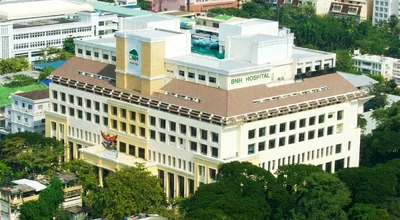
BNH Hospital
Mid-sized hospital founded in 1898, known for women's health, orthopaedics, and spine care.
View hospital profile
SAFE Fertility Center
RTAC-accredited IVF clinic in Gaysorn Amarin by BTS Chit Lom, founded 2007, with in-house genetic testing. Not JCI accredited.
View hospital profile
Tell Us What You Need. We Do the Rest.
Share what you're considering and we'll come back with surgeon options, pricing, and a clear plan.
- Real hospital pricing with zero markup
- Matched with a specialist experienced in your specific procedure
- Full coordination from consultation to recovery


Trusted by patients worldwide
The complete guide to Male Fertility Assessment in Thailand
Everything below is for readers who want the full detail: costs broken down, types and techniques, recovery, risks and safety, and planning your trip.
Male Fertility Assessment Clinics in Thailand
A meaningful assessment requires a specialist in male reproductive medicine, not a general practitioner with a lab order. Here is what to look for.
Leading Fertility Clinics in Bangkok
Our partner clinics have dedicated andrology services with experienced urologists, accredited laboratories, and on-site ultrasound. They handle male fertility assessment as a core part of their service alongside IVF and ICSI, which means findings feed directly into treatment planning without fragmented referrals.
Experienced Specialists
The urologists and andrologists at our partner clinics specialise in male reproductive medicine. They interpret results in the context of both partners' fertility profiles and make treatment recommendations based on the complete picture, not just isolated lab numbers. This integrated perspective is what distinguishes a specialist assessment from a standalone test.
What to Look for
Confirm the assessment is led by a urologist or andrologist, not a general practitioner. Ask whether the lab uses CASA for semen analysis. Check that DNA fragmentation testing is available. Confirm hormone panels include FSH, LH, testosterone, and prolactin. And ask whether the same clinic can provide treatment if the assessment reveals an issue; continuity of care matters.
Understanding Your Assessment Results
An assessment produces a detailed diagnostic picture. Here is how to interpret what it tells you.
What Normal Results Mean
Normal results across all parameters (semen analysis, hormones, and imaging) provide reassurance that male factor is unlikely to be the primary issue. However, normal results do not guarantee fertility. Unexplained infertility exists in a proportion of cases where all tests are normal for both partners. If everything checks out, the focus shifts to other factors and treatment options.
What Abnormal Results Mean
Abnormal results identify where the problem lies, whether that is hormonal, structural, genetic, or a combination. Each finding carries specific treatment implications. Low testosterone may respond to medication. A varicocele may benefit from surgical repair. Very low counts may indicate the need for ICSI. Azoospermia may require surgical sperm retrieval. Your report translates the findings into an actionable treatment plan.
Male Fertility Assessment Cost in Thailand
Average Cost of Male Fertility Assessment
A comprehensive assessment costs between $350 and $650. This covers specialist consultations, full semen analysis, hormone panel, physical examination, and a written report with recommendations. Scrotal ultrasound, DNA fragmentation testing, and genetic screening are included where indicated or available as additional options.
Cost Breakdown
The base fee covers the urologist or andrologist consultation, physical examination, comprehensive semen analysis with CASA, hormone blood panel (FSH, LH, testosterone, prolactin), a results consultation, and a written report. Scrotal ultrasound and DNA fragmentation are typically included or quoted at modest additional cost. Genetic testing, if recommended, is a separate line item.
What Affects the Price?
The main variable is how many advanced tests are needed beyond the standard workup. For most men, the base assessment plus DNA fragmentation provides a complete picture. If genetic testing is recommended for severe oligozoospermia or azoospermia, this adds to the total. If you combine your assessment with your partner's fertility workup, both can be coordinated efficiently at the same clinic.
Thailand vs International Price Comparison
A complete male fertility assessment in Thailand costs $350–$650 compared to $900–$1,600 or more in the US, UK, or Australia, where individual tests are billed separately and spread across multiple appointments over weeks. In Thailand, you complete everything in two to three days with a single specialist overseeing your entire workup.
Male Fertility Assessment Components
A thorough assessment follows a structured pathway: clinical evaluation first, then targeted investigations based on the findings. The aim is to identify the specific cause so treatment can be directed appropriately.
Clinical Assessment and Semen Analysis
Your urologist takes a detailed medical and sexual history, performs a physical examination including testicular assessment, and orders a comprehensive semen analysis. The analysis measures count, concentration, motility, morphology, and volume against WHO 2021 standards. CASA technology provides precise measurements. DNA fragmentation may be included if clinically indicated.
- Identifies the most common causes of male infertility
- Non-invasive; requires only a consultation and semen sample
- Standard analysis results available within hours
- Best for: all men investigating fertility, the essential starting point
Hormonal and Imaging Investigations
If the clinical assessment or semen analysis suggests an underlying issue, hormone blood tests and imaging follow. FSH, LH, testosterone, prolactin, and oestradiol reveal endocrine function. Scrotal ultrasound detects varicoceles, obstructions, and structural abnormalities. Genetic testing (karyotype and Y-chromosome microdeletion analysis) may be recommended for severe cases.
- Hormone panel identifies endocrine causes of infertility
- Ultrasound detects varicocele and structural problems
- Genetic testing guides treatment for severe oligozoospermia or azoospermia
- Best for: men with abnormal semen analysis or clinical findings requiring deeper investigation
Assessment Techniques
The diagnostic tools are standardised globally. What matters is having them all available in one place, interpreted by a specialist who understands male reproductive medicine.
CASA Semen Analysis with DNA Fragmentation
Computer-assisted analysis provides precise, repeatable measurements of all sperm parameters. DNA fragmentation testing adds a critical layer, revealing genetic damage inside sperm that standard parameters cannot detect. Together, they give the most complete laboratory picture of sperm quality available.
- Objective, operator-independent measurements via CASA
- DNA fragmentation reveals hidden damage affecting fertilisation and miscarriage
- Both tests completed from a single semen sample
- Best for: all patients, combining standard and advanced analysis gives the fullest picture
Hormone Panel and Scrotal Ultrasound
The hormone panel (FSH, LH, testosterone, prolactin, oestradiol) evaluates the endocrine axis controlling sperm production. Abnormalities indicate whether the problem is hormonal, testicular, or both. Scrotal ultrasound identifies varicoceles (which affect 15% to 20% of all men and contribute to around 40% of male infertility cases)5, obstructions, and structural abnormalities. Both are painless and completed within hours.
- Identifies treatable hormonal causes of infertility
- Varicocele detection: the most common surgically correctable cause
- Non-invasive imaging completed in 15–20 minutes
- Best for: men with abnormal semen parameters or clinical findings suggesting structural or hormonal issues
Male Fertility Assessment Timeline
Day 1: Consultation and Semen Analysis
Your assessment begins with a urologist or andrologist consultation covering medical history, lifestyle, and fertility goals. A physical examination is performed. You provide a semen sample for laboratory analysis. Standard results are available within hours.
Day 1–2: Blood Tests and Imaging
Blood is drawn for the hormone panel. Scrotal ultrasound, if indicated, is performed the same day or the next; a painless scan taking about 15–20 minutes. Advanced semen tests like DNA fragmentation are processed during this period.
Day 2–3: Results Consultation
Once all results are available, a comprehensive review covers every finding. You receive a clear diagnosis or confirmation of normal fertility, along with a personalised treatment plan covering next steps, from lifestyle changes to medical treatment to assisted reproduction referral.
Written Report
A detailed written report summarises all results, your diagnosis, and the recommended plan. This report can be shared with your GP, fertility specialist, or partner's treating doctor at home.
How Long Does the Assessment Take?
Most assessments complete within two to three days. Day one covers the consultation, physical examination, and semen sample. Blood tests and ultrasound typically happen the same or following day. A results consultation is scheduled once everything is back, usually by day two or three. Some advanced tests like genetic screening may take slightly longer.
Combining with Your Partner's Assessment
Many couples undergo their assessments in parallel at the same clinic. Both sets of results are available at the same time, allowing the specialist to provide a combined treatment recommendation. This is efficient: you leave with a complete picture of both partners' fertility and a clear plan forward.
What Happens If Something Is Found?
If an issue is identified, your report includes a clear diagnosis and recommended treatment pathway. Options may include lifestyle changes, medication, surgical correction (such as varicocele repair), or assisted reproduction. If surgery or treatment can begin during your stay, that option is discussed. Otherwise, the report equips your treating doctor at home with everything needed to proceed.
Risks and Considerations
A male fertility assessment is entirely non-invasive and carries no medical risks. All tests, including semen analysis, blood draw, ultrasound, and physical examination, are safe, painless, and routine.
- Minor discomfort from blood draw; bruising at the needle site is possible but temporary
- Psychological impact of receiving an unexpected diagnosis; counselling support is available
- A single semen analysis may not represent your true baseline; repeat testing may be advised
- Some results like genetic testing may take longer and arrive after you leave
- Normal results do not guarantee fertility; unexplained infertility exists in some cases
- Ultrasound findings may occasionally need additional imaging
Every finding is explained in context so you understand what the results mean for your fertility and overall health. If anything requires further investigation, next steps are coordinated, whether additional testing in Thailand or referral at home.
Is a Male Fertility Assessment Worth It?
Yes, particularly if your partner has been undergoing fertility investigations without a male assessment. Male factor is present in roughly half of infertile couples1,2, yet men are often assessed last. A thorough assessment can identify treatable conditions, guide treatment decisions, and avoid wasting time and money on the wrong approach.
What Can Be Treated?
Many findings are treatable. Varicoceles, the most common surgically correctable cause of male infertility, can be repaired. Hormonal imbalances can be addressed with medication. Lifestyle factors (smoking, weight, heat exposure) respond to modification. Even in cases of severe impairment where natural conception is unlikely, identifying the specific problem determines the most effective assisted reproduction pathway.
When Should You Get Assessed?
If you and your partner have been trying for twelve months or more (or six months if the female partner is 35 or older)1,3, a male assessment should be one of the first investigations, not the last. There is no benefit in waiting, and early identification of male factors can save significant time and expense by directing treatment appropriately from the start.
Getting Your Male Fertility Assessment in Thailand
A complete assessment takes two to three days. Many men combine it with their partner's fertility workup at the same clinic.
How to Plan Your Visit
Book through your coordinator and abstain from ejaculation for two to seven days before your appointment. The first consultation, physical exam, and semen sample can be completed in a single morning. Blood tests and imaging follow the same or next day. Results and a written report are provided by day two or three.
What Is Included
Your quote covers the specialist consultation, physical examination, comprehensive semen analysis, hormone blood panel, scrotal ultrasound if indicated, DNA fragmentation testing, results consultation, and written report with recommendations. All costs are transparent.
Acting on the Results
If your assessment identifies a treatable condition, your specialist can begin treatment during your stay. Medication can be prescribed, surgical options discussed, or assisted reproduction planned. If the plan requires action at home, the written report gives your local doctor everything needed to proceed. Your coordinator remains available for follow-up questions after you leave.
Related Procedures
Other procedures that address similar goals or conditions, in case one of them is a closer fit for you.
Planning your treatment in Thailand
Independent guides to help you weigh the decision, before you commit to anything.
Common Questions About Male Fertility Assessment in Thailand
Everything you need to know before your assessment

Medical References
- Male Fertility Evaluation What do I need to know (American Society for Reproductive Medicine)
- Male Infertility Causes, Symptoms, Tests and Treatment (Cleveland Clinic)
- Low sperm count (NHS)
- Semen Analysis Purpose, Procedure and Results (Cleveland Clinic)
- Varicocele Symptoms and Treatment (Cleveland Clinic)
Keep researching with AI
Open this guide in your AI assistant to dig deeper and ask the questions it didn't answer.
Opens in a new tab with this guide already loaded.
Medical disclaimer: Content on this site is provided for informational purposes and should not be treated as medical advice. Outcomes, timelines, and eligibility differ from person to person. Consult a qualified medical professional before making any decisions about surgery or treatment.
Ready to Get Started?
Speak with our care coordinators for a free, no-obligation consultation and personalised quote for your male fertility assessment.
Get a Free Quote