Tube Shunt Surgery in Thailand Your guide to cost, top specialists & hospitals
A permanent drainage pathway for glaucoma that has not responded to other treatments.
What Is Tube Shunt Surgery?
Also known as: Glaucoma Tube Surgery · Glaucoma Drainage Implant Surgery
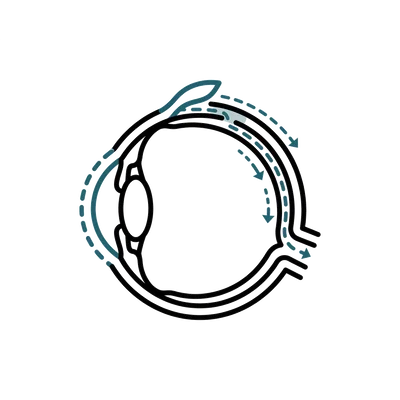
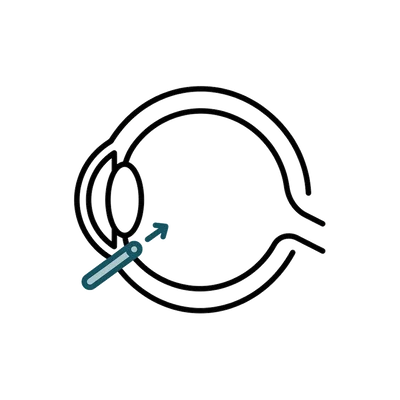
Tube shunt surgery is an eye operation that lowers the pressure inside the eye by implanting a small drainage device3. A fine silicone tube carries fluid from the front of the eye to a plate stitched onto the white of the eye, where the body forms a thin capsule of tissue that absorbs it away. This bypasses the eye's own blocked drainage. The implant is meant to last long term, and usually takes one to two hours to place under local anaesthetic.
This is not a first treatment. It is chosen when drops, laser, and often earlier surgery have not held the pressure, or when the eye is not suited to the more common filtering surgery. If you have reached this point, feeling wary of another procedure is natural. Your surgeon picks the device and approach that fit your eye.
It helps to be clear about the goal. Tube shunt surgery protects the sight you still have by controlling pressure; it does not bring back lost vision, and it manages glaucoma rather than curing it1,2. Pressure can take a couple of months to settle, and some people still need drops.
It can address a range of concerns, including:
Am I a Good Candidate for Tube Shunt Surgery?
Tube shunts are reserved for glaucoma that has defeated other treatments, so the assessment looks hard at what has already been tried.
This is not a first-line operation; surgeons look for a treatment history that justifies it.
Maximum therapy exhausted: Pressure remains uncontrolled despite drops, laser, and often previous surgery.
Failed or unsuitable trabeculectomy: Scarred conjunctiva, recurrent bleb problems, or anatomy that makes filtering surgery unlikely to succeed all point toward a tube.
Secondary glaucoma: Uveitic, neovascular, and post-traumatic glaucoma respond poorly to conventional filtering surgery and often go straight to a drainage implant.
The implant needs somewhere safe to sit, so tissue condition shapes the whole surgical plan.
A healthy conjunctival quadrant: At least one quadrant must be able to accommodate the end-plate.
Corneal endothelial reserve: A tube in the anterior chamber can accelerate decompensation in a compromised cornea, so borderline cell counts are reviewed first and pars plana placement considered.
Existing double vision noted: The plate sits beneath an eye muscle and can worsen diplopia, so any strabismus is mapped before surgery rather than discovered after.
A few systemic and ocular factors need stabilising before drainage surgery goes ahead.
Underlying drivers controlled: Active uveitis or an untreated neovascular cause such as proliferative diabetic retinopathy should be stabilised before the implant.
Anticoagulants reviewed: Blood thinners and antiplatelet medication need an agreed peri-operative plan.
Capacity for intensive follow-up: The first two weeks involve daily or near-daily pressure checks, which is why the 10-14 day stay cannot be shortened safely.
Tube shunts protect remaining vision rather than restore what has been lost.
Pressure control, not better sight: Success is measured in pressure numbers; many eyes maintain adequate pressure control over the long term, though some need further treatment.
A hypertensive phase is likely: Expect a temporary pressure rise at 4-12 weeks as the capsule matures. It is managed with drops, not a sign of failure.
Lifelong monitoring continues: Some drops may still be needed, and your home specialist takes over regular long-term surveillance of pressure, tube position, and corneal health.
Who is not suitable for tube shunt surgery?
- No healthy conjunctival quadrant available for plate placement
- Borderline corneal endothelial counts not yet reviewed for tube placement
- Active uveitis or untreated neovascular disease until stabilised
- Existing double vision not yet discussed with the surgeon
- Anticoagulant medication without an agreed peri-operative plan
Pricing
How Much Will Tube Shunt Surgery Cost in Thailand?
What tube shunt surgery costs at accredited hospitals in Thailand, and what your final quote depends on.
Get your exact price
Tell us what you're considering and we'll send a personalised quote from accredited hospitals within 24 hours.
Get a Free QuoteTypical prices in Thailand
Typical ranges based on recent hospital quotes. Your exact price depends on the hospital and how complex your case is, and is confirmed at your teleconsultation.
Tube Shunt Surgery
A fine tube drains fluid from inside the eye to a small plate stitched onto the white of the eye, lowering pressure. Only one eye is treated per trip.
| Ahmed glaucoma valve, one eye Day case Built-in flow restrictor limits drainage from the moment it is placed, for eyes needing pressure down quickly | $4,000 to $5,000 ฿136,000 to ฿170,000 |
| Baerveldt tube shunt, one eye Day case Larger plate with no valve, the tube tied off until the capsule forms, for maximum long-term lowering | $4,800 to $6,000 ฿163,200 to ฿204,000 |
Added to the above where needed
| Second eye, on a separate trip If both eyes need treating, charged per eye on a return visit | $4,000 to $6,000 ฿136,000 to ฿204,000 |
Typically not included
- Surgery on your second eye, a separate operation on a later trip and charged again in full, since only one eye is treated per trip
- Further surgery on the same eye later, such as needling a thickened capsule, repositioning the tube, or treating an erosion
- Long-term glaucoma monitoring once you are home, the pressure checks, visual fields and imaging your own specialist carries out for life
- Pre-operative assessment and planning imaging, including corneal endothelial cell counts, visual fields and review of any anticoagulant medication
- Any night on the ward, since this is planned as a day procedure, charged only if your surgeon judges one needed
Get your exact price
Tell us what you're considering and we'll send a personalised quote from accredited hospitals within 24 hours.
Hospitals Trusted for Tube Shunt Surgery
From internationally accredited flagships to dedicated specialist hospitals, these are the kinds of facilities where international patients have this procedure.

Bumrungrad International Hospital
Full-service hospital with over 1,200 physicians treating 520,000+ international patients a year.
View hospital profile
Bangkok Hospital
BDMS flagship hospital campus with standalone heart, cancer, and neuro-orthopaedic hospitals.
View hospital profile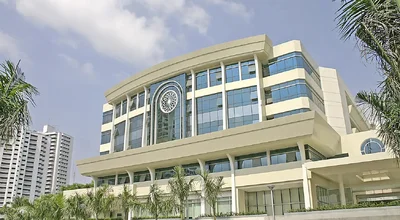
Samitivej Sukhumvit Hospital
Full-service hospital known for paediatrics, home to Thailand's first private children's hospital.
View hospital profile
Tell Us What You Need. We Do the Rest.
Share what you're considering and we'll come back with surgeon options, pricing, and a clear plan.
- Real hospital pricing with zero markup
- Matched with a specialist experienced in your specific procedure
- Full coordination from consultation to recovery


Trusted by patients worldwide
The complete guide to Tube Shunt Surgery in Thailand
Everything below is for readers who want the full detail: costs broken down, types and techniques, recovery, risks and safety, and planning your trip.
Tube Shunt Surgeons & Clinics in Thailand
Tube shunt surgery is a subspecialist procedure. The surgeon's experience with complex glaucoma directly affects the outcome. Here is what distinguishes our partner centres.
Leading Glaucoma Centres in Bangkok
Our partner hospitals have dedicated glaucoma departments with slit-lamp suites, anterior segment OCT, ultrasound biomicroscopy for tube position assessment, and ready access to donor tissue. They handle the full spectrum of glaucoma surgery (MIGS, trabeculectomy, and tube shunts) under one roof.
Experienced Tube Shunt Surgeons
Our partner surgeons completed glaucoma fellowships and manage refractory glaucoma as a core part of their practice. They implant both Ahmed and Baerveldt devices and select between them based on clinical need, not familiarity with one device alone. Pars plana insertion is available when anterior placement is not feasible.
What to Look for in a Tube Shunt Surgeon
Ask about their experience with the specific type of glaucoma you have. Neovascular, uveitic, and post-surgical glaucoma all present different challenges. Ask which device they would recommend and why. Check that they have access to donor tissue for patch grafting and that follow-up frequency in the first two weeks matches the level this surgery demands.
Understanding Your Results
Tube shunt surgery does not restore lost vision. It lowers the pressure that is causing ongoing optic nerve damage, protecting whatever sight remains.
Typical Results
Tube shunts lower eye pressure to slow further damage to the optic nerve and protect the sight you still have, though some eyes need additional treatment over time. The degree of success depends on the severity and type of glaucoma being treated. Many patients reduce their drop burden significantly, and some achieve medication-free pressure control. The degree of success depends on the severity and type of glaucoma being treated.
What Results Can You Expect?
Your surgeon sets a target pressure based on the extent of optic nerve damage and the rate of progression. More advanced damage demands lower targets. The consultation covers what is realistically achievable, including the possibility that drops may still be needed, that a hypertensive phase is likely, and that long-term monitoring is non-negotiable.
Tube Shunt Surgery Cost in Thailand
Average Cost of Tube Shunt Surgery
Tube shunt surgery in Thailand typically costs between $4,000 and $6,000. The range covers both Ahmed and Baerveldt devices, the donor tissue patch graft, all post-operative medications, and intensive follow-up during your 10–14 day stay. More complex cases such as pars plana insertion or combined procedures sit toward the upper end.
Cost Breakdown
The total includes the glaucoma surgeon's fee, the drainage implant device, donor tissue patch graft, anaesthesia, operating theatre, hospital facility charges, all post-operative steroid and antibiotic drops, and multiple follow-up appointments including pressure checks and imaging.
What Affects the Price?
Case complexity drives the price more than device choice. Pars plana tube insertion costs more because it requires vitreoretinal surgical involvement. Eyes with extensive prior surgery or abnormal anatomy take longer to operate on. The Ahmed and Baerveldt devices are similarly priced. Tube shunt surgery is performed one eye at a time; if both eyes require treatment, the second is scheduled as a separate trip.
Thailand vs International Price Comparison
Tube shunt surgery in Thailand costs 40–60% less than in the US ($10,000–$16,000), Australia (A$9,200–A$15,200), and UK (£8,000–£14,000). The implant and donor tissue costs are comparable worldwide. The savings are in surgeon fees, facility charges, and the cost of the intensive follow-up period.
Types of Tube Shunt
Two devices dominate worldwide: the Ahmed valve and the Baerveldt implant. They share the same basic design but differ in how they manage flow in the critical early weeks. The choice depends on how urgently pressure needs to come down and the acceptable risk of hypotony.
Ahmed Glaucoma Valve
A built-in flow restrictor limits drainage from the moment the tube is opened, providing immediate pressure control and reducing the risk of dangerous post-operative hypotony. Particularly suited to eyes that need urgent pressure lowering or are at higher risk of low-pressure complications.
- Valve mechanism provides pressure regulation from day one
- Lower early hypotony risk than non-valved devices
- Well suited to neovascular and uveitic glaucoma
- Best for: eyes needing immediate pressure control or at high hypotony risk
Baerveldt Glaucoma Implant
A non-valved device with a larger end-plate, relying on a temporary suture ligature to block flow until a fibrous capsule forms around the plate. The larger surface area typically achieves lower long-term pressures and higher rates of medication-free control than the Ahmed.
- Larger plate surface area for greater sustained pressure reduction
- Higher medication-free success rate at five years in comparative studies
- Temporary suture ligature dissolves or is released at 4–6 weeks as the capsule matures
- Best for: eyes where maximum long-term pressure lowering is the priority
Tube Shunt Techniques
The surgical steps are broadly similar for both devices, but the post-operative flow management and capsule maturation differ. Here is what determines technique selection beyond the device itself.
Tube Positioning and Patch Grafting
The tube is inserted into the anterior chamber through a needle track, angled to avoid the cornea and iris. A donor tissue patch graft (sclera or pericardium) is sutured over the exposed portion of the tube to prevent erosion through the conjunctiva, the most common long-term complication.
- Precise tube positioning avoids corneal endothelial contact and iris touch
- Donor patch graft prevents tube erosion, the single most important preventive step
- Tube length is trimmed to sit correctly in the anterior chamber without obstructing the visual axis
- Best for: all tube shunt cases; patch grafting is standard technique, not optional
Pars Plana Tube Insertion
In eyes with anterior chamber abnormalities such as shallow chambers, extensive synechiae, or prior failed anterior tube placement, the tube is inserted through the pars plana into the vitreous cavity instead. This requires coordination with a vitreoretinal surgeon and prior vitrectomy.
- Avoids the anterior chamber entirely in anatomically complex eyes
- Requires prior vitrectomy to prevent vitreous from blocking the tube
- Performed as a combined procedure with vitreoretinal surgical support
- Best for: eyes with shallow anterior chambers, extensive synechiae, or failed anterior tube placement
Ligation and Venting Slits (Non-Valved Devices)
With a non-valved Baerveldt implant the tube is tied off with a temporary suture until the capsule forms around the plate, preventing early hypotony. To avoid a dangerous pressure spike during the weeks before the ligature releases, the surgeon often adds small venting slits in the tube wall or places a stenting suture, allowing a controlled trickle of fluid in the meantime.
- Temporary suture ligature blocks flow until the capsule matures, then dissolves or is released at 4–6 weeks
- Venting slits or a stenting suture give controlled early drainage so pressure is not unmanaged before release
- Allows the lower long-term pressures of a non-valved device without the early hypotony risk
- Best for: Baerveldt and other non-valved implants where early pressure must be bridged until the ligature releases
Tube Shunt Surgery Recovery Timeline
Days 1–3
Frequent antibiotic and steroid drops begin immediately. The eye will be sore, red, and swollen. A protective shield is worn at night. Pressure, tube position, and anterior chamber depth are monitored at daily follow-up visits. With the Ahmed valve, drainage begins immediately; with the Baerveldt, the ligature keeps the tube closed.
Weeks 1–2
Swelling and redness gradually decrease. Pressure may fluctuate as the capsule forms around the plate; this is expected and monitored closely. Follow-up visits continue every few days before you travel home. Avoid heavy lifting, bending, and swimming.
Weeks 3–8
The fibrous capsule matures and pressure control becomes more predictable. For the Baerveldt, the ligature suture dissolves around week 4–6, allowing flow to begin. Steroid drops are tapered on a set schedule. Light activities can resume, but contact sports and strenuous exercise should wait.
Months 2–6
Long-term pressure stabilisation is established. Your glaucoma specialist at home monitors pressure, adjusts any remaining medications, and checks the implant at regular intervals. Many patients reach their target pressure with fewer drops than they were using before surgery3.
When Can You Fly After Tube Shunt Surgery?
Most patients can fly home 10–14 days after surgery, once pressure is stable, the tube is well-positioned, and the anterior chamber is formed. Cabin pressure at cruising altitude does not affect the drainage implant. Continue your prescribed drops during travel and arrange glaucoma follow-up at home within the first week of returning.
When Can You Return to Work and Exercise?
Light desk work can resume after 2–3 weeks, depending on comfort and vision. Avoid heavy lifting, bending below the waist, and straining for at least 6 weeks; these activities increase venous pressure around the eye and can stress the healing capsule. Swimming and contact sports should wait until your surgeon gives explicit clearance.
What Is the Hypertensive Phase?
Between 4 and 12 weeks after surgery, many patients experience a temporary rise in pressure as the fibrous capsule around the plate thickens. This hypertensive phase is common and usually managed by temporarily restarting or increasing glaucoma drops. It resolves as the capsule settles. Awareness of this phase prevents unnecessary alarm when pressure rises during an otherwise normal recovery.
Anaesthesia for Tube Shunt Surgery
Tube shunt surgery is carried out under local anaesthesia with sedation, so you are awake but relaxed and the eye itself is completely numb. The surgeon either places numbing drops and a small injection around the eye or uses an anaesthetic block, which switches off both sensation and, in most cases, movement in that eye. A medicine to keep you calm and drowsy is given through a small drip, and an anaesthetist stays with you throughout, watching your heart rate, breathing, and comfort while the surgeon works.
A common worry is that you will see the operation happening. You will not. The eye is numbed and your vision in it becomes a soft, unfocused blur of light and colour, so there is nothing alarming to watch, and a drape keeps the area covered. You stay still and breathe normally; if anything feels uncomfortable at any point, you simply say so and the team adjusts. General anaesthesia is reserved for unusual cases, such as a very anxious patient or particular medical reasons, and that decision is made with you and the anaesthetist beforehand.
Before surgery you have a pre-operative assessment that reviews your general health, your eye, and any blood-thinning or other regular medication, since some drugs need a plan agreed in advance. During the operation you feel pressure and movement around the eye but no pain. Afterwards the eye is typically sore, gritty, and irritated rather than sharply painful, and this settles over the first week, helped by the drops and pain relief your surgeon prescribes.
Risks and Safety of Tube Shunt Surgery
Tube shunt surgery is a more extensive operation than trabeculectomy or MIGS, reflecting the severity of the glaucoma it treats. The risks are real but well understood, and most are manageable with close monitoring.
- Hypotony (excessively low pressure), particularly in the early post-operative period2
- Tube erosion through the conjunctiva, reduced by donor tissue patch grafting
- Diplopia (double vision) from extraocular muscle displacement by the plate
- Corneal decompensation from tube-endothelial contact over time
- Endophthalmitis (intraocular infection), rare but requires emergency treatment2
- Hypertensive phase from capsule thickening, typically at 4–12 weeks post-surgery
Tube erosion and corneal contact are the two most important long-term risks. Donor patch grafting prevents erosion in the vast majority of cases, and careful tube positioning away from the corneal endothelium minimises contact risk. Regular long-term monitoring by your home specialist catches these issues early if they develop.
Is Tube Shunt Surgery Safe in Thailand?
Yes. Thailand's glaucoma centres hold JCI accreditation and follow the same surgical protocols published in the TVT and ABC studies. Our partner surgeons are fellowship-trained glaucoma subspecialists who perform tube shunt implantation routinely, not as an occasional procedure. Donor tissue for patch grafting is readily available through established tissue banks.
How to Reduce Risks
The most important preventive measures are precise tube positioning to avoid corneal contact, adequate patch grafting to prevent erosion, and intensive follow-up during the critical first two weeks. Choosing a surgeon who manages complex glaucoma regularly (not just occasional cases) is the single best risk-reduction step. Post-operative compliance with the drop schedule also matters.
When Is Re-Intervention Needed?
If the capsule thickens excessively and pressure rises beyond what drops can control, needling of the capsule may restore function. Tube repositioning is occasionally needed if the tube migrates or contacts the cornea. A second implant in a different quadrant is possible if the first fails completely. Ongoing monitoring at home catches these situations before optic nerve damage progresses.
Planning Your Trip to Thailand for Tube Shunt Surgery
Tube shunt surgery requires a longer stay than most eye procedures (10–14 days) because the early post-operative monitoring is intensive and cannot be shortened safely.
How Long to Stay in Thailand
Plan for 10–14 days. The first week involves daily or near-daily pressure checks. With the Baerveldt implant, the ligature is not released until week 4–6, but by that point you are home and managed by your local specialist. Your surgeon confirms readiness to fly at the final Bangkok follow-up.
What Is Included in a Medical Trip
Your care coordinator manages all scheduling, hospital transfers, and follow-up logistics. The surgical quote covers the surgeon's fee, drainage implant, donor tissue patch graft, anaesthesia, operating theatre, all post-operative medications, and intensive follow-up appointments during your stay.
Continuing Care at Home
Your surgical team prepares a detailed handover report before departure, covering device type and position, current IOP, capsule status, medication schedule, and recommended follow-up frequency. This goes directly to your home glaucoma specialist. Lifelong monitoring is essential. Tube shunt surgery manages glaucoma; it does not cure it.
Related Procedures
Other procedures that address similar goals or conditions, in case one of them is a closer fit for you.
Planning your treatment in Thailand
Independent guides to help you weigh the decision, before you commit to anything.
Common Questions About Tube Shunt Surgery in Thailand
Common questions about glaucoma tube shunts

Medical References
Keep researching with AI
Open this guide in your AI assistant to dig deeper and ask the questions it didn't answer.
Opens in a new tab with this guide already loaded.
Medical disclaimer: Content on this site is provided for informational purposes and should not be treated as medical advice. Outcomes, timelines, and eligibility differ from person to person. Consult a qualified medical professional before making any decisions about surgery or treatment.
Ready to Get Started?
Speak with our care coordinators to discuss your glaucoma history and find out whether tube shunt surgery could deliver the pressure control other treatments have not achieved.
Get a Free Quote